Open More Possibilities. Join a community of donors shaping the future of Jewish life.

Marilyn & Ira Polon: Building a Legacy of Jewish Continuity
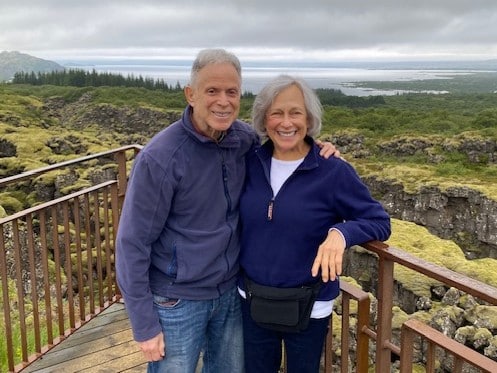
Marilyn & Ira Polon: Building a Legacy of Jewish Continuity

Leading by Example and Securing Our Future

We recently sat down with Marilyn and Ira Polon to talk about their decades-long connection to The Jewish Federation of Greater Washington—a relationship built on community, shared values, and a lifetime of giving.

Their story began in 1971, when Ira had just completed two years of Army service and the young couple settled in Alexandria, Virginia. Not long after, a friend from Agudas Achim invited them to a Federation “Young Marrieds” event—a lively gathering that became their gateway into Greater Washington’s Jewish community. “It was such a wonderful way to meet other young Jewish couples and build connections,” Marilyn recalls.

From that first welcome, their involvement only deepened. Ira joined a Federation mission to Israel and later served on the Strategic Planning & Allocations (SP&A) Committee. “That experience gave us a deeper understanding of the community’s needs,” he says. “That’s when giving became a brand-new habit, one that felt good and meaningful. As our financial situation improved over the years, we were able to give more.” Today, their philanthropy focuses primarily on Jewish causes, especially since October 7. Marilyn adds with a smile, “And animals, too.” Ira now serves on Federation’s Board of Directors.

A Deepening Sense of Purpose

Over five decades, the Polons have watched Federation’s work evolve to meet the changing needs of the community. “The work has always been vital,” they reflect, “but it feels especially urgent now with the rise in antisemitism.”

They point to the Charles E. Smith Jewish Day School (JDS) as an example of how Federation-supported institutions shape identity. Both of their children, Sara and Jonathan, attended JDS, and the experience reinforced the importance of Jewish learning. “A Jewish education deepens understanding and connection to our traditions,” Marilyn says. “That sense of identity and joy is what sustains us, especially in challenging times.”

“It’s what makes us feel rooted and proud,” Ira adds.

Today, their connection to JDS continues through the next generation—their two grandchildren are current students, carrying forward the same values and traditions that shaped their parents.

Roots, Resilience, and Influence

Neither Marilyn nor Ira grew up in a “Federation family,” but both carried formative Jewish experiences into their marriage. Ira was raised in New York, where he attended Hebrew school and celebrated his Bar Mitzvah, but he describes his upbringing as “not very religious.” Marilyn grew up in Baltimore with a deeply observant father and Hebrew teachers who were Holocaust survivors.

Her father’s devotion was sometimes tempered by caution in the face of antisemitism. “He wore a hat instead of a kippah and didn’t put up a sukkah,” Marilyn remembers. “Antisemitism was present then, as it is now.”

When the couple married in December 1967, Ira was surprised when Marilyn announced they’d keep a kosher home and join the local synagogue. “Thanks to Marilyn,” he says, “my connection to Judaism is so much richer and deeper now.”

A Legacy for the Future

For Marilyn and Ira, philanthropy is about more than giving—it’s about ensuring the future of the Jewish people. “We care deeply about continuity,” they say. “We want to make sure more Jews have the opportunity to strengthen their identity and connection to our heritage.”

“We feel lucky to be able to give back,” Marilyn says. “It just feels good to do our part.”

Recently, they experienced a proud and moving moment when they learned that their children also give to Federation quietly, without ever mentioning it to their parents. For them, it was a powerful illustration of true altruism—a sign that the next generation had been inspired not by being told to give, but by witnessing their parents’ intentional actions over the years.

“That’s what legacy is all about,” they agreed—ensuring that the Jewish community they have helped strengthen will continue to thrive for generations. A legacy gift, they believe, is a mitzvah for the future of the Jewish community. It shows your loved ones what matters most to you and creates a plan to sustain it.

Join Marilyn and Ira in shaping the future of Jewish life in Greater Washington. Learn more about creating your own Jewish legacy at www.shalomdc.org/legacy.
Related posts

Why this moment feels familiar Why this moment feels familiar
Why this moment feels familiar
As institutions increasingly single out Jews and demand ideological conformity, Jewish educators and communities face a difficult question: will the price of belonging become denying our identity? We must push back against antisemitism and protect the Jewish and universal values we have long fought to uphold.
read more

Where Inclusion Happens Every Day: The Blicher Family’s Summer at Camp 

Where Inclusion Happens Every Day: The Blicher Family’s Summer at Camp 

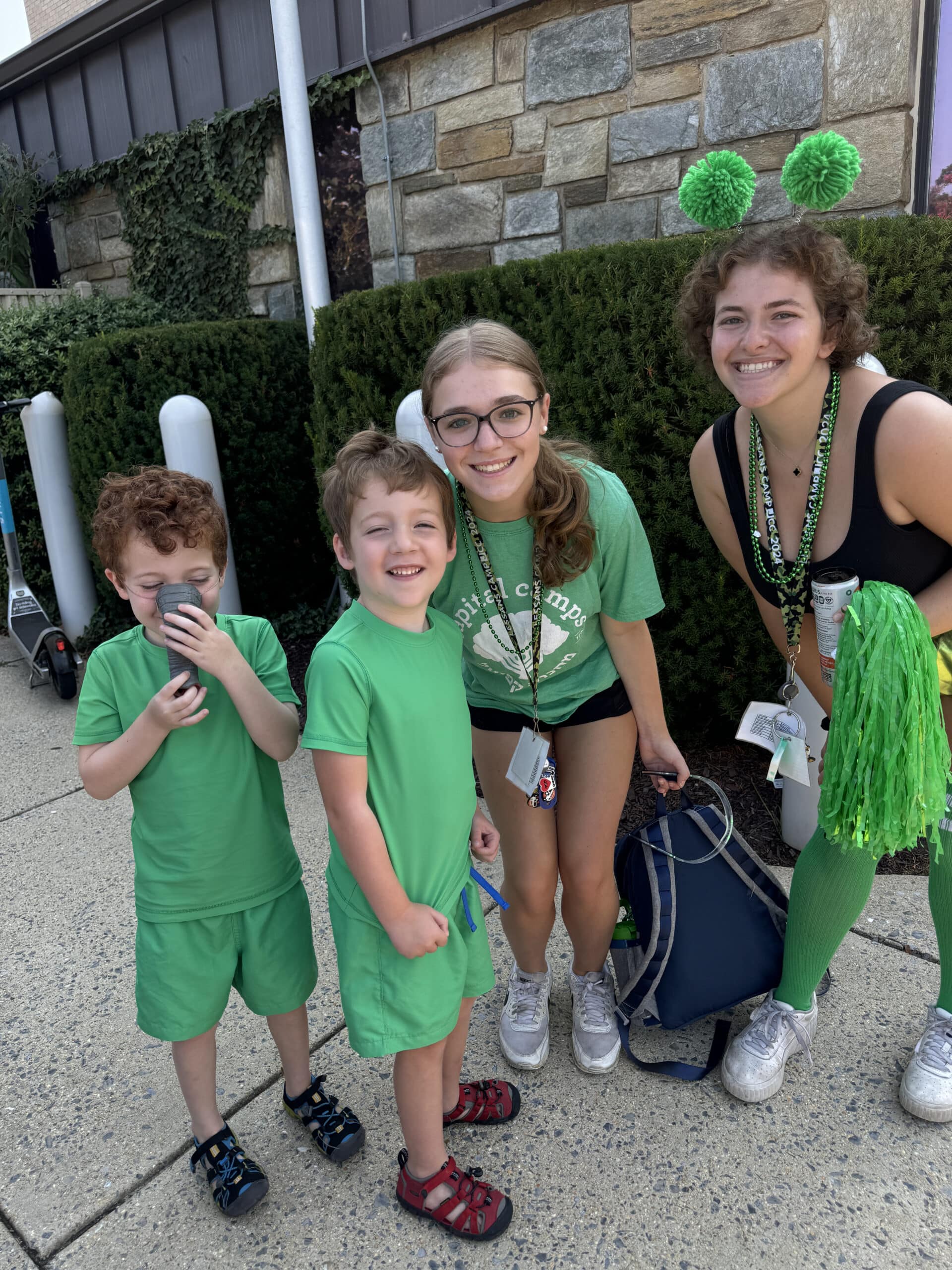
When Jamie Blicher drops off her 7-year-old twins, Ethan and Bennett, at Lessans Camp JCC each morning, she breathes a sigh of relief.  Many of the day-to-day stresses of raising twins with disabilities disappear, and her kids get to just be kids at a place where they are seen, valued, and fully included.

From swimming to arts and crafts, even the rock wall, they participate side-by-side, just like all the other 7-year-olds. The only difference is that they each have their own dedicated counselor, who is there to offer the additional support they need so they can thrive alongside their peers.

Inclusion isn’t just part of the mission statement for Lessans Camp JCC—it is truly at its core. Not only does the camp work to make sure that all activities are accessible to all of its campers, counselors, and staff, but it also looks at inclusion from a broader sense.  The camp is open to people of all backgrounds, nationalities, and faiths.

For Jamie, the difference is profound.

“Everywhere I go, I’m constantly looking for ramps, special doors, and other ways to make sure spaces are inclusive,” she says. “Here, I don’t have to worry about any of that. My kids feel like all the other kids. They feel important, they feel special—and they’re not defined by their disabilities here.”

This is the Blicher family’s third summer at Lessans Camp JCC, a program of the Bender JCC, one of The Jewish Federation of Greater Washington’s core partners. Our funding plays a critical role in making this experience possible—helping to cover the cost of dedicated counselors so that children like Ethan and Bennett can participate fully in camp life.

Jamie says that support is life-changing.

“Medical bills are incredibly expensive … The fact that camp is funded for them to have their own counselors takes such a weight off our shoulders. Having something this inclusive and affordable is such a gift!”

Through the partnership between The Jewish Federation and the Bender JCC, Lessans Camp JCC isn’t just a place for sports, games, crafts, and songs—it’s a place where inclusion is in action every single day. It’s a place where children form strong Jewish identities, build friendships, and feel truly at home.

As Jamie puts it, “Here, my kids aren’t defined by what they can’t do—they’re celebrated for everything they can.”

This impact is made possible through the generosity of our community. Your support of Federation ensures that Ethan, Bennett, and every camper can join every activity, every friendship, and every joyful moment of Jewish summer camp.

Related posts

Why this moment feels familiar Why this moment feels familiar
Why this moment feels familiar
As institutions increasingly single out Jews and demand ideological conformity, Jewish educators and communities face a difficult question: will the price of belonging become denying our identity? We must push back against antisemitism and protect the Jewish and universal values we have long fought to uphold.
read more

From Joy to Impact: How Federation Fuels Jewish Camp Experiences

From Joy to Impact: How Federation Fuels Jewish Camp Experiences

Related posts

Why this moment feels familiar Why this moment feels familiar
Why this moment feels familiar
As institutions increasingly single out Jews and demand ideological conformity, Jewish educators and communities face a difficult question: will the price of belonging become denying our identity? We must push back against antisemitism and protect the Jewish and universal values we have long fought to uphold.
read more

To-Do: 1. Meet Natalia 2. Leave a Legacy 

To-Do: 1. Meet Natalia 2. Leave a Legacy 

How Natalia Straus is helping Greater Washington’s Jewish community plan for the future—with heart, humor, and purpose.

Natalia Straus has always been a planner.

“As a kid, I’d write a to-do list that started with ‘write a to-do list,’” she laughs. “My family still teases me that I can’t get through breakfast without saying, ‘Let’s make a list.’”

That love of structure—and her deep sense of purpose—make Natalia the perfect person to lead legacy giving at The Jewish Federation of Greater Washington.

A Natural Fit for the Future

Now serving as Federation’s Senior Director of Legacy Giving, Natalia is revitalizing a community-driven legacy program in partnership with the Jewish Community Foundation.

Her goal? To make it easier—and more meaningful—for community members to plan for the future and leave a lasting impact on Jewish life in Greater Washington.

“Legacy giving is about intention,” she says. “It’s asking: What values do I want to carry forward? What kind of world do I want to help build—even after I’m gone?”

And there’s no better time to start. August is National Make-A-Will Month—a timely reminder that creating or updating your will is one of the simplest, most powerful ways to secure your future impact.

Legacy gifts—like naming Federation in your will, trust, or retirement plan—are simple to set up and have a lasting effect. These gifts sustain the programs, services, and values that shape Jewish life: from youth education and senior care to Jewish identity, emergency response, and beyond.

Two Decades of Legacy Leadership

Natalia got her start in legacy giving at the Osher Marin JCC through Federation’s “Leave a Jewish Legacy” initiative. Since then, she’s helped organizations from Spirit Rock Meditation Center to California State Parks Foundation build and strengthen their legacy programs.

She recalls one moment that solidified her passion: a longtime donor reached out to confirm their gift shortly before passing. “They told me it brought them peace,” she remembers. “That conversation reminded me—this work isn’t about paperwork. It’s about people, their stories, and their hopes.”

A Personal and Professional Passion

For Natalia, planning a legacy isn’t just a job—it’s how she moves through the world.

“Creating a plan is one of the most generous things you can do. For your family. For your community. For yourself. It’s an act of hope.”

That same outlook shaped her leadership in Federation’s Women’s Philanthropy program over the past three and a half years. “It’s been an incredible experience building this community,” she says. “I’m proud to leave it in the hands of amazing leaders like Becca Ginns, Jordan Kaufman, and our Women’s Philanthropy chairs and changemakers.”

Ready to Write Your Next Chapter?
Your legacy is already in the making. Let’s make sure it tells the story you want to be remembered by.

Reach out to Natalia at natalia.straus@www.shalomdc.org or 301.230.7279

Related posts

Why this moment feels familiar Why this moment feels familiar
Why this moment feels familiar
As institutions increasingly single out Jews and demand ideological conformity, Jewish educators and communities face a difficult question: will the price of belonging become denying our identity? We must push back against antisemitism and protect the Jewish and universal values we have long fought to uphold.
read more

Prepared, Not Scared: Why JShield Trainings Matter More

Prepared, Not Scared: Why JShield Trainings Matter More

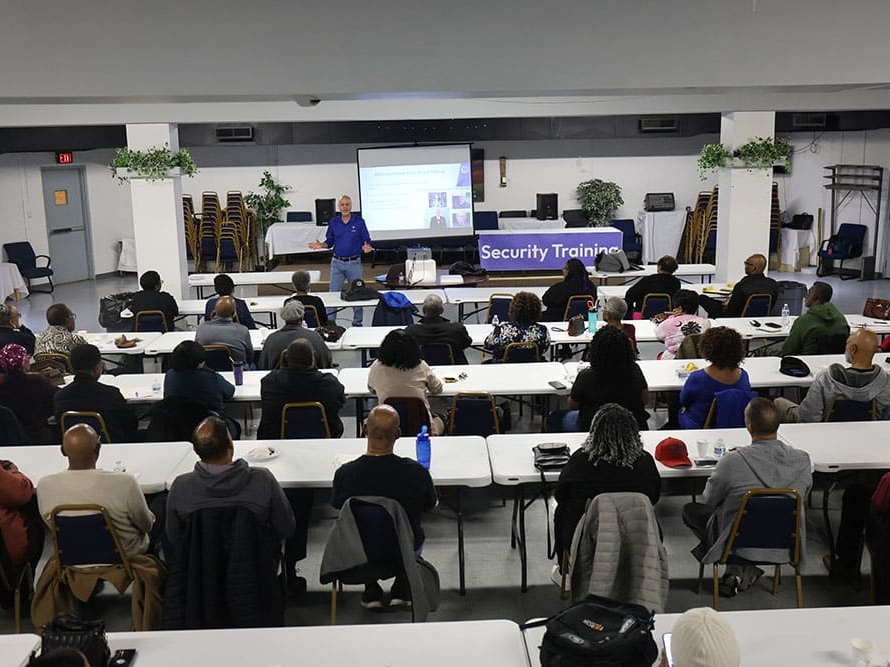
As the Jewish community of Greater Washington prepares for the High Holidays and the start of a new school year, safety and security remain a top priority. That’s why JShield—The Jewish Federation of Greater Washington’s security initiative—is once again offering community-wide trainings designed to empower participants, strengthen institutional readiness, and foster a shared sense of responsibility.

“The main reason we do the trainings around the High Holidays is because we’re aware that there are people who may be coming to synagogues or other institutions for the only time this year,” said Rusty Rosenthal, Federation’s Director of Security. “We re-emphasize situational awareness, active threat training, and the basics of how to report incidents.”

This year, the trainings will take place on:

  • Sunday, August 17
    6:00 PM
    Fairfax, VA
  • Sunday, August 24
    6:00 PM
    North Bethesda, MD
  • Sunday, September 7
    6:00 PM
    Washington, DC

Straying one step ahead

Each year, JShield develops its content to reflect the most current intelligence and incident reporting. The sessions are designed to highlight not only trends from the past year, but also practical steps that community members can take to feel more prepared and less vulnerable.

“The goal is to take this training so that you leave with a feeling of empowerment—so that we’re not helpless and we’re not just victims of our circumstances,” said Rosenthal. “It’s imperative that we take ownership and take responsibility for our own security.”

What sets these seasonal briefings apart is their broader reach. While JShield works year-round with executive directors, heads of school, and security personnel, the High Holidays are designed to welcome everyone—especially those who might not be affiliated with a specific institution.

“By engaging with institutions, we’re not necessarily engaging with the entire Jewish community of Greater Washington,” Rosenthal explained. “That’s why we host these sessions. We want to make sure everyone has access.”

JShield encourages institutions to share these opportunities widely. For those already coordinating private trainings for their schools or synagogues, these community-wide sessions offer an accessible alternative for anyone unable to attend a site-specific program.

Staying vigilant as antisemitism rises

Planning ahead is key. “You can’t put together a security plan three days before an event,” Rosenthal emphasized. “We always recommend involving JShield and your local law enforcement early so appropriate preparations can be made.”

While the threat environment remains elevated, JShield’s message is one of vigilance—not fear. “Absent any new information, there are no directed, targeted threats we’re aware of. Institutions should remain open and celebrate collectively,” Rosenthal said. “But we must do so with awareness.”

The trainings are open to everyone in the community. The deadline to register for each session is one week prior. The first training on August 17 will also be available virtually. To learn more and to register, visit our website.

Related posts

Why this moment feels familiar Why this moment feels familiar
Why this moment feels familiar
As institutions increasingly single out Jews and demand ideological conformity, Jewish educators and communities face a difficult question: will the price of belonging become denying our identity? We must push back against antisemitism and protect the Jewish and universal values we have long fought to uphold.
read more

The Fund for Women and Girls Enters a New Era

The Fund for Women and Girls Enters a New Era

Despite the vital role women and girls play in building strong, resilient communities, philanthropic funding continues to fall dramatically short. Organizations serving women and girls received only 2.2%^  of total charitable dollars in 2020.

The Fund for Women and Girls exists to help close that critical gap.

Powered by The Jewish Community Foundation of the Jewish Federation of Greater Washington, the Fund channels collective giving into multi-year, trust-based partnerships to transform conditions for women and girls here in Greater Washington and in Israel.

The Fund for Women and Girls is more than a force for change—it’s showing how Jewish philanthropy can come together to make a lasting impact.

Over the last 18 months, the Fund has supported Israeli women and girls through three rounds of grants and multiple learning sessions. Now, we’re entering a new phase of growth—with a goal of raising $1 million this summer, and ultimately $3 million, to ensure we can continue driving change where it’s needed most.

We’re proud to share that momentum is already building.  To date, we’ve secured more than $500,000 in multi-year commitments, with $140,000 already transferred to the Fund. We invite you to join us—at any level—as continue to expand the Fund’s reach.

“Now is the moment to invest in women and girls—because when they thrive, whole communities rise,” explains Dr. Jannah Yutkovitz, Senior Director of Philanthropic Impact at the Jewish Community Foundation. “Supporting a fund of this nature helps fuel solutions that are bold and urgently needed. Through developing long-term partnerships with organizations on the ground, we’re not just supporting solutions—we’re investing in resilience and have the opportunity to make a generational impact.”

To help propel this growth, Carol and Gary Berman have made an exceptional three-year, $300,000 commitment to the Fund to honor the extraordinary leadership of their daughter-in-law Emily Berman, a founding member of the Fund’s steering committee.

“Women and girls are in the forefront of being there to provide what’s necessary and critical for those in need. In the case of Israel, they are also holding the families together through war and the tragic losses as a result of war. As a family, we recognize the importance of women’s voices and actions, as well as the remarkable contributions they make to our world. We feel very grateful to be able to support this fund,” Carol and Gary shared.

Carol and Gary are inviting nine additional individuals to match their commitment and join them in a small minyan of major donors who will seed the Fund with $3 million over the next three years. To learn more, please reach out to sara.brenner@www.shalomdc.org..

The Fund for Women and Girls reflects what’s possible when community comes together with shared purpose and deep commitment. It was created in response to a clear and urgent gap—and it continues to grow as more people recognize the power of long-term, collective investment in women and girls.

As the Fund looks ahead, our focus remains the same: to shift conditions, elevate voices, and invest in meaningful change—locally and in Israel.

^Jewish Funders Network “The Complete Guide to Promote Gender Equity through Strategic Philanthropy” (2025)

Related posts

Why this moment feels familiar Why this moment feels familiar
Why this moment feels familiar
As institutions increasingly single out Jews and demand ideological conformity, Jewish educators and communities face a difficult question: will the price of belonging become denying our identity? We must push back against antisemitism and protect the Jewish and universal values we have long fought to uphold.
read more

When Every Second Counts: Healing on Israel’s Frontlines

When Every Second Counts: Healing on Israel’s Frontlines

How do you save a life when seconds matter and rockets are falling?

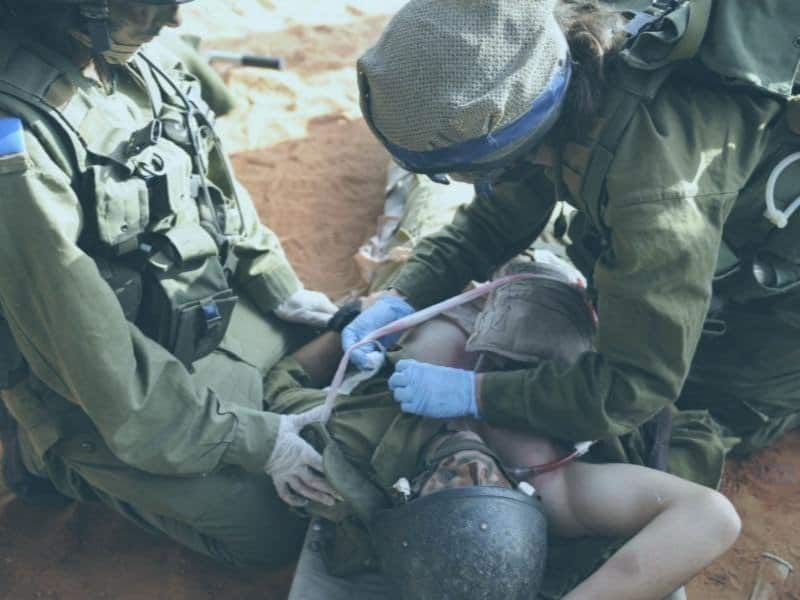
That’s the question Israel’s medical professionals have been answering every day since October 7. In field hospitals, trauma bays, and combat zones, the Israel Defense Forces (IDF) Medical Corps is delivering trauma care under extreme conditions—stabilizing the wounded, treating mass casualties, and innovating in real time.

They’re not just responding to crisis—they’re reshaping what’s possible in battlefield medicine.

Today, the fatality rate for injured Israeli soldiers stands at around 7%—a dramatic drop from past conflicts. That kind of breakthrough doesn’t happen by accident. It takes strategy, speed, and relentless training. It takes care.

Behind the Breakthroughs: A Nationwide Effort

This life-saving work doesn’t stop on the battlefield. Across Israel, hospitals and trauma centers are stepping up in extraordinary ways:

  • At Sheba Medical Center in Ramat Gan, clinicians are pioneering cutting-edge rehabilitation—helping injured civilians and soldiers regain both function and hope.
  • At Soroka Hospital in Be’er Sheva, preparedness proved critical. Even as the hospital sustained damage from rocket fire, its teams saved lives when seconds counted most.
  • In Sderot, the International Resilience Institute is helping survivors navigate the psychological toll of ongoing trauma with holistic, community-rooted care.
  • At Magen David Adom’s underground blood center in Ramla, Israel’s emergency medical services are safeguarding the national blood supply and enabling rapid response—even under threat.
    These aren’t just facilities. They’re lifelines.

Our Community’s Impact

Through The Jewish Federation of Greater Washington’s Israel Crisis Response grants, we’re helping fund this network of healing: trauma recovery, emergency preparedness, and medical innovation that directly supports Israelis facing physical and emotional wounds.

We don’t do this alone. We do it through trusted partners on the ground—and with the strength of our community behind us.

A Conversation That Brings It Home

Now, we’re bringing that story home.

Thanks to the initiative of the American Physicians Fellowship for Medicine in Israel (APF)—and in partnership with Kol Shalom—we’re honored to host Healing on the Frontlines on Wednesday, August 6, 2025: a rare and timely conversation with Brigadier General Dr. Zivon Aviad Beer, Surgeon General of the IDF Medical Corps. Dr. Beer will share firsthand insights into delivering trauma care on and off the battlefield.

Joining him will be Amir Goldshtein, Executive Director of APF, whose organization connects North American medical professionals to Israel’s healthcare system and invests in its long-term resilience.

Also in attendance will be LTC Dr. Roy Nadler, Director of the IDF’s Trauma and Combat Medical Branch, who will be available for conversations before and after the program.

Why It Matters Now

This is a chance to hear what it takes to care for others in the most extreme conditions—and how our collective support helps make that care possible.

This work is far from over. But thanks to the strength of our partners and the generosity of our community, we’re helping Israelis heal, adapt, and move forward. One act of care at a time.

Related posts

Healing Together: Inside SafeHeart’s First Parent–Survivor Retreat

Healing Together: Inside SafeHeart’s First Parent–Survivor Retreat

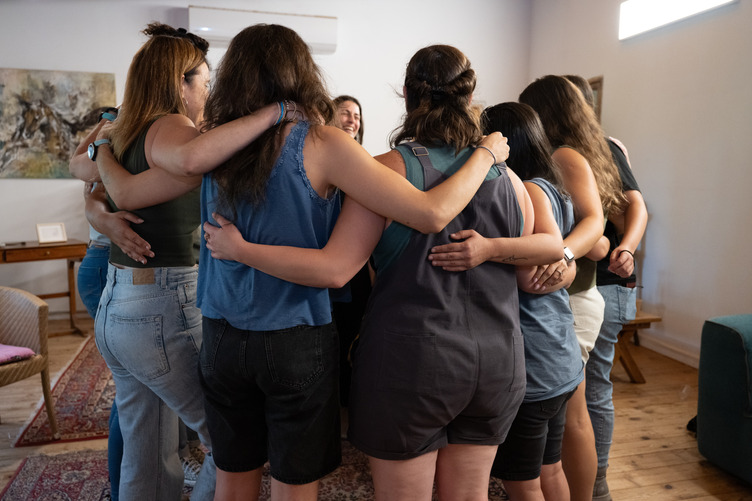
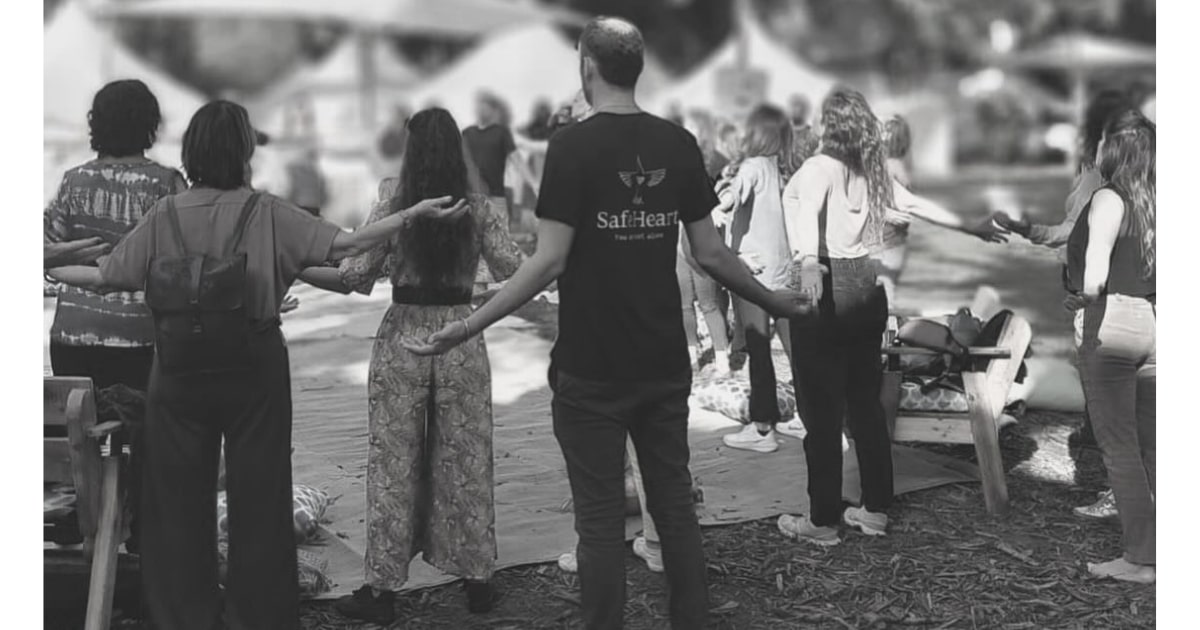
In April 2025, SafeHeart launched a groundbreaking new initiative as part of its Survivors’ Family Support Program: a Parent–Survivor Healing Retreat. Funded in part by The Jewish Federation of Greater Washington’s Israel Crisis Relief Fund, the four-day retreat brought 40 participants—festival survivors and their parents—to a peaceful setting in northern Israel for a shared, transformative healing experience.

This was the first retreat of its kind in Israel to offer therapeutic support to both survivors and their parents at the same time. By placing the family unit—not just the individual—at the center of recovery, SafeHeart created a protected space for families to begin seeing and supporting each other in new, healing ways.

One participant shared, “The retreat helped me understand where I am in my healing journey—and what I need to move forward from here.”

Facing Trauma, Together

Trauma rarely ends with one person. It ripples outward, touching every corner of a family. Survivors returned from unimaginable experiences to homes filled with love—and often, silence. Many parents carried quiet grief, unsure how to help. Words were missing. Connections were strained. Some families lived together but felt worlds apart.

“In just three days, I felt everything—love, grief, joy, fear, hope,” said one survivor, capturing the emotional depth of the experience.

Parents, many of whom put their lives on hold to care for their 20- and 30-something children, became caregivers and emotional anchors while processing their own pain without a roadmap.

One parent shared, “For the first time, I could truly listen to my daughter. I had heard her words before, but when I heard the same things from another survivor, something opened in me. I saw her differently.”

The retreat helped bridge those emotional gaps. Through parallel therapy tracks, guided joint sessions, and body–mind healing practices, both generations found a shared language for their pain—and a space to hold it together.

As another participant put it, “Meeting the young survivors reminded me what strength really looks like. They are my hope.”

Building Resilience Before the Storm

Unintentionally, the retreat also became a source of strength for what came next. In the weeks following the retreat, rising security tensions in Israel forced many survivors to return home once again. This time, families were more prepared. The emotional groundwork they had laid made it possible to sit together, breathe together, and weather the renewed uncertainty as a team.

One young adult reflected, “I gained deeper insight into what my parents are going through and more awareness of the space between us—how we can work on our relationship and how I can meet them with more empathy.”

Another added, “Togetherness and listening were essential. A year and a half of your support, dedication, and care gave me the courage to let go, to surrender to calm and stillness.”

The Parent–Survivor Healing Retreat didn’t just offer support in the moment—it planted seeds of resilience. It turned trauma into dialogue, isolation into connection, and homes into spaces of protection and understanding.

As one participant expressed, “Led by SafeHeart, I felt truly held. After a year and a half of support, I finally found the strength to let go—and feel peace.”

With support from The Jewish Federation’s Israel Crisis Relief Fund, SafeHeart continues to pioneer meaningful pathways to healing—not just for survivors, but for the families who walk alongside them.

Related posts

Why this moment feels familiar Why this moment feels familiar
Why this moment feels familiar
As institutions increasingly single out Jews and demand ideological conformity, Jewish educators and communities face a difficult question: will the price of belonging become denying our identity? We must push back against antisemitism and protect the Jewish and universal values we have long fought to uphold.
read more

Finding Light in Poland: A Journey of Remembrance and Renewal

Finding Light in Poland: A Journey of Remembrance and Renewal

It’s hard to describe the emotional whiplash of the past few months. We’ve witnessed horrifying acts of antisemitic violence both here at home—including the attacks in Boulder and at the Capital Jewish Museum—and abroad. The fear and pain reverberating through our community are real and raw.

I’ve found myself thinking often of Sara Milgrim z”l  and Yaron Lischinsky  z”l , and all those still recovering from the Boulder firebombing. May their memories be a blessing.

Just days before the D.C. shooting, I returned from a week-long journey to Poland organized by our partner, the American Joint Distribution Committee (JDC), and 3GNY. The trip brought together third-generation descendants of Holocaust survivors and others with a familial lineage to Poland and the Holocaust, to connect with Jewish life today in Poland.

My great-grandparents were born and raised in Poland. They fled in the late 1920s and early 1930s to escape pogroms, antisemitism, and poverty, eventually landing in Cuba. They left behind their parents, siblings, and entire communities, most of whom perished in the Holocaust.

Our group visited Kraków, Warsaw, and Łódź. We walked through ghettos and cemeteries, and we spent a powerful, heart-wrenching day at Auschwitz. We listened to one another’s family stories—tales of survival and resistance, loss and love. It was heavy. And yet, it was also deeply connective.

Amid the grief, we encountered something remarkable: life. Resilience. A Jewish community in Poland that, while small, is vibrant, proud, and growing.

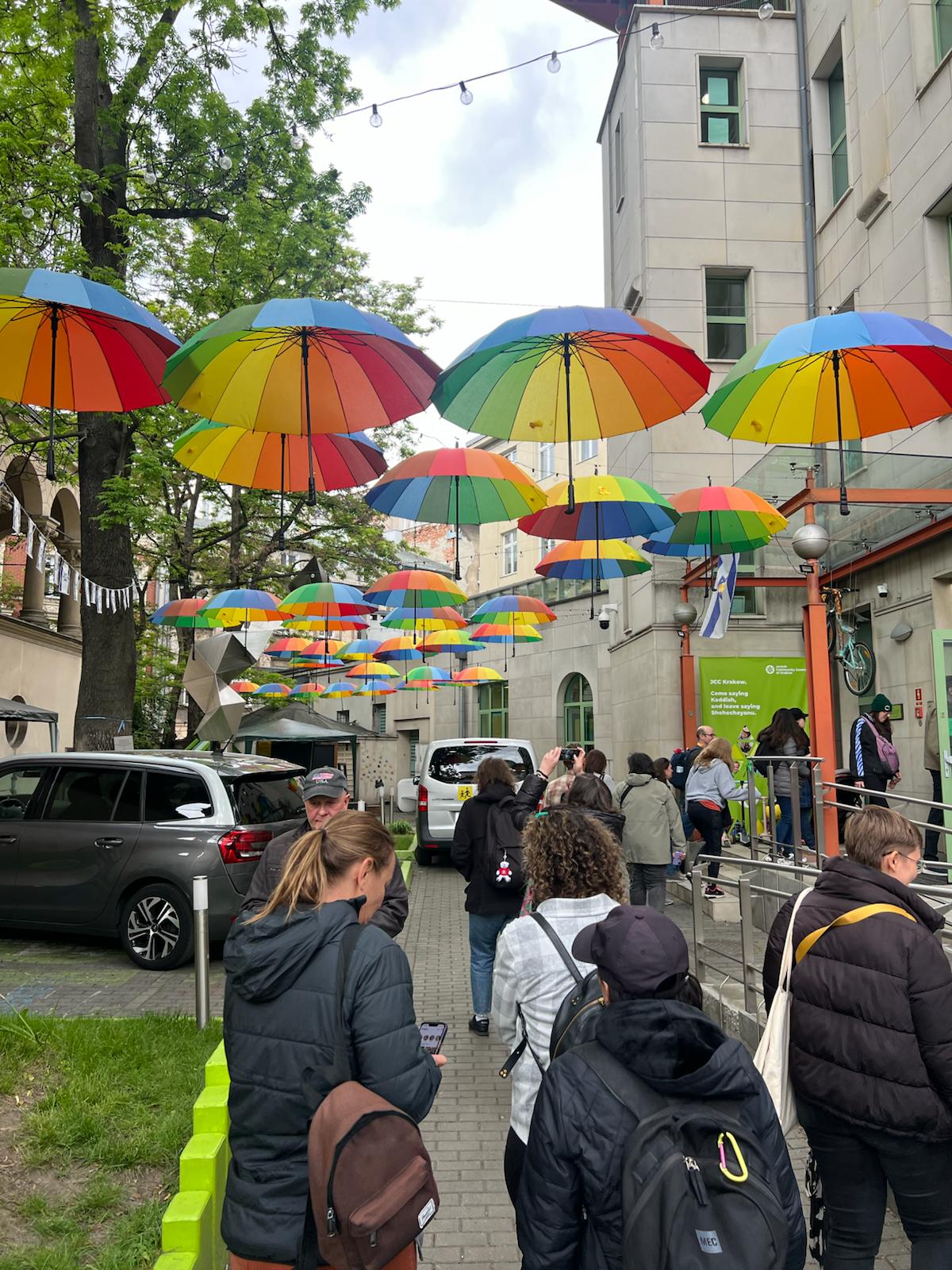
At JCC Krakow, we saw firsthand how Federation support is making a difference. The center is a hub of Jewish life—hosting Shabbat dinners, running a preschool and day camp, and helping Ukrainian refugees, Jewish and non-Jewish alike. We visited their distribution center, which continues to offer food, clothing, toiletries, and toys to those in need.

We also met young adults from Hillel International Krakow. Many didn’t grow up Jewish; some only recently discovered their Jewish heritage. Yet they’ve chosen to build community, connect with Jewish identity, and take part in Jewish life. Today, more than 200 young people are active in Hillel Krakow. That choice—to embrace a Jewish identity in Poland, of all places—is deeply moving.

In Warsaw, the POLIN Museum blew me away. It traces a thousand years of Jewish life in Poland—from vibrant shtetls to intellectual movements, to the devastation of the Holocaust and the rebirth that followed. It’s one of the most thoughtful and comprehensive museums I’ve ever visited.

This trip was a rollercoaster of emotions—grief, pride, hope, disbelief. But I came home feeling something I never expected: optimism. Against all odds, Jewish life in Poland is not only persisting—it is reemerging.

One person said to our group, “There’s something inherently Jewish about Poland. Polish history wouldn’t be Polish history without Jewish history.” I agree. And I’d add: Jewish history wouldn’t be complete without Poland—the good, the bad, and the unimaginable.

This experience gave me more than memories. It renewed my sense of purpose. At a time when antisemitism is rising, I’m more committed than ever to standing up for our community. But I’m also determined to celebrate us—to lift up the vibrant, diverse, and global Jewish life that continues to thrive.

Together, let’s remember. Let’s rebuild. Let’s keep showing up for one another—in grief, in strength, and in joy.

Related posts

Why this moment feels familiar Why this moment feels familiar
Why this moment feels familiar
As institutions increasingly single out Jews and demand ideological conformity, Jewish educators and communities face a difficult question: will the price of belonging become denying our identity? We must push back against antisemitism and protect the Jewish and universal values we have long fought to uphold.
read more

A Place for Everyone: Inclusion in Action at Lessans Camp JCC

A Place for Everyone: Inclusion in Action at Lessans Camp JCC

On July 23, a group of donors from The Jewish Federation of Greater Washington (JFGW) had the opportunity to witness inclusion in action at Lessans Camp JCC, located within the Bender JCC in Rockville, Maryland. For many visitors, it was their first glimpse into how their generosity is creating transformative experiences for campers and counselors alike.

Josh Bender, CEO of the Bender JCC, kicked off the visit with a warm welcome and a clear message: “Every individual has a divine spark.” That belief, grounded in Jewish values, guides every aspect of Lessans Camp JCC. It’s a place where every camper—regardless of ability, background, or identity—is celebrated for who they are.

From the rock wall to the pool and even the playground–everything at camp is designed to be accessible to all its campers.

The tour focused on three layers of inclusion: physical, programmatic, and social.

  • Physical inclusion means creating spaces that work for everyone. From pathways to play structures, the camp is intentionally designed with universal access in mind. Visitors saw how infrastructure choices ensure that every child can participate fully.
  • Programmatic inclusion came to life through thoughtful activities and accommodations. Whether it’s at the climbing wall, on a field trip, or during daily routines, the camp team makes deliberate choices to adapt programs and engage campers of all abilities.
  • Social inclusion is perhaps the most powerful. As donors observed interactions between staff and campers, the spirit of belonging was unmistakable. Counselors help foster genuine friendships, model empathy, and encourage each camper to be themselves.

One of the unique strengths of Lessans Camp JCC is its approach to staffing. As camp leaders shared, many counselors are new to working with individuals with disabilities. What the camp looks for isn’t prior experience—it’s the right mindset. Through mentorship and daily guidance, staff grow into their roles and carry the values of inclusion well beyond the summer.

“We know they leave camp changed,” said a staff member. “Whether they come back or move into other fields, they take this experience with them.”

Throughout the visit, one theme resonated: The Jewish Federation’s support is essential to making this possible. From program funding to on-site security, Federation dollars ensure that every camper has a safe, enriching, and inclusive summer experience.

“Belonging and inclusion are at the heart of what we do at Federation—they’re essential to building a strong, vibrant Jewish community,” explains Federation’s Chief Development Officer Keren Waranch. “That’s why we continue to prioritize support for these initiatives, alongside our steadfast support for Jewish camp. Together, they shape the spaces and experiences that help define Jewish identity for generations to come. This visit to the Lessans JCC Camp brought those values to life.”

Jamie Bilcher, a parent of two seven-year-old boys who attend camp, shared what this camp experience means for her family. “I know that my kids feel like all of the other kids here, and they feel important, and they feel special, and they’re not defined by their disabilities here,” she said. “I feel like I’m constantly, everywhere I go, looking for ramps and special doors. I don’t have to worry about any of that here.”

She added, “Medical bills are incredibly expensive…The fact that camp is funded for them each to have their own counselor is huge and takes such a weight off our shoulders.”

Federation is proud to partner with Lessans Camp JCC and to support the Bender JCC’s vision of radical inclusion—a vision that extends beyond disability to encompass all backgrounds, faiths, and identities.

In a world that often feels divided, camps like Lessans Camp JCC offer a powerful reminder of what community can look like when everyone is welcomed.

Because of you, inclusion thrives.

Related posts

Why this moment feels familiar Why this moment feels familiar
Why this moment feels familiar
As institutions increasingly single out Jews and demand ideological conformity, Jewish educators and communities face a difficult question: will the price of belonging become denying our identity? We must push back against antisemitism and protect the Jewish and universal values we have long fought to uphold.
read more