Need support? Call 703-J-CARING (703-522-7464)

Supporting Israel’s Recovery and Resilience
Supporting Israel’s Recovery and Resilience

Responding in Real Time

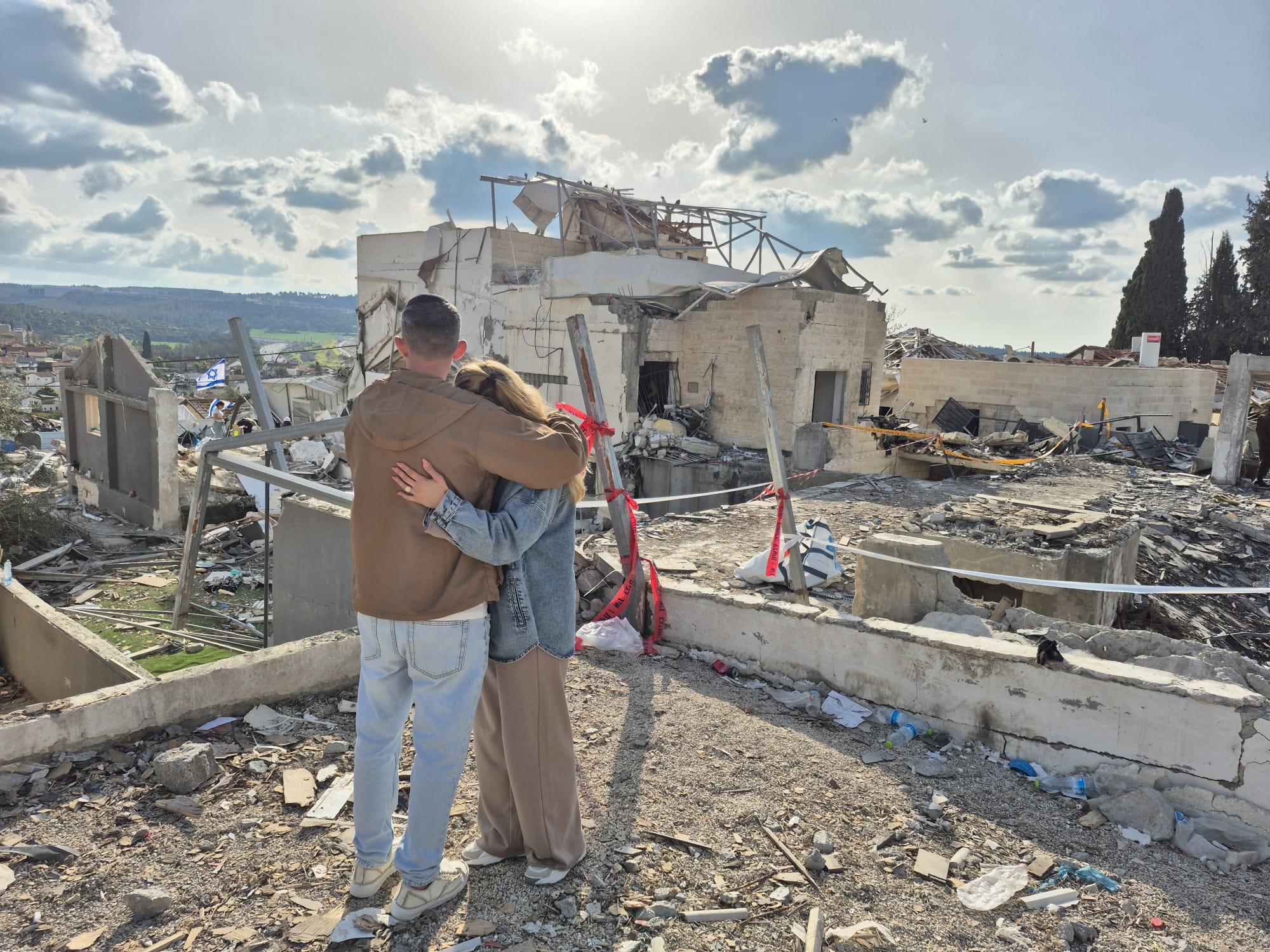
Israel continues to face evolving challenges, from the lasting impact of October 7 to the realities of the latest war with Iran. In moments like these, the strength of our global Jewish community is measured by how quickly and effectively we show up for one another.

Through our longstanding partnership with The Jewish Agency for Israel, Federation is helping ensure that individuals, families, and communities receive both immediate support and long-term care when they need it most.

Meeting Urgent Needs, Strengthening Communities

Throughout the year, The Jewish Agency focused on supporting those most affected by helping communities rebuild, assisting vulnerable populations, and strengthening Israeli society in the face of ongoing uncertainty. From aiding displaced families to supporting long-term recovery, this work helped restore stability and a sense of possibility.

At the same time, thousands of Jews around the world made the life-changing decision to build their future in Israel. In 2025 alone, more than 20,000 new immigrants arrived amid war and rising global antisemitism, demonstrating a powerful commitment to Israel’s future.

Showing Up in Moments That Matter

The impact of this work is perhaps most visible in moments of crisis.

In December 2025, following a terror attack at a Chanukah gathering in Bondi Beach, Australia, The Jewish Agency deployed trauma experts within 48 hours, providing immediate support to the local Jewish community while activating global resources for recovery and resilience.

This kind of rapid, coordinated response reflects a deeper truth about the Jewish people:

“When Jews are attacked anywhere, it affects us everywhere… Our answer is solidarity, responsibility, and the determination to build a stronger future together.”

That sense of shared responsibility—across borders and communities—is what makes this work possible.

A Global Network of Connection and Care

Beyond crisis response, The Jewish Agency continues to strengthen the bonds that connect Jews worldwide.

Through programs that build identity, deepen relationships, and foster a sense of belonging, Jews across generations and geographies are connected not only to Israel, but to one another. In 2025, this global network proved essential, ensuring that communities everywhere felt supported, prepared, and part of something larger than themselves.

Federation’s Role: Turning Responsibility into Action

Federation’s support makes this work possible.

By investing in The Jewish Agency, we are not only responding to immediate needs—we are strengthening the global infrastructure that ensures the Jewish people can respond, recover, and rebuild together.

This partnership reflects a core belief: that our community is strongest when we act as one. When Israel faces hardship, we show up. When communities need support, we mobilize. And when connection matters most, we help build it.

Looking Ahead

The challenges facing Israel did not end in 2025—and neither did our commitment.

Together with The Jewish Agency and partners around the world, Federation continues to support recovery, strengthen communities, and deepen the bonds that connect us as one people.

Because ensuring a strong, resilient Israel and a connected global Jewish community is not just about responding in moments of crisis. It’s about building a future grounded in shared responsibility, belonging, and hope.

Photo Credit: The Jewish Agency for Israel
Related posts

Expanding Access to Jewish Education

Expanding Access to Jewish Education

A New Opportunity on the Horizon

For many families in our community, scholarship funding is what makes education at a Jewish day school possible. Across the region, our Jewish day schools are providing close to $25M in tuition assistance. Now, a new nationwide initiative has the potential to reshape how families access scholarship funds and afford that education.
 
The Federal Scholarship Tax Credit, set to take effect in 2027, creates a new opportunity to increase scholarship funding through a new donation mechanism. Through the program, eligible taxpayers can contribute to Scholarship Granting Organizations (SGOs) and receive a federal tax credit, generating new funding for scholarships. In turn, this helps schools reach and sustain more students over time—strengthening their long-term stability.

Expanding Access for Families

At its core, this effort is about expanding access—for families, for students, and for the future of Jewish education in our region.
 
“This opportunity has the potential to expand access to Jewish education, helping more families afford the education they want for their children while supporting the long-term strength of our school,” said Rabbi Mitchel Malkus, Ed.D., Head of School at Charles E. Smith Jewish Day School.

Preparing as a Community

While the opportunity is still ahead, the work to prepare is already underway.

The Jewish Federation of Greater Washington is leading a coordinated regional effort to set up local SGOs for our community, ensuring they’re built thoughtfully with the right structure and oversight needed to serve our community well.

By bringing together Jewish day schools and key partners for this process, Federation is helping to build the infrastructure, systems, and shared approach needed to implement the program effectively and responsibly.

“Regional coordination makes this easier for our community to understand,” said Rabbi Dr. Hillel Broder, Head of School at Melvin J. Berman Hebrew Academy. “Not everyone in our community has children in day school, but many care deeply about Jewish education. A coordinated approach helps make this opportunity easier to navigate.”

Building Thoughtfully, Together

Leaders across the region strongly believe in the importance of approaching this work collaboratively and thoughtfully.

“As the only Jewish day school in Northern Virginia, having a shared approach matters,” said Jodi Hirsch Rein, Incoming Head of School at Gesher Jewish Day School. “Preparing together allows us to navigate this opportunity thoughtfully and in alignment with our values.”
 
“At Milton, we see this as part of a broader commitment to access and excellence,” said Deborah Skolnick Einhorn, Head of School at Milton Gottesman Jewish Day School. “This opportunity has the potential to open more doors for students, and both the public/private school partnership and regional collaboration help ensure we can do so in a way that is both responsible and sustainable.”

Federation is ensuring that this opportunity is not only accessible but clear, coordinated, and built to last.

“Our role is to build the shared infrastructure that allows schools to participate effectively and transparently,” said Joel Frankel, Federation’s Senior Director of Community Capacity. “By coordinating governance and compliance across institutions, we can help ensure clarity and accountability, creating more opportunities for students and families across Greater Washington to benefit from Jewish day school education.”

Looking Ahead

In the months ahead, Federation and partner schools will continue working together to thoughtfully build and implement the program, so that families can understand how it works and can access its benefits as soon as the tax credit becomes available.

Learn more

Photo credit: Gesher Jewish Day School

Related posts

Through Our Eyes: Jewish Teens Turn Identity into Art

Through Our Eyes: Jewish Teens Turn Identity into Art

Since October 7, Jewish teens around the world have been navigating a complex mix of emotions: grief, fear, pride, resilience. And increasingly, they’re not just processing these feelings quietly. They’re turning them into action.

A recent report from the Jewish Agency for Israel (JAFI) found that 74% of young Jews believe they can positively shape the future, a striking reflection of growing optimism and stronger connection to Jewish life.
In Greater Washington, a group of teens is doing exactly that.

Turning Emotion Into Expression

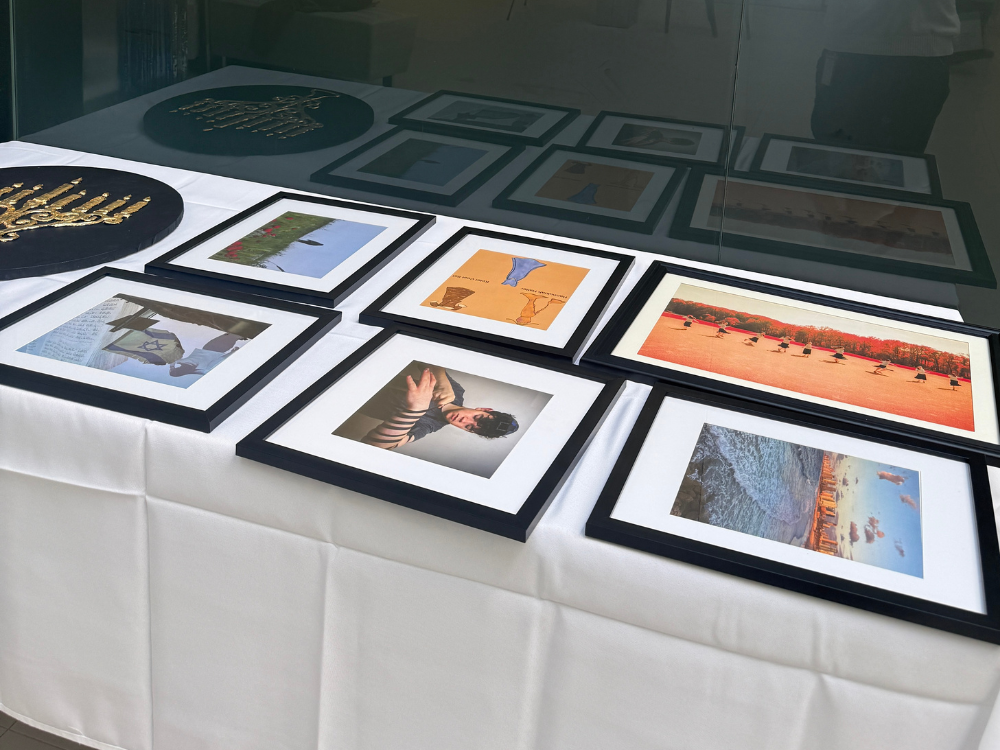
Through Our Eyes, an original art exhibit created by local teens Emma Libowitz, Ayelet Magder, Ofek Bar-Ori, Sophie Moyal, and Aviela Dennen, brings together the voices and experiences of Jewish teens in this moment. Through paintings, poetry, and mixed media, the exhibit offers a deeply personal look at what it means to be Jewish today, grounded not in headlines or politics, but in lived experience.

“At a time when antisemitism is often discussed in abstract or political terms, this exhibit restores humanity to the conversation,” said Ofek. “It allows [people] to see Jewish teens not as representatives of conflict, but as individuals with complex emotions, identities, and stories.”

For many of the teens, the exhibit is both a creative outlet and a communal space. “It acts as a space for teens to lean into their Jewish identities and express their thoughts and emotions, where they might not have otherwise had a place to do so,” Ayelet shared.

That sense of belonging, expression, and connection doesn’t happen in a vacuum.

Each of these teens is involved in Jewish life across the region: whether through the Bender JCC, camps like Ramah and Capital Camps, or other youth experiences that have helped shape their identities over time. These are the environments where Jewish teens build confidence, explore their values, and form the relationships that allow them to show up fully as themselves.

Investing in the Ecosystem

Federation plays a critical role in making those environments possible, supporting both teens and the professionals who guide and work alongside them.

By supporting camps, youth groups, JCCs, and other teen programming across Greater Washington, Federation invests in the spaces where identity is formed and strengthened. These investments don’t just power programs, they power identity, helping to cultivate a generation of young people who feel connected, confident, and empowered to express what being Jewish means to them.

As the exhibit travels to JCCs, synagogues, and schools across the region, it is creating new opportunities for connection, not just between teens, but across the broader community. “We hope the exhibit will help teens know that you’re not alone,” said Aviela. “That there are other teens going through the same things.”

And that expression matters now more than ever. “There has been a variety of reactions to October 7 within the Jewish community,” Emma shared. “Our experience as Jewish teens isn’t a monolith. Right now, we need the support and encouragement of adults to speak openly, voice our concerns, and reaffirm our communal values.”

The Through Our Eyes exhibit is modeling something powerful: that in the face of challenge, Jewish identity is not only something to hold onto. It’s something to build, express, and share.

Because when young people are given the tools, the space, and the support to explore who they are, they don’t just respond to the moment—they help shape what comes next.

Related posts

Building Jewish Leadership in Northern Virginia

Building Jewish Leadership in Northern Virginia

Northern Virginia is one of the fastest-growing centers of Jewish life in our region. With more than 120,000 Jewish residents, a rich and vibrant fabric of Jewish life is already taking shape. But for this community to truly thrive, leaders need to be connected, supported, and equipped to work together to tackle shared challenges. That’s where Federation’s experience in developing leaders and strengthening community-wide connections plays a critical role.

Bringing Leaders Together Across NoVA

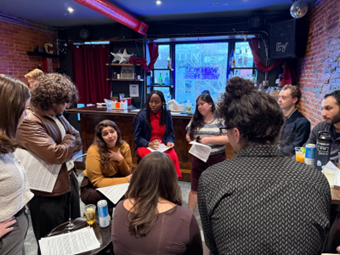
In April, Federation marked the completion of its second Northern Virginia Leadership Cohort, bringing together 16 leaders from across the region, representing synagogues, Jewish communal organizations, social service agencies, campus groups, and other institutions serving Jewish life across NoVA. While these leaders come from different institutions and backgrounds, they share a common goal: strengthening Jewish life in Northern Virginia together.

Over the course of the program, participants built their leadership skills, deepened relationships, and explored new ways to collaborate across their organizations. But the true impact goes beyond any single session or workshop. The cohort was facilitated by executive leadership consultant Rae Ringel, whose approach helped participants translate these conversations into practical leadership strategies.

From Parallel Work to Shared Vision

Federation’s NoVA leadership initiative brings leaders together to help them move from parallel work to shared vision. By creating space for connection and coordination, the cohort helps leaders better understand one another’s challenges, identify opportunities for partnership, and align around the broader needs of the community.

“[The program] was really great and helped me better understand what I need to work on,” shared one participant. “It’s diverse enough that you have people from all parts of NoVA Jewish life.” Another noted, “It helped introduce me to other community leaders who are experiencing the same challenges and are already thinking about ways to resolve them.”

Looking Ahead: Sustaining Momentum

This year’s program built on previous momentum by bringing together participants from both the 2025 and 2026 leadership cohorts for a shared evening of connection and future visioning. In that room, leaders weren’t just reflecting, they were imagining what the future of Jewish life in Northern Virginia could look like.

That continuity is intentional. As Federation prepares to launch a third cohort this fall, participants from past cohorts will remain connected as an alumni network, continuing to collaborate, support one another, and help shape what comes next.

Through initiatives like the Northern Virginia Leadership Cohort, Federation is helping to cultivate a more connected, collaborative, and forward-looking network of leaders—ensuring that as Northern Virginia grows, it does so with the vision and coordination needed to support a thriving Jewish future.

Learn more about our work in Northern Virginia

Related posts

What We’re Hearing Across the Community and What It Means

What We’re Hearing Across the Community and What It Means

What does it actually feel like to find your way into Jewish life in our community?

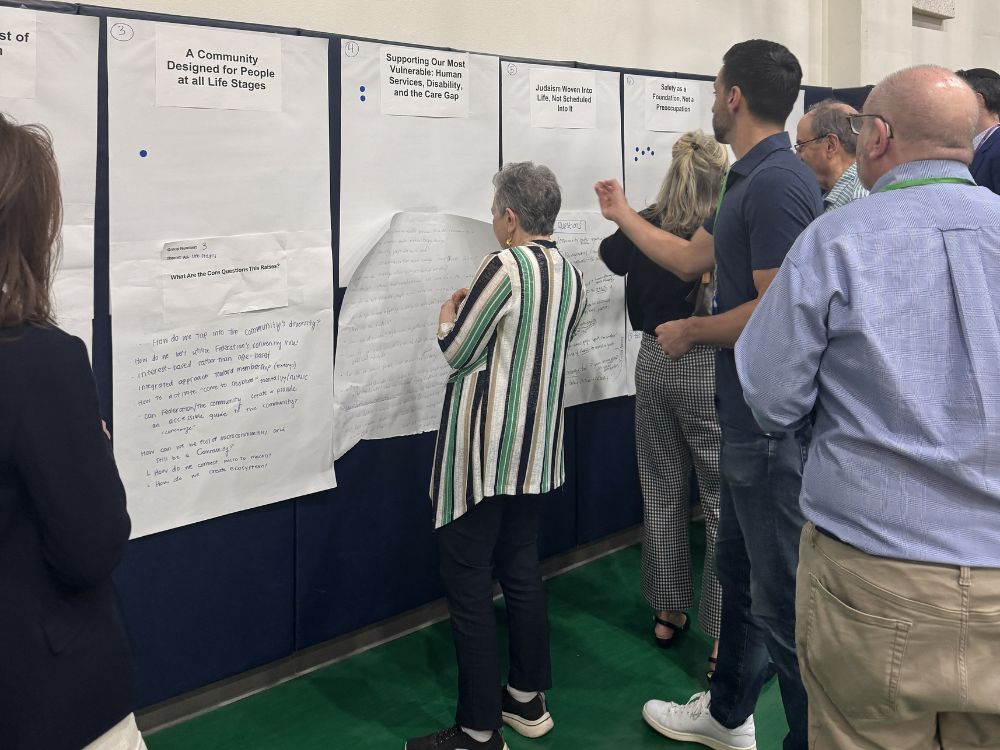
Over the past few months, the Community Leadership Council (CLC) set out to hear directly from the full diversity of our Greater Washington Jewish community. Nearly 200 people across 26 groups shared their experiences, bringing forward a wide range of backgrounds, life stages, levels of engagement, and perspectives to ensure our work reflects what matters most to people and informs how we prioritize and invest.

Separately, more than 1,300 people participated in a community-wide survey, offering a broader view of how people are experiencing Jewish life today.

When you look at it all together, a picture starts to emerge. Not perfect or unanimous, but consistent in ways that matter.

People are looking to connect, participate, and feel like they belong.

The Role of Federation

These patterns clarify where Federation fits.

We do not run every program or guide every individual. Our role is to make the system work better—bringing organizations together, investing in what works, and making it easier to navigate Jewish life.

Much of this work happens behind the scenes: aligning organizations so experiences feel connected, expanding access, convening leaders to address shared challenges, and strengthening the system so it works better for the people it serves.

This is the difference between a collection of organizations and a connected community.

The CLC extends this work beyond the room. Leaders take these insights back into their organizations, and the findings will be shared more broadly so others across the community can engage with and respond to what we are learning.

What We’re Seeing Across the Community

Finding your way in isn’t always simple. For many, it starts with basic questions:

  • Where do I go?
  • Who is this for?
  • How do I begin?

With so many organizations and options, it can be hard to know where to start or how to move from one experience to the next.

Some of what we heard:

  • Cost shapes participation. From camps and schools to programs and events, cost plays a real role in how people engage. Sometimes it limits choice. Sometimes it limits participation altogether.

“Day school affordability is a huge issue. Jewish life is expensive.”

  • Belonging is not a given. Across identities, life stages, and levels of involvement, people are looking for spaces where they feel comfortable and seen. That’s true for those who are deeply connected, and for those still deciding if there is a place for them.

“We moved to the area and don’t have connections or a sense of belonging. I want to be invited to Shabbat dinners…”

  • There is a desire for everyday Jewish life. Our community shows up in meaningful ways during moments of need, and that continues. At the same time, many people are looking for something more consistent: experiences that are part of daily life and feel worth showing up for.

“I want a community that comes together for joyful reasons. Not just crisis gatherings.”

No Single Experience Tells the Whole Story

By listening closely to what people hope to see and build in our community, we begin to see the themes we share in common and better align our work with how people want to engage.

The CLC designed and led this effort, engaging people across the community, gathering input through both listening and survey data, and bringing those insights together to clarify what we’re hearing.

Why This Work Matters

If you’ve ever tried to find your way into Jewish life—whether you’re new, coming back, or looking for something different—this likely feels familiar. And there is something reassuring in knowing there is a community that cares and is working to make that experience better.

This work starts by paying attention to what people are actually experiencing and being honest about where things aren’t working. The Community Leadership Council helps identify patterns across those experiences and clarify where the community is asking for something different.

What Comes Next

“What we heard gives us a clearer sense of what the community wants and where it is asking for something different,” said Marla Schulman, Chair of the Community Leadership Council. “What we learned is the importance of continuing to engage voices across the community in building it.”

Those insights are now informing the next stage of our work, as Federation’s Board considers how they should shape our priorities and direction moving forward. And some of this work is already underway: expanding access, strengthening coordination across organizations, and making it easier to find and engage in Jewish life. Our goal is to make it finding your way in clearer, closer, and more within reach.

We’ll keep sharing what we’re learning, and how it’s shaping the work ahead.

Related posts

A Moment to Reimagine What’s Next

A Moment to Reimagine What’s Next

After years of crisis response, it’s time to imagine—and build—the Jewish future we want.

For the past several years, really ever since COVID, our communal agenda has been shaped in large part by external crises. There’s no shame in this. Federation, supported by a passionate Jewish community, is well suited to crisis response. We have the local and global infrastructure to reach people and deploy help, a core part of our role.

Through a pandemic, wars, antisemitic attacks, the devastation of October 7, economic uncertainty, and political and social upheaval, we, as a community, have been there to help the Jewish people and those in need locally and around the world.

Across our community and in conversation with others from around the country, I hear how eager people are to reclaim a sense of agency over the Jewish future. To not only fend off the destructive forces of the day, but to build something great. This isn’t to say that we should abandon our work to be there for the Jewish people and Israel in times of crisis, not at all. Without question, we will need to remain diligent in responding to a dysregulated world. But we can be serious about our dreams too.

As Rabbi Lord Jonathan Sacks used to say, “Jewish faith is written in the future tense.” We are in close contact with our past, but we are also a people of possibility. We would be doing the Jewish story a disservice if we did not make the most of the opportunities in front of us to strengthen Jewish identity, pride, joy, and connection. This is the spirit that defines our community, and one we will continue to harness in our work ahead.

Already, we are working to grow and scale the things we know have significant impact. Shabbat dinners (as I wrote about last week), Jewish summer camp, youth groups, Jewish day schools, Jewish learning, and immersive Jewish experiences, including trips to Israel and local retreats, have tremendous effects on someone’s identity. How can we expand these offerings and make them more accessible to more people? How can we be a home for people with diverse opinions? How do we use our resources and relationships to maximum effect for people across all age groups?

It feels strange in this time of absurd and heartbreaking headlines to be talking about agency. But it’s precisely in this moment when things feel most out of our control that we are called to wrestle it back. Like so many times throughout Jewish history, we can define for ourselves who we are and where we are going. Between our collective responsibility and capacity to strengthen Jewish life, and Federation’s relationships, resources, and talent for convening, the future is ours for the shaping.

Related posts

Rabbi Aderet Drucker Named Recipient of 2026 Phyllis G. Margolius Impossible Dream Award

Rabbi Aderet Drucker Named Recipient of 2026 Phyllis G. Margolius Impossible Dream Award

The Phyllis Margolius Family Foundation is excited to announce that Rabbi Aderet Drucker has been named as the recipient of the 2026 Phyllis G. Margolius Impossible Dream Award. Rabbi Drucker, the Executive Director and Community Rabbi of the Den Collective, was selected by the committee in recognition of her achievements in building intentional Jewish community for adults 20s-40s in Greater Washington.

Rabbi Drucker is the fourth recipient of the Phyllis G. Margolius Impossible Dream Award, given annually to a Jewish communal professional who echoes the character, inspiration, and determination of its namesake, Phyllis Ann Goldman Margolius. Phyllis cared deeply about strengthening the Jewish community in Washington, DC, Israel, and around the world. Where others saw problems, she saw opportunities and solutions, pushing the needle forward and motivating those around her to do the same.

As part of the award, Rabbi Drucker will receive an $18,000 cash prize for her dedication to fostering intentional spaces of belonging and growing meaningful Jewish connections.

“I am deeply honored to receive the Phyllis G. Margolius Impossible Dream Award,” said Rabbi Aderet Drucker. “Phyllis’s legacy of creativity, determination, and belief in what is possible, even in the face of challenge, continues to inspire me. In a time marked by profound loneliness and disconnection in our world, our work at the Den Collective is rooted in cultivating intimate spaces where deep transformation is possible, fostering a community of true belonging, rich Jewish learning and exploration, meaningful relationships with rabbis who walk alongside people with care and guidance, and opportunities for leadership empowerment and development.”

Rabbi Drucker has served as the Executive Director & Community Rabbi of the Den Collective for eight years, helping guide the organization into its milestone 10th year while expanding its reach, programs, and infrastructure into a nationally recognized model of intentional Jewish community for adults in their 20s, 30s, and 40s throughout the Greater Washington area, blending community organizing, pastoral care, and mindfulness to create spaces grounded in Jewish study, leadership development, and meaningful connection.

Prior to joining the Den Collective, Rabbi Drucker was a campus rabbi at Maryland Hillel, where she co-founded the University of Maryland’s first Interfaith Student Fellowship in partnership with a minister and an imam, creating a space that brought Muslim, Christian, and Jewish students together for transformative relationship-building.

She is also a certified Jewish Mindfulness Meditation Teacher through Or HaLev and the Institute for Jewish Spirituality, a Global Justice Fellow with American Jewish World Service, and was selected for the inaugural cohort of JCADA’s Ambassador Program, dedicated to creating safe spaces for survivors of intimate partner violence.

“What makes Aderet an impossible dreamer is her approach,” said Diane Schilit and Dani Schneider. “Aderet is a visionary leader whose work blends Jewish wisdom, relational organizing, pastoral care, and mindfulness to create transformative community for adults in their 20s–40s. She is shaping a transformative future for Jewish Washington, innovating from the ground up with a person-centered approach, embedding Jewish learning, empowering members to lead in their homes and communities, and extending the Den’s impact beyond its walls.

The Jewish Community Foundation and The Jewish Federation of Greater Washington have been invaluable partners in the fulfillment of this award. Phyllis devoted many hours in the work of Federation, and it is one of the many organizations in which she observed the depth of devotion and talent that Jewish professionals bring to our community.

Rabbi Drucker will receive her award at the Impossible Dream Award Celebration to honor Jewish communal professionals on Thursday, May 7, 2026 in Rockville, Maryland. The event is co-sponsored by the Phyllis Margolius Family Foundation, the Jewish Community Foundation of The Jewish Federation of Greater Washington, and the Bender JCC.

Fostering a Culture of Security

Fostering a Culture of Security

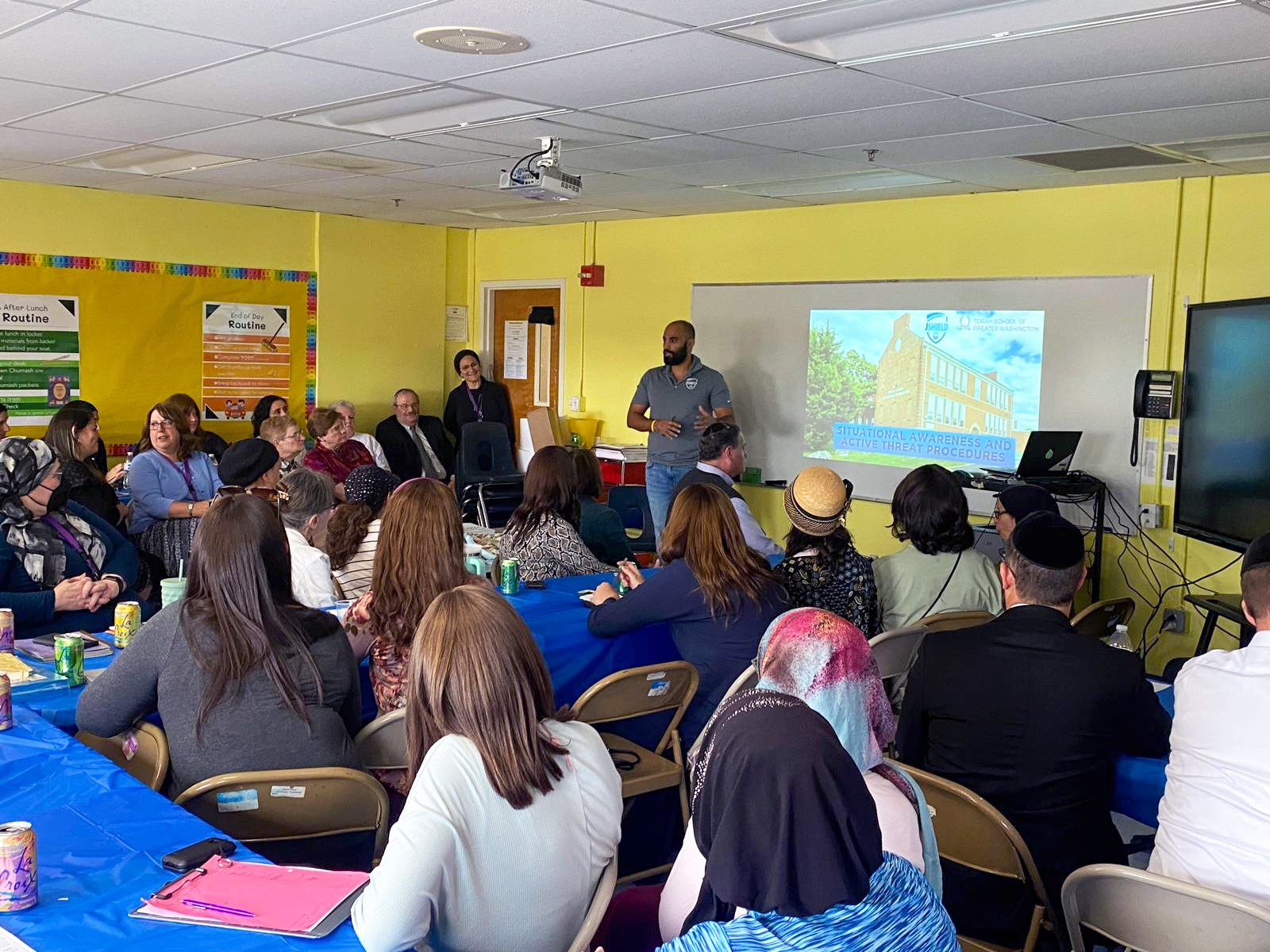
As antisemitism continues to rise around the world, the need for proactive, community-wide security is as important as ever. Our community is no stranger to this need; in March, 40 security incidents were reported across Greater Washington, targeting synagogues, Jewish schools, and other institutions. But by promoting broader community preparedness, we can build our resiliency and strength against any potential threat.

That’s why the Jewish Federation of Greater Washington’s security initiative, JShield, is launching the Shield Program, an expanded training platform marking a strategic evolution of its work to protect and empower the community.

The Shield Program builds on our extensive experience supporting Jewish institutions, delivering a more focused and accessible approach to training. Rather than a one-size-fits-all model, it offers practical learning tailored to different roles and settings, from core safety foundations and crisis response to leadership planning, community awareness, and even self-defense.
At its center is a simple idea: security is not the responsibility of one person or one position—it’s something we all share.

“The core mission of JShield is built on the philosophy that community safety is about empowering every individual to play a role,” said Rusty Rosenthal, Federation’s Executive Director of Community Security. “This expanded platform builds on partnership with our community, delivering practical, real-world training that helps people recognize risks, respond effectively, and contribute to a culture where safety is shared. At a time of rising antisemitism, that collective preparedness is essential.”

Importantly, Shield trainings are provided entirely free of charge, removing financial barriers and ensuring that organizations of all sizes can access high-quality security support.

“I feel fortunate to have JShield as a security partner,” said Monica Saff, Executive Director of Ohr Kodesh Congregation. “They have facilitated several security trainings for my staff team and have also helped me with reporting two issues of concern and advised me about the right steps to take. It’s reassuring for our community to know that we work closely with JShield and have their guidance and support as we make ongoing decisions about security.” 

Through JShield, Federation goes beyond funding security—it helps build the habits, coordination, and awareness that make communities safer every day. The goal is not only to respond in moments of risk, but to embed security as a shared responsibility so Jewish life can be experienced fully, openly, and safely.

Find more information on security and trainings.

Related posts

Bringing Israel to Life “Hands-On”

Bringing Israel to Life “Hands-On”

For those looking to discover new things or have meaningful conversations about Israel, Federation’s Hands-on Israel workshops is an exciting place to start.

Through this growing initiative, Federation partners with synagogues, schools, young adult groups, and community organizations to expand access to dynamic Israel programming that is creative, educational, and personal. Led by our community Shlichim (Israeli emissaries), these workshops complement existing community offerings, creating new opportunities for connection and learning.

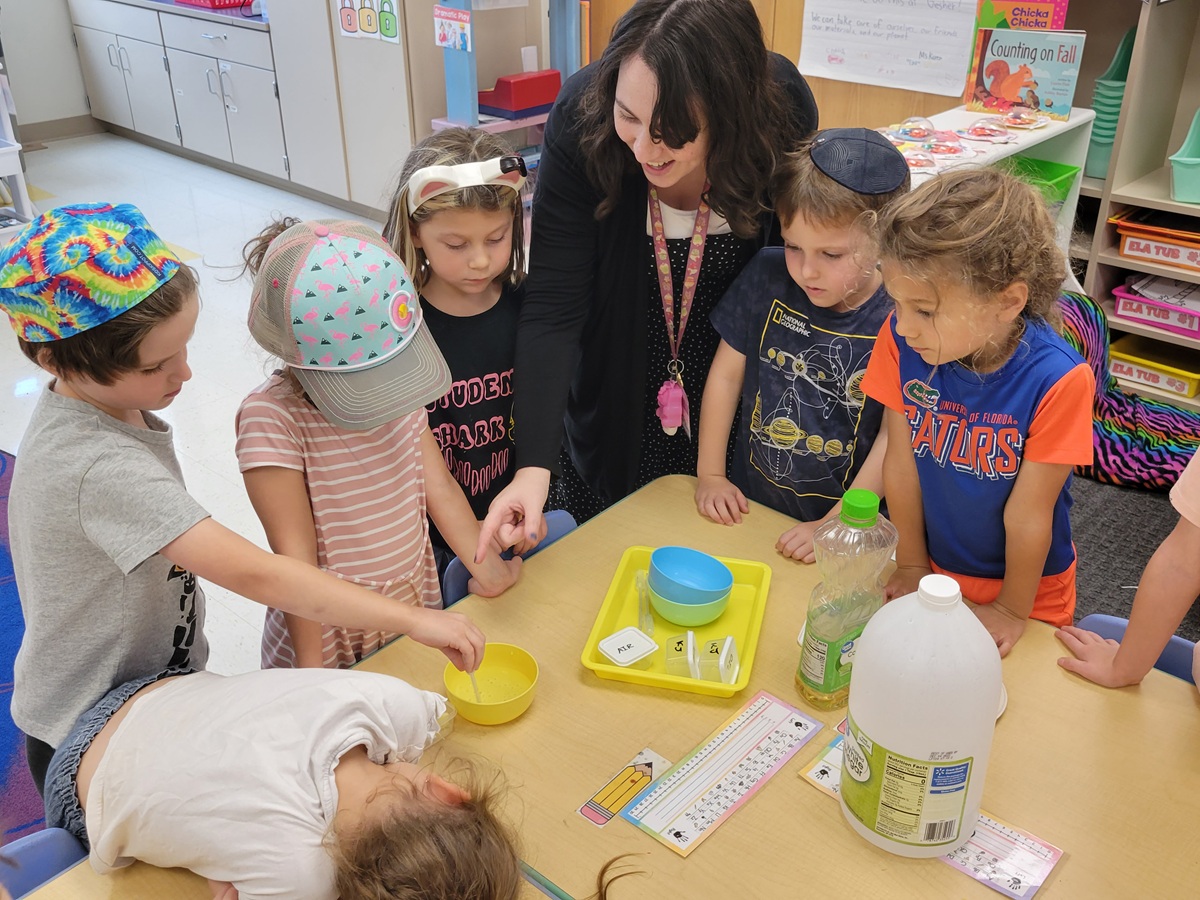
Whether it’s preschoolers exploring Israeli culture through art, teens learning about women in Israeli cinema, or older adults discussing the uniqueness of Israeli leadership, each workshop is designed to bring Israel to life in a tangible and innovative way. From leadership and identity sessions to Israeli crafts and music, the goal is simple: to create authentic, accessible connections to Israel for all ages.

And it’s working! Demand for Hands-on Israel continues to grow, with strong participation across age groups and geographies. Some organizations have invited shlichim back multiple times to lead sessions with different age groups or on different topics, and as each cohort of shlichim brings their own passions, talents, and perspectives, the workshops continue to evolve—keeping the experience fresh, relevant, and impactful.

Through Hands-on Israel, Federation is not only expanding access to Israel engagement, but strengthening connections, building community, and creating meaningful experiences that resonate long after the workshop ends.

Because sometimes, the most powerful way to connect is not just to learn about something, but to experience it together.

Interested in a Hands-on Israel workshop for your own community or organization? Learn how to request a workshop here.

Related posts

Honoring Survivors, Every Day

Honoring Survivors, Every Day

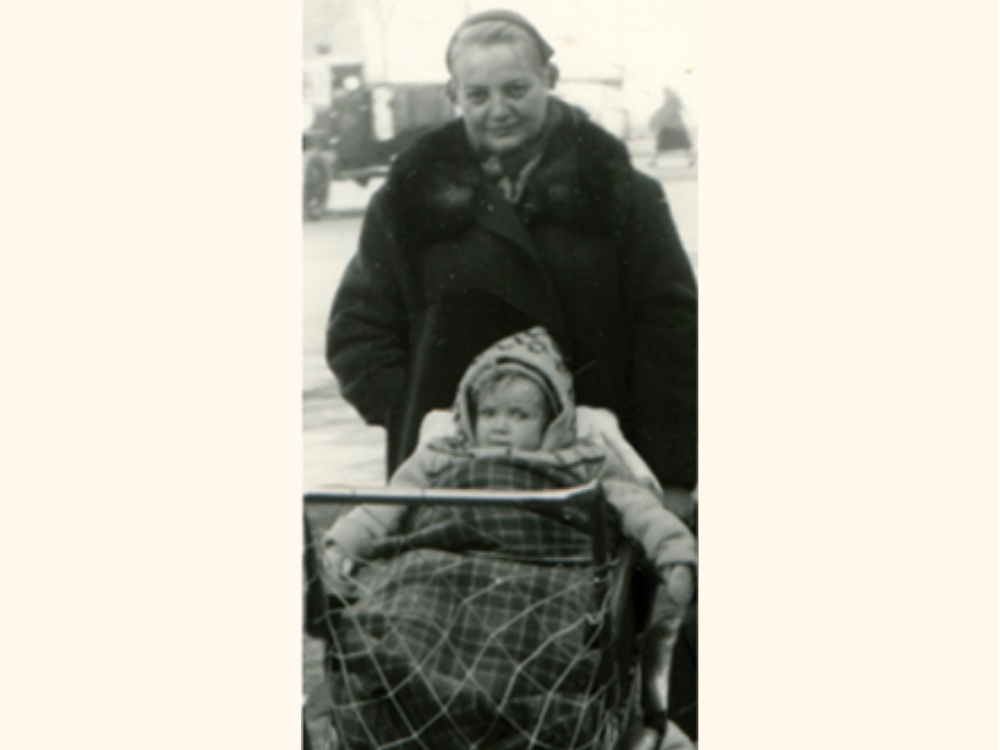
Shortly after the outbreak of World War II, two-year old Sonia* and her mother fled Belarus, which would soon fall to the Nazis. Her father, a Soviet army officer, was killed on the front line. After the war, Sonia’s family rebuilt what they could of their lives, with Sonia eventually pursuing a career as a teacher.

Life in the Soviet Union was far from easy, though. Finding consistent, well-paying work was a challenge, and Sonia and her daughter endured rampant antisemitism. Even in the late 1970s, her daughter was barred from attending university due to her Jewish identity. That’s why in 1980, they made the brave and difficult decision to emigrate to the United States.

For almost two decades, Sonia worked in a Russian-language daycare, providing care and comfort to the next generation, eventually retiring in Maryland. Yet as she’s gotten older, her day-to-day life has become more challenging. She has significant mobility issues, rarely leaving the house and accessing only the ground floor of her apartment. Her daughter and son-in-law help where they can, yet loneliness and isolation still set in.

That’s where Federation and our partner JSSA—the Jewish social service agency serving Greater Washington—comes in. Each year, JSSA helps hundreds of Holocaust survivors live their final years with dignity and safety. Federation support enables JSSA to provide homecare and home nursing, medical support, food programs, socialization activities, and more. As Holocaust survivors age and their needs become more complex and acute, this care is increasingly essential.

For Sonia, this assistance is deeply personal. With help from a homecare worker, she is able to remain in her own home and complete tasks that would otherwise be too daunting. Virtual exercise classes support her physical well-being, while online Russian-language classes on Jewish themes help her stay connected to her community and culture. These services do more than meet basic needs; they provide connection and stability.

Together, Federation and JSSA are dedicated to ensuring that no Jew feels alone, and that every survivor is met with the care and respect they deserve. We honor survivors by showing up for them now, in real and tangible ways. Through this partnership, we are turning memory into action—ensuring that “Never Again” is not only a promise for the future, but a responsibility we uphold every day.

*To protect her privacy, Sonia’s name has been changed.

Related posts

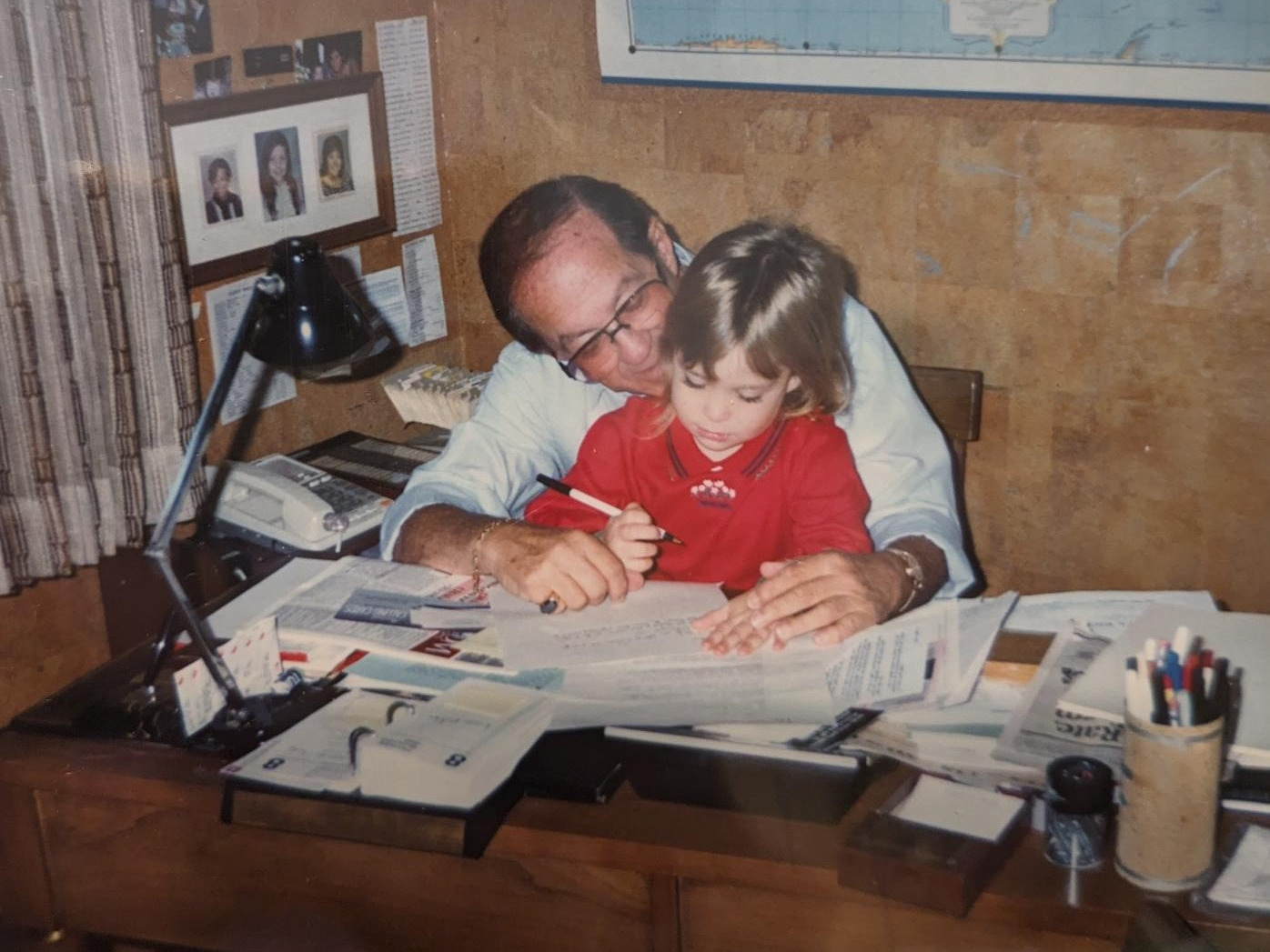
The Legacy of Eddie Kaplan The Legacy of Eddie Kaplan
The Legacy of Eddie Kaplan
Eddie’s decades of leadership at Federation and the Jewish Community Foundation helped strengthen institutions, support community investments, and shape a thriving Greater Washington Jewish community rooted in care, vision, and lasting impact.
read more