Need support? Call 703-J-CARING (703-522-7464)

Expanding Access to Jewish Education
Expanding Access to Jewish Education

A New Opportunity on the Horizon

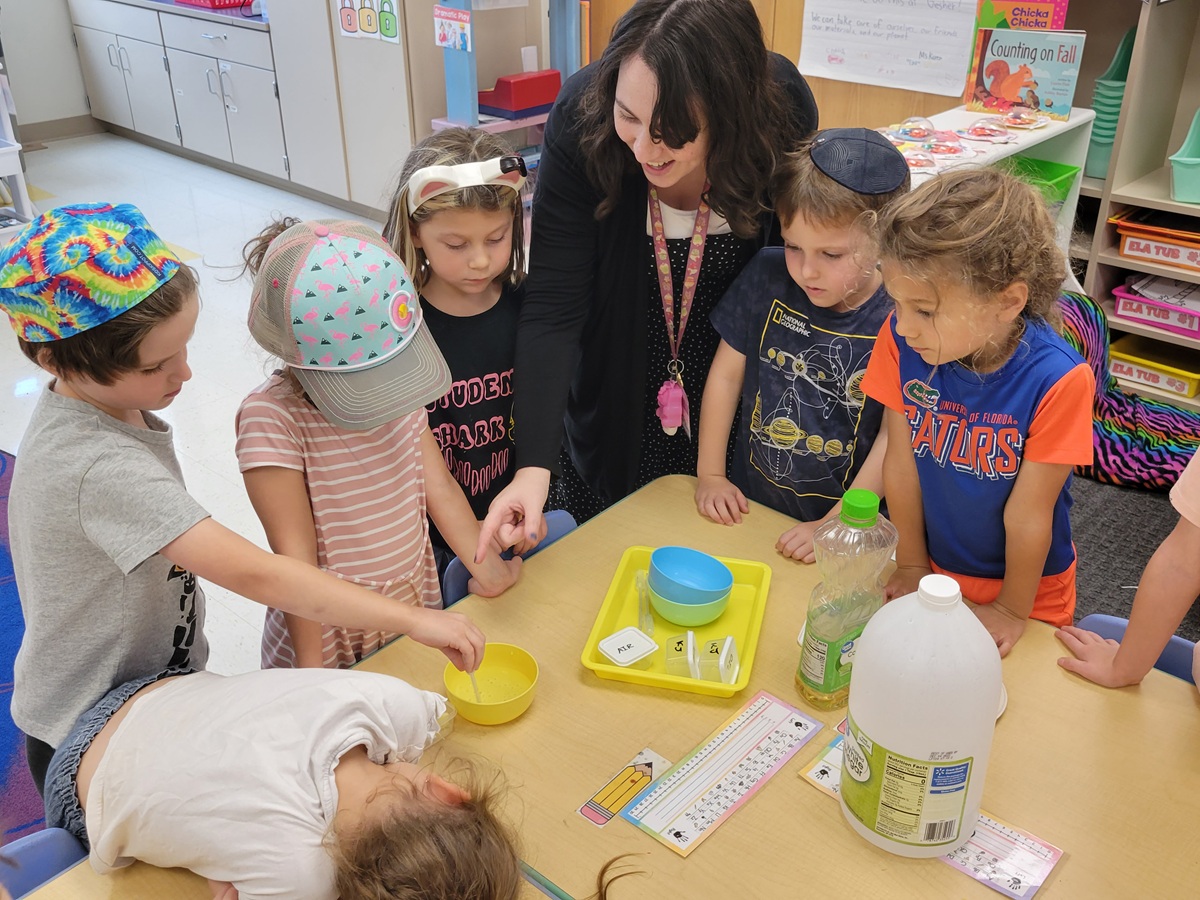
For many families in our community, scholarship funding is what makes education at a Jewish day school possible. Across the region, our Jewish day schools are providing close to $25M in tuition assistance. Now, a new nationwide initiative has the potential to reshape how families access scholarship funds and afford that education.
 
The Federal Scholarship Tax Credit, set to take effect in 2027, creates a new opportunity to increase scholarship funding through a new donation mechanism. Through the program, eligible taxpayers can contribute to Scholarship Granting Organizations (SGOs) and receive a federal tax credit, generating new funding for scholarships. In turn, this helps schools reach and sustain more students over time—strengthening their long-term stability.

Expanding Access for Families

At its core, this effort is about expanding access—for families, for students, and for the future of Jewish education in our region.
 
“This opportunity has the potential to expand access to Jewish education, helping more families afford the education they want for their children while supporting the long-term strength of our school,” said Rabbi Mitchel Malkus, Ed.D., Head of School at Charles E. Smith Jewish Day School.

Preparing as a Community

While the opportunity is still ahead, the work to prepare is already underway.

The Jewish Federation of Greater Washington is leading a coordinated regional effort to set up local SGOs for our community, ensuring they’re built thoughtfully with the right structure and oversight needed to serve our community well.

By bringing together Jewish day schools and key partners for this process, Federation is helping to build the infrastructure, systems, and shared approach needed to implement the program effectively and responsibly.

“Regional coordination makes this easier for our community to understand,” said Rabbi Dr. Hillel Broder, Head of School at Melvin J. Berman Hebrew Academy. “Not everyone in our community has children in day school, but many care deeply about Jewish education. A coordinated approach helps make this opportunity easier to navigate.”

Building Thoughtfully, Together

Leaders across the region strongly believe in the importance of approaching this work collaboratively and thoughtfully.

“As the only Jewish day school in Northern Virginia, having a shared approach matters,” said Jodi Hirsch Rein, Incoming Head of School at Gesher Jewish Day School. “Preparing together allows us to navigate this opportunity thoughtfully and in alignment with our values.”
 
“At Milton, we see this as part of a broader commitment to access and excellence,” said Deborah Skolnick Einhorn, Head of School at Milton Gottesman Jewish Day School. “This opportunity has the potential to open more doors for students, and both the public/private school partnership and regional collaboration help ensure we can do so in a way that is both responsible and sustainable.”

Federation is ensuring that this opportunity is not only accessible but clear, coordinated, and built to last.

“Our role is to build the shared infrastructure that allows schools to participate effectively and transparently,” said Joel Frankel, Federation’s Senior Director of Community Capacity. “By coordinating governance and compliance across institutions, we can help ensure clarity and accountability, creating more opportunities for students and families across Greater Washington to benefit from Jewish day school education.”

Looking Ahead

In the months ahead, Federation and partner schools will continue working together to thoughtfully build and implement the program, so that families can understand how it works and can access its benefits as soon as the tax credit becomes available.

Learn more

Photo credit: Gesher Jewish Day School
Related posts

Through Our Eyes: Jewish Teens Turn Identity into Art

Through Our Eyes: Jewish Teens Turn Identity into Art

Since October 7, Jewish teens around the world have been navigating a complex mix of emotions: grief, fear, pride, resilience. And increasingly, they’re not just processing these feelings quietly. They’re turning them into action.

A recent report from the Jewish Agency for Israel (JAFI) found that 74% of young Jews believe they can positively shape the future, a striking reflection of growing optimism and stronger connection to Jewish life.

In Greater Washington, a group of teens is doing exactly that.

Turning Emotion Into Expression

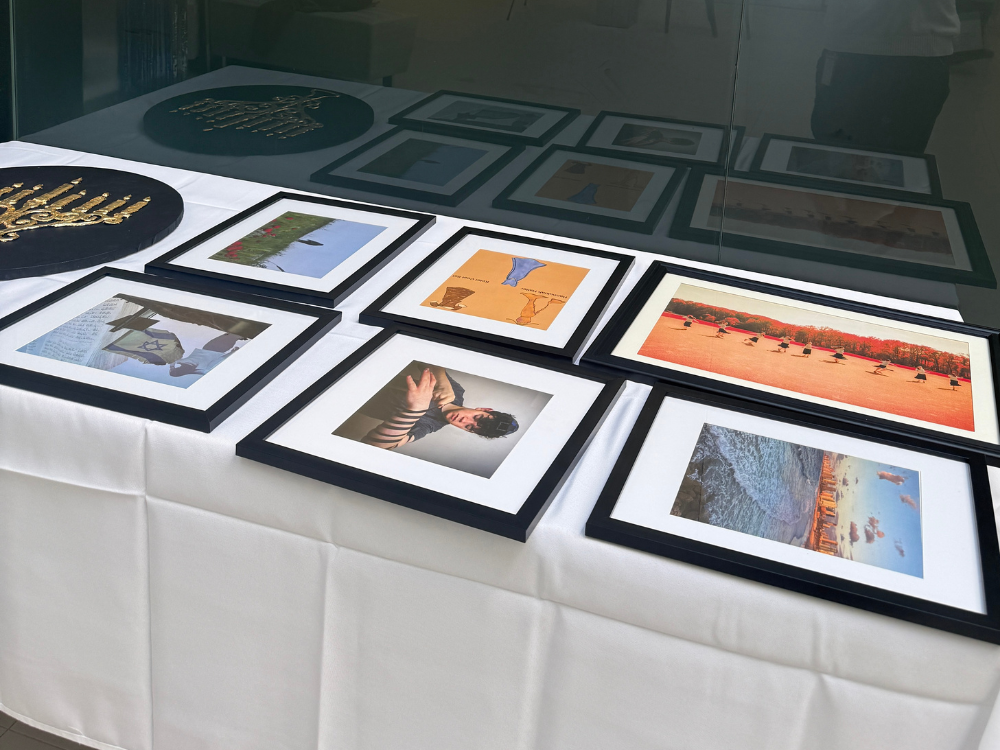
Through Our Eyes, an original art exhibit created by local teens Emma Libowitz, Ayelet Magder, Ofek Bar-Ori, Sophie Moyal, and Aviela Dennen, brings together the voices and experiences of Jewish teens in this moment. Through paintings, poetry, and mixed media, the exhibit offers a deeply personal look at what it means to be Jewish today, grounded not in headlines or politics, but in lived experience.

“At a time when antisemitism is often discussed in abstract or political terms, this exhibit restores humanity to the conversation,” said Ofek. “It allows [people] to see Jewish teens not as representatives of conflict, but as individuals with complex emotions, identities, and stories.”

For many of the teens, the exhibit is both a creative outlet and a communal space. “It acts as a space for teens to lean into their Jewish identities and express their thoughts and emotions, where they might not have otherwise had a place to do so,” Ayelet shared.

That sense of belonging, expression, and connection doesn’t happen in a vacuum.

Each of these teens is involved in Jewish life across the region: whether through the Bender JCC, camps like Ramah and Capital Camps, or other youth experiences that have helped shape their identities over time. These are the environments where Jewish teens build confidence, explore their values, and form the relationships that allow them to show up fully as themselves.

Investing in the Ecosystem

Federation plays a critical role in making those environments possible, supporting both teens and the professionals who guide and work alongside them.

By supporting camps, youth groups, JCCs, and other teen programming across Greater Washington, Federation invests in the spaces where identity is formed and strengthened. These investments don’t just power programs, they power identity, helping to cultivate a generation of young people who feel connected, confident, and empowered to express what being Jewish means to them.

As the exhibit travels to JCCs, synagogues, and schools across the region, it is creating new opportunities for connection, not just between teens, but across the broader community. “We hope the exhibit will help teens know that you’re not alone,” said Aviela. “That there are other teens going through the same things.”

And that expression matters now more than ever. “There has been a variety of reactions to October 7 within the Jewish community,” Emma shared. “Our experience as Jewish teens isn’t a monolith. Right now, we need the support and encouragement of adults to speak openly, voice our concerns, and reaffirm our communal values.”

The Through Our Eyes exhibit is modeling something powerful: that in the face of challenge, Jewish identity is not only something to hold onto. It’s something to build, express, and share.

Because when young people are given the tools, the space, and the support to explore who they are, they don’t just respond to the moment—they help shape what comes next.

Related posts

Bringing Israel to Life “Hands-On”

Bringing Israel to Life “Hands-On”

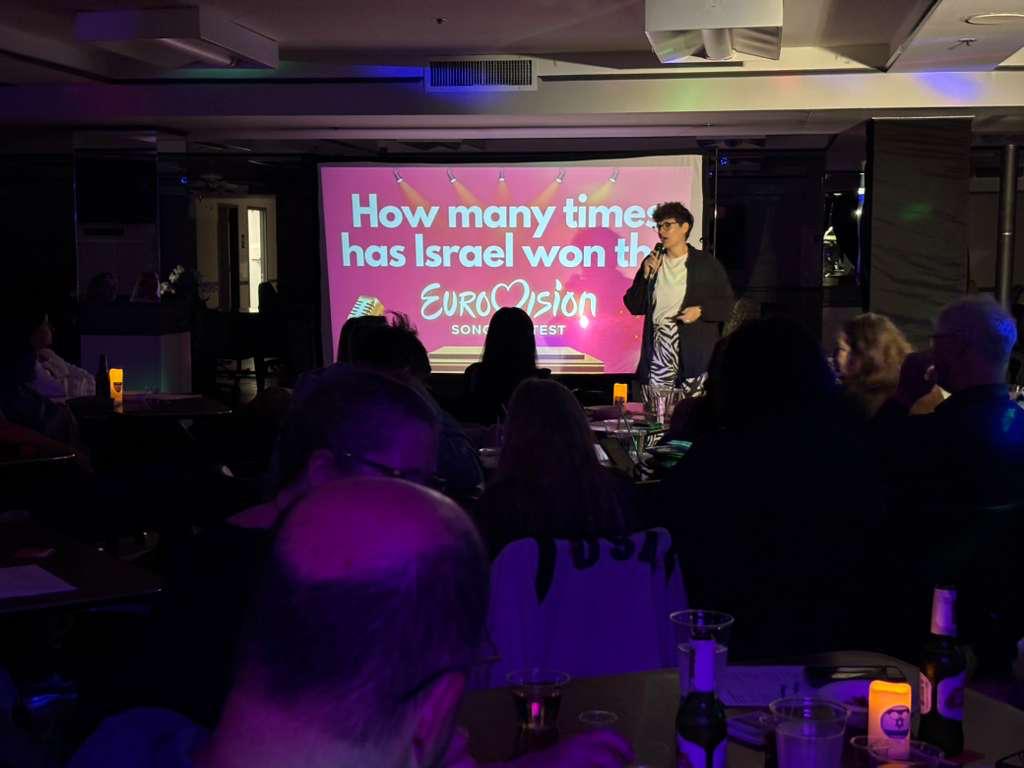
For those looking to discover new things or have meaningful conversations about Israel, Federation’s Hands-on Israel workshops is an exciting place to start.

Through this growing initiative, Federation partners with synagogues, schools, young adult groups, and community organizations to expand access to dynamic Israel programming that is creative, educational, and personal. Led by our community Shlichim (Israeli emissaries), these workshops complement existing community offerings, creating new opportunities for connection and learning.

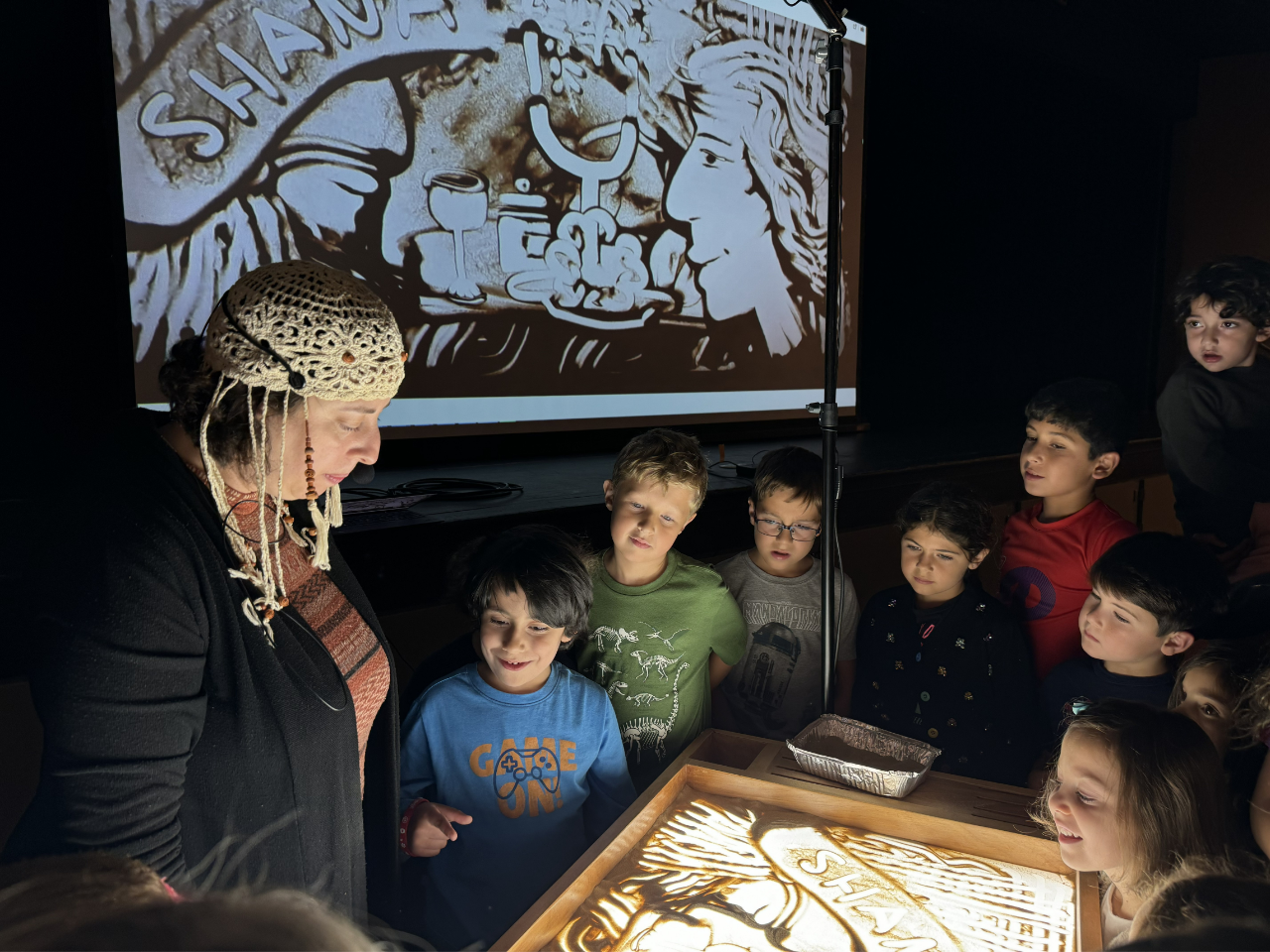
Whether it’s preschoolers exploring Israeli culture through art, teens learning about women in Israeli cinema, or older adults discussing the uniqueness of Israeli leadership, each workshop is designed to bring Israel to life in a tangible and innovative way. From leadership and identity sessions to Israeli crafts and music, the goal is simple: to create authentic, accessible connections to Israel for all ages.

And it’s working! Demand for Hands-on Israel continues to grow, with strong participation across age groups and geographies. Some organizations have invited shlichim back multiple times to lead sessions with different age groups or on different topics, and as each cohort of shlichim brings their own passions, talents, and perspectives, the workshops continue to evolve—keeping the experience fresh, relevant, and impactful.

Through Hands-on Israel, Federation is not only expanding access to Israel engagement, but strengthening connections, building community, and creating meaningful experiences that resonate long after the workshop ends.

Because sometimes, the most powerful way to connect is not just to learn about something, but to experience it together.

Interested in a Hands-on Israel workshop for your own community or organization? Learn how to request a workshop here.

Related posts

Find Your People with JLive Find Your People with JLive
Find Your People with JLive
Jewish life is thriving across Northern Virginia, but finding it can be challenging. Through a new partnership between the Jewish Federation of Greater Washington and the Pozez JCC, JLive will make it easier to discover events, programs, volunteer opportunities, and meaningful community connections.
read more

Building Jewish Community from Day One

Building Jewish Community from Day One

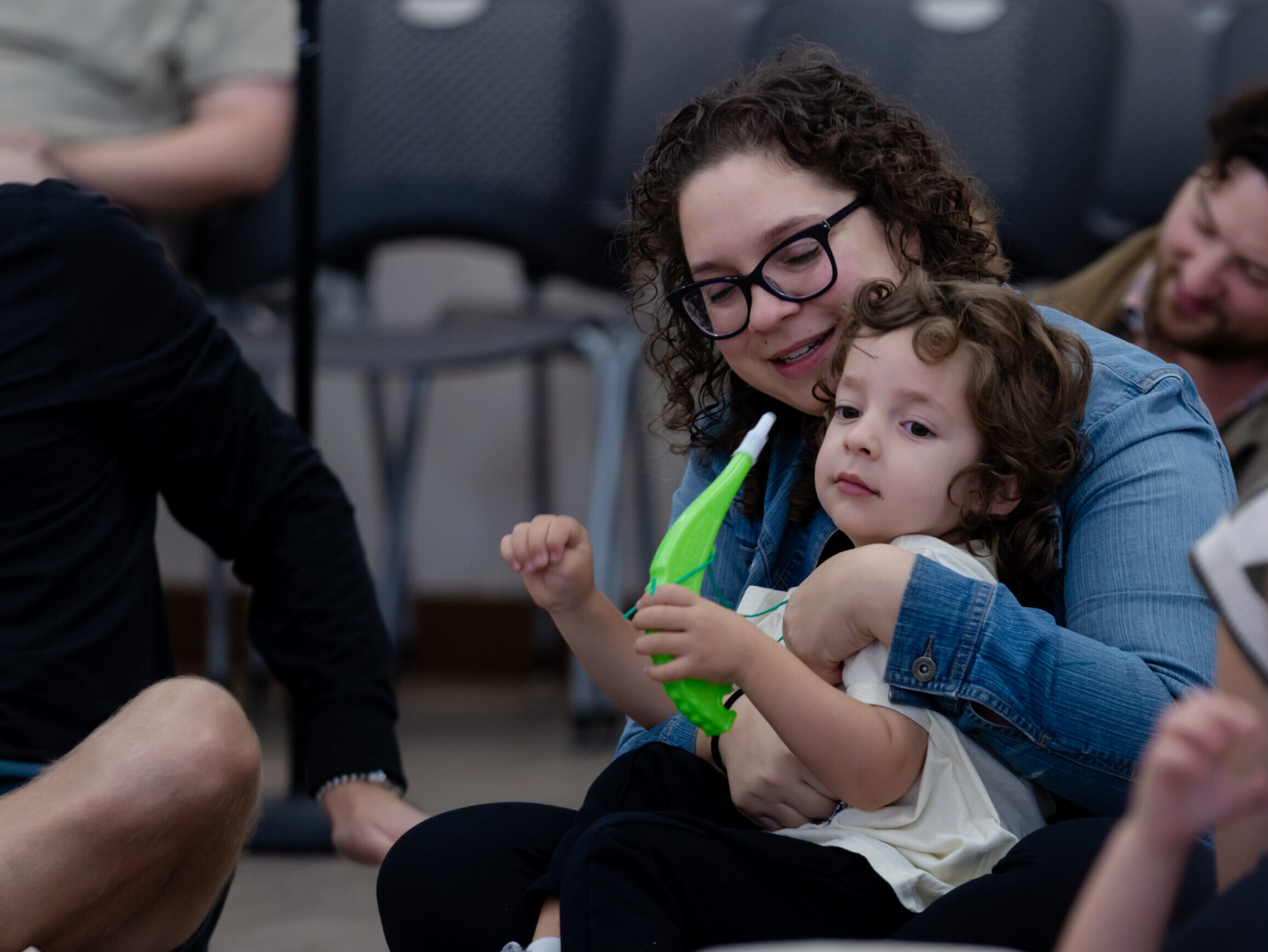
It takes a village to raise a child. For Jewish families, that village often takes shape through a vibrant Jewish community with places to celebrate holidays, meet other parents, and help children grow up surrounded by Jewish life.

For many parents, a sense of community begins to take shape in the early years—through the families they meet, the events they schlep their kids to, and the people who share those early milestones.

As part of its commitment to strengthening Jewish life across the region, The Jewish Federation of Greater Washington works with partners throughout the DMV to help make these connections possible.

Where Jewish Community Takes Shape

“Some of the first ways families connect to Jewish community happen during the early years,” said Dinah Zeltser, Associate Director of Community Impact, who leads the Families with Young Children work at Federation. “Sometimes it starts with something as simple as a PJ Library book arriving in the mail, a parent bringing their little one to Tot Shabbat for the first time, or a holiday gathering where parents suddenly realize they’re not the only ones trying to figure it all out.”

One way Federation supports these connections is by investing in programs and partnerships that help families engage with Jewish life from the earliest years.

Expanding Opportunities for Young Families

Through a new funding opportunity, Federation is inviting local organizations to create more programs for children ages 0–8 and their parents, strengthening early connections to Jewish life and community.

Programs may include family-centered holiday celebrations, parent gatherings, community programs that bring families together, or other experiences that help parents connect with one another and feel part of a Jewish community.

Federation welcomes both proven programs ready to grow, and new ideas that explore creative ways to engage families during these formative years.

“Early connections matter,” Zeltser said. “When families feel welcomed and supported early on, it can shape how they experience Jewish life for years to come.”

By investing in programs that reach families early, The Jewish Federation of Greater Washington aims to expand opportunities for parents and children across Greater Washington to connect with Jewish community and with one another.

Organizations interested in applying can review the full Request for Proposals below. Applications are due April 15, 2026, with funded programs beginning in August 2026. 

Learn more

Related posts

Find Your People with JLive Find Your People with JLive
Find Your People with JLive
Jewish life is thriving across Northern Virginia, but finding it can be challenging. Through a new partnership between the Jewish Federation of Greater Washington and the Pozez JCC, JLive will make it easier to discover events, programs, volunteer opportunities, and meaningful community connections.
read more

Where Jewish Belonging Takes Root, for Generations

Where Jewish Belonging Takes Root, for Generations

Through a new endowment with the Jewish Community Foundation of The Jewish Federation of Greater Washington, Rhea Schwartz is investing in Jewish summer camp—helping more children experience what shaped her so profoundly. Her support recognizes both the cost for families and the realities camps face in maintaining safe, welcoming facilities.

Jewish Life, Lived Every Day

Rhea Schwartz grew up in a home filled with Jewish life.

Raised in Brooklyn, her childhood was shaped by family, culture, and everyday experience. Yiddish filled the room, spoken by her grandparents, parents, and their friends. “My family wasn’t very religious,” she says, “but we were very Jewish.”

Where Belonging Took Shape

That feeling of belonging took its fullest shape at Jewish summer camp.

For ten summers, camp was where Rhea felt most at home—living in bunks, singing on Friday nights, and forming friendships that would last a lifetime. Several of those summers were spent at a small Jewish camp in the Catskills, owned and operated by her parents and their closest friends. It was an experience that shaped not only her childhood, but her understanding of what Jewish community can be.

The Power of Camp, Long After Summer Ends

Decades later, those connections endure. Long after the camp itself closed, former campers still find each other—organizing reunions, maintaining friendships, and staying connected through an active online community.

“That tells you how powerful camp can be,” Rhea reflects. “It creates Jewish family.”

How Community Is Sustained

After moving to Greater Washington for law school, Rhea became involved in the local Jewish community through the JCC, a place she believed was essential to Jewish life in the nation’s capital. Through that involvement, she came to better understand the broader Jewish communal landscape, including the role Federation plays in strengthening Jewish life across the region.

“I wasn’t raised as a Federation kid,” she says plainly. “But once I understood what Federation does, I wanted to learn more.”

That learning led her to years of involvement on Federation committees, deepening her understanding of communal responsibility. Her own lived experience—especially camp—ultimately shaped how she chose to give back.

Showing Up When It Matters Most

Rhea’s commitment to Jewish life didn’t begin with camp—and it doesn’t end there.

Earlier, in 2017, she and her late husband, Paul Martin Wolff, established the Rhea S. Schwartz and Paul Martin Wolff Emergency Fund through the Jewish Community Foundation of The Jewish Federation of Greater Washington, designed to ensure resources are available when unbudgeted local or global emergencies arise.

Since 2022, the fund has been activated to respond to urgent needs, including support for Jewish summer camps after fire-related damage and, more recently, assistance to the Capital Jewish Museum following last year’s antisemitic attack.

For Rhea, this kind of readiness reflects the same values she learned early on: that Jewish community means showing up for one another—both in moments of joy and in moments of need.

Ensuring Belonging for Generations to Come

With the Foundation, she found a partner who helped her turn a deeply personal chapter of her life into a lasting commitment, shaped by what mattered most to her: supporting both the children who attend camp and the camps that make those experiences possible.

For Rhea, the impact of camp goes far beyond summer fun.

“It’s like the first time I went to Israel,” she explains. “I remember thinking, I don’t have to be conscious of being Jewish.”

At camp, she says, children experience a rare kind of ease: being fully themselves without explanation. Whether it’s joyfully welcoming Shabbat, forming close friendships, or simply living Jewishly without standing out, camp offers a sense of comfort that’s hard to replicate elsewhere.

“Jewish camp removes the element of uncomfortableness,” she says. “You belong.”

Looking Ahead to What Comes Next

When asked whether she considers herself a philanthropist, Rhea hesitates. “Not really,” she says, smiling. “A do-gooder, maybe.”

What matters most to her is what comes next. The idea that children—perhaps for the first time—will experience Jewish summer camp because of her investment is deeply meaningful.

When asked how it would feel to hear stories of children attending Jewish summer camp for the first time because of her support, Rhea doesn’t hesitate. Her face lights up.

“I hope you’ll come back and tell me those stories,” she says. “That would be great.”

For Rhea Schwartz, camp was never just a place. It was where Jewish identity felt natural, joyful, and secure. And now, through her generosity, she’s helping ensure that same sense of belonging is passed on, one summer at a time.

Carrying What Matters Forward

Her story is one example of how Jewish experiences can inspire action that strengthens Jewish life across our region.

Thinking about how your giving can endure for generations?

Contact us

Related posts

From Intention to Action: What JDAIM Is Teaching Our Community About Inclusion

From Intention to Action: What JDAIM Is Teaching Our Community About Inclusion

Jewish Disability Awareness, Acceptance, and Inclusion Month (JDAIM) invites us each year to ask a hard but necessary question: who feels fully welcomed into Jewish communal life and who still encounters barriers, even when our intentions are good?

When values outpace systems

In recent years, our community has begun to confront an uncomfortable truth., While many Jewish organizations deeply value inclusion, good intentions alone are not enough to create access, especially for young adults with disabilities. Inclusion requires skills, systems, and sustained commitment.

Learning what inclusion requires

That realization came into focus in 2023, when we partnered with Matan, a national leader in disability inclusion in Jewish life, to conduct a communitywide assessment. Matan works with Jewish organizations across North America to build the tools and confidence needed to create truly inclusive communities. One finding stood out clearly: Jewish professionals wanted to be inclusive of people with disabilities, particularly young adults, but many did not know how to translate that desire into practice.

That insight became a turning point.

Turning learning into action

In response, we launched the Lieberman Fellowship for Jewish Organizations Serving Young Adults, a yearlong cohort learning experience (2024–2025) led by Matan. The fellowship focused on moving organizations from intention to implementation, helping teams rethink policies, practices, and culture through an inclusion lens. At the conclusion of the learning year, participating organizations, along with one additional congregation, received grants to turn learning into action through concrete inclusion projects.

This JDAIM, we pause to take stock of progress at the projects’ midpoint. What we found was encouraging—not because the work was finished, but because it is becoming more thoughtful, more systematic, and more honest.

What’s changing across our community

Across the region, organizations are shifting away from ad hoc accommodations toward intentional, systems-based approaches to access. Some are redesigning how people request accommodations or improving digital and physical accessibility. Others are investing in staff training, inclusive employment pathways, peer support, or relationship-centered spaces like Shabbat tables and social programming. Again and again, we are seeing that small but deliberate changes—clear communication, accessible tools, sensory supports—can dramatically expand participation and belonging.

That progress has not come without challenges. Many teams underestimated how long it would take to coordinate across departments and partners. Staff transitions and technology limitations slowed timelines. In some cases, organizations intentionally slowed decision-making to ensure solutions would be sustainable and meaningful rather than rushed. These challenges are real, but they also reflect a growing sophistication in how our community understands inclusion: not as a quick fix, but as long-term work that must be built to last.

Inclusion, in action

Each organization is approaching inclusion differently, shaped by its mission, audience, and capacity. Together, these efforts reflect a shared shift toward more intentional and sustainable access.

Inclusive employment and workforce pathways

  • Adas Israel is piloting a supported employment program for young adults with intellectual and developmental disabilities, envisioning a multi-year pathway to meaningful, paid work and vocational growth.

Accessible spaces, programs, and experiences

  • Bender JCC is investing in accessible fitness equipment and assistive listening devices, alongside hosting sensory-friendly cultural programming.
  • Edlavitch DCJCC repaired hazardous entryways and launched a visibility campaign highlighting accessibility across programs.

Digital communications access

  • GatherDC transformed its community calendar to include accessibility information, mobile usability, and screen-reader tools, changing how thousands of young adults find Jewish experiences.

Peer support, community design, and belonging

  • B’nai Israel Congregation is pairing a young adult inclusion peer program with accessible communication training for staff and lay leaders.
  • OneTable supported hosts creating intentionally inclusive Shabbat tables, including spaces centered for autistic and Deaf/ASL communities.

Data-informed systems and long-term engagement

  • Pozez JCC is building data-informed systems to track and strengthen engagement of neurodiverse young adults over time.

Training, capacity-building, and organizational practice

  • Mem Global distributed social inclusion kits, launched accessibility microgrants, and is preparing to hire a Camper Care Director to support emotional and behavioral needs at immersive experiences.
  • Sixth & I is preparing comprehensive social inclusion trainings for staff and volunteers serving young adults in less-structured Jewish spaces.
  • Temple Rodef Shalom standardized its accommodation request process, shifting from informal responses to clear, transparent, and equitable access systems.

The lesson we’re carrying forward

Perhaps the most important lesson emerging from this work: inclusion is grounded in relationships, strengthened through training, and sustained by systems, not by individuals alone. When access is embedded into how organizations operate, it becomes part of communal life.

Beyond JDAIM

This JDAIM, we are not just raising awareness. We are witnessing growth—imperfect, iterative, and deeply committed. Our community is learning what it truly means to create Jewish spaces where young adults with disabilities are not merely accommodated, but genuinely welcomed, supported, and able to belong.

Learn more

Related posts

Find Your People with JLive Find Your People with JLive
Find Your People with JLive
Jewish life is thriving across Northern Virginia, but finding it can be challenging. Through a new partnership between the Jewish Federation of Greater Washington and the Pozez JCC, JLive will make it easier to discover events, programs, volunteer opportunities, and meaningful community connections.
read more

Finding Light: Ori’s Journey as a Shlicha in Greater Washington

Finding Light: Ori’s Journey as a Shlicha in Greater Washington

Ori is 23, and she carries something most adults twice her age still struggle to hold: the responsibility of representing Israel with honesty, heart, and humility—especially to kids. She’s one of 11 community shlichim (Israeli emissaries) bringing Israel to life across Greater Washington through Federation’s Shlichim Program.

Growing up in Moshavat Kinneret, a small community in northern Israel, Ori was surrounded by family, a strong sense of responsibility, and a beloved boxer dog she still misses. Before coming to Greater Washington, Ori spent two summers at a Jewish camp in upstate New York.

Teaching Israel in a Complicated Moment

Now living in Greater Washington, Ori spends her days with children, parents, and educators—teaching Hebrew, leading workshops, and helping our community deepen its connection to Israeli life and culture. But talking about Israel isn’t as simple as it used to be. She says it’s gotten harder in the last few years. Kids are asking deeper questions. There’s no single story to tell.

“I’m not saying Israel is perfect,” she says. “Like anything else, there are things that are good and things that are bad. I want to show them both sides.” Ori doesn’t pretend otherwise. She listens, brings her own questions, and creates space for kids to talk about Israel with curiosity, honesty, and care.

Pride Without Pretending

Ori loves teaching about Israel’s creativity—from everyday inventions to world-changing breakthroughs, like cherry tomatoes. “The best invention,” she says, laughing.

Through Made in Israel, an interactive Hands-on Israel workshop she leads, participants explore the Israeli innovations they’ve heard of and many they haven’t. They learn about the brilliant minds behind these inventions through games and challenges that spark curiosity and pride. Ori’s goal is more than just facts. She shows people that Israel is a place of ideas, impact, and imagination.

Teaching Joy, Too

For Ori, representing Israel isn’t only about navigating complexity—it’s also about sharing joy. She brings Israeli traditions into American Jewish life in ways that feel lasting and personal. “We’re not sitting sad and miserable in Israel—we’re happy,” she says. “We’re living.” That’s what she wants kids to see: that Israel is a home, full of celebration, tradition, and joy.

Ori’s work is part of a larger effort to build people-to-people connection through immersive, everyday experiences. Through Federation’s Shlichim Program, Israeli emissaries like Ori help bring Israel to life in schools, synagogues, JCCs, and more—creating personal, lasting moments of understanding and connection across Greater Washington.

Bringing Community with Her

Ori often talks about the community she grew up in—a kibbutz where kids moved freely, everyone knew each other, and life felt safe and shared. “It’s a very community-like place,” she says. “It’s a safe space… I really, really love it.” That sense of belonging is something she carries with her. And through her teaching, she hopes to help create more of that feeling for the children and families she meets here.

Leaving Something Behind

One of the biggest surprises for Ori has been seeing what Jewish life looks like outside of Israel. She didn’t know what to expect. But she’s found deep relationships, strong communities, and new ways of expressing Jewish identity that continue to shape her own perspective. Ori wants to bring more of Israel into Jewish spaces here, and she hopes the connections she’s made will last long after she leaves.

“I don’t want to just be a shlicha who came and left,” she says. “I want to leave something behind.”

Looking Ahead

When she thinks about the future of Jewish life in the U.S., Ori doesn’t hesitate. She hopes people feel safe being openly Jewish. She hopes for greater unity, more listening, and a community that remains a source of strength, even in uncertain times. Until then, she’s teaching, learning, and building relationships—one day, one conversation at a time.

Continue the Conversation at RE:Israel

Ori’s story reflects the honest, values-driven work of Israel education today—work that feels more urgent than ever. In the wake of October 7, educators, parents, and communal leaders are grappling with big, essential questions:

  • How do we teach and talk about Israel with clarity and care?
  • How do we support young people in holding complexity without letting go of connection?
  • And how do we reframe Israel education for this new era, with tools that are honest, nuanced, and real?

These conversations will take center stage on Tuesday, February 24, at RE:Israel: Reflect. Reframe. Reconnect., a half-day learning experience for educators, communal professionals, lay leaders, and parents seeking thoughtful, practical engagement with Israel education in this moment.

Related posts

Find Your People with JLive Find Your People with JLive
Find Your People with JLive
Jewish life is thriving across Northern Virginia, but finding it can be challenging. Through a new partnership between the Jewish Federation of Greater Washington and the Pozez JCC, JLive will make it easier to discover events, programs, volunteer opportunities, and meaningful community connections.
read more

How Do I Support My Disabled Child With Bar Mitzvah Prep?

How Do I Support My Disabled Child With Bar Mitzvah Prep?

We often think about B’nai Mitzvah as being about the moment when a child gets up, blesses and reads from the Torah, chants haftorah, gives a D’var Torah, and maybe even leads some of the prayers in synagogue. Scenes in film and TV, and perhaps our own experience with family and friends, reinforce the idea that, to become B’nai Mitzvah, this is what one must do. For the parent of a child with learning disabilities or other needs that make following this scenario impossible, marking the milestone might seem inaccessible.

The good news is that, according to Jewish tradition, the only thing that someone has to do to become an adult in the Jewish community is to turn 13 (or, traditionally, 12 for girls). And so, there are many ways to mark this milestone according to the needs of your child.


Read the full post from PJ Library

Related posts

Thinking About What Truly Shapes Jewish Life

Thinking About What Truly Shapes Jewish Life

How we might build the next chapter of Jewish community together.

I’ve been thinking a lot about how change happens. What experiences or events have a unique and significant impact on a person’s life? What are the drivers or enablers that can move a community forward? What is needed to shift a trajectory, to address a problem, or seize an opportunity?

I am thinking about this because we live in a moment when we, as a Jewish people, are facing a series of challenges (and opportunities) as our world changes in significant ways. We therefore need to consider our approach when it comes to our work to build a vibrant Jewish community in the DMV.

For the past many years, we have worked hard to identify new programs or strategies that would bring people in. We have sought ideas from the community and funded a variety of new initiatives. And many of these initiatives have been successful. We have partnered with incredible local agencies and synagogues to create new initiatives and bring ideas to life. This work has been eye-opening and worthwhile.

I also want to explore what it might look like for this next period of Jewish life, if we shift our focus from continuing to source new ideas to scaling the initiatives that we know for certain achieve the objectives we have in mind—the ones that over years of study and observation have proven successful in building connection, identity, and community.

We know that Jewish overnight camp, youth groups, Jewish learning, immersive experiences, especially to Israel, Jewish day schools, and Shabbat dinners all achieve these goals. Moreover, and just as importantly, they are scalable. These may not be the only experiences that have such an impact, but channeling our energy and creativity into each of these six areas could yield tremendous results.

For example, there are currently 3,500 kids in Greater Washington who go to Jewish overnight camp. What impact might we have on the Jewish future if we doubled that number over the next ten years and another 3,500 children and teens experience the joy and community of camp? What if for the next decade, we focus on the proven wins in Jewish life—those things we know to be both high impact and scalable—and bring in many more people to these experiences?

We are currently debating and stress testing these questions internally at Federation and I want to share our thinking with you as part of that process. How does our list of impactful Jewish experiences strike you? Where do you see challenges with our approach? In what ways can the broader community contribute to Jewish engagement?

I look forward to hearing your thoughts. Through it all, know that our core objective remains the same: working together to build a community where everyone feels they belong, can connect deeply to others and the Jewish people, and inspired to shape our collective future.

More to come.

Related posts

Find Your People with JLive Find Your People with JLive
Find Your People with JLive
Jewish life is thriving across Northern Virginia, but finding it can be challenging. Through a new partnership between the Jewish Federation of Greater Washington and the Pozez JCC, JLive will make it easier to discover events, programs, volunteer opportunities, and meaningful community connections.
read more

Making Jewish Camp Magic, Thanks to One Happy Camper Grants

Making Jewish Camp Magic, Thanks to One Happy Camper Grants

There’s a kind of magic that only happens at Jewish summer camp and stays with kids long after summer.

Families tell us stories of a sunrise tefillah (prayer) that sparks growth, new friendships that feel like home, and a sense of belonging that can’t be taught. And for many, financial support like our One Happy Camper grant is what makes that magic possible.

“One word: HUGE.”

For this two-parent working household, balancing synagogue dues, religious school fees, and the rising costs of Jewish life made camp feel daunting. The help they received made a real difference.

It also made an impression: when their ninth grader recorded a school video about an inspirational moment, they chose sunrise tefillah (prayer) at camp.

“I can teach them all the Torah I want,” the parent said. “But it is camp that inspires my kids.” “If we hadn’t received support, I don’t know if he could have gone.”

“If we hadn’t received support, I don’t know if he could have gone.”

That’s what one parent told us after being unexpectedly fired from their job without severance—a shock that left them searching for employment for months.

In that moment, camp felt completely out of reach.

But with support from Federation, camp, and their synagogue, their son spent a month at Ramah Poconos—a month they described as “pivotal.” He came home more connected to his Jewish identity, more grounded, and surrounded by deep friendships that carried him through a hard year.

The parent is still unemployed and already worried about next summer. But their gratitude is unmistakable: “I am so grateful for the generosity of the Jewish community, and will likely have to count on more support next year.”

“Financial aid is truly transformative.”

For another family, camp would have remained just a dream without support.

For their daughter, a summer at Capital Camps meant:

  • her first taste of independence outside of home
  • lifelong friendships
  • belonging in a Jewish community
  • emotional and spiritual growth
  • discovering her strengths

As her parent put it: “Financial aid isn’t just a subsidy. It’s an investment in children, families, and the future of the Jewish community.”

“Camp would have been the first thing we had to cut.”

Another family shared that when the husband lost his job due to federal cuts, camp became the first thing they thought they’d have to remove from the budget.

But because of the grant they received, their children still experienced everything camp offers—confidence, leadership skills, connection, and identity-building.

“The support made it possible for our children to find a home within the Jewish community where they feel strongly connected and wish to give back.”

Making Jewish Camp Possible for Every Family

Jewish summer camp gives kids joy, independence, community, and identity.

It’s where friendships form in bunk beds, where confidence grows by the lake, and where Judaism becomes something kids feel proud of, not just something they learn.

And for so many families in our region, financial support is what makes that possible.

Make the magic of Jewish camp possible—whether for your family or another.

Apply for a One Happy Camper grant for up to $1,500 through December 31.

And if you’re in a position to give, your support can help another family send their child to camp. Donate today

One Happy Camper (OHC) is a need-blind first-time incentive grant sponsored by a partnership between Federation and Foundation for Jewish Camp. Federation supports over 220 first time campers attending 30+ camps across the country each year through OHC. Federation has distributed first-time incentive grants through One Happy Camper for over 15 years.

Since 2020, Federation also significantly allocates funds annually to 20+ camps for need-based financial aid scholarships for campers from Greater Washington.

Photo: Capital Camps & Retreat Center

Learn more

Related posts