Need support? Call 703-J-CARING (703-522-7464)

Purim Joy Means No One is Left Behind
Purim Joy Means No One is Left Behind

Purim typically conjures images of costumes and raucous merriment, and rightfully so. But the holiday also carries with it a special commandment, matanot la’evyonim, to give directly to those in need. Amid our revelry, we are called to ensure our joy is shared and that no one is left behind.

At Federation, this mitzvah animates our work throughout the year. We know that many people are struggling throughout the community and that Jewish poverty is real and often hidden. Families facing job loss, rising housing costs, medical bills, mental illness, or unexpected crises can quickly find themselves struggling to make ends meet. Last year, through our partnerships and targeted investments, Federation provided $1.85M in critical funds to our local agencies supporting many who are struggling and helps mobilize emergency cash assistance to help individuals and families cover rent, utilities, food, and other essential expenses. These efforts provide not only immediate relief, but also stability and dignity at moments of profound vulnerability. This is a core part of our work that we collectively do every day.

A critical entry point for this support is J-CARING, our community support hotline. With a single call, community members can be connected to financial assistance, mental health services, career counseling, and other vital resources. J-CARING ensures that when someone reaches out, they are met with compassion, discretion, and a clear path forward. You do not need to navigate hardship alone. If you or anyone you know could use some help, please call 703-J-CARING (703-522-7464).

As part of the global Jewish family, we also support Jews in Ukraine who remain affected by four years of war and counting. Our collective efforts have helped deliver cash assistance, humanitarian aid, medical care, and essential supplies, including dignity and hope. Likewise, in the wake of ongoing social and economic strain, individuals and families in Israel continue to face deep uncertainty. Through our trusted partners on the ground, we are providing services and aid to Israel’s most vulnerable.

Inherent in the story of Purim are several lessons that feel as relevant as ever: that circumstances can change in an instant, that collective action matters, that we are bound to one another’s fate. And, importantly, that joy is incomplete if it is not shared.

Please consider making a gift to Federation as we continue our collective work to ensure that those in need across the community have access to critical resources. Your support enables us to forge ahead in our efforts to respond swiftly to crises and sustain the systems of care that define us, among other components of our vital work. As we prepare to celebrate the victory of the Jewish people over those who would cause us harm, we are reminded that we must also care for those struggling within our own community. In true Purim fashion, we get to indulge both our exuberance and our generosity.
Related posts

Four Years In, Our Responsibility Remains

Four Years In, Our Responsibility Remains

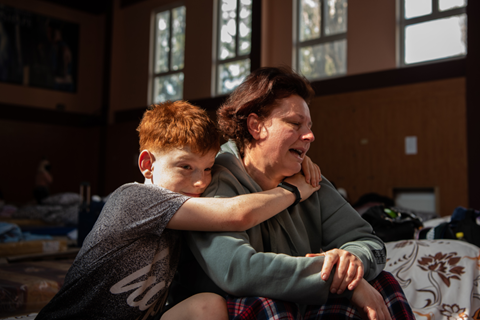
Four years into the war, daily life in Ukraine remains unpredictable. Over the past several months, intensified missile and drone attacks once again plunged major cities into darkness, interrupting heat and electricity during the coldest weeks of winter and renewing fear for families already living under constant strain.

And still, Jewish life continues—for the approximately 150,000 Jews who remain in Ukraine and for the nearly 20,000 who have made Aliyah (immigrated to Israel) since the start of the war.

Some are rebuilding their lives in Israel. Others remain rooted in their communities despite the uncertainty. Our responsibility extends to both.

Through Federation’s global network of partners, and the generosity of our community, individuals and families on both paths.

Providing Care and Connection in Ukraine

Through the American Jewish Joint Distribution Committee (JDC), Federation’s support strengthens a network of Hesed centers serving vulnerable Jews across Ukraine.

For Lyudmila, a 79-year-old woman in Lviv with serious health conditions, that support means homecare, food assistance, trauma services, and connection to Jewish community.

Since the start of the crisis, nearly 57,000 vulnerable Jews like Lyudmila have received assistance through Hesed centers—essential community lifelines, providing physical warmth, emotional support, and spaces to gather and connect.

Strengthening Jewish Life

Through the Jewish Agency for Israel (JAFI), new olim (immigrants) receive support as they integrate into Israeli society and Jewish life and resilience continue in Ukraine even under fire.

Jewish Agency camps in Ukraine last year served more than 800 children and teens, with local and Israeli counselors providing Jewish learning, connection, and support amid the realities of war.

In 2025:

  • 16,000+ people participated in Jewish Agency programs.
  • More than 80% remained actively engaged, and more than half began preparing for Aliyah.
  • An Aliyah Fair in Kyiv welcomed 780 participants in a parking structure adapted as a bomb shelter.
  • Camps, family learning programs, and resilience trainings connected hundreds of children, parents, young leaders, and mental health professionals.
  • Security grants strengthened nine Jewish institutions.

Our Community Response

Since 2022, more than 3,500 donors across Greater Washington have contributed more than $2.5 million to support Federation’s Ukraine Emergency Fund. As the crisis has continued, this work is now sustained through our Annual Campaign and the strategic allocations we make to trusted global partners, including JDC and JAFI.

Four years in, this is what showing up looks like.

The needs continue to evolve, and so does our response. Thank you for your continued commitment. Your generosity ensures we can continue providing steady support to those who need it most—in Ukraine, here at home, and wherever Jewish life endures.

Photo credit: JFNA

Related posts

Eight Weeks. 100 points. A Whole New Financial Future.

Eight Weeks. 100 points. A Whole New Financial Future.

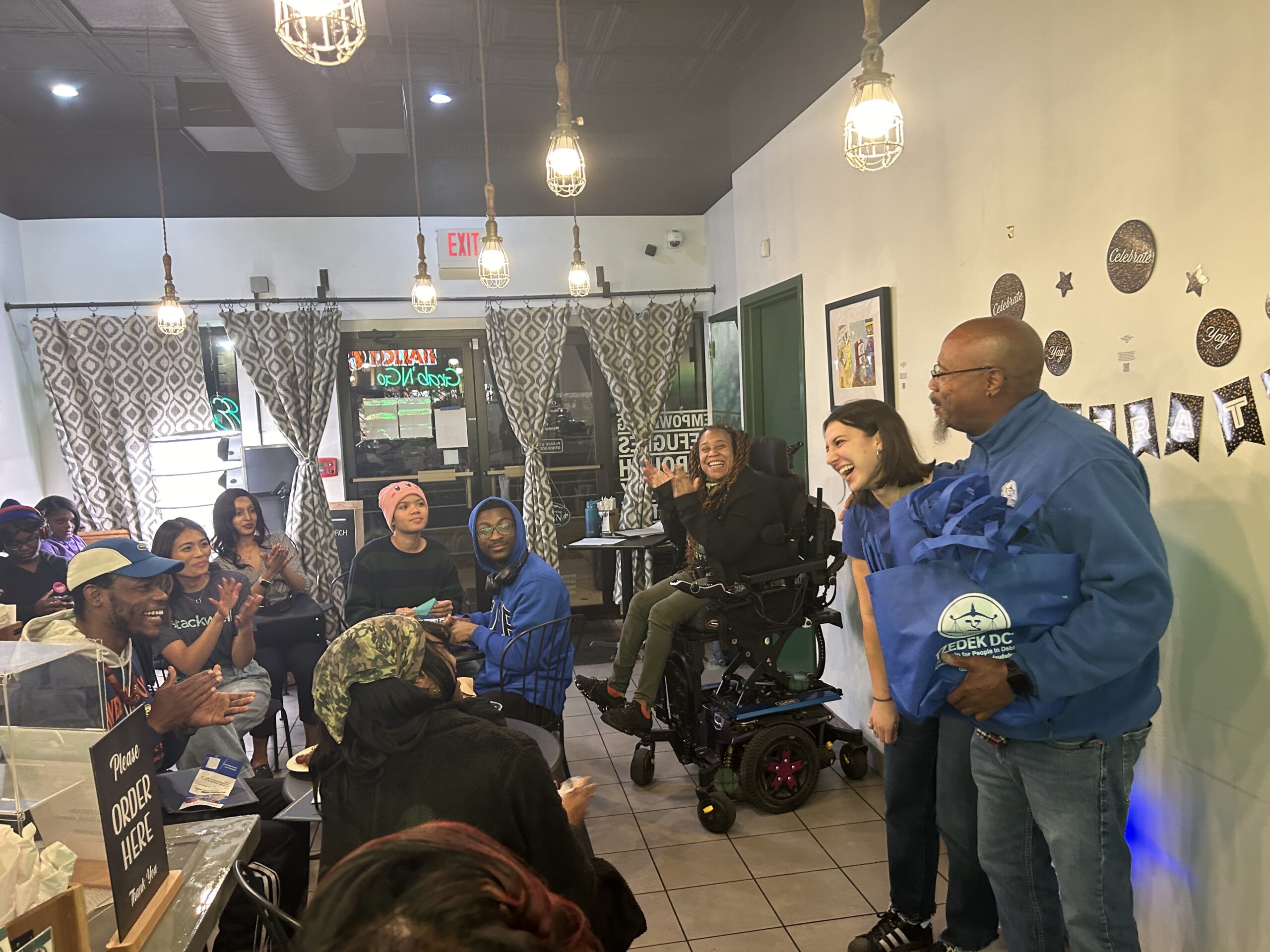
On any given weeknight in DC, a group of residents gathers around tables and notebooks at a Federation partner agency. They talk about credit scores, spending plans, debt that’s been sitting heavy for years, and long-term investing goals.

And then something shifts.

“After eight weeks, most participants made positive and tangible changes in their lives,” says Sophie Adler, Financial Empowerment Program Coordinator at Tzedek DC. “One participant increased their credit score by 100 points, and another paid down thousands of dollars of debt. But almost everyone, 98%, made a financial behavior change as a direct result of our program.”

Ninety-eight percent.

That kind of change doesn’t happen by accident. It happens when people are given practical tools, steady support, and a space to build confidence.

The Jewish Federation of Greater Washington is proud to help make that support possible by investing in partners like Tzedek DC.

From Portland to Purpose

Sophie grew up in Portland, Oregon, and came to DC through Avodah’s Jewish Service Corps, part of a Federation partner agency. She was looking for a way to pair Jewish community with hands-on social justice work—and found both at Tzedek DC, which works to alleviate debt and address economic injustice in DC. Its name inspired by the Jewish teaching Tzedek tzedek tirdof—“Justice, justice shall you pursue”.

What stood out for Sophie, though, wasn’t just the mission. It was the model.

“We don’t just offer direct services,” she explains. “We also work on policy and community education. You need all of it—reactive support for people in crisis and proactive, systemic change.”

Following her Avodah year, Sophie was hired to join the staff. Today, she serves as Financial Empowerment Program Coordinator, leading the eight-week program she helped launch during her Avodah service year.

That integrated approach reflects Federation’s belief that strengthening Jewish life and advancing economic justice go hand in hand. When Federation invests in partners like Tzedek DC, we help sustain both immediate support and long-term solutions.

Eight Weeks That Change Everything

When Sophie arrived, Tzedek DC was launching a pilot Financial Empowerment Program, an intensive, eight-week series offered free to DC residents.

Each week, participants dive into spending plans, short- and long-term financial goals, and building credit. They move beyond theory, through interactive workshops driven by the participants’ questions.

Alongside the workshops, participants can meet one-on-one with Tzedek DC’s financial counselors, pulling credit reports, identifying priorities, and setting repayment strategies. The workshops build knowledge. The counseling builds momentum.

The impact is tangible. One participant got her first credit card, and another opened a CD account. One participant worked hard at her long-term goal of becoming a homeowner and purchased her first home 15 months after graduating from the program.

But for Sophie, the most powerful shift isn’t numeric.

“It’s seeing participants’ confidence grow,” she says. “They’ll message me months later to celebrate a milestone. That pride, that sense of ‘I did this,’ that’s what stays with me.”

This is the kind of work Federation is proud to support: programs that help people build stability and long-term confidence.

Stronger Together

No organization can do this work alone.

“We constantly have people calling us with different needs that we might not always be able to provide,” Sophie shares. “Being able to rely on our community partners is so important.”

By investing across Greater Washington, we help create the connective tissue that allows agencies to share resources, refer clients, and respond more effectively when needs arise.

Beyond the Workshop

Outside the classroom, Sophie brings the same energy to community life. She’s been playing basketball since she was four, most recently in DC’s Volo leagues, and now organizes Tzedek DC’s annual March Madness bracket challenge.

She also helped launch the organization’s Racial Equity Book Club and co-organizes a book club with fellow Avodah alumni.

It’s not separate from her work. It’s an extension of it.

“I want a career rooted in community,” she says. “Grounded in lived experience. People-centered.”

That instinct, toward connection and shared responsibility, is at the heart of Federation’s work across Greater Washington.

Where Confidence Becomes Stability

Eight weeks may not seem like a long time.

But in that time, participants begin putting the lessons into action—creating spending plans, building credit, and setting long-term goals.

That’s why Federation invests in partners who pair practical tools with lasting solutions.

Because when one person gains stability, the ripple effect reaches far beyond a single balance sheet—strengthening families and the broader community.

Related posts

A Defining Year of Jewish Giving

A Defining Year of Jewish Giving

In a year that tested our resilience, the Greater Washington Jewish community responded with care, intention, and heart. 

Through The Jewish Federation of Greater Washington’s Annual Campaign and its Jewish Community Foundation, 6,600 donors came together, mobilizing $68.6M to strengthen Jewish life, respond to community needs, and support Jewish and broader community impact nationally, in Israel, and around the world.

Why People Gave

Some donors gave for the first time. Others gave more than ever before, deepening their commitment to Jewish life across the region. Some gave because their parents did. Others, as parents themselves, chose to model Jewish values through philanthropy, supporting security, education, belonging, and care for one another. Many gave to honor where they come from, to reflect what they believe, and to pass on those values to future generations. Others were moved by the moment, inspired by community, or motivated to invest in a Jewish future that is connected, resilient, and rooted in shared responsibility.

For all these reasons, donors turned to Federation and the Foundation to care for today’s needs and build a strong Jewish future. Together, we mobilize resources when it matters most and help donors invest strategically so Jewish life remains strong, safe, and connected.

The Shape of Philanthropy

$29.1M raised through Federation’s Annual Campaign
Flexible, mission-driven support across unrestricted, directed, and impact-focused giving, powering core priorities and enabling rapid response.

$1.7M unlocked in Matching Challenges
Matching opportunities activated targeted investments to strengthen Jewish life where it is growing and where it is most vulnerable.

$42.3M in new assets to the Foundation
Long-term, values-driven giving that helps build resources our community can rely on, now and for years to come, including:

  • $34M stewarded in Donor Advised Funds, providing families and individuals a personalized way to support the causes they care about most, with $19M granted last year to Federation and other nonprofits across the Jewish and broader community.
  • $1.5M invested in collaborative funds, bringing donors together to amplify their collective impact around shared priorities and passions
  • $6.8M in legacy giving vehicles, helping ensure sustained support for generations by supporting both Federation’s core work and the specific causes donors care about most

Building What Comes Next

As a community, we’re more than meeting the moment—we’re building what comes next. Over the past five years, total philanthropic support through Federation and the Foundation has grown by 41%, a testament to what’s possible when our community invests in a strong Jewish future.

Thank you for every gift, every act of generosity, and every moment of care. In a year that called on us to lead with heart and act with purpose, our community rose to the challenge.

We’re proud to be your trusted partner in this work. Together, we’re building a safer, more connected, more resilient Jewish Greater Washington for today and for generations to come.

And we’re just getting started.

Learn more about the difference you can make.

Explore more

Related posts

Disagreement Need Not Mean Distance

Disagreement Need Not Mean Distance

Strengthening Connection and Dialogue on Israel and Beyond

I’ve been thinking about Federation’s role in Jewish life. To be fair, I’m pretty much always thinking about this. But I’m looking at the swirl of everything going on in our world, and wondering what is it that we owe our community in this moment?

As the sociologist Robert Bellah might put it (a reference I’m borrowing from a recent meeting of our Governing Board), some communities find strength in internal alignment while others rely on a series of interconnected bridges to stay strong and cohesive. Our community is likely best defined as a combination of the two. We hold a common commitment to a strong and vibrant Jewish community while operating across a breadth of differences. We must therefore continue building durable throughways to ensure we stay connected to Jewish life and each other.

This, of course, includes our work to engage our community with Israel. Core to our strategy is the goal to engage the full range of our community with the full range of Israeli society according to our community members’ own interests. This year, we’ll be continuing to work with Jewish organizations across our community to build out opportunities for more people to learn about and connect with Israel.

Additionally, as I wrote this week in partnership with scholar Ted Sasson, The Jewish Federation of Greater Washington is a Zionist organization. And as such, we have a responsibility to live up to our definition of the term and show people that Zionism is “broad enough to accommodate a community of Jews who hold (or grapple with) attitudes about Israel that span the range from the right to the left.”

After all, the latest JFNA study found that a majority of American Jews are struggling with specific Israeli government policies, even as they continue to believe in a Jewish, democratic homeland and Israel’s right to exist. If we care about a vibrant Jewish community, we cannot ignore this. We owe it to those deeply troubled by Israel’s actions to continue engaging them and creating the conditions for open dialogue and authentic connections with Israel and Israelis.

On a local note, our latest pulse survey found that political and social disagreements are the number one driver of disengagement with Jewish life and community. After issues of safety and antisemitism, Jews in the DC area rank political polarization as one of the most critical issues facing Jewish Greater Washington. More and more, I see a core part of Federation’s role as not only mitigating this crisis but turning our unique communal makeup into a source of strength.

Disagreement need not mean distance. Uncertainty need not mean isolation. What’s going on in the world, and certainly in Israel, is complicated and, for many, deeply personal. What matters is not that we arrive at the same conclusions but that we feel comfortable and, better yet, moved to meet each other on those bridges and find a way forward together.

Related posts

How should Jewish organizations respond to the growing criticism of Israel from inside our communities?

How should Jewish organizations respond to the growing criticism of Israel from inside our communities?

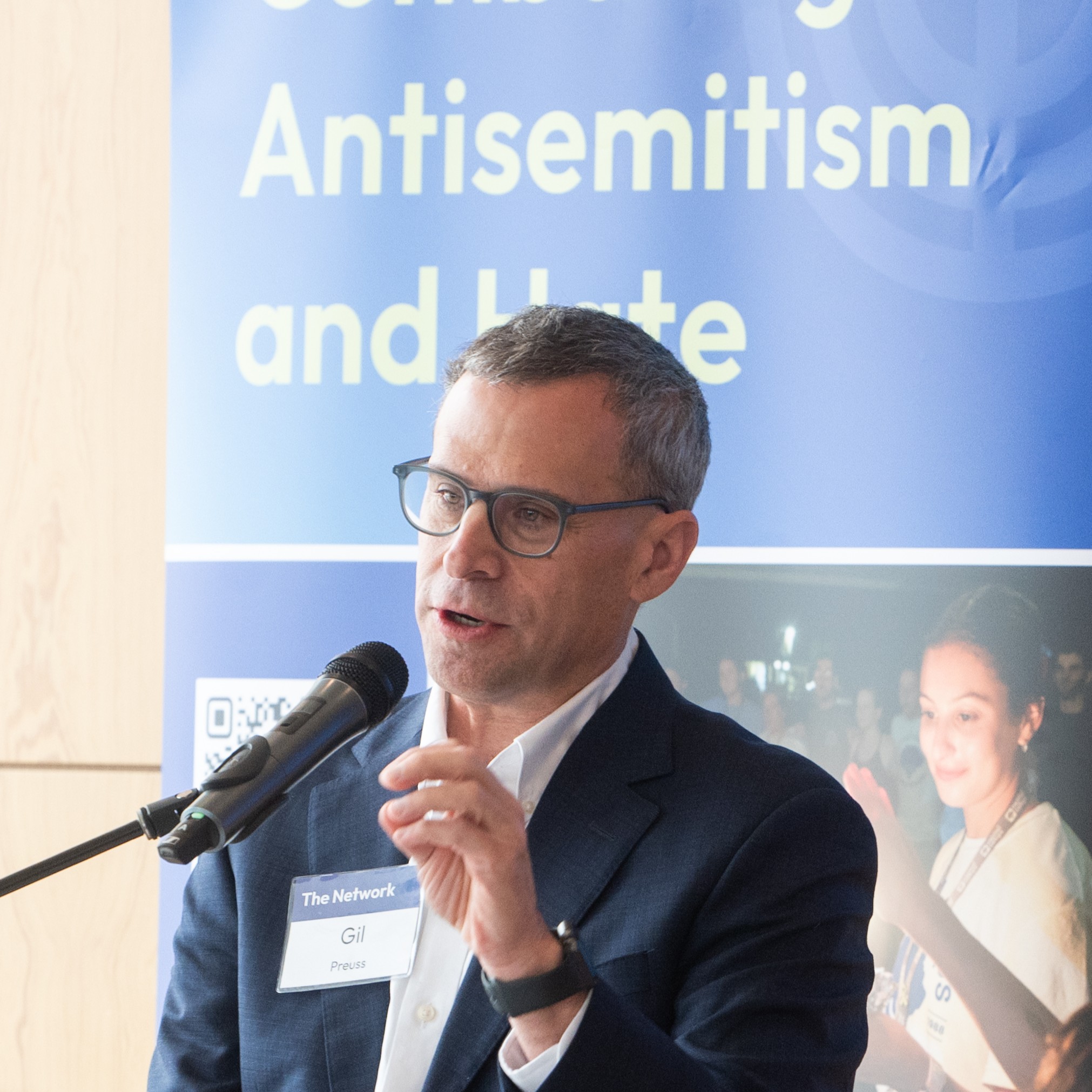
Gil Preuss, Chief Executive Officer

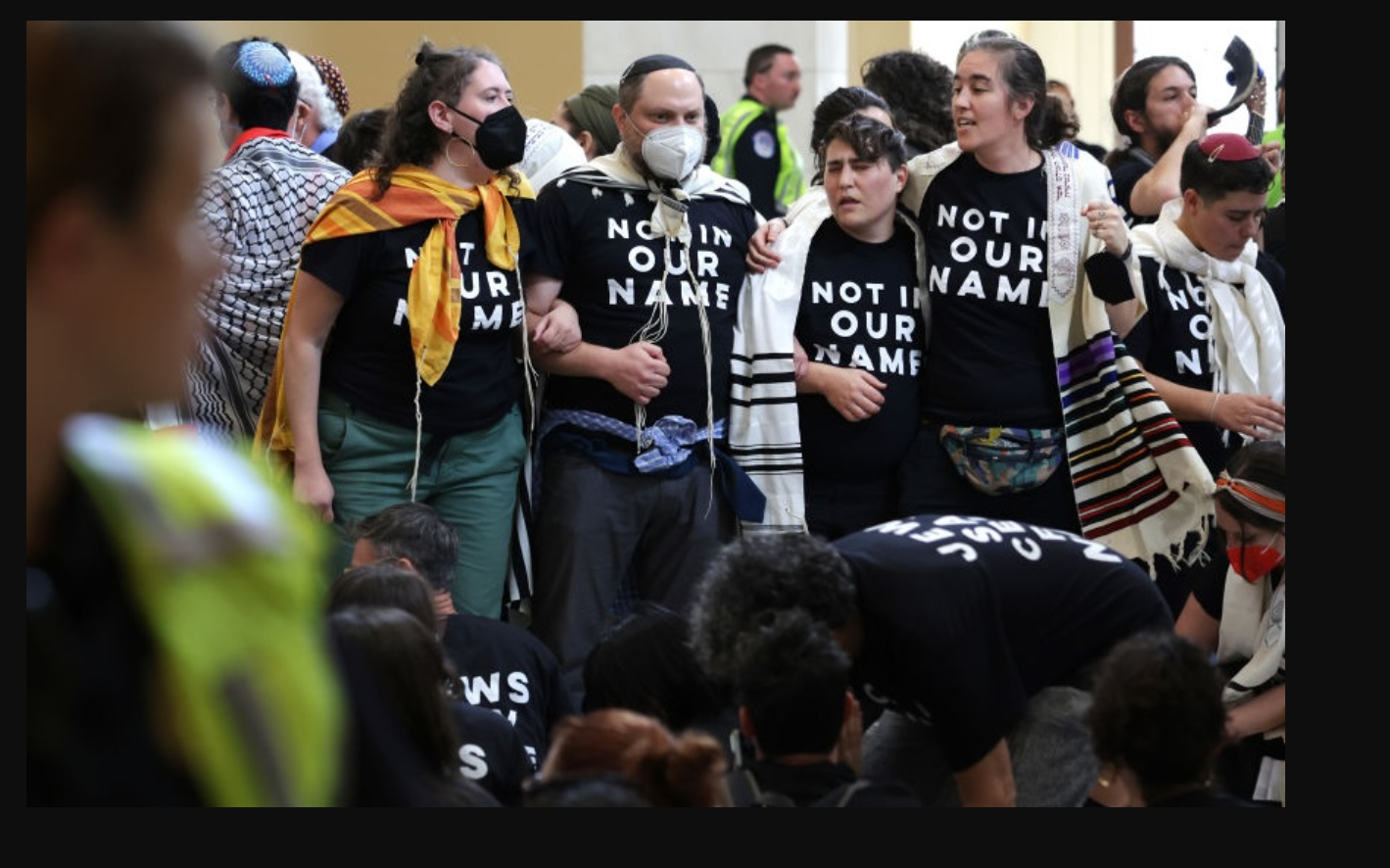
Surveys released last week by the Jewish Federations of North America and Combined Jewish Philanthropies of Greater Boston are among the first to report Jewish views about Israel since early in the Gaza war. They are also among the first in a very long time that ask Jewish respondents whether they identify as Zionists, and what they mean by the term. The findings have important implications for how Jewish communal institutions relate to Israel and the rapidly expanding spectrum of opinion inside the American Jewish community.

Photo Credit: Alex Wong/Getty Images

Read the full eJewishPhilanthropy (eJP) article

Related posts

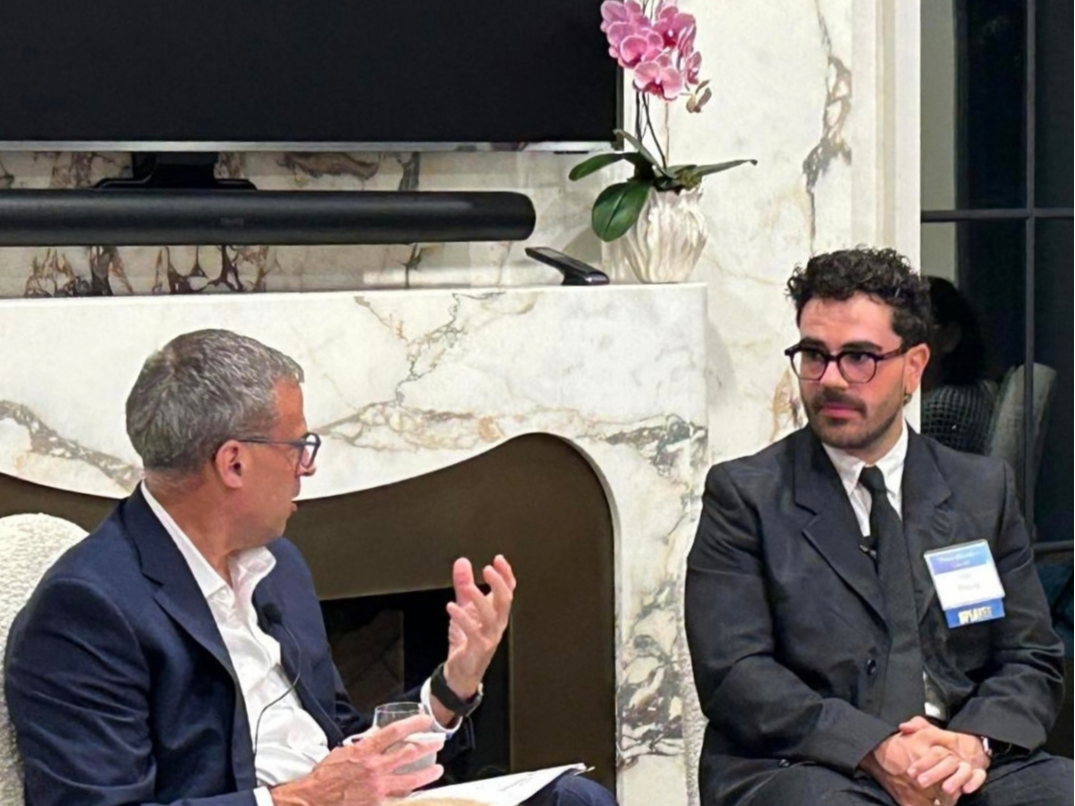
From Fragmentation to Framework: A Regional Leadership Conversation

From Fragmentation to Framework: A Regional Leadership Conversation

How We Hold Complexity Shapes What Community Feels Like

Across our community, leaders are navigating real tensions: belonging and boundaries, safety and responsibility, clarity and pluralism. These aren’t abstract debates. They shape what Jewish life feels like in our synagogues, agencies, schools, and communal spaces every single day.

How leaders hold that complexity determines whether our community feels safe or splintered, principled or reactive, connected or alone.

That’s why The Jewish Federation of Greater Washington continues to partner with the Shalom Hartman Institute as part of a sustained investment in Jewish leadership. Together, we equip leaders across our region with the shared language and frameworks needed to navigate complex communal challenges. Earlier this month, that partnership convened senior and emerging leaders for a candid conversation about what this moment requires of a vibrant Jewish community.

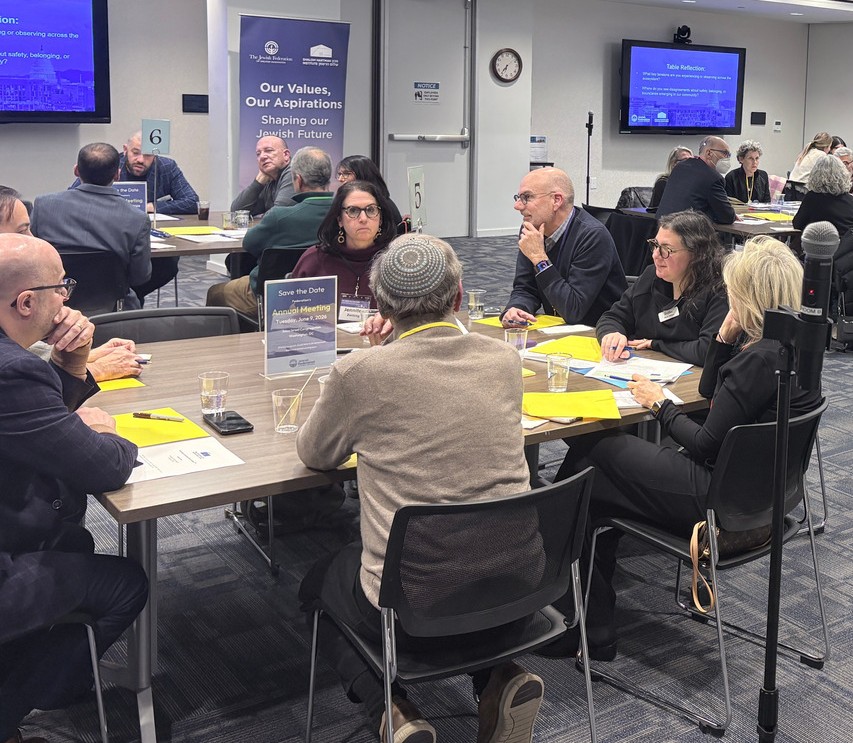
More than 60 leaders participated across the full spectrum of Jewish Greater Washington: congregational rabbis, synagogue presidents, agency executives, foundation trustees, long-time board members, and rising lay leaders. They represented institutions across denominations, missions, and generations—many of whom do not typically sit at the same tables.

Bringing this breadth of leadership into one room reflects Federation’s unique role and its investment in the relationships and common language leaders need to respond to difference with intention instead of reaction.

Shared Language in a Strained Moment

Our community includes many organizations, identities, ideologies, and expressions of Jewish belonging. Honoring that breadth and creating space where it can exist in conversation rather than collision is central to our mission as a community builder.

The goal was not uniformity, but shared understanding.

To anchor the conversation, we drew on the “Our Fragile Tents” framework developed and presented by Yehuda Kurtzer, President of the Shalom Hartman Institute. The framework offered language to help leaders name the fractures, fears, and ideological divides shaping Jewish life today, allowing the conversation to go deeper, faster.

Leaders began at tables, speaking openly about the tensions inside their own institutions. Several distinctions proved especially clarifying: the difference between communities of kinship and communities of consent; the ways participation, interest, and national identity shape expectations; and the recognition that not every community can or should operate by the same norms.

Leaders spoke candidly about what they are holding:

“Understanding the boundaries necessary in my community that may not be necessary in the larger Jewish community was eye-opening.”

“The varying definitions of community and the norms that guide them will directly shape how I lead.”

As leaders explored one another’s reflections, it became clear that no single institution is holding this moment alone.

No one left with every tension resolved. Agreement was never the objective. The goal was building the relationships and shared understanding that allow our community to move through strain without fracturing.

Strengthening the Ecosystem

The conversation underscored how much this moment requires coordination and clarity across our community. No single synagogue, agency, or leadership body can bring this breadth of voices together across ideologies and generations.

By convening leaders in serious dialogue, Federation strengthens the relationships that help our community stay steady under pressure. Without shared language and cross-institutional relationships, leaders are left to navigate strain in isolation. Bringing institutions together ensures those tensions are held collectively rather than alone.

When leaders share common language and trust one another, institutions are better positioned to respond with clarity rather than escalation, with steadiness rather than isolation. The experience of Jewish life across our region—how safe it feels, how welcoming it feels, how principled it feels—is shaped by those choices.

A vibrant Jewish community depends on leaders who can hold complexity with clarity, speak honestly across difference, and remain committed to the whole, especially when it’s hard.

Strengthening that leadership capacity is central to Federation’s mission and essential to the long-term resilience of Jewish life in Greater Washington.

This convening was one step. Federation is now reviewing and synthesizing the reflections shared that evening to guide our next steps, so leaders across our community are better equipped for what this moment demands.


About the Partnership

For eight years, Federation’s partnership with the Shalom Hartman Institute has been rooted in a shared commitment to strengthening Jewish leadership and deepening relationships across our diverse community. Together, we have built a space for learning, reflection, and growth—a place where leaders wrestle with big questions, develop the clarity and courage needed to navigate complex times, and explore how to hold our community’s multitude of perspectives when the stakes feel high while communicating across differences in service of a stronger, more connected Greater Washington Jewish community.

Federation’s leadership programs help emerging and seasoned leaders alike grow their skills, deepen Jewish learning, and lead with purpose.

Explore more

Related posts

Disability Inclusion Is a Journey: Partnering to Expand Access and Belonging at the Capital Jewish Museum

Disability Inclusion Is a Journey: Partnering to Expand Access and Belonging at the Capital Jewish Museum

Strengthening Access Across Our Community

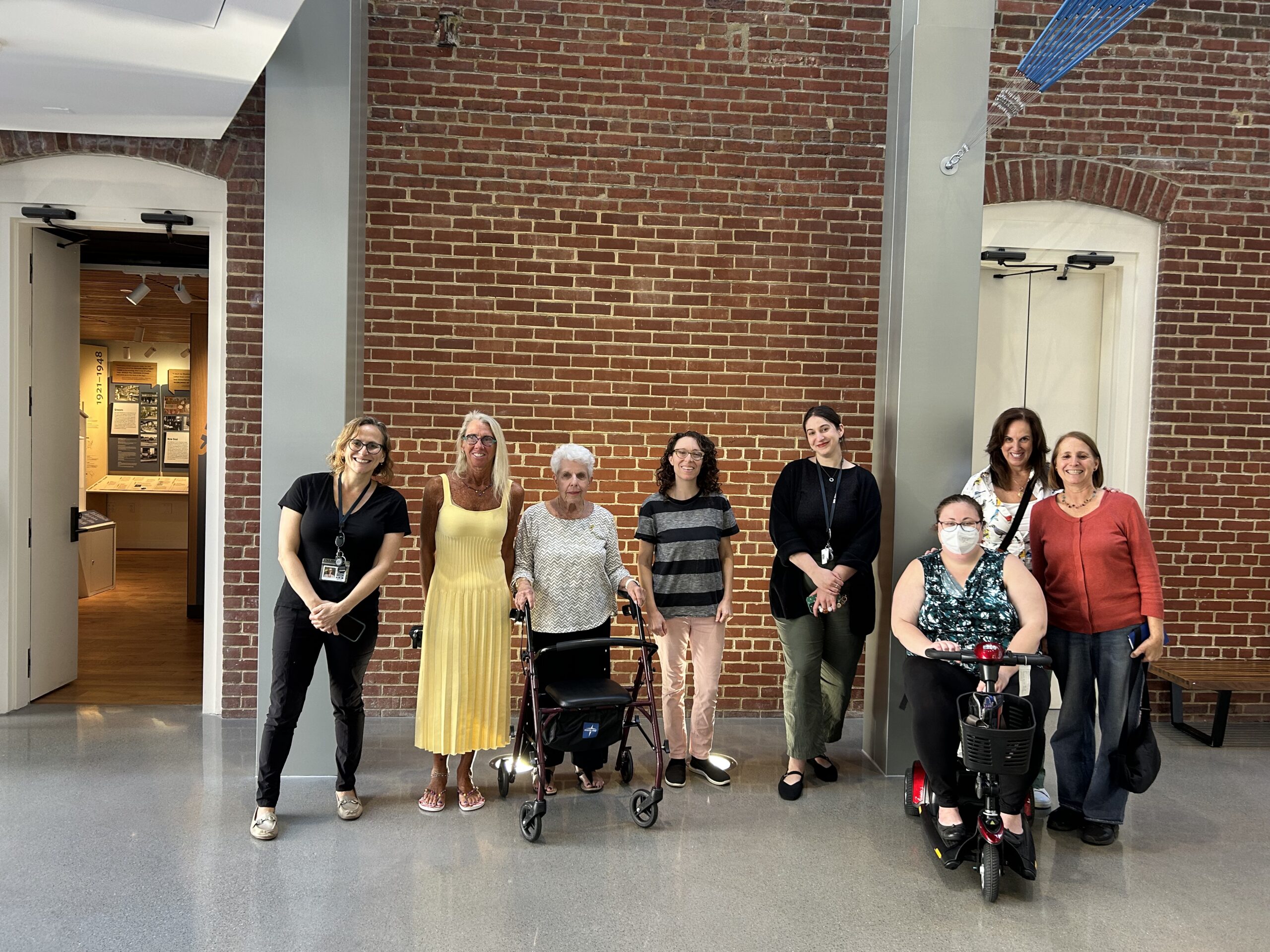
Inclusion is a journey shaped by curiosity, reflection, and a commitment to creating spaces where everyone belongs. On September 12, 2025, the Federation’s Disability Inclusion Advisory Group visited the Capital Jewish Museum as part of our ongoing work to strengthen access and belonging across Jewish institutions in Greater Washington. We left inspired by the museum’s openness, intentionality, and genuine desire to learn and grow.

The Capital Jewish Museum explores the Jewish experience in Washington from 1790 through today, tracing stories of community, civic engagement, and cultural life across generations. As a museum dedicated to preserving and interpreting Jewish history in the nation’s capital, its commitment to accessibility ensures that these stories are available to all who wish to engage with them.

The advisory group includes professional and lay leaders with expertise in disability advocacy, education, and policy, alongside individuals with lived experience as people with disabilities or as family members of individuals with disabilities. This diversity of perspective strengthens our work and informed a meaningful conversation with the museum’s leadership.

A Shared Commitment to Inclusion

From the start, it was clear that inclusion is a priority for the museum. The invitation to engage in a thoughtful, respectful dialogue was a powerful signal. It showed that the museum is not only thinking about accessibility but is also eager to listen, ask questions, and plan for the future in partnership with the community.

We were encouraged by the many ways the museum is already working to make its space more welcoming. From physical access features to warm and responsive staff, the museum has already built a strong foundation for accessibility. What stood out most, though, was the museum’s willingness to explore what more could be done, not out of obligation, but out of a sincere commitment to inclusion as a core value.

Practical Steps Toward Greater Accessibility

Our group shared observations and ideas not as critiques, but as contributions to a shared vision. For example, we discussed how staff training can be a powerful tool in fostering inclusion. When staff are equipped to ask thoughtful questions and offer support—whether helping someone navigate the space, understand an exhibit, or find a place to rest—the visitor experience shifts from good to exceptional.

We also talked about communication and how small adjustments can make a big impact. Adding a clearly labeled accessibility section to the museum’s website, for instance, would make it easier for visitors to plan ahead and request accommodations. We are grateful that the museum has already taken this recommendation to heart by launching an accessibility page and is committed to continuing to build it out over time. Clear, consistent signage throughout the building can also help visitors navigate the space with confidence.

For Deaf and hard of hearing visitors, the museum is already thinking creatively about how to improve access. We explored ideas like increasing caption visibility on videos, offering digital check-in options, and even partnering with services that provide on-demand ASL interpretation. These are exciting possibilities that reflect the museum’s forward-thinking approach.

Mobility access was another area where thoughtful enhancements could build on existing strengths. From seating options to restroom access, the museum is clearly considering the needs of a wide range of visitors. We appreciated the attention to detail and shared ideas for how to continue building on that strong foundation.

For visitors who are blind or have low vision, the museum’s highly visual nature presents both a challenge and an opportunity. We discussed the potential for docent-led tours with verbal descriptions, audio guides, and tactile elements that could expand access and bring exhibits to life in new ways.

Inclusion Is Ongoing Work

Disability inclusion is not something that happens overnight. It’s a process of learning, evolving, and building relationships. The Capital Jewish Museum is walking that path with intention and heart, and Federation is proud to partner in strengthening inclusion across our community.

We look forward to continuing this partnership and supporting the museum as it explores new ways to ensure that every visitor feels seen, heard, and valued. And we invite other organizations who are on their own inclusion journeys to connect with the Federation’s Disability Inclusion Advisory Group. We welcome opportunities to collaborate and strengthen inclusion across our community.

Discover how Federation is strengthening access and belonging across Jewish life in Greater Washington.

See our Belonging and Inclusion work

Related posts

Strengthening Jewish Life While Confronting Hate

Strengthening Jewish Life While Confronting Hate

Earlier this month, Bret Stephens delivered the State of World Jewry address at 92NY. His remarks caught people’s attention. Stephens argued the Jewish community should shift energy and resources away from fighting antisemitism and instead double down on investing in Jewish education and engagement. As he put it, “Jew hatred is the product of a psychological reflex, and that kind of reflex can never be educated out of existence, even if, for a time, it may be sublimated or shamed into quiescence.”

I agree and disagree with his main points (and find fault with some of the additional opinions he presented). I agree with Stephens that now is a moment for Jewish revival, that helping more people explore and connect with Jewish ideas, practices, and peoplehood will be what shapes a vibrant Jewish future. At Federation, we are committed to working across our community to invest in and scale substantive, meaningful Jewish experiences—like summer camp, trips to Israel, learning and discussion opportunities, day school, and more—so that anyone who is interested has the chance to dig in and discover the joy of Jewish life.

But it would be irresponsible to ignore the work of countering antisemitism. We can and should be leaders in holding individuals and institutions to account and helping people understand antisemitism as a serious issue. Our work to build relationships, alliances, and understanding is not futile. If there are things we can do to mitigate hateful behavior, we should do them.

Admittedly, we may not be able to change the minds of the Carlsons and the Owenses of the world. But we can help shape programming and guidelines for schools, educate and engage leaders, work with teenagers before they go to college, and build bridges with other minority and interfaith communities, among other efforts. Not only does this work help address antisemitism, but it may also change the lived experiences of many in the Jewish community.

Stephens muses, “There is nothing Jews can do to cure the Jew haters of their hate. They can hire their own psychiatrists.” And he may be right. We are not responsible for people’s hateful and misguided beliefs. But perhaps I have a bit more faith than Stephens in our ability to multitask. I am confident we can build vibrant Jewish life while protecting it and being there for the students and teachers and everyday people who are coming face to face with antisemitism on a regular basis.

As Jews, we don’t ignore, we tackle. Today, that means being part of the sacred, collective efforts to stop hate before it starts while simultaneously strengthening Jewish identity, pride, and joy for the future.

Related posts

Where Jewish Belonging Takes Root, for Generations

Where Jewish Belonging Takes Root, for Generations

Through a new endowment with the Jewish Community Foundation of The Jewish Federation of Greater Washington, Rhea Schwartz is investing in Jewish summer camp—helping more children experience what shaped her so profoundly. Her support recognizes both the cost for families and the realities camps face in maintaining safe, welcoming facilities.

Jewish Life, Lived Every Day

Rhea Schwartz grew up in a home filled with Jewish life.

Raised in Brooklyn, her childhood was shaped by family, culture, and everyday experience. Yiddish filled the room, spoken by her grandparents, parents, and their friends. “My family wasn’t very religious,” she says, “but we were very Jewish.”

Where Belonging Took Shape

That feeling of belonging took its fullest shape at Jewish summer camp.

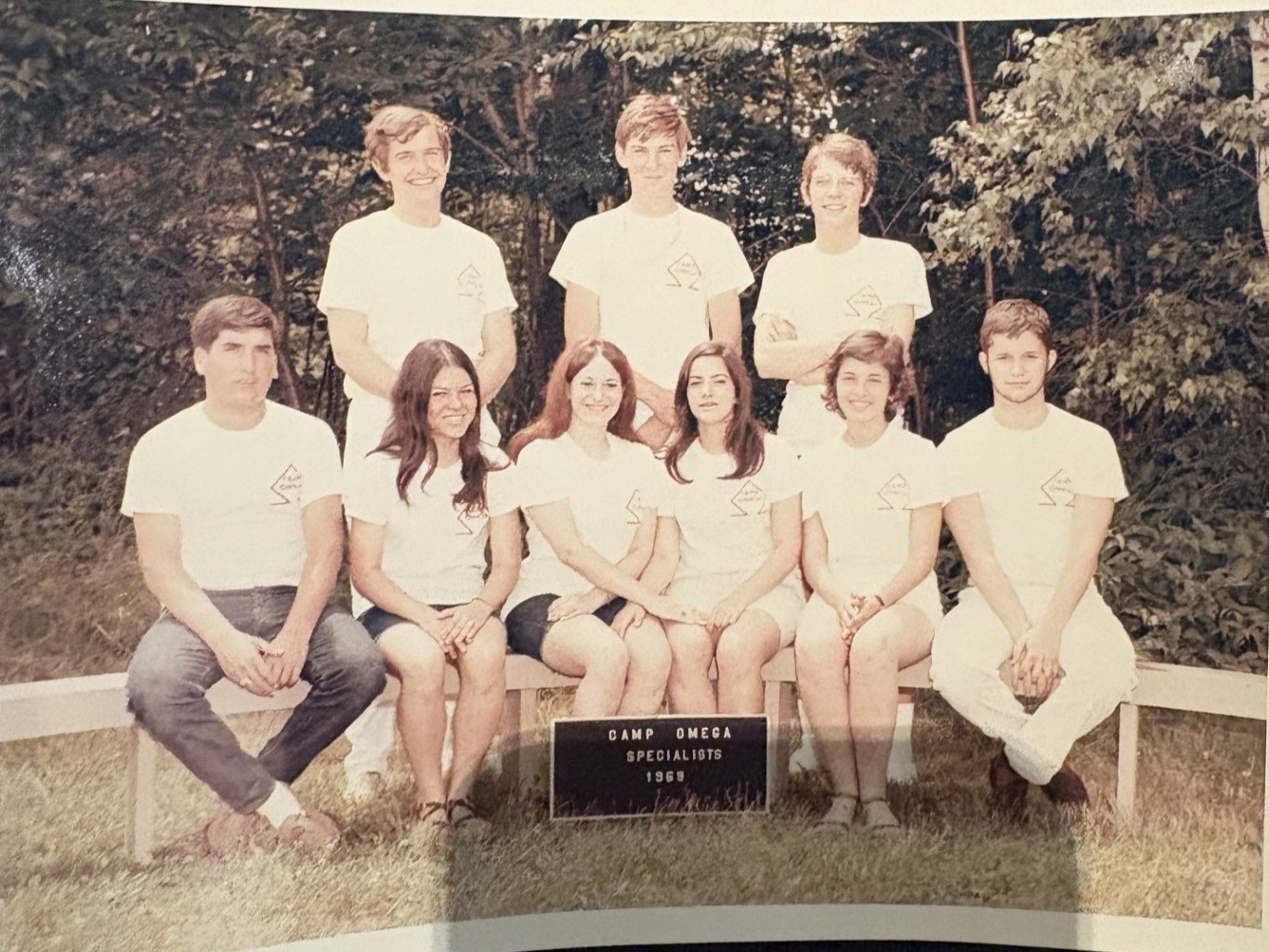
For ten summers, camp was where Rhea felt most at home—living in bunks, singing on Friday nights, and forming friendships that would last a lifetime. Several of those summers were spent at a small Jewish camp in the Catskills, owned and operated by her parents and their closest friends. It was an experience that shaped not only her childhood, but her understanding of what Jewish community can be.

The Power of Camp, Long After Summer Ends

Decades later, those connections endure. Long after the camp itself closed, former campers still find each other—organizing reunions, maintaining friendships, and staying connected through an active online community.

“That tells you how powerful camp can be,” Rhea reflects. “It creates Jewish family.”

How Community Is Sustained

After moving to Greater Washington for law school, Rhea became involved in the local Jewish community through the JCC, a place she believed was essential to Jewish life in the nation’s capital. Through that involvement, she came to better understand the broader Jewish communal landscape, including the role Federation plays in strengthening Jewish life across the region.

“I wasn’t raised as a Federation kid,” she says plainly. “But once I understood what Federation does, I wanted to learn more.”

That learning led her to years of involvement on Federation committees, deepening her understanding of communal responsibility. Her own lived experience—especially camp—ultimately shaped how she chose to give back.

Showing Up When It Matters Most

Rhea’s commitment to Jewish life didn’t begin with camp—and it doesn’t end there.

Earlier, in 2017, she and her late husband, Paul Martin Wolff, established the Rhea S. Schwartz and Paul Martin Wolff Emergency Fund through the Jewish Community Foundation of The Jewish Federation of Greater Washington, designed to ensure resources are available when unbudgeted local or global emergencies arise.

Since 2022, the fund has been activated to respond to urgent needs, including support for Jewish summer camps after fire-related damage and, more recently, assistance to the Capital Jewish Museum following last year’s antisemitic attack.

For Rhea, this kind of readiness reflects the same values she learned early on: that Jewish community means showing up for one another—both in moments of joy and in moments of need.

Ensuring Belonging for Generations to Come

With the Foundation, she found a partner who helped her turn a deeply personal chapter of her life into a lasting commitment, shaped by what mattered most to her: supporting both the children who attend camp and the camps that make those experiences possible.

For Rhea, the impact of camp goes far beyond summer fun.

“It’s like the first time I went to Israel,” she explains. “I remember thinking, I don’t have to be conscious of being Jewish.”

At camp, she says, children experience a rare kind of ease: being fully themselves without explanation. Whether it’s joyfully welcoming Shabbat, forming close friendships, or simply living Jewishly without standing out, camp offers a sense of comfort that’s hard to replicate elsewhere.

“Jewish camp removes the element of uncomfortableness,” she says. “You belong.”

Looking Ahead to What Comes Next

When asked whether she considers herself a philanthropist, Rhea hesitates. “Not really,” she says, smiling. “A do-gooder, maybe.”

What matters most to her is what comes next. The idea that children—perhaps for the first time—will experience Jewish summer camp because of her investment is deeply meaningful.

When asked how it would feel to hear stories of children attending Jewish summer camp for the first time because of her support, Rhea doesn’t hesitate. Her face lights up.

“I hope you’ll come back and tell me those stories,” she says. “That would be great.”

For Rhea Schwartz, camp was never just a place. It was where Jewish identity felt natural, joyful, and secure. And now, through her generosity, she’s helping ensure that same sense of belonging is passed on, one summer at a time.

Carrying What Matters Forward

Her story is one example of how Jewish experiences can inspire action that strengthens Jewish life across our region.

Thinking about how your giving can endure for generations?

Contact us

Related posts