Need support? Call 703-J-CARING (703-522-7464)

The Strength of Jewish Peoplehood
The Strength of Jewish Peoplehood

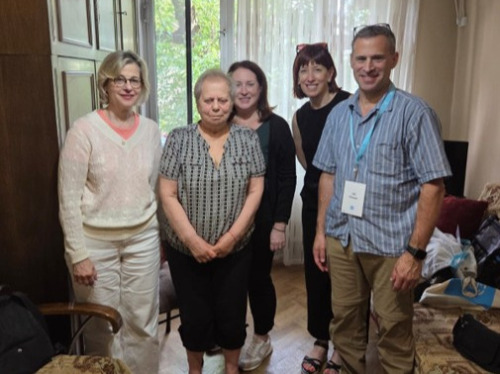
Earlier this month I traveled to Ukraine, Georgia, and Poland with a group of Federation executives to see firsthand the work our community makes possible through our partnership with JDC, The American Jewish Joint Distribution Committee, one of the leading Jewish humanitarian organizations. I am still reflecting on our time but wanted to share three things I learned:

There was a strong sense of optimism among the Ukrainians we met.

Although we only ventured as far as western Ukraine, which is quieter than other parts, the effects of the war were ever-present. We spoke with several families who had been uprooted several times in the last 15 years as the conflict has expanded, and others in the midst of rebuilding their lives.

And still, I was struck by how optimistic the community was about the future. Displaced or not, they had each other. The relationships they formed gave them a sense of purpose and a community to both sustain and rely upon.

The Jewish community in Georgia is an ancient Diaspora community, dating back 2,600 years to the Babylonian exile.

In Ukraine, I was inspired by people rebuilding Jewish life after displacement. In Georgia, I was equally inspired by a community that has preserved Jewish life for more than two millennia.

Though histories vary across countries, the story of Eastern European Jewry is one of extraordinary resilience alongside extraordinary tragedy. Through World War I, the Holocaust, decades of Soviet repression—when Jews were not allowed to practice openly—and countless other hurdles, these communities have had to swim against the current of history to hold onto their traditions, their identity, and one another. This has not been easy, and many Jewish communities in the region are much smaller than they once were. But there are signs of renewal, thanks to the efforts of young leaders on the ground, dedicated organizations like JDC, and communities like ours who care about investing in global Jewry.

JDC has been doing amazing work for a long time—thanks to partners like Federation.

I saw photos from 1919 of JDC feeding war refugees in Poland. And some from 1940 showing JDC workers providing basic goods and clothing to the Warsaw Ghetto (the organization even helped fund the 1943 Warsaw Ghetto Uprising). For over a century now the Jewish people have come together to care for the vulnerable, in response to and despite immense global challenges.

This work is still being done today while evolving to meet emerging needs. For instance, we visited one of JDC’s Hesed welfare centers in Ukraine, established after the fall of the Soviet Union to care for elderly and vulnerable Jews. There, we heard about how the local Jewish community is serving those in need while also expanding their mental health offerings, refugee services, early childhood programs, and more.

I am deeply grateful to all the JDC team members who welcomed us and to everyone who shared their stories. I also want to extend a heartfelt thank you to everyone who helps make the amazing work underway happen through their support of Federation.

We talk all the time about investing in Jewish life and making good on the belief that we are all responsible for one another. This trip allowed me to see this promise in action. My time confirmed that one of the Jewish people’s greatest strengths is our willingness to show up for each other—a tradition as vital today as it has ever been.

P.S. I only scratched the surface here. If you’d like to hear more about the remarkable people I met and see additional photos from the trip, I hope you’ll watch the recording of our webinar. And if these stories remind you, as they did me, of what’s possible when we show up for one another, I invite you to support Federation’s Annual Campaign. Your generosity helps make partnerships like this a reality.
Related posts

The Roots That Hold Us The Roots That Hold Us
The Roots That Hold Us
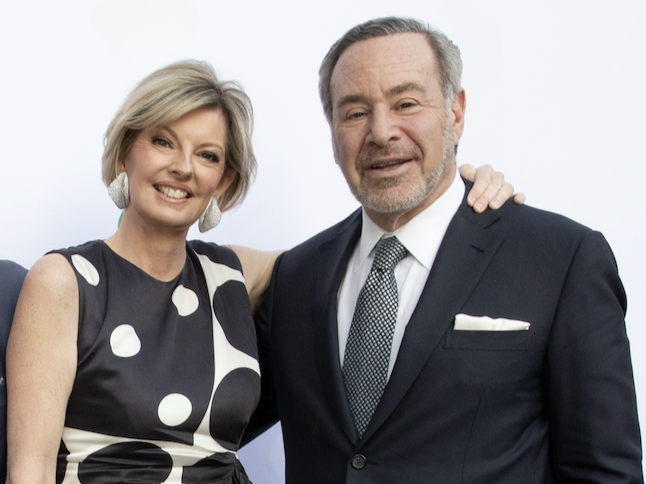
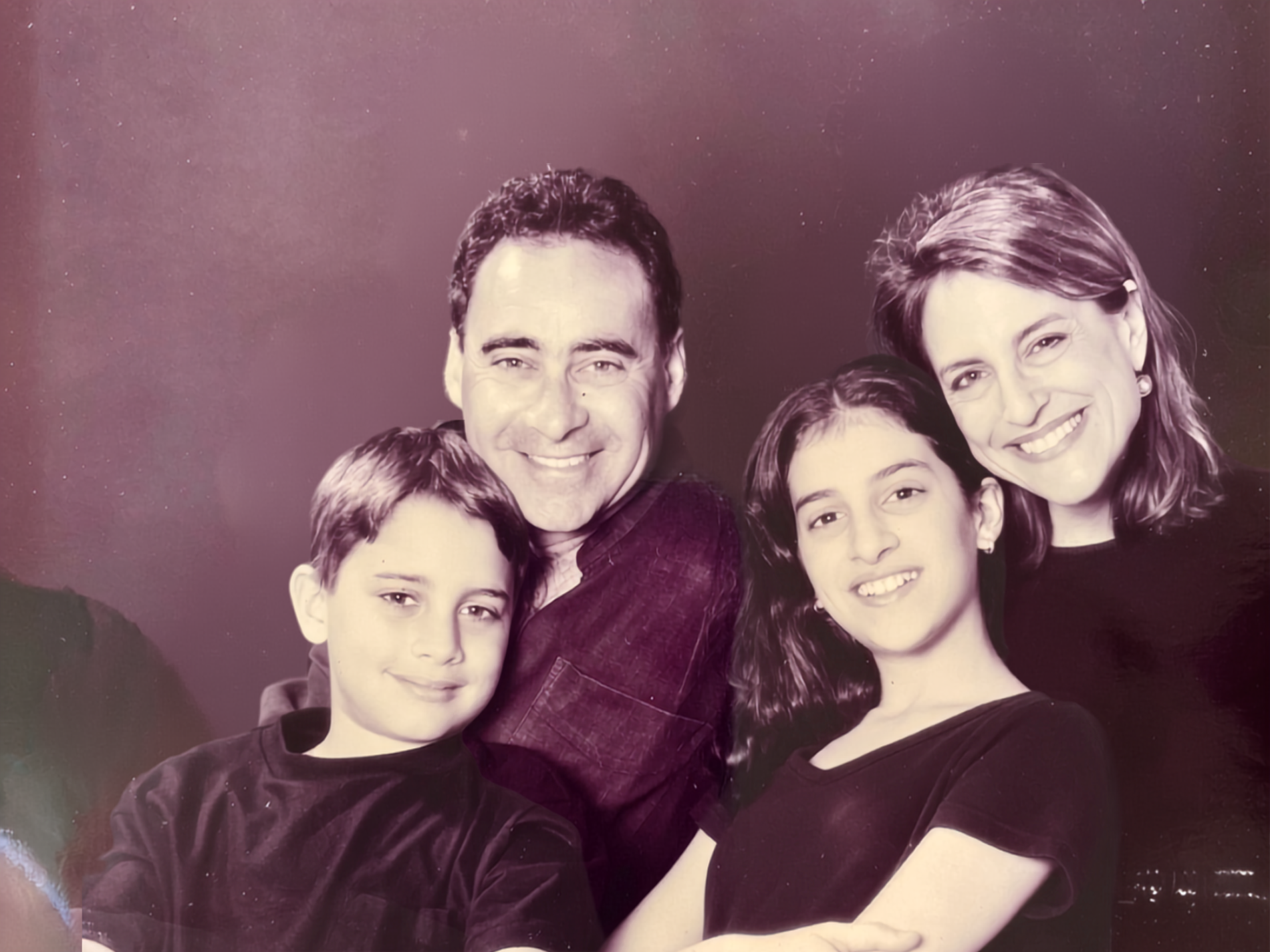
From conversion to Judaism and a lifelong commitment to community, Danielle and David Frum found strength in Jewish ritual, philanthropy, and tradition as they navigated the devastating loss of their daughter, Miranda.
read more

Public Investment Strengthens Community Security Across Greater Washington

Public Investment Strengthens Community Security Across Greater Washington

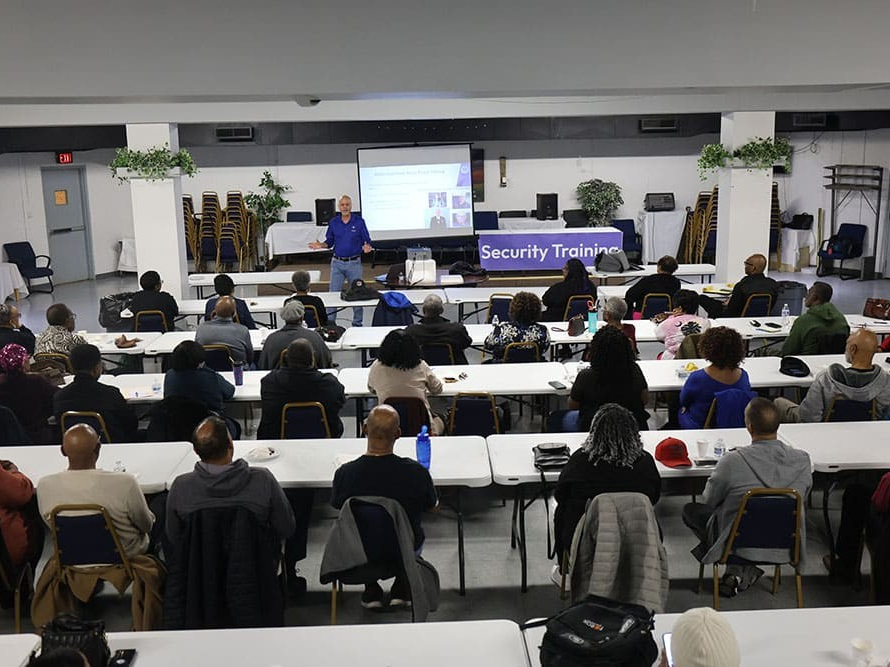
Keeping our Jewish community safe is one of The Jewish Federation of Greater Washington’s highest priorities. As antisemitism continues to rise, protecting Jewish life requires more than physical security—it requires trusted partnerships, coordinated planning, and a community-wide approach.

Through JShield, Federation’s community security initiative, we work every day to strengthen the safety and resilience of Jewish organizations across Greater Washington. By building strong relationships with local, state, and federal government agencies as well as law enforcement, we help secure the resources, expertise, and public investment our community needs to meet today’s evolving security challenges.

We’re grateful to share that this work recently received an important investment from the State of Maryland. Federation has been awarded nearly $180,000 through Maryland’s Protecting Against Hate Crimes (PAHC) grant program, building on $200,000 awarded in 2026.

This funding helps ensure JShield’s community-wide security trainings and programs remain available free of charge to Jewish organizations across Greater Washington. In 2025 alone, JShield partnered with 134 organizations, delivered 88 security trainings to more than 2,350 participants, and conducted 261 one-on-one consultations to help organizations assess vulnerabilities, strengthen emergency procedures, and build a stronger culture of security.

Beyond delivering training, JShield helps organizations navigate the often-complex process of applying for government security grants, including the PAHC grant program, helping unlock critical public funding that strengthens security across our community.

This latest award will also support security infrastructure enhancements at Federation, JCRC of Greater Washington, Makom, and other Jewish organizations serving thousands of community members each year.

JShield’s impact extends far beyond any one institution. Federation convenes Jewish organizations, security professionals, law enforcement, and government partners to share information, identify trends, coordinate responses, and strengthen preparedness across our region. Together, we’re building a connected, resilient community where no organization has to navigate today’s security challenges alone.

Public investment like this doesn’t replace community philanthropy—it amplifies it. Here in Greater Washington, many Jewish organizations have doubled or even tripled their security budgets, forcing difficulty choices between investing in security and funding the programs that strengthen Jewish life.

Government funding helps offset those costs, while philanthropic support makes it possible for Federation to sustain and expand JShield’s work, respond to emerging threats, and provide expert security services at no cost to Jewish organizations. Together, these investments create a safer, more resilient Jewish community. In 2025 alone, JShield helped local Jewish institutions secure more than $5.25 million in federal and state security funding, and this latest Maryland PAHC award builds on that momentum.

Our goal is to raise $1 million to strengthen the safety and security of Jewish Greater Washington. To help us get there, a group of generous donors are currently matching the first $375,000 in gifts to JShield, doubling your impact. Every gift helps ensure Jewish organizations across Greater Washington continue to receive expert security training, grant assistance, emergency preparedness resources, and coordinated support, at no cost to those who need it most.

Make your gift today and help build a safer, more prepared Jewish community.

Related posts

The Roots That Hold Us The Roots That Hold Us
The Roots That Hold Us
From conversion to Judaism and a lifelong commitment to community, Danielle and David Frum found strength in Jewish ritual, philanthropy, and tradition as they navigated the devastating loss of their daughter, Miranda.
read more
Get to Know Capital Camps Get to Know Capital Camps
Get to Know Capital Camps
A summer away from home can become a lifetime of Jewish connection. For nearly four decades, Capital Camps has helped children build friendships, leadership skills, and Jewish identity through immersive camp experiences made possible by community support and scholarship funding.
read more

The Roots That Hold Us

The Roots That Hold Us

The first time Danielle Frum entered a mikvah (ritual bath), she wasn’t alone. In her arms was her newborn daughter, Miranda. It was 1991, and as mother and daughter immersed together, it symbolized the beginning of Miranda’s Jewish life and the moment Danielle formally became Jewish herself.

After she and David Frum married in 1988, the two spent their weekends wandering Manhattan, slipping into historic synagogues throughout the city simply to experience the different services. Raised Anglican/Episcopalian, Danielle had never been especially religious, but took a strong interest in Judaism shortly after their marriage.

Choosing Judaism

“I was drawn to Judaism because of its focus on this life,” she says. “Its emphasis on living an ethical, kind, and communal life regardless of whether it led to some sort of heaven or afterlife very much appealed to me.”

When Miranda was born, both David and Danielle decided to build a Jewish home and raise Jewish children. In the years that followed her conversion to Judaism, they welcomed two more children. Nathaniel, now 32, and Beatrice, now 24.

Lessons in Generosity

For David, Jewish values had shaped his childhood. His father’s family had little money, but every Passover his grandmother cooked more food than her own family could eat. The extra meals were carefully packed and delivered to neighbors who needed them. Clothes and blankets were boxed up and shipped to Jewish communities she would never meet.

His mother’s parents, meanwhile, devoted themselves to nearly every communal institution in their small city, the synagogue, the library, the burial society, and local charities. “If you arrive in a new place,” they taught him, “find the local charities, Jewish and non-Jewish, and give whatever you can.”

Years later, that same instinct led David and Danielle to the Jewish Federation of Greater Washington, where they have faithfully supported the community for more than two decades.

A Love for Israel

At 22, Miranda moved to Tel Aviv. She was dazzled by Israel’s youthful energy, creativity, and sense of possibility. She spent three years building a life there before eventually returning home, carrying with her a lasting love for the country.

Watching Miranda discover Israel inspired Danielle in return. She created a website celebrating Israeli culture through its artisans, food, and everyday life, hoping to share a side of the country that people didn’t always see.

Carried by Community

Throughout their lives together, Jewish ritual marked moments of joy, holidays, the birth of their children. They never imagined that those same traditions would one day carry them through unimaginable loss.

In February 2024, Miranda passed away suddenly at the young age of 32. In those first unbearable weeks, grief made even the smallest decisions feel impossible. “As we staggered through those days after Miranda died,” Danielle says, “these rituals told us what to do when we felt we couldn’t act.”

From the careful dignity with which Miranda’s body was prepared, to the funeral, shiva (mourning period), and burial, every step was guided by customs that had comforted grieving families for generations. Later came the unveiling of her headstone. Each year, there is the ritual of lighting a yahrzeit (memorial) candle.

“I’m very grateful to be part of the Jewish community,” Danielle says.

Their grief unfolded against another season of heartbreak for the Jewish people. Only months earlier, Hamas’ October 7 attack had devastated Israel. Miranda had lived the kind of life that made those events feel deeply personal. She loved music festivals like Nova, the outdoor festival that was attacked on that fateful day. Friends she had known during her years in Tel Aviv were called into military service. Some never returned.

The Legacy We Leave

To honor Miranda’s memory, David and Danielle gave to causes supporting Israel during one of its darkest moments.

“When we mourn,” David reflects, “we truly discover what it means to be one Jewish people. I know my living children will carry that awareness with them through their lives, and bequeath that awareness to children of their own.”

Today, David and Danielle are among the newest members of Federation’s Roots Society, which recognizes more than 20 years of support.

Looking back, their philanthropy has always been an expression of the values that have guided them from the very beginning: caring for others, strengthening Jewish community, and ensuring that no one has to face life’s greatest joys or deepest sorrows alone.

The values that first drew Danielle to Judaism. The lessons David learned at his grandparents’ table. The traditions that carried them through the unimaginable loss of their daughter. Together, they tell one story of a family rooted in community, sustained by faith, and committed to helping future generations find that same sense of belonging.

For readers who wish to learn more about Miranda and the family’s journey through grief, Danielle shares their story in her memoir, Dispatches from Grief: A Mother’s Journey Through the Unthinkable.

Interested in learning more about Federation’s Roots Society? Reach out to Natalia Straus, Federation’s Senior Director of Legacy Giving.

Related posts

A Tu B’Av Story: Finding Love in DC

A Tu B’Av Story: Finding Love in DC

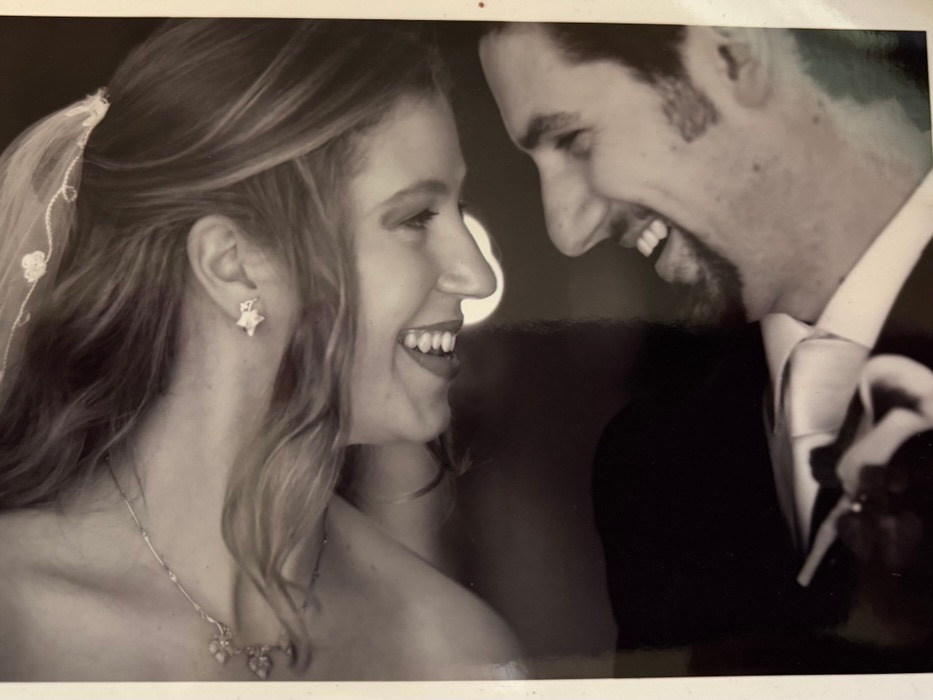
Tu B’Av is a time to celebrate love, connection, and the bonds that bring us together. This year, we’re highlighting a Jewish love story from our Federation community—showcasing the ways Judaism continues to shape the lives we build together.

Looking for Community

When Vanessa Sax moved to DC after college, she wasn’t looking for love. She was looking for community.

After settling into her first apartment on her own, she sought out ways to connect with Jewish life in her new city. So, she found and signed up for a DCJCC softball team.

It turned out Vanessa wasn’t the only newcomer.

Among the returning teammates was just one other new player: the man who would later become her husband.

One ‘Shalom’ Changed Everything

Like many great love stories, Vanessa and Kasey’s story didn’t begin with a grand romantic gesture. It began over post-game happy hours, where teammates gathered after each softball game.

During one of those happy hours, the two found themselves deep in conversation about Otter Pops (Freeze Ice if you’re on the east coast) and $1 beers and $2 grilled cheese sandwiches at a bar in Adams Morgan. “We spent the rest of the happy hour talking about many, many different topics,” she recalls.

As he walked her back to her car, a passing cab driver rolled down his window and enthusiastically shouted, “SHALOM!”. The unexpected greeting gave her exactly the opening she needed. Vanessa sent Kasey an email that simply began, “Shalom!” and invited him out to hunt for Otter Pops and for more $1 beers and $2 grilled cheese.

“He claims he was going to ask me out,” she laughs, “but I beat him to it!”.

Twenty-two years later, she says the story proves what they’ve both known all along: she’s the risk-taker in the relationship. That willingness to take chances led to a partnership built on curiosity, encouragement, and a shared commitment to growing together.

Vanessa admires Kasey’s endless desire to learn. Whether he’s mastering a new recipe, tackling a home repair, or teaching himself how to make Rummikub tiles by hand (mahjong tiles are next, she says), he approaches each new challenge with creativity and enthusiasm. “He loves learning and trying new things”.

Building a Jewish Home

That same spirit has shaped the Jewish life they’ve built together.

Today, celebrating Jewish holidays and passing along Jewish traditions to their daughters are at the heart of their family. Like many families, their extended relatives observe Judaism in different ways. Yet together, they have created traditions that belong uniquely to their own household while remaining deeply connected to generations that came before them.

A Chuppah Stitched with Love

One of those traditions quite literally surrounded them on their wedding day.

Instead of purchasing a chuppah, they created one together with the people they loved. Family members and friends each designed a fabric square, while her mother-in-law and sister-in-law lovingly stitched them together into the canopy beneath which they were married.

The chuppah still hangs in their home today.

“I would love for our girls to get married under it if that is their path in the future,” she says.

For Vanessa, sharing a Jewish life with her husband is about more than celebrating holidays or observing traditions. It is about sharing a history, a language of experiences, and a sense of belonging that continues to grow as their family grows.

She grew up in New York. He grew up in Los Angeles. Together, they built a life in DC. Although they came from opposite sides of the country, they quickly discovered that the Jewish community has a way of making the world feel smaller.

Finding Purpose Through Community

Years later, that same sense of belonging inspired Vanessa to make Jewish community-building her career. After working in commercial real estate, she took a leap of faith into Jewish communal life, deciding to join The Jewish Federation of Greater Washington—a move Kasey supported wholeheartedly.

Today, she serves as Federation’s Senior Director for Strategy and Community Building in Northern Virginia, helping others find the same sense of connection that first brought her to a softball field all those years ago. Learn more about Federation’s work in NoVA.

Weaving the Next Generation

“Jewish geography is a wonderful tapestry to be a part of,” she says.

It’s a tapestry she hopes her daughters will continue weaving as they build lives of their own: carrying with them the traditions, relationships, and sense of belonging that began with one decision to join a Jewish softball team.

This Tu B’Av, we celebrate not only the moments that bring people together, but the Jewish communities that help those moments become lifelong stories. Sometimes, finding your place in the Jewish community can lead to finding the person with whom you’ll build a Jewish future. And sometimes, it inspires a career dedicated to helping others find that sense of belonging, too.

Related posts

The Roots That Hold Us The Roots That Hold Us
The Roots That Hold Us
From conversion to Judaism and a lifelong commitment to community, Danielle and David Frum found strength in Jewish ritual, philanthropy, and tradition as they navigated the devastating loss of their daughter, Miranda.
read more
Get to Know Capital Camps Get to Know Capital Camps
Get to Know Capital Camps
A summer away from home can become a lifetime of Jewish connection. For nearly four decades, Capital Camps has helped children build friendships, leadership skills, and Jewish identity through immersive camp experiences made possible by community support and scholarship funding.
read more

Get to Know Capital Camps

Get to Know Capital Camps

It's Summer Camp Season!

A summer away from home. A dining hall full of noise. A Shabbat filled with song and dance. A friendship that started in a bunk and is still going strong twenty years later.

Ask an American Jew what first made them feel “Jewish,” and there’s a decent chance the answer involves summer camp.

Jewish overnight camp is one of the key ways that Judaism becomes an immersive way of life. For families in the DMV, Capital Camps has been that introduction for nearly four decades.

What actually happens at Capital Camps?

The short answer: a lot.

Located in the Catoctin Mountains of Pennsylvania, just 75 miles from DC, Capital Camps is the premier Jewish community overnight camp in the region. A core partner of The Jewish Federation of Greater Washington, each summer, more than 900 campers and 180 staff come together across multiple village programs. Programming spans waterfront activities, a ropes course, theater & arts through the Habima program, a working farm, and Jewish life experiences that run through the entire summer. A 700-person dining hall serves kosher meals (meat, dairy, and pareve kitchens, if you were wondering), and staff provide daily opportunities for campers to connect with Jewish text, tradition, and community.
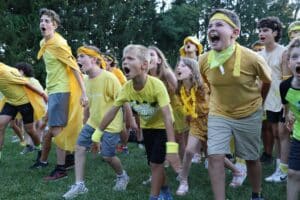
First-time campers enter through the Yalla program, a specially designed experience for children navigating camp for the very first time. Older campers transition into leadership programming that, for many, becomes their first tangible leadership experience: running a Shabbat, taking responsibility for a cabin, or mentoring a younger camper.

Capital Camps also works to ensure that different groups feel included and that they can enjoy everything the summer camp experience has to offer. The Atzma’im inclusion program ensures that children of any denominational affiliation, gender, race, sexual orientation, or socioeconomic status, including those with a range of intellectual, emotional, and physical abilities can fully participate in the camp experience. The campus is fully ADA compliant and support staff is available for medical and mental health services. Through annual partnerships with Friends of the IDF, Israeli campers who have lost someone through conflict are welcomed to camp, a reminder that the camp’s community extends well beyond its 75-mile radius.

How does the Foundation support camp?

Access to transformative Jewish experiences is one of the most powerful investments a community can make. Research shows that Jewish overnight camp creates lasting connection to Jewish identity, community, and leadership in ways that are difficult to replicate.

Study after study, from the Foundation for Jewish Camp to Brandeis University’s Cohen Center for Modern Jewish Studies, finds that Jewish camp alumni are more likely to marry Jewish partners, raise Jewish children, donate to Jewish causes, and remain engaged in Jewish communal life across the arc of their adulthood. The mechanism is straightforward: immersive, joyful, community-based experiences during formative years create an attachment to Jewish life that withstands the drift of adulthood.

We know this, and yet, cost remains one of the primary reasons families don’t send their children to Jewish overnight camp. If we can lower this barrier to access, we know we can create strong and vibrant future generations of Jews.
Scholarship funding exists to remove this exact barrier.

The Jewish Community Foundation of the Jewish Federation of Greater Washington is proud to support the expansion of access to transformative experiences like Capital Camps through strategic philanthropy and scholarship funding through both Donor Advised Funds and Legacy Gifts. Because one of the truths we keep returning to in this work is that belonging isn’t something you can teach in the abstract. It has to be lived. And the experiences that young people carry with them into adulthood, their sense of Jewish identity, their instinct toward community, their capacity for leadership, are often rooted in summers like this one.

Ready to learn more?

If you’re a donor thinking about where camp scholarship funding goes, it goes here: to a child who might not otherwise have access to the people, the places, and their connection to Jewry they just haven’t met yet.

The Catoctin Mountains are waiting!

Related posts

The Roots That Hold Us The Roots That Hold Us
The Roots That Hold Us
From conversion to Judaism and a lifelong commitment to community, Danielle and David Frum found strength in Jewish ritual, philanthropy, and tradition as they navigated the devastating loss of their daughter, Miranda.
read more

There Are So Many Ways to Be Jewish: A Reflection from Mexico City

There Are So Many Ways to Be Jewish: A Reflection from Mexico City

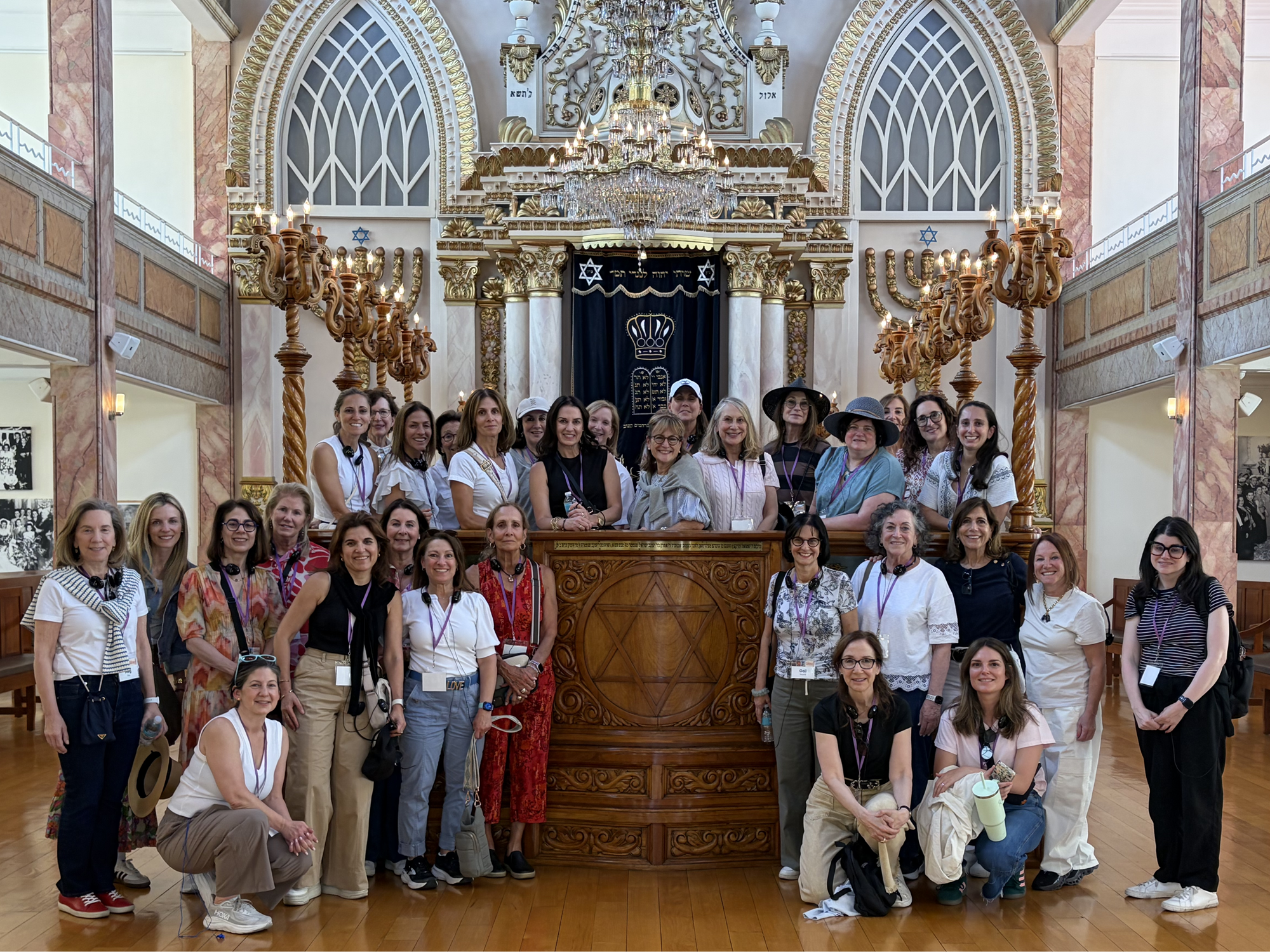
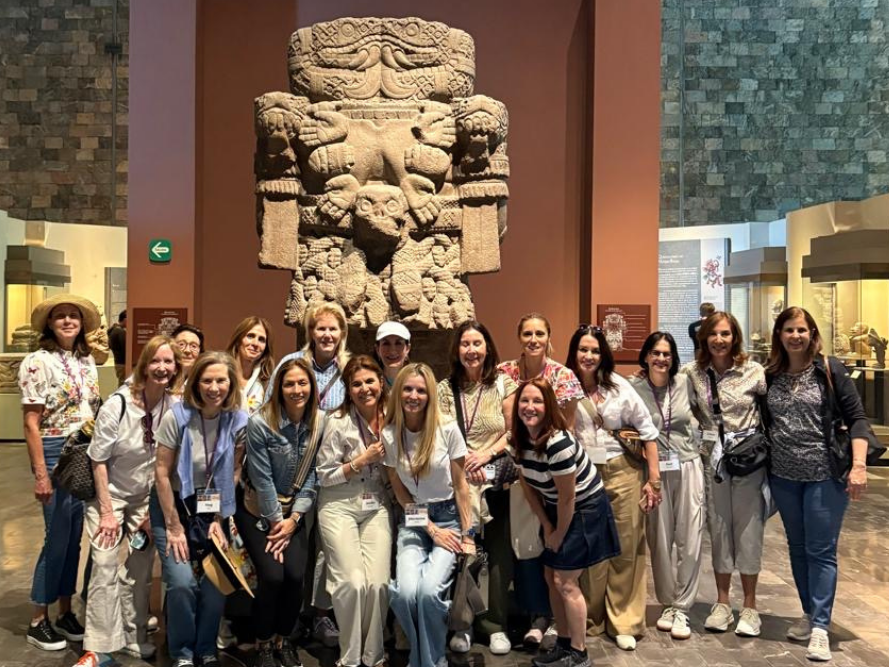
While touring one of the oldest synagogues in Mexico City on our recent Women’s Philanthropy mission, our guide said something that has stayed with me.

“There are so many ways to be Jewish.”

That is the beauty of Judaism. There is no single way to feel connected, to be seen, or to create meaning within this religion and this community. There are countless ways. While I had heard that before, standing where I was standing, surrounded by the people I was traveling with, it landed differently. It felt truer than ever.

As co-chair of the Jewish Federation of Greater Washington’s Women’s Philanthropy Mission to Mexico City, I had the privilege of helping lead a group of extraordinary women through an experience that moved between history and contemporary Jewish life—from walking through the historic center of Mexico City and visiting long-standing synagogues, to spending time at community institutions like the Centro Deportivo Israelita and Olami ORT, where Jewish life is actively being shaped for the future.

Everywhere we went, we saw that truth reflected back to us. We visited organizations and communities that have built something remarkable for the people they serve, each one shaped by its own history and its current needs. I left inspired by the reminder of what is possible when people decide to build.

Finding My Place

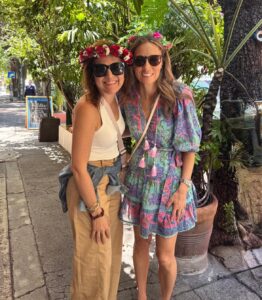
Lindsay Karr and Jessika Wellisch, Co-Chairs, Federation’s Women’s Philanthropy Mission to Mexico City

I have carried that feeling home, and it has me thinking about all the ways I can create my own Jewish identity within the communities I belong. As a parent raising three Jewish children. Within my close circle of friends. In my community here at home. And in the wider work of Federation, both in DC and at the national level. The trip gave me a new lens for seeing my own role, not as someone who simply participates, but as someone who can help build and shape what comes next.

And of course, what I will remember most is the people.

The Best Conversations Happened in Traffic

This trip was, at its heart, about building connection. And yes, we spent more than our fair share of time on the bus, moving between sites like Xochimilco, Casa Gilardi, and neighborhood community spaces, but even that became part of the experience. Those hours gave me the chance to truly get to know so many of the women on the trip.

To me, that is what being Jewish has always been about: relationships and connection.

I am deeply grateful to have served as a co-chair of this experience, and even more grateful for the people who made the journey alongside me. I returned home inspired to keep creating, and to keep building the connections that hold our community together.

There Are Countless Ways

One of the things I value most about Federation is that it creates space for each of us to explore our Jewish identity in ways that are meaningful to us. Whether through Women’s Philanthropy, travel experiences like this one, or the many opportunities to learn, connect, and give back throughout the year, there are countless ways to find your place and help shape our community.

If you’re curious about where your own Jewish journey might lead, I hope you’ll consider joining a future Women’s Philanthropy event or mission. You never know which conversation, which community, or which moment will stay with you long after you have returned home.

Looking to experience the power of Jewish community firsthand? Learn more about Federation’s giving societies like Women’s Philanthropy, or find a local event through our Community Calendar.

Related posts

The Roots That Hold Us The Roots That Hold Us
The Roots That Hold Us
From conversion to Judaism and a lifelong commitment to community, Danielle and David Frum found strength in Jewish ritual, philanthropy, and tradition as they navigated the devastating loss of their daughter, Miranda.
read more

A Lesson I’ve Carried Since 1987

A Lesson I’ve Carried Since 1987

Before traveling to Georgia and Ukraine, I want to share a story that has shaped how I think about our responsibility to one another.

I just finished my friend Daniel Grossman’s new book Seeing Red. In it, Danny recounts his time working as a young foreign service officer in Leningrad and his overt and covert efforts to help refuseniks. As you might guess, his tour ended when the Soviets kicked him out.

Danny’s tales brought back memories of my own trip to the Soviet Union in 1987. A friend and I were living in New York leading a Zionist youth group, and the Jewish Agency asked (though not explicitly due to the sensitive nature of the operation) if we would be willing to travel to the Soviet Union and visit with refuseniks—some living in central cities such as Moscow and others in more remote communities in Siberia, including Irkutsk or Novosibirsk—and bring aid on behalf of global Jewry.

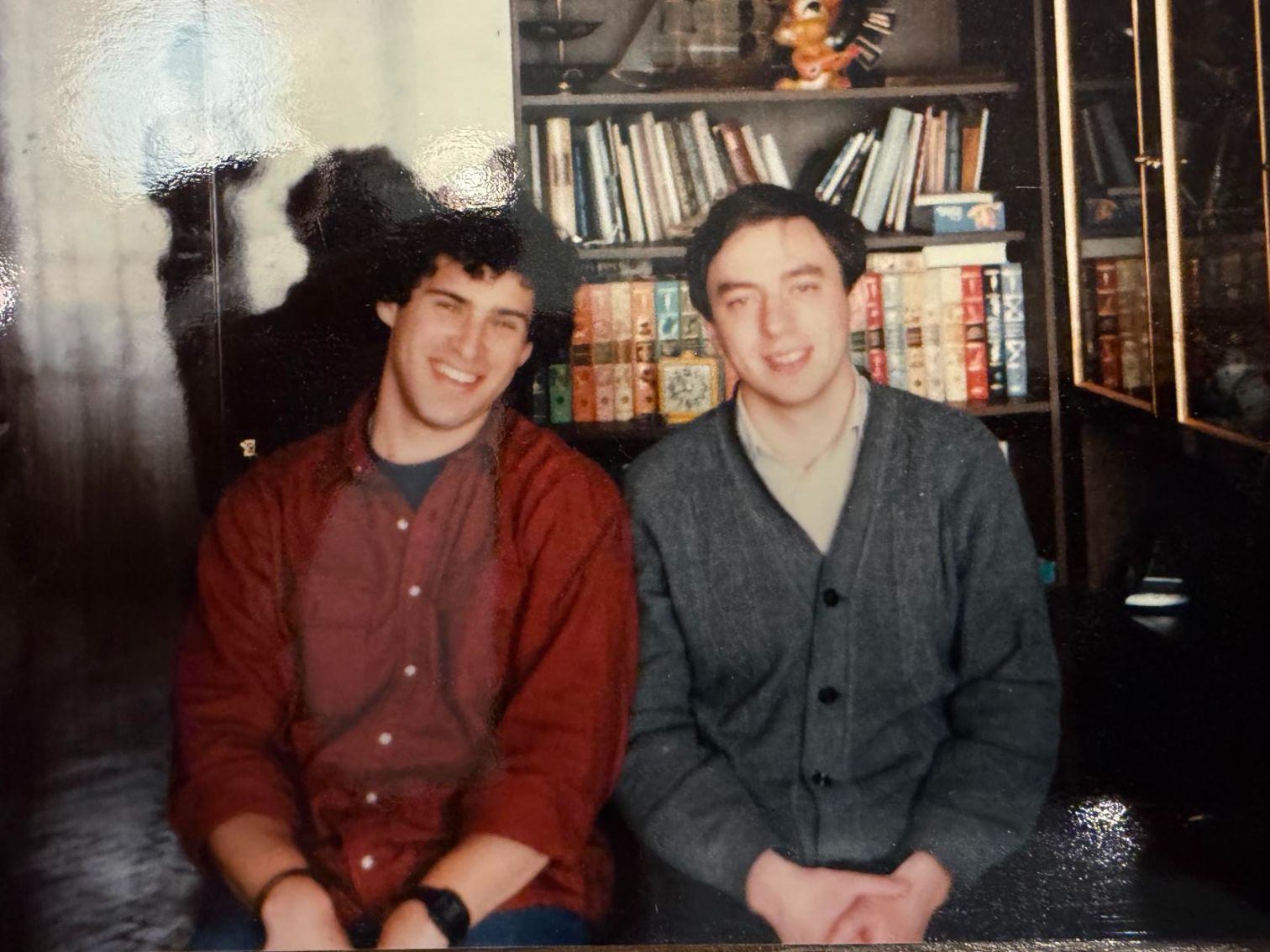
We were provided with specific people to visit (one of whom is pictured with me above) and asked to deliver Russian-Hebrew dictionaries—which we had to wear under our clothes to get past security—along with goods people could sell to earn money after many had lost their jobs and messages of support from Jews around the world. Looking back, I realize that trip gave me an enduring appreciation for what it means to be responsible for one another as a Jewish people. It’s a lesson that has stayed with me ever since, and one I’ve been thinking about as I prepare to return to the region.

This coming week, I’ll be joining a group of Federation executives on a trip to Georgia and Ukraine. We will visit with people in their homes and see firsthand the critical services your generosity makes possible through Federation’s partnership with JDC. We’ll hear directly from local communities about their circumstances and the challenges they are facing. We’ll also meet with volunteers and activists in Ukraine to learn how they’re developing local leadership and sustaining Jewish community in the face of war, uncertainty, and economic hardship.

I believe in the power of doing this work in person. By showing up, we’ll get to witness the dignity, resilience, and determination with which these communities are building Jewish life and bring those lessons back with us. And we, in turn, will get to express our continued commitment to caring for the most vulnerable and building Jewish life around the world.

If you’re interested in learning more about our exchange, I invite you to join a webinar on Wednesday, July 22 at 12:00 PM a few days after I return. I’ll share what we discovered and how those insights will help inform Federation’s ongoing work to support Jewish communities in the former Soviet Union and beyond.

If you’d like to learn more about the work your generosity makes possible in Ukraine, you can do so here.

In 1987, I set off with a backpack full of supplies and messages of solidarity. Today, I travel carrying the trust and generosity of an entire community. This is one of my favorite aspects of Federation’s work—helping to build our community here in Greater Washington while strengthening the bonds that defy borders. It’s these kinds of missions that put into action the idea that no Jewish community stands alone. We are part of a global family, one that shows up for, relies on, and supports one another.

Related posts

The Roots That Hold Us The Roots That Hold Us
The Roots That Hold Us
From conversion to Judaism and a lifelong commitment to community, Danielle and David Frum found strength in Jewish ritual, philanthropy, and tradition as they navigated the devastating loss of their daughter, Miranda.
read more

What Mexico Taught Me About the Global Jewish Community

What Mexico Taught Me About the Global Jewish Community

When I decided to co-chair the Jewish Federation of Greater Washington’s Women’s Philanthropy mission to Mexico City, I expected to learn more about another Jewish community. To see how Jewish life is lived in a different corner of the world, meet remarkable people, and better understand both the challenges and opportunities they face.

What I didn’t fully expect was how deeply connected our communities are, even separated by thousands of miles, different languages, and different histories.

Throughout our journey—from walking along Paseo de la Reforma and through the historic heart of Mexico City, to visiting synagogues, community centers, and cultural institutions—I kept seeing the same thread woven through every conversation and every organization we visited: a shared commitment to building Jewish life for the next generation.

In every place we visited, I found myself returning to the same profound question: What enables a people not only to survive but also to thrive, adapt, and continue creating in new contexts?

The Future Has Small Hands

Our visit to Olami’s Idea Lab offered a beautiful answer. There, children are not simply taught information. They are taught to see themselves as makers, capable of imagining, building, solving, and repairing. In a world that often encourages passive consumption, they are being empowered to believe that they can shape the future with their own minds, hands, and hearts.

It struck me how deeply Jewish this idea is.

Throughout Jewish history in the diaspora, we have rarely had the luxury of permanence or certainty. Communities were uprooted, dispersed, and compelled to begin again across continents and generations. Yet wherever Jews found refuge and opportunity, they built. They built homes, synagogues, schools, businesses, and communities rooted in values, belonging, learning, and shared responsibility.

Time and again, Jewish life became an act of sacred creation.

The Question That Followed Me Home

Lindsay Karr and Jessika Wellisch, Co-Chairs, Federation’s Women’s Philanthropy Mission to Mexico City

What moved me most in Mexico was witnessing a community continuing that tradition in its own unique context—vibrant, creative, deeply connected, and forward-looking. While preserving Jewish identity remains at its center, this community is also asking how to empower the next generation to contribute meaningfully to the world through that identity.

The children in the Idea Lab are not merely creating projects. They are practicing agency, imagination, collaboration, and repair. In many ways, they are inheriting one of the oldest Jewish callings: to take what exists and help shape it into something more whole, more compassionate, and more alive. Perhaps that is one of the great gifts of belonging to a people shaped by diaspora.

We learn that home is not merely a place we inherit; it is something we continually create. Community is not simply something we belong to; it is something we build together.

As I left Olami, I found myself wondering: How will we continue to use our divinely given gift of being makers to repair our aching, broken world? And, what’s possible if each of us embraces our responsibility not only to inherit the world, but to co-create it?

The Gift I Didn’t Expect

That may be the greatest gift of traveling with Federation and Women’s Philanthropy. We set out to learn about Jewish communities beyond our own, but along the way, we discover something about ourselves. We return home with a deeper appreciation for the many ways Jewish life flourishes around the world, and with a renewed sense of our own role in shaping its future.

Looking to experience the power of Jewish community firsthand? Learn more about Federation’s giving societies like Women’s Philanthropy, or find a local event through our Community Calendar.

Related posts

The Roots That Hold Us The Roots That Hold Us
The Roots That Hold Us
From conversion to Judaism and a lifelong commitment to community, Danielle and David Frum found strength in Jewish ritual, philanthropy, and tradition as they navigated the devastating loss of their daughter, Miranda.
read more

The Desk Between Us

The Desk Between Us

Every career has a beginning. Mine might have started before I was born.

When I interviewed at The Jewish Federation of Greater Washington, part of the process included a writing exercise. The assignment was straightforward: write a sample fundraising appeal. So I sat down at my desk, opened my laptop, and got to work.

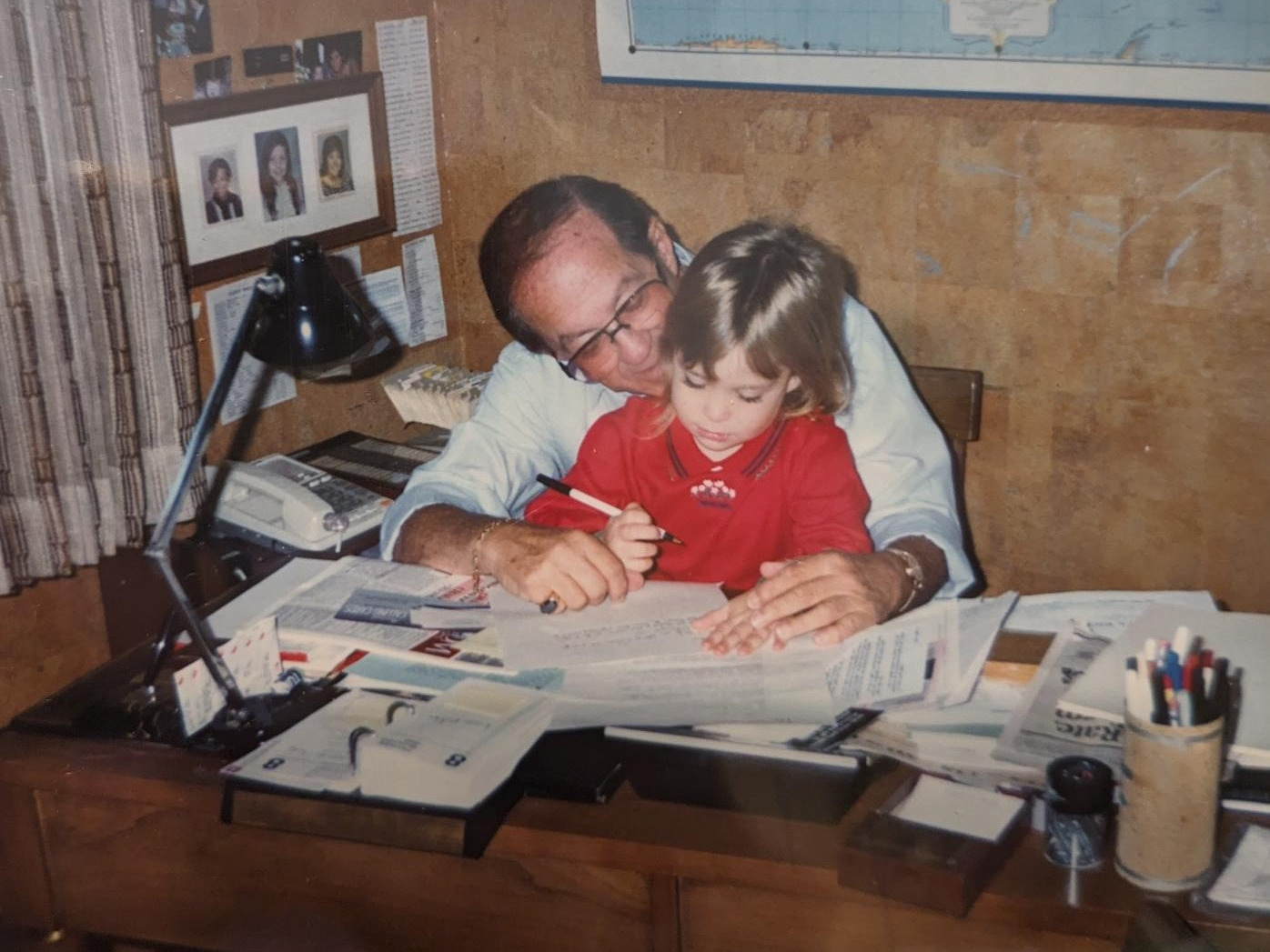
The desk where I wrote that appeal once belonged to my maternal grandfather, my Opa.

Long before I became a Jewish professional, long before I learned the language of campaigns, community building, stewardship, and philanthropy, my grandfather was doing the same work. From this very desk.

Opa’s story began oceans away from mine. As a young Jewish boy, he escaped the horrors of Europe during World War II, fleeing from country to country, even in Mandatory Palestine before Israel became a state, before eventually building a new life in the Bay Area, California. Along the way, he became a military officer, journalist, a traveler, and a gifted communicator. Fluent in five languages, he spent years telling stories and connecting with people across cultures and borders.

Eventually, those talents led him to a career in Jewish communal service. He became the Western Regional Director of United Jewish Appeal (which later evolved into Jewish Federations of North America), helping raise funds and build support for Jewish communities around the world. His friends were politicians and celebrities. He helped bring some of the earliest Israeli emissaries to the West Coast, a precursor to the shlichim programs that remain such an important part of Jewish communal life today. He founded my home synagogue in Northern California. And he spent the rest of his life helping strengthen Jewish community.

I was far too young when he passed away. I never had the chance to know him as an adult, to ask him about his travels, his work, or what it felt like to dedicate a lifetime to serving the Jewish people.

But somehow, pieces of him found their way to me anyway.

More than a decade ago, I began my own journey as a Jewish professional. Different organizations. Different communities, different coasts. Yet so often, I find myself drawn to the same things that animated his work: relationships, storytelling, connection, and the belief that communities are strongest when people come together in service of something larger than themselves.

Sometimes I wonder what he would think of today’s overall Jewish landscape and its space in our world. The man who embraced technology and innovation would have been fascinated by social media, virtual meetings, and the ability to connect with people across the globe with the click of a button. And I suspect he would have loved the fact that, thanks to a hybrid workplace, I now spend part of every week working from home at the very desk where he once wrote his own appeals.

A desk that has quietly served the Jewish community since the 1950s.

A desk that has witnessed handwritten letters, fundraising plans, newspaper articles, family photographs, and now Zoom calls and digital campaigns.

The wood is older now. So am I. But the work continues, and there is something deeply comforting about that.

In a world that changes so quickly, it feels almost magical to place my hands where his once rested and know that, in some small way, we are connected through a shared purpose.

Perhaps that is what legacy really is – the quiet passing of values from one generation to the next. The belief that community matters. The willingness to serve. The courage to tell stories that inspire people to care.

And sometimes, if you are very lucky, a sturdy wooden desk.

The photograph above is of my Opa and me at that same desk many years ago. Neither of us could have known then that one day it would become mine. Or that decades later, we would still be doing the same work together. Z”l Opa 

Related posts

The Roots That Hold Us The Roots That Hold Us
The Roots That Hold Us
From conversion to Judaism and a lifelong commitment to community, Danielle and David Frum found strength in Jewish ritual, philanthropy, and tradition as they navigated the devastating loss of their daughter, Miranda.
read more

Pride, Israel, and Building Bridges Through Shlichut

Pride, Israel, and Building Bridges Through Shlichut

There was one moment during the Pozez JCC Pride celebration on June 21 that I haven’t stopped thinking about.

The event was designed to celebrate Pride and provide a window into Israeli culture, art, and community. As the Jewish Federation of Greater Washington’s Community Shlicha (Israeli emissary) in Northern Virginia, I was there to help bring the Israeli perspective into the evening through stories, culture, and personal connection. Guests explored our LGBTQ+ LOVE Archive, a photography exhibition featuring LGBTQ+ couples and families across Israel before settling in for a joyful drag performance by New York performers Matzah Belle Soup and Alvah Klempt.

It also happened to be Father’s Day.

During the performance, one of the performers invited the father of a gay attendee onto the stage, and he completely stole the show. He was hilarious, joyful, and fully embraced the moment.

After the performance, one of the drag queens came up to me and said:

“That dad is exactly like my dad.” She told me she immediately wanted to call him and wish him a Happy Father’s Day, telling him how grateful she was to have him as her father.

It was a small exchange, but it captured something much larger about the evening: community, connection, and the powerful impact of making people feel loved and supported for who they are.

Acceptance has a ripple effect. A supportive parent doesn’t only change the life of their own child. It shows others what love and belonging can look like. As she spoke about her father, I couldn’t help but think of my own, and of standing beside him at the Tel Aviv Pride Parade.

Where My Connection to Pride Began

My connection to Pride is deeply personal. Some of my earliest memories are of attending the Tel Aviv Pride Parade with my father. I remember the colors, the music, the joy, and the sense that everyone belonged. At the time, I didn’t fully understand the political or social significance of those moments, but I understood what it felt like to be surrounded by people who were free to be themselves.

Years later, I met my wife, Hila, and together we built our life within a community that made space for us. As an Israeli, Pride reminds me that progress is possible and that the freedoms many of us experience today were built by people who came before us and fought for them.

And as one of Federation’s Shlichim, Pride is an opportunity to create spaces where people feel seen, welcomed, and connected—to each other, to their community, and to Israel.

How Shlichim Bring Israeli Stories to Community Life

As a Shlicha, my role is to share Israel through lived experience: through memory, through culture, through complexity, and through real people.

For me, Israel education is ultimately about people and stories.

This event was intentionally designed to create a joyful and welcoming space during a particularly complicated and emotionally heavy time. Guests walked through a photography exhibition featuring LGBTQ+ couples from across Israel while enjoying Israeli-inspired cocktails. We then welcomed two Jewish drag performers from New York who brought humor, creativity, and joy to the stage.

What I loved about this format was that people were learning about Israel without feeling like they were sitting in a lecture. They were experiencing Israeli culture, stories, and exploring questions of identity, family, and belonging in a natural and personal way.

Seeing Ourselves in the Story

One photograph in the exhibition held special meaning for me.

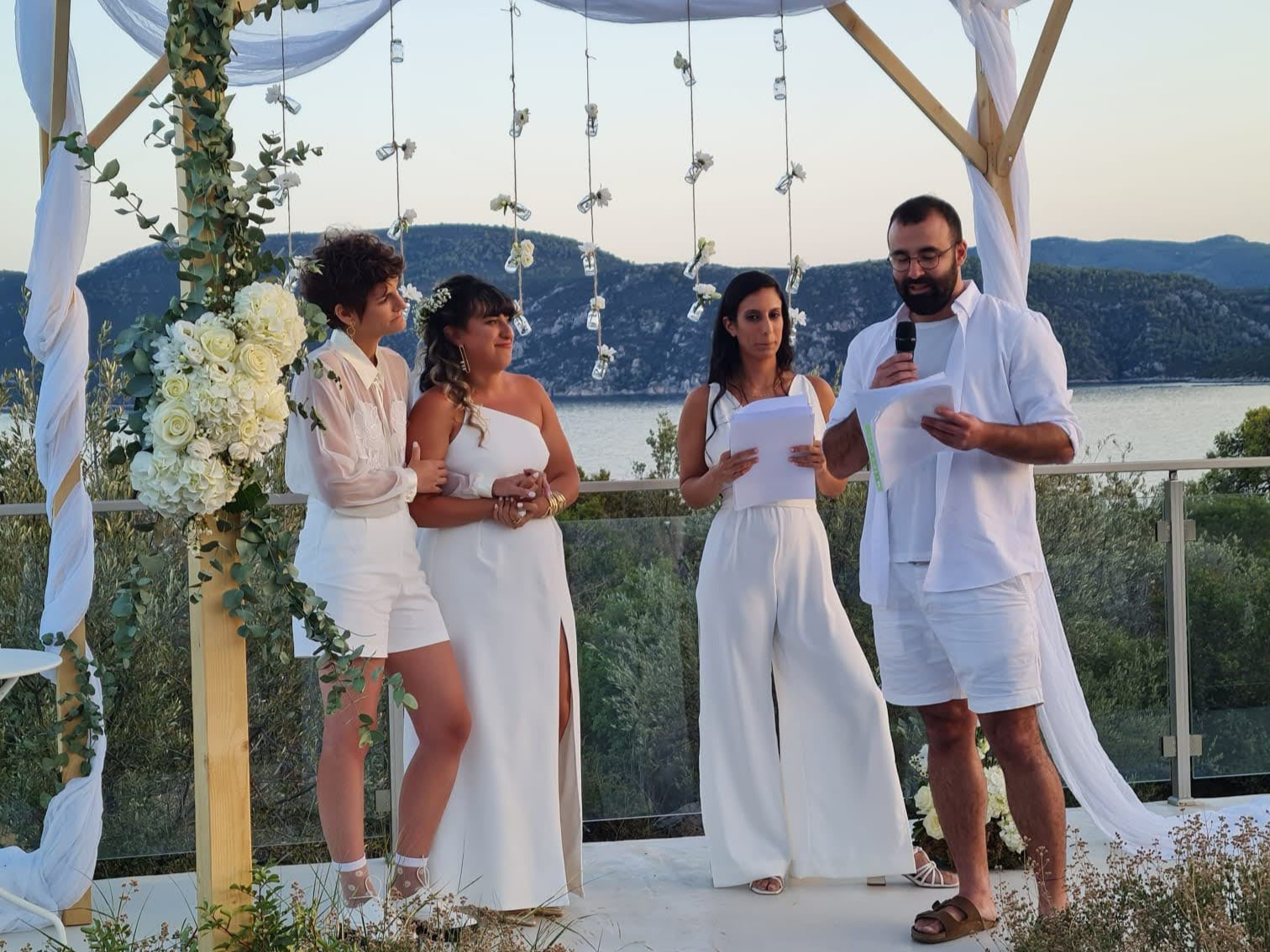
It was a picture of my wife, Hila, and me under our wedding chuppah.

I included it intentionally. Rather than seeing LGBTQ+ Israelis as distant figures, participants were seeing someone they already knew through community connection. They know our story, our relationship. And suddenly, Israel was not just a place being described. It was a place being lived by people in their own community. Most importantly, I wanted people to see LGBTQ+ Israelis not as statistics or symbols, but as human beings with stories that many of us can relate to.

In many ways, our photo served as a reminder that the stories being told throughout the exhibit are not just Israeli stories. They are the stories of real people, families, and communities.

Israel Is Not One Narrative

LGBTQ+ life in Israel, like Israel itself, is complex and multifaceted. What I hoped participants would take away is that LGBTQ+ life in Israel is not one story. It is many.

There are moments of progress and celebration. There are ongoing challenges. There are vibrant communities and everyday lives that continue to evolve.

But most importantly, there are people—real people—whose lives are shaped by the same things that shape all of ours: family, love, belonging, and the search for community.

Why Storytelling Builds Connection to Israel

People often encounter Israel through headlines. But headlines rarely leave room for nuance, humanity, or complexity.

Stories do.

When we engage with LGBTQ+ Israelis, or any Israelis, we are engaging with questions that are deeply familiar: Who are we? Where do we belong? How do we build families and communities? How do we create spaces where people feel seen?

These are universal questions. And that is why storytelling matters so deeply in Jewish communal life.

What Shlichim Make Possible

This is where Shlichim play a unique role, and where Federation’s investment in this work becomes so meaningful. Shlichim help transform Israel from something distant into something immediate and relatable.

We don’t only bring information. We bring ourselves—our memories, our cultures, our families, our contradictions, and our hopes. Through that, we create a bridge between Israel and the Greater Washington Jewish community. Federation’s support makes it possible for those bridges to exist. It allows Israeli voices to be present in community life in an ongoing, sustained way, as relationships. These relationships build strong Jewish identities for now and for the future.

This Gives Me Hope

What gives me hope is not just that people came to this event. It’s that they stayed.

In fact, they stayed long after the program officially ended. They stayed across generations, across identities, across perspectives.

They stayed for conversations. They came to celebrate Pride, but they also came to learn, to listen, and to connect—to each other, and to Israel.

In a time that often feels fragmented, that matters more than ever. Because community is not built through a single moment. It is built through repeated acts of showing up for one another.

And often, it begins with something very simple: creating a space where people feel welcome.

Related posts

The Roots That Hold Us The Roots That Hold Us
The Roots That Hold Us
From conversion to Judaism and a lifelong commitment to community, Danielle and David Frum found strength in Jewish ritual, philanthropy, and tradition as they navigated the devastating loss of their daughter, Miranda.
read more
Get to Know Capital Camps Get to Know Capital Camps
Get to Know Capital Camps
A summer away from home can become a lifetime of Jewish connection. For nearly four decades, Capital Camps has helped children build friendships, leadership skills, and Jewish identity through immersive camp experiences made possible by community support and scholarship funding.
read more