Open More Possibilities. Join a community of donors shaping the future of Jewish life.

Holding on to Who We Are
Holding on to Who We Are

I am not exactly sure what got me started, but I’ve been working my way through a self-assigned reading list on antisemitism. I started with Anti-Judaism: The Western Tradition by David Nirenberg (a bit dense for extracurricular reading). Next up was People Love Dead Jews: Reports from a Haunted Present by Dara Horn (wonderfully written and thought provoking). And now I’m onto the newest publication, Antisemitism, an American Tradition by Pamela Nadell, a history professor at AU.

I am still wrapping my mind around the takeaways, but thus far I’ve been struck by a chapter from Horn’s work. She points out the story we all hear about Ellis Island registrars intentionally or inadvertently adjusting the names of Jewish immigrants as they made their way through a harried intake process is, in fact, a Jewish myth.

The truth, Horn explains, is that Jewish immigrants made deliberate choices to Americanize their own names soon after their arrival to avoid discrimination and improve their job prospects—an urgent consideration in turn-of-the-century America. Jewish immigrants needed to make a new life for themselves and their families, and they knew the better they were at publicly masking their Judaism, the easier it would be.

Thus began a delicate American Jewish tradition of maintaining our Jewish identities while doing what we could to fit in. Up until now, I thought this dance was a thing of the past. Obscuring names and associations and forgoing outward expressions of Jewish faith seemed to me like the stuff of history books. After all, I’ve grown up during an era of American Jewish flourishing. That we might be back here, putting a baseball cap over our kippahs or quietly removing Jewish indicators on our LinkedIn has caught me by surprise.

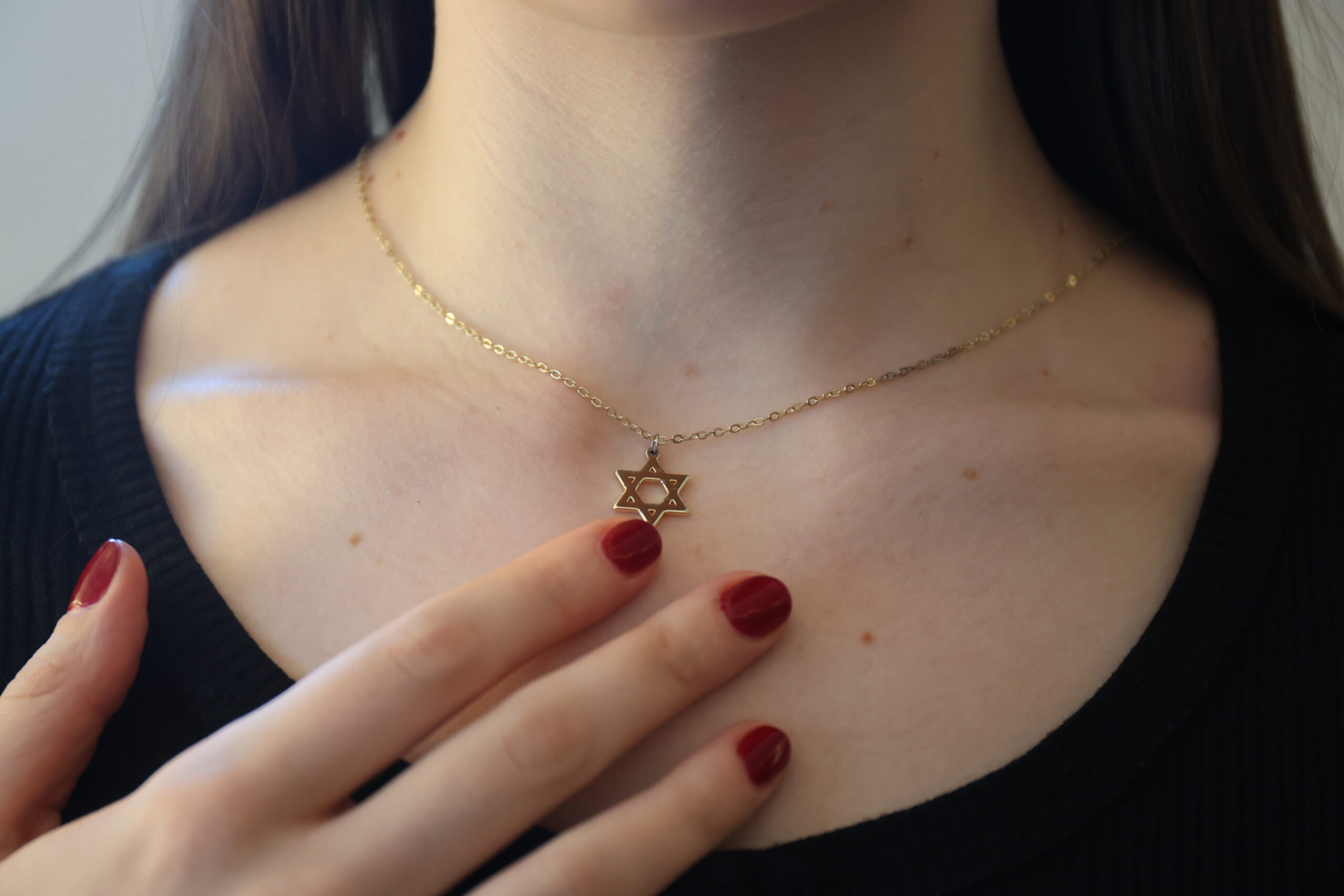
In 2023, Hillel found that 1 in 3 Jewish college students hid their identity after October 7. And last week, the Washington Post published results from a September poll that found in the past year, 42% of Jewish Americans avoided publicly wearing, carrying, or displaying anything that might help people identify them as Jewish. Discouragingly, younger Jews were more likely to say they avoided displaying Jewish symbols—53% of those under age 35—than older groups.

After my deep dive into antisemitism’s history, I have a much greater understanding of how deeply embedded antisemitism is in our societies, and therefore how hard it can be for a community to try and fit in and fight antisemitism simultaneously. Embracing and relishing our Jewish identity and being sober minded about the state of antisemitism in America, and indeed the world, all feel like nonnegotiables.

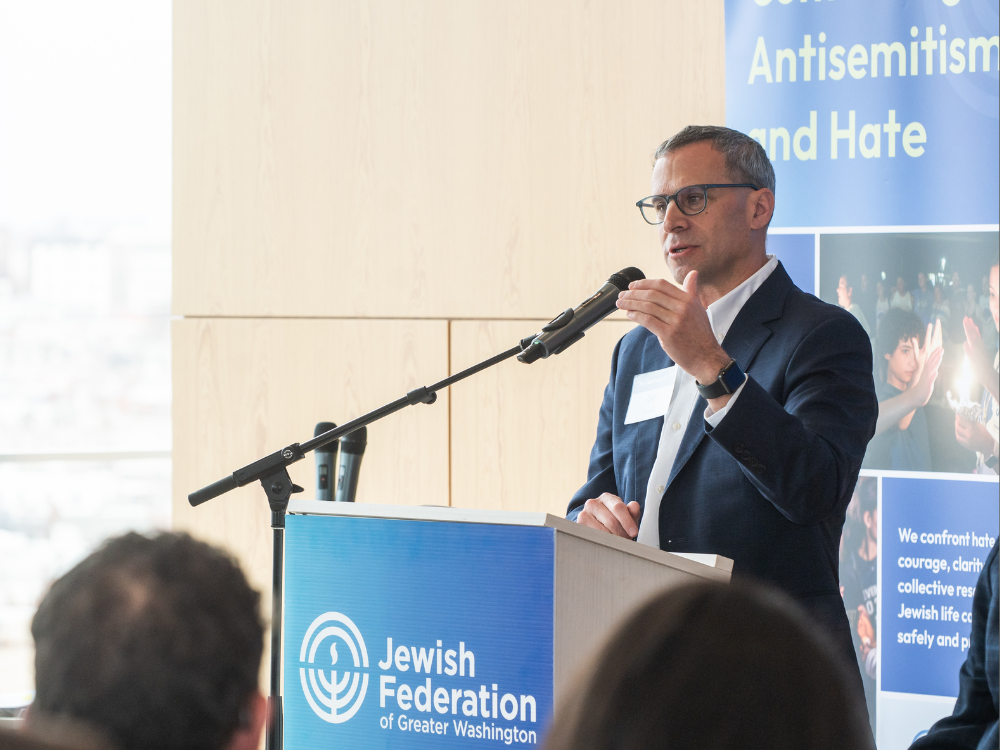
That’s why I’m resolved that we must not cede either goal. We can double down on our work to strengthen our Jewish identities even as we make real-world adjustments to account for our safety. Hate may force us to make compromises or short-term sacrifices, but it must not define who we are or diminish our commitment to Jewish life. We owe it to generations past and future to continue fighting antisemitism and the hatred that would see us limit our Jewish expression. The current growth in hate cannot continue. Confronting it must be a central priority for our Jewish community.
Related posts

Why this moment feels familiar Why this moment feels familiar
Why this moment feels familiar
As institutions increasingly single out Jews and demand ideological conformity, Jewish educators and communities face a difficult question: will the price of belonging become denying our identity? We must push back against antisemitism and protect the Jewish and universal values we have long fought to uphold.
read more

Meet Joe Battle: Brewing Community at Café Sunflower

Meet Joe Battle: Brewing Community at Café Sunflower

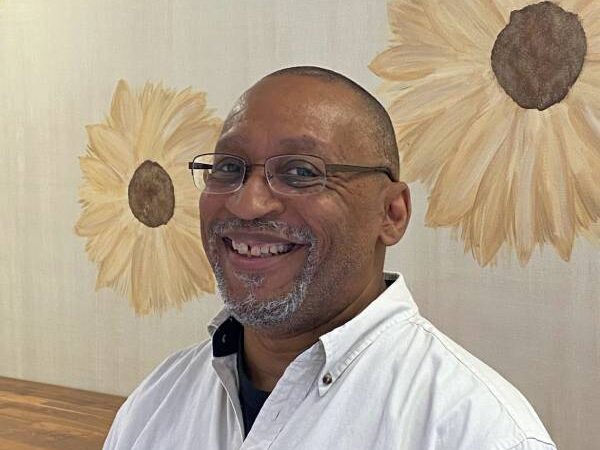
When you walk into Café Sunflower in Rockville, you’re likely to be greeted by the smell of freshly baked pastries, the hum of friendly conversation, and the easy, welcoming smile of Joe Battle, Café Manager and lifelong Washingtonian.

If you’re a regular, Joe and his team probably already know your name and your order. “We put a lot of time into learning everybody’s names,” Joe says, “and hopefully remembering what their orders are, too.” That personal connection is part of what makes the café feel less like a workplace and more like a neighborhood hub.

“I get to meet and learn from so many wonderful new customers,” Joe says. “But the best part of this job is working with our students.”

From Grocery Aisles to Inclusive Opportunity

Joe has been with Sunflower for a little over a year, but he is no stranger to the hospitality industry. Before joining Sunflower Bakery, Joe spent more than a decade managing grocery teams at Dawson’s Market in Rockville Town Square. When the market closed in 2023, a former colleague, then Café Manager Evelyn, called to offer him the job at Sunflower with perfect timing. “Two days after I found out I had no job, I got a job offer,” he laughed.

Evelyn knew Joe’s experience working with neurodiverse young adults would make him a natural fit at Café Sunflower, where inclusion is more than a value; it’s the mission. At Dawson’s, half of Joe’s grocery team was neurodiverse. “It was something I’d gotten used to over 12 years,” he explains. “Watching people go from not sure what they’re doing to being confident in what they’re doing, that’s what’s cool. Being part of that process is the most rewarding thing.”

Seeing Ability, Not Difference

Joe’s approach is refreshingly simple. “Everything you experience as a neurotypical person, they experience. Everything you care about, do, and like, they experience too. The only difference is that sometimes things need to be more direct, or you need to be more patient,” he says.

To Joe, working with neurodiverse colleagues isn’t about accommodation,; it’s about connection. He believes that investing in people of all abilities strengthens everyone. “Every kid is your kid,” Joe explains. “Eventually, they’ll be someone on the other side of the counter from you, someone helping you or needing your help. If you’re not invested in every kid in your community, you’re not even invested in yourself.”

A Partnership Built on Purpose

At Federation’s headquarters, Joe and his team serve hundreds of staff and visitors each week. He says the relationship between Sunflower Bakery and The Jewish Federation of Greater Washington is one rooted in shared respect.

“From Gil (Preuss) on down, everybody’s wonderful,” Joe says. “They understand our mission and walk in the door with it. People smile when they say ‘Federation,’ and we smile when we see our regulars. It’s a great partnership.”

Finding Common Ground and Shared Values

Raised Catholic in Washington, DC, Joe says his time at Café Sunflower has opened new windows into Jewish life and culture. “What resonates most is how much everything blends together,” he reflects. “They all come from the same beginning. We’re all walking the same road.”

He especially loves the symbolism of Rosh Hashanah. “For instance, the challah is round because you’ve come around to a new year. What a great way to symbolize that. I think that’s really cool,” he says.

Beyond the Café

When he’s not managing the café or working at Sunflower’s bake shop on Sundays, Joe’s passions include music, reading, and history documentaries. “I like learning why things happened, how things happened, and what else was going on at the same time,” he says. “It’s all about seeing how things interconnect.”

A lifelong Star Trek fan, Joe also finds wisdom in the show’s message of IDIC—“infinite diversity in infinite combinations.” “It reminds me that life is richer when we welcome differences,” he says. “You want people to be different, to learn from them, and for them to learn from you. It’s pretty cool, actually.”

And… If you ever catch him on the other side of the counter, he’ll likely order a Hazelnut latte with oat milk and a classic brownie.

Looking Ahead

As Café Sunflower continues to expand its programs, including its growing culinary department, Joe is excited to see what comes next. “We’re always looking to strengthen our relationships with our partners and our community,” he says. “Because the best way to get anywhere is to get there together.”

Learn more about Sunflower Bakery and Café Sunflower and how your support helps create pathways to employment for young adults with learning differences at www.shalomdc.org.

Related posts

Why this moment feels familiar Why this moment feels familiar
Why this moment feels familiar
As institutions increasingly single out Jews and demand ideological conformity, Jewish educators and communities face a difficult question: will the price of belonging become denying our identity? We must push back against antisemitism and protect the Jewish and universal values we have long fought to uphold.
read more

The Start of Something Meaningful

The Start of Something Meaningful

Three gatherings. One powerful sense of connection.

This past Sunday, living rooms across Greater Washington filled with laughter, stories, and something deeper: a sense of belonging. More than 50 women gathered in DC, Maryland, and Virginia for Women’s Philanthropy Community Gatherings that sparked real conversation, connection, and community.

Many came with their mothers, or talked about them. Stories of Federation through generations echoed across the rooms: memories of parents hosting events, shaping Jewish life, and quietly passing the baton.

Each gathering also featured one of our Community Shlichim, who bringing personal stories, powerful perspective, and a tangible reminder that our connection to Israel is rooted in people, not just headlines.

Each gathering felt different—different homes, conversations, energy—but all left women feeling the same thing: connected.

In Maryland, women came together for an afternoon that felt deeply grounded and generous. One participant shared a personal reflection on recent loss and how this community has held her. The conversation that followed was honest and warm. Another spoke about Jewish identity and teen engagement, sharing insight that felt timely and real.“Very relatable and poignant to the moment we’re in,” one attendee said. “I wouldn’t have changed a thing.”

In Virginia, the tone was joyful and full of small, meaningful moments, including one surprise reconnection between two women who hadn’t seen each other since Jewish day school in North Carolina back in 2005. The event felt like both a reunion and a doorway into something new.

And in DC, the gathering sparked conversations that felt alive with possibility. Women asked thoughtful questions, explored shared values, and reflected on how they want to show up—for themselves, for each other, and for Jewish life.

These weren’t just welcomes. They were starting points for friendship, for purpose, for whatever comes next.

Inspired to get involved? Explore how you can connect, lead, and grow with Women’s Philanthropy here.

Related posts

Why this moment feels familiar Why this moment feels familiar
Why this moment feels familiar
As institutions increasingly single out Jews and demand ideological conformity, Jewish educators and communities face a difficult question: will the price of belonging become denying our identity? We must push back against antisemitism and protect the Jewish and universal values we have long fought to uphold.
read more

Together, Rising to the Moment 

Together, Rising to the Moment 

Federation and JCRC Advance Jewish Life in Greater Washington

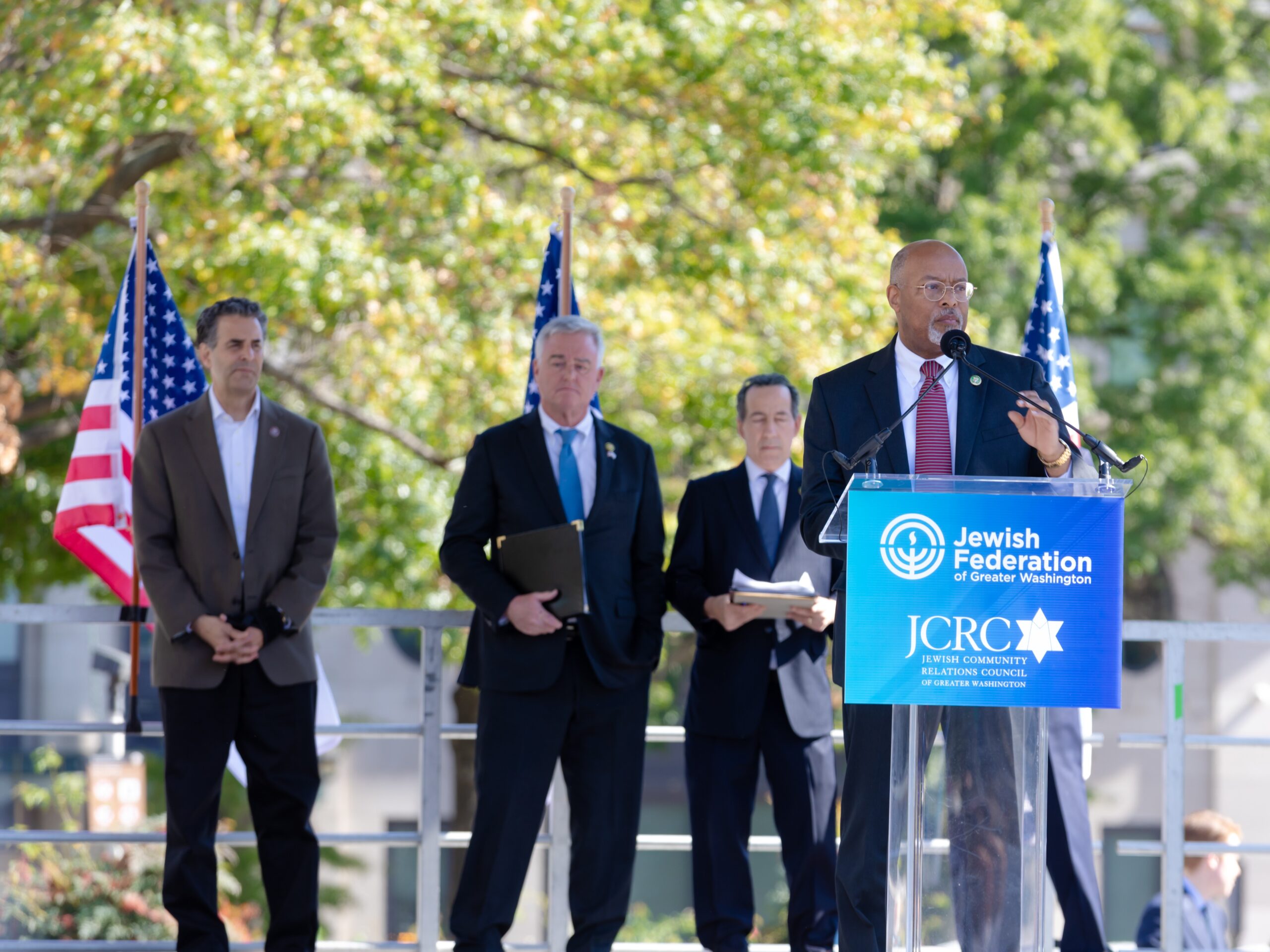
In a year marked by rising antisemitism, contested narratives in classrooms, and growing pressures on civic spaces, the Jewish Community Relations Council (JCRC) of Greater Washington has been a steady force—speaking up, showing up, and strengthening the public voice of Jewish Greater Washington.

Across DC, Maryland, and Virginia, the JCRC represents more than 100 synagogues, agencies, and organizations. They advocate for a strong U.S.–Israel relationship, protect the safety and rights of Jewish institutions, challenge misinformation in schools, and build meaningful partnerships across faith and civic lines.

As Federation drives long-term investment in Jewish life across Greater Washington, the JCRC leads our community’s advocacy in the public sphere. Together, we’re advancing a shared commitment to safety, resilience, and the values that sustain Jewish life—through distinct roles, and with deeply aligned purpose.

On Wednesday, October 29 at 6:00 PM in Rockville, the JCRC will host its Annual Gala, honoring:

  • Eva Davis (Distinguished Service Award)
  • June and David Trone (Breslau–Goldman Award)
  • Behn Dayanim (Sara and Samuel Lessans Community Leadership Award)

Co-chaired by Eilleen Filler‑Corn and Bambi Kramer, the evening will spotlight leaders who model what it means to act with courage, clarity, and commitment, especially in moments that demand all three.

This is a moment for all of us to show up for the people and partnerships strengthening Jewish life and a chance to recognize the leadership guiding us through challenge and change. We’re honored to stand with the JCRC in this work, and to celebrate the impact we’re making together toward a shared vision of Jewish Greater Washington that is strong, secure, and deeply connected.

Related posts

Why this moment feels familiar Why this moment feels familiar
Why this moment feels familiar
As institutions increasingly single out Jews and demand ideological conformity, Jewish educators and communities face a difficult question: will the price of belonging become denying our identity? We must push back against antisemitism and protect the Jewish and universal values we have long fought to uphold.
read more

A Time to Sob, and a Time to Dance

A Time to Sob, and a Time to Dance

As we welcome home the living hostages, we ready ourselves for the work of healing

This has been an emotional week. Earlier today, I watched a clip of Rachel Goldberg-Polin, mother of Hersh Goldberg-Polin who was kidnapped and executed by Hamas, address a crowd of hopeful Israelis ahead of the hostage release. She summed up the moment beautifully by referencing Ecclesiastes. “There is a time to sob and a time to dance, and we must do both right now.”

It’s true, a lot must happen in this moment. This is a good time to breathe a sigh of relief and indulge in the joy of welcoming home the living hostages. It’s also a good time to ready ourselves for the work ahead as we set about to end one phase and begin another.

I am trying to remain optimistic that we are seeing the faint lights of a brighter future for both Israelis and Palestinians emerge. Still, what happens next is an open question. As of today, many hostage families are still waiting on the return of their loved ones’ remains. Israelis are continuing to navigate layers of trauma. And Palestinians are facing the immense task of rebuilding their lives under the cruel returned control of Hamas. Healing, addressing antisemitism and anti-Israel sentiment, and exploring new possibilities for the Middle East region are all on the table.

While we cannot control the future dynamics of the Middle East, Federation will be there for Israelis as they find their way back to a new normal. Later this month, Zohar Livne Mizrahi, Secretary General of Kibbutz Re’im—located beside the Nova music festival site—will visit our community. Federation is partnering with Kibbutz Re’im as its residents rebuild their homes and their lives after October 7.

For those interested in learning more, join us for a conversation with Zohar Livne Mizrahi on October 31, featuring stories of resilience and recovery, and an optional VR experience that brings survivor testimonies to life. You can learn more here.

We will keep you posted on additional ways to be involved in Israel’s recovery efforts. We also remain committed to helping Jewish community members form personal connections with Israel that transcend moments of crisis. Our friendship is about being there for each other in times of need and also about growing together in joy and possibility.

Finally, as we close out this roller coaster week, I want to acknowledge the work of the hostage families and their hardworking supporters, including those in our own community. Even in the throes of fear and grief, friends and family of the hostages pushed themselves to keep us all focused. Their tireless and courageous efforts helped bring the living hostages home. The hostage families are Jewish heroes. I am praying their tenacity becomes part of the Jewish inheritance and a precursor to more dancing.

Related posts

Why this moment feels familiar Why this moment feels familiar
Why this moment feels familiar
As institutions increasingly single out Jews and demand ideological conformity, Jewish educators and communities face a difficult question: will the price of belonging become denying our identity? We must push back against antisemitism and protect the Jewish and universal values we have long fought to uphold.
read more

Talking Walls: Reflections on Connection, Art, and Homecoming 

Talking Walls: Reflections on Connection, Art, and Homecoming 

Nearly two months into my role as a Shlicha (Israeli emissary) of The Jewish Agency for Israel at The Jewish Federation of Greater Washington, I find myself asking the same question nearly every day: What is my mission here?

What does it truly mean to build a bridge between Israel and American Jewry?

Each day, I receive a different answer.

Creating “Talking Walls”

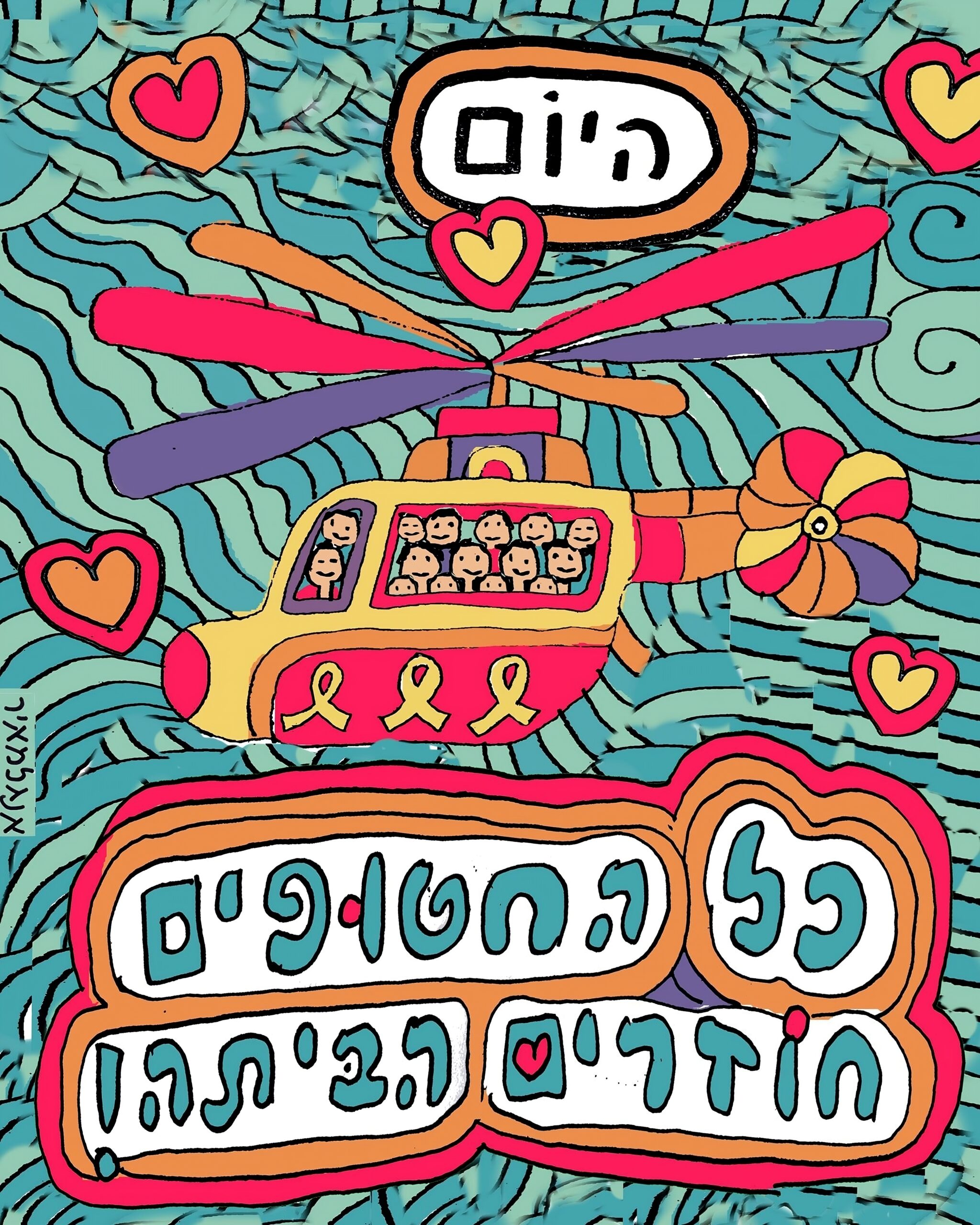
To mark two years since the October 7 massacre, I chose to curate an exhibition at the Federation offices showcasing powerful Israeli cartoons that reflect some of what we’ve experienced in Israel over the past two years.

Because sometimes, words just aren’t enough.

As I prepared the exhibition over the past two weeks, I kept hoping and praying that the final poster would be unnecessary. That it would be a waste of money.

Today, that wish came true.

The beautiful, foam-mounted poster—professionally printed and ready to hang—was covered this morning with a simple, printed A4 page:

“They’re coming home.” 

A Bridge Built of Art and Hope

This exhibition, Talking Walls: Israeli Caricatures Post October 7, brings together ten cartoons by Israeli artists—each capturing a moment, a feeling, or a truth from this complex time.

Originally shared on social media, these works move from virtual spaces into the physical world, offering an opportunity for our community to join the conversation. Together, they bridge two realms: the physical walls shattered on October 7, and the virtual walls built through online expression and solidarity.

Finding My Role

This is just the beginning. I’ll probably keep asking myself every day what my role here really is.

But I hope there will be more days like this—when the answer is clear, and for once, it comes with a big smile and a deep breath of fresh air.

This moment feels like an opportunity for all of us to pause, reflect on the last two years in Israel, and finally breathe a little easier as a bit of light begins to shine through.

It’s important for me, on this day, to remember all the people and heroes who made it possible to reach this moment. I honor and thank the soldiers and security forces who gave their lives, and everyone whose courage and determination helped make this day a reality.

We will not give up on any hostage and will continue to stand firm until every one of them returns home—to their families or to a dignified burial.

I hope this is the beginning of a greater change that will bring healing, recovery, and peace to Israel and the region.


Learn more about our community Shlichim and how they help build bridges between Israel and Greater Washington here.


Related posts

A Moment of Homecoming, Hope, and Healing

A Moment of Homecoming, Hope, and Healing

As hostages return home, we hold space for relief, grief, and the long road to renewal ahead.

This morning, Israel confirmed the release of all the remaining living hostages taken on October 7, 2023, as part of the ceasefire agreement. While we wait, with sorrow and hope, for the remains of the other hostages expected to be returned, we celebrate a moment we have prayed and hoped for: many who were taken so brutally by Hamas are finally home.

For families who have waited in fear and uncertainty for 737 days, this is a profound turning point. We exhale in relief, renew our commitment to the work ahead, and lean into hope for a Jewish future free from the darkness that has unfolded since that day in October.

We express deep gratitude for the Hostages and Missing Families Forum, whose tireless advocacy has inspired us all, and for the Nova Tribe, whose courage and creativity through the Nova Music Festival Exhibition this past summer helped our community remember and heal.

We welcome home those returning, and we stand with the families of the missing, still caught in agonizing limbo, and with the families waiting to receive the remains of their loved ones.

We can never fully comprehend what survivors and the families of those lost or held hostage have endured. The weight of their grief, fear, and trauma is beyond measure. Yet as a community, we share in the sacred work of carrying that burden together. May the memories of those we have lost be for a blessing.

This moment also brings immense sorrow as we mourn the loss of Roei Shalev, a survivor of the attack at the Nova Music Festival, who took his own life just days ago, two years after watching Hamas murder his girlfriend. His passing is a devastating reminder of the invisible wounds so many still carry—pain that is deep, relentless, and far from over.

In the tender days ahead, our purpose remains clear: to show up for one another, to support the families still waiting, and to remain steadfast in our commitment to Jewish life, the people of Israel, safety, and Jewish peoplehood here in Greater Washington and around the world. Today’s homecoming and the long work of recovery stand side by side.

Healing, both personal and collective, takes time, care, and each of us choosing compassion again and again. But there is nothing we can’t overcome when we show up for one another, hold each other close, and remind every person that they are not alone in their anguish or in their healing.

May this moment mark the beginning of a broader return—not only of the hostages, but of healing and renewal for us all.

With deep gratitude,

Robin Hettleman Weinberg
President, Jewish Federation of Greater Washington

Gil Preuss
CEO, Jewish Federation of Greater Washington

Related posts

Why this moment feels familiar Why this moment feels familiar
Why this moment feels familiar
As institutions increasingly single out Jews and demand ideological conformity, Jewish educators and communities face a difficult question: will the price of belonging become denying our identity? We must push back against antisemitism and protect the Jewish and universal values we have long fought to uphold.
read more

“The Most Important Zionist Act of Our Time”

“The Most Important Zionist Act of Our Time”

Reflections on hearing from Kibbutz Nir Oz leaders, and what’s possible when our communities connect

Kibbutz Nir Oz was little-known outside certain circles before October 7, including within our local Jewish community. Now its name is a reminder of both unimaginable loss and extraordinary resilience.
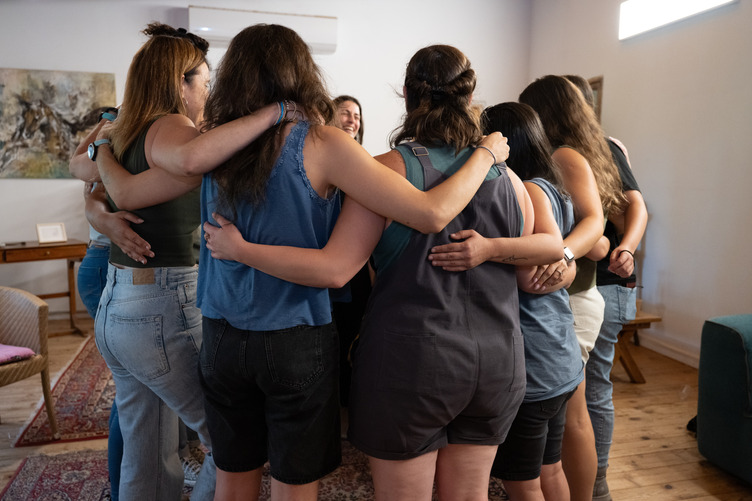
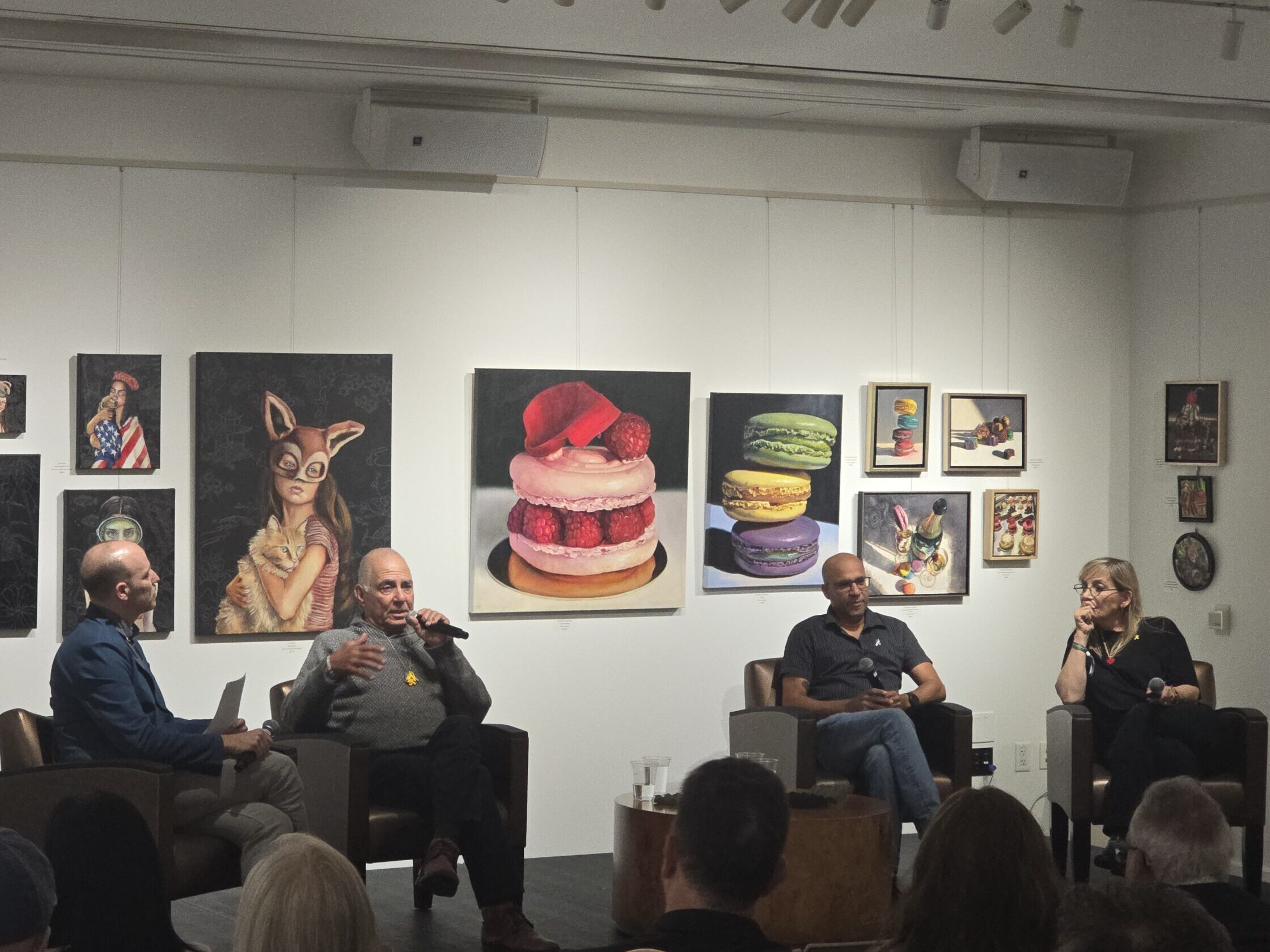
Earlier this month, I had the privilege of attending a powerful event at the Bender JCC featuring three remarkable individuals with deep, personal ties to Kibbutz Nir Oz:

  • Gadi Moses, the oldest living hostage to return from captivity, spoke about his experience of 482 days in captivity.
  • Nir Metzger, whose father was murdered in captivity and whose mother was taken hostage and later released, spoke about the idyllic life on the kibbutz and how it was shattered in an instant on October 7.
  • Emi Palmor, former Director General of Israel’s Ministry of Justice and now leading Nir Oz’s rehabilitation efforts, spoke about the challenging yet hopeful process of rebuilding the kibbutz, describing it as “the most important Zionist act of our time.”

Their stories were different, but the message was clear: after unbearable loss, the focus is on moving forward and rebuilding. The clearest example came with Gadi’s release from captivity, when his first message was simple and powerful: ‘I will do everything I can to rebuild Nir Oz.’ I left thinking not only about the horror of that day, but about the resilience it takes to rebuild trust, community, and a true sense of belonging from the ground up.

This conversation was part of Kesher Nir Oz, a grassroots partnership between members of our community and the survivors and leaders of Kibbutz Nir Oz, launched by lay leaders from Congregation Beth El, B’nai Israel, and Ohr Kodesh. It is heartwarming to see such busy people dedicate so much time and energy to sustaining this relationship.

Through Federation’s Local Israel Engagement work, we aim to help nurture such efforts alongside community leaders, recognizing just how powerful these people-to-people ties can be. These relationships don’t just show support—they help stitch our people back together. And that work is far from over.

We were honored to help bring a delegation from Nir Oz to visit our community last year, and now our conversations with Kesher Nir Oz continues. The potential is tremendous, and the need for healing, presence, and partnership is urgent.

If you know of (or are part of) a similar initiative between a DMV-area congregation or organization and a community or project in Israel, I’d love to hear from you. Email me at udi.eitan@www.shalomdc.org.

Related posts

What Gives You Hope?

Some may find this surprising, but Yom Kippur is the Jewish holiday that leaves me feeling the most hopeful. I think it’s that the process of reflection and atonement always seems to end on a high note. I don’t know anyone who doesn’t close out Yom Kippur vowing to do more to live up to their values. That we conclude this solemn beat in the Jewish calendar eager to be more present, more loving, and more patient is incredibly moving.

This year, I’m getting a jump on things because I’m already in a hopeful mood. I say this even as our community, and our country, continue to grapple with significant challenges. Lately, I have been thinking about how tempting it’s become to give into division. We think differently about Jewish identity, Israel, partisan politics, philanthropic priorities, and so much more. And the siren call to reject the people who disagree with us has been growing louder.

But here’s where that hope comes in: I believe that as a Jewish community we can handle almost any issue that arises. We have repeatedly proven this capacity over millennia. That’s what makes Yom Kippur—and Jewish tradition more broadly—so compelling. We are called not only to take responsibility for our individual actions and inactions but also those of our community and the Jewish people. We are asked to embrace our collective responsibilities as we work to strengthen the Jewish future and serve as a force for good in the world.

No doubt the coming year will continue to challenge us in ways large and small. We may struggle with significant questions that define what it means to be a vibrant Jewish community. We may even debate core ideas of what it means to be Jewish or live a Jewish life. And throughout these struggles, we may find ourselves lingering in discomfort as we engage with differing perspectives and work together towards shared goals. But even as we do this work, I am confident our wisdom and our bonds will hold. The Jewish people are built for these times. Our community is built for these times. I am more hopeful than ever that we will not only navigate what’s ahead but blaze a trail toward something brighter.
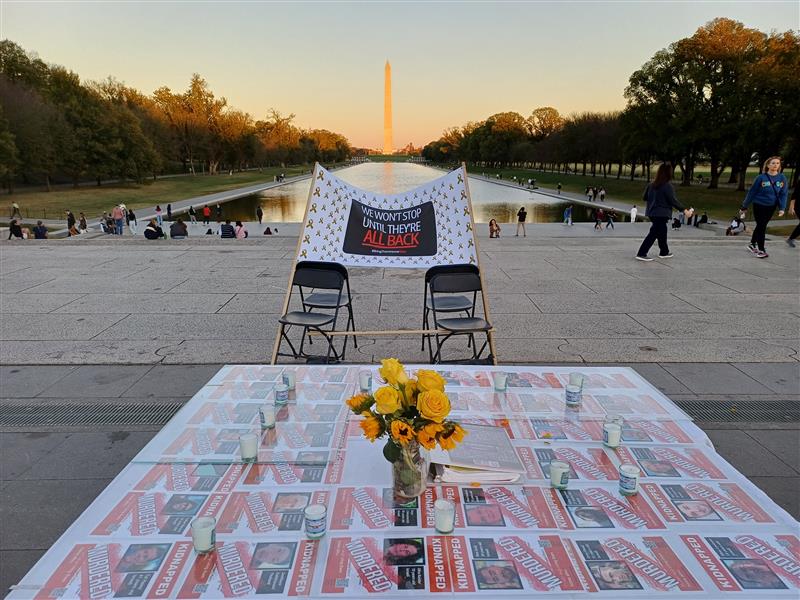
And now, I want to ask: What gives YOU hope? If you have a minute ahead of the holiday, drop me a line and let me know where you see glimmers of good.

Related posts

Why this moment feels familiar Why this moment feels familiar
Why this moment feels familiar
As institutions increasingly single out Jews and demand ideological conformity, Jewish educators and communities face a difficult question: will the price of belonging become denying our identity? We must push back against antisemitism and protect the Jewish and universal values we have long fought to uphold.
read more

L’Chaim: The Power of Showing Up Together

L’Chaim: The Power of Showing Up Together

When Women’s Philanthropy set out to create a signature gathering for the Lions of Judah community, the goal was simple but ambitious: to build something that felt both celebratory and essential. A space to honor stories. A moment to deepen connections. A tradition worth beginning.

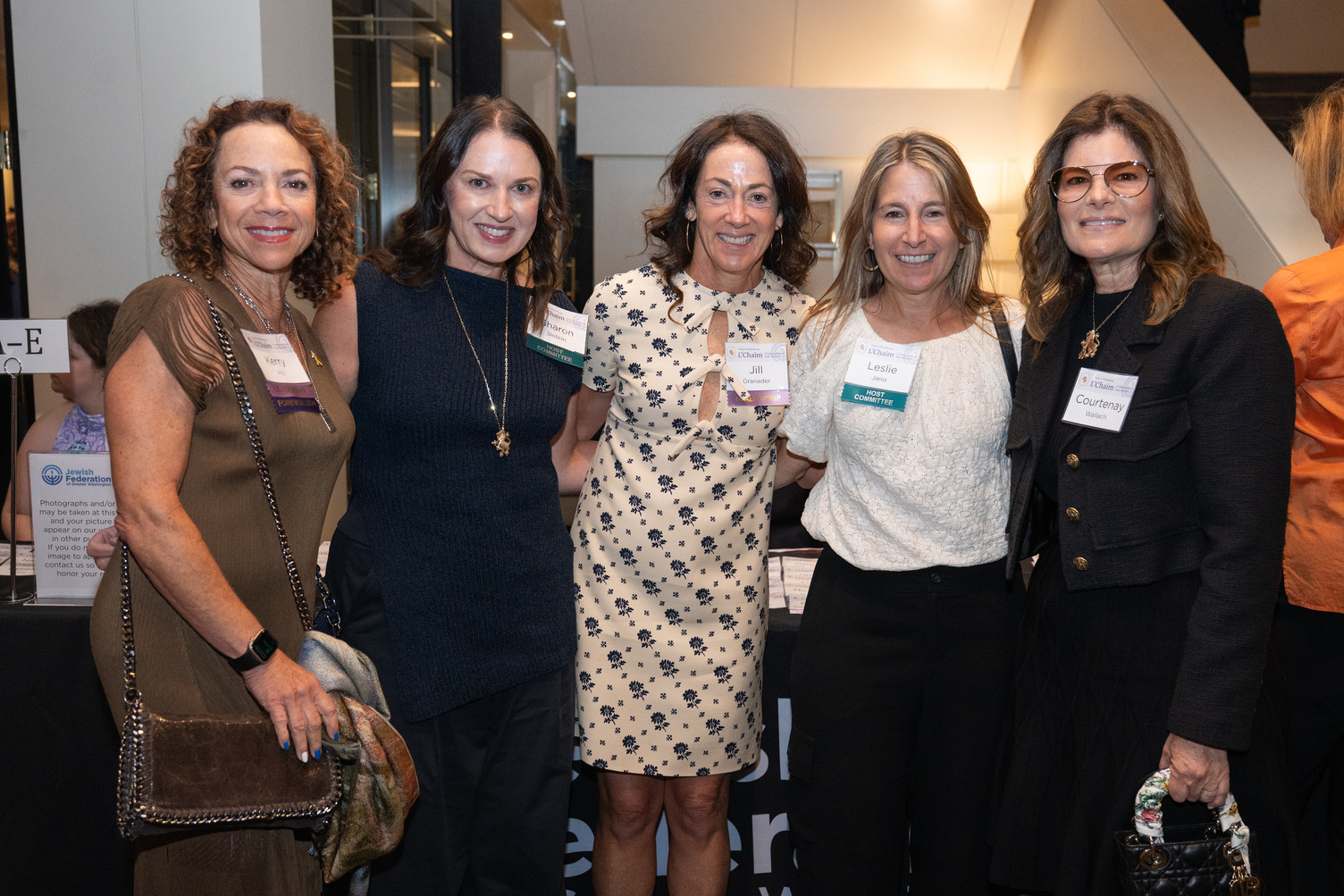
Held at the Four Seasons in Georgetown, this inaugural event on Monday, September 15, brought together more than 150 women for a morning of inspiration, reflection, and connection. More than a brunch, L’Chaim was a powerful reminder of what happens when women gather with intention. When leadership meets legacy. When stories are shared freely, and futures are shaped collectively.

From Welcome to Why

You could feel it immediately. It was a celebration of shared values, lived leadership, and the power of women’s philanthropy to shape our community.

Co-Chairs Yvonne Schlafstein Distenfeld and Irene Sherman set the tone: this wasn’t a day to sit back—it was a day to reflect, to honor, to energize.

Yvonne shared:

“There’s something truly powerful about bringing so many women together in one room—it’s inspiring every time. I’m in awe of the energy, strength, and spirit of being surrounded by such extraordinary women!”

Stories That Moved Us

Two individuals seated and engaged in conversation under purple and blue lighting, with a small table and flower bouquet between them, one holding a paper and the other gesturing. Wendy Sachs, our guest speaker, took the stage with a lens into her world and her work as director and producer of the documentary, October 8, and her view of what it means to be a woman showing up in today’s world. Her stories didn’t just highlight antisemitism, they challenged us to consider how we use our voices, our resources, our courage.

Her message resonated deeply with the room. One Lion said:

“Wendy Sachs was so eloquent and inspiring and I loved hearing her speak. I was impressed how she talked about her audience being a global one (which we certainly need).”

Another Lion added:

“Wasn’t Wendy Sachs amazing? She was just as engaging and interesting as she could be.”

A Story Close to Home

Speaker at a podium with a microphone, presenting in front of purple and gray curtains, with a sign reading "Jewish Federation of Greater Washington." Among the most moving moments of the morning came when Marianna Ashin, Lion of Judah Chair, stood to share her personal journey—from a young refugee arriving in the U.S. to a proud Jewish leader helping others write their own Federation stories.

Marianna spoke of leaving everything behind in 1989; her home, her extended family, and her familiar world in Kyiv. She recalled standing on a train platform with her parents and brother, holding only a pair of suitcases and an unwavering sense of Jewish identity.

“While we may have made a leap of faith by getting on that plane,” she said, “Federation was there to catch us when we landed at JFK.”

The room was quiet as she described how Federation gave her family not just resources, but dignity: language classes, job support, school supplies, summer camp. A kitchen full of groceries. A Jewish home in a new land.

“The Jewish Federation didn’t just help us get by. You helped us imagine what could come next, and gave us the tools to pursue.”

Her story reminded everyone in the room exactly why their giving matters.

“Without Jewish Federation. Without you. I am not here—standing in front of you. Sharing my story.”

The Strength in the Room

What made the morning unforgettable wasn’t just the speakers or the setting; it was the women who filled the room. Each one carrying a legacy of giving, each one committed to community.

“It was fun to connect with old friends and also meet new ones,” said one Lion. “What a spectacular event!”

Another reflected on what made the gathering so meaningful:

“I am so glad I came today! It was a beautiful event, and I learned so much from the stories that the women told.”

A Moment, A Movement

L’Chaim was about the quiet confidence that comes from standing shoulder to shoulder with women who believe in tikkun olam, repairing the world, and who act on that belief every day.

“This event was a huge success,” one Lion shared. “It has all the markings of a program to have every year before the holidays.”

Thank You

20250915_LionofJudahBrunch_4 To all who joined us, thank you. Your stories enriched the fabric of our community. And your leadership, quiet or bold, helps move Jewish Greater Washington forward.

We are grateful to our host committee, our Women’s Philanthropy leaders, our Co-Chairs, and all who brought their time, energy, and commitment to this celebration.

If you’d like to learn more about the Lions of Judah giving society, please contact us.

Related posts

Why this moment feels familiar Why this moment feels familiar
Why this moment feels familiar
As institutions increasingly single out Jews and demand ideological conformity, Jewish educators and communities face a difficult question: will the price of belonging become denying our identity? We must push back against antisemitism and protect the Jewish and universal values we have long fought to uphold.
read more