Open More Possibilities. Join a community of donors shaping the future of Jewish life.

Peace of Mind Starts Here

Peace of Mind Starts Here

Jewish Federation of Greater Washington Announces Additional $376,200 in Security Allocations to Local Jewish Communal Organizations

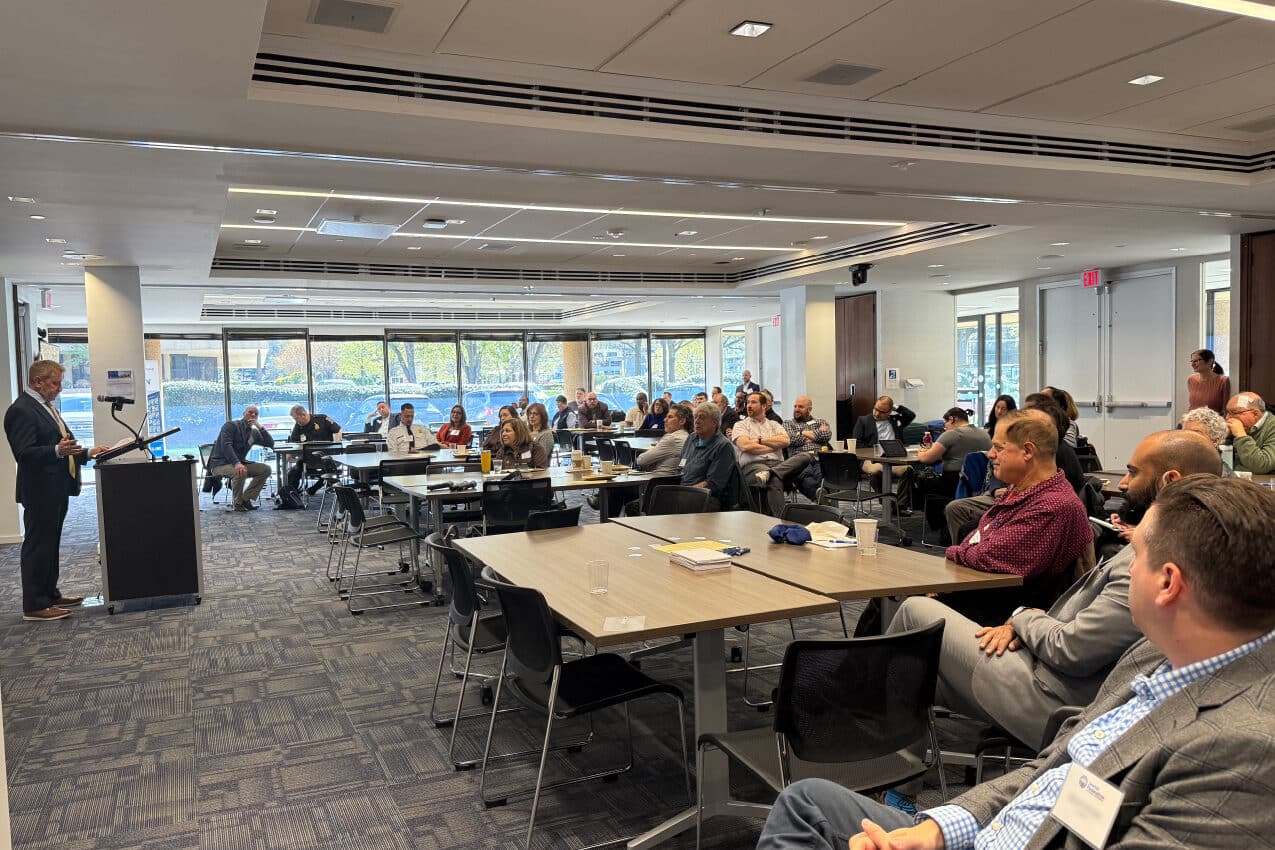
In response to the alarming rise in antisemitic incidents and the growing need for enhanced protection across the region, the Jewish Federation of Greater Washington (JFGW) is distributing over $375,000 to support the urgent security needs of more than 30 Jewish organizations in the Greater Washington area. This allocation follows the July distribution of more than $460,000 for the same purpose.

These funds will enable organizations to increase security personnel and strengthen high-priority infrastructure, such as cameras and fences, amid an intensified threat environment, including the tragic attack at the Capital Jewish Museum in Washington earlier this year.

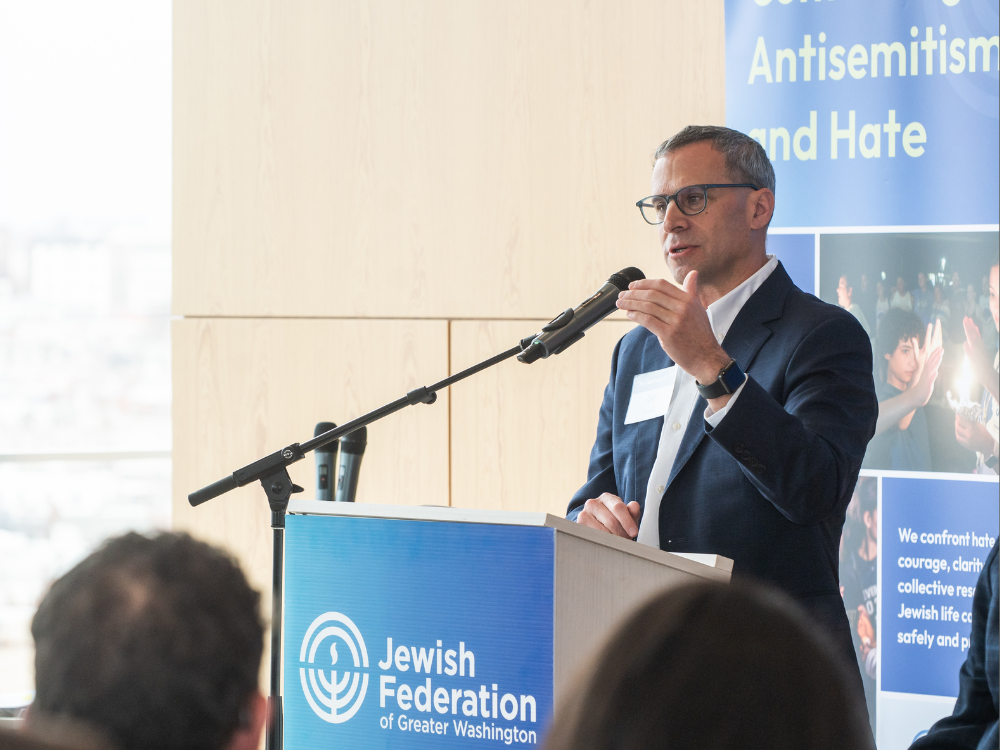
“Federation stands with our community in this moment of heightened anxiety and rising costs,” said Joel Frankel, Senior Director of Community Capacity Initiatives. “We know these funds won’t erase the threat we face, but they will ease the burden on Jewish communal institutions and give them greater freedom to focus on their mission—knowing we’re working together to safeguard Jewish life, learning, and connection in our region.”

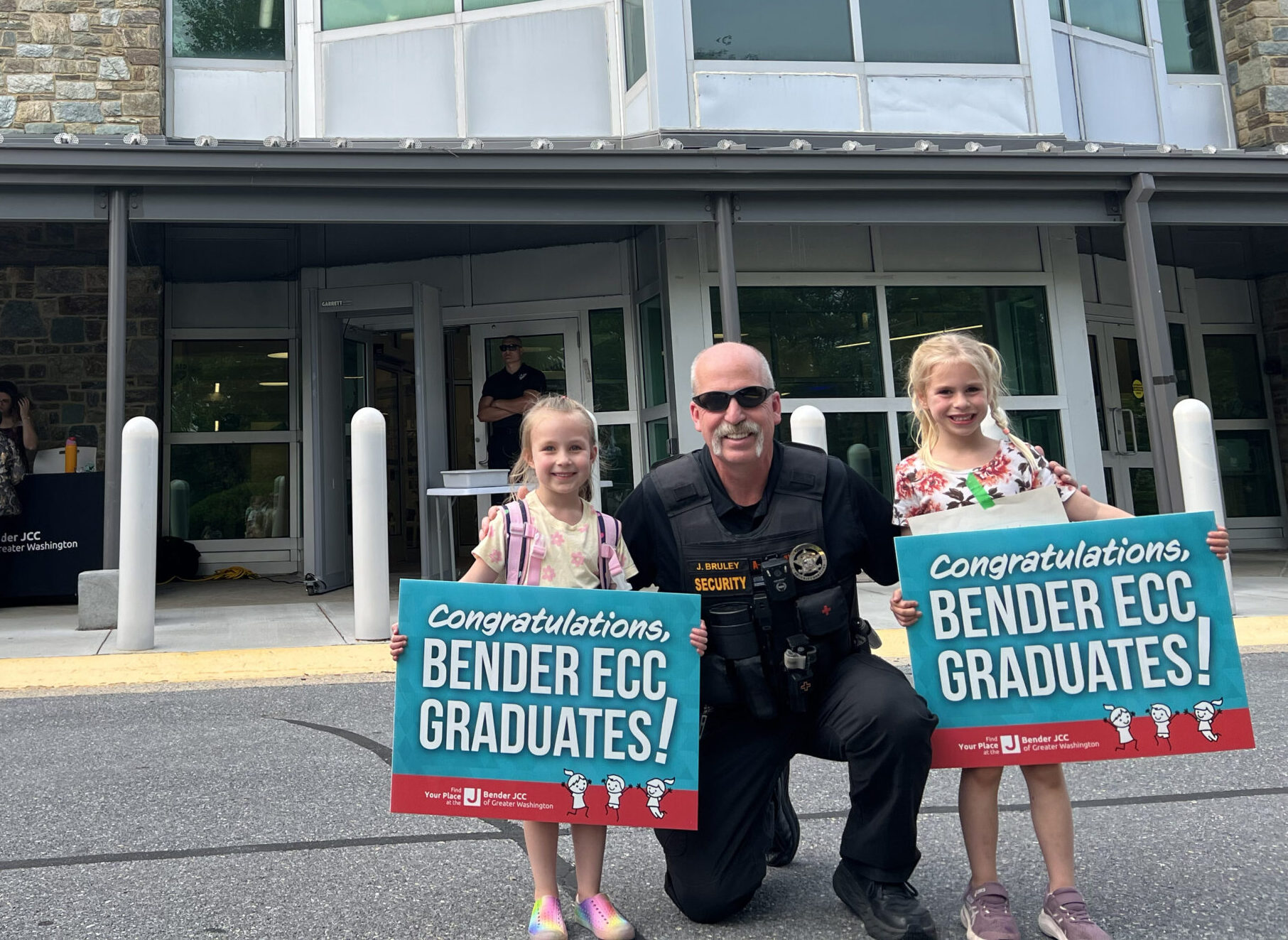
These allocations are in addition to the nearly $170,000 Federation is distributing to local early childhood education facilities in partnership with The Tepper Foundation’s national Emergency Security Fund, awarded through Jewish Federations of North America.


Related posts

Why this moment feels familiar Why this moment feels familiar
Why this moment feels familiar
As institutions increasingly single out Jews and demand ideological conformity, Jewish educators and communities face a difficult question: will the price of belonging become denying our identity? We must push back against antisemitism and protect the Jewish and universal values we have long fought to uphold.
read more

Holding on to Who We Are

Holding on to Who We Are

I am not exactly sure what got me started, but I’ve been working my way through a self-assigned reading list on antisemitism. I started with Anti-Judaism: The Western Tradition by David Nirenberg (a bit dense for extracurricular reading). Next up was People Love Dead Jews: Reports from a Haunted Present by Dara Horn (wonderfully written and thought provoking). And now I’m onto the newest publication, Antisemitism, an American Tradition by Pamela Nadell, a history professor at AU.

I am still wrapping my mind around the takeaways, but thus far I’ve been struck by a chapter from Horn’s work. She points out the story we all hear about Ellis Island registrars intentionally or inadvertently adjusting the names of Jewish immigrants as they made their way through a harried intake process is, in fact, a Jewish myth.

The truth, Horn explains, is that Jewish immigrants made deliberate choices to Americanize their own names soon after their arrival to avoid discrimination and improve their job prospects—an urgent consideration in turn-of-the-century America. Jewish immigrants needed to make a new life for themselves and their families, and they knew the better they were at publicly masking their Judaism, the easier it would be.

Thus began a delicate American Jewish tradition of maintaining our Jewish identities while doing what we could to fit in. Up until now, I thought this dance was a thing of the past. Obscuring names and associations and forgoing outward expressions of Jewish faith seemed to me like the stuff of history books. After all, I’ve grown up during an era of American Jewish flourishing. That we might be back here, putting a baseball cap over our kippahs or quietly removing Jewish indicators on our LinkedIn has caught me by surprise.

In 2023, Hillel found that 1 in 3 Jewish college students hid their identity after October 7. And last week, the Washington Post published results from a September poll that found in the past year, 42% of Jewish Americans avoided publicly wearing, carrying, or displaying anything that might help people identify them as Jewish. Discouragingly, younger Jews were more likely to say they avoided displaying Jewish symbols—53% of those under age 35—than older groups.

After my deep dive into antisemitism’s history, I have a much greater understanding of how deeply embedded antisemitism is in our societies, and therefore how hard it can be for a community to try and fit in and fight antisemitism simultaneously. Embracing and relishing our Jewish identity and being sober minded about the state of antisemitism in America, and indeed the world, all feel like nonnegotiables.

That’s why I’m resolved that we must not cede either goal. We can double down on our work to strengthen our Jewish identities even as we make real-world adjustments to account for our safety. Hate may force us to make compromises or short-term sacrifices, but it must not define who we are or diminish our commitment to Jewish life. We owe it to generations past and future to continue fighting antisemitism and the hatred that would see us limit our Jewish expression. The current growth in hate cannot continue. Confronting it must be a central priority for our Jewish community.

Related posts

Why this moment feels familiar Why this moment feels familiar
Why this moment feels familiar
As institutions increasingly single out Jews and demand ideological conformity, Jewish educators and communities face a difficult question: will the price of belonging become denying our identity? We must push back against antisemitism and protect the Jewish and universal values we have long fought to uphold.
read more

Together, Rising to the Moment 

Together, Rising to the Moment 

Federation and JCRC Advance Jewish Life in Greater Washington

In a year marked by rising antisemitism, contested narratives in classrooms, and growing pressures on civic spaces, the Jewish Community Relations Council (JCRC) of Greater Washington has been a steady force—speaking up, showing up, and strengthening the public voice of Jewish Greater Washington.

Across DC, Maryland, and Virginia, the JCRC represents more than 100 synagogues, agencies, and organizations. They advocate for a strong U.S.–Israel relationship, protect the safety and rights of Jewish institutions, challenge misinformation in schools, and build meaningful partnerships across faith and civic lines.

As Federation drives long-term investment in Jewish life across Greater Washington, the JCRC leads our community’s advocacy in the public sphere. Together, we’re advancing a shared commitment to safety, resilience, and the values that sustain Jewish life—through distinct roles, and with deeply aligned purpose.

On Wednesday, October 29 at 6:00 PM in Rockville, the JCRC will host its Annual Gala, honoring:

  • Eva Davis (Distinguished Service Award)
  • June and David Trone (Breslau–Goldman Award)
  • Behn Dayanim (Sara and Samuel Lessans Community Leadership Award)

Co-chaired by Eilleen Filler‑Corn and Bambi Kramer, the evening will spotlight leaders who model what it means to act with courage, clarity, and commitment, especially in moments that demand all three.

This is a moment for all of us to show up for the people and partnerships strengthening Jewish life and a chance to recognize the leadership guiding us through challenge and change. We’re honored to stand with the JCRC in this work, and to celebrate the impact we’re making together toward a shared vision of Jewish Greater Washington that is strong, secure, and deeply connected.

Related posts

Why this moment feels familiar Why this moment feels familiar
Why this moment feels familiar
As institutions increasingly single out Jews and demand ideological conformity, Jewish educators and communities face a difficult question: will the price of belonging become denying our identity? We must push back against antisemitism and protect the Jewish and universal values we have long fought to uphold.
read more

A Time to Sob, and a Time to Dance

A Time to Sob, and a Time to Dance

As we welcome home the living hostages, we ready ourselves for the work of healing

This has been an emotional week. Earlier today, I watched a clip of Rachel Goldberg-Polin, mother of Hersh Goldberg-Polin who was kidnapped and executed by Hamas, address a crowd of hopeful Israelis ahead of the hostage release. She summed up the moment beautifully by referencing Ecclesiastes. “There is a time to sob and a time to dance, and we must do both right now.”

It’s true, a lot must happen in this moment. This is a good time to breathe a sigh of relief and indulge in the joy of welcoming home the living hostages. It’s also a good time to ready ourselves for the work ahead as we set about to end one phase and begin another.

I am trying to remain optimistic that we are seeing the faint lights of a brighter future for both Israelis and Palestinians emerge. Still, what happens next is an open question. As of today, many hostage families are still waiting on the return of their loved ones’ remains. Israelis are continuing to navigate layers of trauma. And Palestinians are facing the immense task of rebuilding their lives under the cruel returned control of Hamas. Healing, addressing antisemitism and anti-Israel sentiment, and exploring new possibilities for the Middle East region are all on the table.

While we cannot control the future dynamics of the Middle East, Federation will be there for Israelis as they find their way back to a new normal. Later this month, Zohar Livne Mizrahi, Secretary General of Kibbutz Re’im—located beside the Nova music festival site—will visit our community. Federation is partnering with Kibbutz Re’im as its residents rebuild their homes and their lives after October 7.

For those interested in learning more, join us for a conversation with Zohar Livne Mizrahi on October 31, featuring stories of resilience and recovery, and an optional VR experience that brings survivor testimonies to life. You can learn more here.

We will keep you posted on additional ways to be involved in Israel’s recovery efforts. We also remain committed to helping Jewish community members form personal connections with Israel that transcend moments of crisis. Our friendship is about being there for each other in times of need and also about growing together in joy and possibility.

Finally, as we close out this roller coaster week, I want to acknowledge the work of the hostage families and their hardworking supporters, including those in our own community. Even in the throes of fear and grief, friends and family of the hostages pushed themselves to keep us all focused. Their tireless and courageous efforts helped bring the living hostages home. The hostage families are Jewish heroes. I am praying their tenacity becomes part of the Jewish inheritance and a precursor to more dancing.

Related posts

Why this moment feels familiar Why this moment feels familiar
Why this moment feels familiar
As institutions increasingly single out Jews and demand ideological conformity, Jewish educators and communities face a difficult question: will the price of belonging become denying our identity? We must push back against antisemitism and protect the Jewish and universal values we have long fought to uphold.
read more

A Moment of Homecoming, Hope, and Healing

A Moment of Homecoming, Hope, and Healing

As hostages return home, we hold space for relief, grief, and the long road to renewal ahead.

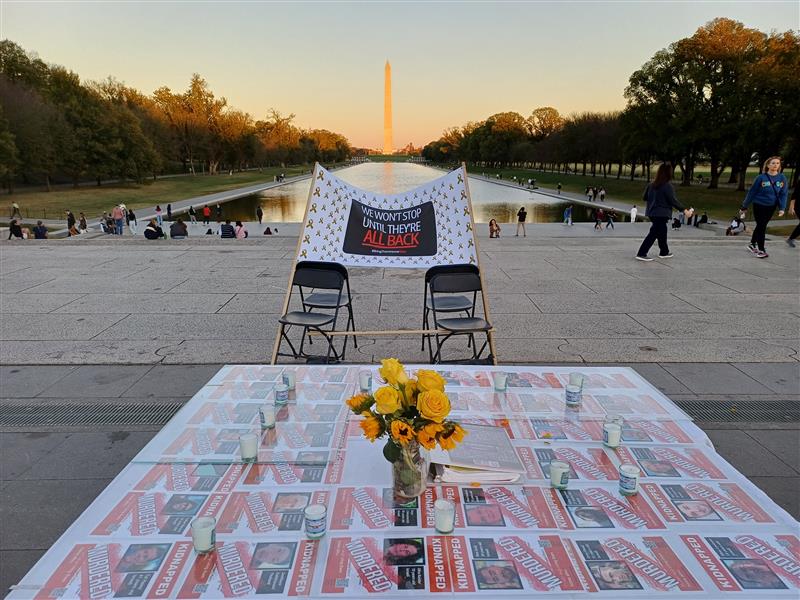
This morning, Israel confirmed the release of all the remaining living hostages taken on October 7, 2023, as part of the ceasefire agreement. While we wait, with sorrow and hope, for the remains of the other hostages expected to be returned, we celebrate a moment we have prayed and hoped for: many who were taken so brutally by Hamas are finally home.

For families who have waited in fear and uncertainty for 737 days, this is a profound turning point. We exhale in relief, renew our commitment to the work ahead, and lean into hope for a Jewish future free from the darkness that has unfolded since that day in October.

We express deep gratitude for the Hostages and Missing Families Forum, whose tireless advocacy has inspired us all, and for the Nova Tribe, whose courage and creativity through the Nova Music Festival Exhibition this past summer helped our community remember and heal.

We welcome home those returning, and we stand with the families of the missing, still caught in agonizing limbo, and with the families waiting to receive the remains of their loved ones.

We can never fully comprehend what survivors and the families of those lost or held hostage have endured. The weight of their grief, fear, and trauma is beyond measure. Yet as a community, we share in the sacred work of carrying that burden together. May the memories of those we have lost be for a blessing.

This moment also brings immense sorrow as we mourn the loss of Roei Shalev, a survivor of the attack at the Nova Music Festival, who took his own life just days ago, two years after watching Hamas murder his girlfriend. His passing is a devastating reminder of the invisible wounds so many still carry—pain that is deep, relentless, and far from over.

In the tender days ahead, our purpose remains clear: to show up for one another, to support the families still waiting, and to remain steadfast in our commitment to Jewish life, the people of Israel, safety, and Jewish peoplehood here in Greater Washington and around the world. Today’s homecoming and the long work of recovery stand side by side.

Healing, both personal and collective, takes time, care, and each of us choosing compassion again and again. But there is nothing we can’t overcome when we show up for one another, hold each other close, and remind every person that they are not alone in their anguish or in their healing.

May this moment mark the beginning of a broader return—not only of the hostages, but of healing and renewal for us all.

With deep gratitude,

Robin Hettleman Weinberg
President, Jewish Federation of Greater Washington

Gil Preuss
CEO, Jewish Federation of Greater Washington

Related posts

Why this moment feels familiar Why this moment feels familiar
Why this moment feels familiar
As institutions increasingly single out Jews and demand ideological conformity, Jewish educators and communities face a difficult question: will the price of belonging become denying our identity? We must push back against antisemitism and protect the Jewish and universal values we have long fought to uphold.
read more

When Hate Shows Up in the Classroom, Federation Shows Up for Teachers

When Hate Shows Up in the Classroom, Federation Shows Up for Teachers

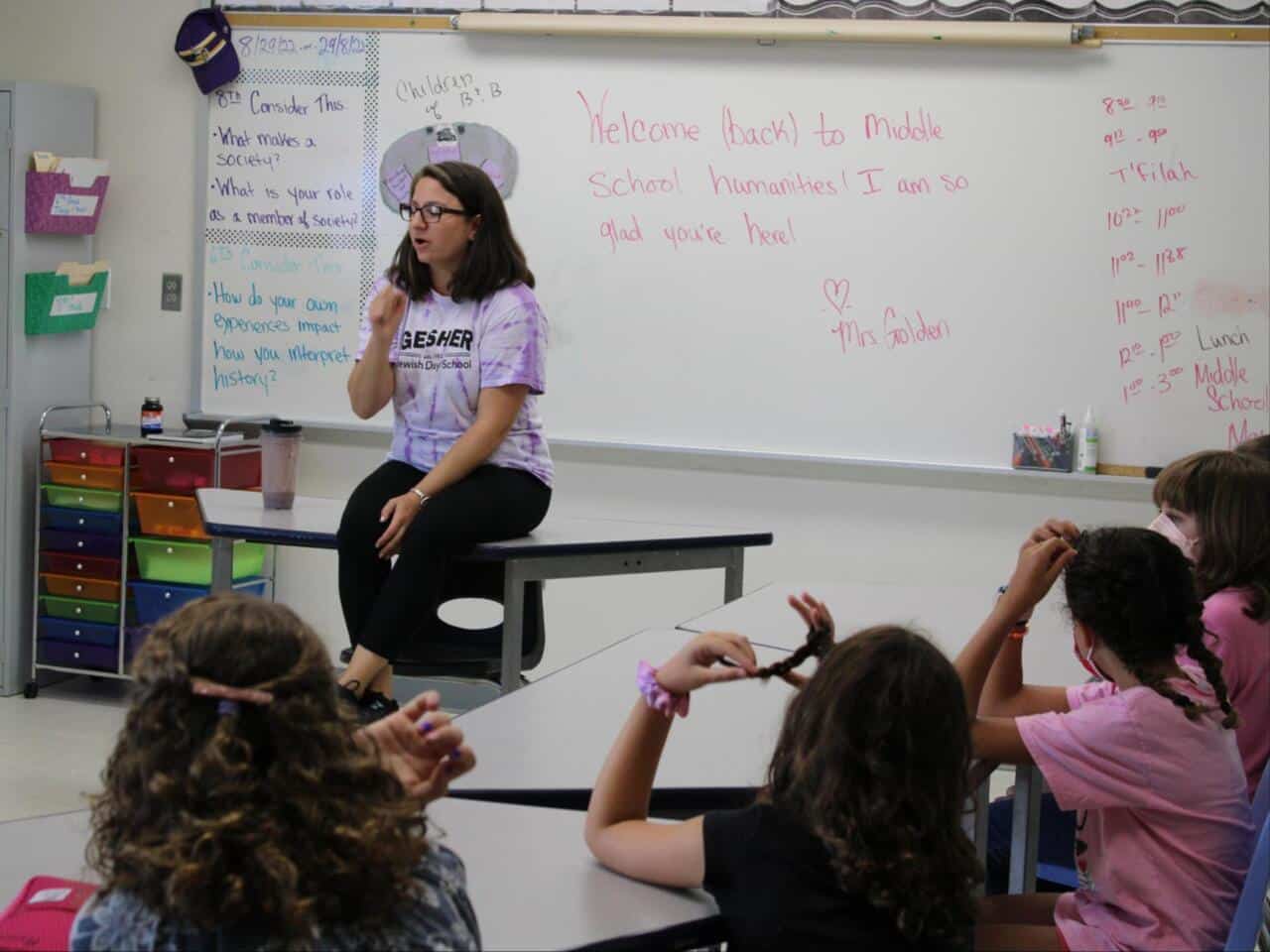
In classrooms across Greater Washington, antisemitism isn’t abstract. It shows up in hallway slurs, social media posts, and in the hard questions students bring to class. Teachers are on the front lines of these conversations—often without the necessary tools to respond.

This is more than a challenge; it’s a turning point. If we want to shape Jewish life and protect our community, we have to start where prejudice takes root: in education. This summer, The Jewish Federation of Greater Washington helped bring Facing History and Ourselves (FHAO) back to DC for its first in-person Holocaust education seminar since before the pandemic.

Responding to an Urgent Need

At the University of the District of Columbia, more than 20 middle and high school educators from public, private, and Jewish day schools came together for four days of intensive learning. Using FHAO’s Holocaust and Human Behavior curriculum, they examined how propaganda spreads, how restrictions accumulate, and how silence allows hate to grow—lessons with chilling relevance for today’s classrooms.

They also practiced strategies to create trust and build classroom environments where difficult questions aren’t avoided but explored. “If teachers don’t believe they can do it, they won’t,” explained Jeremy Nesoff, FHAO’s Senior Director for District Partnerships. “Our goal is to give them the confidence, strategies, and resources to guide their students toward empathy and responsibility.”

Impact That Multiplies

Each teacher reaches dozens of students every year. Multiply that across a classroom, a school, a district—and one Federation investment this summer could change how thousands of young people learn to recognize and confront antisemitism. The impact doesn’t stop in one room; it spreads into every hallway and community those students touch.

For the teachers, the effect was immediate:

“The work that’s being done here will transform not only my community but all of our schools across the country.”

“This seminar allowed me to grapple with my own understandings and will allow me to grow as an educator and an individual.”

According to survey responses, every participant left better prepared to address antisemitism; 95% said the experience deepened their commitment to teaching; and all reported greater confidence in responding to antisemitism in their schools.

A Catalyst for Change

This summer seminar was more than just bringing FHAO back to DC—it created momentum for what comes next, laying the groundwork for district-wide training in Loudoun County and sparking conversations with DC Public Schools. FHAO is also exploring expansion into Prince George’s, Anne Arundel, and Prince William counties. “Working with knowledgeable expert partners, like Federation, who are plugged into the community is such a key for us,” said Nesoff. “Federation helped us open doors.”

Joel Frankel, Federation’s Senior Director of Community Capacity, added:

“Our funding for FHAO is one example of how we’re supporting parents and students in the fight against antisemitism in schools. Next year, we plan to bring together all our partners in this space—including FHAO, Jewish Community Relations Council (JCRC), American Jewish Committee (AJC), and Anti-Defamation League (ADL)—to build on the relationships they’ve developed over time.”

Preparing Students for More Than Academics

Students in the DMV are returning to more than math and reading. They’re also navigating questions of belonging, justice, and identity. Thanks to your support, nearly two dozen teachers now have resources like FHAO’s Back to School Toolkit to create classrooms where every student feels safe to learn and engage.

In a moment when antisemitism feels more present than ever, we’re ensuring teachers—and the thousands of students they reach—are ready not just to teach but to help young people think critically and stand up to hate.

Related posts

Why this moment feels familiar Why this moment feels familiar
Why this moment feels familiar
As institutions increasingly single out Jews and demand ideological conformity, Jewish educators and communities face a difficult question: will the price of belonging become denying our identity? We must push back against antisemitism and protect the Jewish and universal values we have long fought to uphold.
read more

JShield Trainings Strengthen Our Community Partners

JShield Trainings Strengthen Our Community Partners

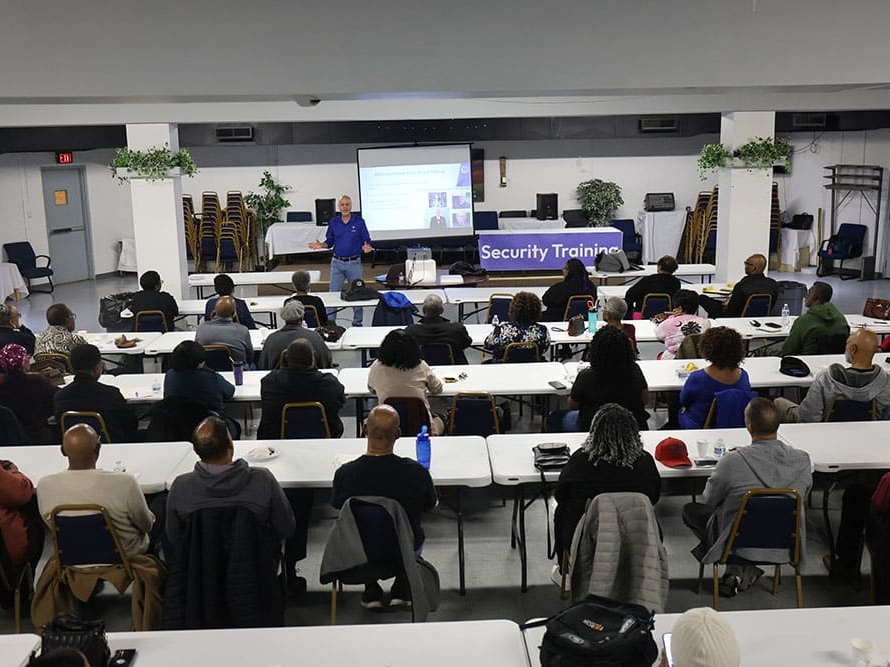
For Taylor M, a congregation administrator in Ashburn, the start of the school year and High Holidays once felt overwhelming. “These sessions are basically a checklist of the best ways to keep people safe during this time when they have other things on their mind,” Taylor shared.

This past Sunday in Fairfax, Taylor joined dozens of others in person and online from across Northern Virginia (and even as far as Blacksburg!) for one of JShield’s annual security trainings.

Northern Virginia is one of the fastest-growing centers of Jewish life in Greater Washington. But with congregations and schools spread across a vast geography, keeping everyone connected and secure comes with unique challenges. JShield’s presence in Northern Virginia brings tailored support, with a dedicated Community Security Advisor, meeting leaders where they are, ensuring no one face security concerns alone.

The back-to-school and High Holiday seasons are among the busiest for Jewish institutions across our community. These annual JShield trainings are just one of the ways JShield shows up as a thought partner, trusted resource, and expert guide—helping make even the most overwhelming scenarios feel manageable.

As Bob Green, Security Committee Member at Temple Beth Torah in Chantilly, explained:

“JShield has already vetted the tools and resources, and I can leverage them instead of starting from scratch. It’s a centralized repository of truth.”

Empowering Leaders Through Expertise

Taylor had no background in security or grants. But with JShield’s guidance, she successfully completed a Nonprofit Security Grant application. “I probably would not have lasted in my job as long as I have without JShield,” she said. Over time, repeated trainings became part of her preparation routine—especially before the High Holidays.

Together, We Are Prepared

For our community, safety is not a one-day effort. JShield’s year-round work gives leaders in Greater Washington the confidence to open their doors without hesitation, knowing they have the training, expertise, and community behind them. In an era of rising antisemitism, that shared strength makes all the difference.

Join JShield for the Final Back-to-School and High Holidays Training Session

Our final training of the season will be held on Thursday, September 7, in Washington, DC. This session will equip you with practical tools and peace of mind—so that you and your organization can face the future with strength and confidence.

Can’t make it to this final training, but have questions for our security experts? JShield is here 365 days a year.

Related posts

Why this moment feels familiar Why this moment feels familiar
Why this moment feels familiar
As institutions increasingly single out Jews and demand ideological conformity, Jewish educators and communities face a difficult question: will the price of belonging become denying our identity? We must push back against antisemitism and protect the Jewish and universal values we have long fought to uphold.
read more

Prepared, Not Scared: Why JShield Trainings Matter More

Prepared, Not Scared: Why JShield Trainings Matter More

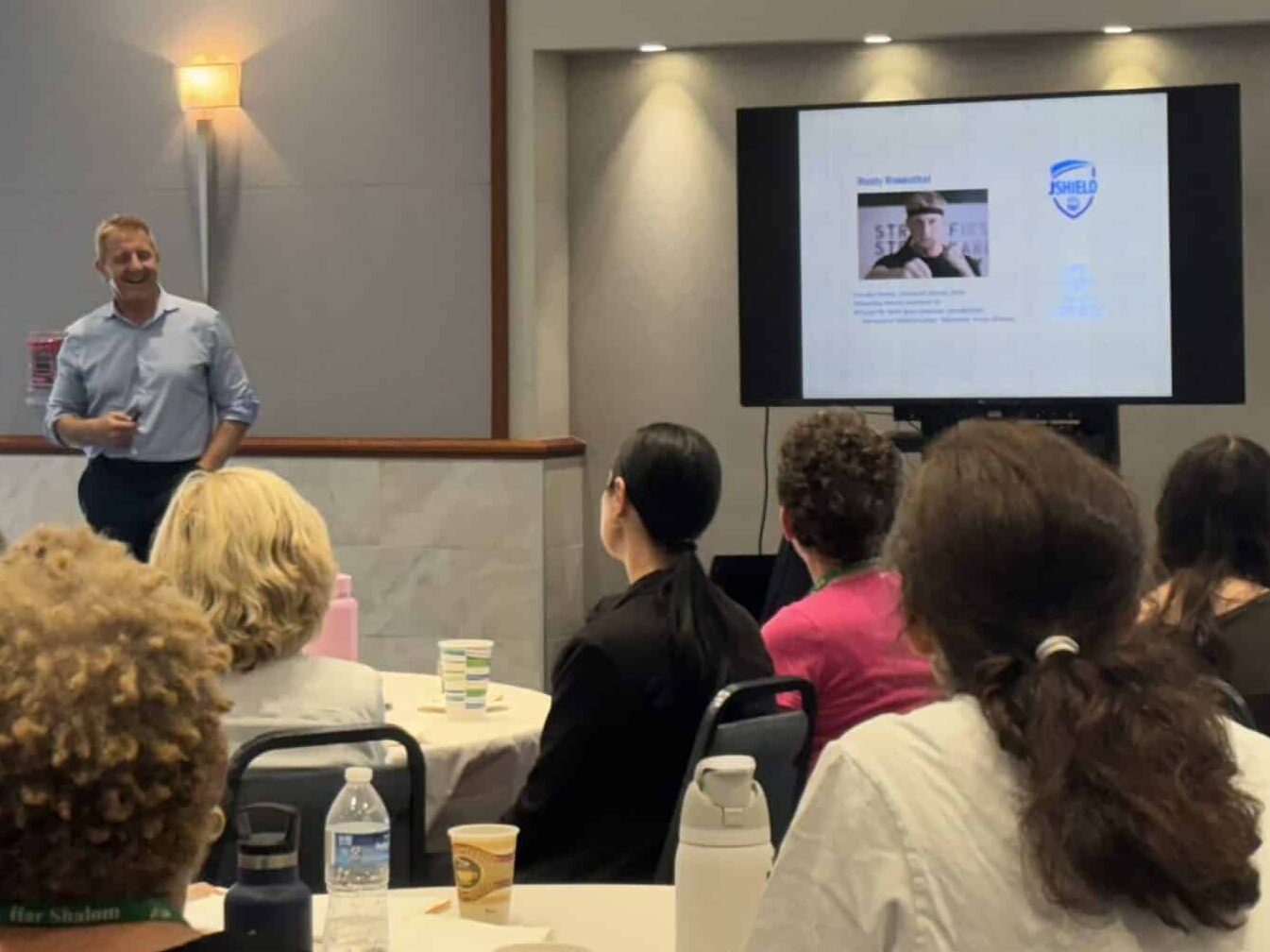
As the Jewish community of Greater Washington prepares for the High Holidays and the start of a new school year, safety and security remain a top priority. That’s why JShield—The Jewish Federation of Greater Washington’s security initiative—is once again offering community-wide trainings designed to empower participants, strengthen institutional readiness, and foster a shared sense of responsibility.

“The main reason we do the trainings around the High Holidays is because we’re aware that there are people who may be coming to synagogues or other institutions for the only time this year,” said Rusty Rosenthal, Federation’s Director of Security. “We re-emphasize situational awareness, active threat training, and the basics of how to report incidents.”

This year, the trainings will take place on:

  • Sunday, August 17
    6:00 PM
    Fairfax, VA
  • Sunday, August 24
    6:00 PM
    North Bethesda, MD
  • Sunday, September 7
    6:00 PM
    Washington, DC

Straying one step ahead

Each year, JShield develops its content to reflect the most current intelligence and incident reporting. The sessions are designed to highlight not only trends from the past year, but also practical steps that community members can take to feel more prepared and less vulnerable.

“The goal is to take this training so that you leave with a feeling of empowerment—so that we’re not helpless and we’re not just victims of our circumstances,” said Rosenthal. “It’s imperative that we take ownership and take responsibility for our own security.”

What sets these seasonal briefings apart is their broader reach. While JShield works year-round with executive directors, heads of school, and security personnel, the High Holidays are designed to welcome everyone—especially those who might not be affiliated with a specific institution.

“By engaging with institutions, we’re not necessarily engaging with the entire Jewish community of Greater Washington,” Rosenthal explained. “That’s why we host these sessions. We want to make sure everyone has access.”

JShield encourages institutions to share these opportunities widely. For those already coordinating private trainings for their schools or synagogues, these community-wide sessions offer an accessible alternative for anyone unable to attend a site-specific program.

Staying vigilant as antisemitism rises

Planning ahead is key. “You can’t put together a security plan three days before an event,” Rosenthal emphasized. “We always recommend involving JShield and your local law enforcement early so appropriate preparations can be made.”

While the threat environment remains elevated, JShield’s message is one of vigilance—not fear. “Absent any new information, there are no directed, targeted threats we’re aware of. Institutions should remain open and celebrate collectively,” Rosenthal said. “But we must do so with awareness.”

The trainings are open to everyone in the community. The deadline to register for each session is one week prior. The first training on August 17 will also be available virtually. To learn more and to register, visit our website.

Related posts

Why this moment feels familiar Why this moment feels familiar
Why this moment feels familiar
As institutions increasingly single out Jews and demand ideological conformity, Jewish educators and communities face a difficult question: will the price of belonging become denying our identity? We must push back against antisemitism and protect the Jewish and universal values we have long fought to uphold.
read more

Healing Together: Inside SafeHeart’s First Parent–Survivor Retreat

Healing Together: Inside SafeHeart’s First Parent–Survivor Retreat

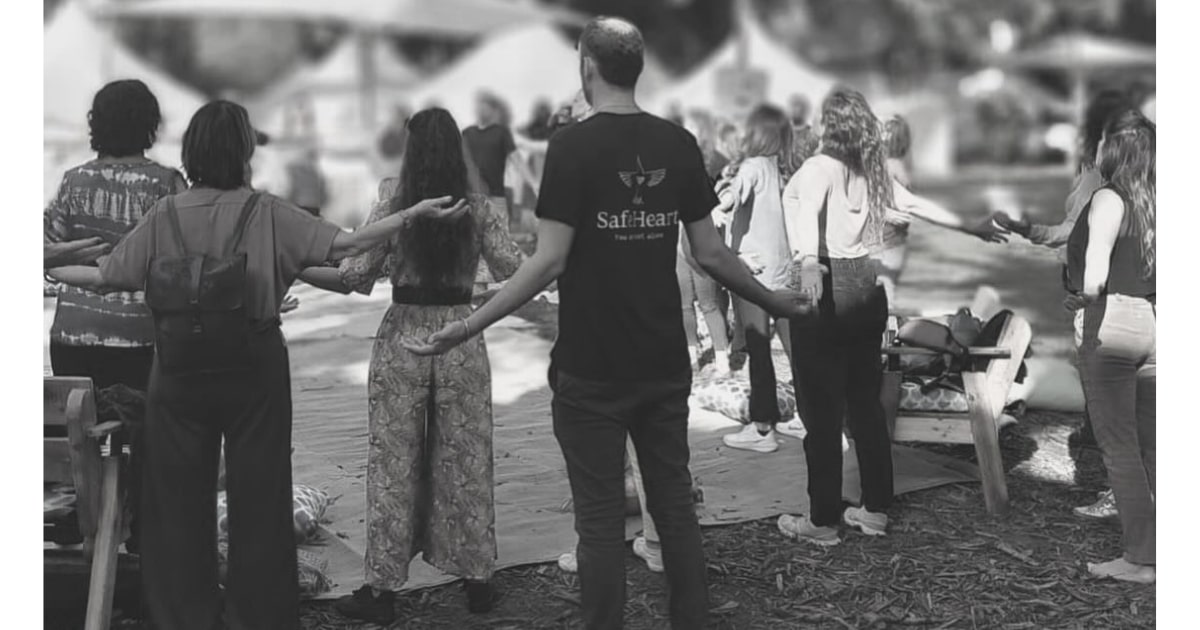
In April 2025, SafeHeart launched a groundbreaking new initiative as part of its Survivors’ Family Support Program: a Parent–Survivor Healing Retreat. Funded in part by The Jewish Federation of Greater Washington’s Israel Crisis Relief Fund, the four-day retreat brought 40 participants—festival survivors and their parents—to a peaceful setting in northern Israel for a shared, transformative healing experience.

This was the first retreat of its kind in Israel to offer therapeutic support to both survivors and their parents at the same time. By placing the family unit—not just the individual—at the center of recovery, SafeHeart created a protected space for families to begin seeing and supporting each other in new, healing ways.

One participant shared, “The retreat helped me understand where I am in my healing journey—and what I need to move forward from here.”

Facing Trauma, Together

Trauma rarely ends with one person. It ripples outward, touching every corner of a family. Survivors returned from unimaginable experiences to homes filled with love—and often, silence. Many parents carried quiet grief, unsure how to help. Words were missing. Connections were strained. Some families lived together but felt worlds apart.

“In just three days, I felt everything—love, grief, joy, fear, hope,” said one survivor, capturing the emotional depth of the experience.

Parents, many of whom put their lives on hold to care for their 20- and 30-something children, became caregivers and emotional anchors while processing their own pain without a roadmap.

One parent shared, “For the first time, I could truly listen to my daughter. I had heard her words before, but when I heard the same things from another survivor, something opened in me. I saw her differently.”

The retreat helped bridge those emotional gaps. Through parallel therapy tracks, guided joint sessions, and body–mind healing practices, both generations found a shared language for their pain—and a space to hold it together.

As another participant put it, “Meeting the young survivors reminded me what strength really looks like. They are my hope.”

Building Resilience Before the Storm

Unintentionally, the retreat also became a source of strength for what came next. In the weeks following the retreat, rising security tensions in Israel forced many survivors to return home once again. This time, families were more prepared. The emotional groundwork they had laid made it possible to sit together, breathe together, and weather the renewed uncertainty as a team.

One young adult reflected, “I gained deeper insight into what my parents are going through and more awareness of the space between us—how we can work on our relationship and how I can meet them with more empathy.”

Another added, “Togetherness and listening were essential. A year and a half of your support, dedication, and care gave me the courage to let go, to surrender to calm and stillness.”

The Parent–Survivor Healing Retreat didn’t just offer support in the moment—it planted seeds of resilience. It turned trauma into dialogue, isolation into connection, and homes into spaces of protection and understanding.

As one participant expressed, “Led by SafeHeart, I felt truly held. After a year and a half of support, I finally found the strength to let go—and feel peace.”

With support from The Jewish Federation’s Israel Crisis Relief Fund, SafeHeart continues to pioneer meaningful pathways to healing—not just for survivors, but for the families who walk alongside them.

Related posts

Why this moment feels familiar Why this moment feels familiar
Why this moment feels familiar
As institutions increasingly single out Jews and demand ideological conformity, Jewish educators and communities face a difficult question: will the price of belonging become denying our identity? We must push back against antisemitism and protect the Jewish and universal values we have long fought to uphold.
read more

Finding Light in Poland: A Journey of Remembrance and Renewal

Finding Light in Poland: A Journey of Remembrance and Renewal

It’s hard to describe the emotional whiplash of the past few months. We’ve witnessed horrifying acts of antisemitic violence both here at home—including the attacks in Boulder and at the Capital Jewish Museum—and abroad. The fear and pain reverberating through our community are real and raw.

I’ve found myself thinking often of Sara Milgrim z”l  and Yaron Lischinsky  z”l , and all those still recovering from the Boulder firebombing. May their memories be a blessing.

Just days before the D.C. shooting, I returned from a week-long journey to Poland organized by our partner, the American Joint Distribution Committee (JDC), and 3GNY. The trip brought together third-generation descendants of Holocaust survivors and others with a familial lineage to Poland and the Holocaust, to connect with Jewish life today in Poland.

My great-grandparents were born and raised in Poland. They fled in the late 1920s and early 1930s to escape pogroms, antisemitism, and poverty, eventually landing in Cuba. They left behind their parents, siblings, and entire communities, most of whom perished in the Holocaust.

Our group visited Kraków, Warsaw, and Łódź. We walked through ghettos and cemeteries, and we spent a powerful, heart-wrenching day at Auschwitz. We listened to one another’s family stories—tales of survival and resistance, loss and love. It was heavy. And yet, it was also deeply connective.

Amid the grief, we encountered something remarkable: life. Resilience. A Jewish community in Poland that, while small, is vibrant, proud, and growing.

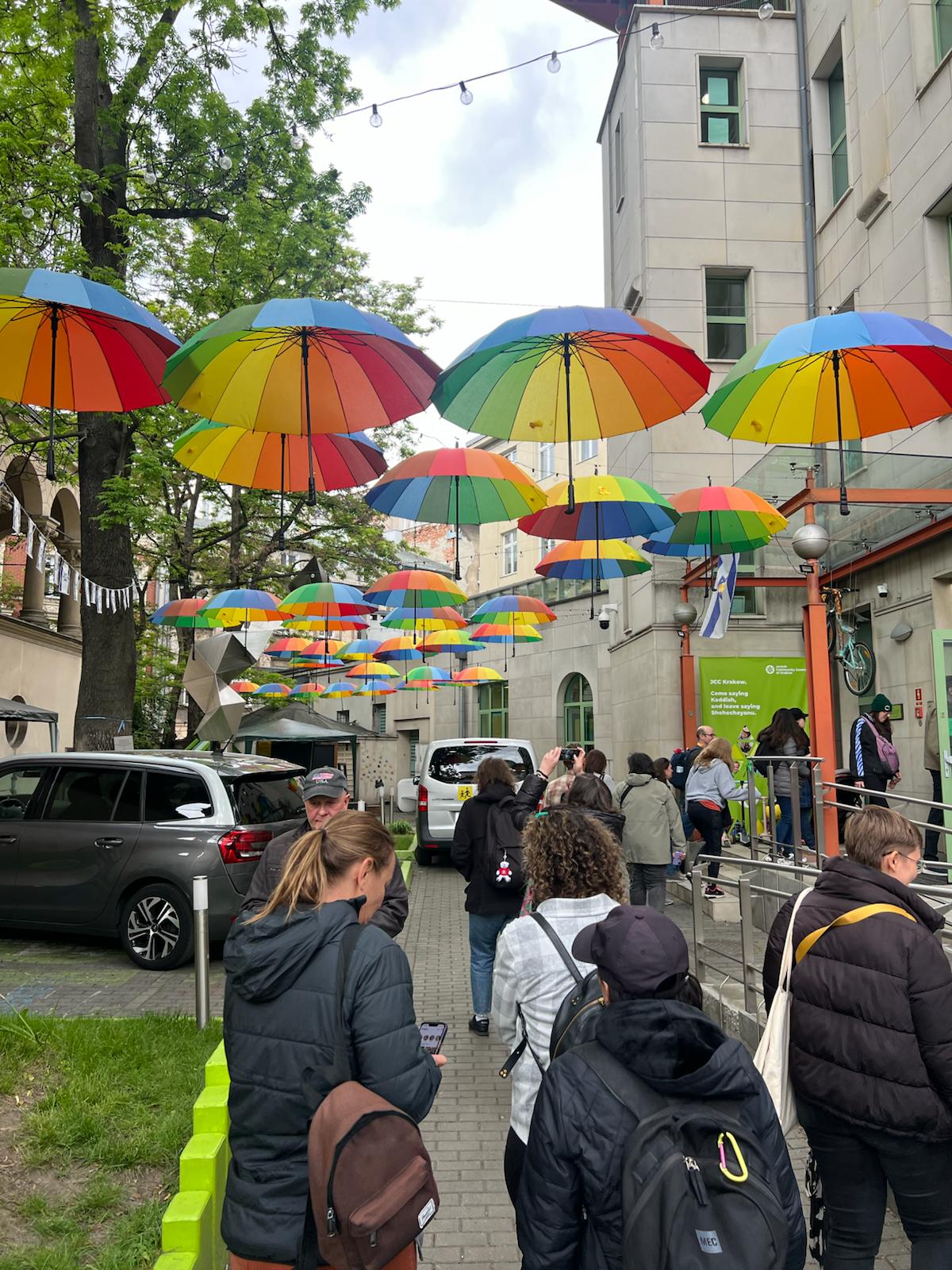
At JCC Krakow, we saw firsthand how Federation support is making a difference. The center is a hub of Jewish life—hosting Shabbat dinners, running a preschool and day camp, and helping Ukrainian refugees, Jewish and non-Jewish alike. We visited their distribution center, which continues to offer food, clothing, toiletries, and toys to those in need.

We also met young adults from Hillel International Krakow. Many didn’t grow up Jewish; some only recently discovered their Jewish heritage. Yet they’ve chosen to build community, connect with Jewish identity, and take part in Jewish life. Today, more than 200 young people are active in Hillel Krakow. That choice—to embrace a Jewish identity in Poland, of all places—is deeply moving.

In Warsaw, the POLIN Museum blew me away. It traces a thousand years of Jewish life in Poland—from vibrant shtetls to intellectual movements, to the devastation of the Holocaust and the rebirth that followed. It’s one of the most thoughtful and comprehensive museums I’ve ever visited.

This trip was a rollercoaster of emotions—grief, pride, hope, disbelief. But I came home feeling something I never expected: optimism. Against all odds, Jewish life in Poland is not only persisting—it is reemerging.

One person said to our group, “There’s something inherently Jewish about Poland. Polish history wouldn’t be Polish history without Jewish history.” I agree. And I’d add: Jewish history wouldn’t be complete without Poland—the good, the bad, and the unimaginable.

This experience gave me more than memories. It renewed my sense of purpose. At a time when antisemitism is rising, I’m more committed than ever to standing up for our community. But I’m also determined to celebrate us—to lift up the vibrant, diverse, and global Jewish life that continues to thrive.

Together, let’s remember. Let’s rebuild. Let’s keep showing up for one another—in grief, in strength, and in joy.
Related posts

Why this moment feels familiar Why this moment feels familiar
Why this moment feels familiar
As institutions increasingly single out Jews and demand ideological conformity, Jewish educators and communities face a difficult question: will the price of belonging become denying our identity? We must push back against antisemitism and protect the Jewish and universal values we have long fought to uphold.
read more