Open More Possibilities. Join a community of donors shaping the future of Jewish life.

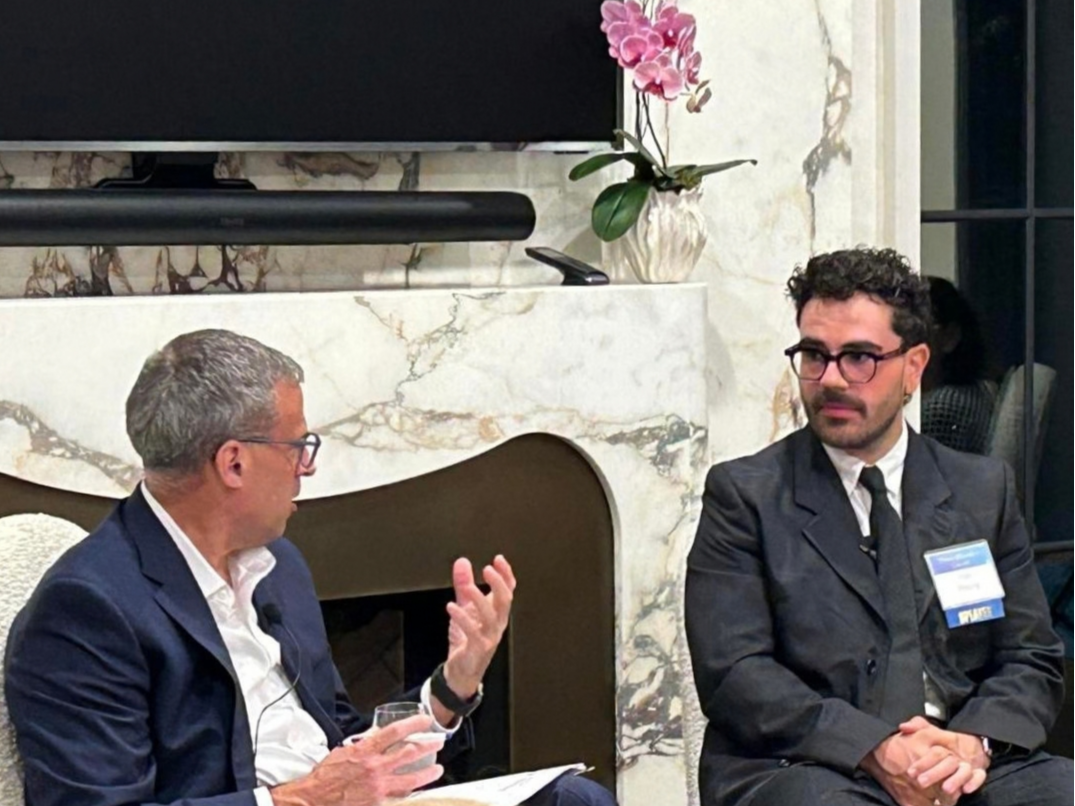
How should Jewish organizations respond to the growing criticism of Israel from inside our communities?

How should Jewish organizations respond to the growing criticism of Israel from inside our communities?

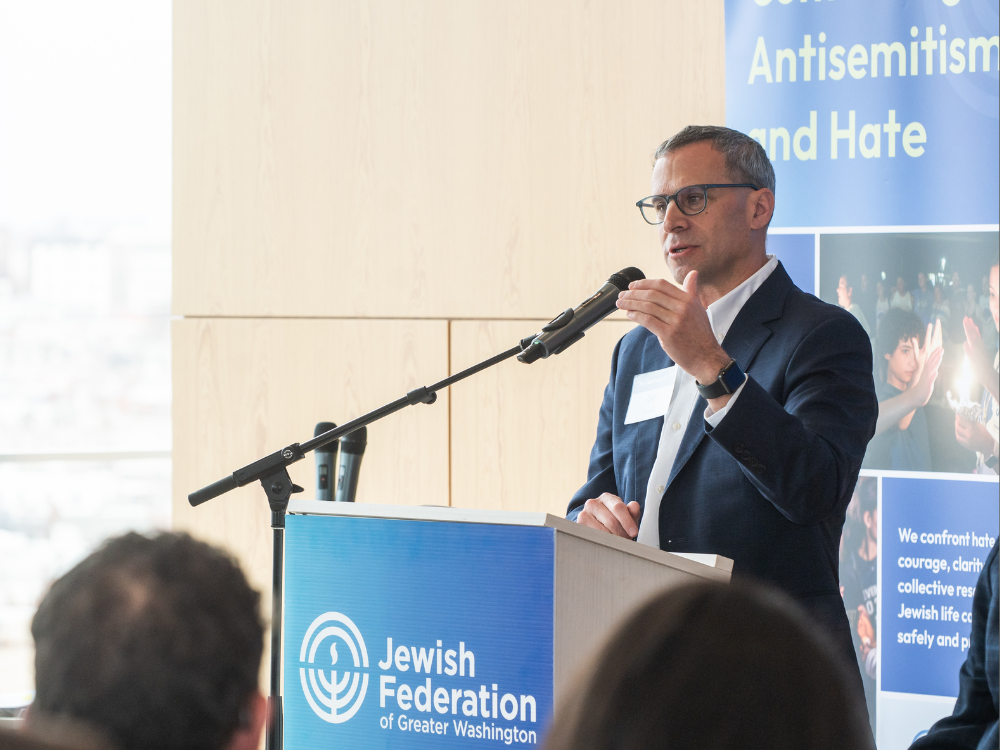
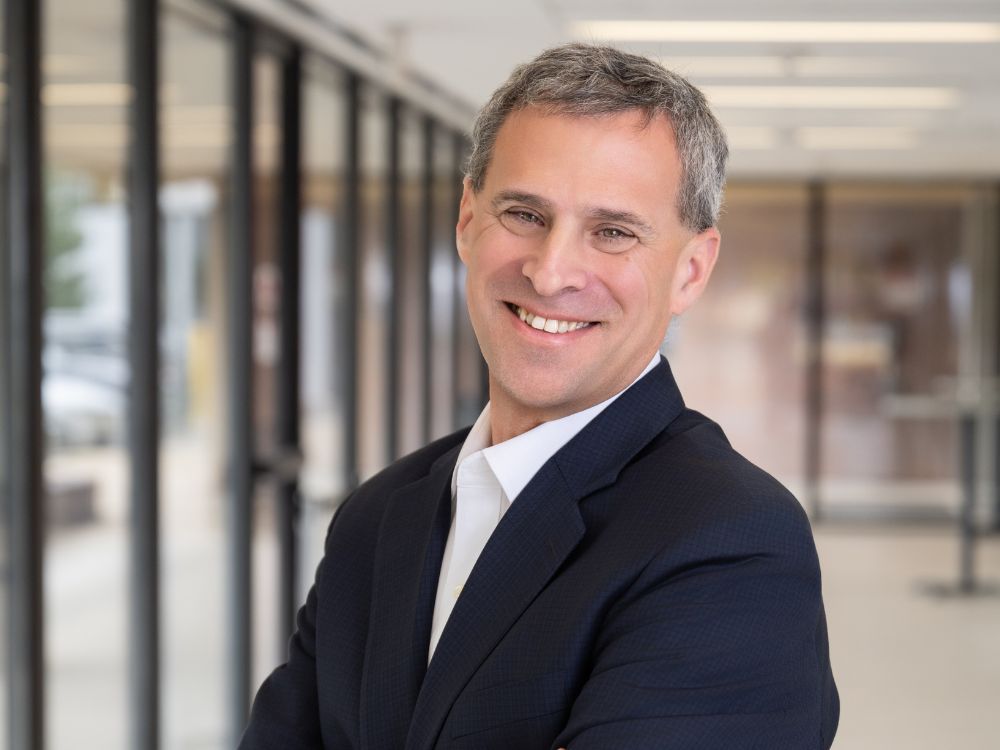
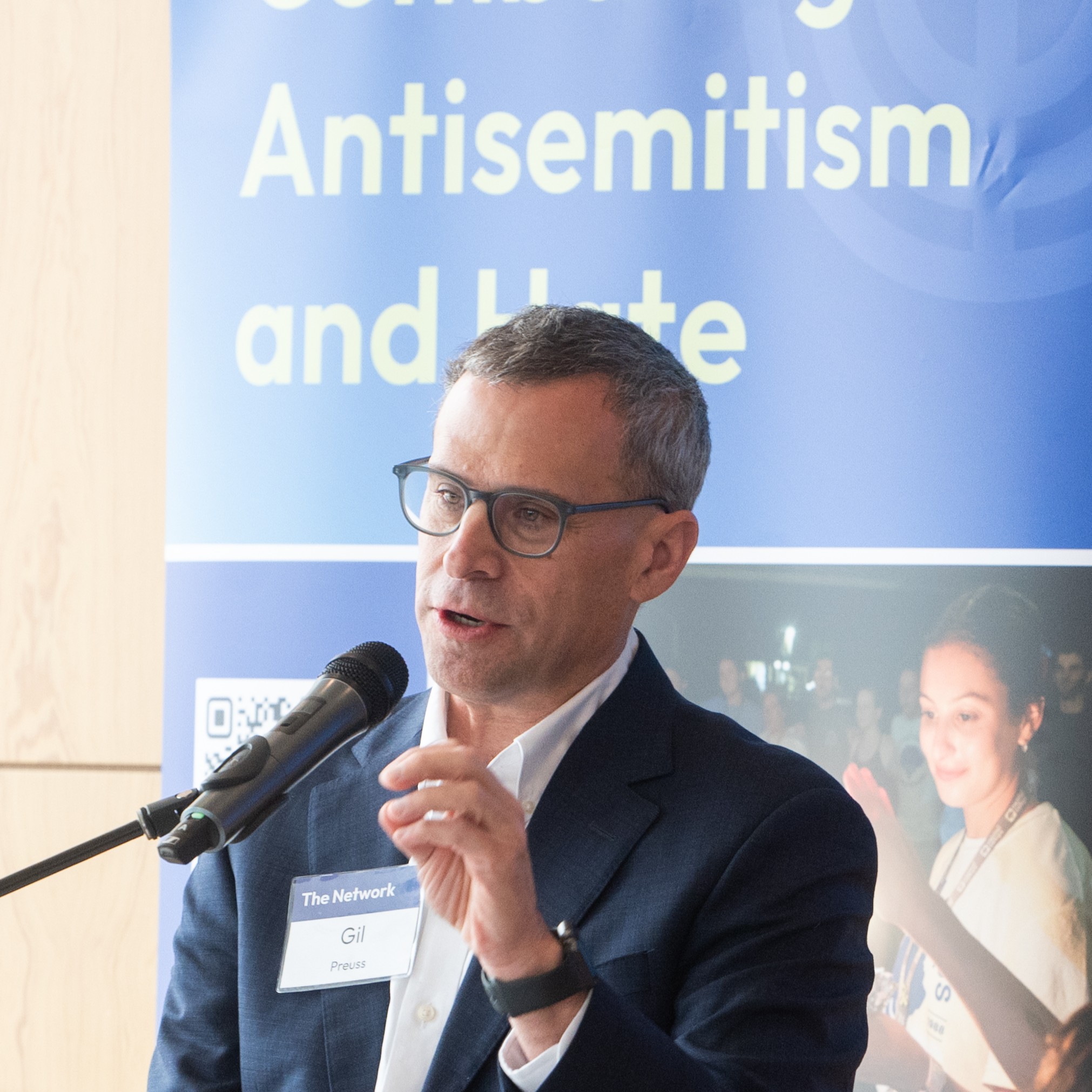
Gil Preuss, Chief Executive Officer

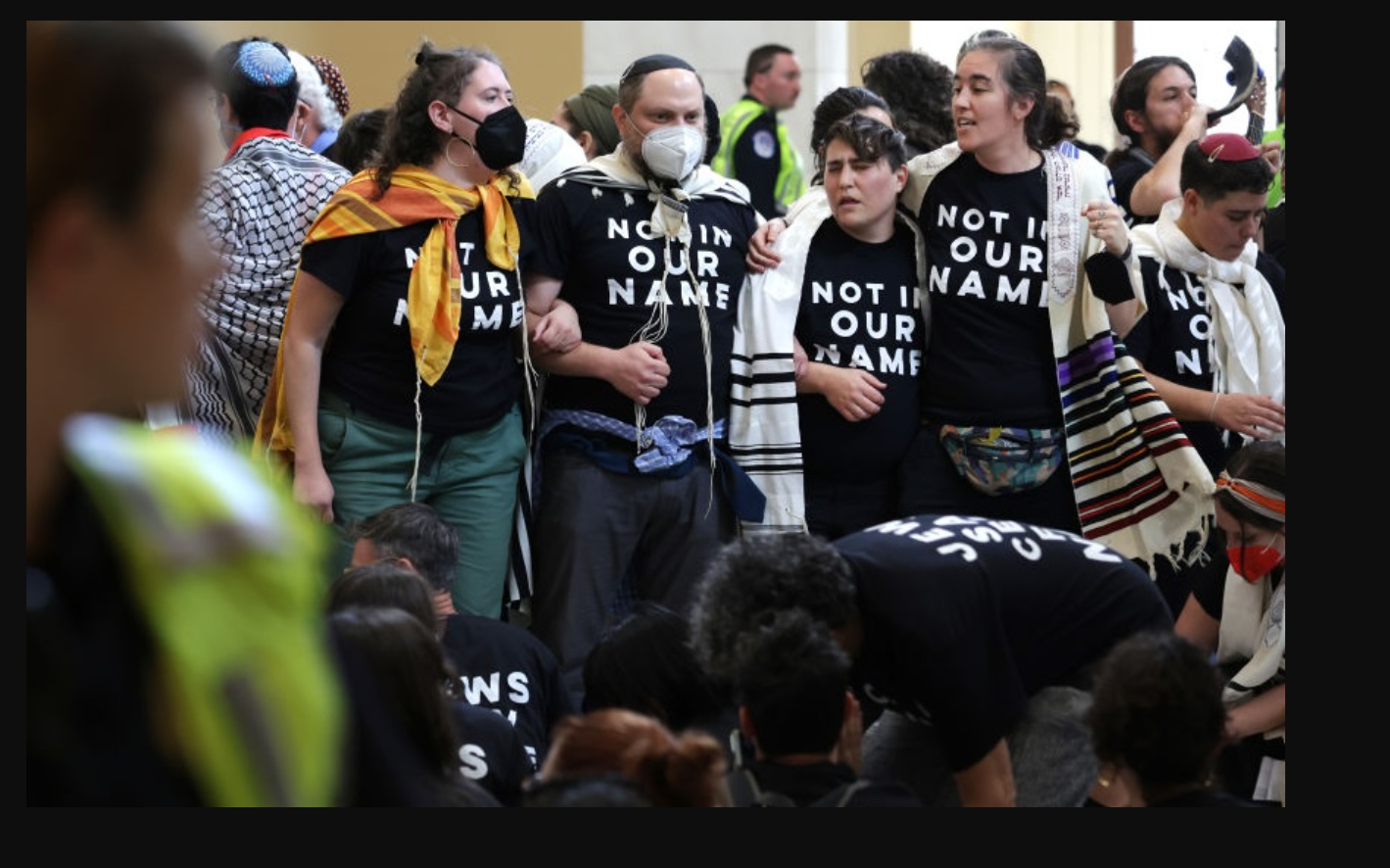
Surveys released last week by the Jewish Federations of North America and Combined Jewish Philanthropies of Greater Boston are among the first to report Jewish views about Israel since early in the Gaza war. They are also among the first in a very long time that ask Jewish respondents whether they identify as Zionists, and what they mean by the term. The findings have important implications for how Jewish communal institutions relate to Israel and the rapidly expanding spectrum of opinion inside the American Jewish community.

Photo Credit: Alex Wong/Getty Images

Read the full eJewishPhilanthropy (eJP) article

Related posts

Why this moment feels familiar Why this moment feels familiar
Why this moment feels familiar
As institutions increasingly single out Jews and demand ideological conformity, Jewish educators and communities face a difficult question: will the price of belonging become denying our identity? We must push back against antisemitism and protect the Jewish and universal values we have long fought to uphold.
read more

Strengthening Jewish Life While Confronting Hate

Strengthening Jewish Life While Confronting Hate

Earlier this month, Bret Stephens delivered the State of World Jewry address at 92NY. His remarks caught people’s attention. Stephens argued the Jewish community should shift energy and resources away from fighting antisemitism and instead double down on investing in Jewish education and engagement. As he put it, “Jew hatred is the product of a psychological reflex, and that kind of reflex can never be educated out of existence, even if, for a time, it may be sublimated or shamed into quiescence.”

I agree and disagree with his main points (and find fault with some of the additional opinions he presented). I agree with Stephens that now is a moment for Jewish revival, that helping more people explore and connect with Jewish ideas, practices, and peoplehood will be what shapes a vibrant Jewish future. At Federation, we are committed to working across our community to invest in and scale substantive, meaningful Jewish experiences—like summer camp, trips to Israel, learning and discussion opportunities, day school, and more—so that anyone who is interested has the chance to dig in and discover the joy of Jewish life.

But it would be irresponsible to ignore the work of countering antisemitism. We can and should be leaders in holding individuals and institutions to account and helping people understand antisemitism as a serious issue. Our work to build relationships, alliances, and understanding is not futile. If there are things we can do to mitigate hateful behavior, we should do them.

Admittedly, we may not be able to change the minds of the Carlsons and the Owenses of the world. But we can help shape programming and guidelines for schools, educate and engage leaders, work with teenagers before they go to college, and build bridges with other minority and interfaith communities, among other efforts. Not only does this work help address antisemitism, but it may also change the lived experiences of many in the Jewish community.

Stephens muses, “There is nothing Jews can do to cure the Jew haters of their hate. They can hire their own psychiatrists.” And he may be right. We are not responsible for people’s hateful and misguided beliefs. But perhaps I have a bit more faith than Stephens in our ability to multitask. I am confident we can build vibrant Jewish life while protecting it and being there for the students and teachers and everyday people who are coming face to face with antisemitism on a regular basis.

As Jews, we don’t ignore, we tackle. Today, that means being part of the sacred, collective efforts to stop hate before it starts while simultaneously strengthening Jewish identity, pride, and joy for the future.

Related posts

Why this moment feels familiar Why this moment feels familiar
Why this moment feels familiar
As institutions increasingly single out Jews and demand ideological conformity, Jewish educators and communities face a difficult question: will the price of belonging become denying our identity? We must push back against antisemitism and protect the Jewish and universal values we have long fought to uphold.
read more

First to Go Out, Last to Return

First to Go Out, Last to Return

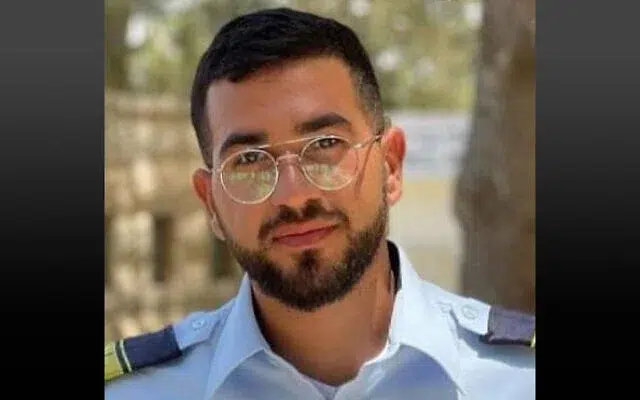
On October 7, 2023, Ran (Rani) Gvili, 24, was at his parents’ home in Meitar, in southern Israel, on medical leave from his service in an elite police unit. About two weeks earlier, he had injured his shoulder in an off-road motorcycle accident and was scheduled to undergo surgery just days later. As his family rushed into the shelter amid relentless sirens, Rani put on his police uniform and prepared to leave. His mother, Talik, asked him where he thought he was going. Rani replied simply: “Do you really think I’d stay home knowing my friends are fighting? No way.” (as reported by The Times of Israel)

Defender of Alumim

As chaos raged all around, without waiting to be called, Rani drove straight into the fighting. He first assisted survivors of the Nova Music Festival and then joined the heroic battle to defend the nearby Kibbutz Alumim. He neutralized dozens of terrorists and saved the lives of many residents, even as he sustained severe injuries to his arm and leg. Over time, he became known as “Rani, Defender of Alumim.” He fought relentlessly until he ran out of ammunition. It was later learned that he fell in battle and that his body was abducted to Gaza.

Bringing Rani Home

Last week, at long last, the circle was closed. After critical intelligence was received regarding his whereabouts, hundreds of soldiers, accompanied by dozens of forensic dental specialists, set out on a mission almost impossible to imagine: locating Rani’s body in a cemetery in Gaza. After approximately 48 hours of exhausting searches under extremely difficult conditions, the long-awaited answer came—Rani was found.

Dr. Assi Sharon, who took part in the mission alongside the forces in Gaza, described the emotional moment: “There wasn’t a dry eye. People were deeply moved, with a profound sense of reverence. We recited Kaddish, and there was a ceremony with the Chief of Staff—a very special moment. As I stood there, I realized I could finally remove the yellow ribbon, and I did.” (as reported by JFEED)

843 Days, 12 Hours, 5 Minutes, and 59 Seconds

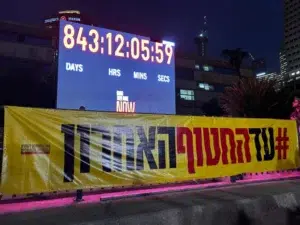
With this, one of the most painful, yet also most inspiring, chapters in the history of the State of Israel and the Jewish people came to an end. After 843 days, 12 hours, 5 minutes, and 59 seconds, the clock at Hostages Square in Tel Aviv stopped. A shofar was sounded, and many recited the Shehecheyanu blessing, giving thanks for reaching this moment.

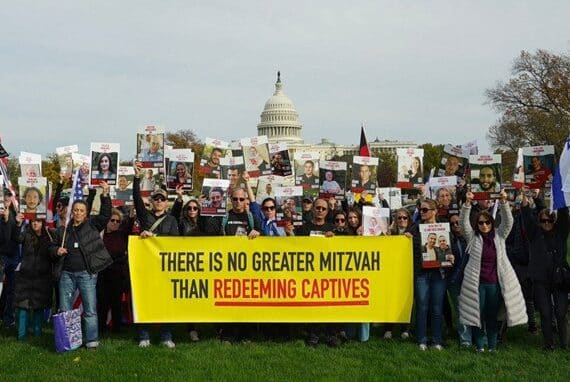
The mitzvah of redeeming captives, which Maimonides called the greatest commandment in Judaism, was fulfilled. The Israeli ethos—viewing the return of every soldier and civilian from enemy hands as a supreme moral obligation—was upheld. All 251 Israelis and foreign nationals abducted to Gaza on October 7, together with two Israeli civilians and two fallen soldiers previously held by Hamas, were returned.

The Power of Public Pressure

The sustained public effort to bring the hostages home was essential. Throughout this long—far too long—period, the Hostage Families Forum worked tirelessly to keep this issue at the forefront of the public agenda, most prominently in Israel and the United States.

One powerful testament to the impact of this cause can be found in the words of Alon Ohel, who returned from captivity after 738 days: “They opened a laptop and showed me a picture of someone holding a drawing of me, with a piano behind her. That’s when I understood that people I didn’t know were fighting for me. It gave me even more strength—if people who don’t know me are fighting for me, who am I to give up?”

A Shared Response, Across Oceans

With great pride and deep appreciation, it can be said that our community also took an active part in the collective endeavor to bring the hostages home, and in Israel’s broader recovery efforts. Shortly after October 7, Federation established the Israel Crisis Relief Fund and raised more than $15 million from the community for emergency assistance to Israel, nearly half a million dollars of which was transferred directed to the Hostage Families Forum. Beyond this, Federation supported the Hostage Families Forum in convening community events that brought people together with hostage family members and former captives, allowing them to share their personal stories and mobilize the broader community around the cause. The Community Shlichim—placed in synagogues and Jewish organizations across the community as part of a joint initiative of Federation and the Jewish Agency for Israel—led a wide range of activities focused on the hostages. These included creating dedicated spaces highlighting the hostages and their stories, and organizing events such as a community solidarity walk, an interactive cartoon exhibition addressing the hostage crisis and current Israeli issues, and many more.

“Thanks to Your Efforts…”

For all of this—and so much more—we extend our heartfelt thanks to everyone across our community who took part in advancing this most important cause.

As Matan Sivek, Founder of the Hostage Families Forum US, put it:

“The Jewish Federation of Greater Washington joined forces with hostage families from day one to ensure they get the financial and communal support they need. The DMV community advocated, marched, embraced, and was on the front line of ensuring the highest echelons don’t forget about the hostages. We are grateful for the leadership and partnership of Federation in this historic moment in Jewish history. Thanks to your efforts, they are back.”

Photo Captions: Ran (Rani) Gvili in uniform; Israel Defense Forces; Photo courtesy of IDF; Hostages Square clock at the moment of release; Photo: Avshalom Sassoni / Maariv; Alon Ohel, former hostage, after return; Photo: Eden Danielle Kleiban Pakter; Pozez JCC community walk for hostage awareness; Photo: Hostage Families Forum US, Leigh Vogel

Related posts

Why this moment feels familiar Why this moment feels familiar
Why this moment feels familiar
As institutions increasingly single out Jews and demand ideological conformity, Jewish educators and communities face a difficult question: will the price of belonging become denying our identity? We must push back against antisemitism and protect the Jewish and universal values we have long fought to uphold.
read more

Finding Light: Ori’s Journey as a Shlicha in Greater Washington

Finding Light: Ori’s Journey as a Shlicha in Greater Washington

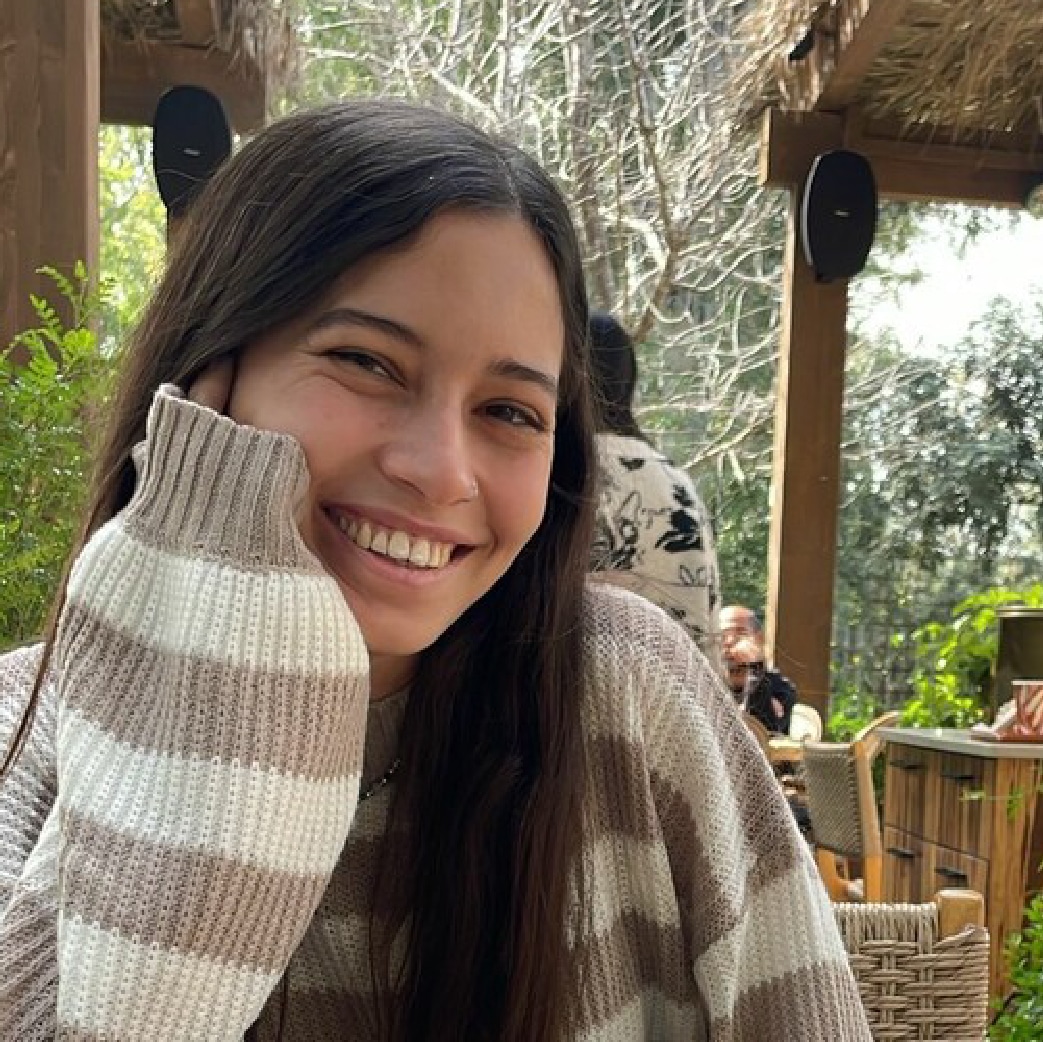
Ori is 23, and she carries something most adults twice her age still struggle to hold: the responsibility of representing Israel with honesty, heart, and humility—especially to kids. She’s one of 11 community shlichim (Israeli emissaries) bringing Israel to life across Greater Washington through Federation’s Shlichim Program.

Growing up in Moshavat Kinneret, a small community in northern Israel, Ori was surrounded by family, a strong sense of responsibility, and a beloved boxer dog she still misses. Before coming to Greater Washington, Ori spent two summers at a Jewish camp in upstate New York.

Teaching Israel in a Complicated Moment

Now living in Greater Washington, Ori spends her days with children, parents, and educators—teaching Hebrew, leading workshops, and helping our community deepen its connection to Israeli life and culture. But talking about Israel isn’t as simple as it used to be. She says it’s gotten harder in the last few years. Kids are asking deeper questions. There’s no single story to tell.

“I’m not saying Israel is perfect,” she says. “Like anything else, there are things that are good and things that are bad. I want to show them both sides.” Ori doesn’t pretend otherwise. She listens, brings her own questions, and creates space for kids to talk about Israel with curiosity, honesty, and care.

Pride Without Pretending

Ori loves teaching about Israel’s creativity—from everyday inventions to world-changing breakthroughs, like cherry tomatoes. “The best invention,” she says, laughing.

Through Made in Israel, an interactive Hands-on Israel workshop she leads, participants explore the Israeli innovations they’ve heard of and many they haven’t. They learn about the brilliant minds behind these inventions through games and challenges that spark curiosity and pride. Ori’s goal is more than just facts. She shows people that Israel is a place of ideas, impact, and imagination.

Teaching Joy, Too

For Ori, representing Israel isn’t only about navigating complexity—it’s also about sharing joy. She brings Israeli traditions into American Jewish life in ways that feel lasting and personal. “We’re not sitting sad and miserable in Israel—we’re happy,” she says. “We’re living.” That’s what she wants kids to see: that Israel is a home, full of celebration, tradition, and joy.

Ori’s work is part of a larger effort to build people-to-people connection through immersive, everyday experiences. Through Federation’s Shlichim Program, Israeli emissaries like Ori help bring Israel to life in schools, synagogues, JCCs, and more—creating personal, lasting moments of understanding and connection across Greater Washington.

Bringing Community with Her

Ori often talks about the community she grew up in—a kibbutz where kids moved freely, everyone knew each other, and life felt safe and shared. “It’s a very community-like place,” she says. “It’s a safe space… I really, really love it.” That sense of belonging is something she carries with her. And through her teaching, she hopes to help create more of that feeling for the children and families she meets here.

Leaving Something Behind

One of the biggest surprises for Ori has been seeing what Jewish life looks like outside of Israel. She didn’t know what to expect. But she’s found deep relationships, strong communities, and new ways of expressing Jewish identity that continue to shape her own perspective. Ori wants to bring more of Israel into Jewish spaces here, and she hopes the connections she’s made will last long after she leaves.

“I don’t want to just be a shlicha who came and left,” she says. “I want to leave something behind.”

Looking Ahead

When she thinks about the future of Jewish life in the U.S., Ori doesn’t hesitate. She hopes people feel safe being openly Jewish. She hopes for greater unity, more listening, and a community that remains a source of strength, even in uncertain times. Until then, she’s teaching, learning, and building relationships—one day, one conversation at a time.

Continue the Conversation at RE:Israel

Ori’s story reflects the honest, values-driven work of Israel education today—work that feels more urgent than ever. In the wake of October 7, educators, parents, and communal leaders are grappling with big, essential questions:

  • How do we teach and talk about Israel with clarity and care?
  • How do we support young people in holding complexity without letting go of connection?
  • And how do we reframe Israel education for this new era, with tools that are honest, nuanced, and real?

These conversations will take center stage on Tuesday, February 24, at RE:Israel: Reflect. Reframe. Reconnect., a half-day learning experience for educators, communal professionals, lay leaders, and parents seeking thoughtful, practical engagement with Israel education in this moment.
Related posts

Why this moment feels familiar Why this moment feels familiar
Why this moment feels familiar
As institutions increasingly single out Jews and demand ideological conformity, Jewish educators and communities face a difficult question: will the price of belonging become denying our identity? We must push back against antisemitism and protect the Jewish and universal values we have long fought to uphold.
read more

A Reflection from Israel

A Reflection from Israel

I stood in Hostage Square, Tel Aviv among a quiet crowd, patiently waiting. What was once a vigil site, a protest space, a place of mourning and solidarity was now the square where we were about to hear the collective sigh of a small country. At 843 days, 12 hours, 5 minutes and 59 seconds, the clock that made the abstraction of time in captivity real, was turned off. The body of Ran Gvili, the last hostage, was returned home.

Now the true healing can begin.

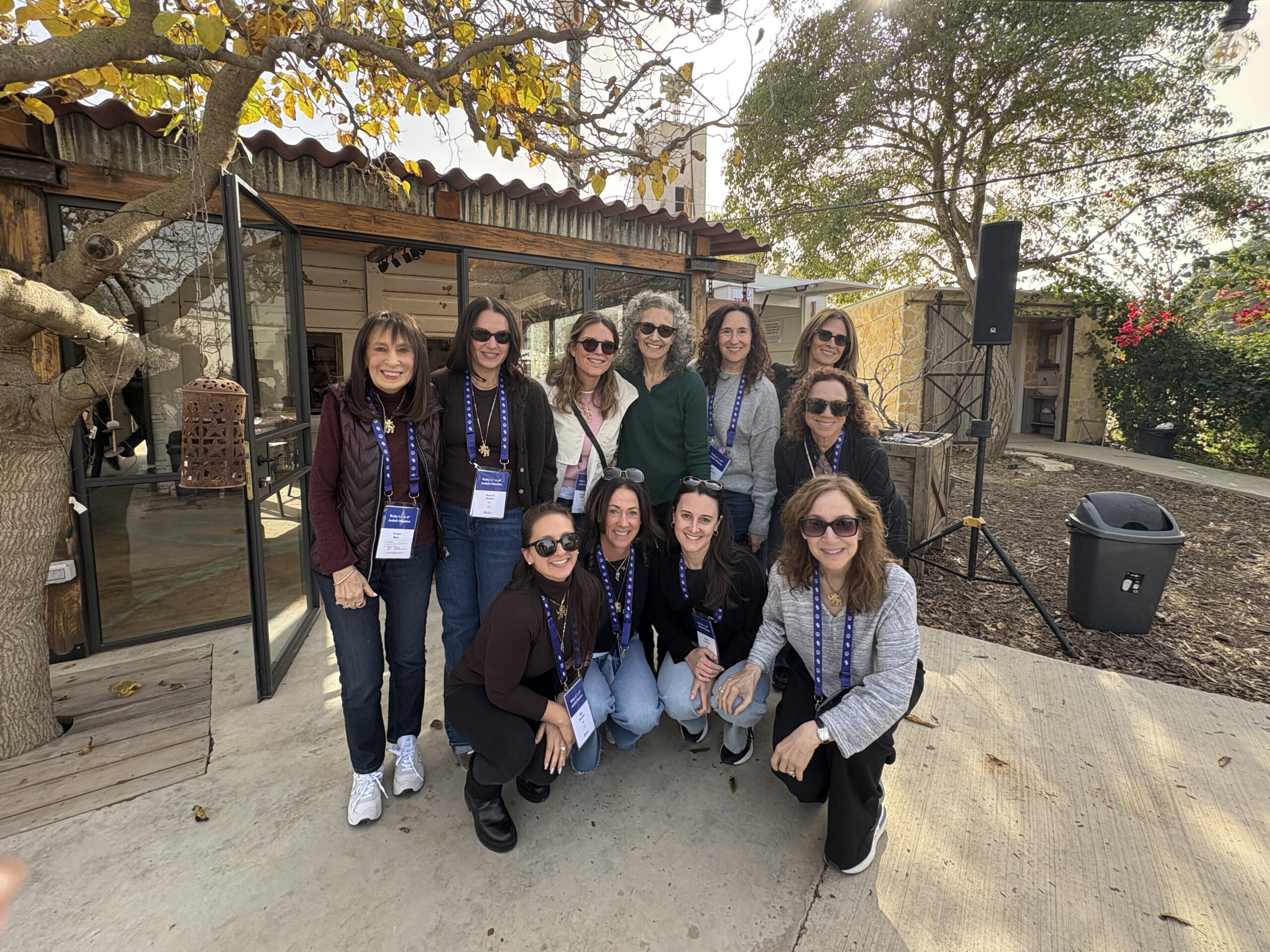
I am with ten amazing women from our community, on a National Women’s Philanthropy mission in Israel. Resilient is the word we keep hearing and seeing. It feels that way, and yet, you can see the cracks of exhaustion and immense sadness. The wife of a reservist said, “We are slowly starting to put our hearts together.”

Our Federation continues to work with partners on the ground.  We support the Jewish Agency for Israel, which operates Youth Futures, in response to the high levels of trauma among children. Research has found that PTSD is high among children: 15% of Israel’s children lived in communities infiltrated by terrorists, and 20% were displaced from their homes for months.

We are the initial investors in the Alin Beit Noam, Ilanot National Rehabilitation Center, a state-of-the-art rehabilitation center that serves Nova survivors, bereaved families, injured soldiers and adults with special needs.

The Israelis are grateful for our commitment. A Nova survivor said, “we want to be the heroes to the heroes of October 7.” Because of you, we are a community of heroes.

This Shabbat will be the first time since October 14, 2023 that we won’t need to say a prayer for the hostages.

Am Yisrael Chai.

Related posts

Why this moment feels familiar Why this moment feels familiar
Why this moment feels familiar
As institutions increasingly single out Jews and demand ideological conformity, Jewish educators and communities face a difficult question: will the price of belonging become denying our identity? We must push back against antisemitism and protect the Jewish and universal values we have long fought to uphold.
read more

Why Our Connection to Israel Matters More Than Ever

Why Our Connection to Israel Matters More Than Ever

For me, working to facilitate greater connection between our community and Israel feels like second nature. Since joining the Jewish professional world, it’s been a given that helping more people form meaningful relationships with Israel would be a core part of my work. Indeed, it’s a pillar of what we do at Federation and near to my heart as someone who knows and loves Israel.

A Changing Relationship Across Generations

In the current social and political climate, I am also recognizing how important it is that we articulate why we do this work and how we go about it. The Washington Post recently found that 68% of American Jews over 65 feels emotionally connected to Israel. For those between ages 18 and 34, that number drops to 36%. Stats like these abound.

There are a variety of reasons for this drop that I will not address at the moment (though I will in future reflections), but it’s clear we need to do more to support all Jews, and particularly younger Jews, in accessing one of the premier benefits that comes with their identity. Staying in relationship with Israel, even when we disagree or face different challenges, allows us to deepen our own Jewish experience. I’ve been fortunate to accompany many people on their first visit to Israel. It never gets old seeing them discover how special it feels to be immersed in a country with a Jewish rhythm, a thriving culture, Hebrew as a national language, and a clear sense of Jewish agency. It is an unparalleled mix of comforting and empowering.

Making Space for Complexity and Difference

Importantly, any successful approach to Israel engagement must honor the diversity of perspectives that exist in our community. I’ve seen the way October 7th and its aftermath has awakened people’s interest in and affinity for Israel. I have also seen the way many among us are struggling to figure out their relationship with Israel in this moment—and witnessed that struggle enrich our community by helping us all wrestle with what we believe and who we want to be as a people. The pathway forward must make space for multiple avenues of exploration, learning, and questioning.

How Federation Is Deepening Connection

To that end, Federation is undertaking a new phase in our Israel engagement work. Our goal is to strengthen the connective tissue—the infrastructure, programming, and partnerships—that will bring Greater Washington and Israel closer, year after year, in ways that resonate with each individual and organization. And to do so in partnership with Jewish organizations, lay leaders, educators, clergy, professionals, and philanthropists. We’ll be focusing on deepening everyday connections and building on the partnerships that have been forming organically these past few years.

What This Looks Like in Practice

Take our relationship with Kibbutz Nir Oz for example. A group of local synagogues came together to turn an emergency fundraising effort after October 7 into a genuine exchange. Kibbutz members have come to visit Washington, including former hostage Gadi Mozes, and some members of our community have visited the kibbutz in Israel. We are now supporting local lay leaders who are leading the partnership to shape opportunities for our community members to volunteer at the kibbutz and visit other Federation partners in the area.

There’s more to come, and I will be sure to keep you updated. For now, I’ll leave you with the thought that articulating the meaning that comes from a personal connection to Israel is a precious and urgent imperative. It’s on those of us who know and bask in that meaning to help others find it too.

Learn about our Israel Strategy

Related posts

Why this moment feels familiar Why this moment feels familiar
Why this moment feels familiar
As institutions increasingly single out Jews and demand ideological conformity, Jewish educators and communities face a difficult question: will the price of belonging become denying our identity? We must push back against antisemitism and protect the Jewish and universal values we have long fought to uphold.
read more

Your Dollars at Work: A Path Back to Purpose

Your Dollars at Work: A Path Back to Purpose

How your support is helping Israelis heal, retrain, and rebuild after war

When Omer returned to his classroom after October 7, he couldn’t breathe.

Five of his students were gone, killed in the attacks. Just stepping into the room triggered waves of panic, grief, and memory. He felt like he couldn’t go on.

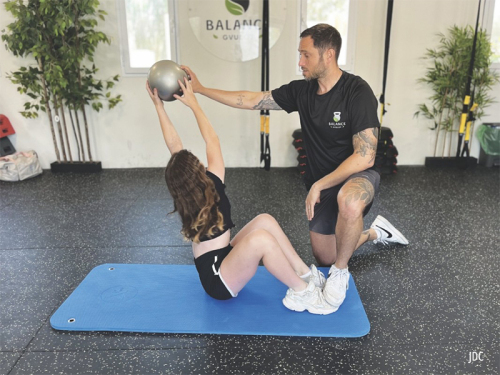
But through weekly sessions with a JDC counselor, Omer slowly rediscovered his footing. Today, he’s not just working—he’s leading. Omer now runs a therapeutic gym in a Gaza-border community, helping fellow survivors rebuild physically and emotionally. “I found a way to move forward,” he said. “And to help others do the same.”

This is what your dollars make possible.

In the wake of the Iron Swords War, thousands of Israelis were forced to evacuate their homes. Many lost not just their sense of safety, but their livelihoods. The trauma was deep, the economic toll was devastating, and the path to stability felt out of reach.

That’s why Federation responded swiftly, providing a $500,000 grant to JDC to launch “Getting Victims of War Back to Work”, Israel’s first trauma-informed employment recovery model. More than just getting back to work, it’s about dignity, healing, and long-term resilience—about helping people get back to life.

With your support, here’s what’s already happening:

  • 890 Israelis have received hands-on vocational training, career guidance, and access to real employment opportunities
  • 131 participants have already been hired, earning more than 6% above minimum wage
  • 500 trauma survivors are in employment rehab, double the original 2025 goal
  • 40% of previously unemployed participants have found jobs; 100% of at-risk employees stayed employed
  • 18 locations now offer specialized career recovery support (up from 11)
  • 48 employers have been trained to support hires navigating trauma
  • And early evaluations show a 14% decrease in PTSD symptoms among participants

This model is now informing national efforts to scale trauma-informed employment support.

A Bold Investment in Israel’s Future Workforce

Through this initiative, we’re supporting Israelis not just in healing, but in retraining and returning to work with purpose.

Beyond immediate relief, it’s recovery with resilience built in.

And this is exactly the kind of long-term, people-centered impact we’re working toward through Federation’s Israel strategy: investing in long-term recovery and deepening connection between our communities.

Photo: JDC

Learn more

Related posts

Finding Our Voice in the Face of Antisemitism

Finding Our Voice in the Face of Antisemitism

“Verbal abuse becomes graffiti, becomes arson, becomes physical violence, becomes murder.” We know this continuum well. We have now watched every step play out with devastating consequences in Australia. How maddening that two thousand years after the first Chanukah, people are still seeking to murder us for being Jews.

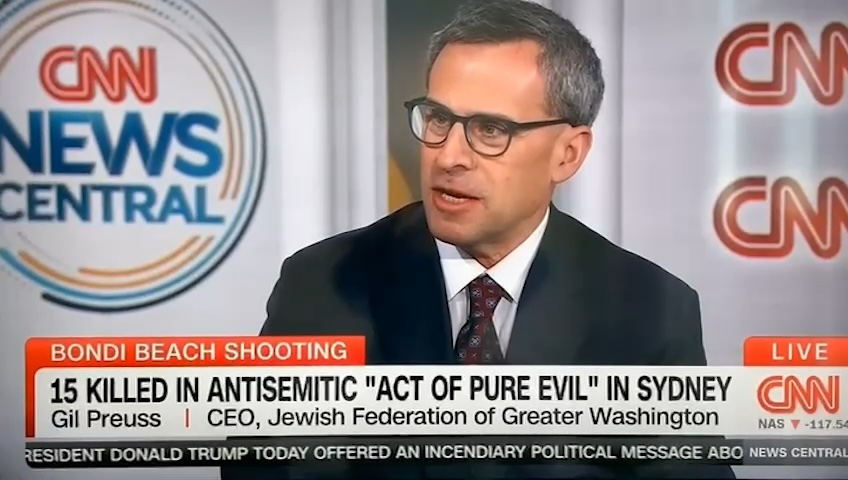
When CNN called me for my thoughts on the attack, they could no doubt sense the aggravation in my voice. No one should have to wake up to stories about a mother and her 17-month-old diving for cover after checking out a Chanukah event full of music and bubbles. About the rabbi who lost his life two months after his son was born. About how Jews gathering to celebrate were gunned down. Again.

Across time. Across space. This has been our story to bear. It is time for a new one. Leaders on both sides of the aisle have spent the last several years dismissing antisemitism, explaining away antisemites, and letting hints of radicalization slide. But the hour for tolerating any kind of minimizing is over. 

It’s incumbent upon all political, civic, business, and religious leaders to challenge the hate directed at Jews and the Jewish people unequivocally, which includes condemning ardent and budding antisemites no matter their place in society or on the political spectrum.

Additionally, I’ve seen how it’s become normal, even chic, in certain circles to denigrate anything having to do with Israel. This too demands our pushback. Criticism is okay. Open debate is vital. But even as we strive for nuance, we must reject the vilification of Israel as a country, of Zionism as an idea, and, of the Jewish people as a whole.

As members of the Jewish community here in the nation’s capital, we have especially urgent roles to play in this effort. This is one of the most networked, most passionate communities around. It’s time to use our influence and find our voice so that we can be a collective thorn in antisemitism’s side.

We can all reach out to people we know in positions of power—federation, state, and local representatives, school board leaders, teachers, and so on. We can help raise the expectations for speech in the public square. Help emphasize that words have consequences. That a twisted comment becomes a belief system becomes a bullet.

It’s also important to remember that most people in our own social circles are well-meaning. Instead of jumping straight to condemnation in these cases, we can help by opposing problematic language and making generous offers of engagement and education.

I’m heartbroken. I’m devastated for the families of those killed and injured at Bondi, and, even now, we have a way forward.

We’ve known hate and we know how to overcome it. As the Maccabees would remind us, it starts with tapping into our agency and the strength of the Jewish people.  

Related posts

Why this moment feels familiar Why this moment feels familiar
Why this moment feels familiar
As institutions increasingly single out Jews and demand ideological conformity, Jewish educators and communities face a difficult question: will the price of belonging become denying our identity? We must push back against antisemitism and protect the Jewish and universal values we have long fought to uphold.
read more

What This Moment Means and How We’re Responding

What This Moment Means and How We’re Responding

In the wake of the horrific terrorist attack in Australia, I want to speak directly to our community here at home.

Our hearts are with the victims, their families, and the Jewish community in Australia as they mourn and begin to heal. Violence against Jews anywhere reverberates everywhere, and moments like this understandably heighten concern within our own community.

Here in Greater Washington, the safety and security of Jewish life remains our highest priority. Through JShield, Federation’s community-wide security initiative, we are in close coordination with local and federal partners and with Jewish ​institutions across our region, supporting schools, synagogues, and organizations with threat monitoring, training, assessments, and grant support at no cost. You can learn more about how JShield works to keep our community safe at shalomdc.org/security.

If you see or experience something concerning, we encourage you to report it to JShield. Reporting helps identify patterns and supports coordination with our security partners.

Jewish life will continue. We will gather, celebrate, learn, and mark our holidays together, thoughtfully, responsibly, and with care for one another.

At the same time, this moment calls on all of us to be attentive to the language and actions we tolerate in our public spaces. Antisemitism, in any form, must be named and challenged, and Jewish communities must never be left to carry that burden alone.

Earlier today, I shared these concerns in a brief conversation on CNN about antisemitism and the responsibility to challenge it before it escalates. You can watch it clip below.

Thank you for the many ways you show up for one another and for our community, especially in difficult moments. We are grateful for your partnership and your trust, and we remain committed to keeping Jewish life in Greater Washington strong, safe, and connected.

This is a moment for shared responsibility. Take action by supporting JShield and strengthening Jewish community security.

Support community security

Related posts

Why this moment feels familiar Why this moment feels familiar
Why this moment feels familiar
As institutions increasingly single out Jews and demand ideological conformity, Jewish educators and communities face a difficult question: will the price of belonging become denying our identity? We must push back against antisemitism and protect the Jewish and universal values we have long fought to uphold.
read more

Listening Across Difference at Pozez JCC

Listening Across Difference at Pozez JCC

When we make space to truly hear each other, something shifts.

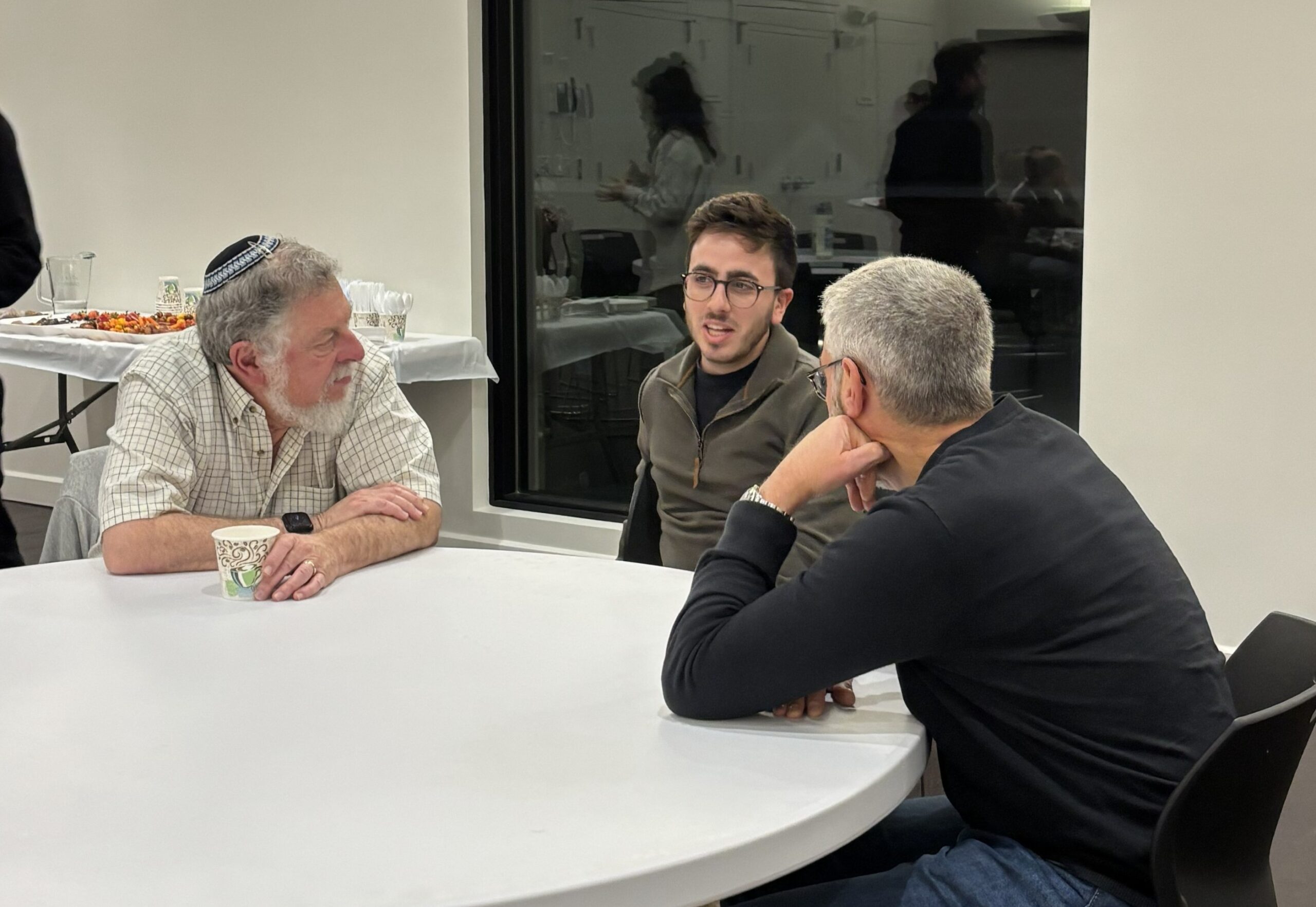
In a year when conversations about Israel often collapse under the weight of politics, pain, and fear, more than 30 community members came together at the Pozez JCC of Northern Virginia for something different: honest dialogue rooted in listening, not debate.

The evening was hosted in partnership with the Arava Institute for Environmental Studies and led by one of our community shlichim (Israeli emissaries), whose work bridges people, perspectives, and purpose across Greater Washington. Together, they created space not for agreement, but for connection.

Stories That Set the Tone

Arava alumni Brian Crann, Jawdat Kasab, and Arielle Ben-Hur opened the session by sharing their own experiences in dialogue at Kibbutz Ketura, where Palestinians, Israeli Jews, Israeli Arabs, and others from across the region live and learn together.

Their stories didn’t shy away from pain or complexity. They grounded the room in something real.

Listening, Not Convincing

Then came the heart of the evening: small groups gathered with one goal—listen to understand. No debating, no fixing, just sitting with each other’s stories.

It wasn’t always easy. But it was real.

As one participant put it, “Meaningful conversations like these are often part of the solution.”

What We Carried Forward

Before leaving, each person shared one word they were taking with them:

“Curiosity.” “Compassion.” “Understanding.”

And most of all—“Hope.”

Staying in the Room

It didn’t take a panel or a facilitator to make the evening powerful. It took people willing to show up, listen, and stay in it together. That’s what our shlichim are helping nurture—quietly, consistently—across Greater Washington.

Learn more about how the shlichim are helping to build these bridges across Greater Washington.

Meet our shlichim

Related posts

Why this moment feels familiar Why this moment feels familiar
Why this moment feels familiar
As institutions increasingly single out Jews and demand ideological conformity, Jewish educators and communities face a difficult question: will the price of belonging become denying our identity? We must push back against antisemitism and protect the Jewish and universal values we have long fought to uphold.
read more