Open More Possibilities. Join a community of donors shaping the future of Jewish life.

A Morning of Leadership and Connection in Northern Virginia
A Morning of Leadership and Connection in Northern Virginia

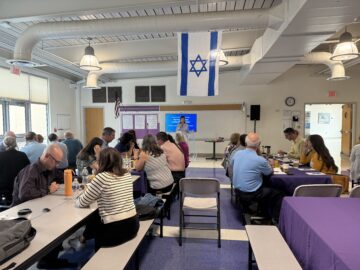
What began as a bold idea—to bring together leaders from across Northern Virginia’s vast Jewish landscape for a morning of connection and shared purpose—came to life on Sunday, September 7.

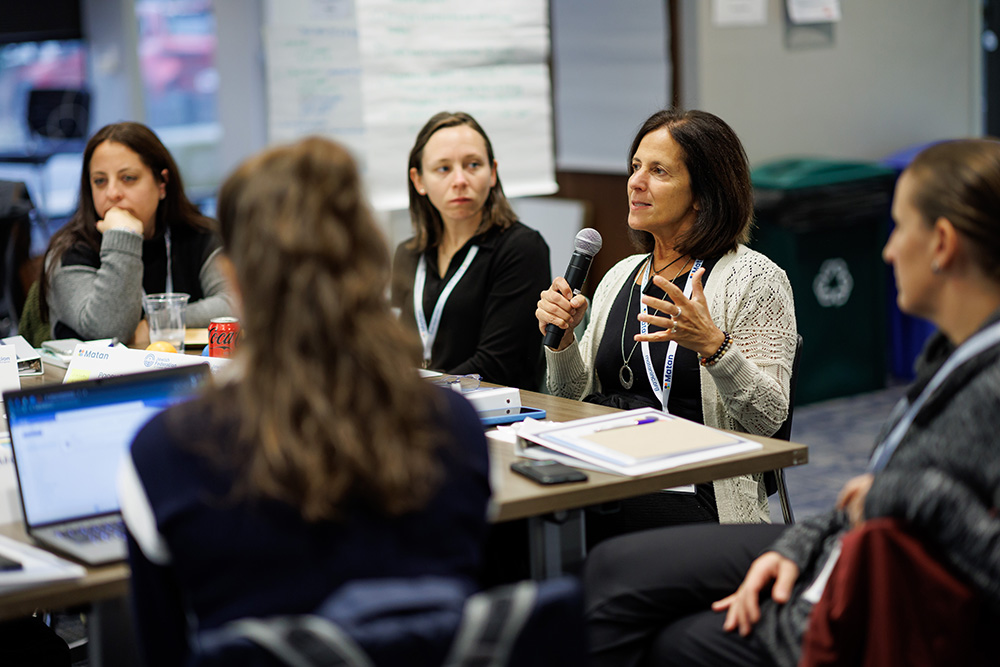
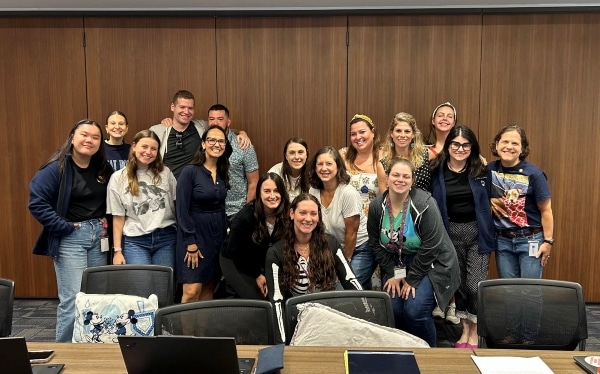
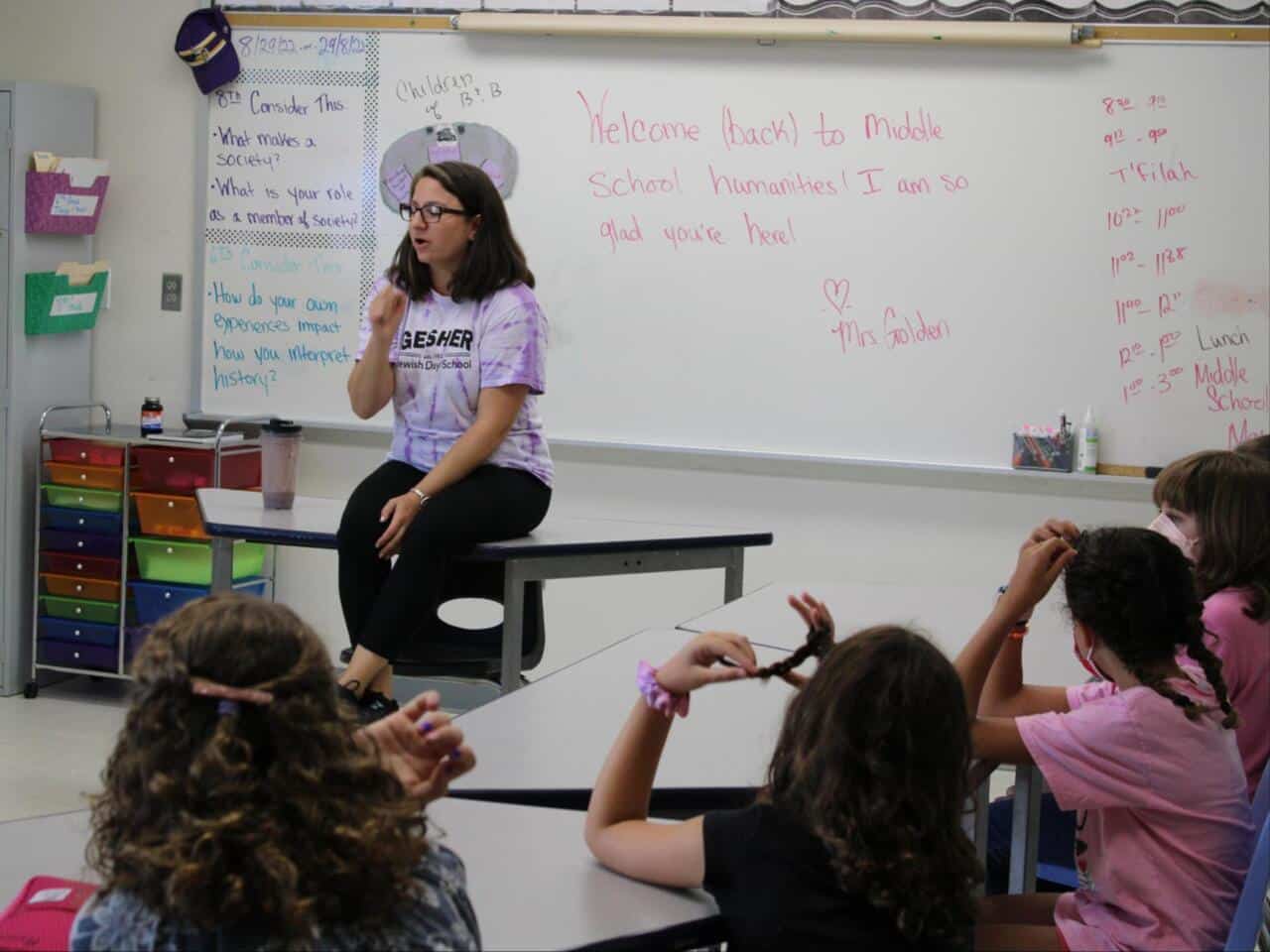
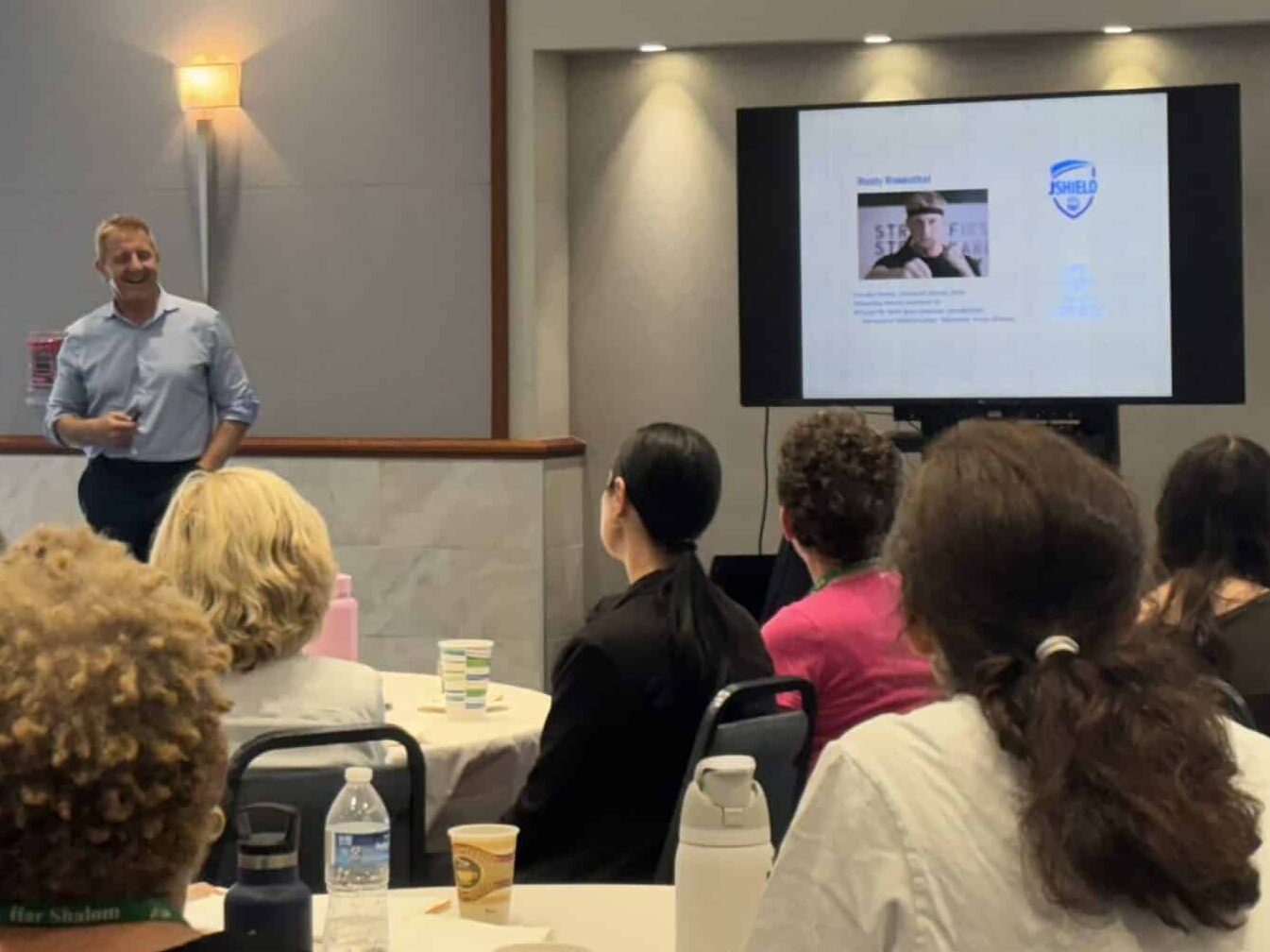
Hosted by The Jewish Federation of Greater Washington at Gesher Jewish Day School in Fairfax, the Northern Virginia Leadership Breakfast welcomed nearly 40 lay and professional leaders from synagogues and partner agencies across the region. Over coffee and conversation, participants built new relationships, deepened existing ones, and explored what it takes to lead effectively in a rapidly evolving and increasingly interconnected Jewish community.

At the center of the morning was a dynamic workshop led by Miriam Stein, Founder and Chief Strategist at Saddlerock Strategies, designed to strengthen relationships and build greater cohesion among our boards. With thanks to longtime leaders from across Northern Virginia who facilitated at each table, the sessions sparked candid, peer-led conversations about how to apply these insights to strengthen boards, build trust, and lead with intention.

“We’re spread out across the region, and it’s easy to feel like we’re working in silos,” said Ilana Rothberg, a member of the Board of Trustees at Gesher Jewish Day School. “Coming together helps us get to know one another, share ideas, support each other, and remember that we’re all working toward the same goal: a vibrant Northern Virginia Jewish community.”

Northern Virginia is the fastest-growing Jewish community in the Greater Washington area—and Federation is committed to helping it thrive. Through targeted investments, leadership development, and community-building initiatives like this one, Federation is working alongside partners to ensure the region’s Jewish institutions and leaders are prepared to meet current needs and shape a strong Jewish future.

“This is a growing and flourishing region,” said Ari Brickman, Federation’s Senior Director of Community Change Initiatives. “We want to ensure that Northern Virginia has the strongest leaders and the strongest institutions—and that we’re true partners in that work.”

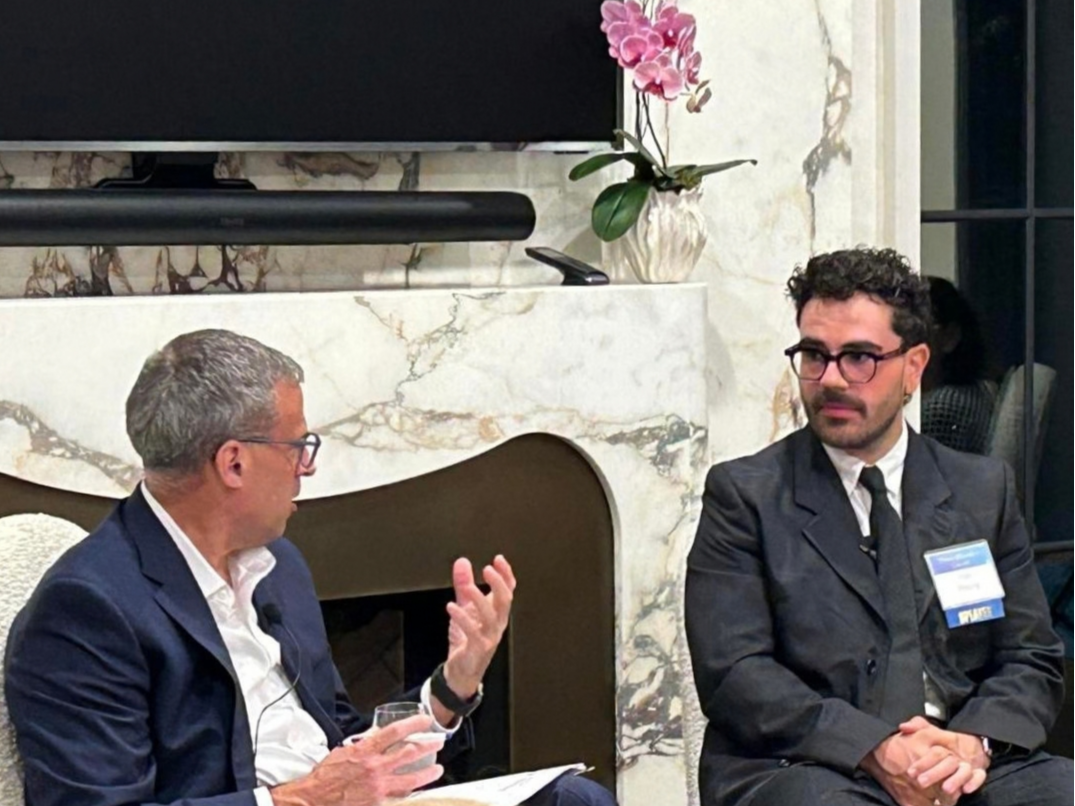
Federation CEO Gil Preuss echoed that commitment: “We see this as a beginning. The strength of a Jewish community is really dependent on the strength of its leadership. What began as an idea is now a foundation we can grow from—together.”

More than a leadership breakfast, this was a clear step toward something bigger: a more connected, empowered, and vibrant Jewish community in Northern Virginia.
Related posts

Why this moment feels familiar Why this moment feels familiar
Why this moment feels familiar
As institutions increasingly single out Jews and demand ideological conformity, Jewish educators and communities face a difficult question: will the price of belonging become denying our identity? We must push back against antisemitism and protect the Jewish and universal values we have long fought to uphold.
read more

The Future Is Built on Belonging

The Future Is Built on Belonging

There’s a tendency we have as humans to make our groups exclusive. Sociologists have long observed our inclination to use stricter and stricter criteria to create fewer and fewer insiders. You need only look at social media or partisan politics to confirm the phenomenon is alive and well.

Indeed, in our hyper-polarized world, it’s tempting to put the line between “us” and “them” in bold, especially when it feels like our individual and collective identities are on the line. It’s certainly easier and more comfortable to write people off than engage with them.

But shutting people out has never led to progress. In fact, insisting on lines of division is often the first step toward violence and hate. We don’t yet know the motive behind the assassination of Charlie Kirk, but we know for certain someone chose murder over conversation.

Given an increasingly tense social dynamic, I find myself once again rooting for our community to take a countercultural path. Rather than narrow our boundaries, we can do the unlikely thing and uphold an open tent.

Don’t get me wrong—a tent needs a perimeter. The question of who is “in” and who is “out” is an important one and part of our community’s ongoing discussions. But if we are to achieve our goals and build the vibrant future we seek, then the defining feature of our communal tent must be its open flaps, tied back to welcome people in.

I wrote last week about how there are people in our community who are wrestling with where they stand on Israel and Gaza. There is another layer to this. Because in addition to feeling conflicted, there are also many who feel excluded and that their viewpoints are unwelcome. I have heard this both from people who hold conservative views and from people who hold liberal views. I have heard this from people whose Jewish values lead them to focus primarily if not exclusively on the care and wellbeing of the Jewish people and those whose Jewish values lead them to focus primarily on the broader society. We may differ in our perspectives, but we share a desire to feel like we belong.

Of course, an open tent may be a simple image but maintaining one is complex work. To be a welcoming community is to invite friction. We might accidentally bump into each other, perhaps spill a drink, misunderstand one another because of all the noise. But the messiness is worth it. Because it’s also the path to connection, understanding, imagination, and growth. To borrow a line from Franklin Foer, “American Jews are really good imagineers.” We don’t accept the dynamics of the day. We forge our own path and can serve as a model to the rest of the country of how to resist the urge to exclude and instead recognize one another’s worth.

I know that beliefs in our community run deep—I love this about us. I hope everyone feels comfortable sharing their thoughts, questions, and quandaries. I also hope that as we look to 5786, we take that extra step and make space for someone who thinks differently about what it means to be Jewish today. After all, the future is not built from consensus. It’s built from belonging and the creativity it inspires.

Related posts

Why this moment feels familiar Why this moment feels familiar
Why this moment feels familiar
As institutions increasingly single out Jews and demand ideological conformity, Jewish educators and communities face a difficult question: will the price of belonging become denying our identity? We must push back against antisemitism and protect the Jewish and universal values we have long fought to uphold.
read more

Making Space for Ourselves

Making Space for Ourselves

Over the past several weeks, I’ve spoken with donors, volunteer leaders, Federation staff, and colleagues across Jewish organizations, all seeking to understand how to make sense of this moment of division and conflict.

Each one of us can name the many divisions that exist within our country, our community, the Jewish people, and often within our own families. What struck me most, however, in my many conversations, were the fractures and struggles that exist within each one of us. Some feel uneasy about how national leaders address antisemitism on college campuses yet relieved the issue is finally receiving attention. They are grappling with the rise of antisemitism and anti-Israel sentiment and with the complexity of how best to respond.

Most commonly, however, the conversation evolves to questions about Israel, Hamas, Gaza, Palestinians, and the hostages. Many people deeply believe in the need for Israel to eliminate the threat posed by Hamas and to ensure the horrors of October 7 never happen again. They see the war as an existential one to Israel’s survival and by extension of the future of the Jewish people. For many, Israel is a cornerstone of Jewish identity and safety. Our fear is not only what happens on the ground, but also about what it means for Jewish life, security, and solidarity around the world.

And, at the same time, many of these same people are deeply struggling with what they read every day about the number of lives lost, the level of hunger that may exist in Gaza and a war with no end in sight, and the devastating possibility that the hostages will not return home. One person stated that they felt ashamed, both by the actions of the Israeli government and by the part of themselves that believes these actions may be necessary to ensure a safe and secure Jewish future. That tension stayed with me. For many, this moment is not about certainty, but about navigating conflicting truths: fearing what inaction might invite, while grieving what action demands.

Another person shared that they’ve been waiting, hoping that Israel’s actions might eventually bring about something redemptive. That we would be able to say, “This is why,” and find some clarity or affirmation in the face of so much pain and that the broader world would finally understand. But that moment hasn’t come. And for some, it’s beginning to feel like it may not. What once felt like hopeful anticipation has become another layer of grief and shame.

One of our greatest challenges, both in conversation and as a community, is resisting the impulse to expect ourselves or others to have clarity when there is none. These are morally complex times. The struggle many are experiencing is about identity. What does it mean to be Jewish, to live our values, when we are confronted with human suffering, fear, a longing for justice, and a sense of abandonment?

As the Jewish Federation, we strive to be both clear in our values and aspirations for a vibrant Jewish community while creating space for honest conversation that does not demand clarity or agreement. By recognizing that those with whom we are speaking may also be struggling within themselves, we can begin to soften the divides that exist between us and stay in relationship through the uncertainty and discomfort.

As we move forward, I continue to believe in the power of this community to show up for one another, hold space for complexity, and lead with compassion. Our perspectives may differ, but the emotions we carry can still connect us. In a moment that could pull us apart, our shared experience can hold us together.

Thank you for your partnership, your courage, and your commitment.

Related posts

Why this moment feels familiar Why this moment feels familiar
Why this moment feels familiar
As institutions increasingly single out Jews and demand ideological conformity, Jewish educators and communities face a difficult question: will the price of belonging become denying our identity? We must push back against antisemitism and protect the Jewish and universal values we have long fought to uphold.
read more

Rooted in Israel, Reaching Across the DMV

Rooted in Israel, Reaching Across the DMV

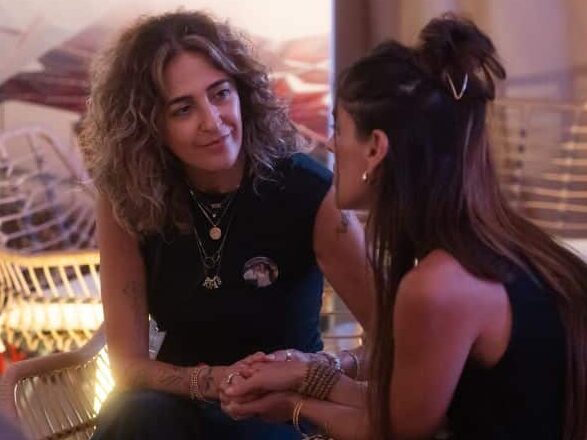
Meet Hila, Federation’s Educational Engagement Shlicha

For Hila, Jewish identity has never fit neatly into one country—or one category.Born in Jerusalem, connected to Argentina, shaped by global service, and grounded in a personal, evolving expression of Jewish life, she’s here to help our community deepen its connection to Israel and to each other.Through Federation’s long-standing partnership with The Jewish Agency—which brings Israeli emissaries into Jewish communities around the world—Hila’s role is helping more people build personal, meaningful relationships with Israel and one another.

Her story spans continents and communities, and now, for the first time, it’s rooted right here in the U.S.

And while her presence feels new, Hila represents the next chapter in one of Federation’s longest-standing investments: bringing Israeli voices into our community to build relationships that deepen over time—not just through programs, but through people.

Listening First, Leading with Heart

Unlike most Shlichim, who serve a single synagogue or school, Hila’s work spans the entire DMV: supporting organizations without their own Shaliach, mentoring newer emissaries, and helping communities connect with Israel in ways that feel personal, relevant, and real.

She offers connection and context to spaces that might otherwise go without—opening the door to conversations that go deeper than the headlines.

“I came to listen, to learn, and to really experience this community one-on-one,” Hila shared. “I want to understand people’s values and connections—and help them feel a stronger relationship back to Israel.”

At a time when many in our community are seeking deeper, more personal ways to engage with Israel, Hila brings a presence rooted in empathy and experience.

A Journey Through Informal Education

Hila’s leadership began early, guiding her own troop in the Israeli Scouts as a teen. That experience sparked a lifelong belief in informal education as a tool for connection and change. She earned degrees in social work and leadership, later leading civic engagement work in Israel’s periphery.

Most recently, she and her wife, Chen Sara—also a Shlicha, now serving in Northern Virginia—ran the Jewish Agency’s TEN volunteer center in Cambodia, mentoring Jewish young adults through hands-on service and sustainable development.

Blending Traditions, Living Fully

Raised in a largely secular home, Hila became more connected to Jewish tradition after meeting Chen, who comes from a more observant family. Today, their practice blends ritual and culture—creating space for connection, reflection, and joy.

“I’m not religious,” she said. “But I believe deeply in cultural Judaism.”

As an openly LGBTQ+ professional, Hila brings her full self to her work. She’s helped organize municipal pride events in Israel and served on the board of the Be’er Sheva LGBTQ+ Center. Here in the U.S., she’s inspired by how seamlessly Jewish and queer identities coexist.

“It’s moving to see how Judaism and LGBTQ+ can go together here,” she said. “In Israel, that’s not always the case.”

From Siem Reap to the Capital Region

Outside of her work, Hila is a morning person, a yoga lover, and a lifelong basketball fan (she played as a kid!). She’s visited more than 30 countries, with South Africa topping the list. Chocolate ice cream is her go-to treat; sushi tops her food list.

After years spent bridging communities around the globe, Hila is ready to build something lasting here.

“Our goal is to truly feel at home—and to build relationships that are meaningful and strong,” she said.

Through Hila and the 2025-26 delegation of Shlichim, our community can find that same sense of belonging by connecting with Israel in ways that feel personal, lasting, and real.

Meet this year's Shlichim

Related posts

Why this moment feels familiar Why this moment feels familiar
Why this moment feels familiar
As institutions increasingly single out Jews and demand ideological conformity, Jewish educators and communities face a difficult question: will the price of belonging become denying our identity? We must push back against antisemitism and protect the Jewish and universal values we have long fought to uphold.
read more

Making Room for Hope

Making Room for Hope

More than 700 days have passed since October 7—nearly two years since that horrific morning tore through Israeli life.

And for every one of those days, dozens of hostages have remained in Gaza, held by Hamas in conditions we can barely imagine. Today, that number stands at 48. It’s believed that 20 are still alive.

Among them is Alon Ohel.

A Glimpse of Life

Last week, for the first time since he was taken, we saw Alon.

In a Hamas video, another hostage—Guy Gilboa Dalal—is paraded through Gaza, pleading for his life. Alon appears beside him. A single, fleeting moment. A moment that marks the first visual proof Alon is still alive since October 7, 2023.

It means something. For his family, it means everything.

Until now, they had nothing. No photo. No message. Nothing since Alon disappeared from a shelter near Kibbutz Re’im, after escaping the Nova music festival massacre.

We now know from Hostage, a new book by survivor Eli Sharabi, who was held captive with Alon for months, that Alon was expected to be released in February. But the second-phase deal never came.

And so, seven months later, the agonizing wait continues.

This Sukkot, We Make Room for Them

As we look ahead to Sukkot, a time of shelter and solidarity, we’re preparing to turn our grief into action.

Together with the Hostages Families Forum, Adas Israel, and partners across Greater Washington, we will build a Sukkah of Hope in front of the White House.

A place to gather. To remember. To say out loud: they are still there. And we are still here.

Refusing to Look Away

Even in this unbearable reality, a single photo can mean everything.

It means someone is still alive.
It means their story is not over.
It means we still have time to bring them home.

And it means the world still needs to hold Hamas to account for these ongoing atrocities and the suffering inflicted on so many innocent lives.

We carry that truth into Sukkot, into the shelter we build, the space we hold, and the hope we refuse to let go of.

May this be the year they come home.
And may it also be the year of peace.

Related posts

From Intention to Action: What the Foundation Makes Possible

From Intention to Action: What the Foundation Makes Possible

This month, we’ve been spotlighting legacy giving through stories like Marilyn & Ira Polon’s commitment to Jewish continuity and Natalia’s work guiding individuals and families as they imagine how their values can live on for generations. These aren’t just stories of gifts. They are stories of promises: that Jewish life will remain strong long after we’re gone.

But those commitments don’t just sit in a vault—they take shape through The Jewish Community Foundation of The Jewish Federation of Greater Washington. The Foundation is Federation’s philanthropic arm, providing the expertise, heart, and reach that allow donors to bring their visions for positive change to life—intentionally, personally, responsibly, and with lasting impact. Through the Foundation, donors give Jewishly, practice effective philanthropy, and work together to build a more connected, inclusive, and enduring future.

And legacy is just one part of the story.

Endowments: Building a Thriving Community for Generations

Some donors want their commitments to last beyond their lifetime. Through the Foundation, those commitments become endowments—long-term funds that not only preserve their gift but also actively strengthen the health of our community. Endowments help create the conditions for a community that is safe and deeply connected, proud of its identity and heritage, grounded in Jewish meaning, and committed to building a better world for the future.

Donor-Advised Funds (DAFs): Flexible and Meaningful Giving

A donor-advised fund at the Foundation gives donors the freedom to do all their giving in one place—flexible, tax-smart, and handled with care and transparency. With a DAF, you can support Jewish education, urgent relief in Israel, your local JCC, your synagogue, a hospital, an arts program—or all of them. With the convenience and flexibility to give across causes and communities, whenever and however you choose, it’s giving made simple, while keeping your values at the center.

Collaborative Funds: Creating Opportunities, Changing Conditions

And sometimes, a donor feels compelled to act on a cause so personal it can’t be carried alone: mental health, women and girls, Jewish learning, community security. Collaborative funds are created when donors with shared commitments come together through the Foundation. These funds don’t just respond to problems; they create opportunities to strengthen Jewish life in unique ways, while also tackling some of the most complex challenges our community faces. By pooling vision and resources through the Foundation, donors can change the conditions that shape our future and open the door to a more vibrant, resilient community. Each fund is driven by donors’ deeply personal intentions and made stronger through the power of collective action.

What Sets the Foundation Apart

What makes the Foundation unique is that every gift is both personal and communal. Because it is part of The Jewish Federation of Greater Washington—an institution trusted for generations—donors know their giving is grounded is anchored in Jewish values and connected to something larger. Unlike other financial institutions, fees at the Foundation support Jewish programming at the Foundation and Federation that strengthens the fabric of Jewish life locally, nationally, and globally. Donors also gain access to philanthropic learning, expert advisement, and the ability to make their giving visibly Jewish, even when supporting a secular nonprofit. Together, donors experience philanthropy that is both effective and deeply meaningful.

What Every Gift Has in Common

Whether through an endowment, a DAF, or a collaborative fund, every gift at the Foundation begins with a donor’s intention. Federation helps inspire these commitments. The Foundation ensures they are honored with care—and, grounded in an institution donors know and trust, they are brought to life in the most impactful, personal, and deeply Jewish way possible.

Related posts

Why this moment feels familiar Why this moment feels familiar
Why this moment feels familiar
As institutions increasingly single out Jews and demand ideological conformity, Jewish educators and communities face a difficult question: will the price of belonging become denying our identity? We must push back against antisemitism and protect the Jewish and universal values we have long fought to uphold.
read more

Discovering What Motivates Us

Discovering What Motivates Us

Behind every connection to Federation is a story—a reason why.

In a recent conversation with my team, I asked a simple question: What motivates you?

The answers were honest and deeply personal. Some spoke about the impact of loss—like a family member killed on 9/11 or a battle with cancer. Others shared the grounding role of friendship, family, or the meaning they find in being a parent. For me, it was my own childhood diagnosis with type 1 diabetes—an experience that continues to shape how I approach challenges, relationships, and my commitment to community.

What struck us most was not just the variety of answers, but the openness with which they were shared. The conversation reminded us that motivation is rarely abstract. It’s lived. It’s personal. And it’s often tied to experiences that stay with us.

That same truth guides how we engage with our community. Just as each of us is motivated by different life experiences, so too are the individuals and families who give so generously to Federation. Some of you may be driven by urgent needs. Others by legacy. Still others by the vision of a vibrant Jewish future.

We can only discover these motivations if we take the time to ask—and then to listen.

I hope we hold fast to what’s at the core of this work—the work of strengthening our Jewish future: connecting with one another, honoring each person’s why, and building a stronger Jewish community—together.

So, we’ll leave you with the same question we asked ourselves:

What motivates you?

Related posts

Why this moment feels familiar Why this moment feels familiar
Why this moment feels familiar
As institutions increasingly single out Jews and demand ideological conformity, Jewish educators and communities face a difficult question: will the price of belonging become denying our identity? We must push back against antisemitism and protect the Jewish and universal values we have long fought to uphold.
read more

When Hate Shows Up in the Classroom, Federation Shows Up for Teachers

When Hate Shows Up in the Classroom, Federation Shows Up for Teachers

In classrooms across Greater Washington, antisemitism isn’t abstract. It shows up in hallway slurs, social media posts, and in the hard questions students bring to class. Teachers are on the front lines of these conversations—often without the necessary tools to respond.

This is more than a challenge; it’s a turning point. If we want to shape Jewish life and protect our community, we have to start where prejudice takes root: in education. This summer, The Jewish Federation of Greater Washington helped bring Facing History and Ourselves (FHAO) back to DC for its first in-person Holocaust education seminar since before the pandemic.

Responding to an Urgent Need

At the University of the District of Columbia, more than 20 middle and high school educators from public, private, and Jewish day schools came together for four days of intensive learning. Using FHAO’s Holocaust and Human Behavior curriculum, they examined how propaganda spreads, how restrictions accumulate, and how silence allows hate to grow—lessons with chilling relevance for today’s classrooms.

They also practiced strategies to create trust and build classroom environments where difficult questions aren’t avoided but explored. “If teachers don’t believe they can do it, they won’t,” explained Jeremy Nesoff, FHAO’s Senior Director for District Partnerships. “Our goal is to give them the confidence, strategies, and resources to guide their students toward empathy and responsibility.”

Impact That Multiplies

Each teacher reaches dozens of students every year. Multiply that across a classroom, a school, a district—and one Federation investment this summer could change how thousands of young people learn to recognize and confront antisemitism. The impact doesn’t stop in one room; it spreads into every hallway and community those students touch.

For the teachers, the effect was immediate:

“The work that’s being done here will transform not only my community but all of our schools across the country.”

“This seminar allowed me to grapple with my own understandings and will allow me to grow as an educator and an individual.”

According to survey responses, every participant left better prepared to address antisemitism; 95% said the experience deepened their commitment to teaching; and all reported greater confidence in responding to antisemitism in their schools.

A Catalyst for Change

This summer seminar was more than just bringing FHAO back to DC—it created momentum for what comes next, laying the groundwork for district-wide training in Loudoun County and sparking conversations with DC Public Schools. FHAO is also exploring expansion into Prince George’s, Anne Arundel, and Prince William counties. “Working with knowledgeable expert partners, like Federation, who are plugged into the community is such a key for us,” said Nesoff. “Federation helped us open doors.”

Joel Frankel, Federation’s Senior Director of Community Capacity, added:

“Our funding for FHAO is one example of how we’re supporting parents and students in the fight against antisemitism in schools. Next year, we plan to bring together all our partners in this space—including FHAO, Jewish Community Relations Council (JCRC), American Jewish Committee (AJC), and Anti-Defamation League (ADL)—to build on the relationships they’ve developed over time.”

Preparing Students for More Than Academics

Students in the DMV are returning to more than math and reading. They’re also navigating questions of belonging, justice, and identity. Thanks to your support, nearly two dozen teachers now have resources like FHAO’s Back to School Toolkit to create classrooms where every student feels safe to learn and engage.

In a moment when antisemitism feels more present than ever, we’re ensuring teachers—and the thousands of students they reach—are ready not just to teach but to help young people think critically and stand up to hate.

Related posts

Why this moment feels familiar Why this moment feels familiar
Why this moment feels familiar
As institutions increasingly single out Jews and demand ideological conformity, Jewish educators and communities face a difficult question: will the price of belonging become denying our identity? We must push back against antisemitism and protect the Jewish and universal values we have long fought to uphold.
read more

JShield Trainings Strengthen Our Community Partners

JShield Trainings Strengthen Our Community Partners

For Taylor M, a congregation administrator in Ashburn, the start of the school year and High Holidays once felt overwhelming. “These sessions are basically a checklist of the best ways to keep people safe during this time when they have other things on their mind,” Taylor shared.

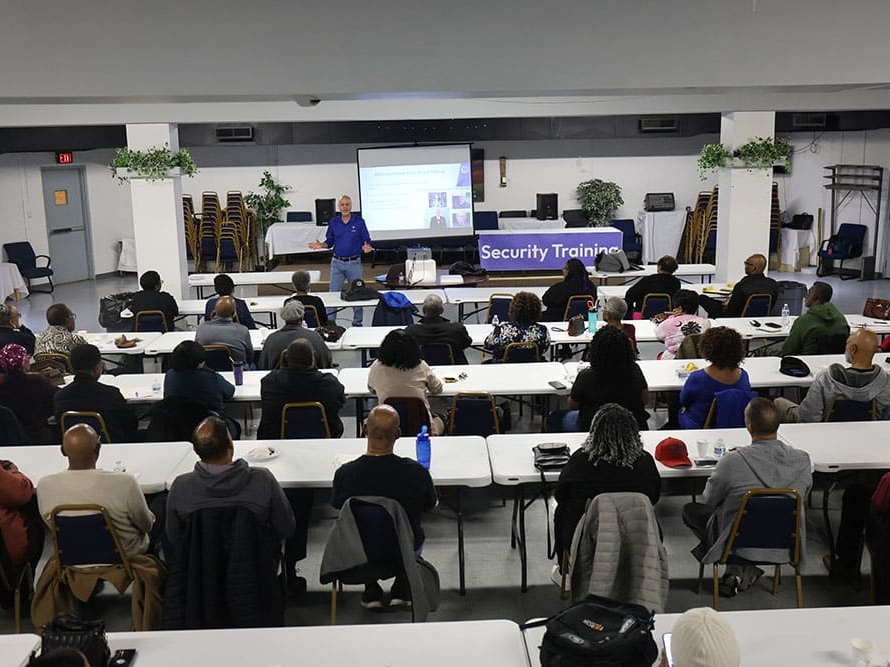
This past Sunday in Fairfax, Taylor joined dozens of others in person and online from across Northern Virginia (and even as far as Blacksburg!) for one of JShield’s annual security trainings.

Northern Virginia is one of the fastest-growing centers of Jewish life in Greater Washington. But with congregations and schools spread across a vast geography, keeping everyone connected and secure comes with unique challenges. JShield’s presence in Northern Virginia brings tailored support, with a dedicated Community Security Advisor, meeting leaders where they are, ensuring no one face security concerns alone.

The back-to-school and High Holiday seasons are among the busiest for Jewish institutions across our community. These annual JShield trainings are just one of the ways JShield shows up as a thought partner, trusted resource, and expert guide—helping make even the most overwhelming scenarios feel manageable.

As Bob Green, Security Committee Member at Temple Beth Torah in Chantilly, explained:

“JShield has already vetted the tools and resources, and I can leverage them instead of starting from scratch. It’s a centralized repository of truth.”

Empowering Leaders Through Expertise

Taylor had no background in security or grants. But with JShield’s guidance, she successfully completed a Nonprofit Security Grant application. “I probably would not have lasted in my job as long as I have without JShield,” she said. Over time, repeated trainings became part of her preparation routine—especially before the High Holidays.

Together, We Are Prepared

For our community, safety is not a one-day effort. JShield’s year-round work gives leaders in Greater Washington the confidence to open their doors without hesitation, knowing they have the training, expertise, and community behind them. In an era of rising antisemitism, that shared strength makes all the difference.

Join JShield for the Final Back-to-School and High Holidays Training Session

Our final training of the season will be held on Thursday, September 7, in Washington, DC. This session will equip you with practical tools and peace of mind—so that you and your organization can face the future with strength and confidence.

Can’t make it to this final training, but have questions for our security experts? JShield is here 365 days a year.

Related posts

Why this moment feels familiar Why this moment feels familiar
Why this moment feels familiar
As institutions increasingly single out Jews and demand ideological conformity, Jewish educators and communities face a difficult question: will the price of belonging become denying our identity? We must push back against antisemitism and protect the Jewish and universal values we have long fought to uphold.
read more

The Future of Jewish Leadership Begins Here

The Future of Jewish Leadership Begins Here

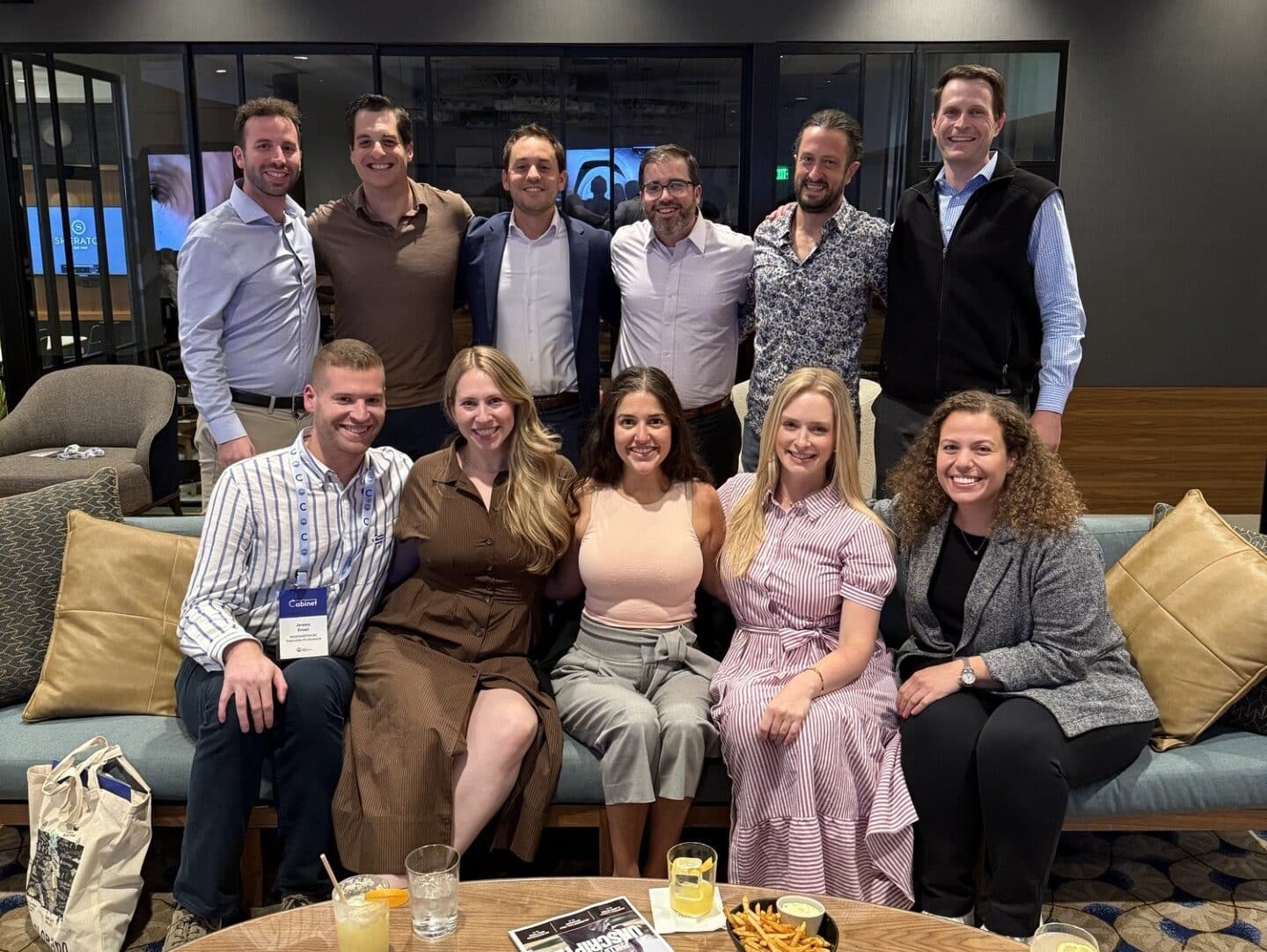
The future of Jewish leadership doesn’t start in boardrooms—it starts in moments of connection, clarity, and conviction. Earlier this month, thirteen young leaders from Greater Washington traveled to Denver to join more than 300 of their peers at the National Young Leadership Cabinet retreat. Over four days of learning and exchange, they discovered not just new ideas, but how deeply their local efforts are woven into a powerful collective shaping Jewish life across North America and beyond.

What Is Cabinet?

Cabinet, an initiative of Jewish Federations of North America (JFNA), identifies, trains, and inspires leaders ages 30–45 to strengthen Jewish life locally and globally. Many participants go on to serve in prominent roles—on Federation’s Board of Directors, including as President, and on the boards of other leading Jewish organizations.

When the Impact Gets Personal

For Alexa Brown, Cabinet co-chair for the Jewish Federation of Greater Washington, the retreat underscored how local work connects to a larger movement. “This experience helped me zoom out and see just how connected our work at home is to the broader Federation network,” she said.

That collective impact became especially personal for Alexa when she learned that Federation dollars are helping to rebuild Soroka Hospital in Be’er Sheva—where her grandmother is a patient. “Knowing that our community is directly supporting the hospital caring for her was incredibly emotional,” she reflected. “Hearing firsthand about the renovations left me overwhelmed with gratitude—not just for hospital staff, but for everyone in our Federation family who gives so generously.”

Finding Strength in Connection

For her co-chair, Britney Wambold, the most meaningful moments came from building deeper relationships. “Meeting in a more intimate setting and sharing our personal ‘why’ for being involved with Federation was incredibly powerful,” she said. “Their stories reminded me of the depth of passion in our community and inspired me to keep pushing forward in my own leadership journey.”

Both Alexa and Britney pointed to the energy that comes from being part of a national network. “There was an unspoken understanding among us—that we’re not just here to lead but to show up for one another,” Alexa shared. “It gave me peace knowing there’s a whole network of leaders who care deeply and have each other’s backs.” Britney agreed: “The retreat reminded me how impressive and diverse this group is, and how much we can learn from one another.”

From Retreat to Reality

For the Greater Washington delegation, Denver wasn’t just four days away—it was a chance to see the bigger picture, to feel the impact of global Jewish philanthropy in deeply personal ways, and bring home renewed energy for strengthening our community. Alexa and Britney returned new tools and ideas, and deeper pride in Federation’s work and in the generation of leaders shaping the Jewish future.

“I’m excited to see what this group of young leaders goes on to do here at home to strengthen our local Jewish community in the years to come,” reflected Jeremy Frisch, Federation’s Assistant Director for Donor Engagement, who also attended. “Watching them learn and grow leaves me feeling very hopeful about what that future looks like.”

And that’s the heart of Cabinet: cultivating leaders who will guide our community through real challenges and seize opportunities to enrich Jewish life across Greater Washington. Today’s investment develops the leaders our community will count on for decades to come.

To learn more about the National Young Leadership Cabinet or to get involved, contact Jeremy Frisch at jeremy.frisch@www.shalomdc.org.

Related posts

Why this moment feels familiar Why this moment feels familiar
Why this moment feels familiar
As institutions increasingly single out Jews and demand ideological conformity, Jewish educators and communities face a difficult question: will the price of belonging become denying our identity? We must push back against antisemitism and protect the Jewish and universal values we have long fought to uphold.
read more