Need support? Call 703-J-CARING (703-522-7464)

Connecting the Dots in Jewish Northern Virginia
Connecting the Dots in Jewish Northern Virginia

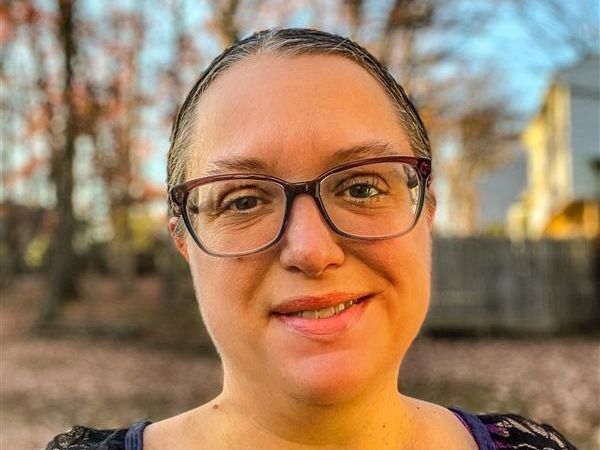
As Family Engagement and Community Partnerships Director at the Pozez JCC, Amy Lummer is quietly (and brilliantly) weaving Jewish life across Northern Virginia—one connection at a time.

“There’s always someone here to catch you if you fall.”

Raised in rural West Virginia, Amy Lummer grew up with a deep sense of mutual care and connection. Now, she brings those values to Jewish Northern Virginia—making sure families feel seen, welcomed, and supported.

Why Here?

Northern Virginia is one of the fastest-growing and most geographically spread Jewish regions in Greater Washington. With families spread across suburbs and cities, Jewish life here can feel fragmented. Turning those fragments into something connected takes intention—and people like Amy.

A Web of Connection

“We are a spiderweb, and whenever you strengthen any one point, the whole web gets stronger.”

Amy coordinates community partnerships, runs the Growing Jewish Families Program, and keeps a running spreadsheet of everything from kosher caterers to coffee shop meetups.

It’s not just about programs; it’s about people. And Amy equips them to create meaningful Jewish experiences for themselves and others.

Bridging Culture, Faith, and Family

Amy’s family has lived in West Virginia for generations, tracing their roots back to Alsace-Lorraine in the 1600s and settling in Appalachia by 1749. The deep community ties and cultural pride she grew up with continue to inform how she builds Jewish life today.

“Judaism and Appalachia both teach that someone is there to catch you if you fall.”

Her kids, now 12 and 15, describe her work like this: One of them says, “She talks to people.” The other adds, “She runs Jewish programs—and makes me volunteer.” Amy laughs, but she’s also serious:

“I want them to grow up knowing that community isn’t something you consume—it’s something you help create.”

She also dreams bigger: a future where every Jewish institution sees one another as partners, not competitors.

“I see a future where no one claims, ‘We can’t do that, they’re our competition.’ We’re one community.”

From Budgets to Bagels

Ten years ago, Amy was a federal budget analyst. After her second child was born, she reassessed her path. She left her job, enrolled her daughter in a part-time Jewish preschool, and when a wave of flu hit the staff, the director asked her to fill in. She agreed—baby in tow—and discovered how much she loved it. That one-off moment led to a master’s in education, years in Jewish early childhood programming, and ultimately, a full-time mission.

“Now I’m building the world I want to see—in a place that supports that.”

Building Belonging, One Moment at a Time

Amy wanted her kids to have a strong Jewish foundation. She started by building community for them. Now, she does it for everyone.

“When someone opens a Growing Jewish Families newsletter, even that shows a desire for connection. And that’s where community starts.”

When her daughter switched from Jewish day school to a large public high school, Amy watched something powerful unfold: her daughter used the skills she’d grown up with—the ability to recognize and connect with others—to find her one Jewish friend in a sea of students.

“She overheard a name that sounded familiar enough to take a chance. Now they walk home from school together.”

That one shared walk home felt like proof: her daughter had what she’d need to find her people.

What Community Looks Like

Amy’s version of success isn’t flashy. It’s made up of human moments that spark something lasting:

  • Fresh kosher challah waiting at school pickup
  • A mezuzah placed low—so kids can touch it, people who use wheelchairs can reach it, and the braille can be read by all
  • Two parents who met at a PJ Library event and grabbed coffee after
  • “That’s the kind of success I’m chasing.”

(And yes, she counts coffee dates as wins.)

More Than a Job

When she’s not coordinating programs or connecting families, Amy’s likely curled up with a fantasy novel (happy endings only), testing a new recipe, or recreating heirloom favorites from scratch. She cooks the way she builds community: generously and with heart.

“Feeding people is my love language.”

The Work of Belonging

Amy’s work reflects Federation’s larger commitment: that every Jew in Greater Washington should have access to connection, belonging, and community.

In Northern Virginia, connection doesn’t just happen—it’s built, moment by moment—by people like Amy.

“Nobody needs to be alone.”
Related posts

Tax-Smart Giving Before 2026

Tax-Smart Giving Before 2026

Five Ways to Make Your Impact Now

As 2025 winds down, many of us are thinking about the difference we want to make—and how to give in ways that matter most. With changes from the One Big Beautiful Bill Act (OBBBA) taking effect on January 1, 2026, now is the time to plan ahead. New charitable deduction limits—including a 0.5% adjusted gross income (AGI) floor and reduced itemized benefits—may affect giving strategies in 2026 and beyond. That makes this year an important opportunity for strategic giving.

Below are five tax-smart strategies to consider as you make your year-end gift—whether you’re supporting The Jewish Federation of Greater Washington, shaping your long-term philanthropic goals through the Jewish Community Foundation, or both.

1. Give Online

Give online for the fastest and most convenient option. Web-based platforms make strengthening Jewish life across Greater Washington simple, safe, and accessible.

2. Donate Appreciated Stock

Donating appreciated stock allows you to save on capital-gains taxes and receive a charitable deduction for the fair-market value of assets held more than one year. Your gift powers the programs and partnerships that keep Jewish Greater Washington strong.

Tip: Initiate stock transfers by Monday, December 15 to ensure a 2025 tax credit.

3. Create or Add to a Donor-Advised Fund (DAF)

Open or add to your fund using cash, securities, or complex assets such as business interests or real estate. You’ll receive a charitable deduction now, your fund can grow tax-free, and you’ll have the flexibility to recommend grants when you’re ready. A DAF can also streamline your giving and engage your family in meaningful philanthropy.

Many donors are choosing to contribute up to $108,000 to their DAFs in 2025 to maximize deductibility before 2026’s new limits take effect.

Example: If you plan to give $36,000 annually over the next three years, “bunching” that total into a single $108,000 gift before December 31, 2025 may allow you to take full advantage of today’s deduction rules—versus a reduced benefit spread across multiple years under the new law.

If you already have a DAF, recommending a grant to Federation’s Annual Campaign by December 31 is one of the quickest ways to make an immediate impact.

If you don’t have a DAF, you can still make your year-end gift directly online, through appreciated assets, or by choosing the strategy that best aligns with your goals. And if you’re thinking ahead, opening a DAF is an option you can explore anytime.

4. Make a Qualified Charitable Distribution (QCD) from Your IRA

If you are 70½ or older, you can transfer up to $108,000 directly from your IRA to Federation or the Foundation—tax-free.

A QCD

  • Counts toward your Required Minimum Distribution (RMD)
  • May reduce your adjusted gross income
  • Remains beneficial even if you don’t itemize deductions

QCDs must be received by December 31 to count for 2025.

Example: A donor who makes a $108,000 QCD before year-end may reduce both their taxable income and future RMDs, while supporting Jewish community needs today.

5. Donate Appreciated Real Estate or Other Complex Assets

A gift of appreciated real estate or other complex assets allows you to avoid capital-gains tax and receive a charitable deduction based on the property’s fair-market value (with a qualified appraisal). You may give all or part of a property while retaining lifetime use and build a lasting legacy for Jewish Greater Washington.

We’re Here to Help

Our Federation and Foundation teams can help you identify the giving strategy that aligns with your goals and values before year-end. We encourage you to consult with your professional advisors to determine how these strategies apply to your individual situation.

If you’d like to understand more about how the new 2026 deduction rules work—including the 0.5% floor and the new ceiling for itemized deductions—you can find a full explanation here.

The Jewish Federation of Greater Washington and the Jewish Community Foundation do not provide legal, financial, or tax advice.

Explore all ways to give

Related posts

Meeting Our Community’s Desire for Connection

Meeting Our Community’s Desire for Connection

Across every demographic, the desire for deeper Jewish life is clear. Let’s meet it—one invitation at a time.

I was reading through the results of our recent Impact Index Pulse Survey, a community-wide survey we helped launch earlier this year to better understand how people across our region are experiencing Jewish life—what’s working, what’s missing, and where we can lower barriers to connection. The survey asked 1,349 D.C.-area Jewish community members about their level of satisfaction with the Jewish community (54% satisfied, 15% unsatisfied, 31% neutral).

There is plenty to parse in the data, but one thing stood out to me: The key to increasing people’s engagement with Jewish life isn’t about creating desire but about creating opportunities and removing barriers standing in the way of greater participation.

The desire to become more involved in Jewish life cuts across denomination, age group, income level, region, synagogue affiliation, and length of residence. Roughly 50-60% of all demographic groups want more engagement. Even those whose engagement declined in the past year still reported wanting to be more involved in Jewish life. This is remarkable and instructive.

At Federation, we are proud to work closely with a network of partners who offer and facilitate meaningful Jewish experiences. But the work of building Jewish community rests not solely with institutions, but with each of us. Indeed, community is built from individual connections that help people feel seen and part of something. All of the grants and strategic approaches in the world will never replace the power of personal interactions.

Enter Shabbat dinner. Whether you gather with family members, close friends, or new acquaintances, coming together for Shabbat dinner is one of the most powerful ways to kindle and strengthen Jewish life. Many of us know this to be true from our own encounters with Shabbat, and it is also borne out in the data. Among those who sometimes or regularly attend or host Shabbat dinners there is a greater level of engagement with and satisfaction in Jewish life as compared to those who rarely or never attend Shabbat dinners.

I can hear the data folks reminding me that “correlation is not causation,” but when it comes to Shabbat dinner, there is no downside. It is a positive indicator and effective gateway to greater engagement. It also enriches our own Jewish lives. We’re fortunate to work with so many organizations and community members who help people find their way to one another, at Shabbat tables and in countless other moments of connection.

So, as the weather gets colder and we burrow inside, I want to encourage you to bring others along with you. Invite people over for Shabbat dinner. Welcome people you know and people you would like to get to know. Even if you’ve never hosted a Shabbat dinner before, give it a try. It does not need to be fancy or fit some image of what a Shabbat dinner is “supposed” to look like. There are many online resources standing by to provide you with tips and ideas. This is a resource guide from OneTable, one of our partner organizations, that helps those in their 20s and 30s host Shabbat dinners—but the information works for all ages.

The Impact Index clearly shows people want to be more engaged in Jewish life. The desire is there. We meet it by connecting with the people around us and basking together in Jewish ritual, joy, connection, and belonging.

Related posts

More Than One Way to Make a Difference 

More Than One Way to Make a Difference 

Each act of generosity adds to something beautiful we share.

There’s more than one way to slice an apple, bake a challah, or make someone’s day. And there’s definitely more than one way to make a difference.

Every gift to The Jewish Federation of Greater Washington helps someone feel more connected, supported, and seen—whether it’s a teen finding their place in Jewish life, a family getting help in a moment of crisis, or a community strengthened by safety and care.

Curious what your impact looks like?

Explore how your giving shapes Jewish life across Greater Washington:

  • Security: Protecting our community and preparing for whatever comes next.
  • Northern Virginia: Building connection and Jewish life across the region.
  • Teens & Young Adults: Empowering the next generation of Jewish leaders.
  • Camp & Education: Sparking lifelong Jewish learning and friendships.

This season, consider the difference you want to make, then choose the giving path that fits you best. Whether it’s online, through appreciated stock, your Donor Advised Fund, or a charitable IRA distribution, your generosity powers real impact across our region and beyond.

Because there’s no single way to build a strong, vibrant Jewish community. It takes all of us. 

Choose your way

Related posts

Training to Save a Life 

Training to Save a Life 

Inside a high-impact security training at Federation that’s powering readiness across Jewish Greater Washington

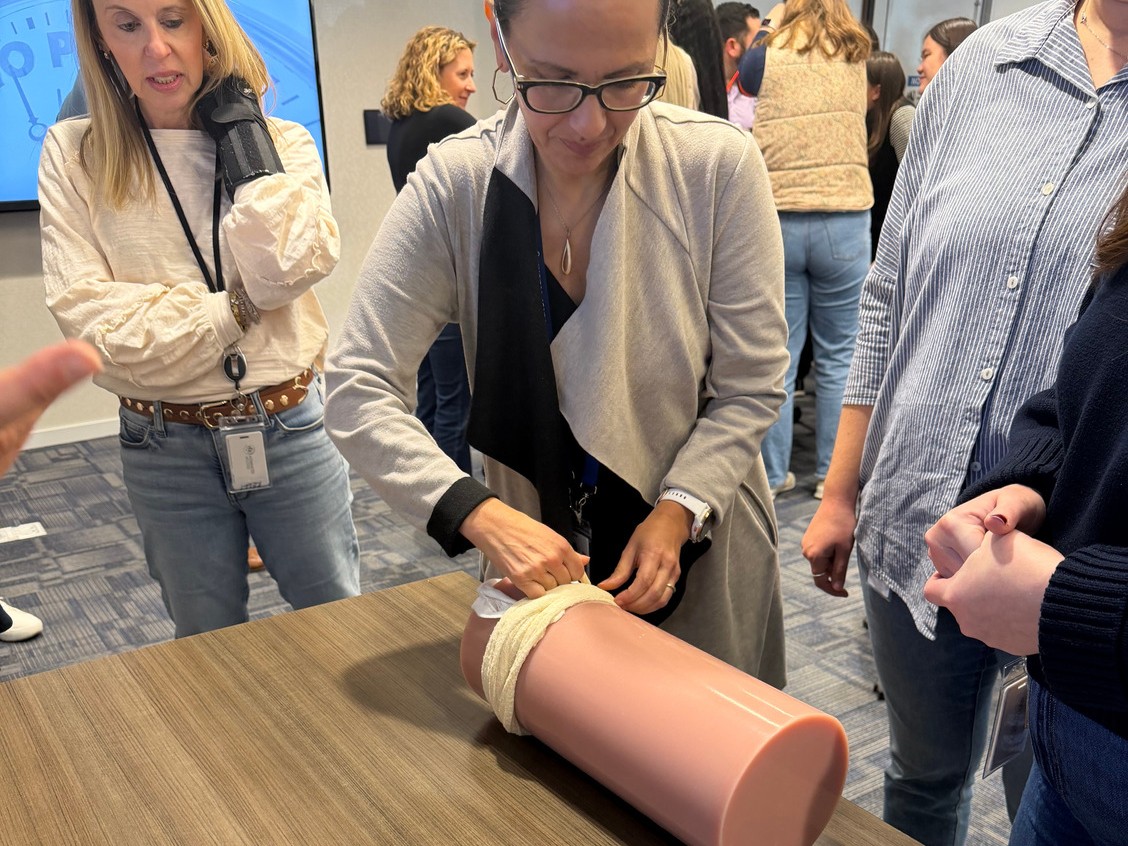
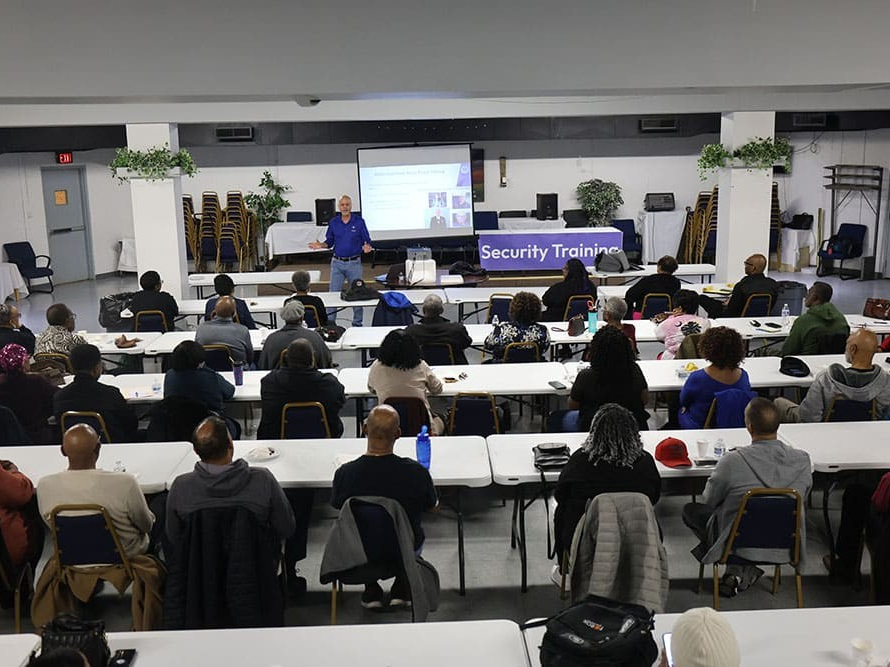
Last week, Federation staff rolled up our sleeves (literally) at STOP THE BLEED®, a hands-on emergency training that teaches you how to respond to life-threatening bleeding. We practiced using tourniquets, packing wounds, and applying pressure—skills we hope we’ll never need, but ones we’re grateful to have learned.

In a crisis, there’s no time to think. When tensions are high and lives are on the line, you fall back on your training. And you hope it’s training that sticks.

That’s where JShield comes in, turning preparation into practice, and making sure that training happens before the moment it’s needed.

JShield in Action

For our staff, this training was memorable, even intense. For JShield, it was any other Wednesday. These kinds of high-impact, real-world trainings are standard operating procedure for our community security initiative—proactive, practical, people-first.

JShield supports synagogues, schools, and Jewish organizations across Greater Washington with the tools they need to protect their people: security assessments, grant support, expert trainings, and real-world readiness. So far in 2025, that’s added up to nearly $600,000 in estimated support—from consultations and training to grant writing expertise and threat assessments—helping institutions across the DMV stay prepared and protected.

Because of You

This kind of training doesn’t happen by accident. It happens because of your support for Federation’s Annual Campaign.

And right now, your gift toward security goes even further, thanks to a limited-time Security Match from The Morningstar Foundation, which is matching 50¢ on the dollar, up to $1 million, to strengthen community safety across Greater Washington.

That means more trainings like this. More experts in more spaces. More peace of mind in a time when it’s never felt more urgent.

So far this year, JShield has helped local Jewish organizations secure more than $4.33 million in federal and state security funding. Your support helps unlock even more.

Prepared and Proud of It

There’s nothing flashy about learning to stop a bleed. It’s messy. It’s tense. It’s vital.

But it’s also hopeful. Because it means we’re not waiting to react—we’re ready to respond, thanks to JShield. Together, we’re building a community that leads with courage, care, and preparation.

Let’s keep going.

Help power the next life-saving training across Jewish Greater Washington.

Every gift is matched. Every action counts.

Donate now

Related posts

Jewish Talent Project: Building Better Workplaces, Together

Jewish Talent Project: Building Better Workplaces, Together

The Jewish Talent Project is underway, and the Leading Edge survey is the first step toward lasting change.

As Adam Levner shared when we introduced the Jewish Talent Project (JTP), the vision is bold: to make Greater Washington one of the best places in the country to work in Jewish communal life. Behind every meaningful connection or impactful program are professionals making it happen—and they deserve workplaces where they can thrive.

Since launching this fall, the Jewish Talent Project has begun building the tools and support Jewish organizations need to strengthen workplace culture, leadership, and staff retention across the region.

Now, JTP is rolling out The Leading Edge Employee Experience Survey.

This free, confidential survey offers Jewish organizations valuable insight into how staff experience their workplace—what’s working, where there’s room to grow, and how they compare to peers. It also opens the door to future JTP offerings and support.

Eligible organizations (3+ years old, 6+ employees) must register by December 12 to take part. Because when Jewish professionals thrive, the impact reaches every corner of our community.

Photo: leadingedge.org

Related posts

Building Belonging Through Care

Building Belonging Through Care

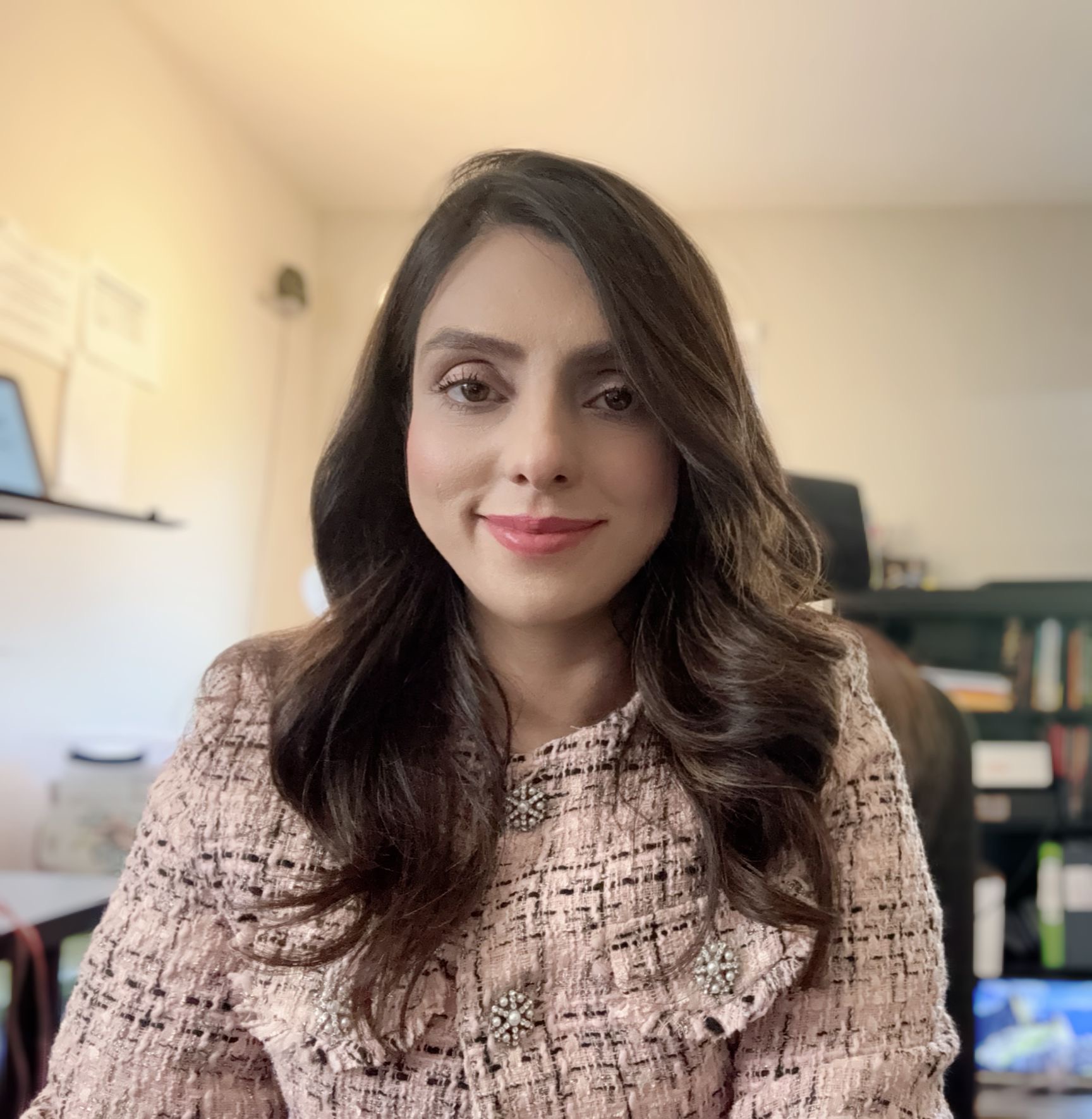
Building Belonging Through Care: Dr. Aiman Tohid and Makom’s New IDD Health Clinic

For Dr. Aiman Tohid, medicine is about more than just treatment—it’s about inclusion, empathy, and equity. As the Director of Makom’s new specialized health clinic for individuals with intellectual and developmental disabilities (IDD), she is helping build something rare: a space designed from the ground up for people who too often face barriers to care.

“This is one of a kind,” Aiman says. “Only a handful of clinics like this exist in the entire United States, and too often, people with IDD are denied care because providers aren’t trained to meet their needs. We wanted to change that.”

From Karachi to California to Montgomery County

Aiman’s journey began in Pakistan, where she attended Dow Medical College, then moved to the United States to complete her board exams and a preventive medicine residency at the University of Southern California’s Keck School of Medicine. After years on the West Coast, she and her husband moved east during the COVID pandemic to be closer to family and new opportunities.

Soon after arriving, she came across Makom. “I saw an opening online,”[at1]  she recalls with a laugh. “It wasn’t even the right fit for my background, but I applied anyway because I really wanted to be part of the organization.” When Makom’s leadership reviewed her résumé, they quickly realized her expertise aligned perfectly with their vision for a new clinic.

Building a First-of-Its-Kind Clinic

After three years of planning, Makom’s clinic officially opened to the broader community this fall. The clinic provides physical, occupational, and speech therapy; nutritional counseling; and behavioral and mental-health services. Initially created to serve individuals in Makom’s residential programs, it now welcomes clients across Maryland and DC, with plans to expand into Virginia once licensing is complete.

The clinic also partners with leading institutions, including Johns Hopkins, Georgetown, George Washington University, and the University of Maryland School of Dentistry, giving medical and dental students hands-on experience with IDD patients. These partnerships are reshaping how health professionals think about care for people with IDD. “We want to create a new generation of providers who are confident and compassionate in serving this population,” Aiman explains. “That’s how lasting change happens.”

A Mission That’s Personal

Aiman’s interest in IDD medicine grew gradually but deeply. During her rotations in mental health, she found herself drawn to working with patients with developmental disabilities. “I’ve always been interested in mental health,” she says. “And having close friends and family with similar diagnoses made it personal. Once I began working with this community, I knew it was where I was meant to be.”

That personal commitment extends to education. She shares a story from a conference that still motivates her: “A board-certified neurologist asked me if adults with developmental disabilities even exist,” she recalls. “That was shocking. People think of autism or Down syndrome as only affecting children. We need more awareness and empathy. This clinic helps open those doors.”

Partnering for Greater Impact

Aiman credits The Jewish Federation of Greater Washington for playing a vital role in Makom’s growth. “The space Federation helped make possible gave us room to build a real clinic,” she says. “The partnership also helps us spread the word. Federation’s name and network give people confidence in the work we’re doing.”

Although Aiman is not Jewish, she says her time at Makom has deepened her understanding of Jewish life and traditions. “As a Muslim, a lot of it feels familiar—the values, the sense of community, even some dietary practices,” she says. “Over the past three years, I’ve learned so much and feel connected in a very natural way.”

Finding Home in the Capital Region

Now five years into East Coast life, Aiman says the DC area has grown on her quickly. She loves the changing seasons—especially fall—and the accessibility of nearby cities and family. “It’s such a diverse community,” she says. “It’s a great place to raise kids, with strong schools, good universities, and people from all backgrounds.”

At home, she and her husband are busy raising three children, ages 11 months, 6, and 7. “Our youngest is a Makom baby,” she laughs. “They threw me a baby shower at work.”

Beyond the White Coat

When she’s not seeing patients or mentoring students, Aiman enjoys quieter moments with tea or coffee and a good book—or watching documentaries, especially about health, history, or inspiring real-life stories. She’s a city person at heart, loves South Asian food (“the spicier, the better”), and never turns down a trip to Europe.

In classic East Coast style, she prefers apple cider over pumpkin spice and calls herself an early bird, thanks to her children. “They start jumping at 6 a.m.,” she jokes. As for desserts, she’s firmly team vanilla, and when it comes to bagels, she keeps it simple: “Just a plain one, with coffee. I’m more about the coffee than the bagel.”

Her favorite DC landmark? “The Washington Monument,” she says without hesitation. “It reminds me how tall we can stand when we build together.”

The Jewish Federation of Greater Washington is proud to support partners like Makom that expand access, equity, and belonging—ensuring that everyone in our community can thrive.

Learn more about Makom and its groundbreaking clinic for individuals with intellectual and developmental disabilities at makomlife.org.


Related posts

Filling Our Communal Glass

Filling Our Communal Glass

At a Federation program earlier this week, Dr. Tal Becker from the Shalom Hartman Institute urged us not to ask if the glass is half full or half empty in this moment but rather how do we add water to the glass?  All of our participation counts, the way we choose to be involved in Jewish life helps fill the glass and increase our potential for strengthening our society and our community.

In this way, to give to Federation is to be part of a community-wide effort to strengthen and secure the Jewish future and fill our communal glass. It is also a way to make an urgent difference in the here and now. SNAP benefits expire tomorrow. The government shutdown continues. Thousands of workers are furloughed. Others are facing layoffs. Our friends, neighbors, and people across the region are going to need a helping hand. We can and must be there with arms extended.

We also know from decades of research and experience that meaningful Jewish experiences have lasting effects on someone’s life. Jewish learning opportunities, Shabbat dinners, sleepaway camp, youth groups, day schools, Israel trips, and so on help Jews of all ages explore and find the joy in what it means to be Jewish. To give to Federation is to support the creation of a vibrant Jewish community by enabling more people to experience meaningful Jewish experiences.

There are just two months left in the year—and $8 million still to raise in unrestricted funds to support our partner agencies and strengthen vibrant Jewish life across Greater Washington. Make your gift today to help us carry the momentum through the end of the year.

At a time when so much feels out of our control, a favorite quote from Jewish novelist Isaac Bashevis Singer comes to mind, “We must believe in free will. We’ve got no choice.” So much is up in the air, but we still get to decide how to move forward and be there for one another.

Stake your claim in what comes next by giving to Federation and investing in community. Help us fill our communal cup to the brim.

Related posts

Peace of Mind Starts Here

Peace of Mind Starts Here

Jewish Federation of Greater Washington Announces Additional $376,200 in Security Allocations to Local Jewish Communal Organizations

In response to the alarming rise in antisemitic incidents and the growing need for enhanced protection across the region, the Jewish Federation of Greater Washington (JFGW) is distributing over $375,000 to support the urgent security needs of more than 30 Jewish organizations in the Greater Washington area. This allocation follows the July distribution of more than $460,000 for the same purpose.

These funds will enable organizations to increase security personnel and strengthen high-priority infrastructure, such as cameras and fences, amid an intensified threat environment, including the tragic attack at the Capital Jewish Museum in Washington earlier this year.

“Federation stands with our community in this moment of heightened anxiety and rising costs,” said Joel Frankel, Senior Director of Community Capacity Initiatives. “We know these funds won’t erase the threat we face, but they will ease the burden on Jewish communal institutions and give them greater freedom to focus on their mission—knowing we’re working together to safeguard Jewish life, learning, and connection in our region.”

These allocations are in addition to the nearly $170,000 Federation is distributing to local early childhood education facilities in partnership with The Tepper Foundation’s national Emergency Security Fund, awarded through Jewish Federations of North America.


Related posts

Meet Joe Battle: Brewing Community at Café Sunflower

Meet Joe Battle: Brewing Community at Café Sunflower

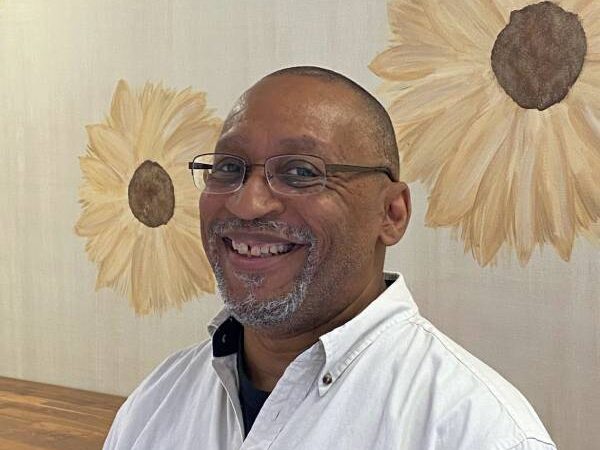
When you walk into Café Sunflower in Rockville, you’re likely to be greeted by the smell of freshly baked pastries, the hum of friendly conversation, and the easy, welcoming smile of Joe Battle, Café Manager and lifelong Washingtonian.

If you’re a regular, Joe and his team probably already know your name and your order. “We put a lot of time into learning everybody’s names,” Joe says, “and hopefully remembering what their orders are, too.” That personal connection is part of what makes the café feel less like a workplace and more like a neighborhood hub.

“I get to meet and learn from so many wonderful new customers,” Joe says. “But the best part of this job is working with our students.”

From Grocery Aisles to Inclusive Opportunity

Joe has been with Sunflower for a little over a year, but he is no stranger to the hospitality industry. Before joining Sunflower Bakery, Joe spent more than a decade managing grocery teams at Dawson’s Market in Rockville Town Square. When the market closed in 2023, a former colleague, then Café Manager Evelyn, called to offer him the job at Sunflower with perfect timing. “Two days after I found out I had no job, I got a job offer,” he laughed.

Evelyn knew Joe’s experience working with neurodiverse young adults would make him a natural fit at Café Sunflower, where inclusion is more than a value; it’s the mission. At Dawson’s, half of Joe’s grocery team was neurodiverse. “It was something I’d gotten used to over 12 years,” he explains. “Watching people go from not sure what they’re doing to being confident in what they’re doing, that’s what’s cool. Being part of that process is the most rewarding thing.”

Seeing Ability, Not Difference

Joe’s approach is refreshingly simple. “Everything you experience as a neurotypical person, they experience. Everything you care about, do, and like, they experience too. The only difference is that sometimes things need to be more direct, or you need to be more patient,” he says.

To Joe, working with neurodiverse colleagues isn’t about accommodation,; it’s about connection. He believes that investing in people of all abilities strengthens everyone. “Every kid is your kid,” Joe explains. “Eventually, they’ll be someone on the other side of the counter from you, someone helping you or needing your help. If you’re not invested in every kid in your community, you’re not even invested in yourself.”

A Partnership Built on Purpose

At Federation’s headquarters, Joe and his team serve hundreds of staff and visitors each week. He says the relationship between Sunflower Bakery and The Jewish Federation of Greater Washington is one rooted in shared respect.

“From Gil (Preuss) on down, everybody’s wonderful,” Joe says. “They understand our mission and walk in the door with it. People smile when they say ‘Federation,’ and we smile when we see our regulars. It’s a great partnership.”

Finding Common Ground and Shared Values

Raised Catholic in Washington, DC, Joe says his time at Café Sunflower has opened new windows into Jewish life and culture. “What resonates most is how much everything blends together,” he reflects. “They all come from the same beginning. We’re all walking the same road.”

He especially loves the symbolism of Rosh Hashanah. “For instance, the challah is round because you’ve come around to a new year. What a great way to symbolize that. I think that’s really cool,” he says.

Beyond the Café

When he’s not managing the café or working at Sunflower’s bake shop on Sundays, Joe’s passions include music, reading, and history documentaries. “I like learning why things happened, how things happened, and what else was going on at the same time,” he says. “It’s all about seeing how things interconnect.”

A lifelong Star Trek fan, Joe also finds wisdom in the show’s message of IDIC—“infinite diversity in infinite combinations.” “It reminds me that life is richer when we welcome differences,” he says. “You want people to be different, to learn from them, and for them to learn from you. It’s pretty cool, actually.”

And… If you ever catch him on the other side of the counter, he’ll likely order a Hazelnut latte with oat milk and a classic brownie.

Looking Ahead

As Café Sunflower continues to expand its programs, including its growing culinary department, Joe is excited to see what comes next. “We’re always looking to strengthen our relationships with our partners and our community,” he says. “Because the best way to get anywhere is to get there together.”

Learn more about Sunflower Bakery and Café Sunflower and how your support helps create pathways to employment for young adults with learning differences at www.shalomdc.org.

Related posts