Need support? Call 703-J-CARING (703-522-7464)

Security Isn’t a Reaction—It’s a Relationship
Security Isn’t a Reaction—It’s a Relationship

Sunday’s attack in Australia may have happened halfway around the world, but for many of us, it hit much closer to home.

That’s the nature of Jewish vulnerability today. A violent act against a Jewish community “over there” immediately reverberates here. Our sense of safety shifts. Our plans are second-guessed. Fear creeps in.

And that’s exactly why Federation’s security work through JShield isn’t reactive. It doesn’t ebb and flow with the headlines. And it certainly doesn’t start the night before an event.

Because by the time something happens—whether it’s in Sydney or Silver Spring—it’s already too late to start building the relationships, training, and infrastructure that real security depends on.

What You Didn’t See Yesterday

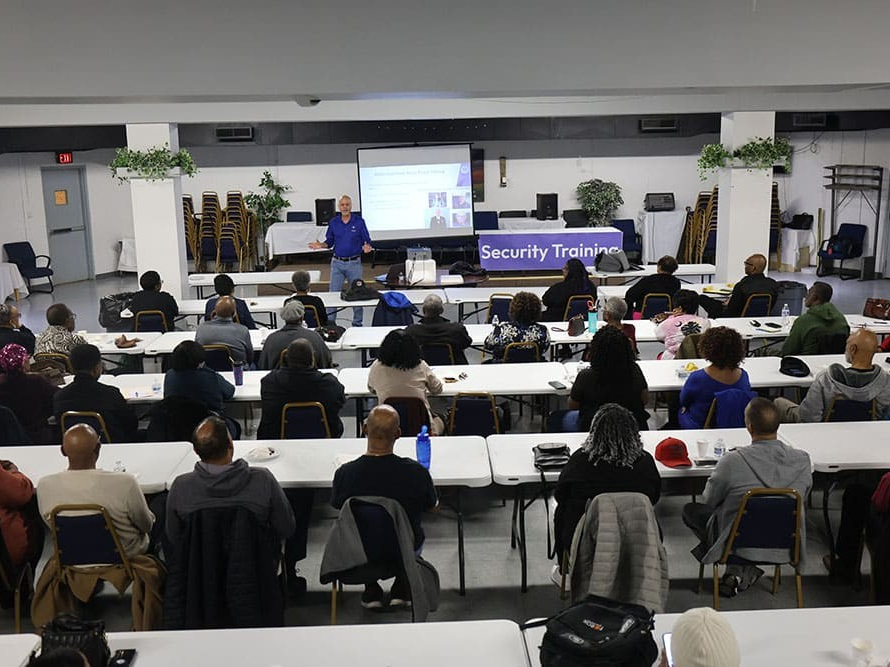
As soon as we learned of the attack in Australia, our first calls were to local law enforcement partners and the FBI.

We didn’t have to introduce ourselves. We didn’t need to explain why something happening halfway around the world matters here. These are relationships we’ve built steadily over years. When we call, they respond. And they did.

That kind of response isn’t automatic. It’s built on trust. And it’s something we help every institution cultivate—hyper-local connections, district commanders who know your name, first responders who’ve walked your halls. Because when something happens, you don’t want to meet them for the first time. You want to greet them like an old friend.

From Panic to Planning

After the attack, our inboxes filled with last-minute security requests from organizations hosting Chanukah events that had been on the calendar for weeks.

It’s understandable. But it misses the point.

If you needed security last night, you needed it three weeks ago when the event was planned.

Security isn’t something you switch on out of fear. It’s something you build over time—through planning, training, and partnership. That’s what JShield is here to help our community do.

The Power of Community Reporting

Last year, more than 30 Jewish institutions in our region received threatening letters, most vaguely referencing Gaza, some outright menacing. On their own, each one might have been brushed aside.

But thanks to the reporting we encourage through JShield, we saw the bigger picture. We connected the dots across states. We got the FBI involved.

And we got results. The suspect, who lives just outside Silver Spring, recently pled guilty to federal hate crime charges. That outcome didn’t just happen. It was made possible by a community that’s engaged, prepared, and connected.

What Security Really Looks Like

Since JShield launched, we’ve helped bring in more than $5 million in federal security grants for local Jewish institutions. We’ve done hundreds of threat assessments. Helped write emergency protocols. Trained thousands of people on situational awareness and how to stay calm under pressure.

And we know those trainings stick. One teacher told us she starts every school day with a breathing exercise she learned from us. Not because she’s scared, but because it helps her and her students feel grounded.

That’s what we mean when we say training is like putting money in the bank. You don’t get to choose the emergency. But every bit of preparation makes you more ready for whatever comes.

This Moment Is Personal. And It’s Urgent.

If you’ve felt a little more anxious dropping your kids at school or wondered if your synagogue is doing enough to stay safe, you’re not alone. We’re hearing it across the community. And we feel it too.

But fear alone doesn’t keep us safe. Action does.

Right now, we have a critical opportunity. Thanks to a generous match, every dollar you give to support Federation’s security work through JShield will go even farther. That means more trainings, more assessments, and more direct support to institutions across Greater Washington.

Because cost should never be a barrier to security. That’s why every service JShield provides—from threat assessments to training—is offered free to the community, powered by Federation and donors like you.

Security doesn’t start with police. It starts with preparation, with connection, and with showing up for each other before something happens, not just after.

We can’t wait for the next headline to get ready. This is the moment to act.

Give now to protect Jewish life in Greater Washington. Let’s meet this moment—and this powerful matching opportunity—together.
Support community security

Related posts

What 45 Seconds Taught These NoVA Leaders About Belonging

What 45 Seconds Taught These NoVA Leaders About Belonging

Inside the opening night of Federation’s second Northern Virginia Leadership Cohort

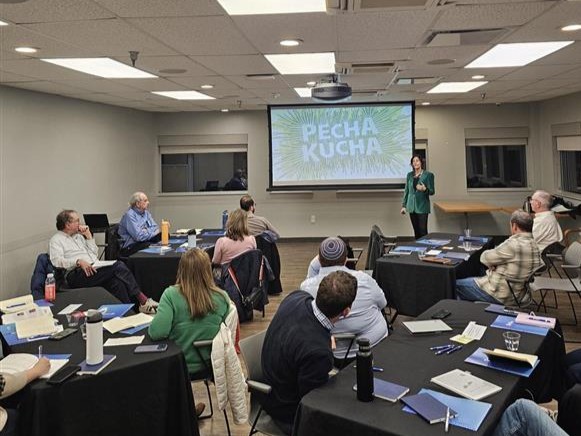
When Jen Kulkin stood up to speak, she had just 45 seconds. No slides, no long bio—just one image and a powerful prompt: Describe a time you felt a part of a community.

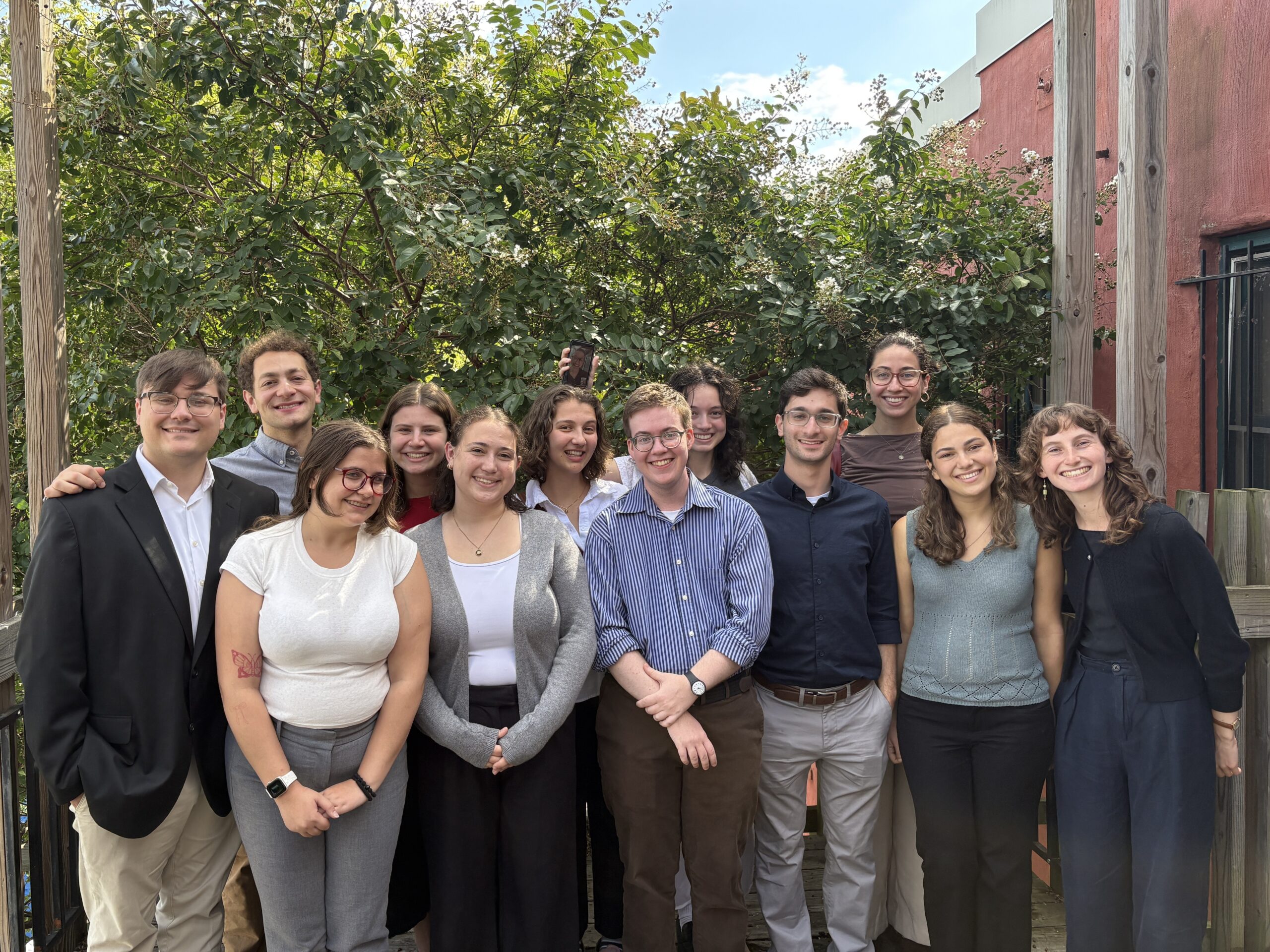
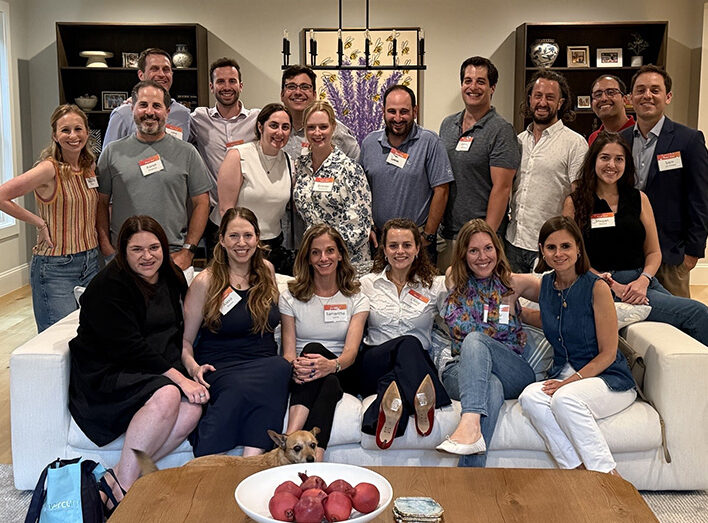
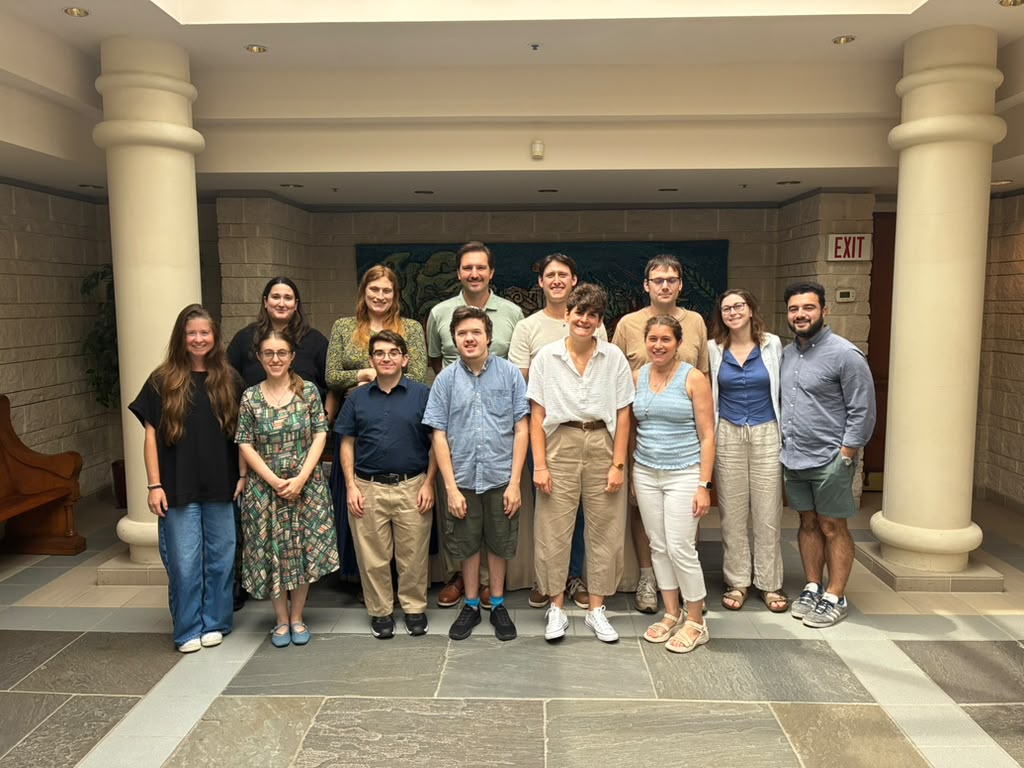
Her answer? A deeply personal story, told through a single photo. It was part of a rapid-fire activity called Pecha Kucha (Japanese for “chit chat”) that marked the opening night of Federation’s second Northern Virginia Leadership Cohort, held earlier this month at the Pozez JCC. One by one, each of the 17 new cohort members took their turn—revealing, in just under a minute, a glimpse into what “community” means to them.

Everyone’s story about community was different, yet the idea was the same: a place to belong, feel safe, and bond over shared experiences. That’s exactly what we’re aiming to create, and support, in Northern Virginia.

And that’s exactly the point.

Not Your Average Leadership Program

Over the next few months, these leaders—representing Pozez JCC, JSSA, Temple Rodef Shalom, Rodef 2100, George Mason Hillel, Beth El Hebrew Congregation, Federation’s Network NoVA Alliance, Gesher, Agudas Achim, Olam Tikvah, AIPAC, Congregation Beth Emeth, and Capital Camps—will gather for four sessions led by master facilitator Rae Ringel. They’ll explore the real drivers of leadership: how to listen, build trust, inspire action, and approach communal challenges with creativity and collaboration.

But before any of that, they’ll get to know each other. Not through titles or résumés, but through lived experience and through moments like PechaKucha, where vulnerability becomes the starting point for connection.

Championing Northern Virginia

Federation launched the Northern Virginia Leadership Cohort as part of our bold vision to ensure NoVA continues to grow as a vibrant hub of Jewish life—where leaders, donors, and community members feel connected, supported, and seen.

This cohort is a key investment in that future. By convening diverse leaders across institutions, we’re strengthening the web of relationships in Northern Virginia that makes Jewish community resilient and helping build the kind of trust and collaboration that can only be nurtured.

Because leadership isn’t just about strategy. It’s about showing up, listening deeply, and building something bigger together.

Learn more

Related posts

Purpose, Community, and Jewish Social Justice Work

Purpose, Community, and Jewish Social Justice Work

Helping Young Adults Build Lives of Service, Community, and Jewish Purpose

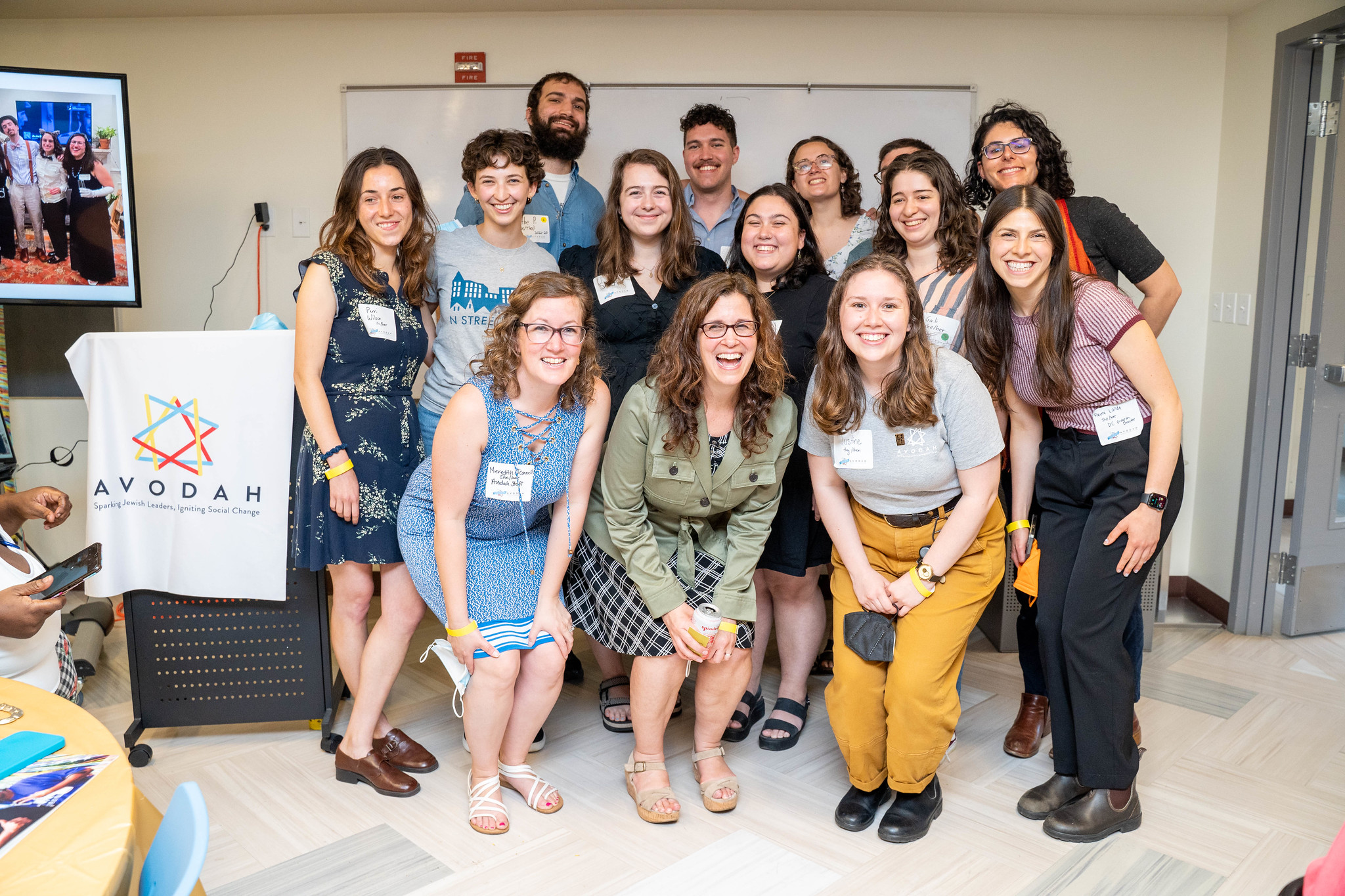
Cheryl Cook brings an unmistakable sense of joy into her work—and into any conversation about Avodah. As CEO, she meets young adults right as they’re deciding who they want to be in the world. “There’s a lot to do in our country,” she says. “There are a lot of challenges, always.” But for Cheryl, that reality isn’t discouraging. It’s motivating.

What excites her is watching young people step into purpose. “We reach people at the beginning of their career and help them find work with purpose.” Her energy makes it clear: this isn’t just a program. It’s a launchpad—for meaningful work, for Jewish community, and for the kind of leadership Federation aims to nurture across Greater Washington.

Finding Purpose Through Service

Cheryl’s take on Avodah’s impact echoes what we see across our partners: early, hands-on experiences shape the kind of Jewish leadership our community needs. “Avodah means work, or service, or holy work,” she says. “How you start your career often feeds what you do in your life.”

The outcomes are striking. 98.6% of participants stay involved in social justice work, a number Cheryl still delights in repeating. She shares the story of Aaron, who joined Avodah simply because he wanted to do something Jewish. His placement introduced him to immigration law; today he stands beside people facing detention and deportation. “I never would have done this work without Avodah,” he says.

What DC Brings to the Experience

For many Corps Members, Washington, DC isn’t just a placement site—it’s the place they’ve dreamed of living. Some come for politics, some for activism, some for the city’s energy. Cheryl sees how DC shapes them.

She recalls a participant on a homelessness street team who began carrying Narcan because of what she saw daily. Another said that protesting on the National Mall felt like stepping into history. Even when the federal government shut down this fall, the learning didn’t pause; the cohort explored parks, found hidden corners of the district, and quickly felt embraced. In Cheryl’s telling, DC is more than a backdrop. It’s a teacher.

Why Community Matters

If the service year is what placements do, the community is what helps them stay.

“Justice work is hard,” Cheryl says plainly. “It takes being in community, and getting the joy and sustenance of Jewish life—celebrating Shabbat, being together—to stay in this work.”

Avodah designs that community with intention: shared homes, shared meals, shared questions about who we are and who we want to become. Participants arrive for a year, but Cheryl knows the relationships will outlast the program.

Strengthening the Field

For Federation, partners like Avodah strengthen a broader ecosystem of agencies working toward dignity, justice, and inclusion. Avodah’s impact extends far beyond its Corps Members.

Cheryl describes Avodah’s antisemitism trainings for social‑service partners—sessions that illuminate how antisemitism connects to other forms of hate. After one training, immigration advocates shared they had never connected the chant “Jews will not replace us” with anti‑immigration rhetoric. “We were able to connect the dots,” Cheryl says. The room shifted.

For her, helping secular partners understand Jewish identity within the broader landscape of equity and inclusion is both timely and hopeful.

A Partnership That Feels Like Partnership

When Cheryl talks about The Jewish Federation of Greater Washington, her gratitude is unmistakable. “DC is really exceptional at seeing us as a partner,” she says. “It makes us feel really valued and cared for by the Greater Washington Jewish community.”

She describes a partnership built on trust, storytelling, and shared purpose. Federation lifts Avodah’s work; Avodah lifts Federation’s impact. “How do we hold you up, how do you hold us up, how do we elevate our work together? It really works.”

Cheryl also names the joy of seeing Avodah alumni featured in Federation stories. “Thank you for holding up so many Avodahniks,” she says.

Rooted in Jewish Values and Human Dignity

At the core of Cheryl’s leadership is a set of values that feel both timeless and urgently needed. She names b’tzelem Elohim—the dignity of every human being—as a guiding force, especially for Corps Members meeting people experiencing homelessness or poverty.

She also emphasizes holding complexity. “You don’t all have to be the same,” she says. “You can hold an array of difference and also see each other as full humans.” Her favorite teaching, inspired by Pirkei Avot, captures it simply: “When nobody else is being human, be human.”

The Work Ahead

Cheryl sees Avodah as a place where young adults connect what lights them up with what the world needs—and where Jewish community helps sustain them for the long haul. “I feel very humble and lucky to be in this role,” she says.

Through its partnership with The Jewish Federation of Greater Washington, Avodah helps strengthen Jewish life, develop emerging leaders, and shape a more just future for our region and beyond.

Related posts

Your Dollars at Work: Shaping the Next Generation of Jewish Leaders

Your Dollars at Work: Shaping the Next Generation of Jewish Leaders

Investing in the next generation of Jewish leadership in DC

On their first Shabbat in DC earlier this fall, 13 young adults gathered in Rock Creek Park not just to meet each other, but to ground themselves in purpose. Under the trees, they sang Hashkiveinu together in a ritual led by Rabbi Gita Karasov, an alumna who once stood where they now sit.

That moment marked the start of a year that will challenge, stretch, and shape them as individuals and as leaders.

These 2025–26 Corps Members are part of Avodah, a Federation partner that places young Jewish changemakers in a year of immersive service. They live together in the DC bayit (house), explore Jewish pluralism in daily life, and serve at local nonprofits including Bread for the City, Jews United for Justice, and Higher Achievement.

Their orientation alone included a walking tour of U Street to learn about the legacy of Black Broadway and a deep dive into disability justice with Rabbi Lauren Tuchman. More than just training, it was a week of becoming rooted into community, justice, and Jewish values.

We believe Jewish leadership must reflect the urgency, diversity, and moral clarity this moment demands. Through your support, we’re helping these young adults lead with purpose, live their values, and build something bigger than themselves—right here in Greater Washington.

This is what happens when generosity meets action. Together, we’re shaping a Jewish future built on justice, belonging, and bold leadership.

Related posts

Listening With Open Curiosity

Listening With Open Curiosity

What the Community Leadership Council Is Building Next

In a time when conversations often feel like battlegrounds, The Jewish Federation of Greater Washington is charting a different course: creating space for humility, respect, and the quiet power of listening.

The Community Leadership Council (CLC)—a group of 100+ community builders from across Greater Washington—is at the heart of that shift. And now they’re launching a bold Listening Campaign. The goal? Not to agree on everything. But to understand each other more fully and build real trust, even when we don’t land in the same place.

Who’s in the room

The CLC isn’t just another leadership committee. It’s part of a new model for how Jewish Greater Washington shows up, listens in, and makes decisions together.

Its members span more than 100 organizations: synagogues, schools, service agencies, and grassroots groups. They come from different generations, professions, political beliefs, and religious identities. Some are longtime Federation partners, others are new to this work.

They were brought together to reflect a broader range of voices. And now, they’re listening—with purpose and intention—not just as individuals, but as a new kind of leadership collective committed to understanding and learning together.

By design, CLC members wear two hats: the “community member” hat, representing their own lived experiences, and the “community leader” hat, bringing in and analyzing the voices of an even wider circle. The goal? To surface critical issues and insights that Federation and other organizations can address in the years ahead.

Listening is harder than it sounds

Most of us think we’re pretty good listeners. We nod, we wait our turn, we make eye contact. But real listening—the kind that helps people feel heard and seen—is a lot trickier than it looks.

And when the topic touches on deeply held values—identity, politics, Israel—it’s even harder to stay open. But that’s exactly when it matters most.

That kind of listening takes more than good intentions. It’s a skill, one that can be practiced, honed, and strengthened over time.

Practicing the hard stuff

That’s what CLC members set out to do this fall by joining workshops with two organizations that specialize in the art of tough conversations: Resetting the Table and For the Sake of Argument.

These weren’t lectures—they were labs.

  • Resetting the Table’s Speaking Across Conflict training focused on real tools for navigating charged conversations, especially around Israel and the current political climate in the U.S.
  • For the Sake of Argument used a curriculum built on stories designed to provoke disagreement—on issues central to Israel and Jewish life—then helped participants stay curious, reflective, and in relationship.

For many, the most eye-opening lesson wasn’t just how to listen. It was realizing how much difference exists even among people who think they’re aligned.

When it gets real

“One of the most surprising takeaways was how much difference there is even among people who think they’re on the same page,” said one participant. “It reminded me how important it is to keep asking, not assuming.”

Another brought the experience home. At a recent Shabbat dinner, when the conversation got tense, she didn’t change the subject or shut it down. She stayed curious. She listened. And the conversation stayed open.

As Lisa Silver-Kopit put it: “In such a charged moment, it’s a relief to have tools that help us talk and listen with respect. These skills don’t make disagreement go away, but they make it possible to stay in relationship even when we see things differently.”

What’s next and how you can be part of it

Between now and the end of February, the CLC is hosting listening gatherings across Greater Washington.

These aren’t forums or focus groups. They’re small, meaningful conversations about what matters to you. What’s working. What’s missing. What makes you feel connected—or left out. What kind of Jewish community you want to build next.

And the insights shared won’t disappear into a spreadsheet. They’ll directly inform how Federation—and our entire ecosystem of Jewish life—moves forward.

Want in? Interested in joining a listening group or bringing a few people together to host your own? Let us know!

We’re building something new together. A more open, connected, and resilient Jewish Greater Washington. That can’t happen from the top down or from behind a podium.

It starts with listening. And it starts with you.

As Marla Schulman, Chair of the 2025-2026 Inaugural Community Leadership Council put it:

“This campaign is about discovering the community we all want to build together. When we really listen to each other, we learn that we don’t have to agree on everything to care about each other. And we find the common ground to move us forward. That’s where real connection begins.”

Related posts

The Heroes of Greater Washington

The Heroes of Greater Washington

Reading the news reminds me of the comic books I read as a kid. They’d start off with large headlines announcing the latest victories of the world’s villains, each update more concerning than the last. Then, when things were at their bleakest, the superheroes would show up and answer the call of a world in distress. Which is to say I’m accustomed to looking around for heroes when times get tough.

This year, I found the heroes I was searching for in all of you. Harnessing the twin forces of empathy and resolve, community members across Greater Washington stepped up to be there for people in need in a year of overwhelming uncertainty. Thanks to your support, Federation was able to expand and strengthen a network of care across D.C., Maryland, and Northern Virginia and infuse resources where they were needed most.

Our partners at JSSA, Yad Yehuda, and Hebrew Free Loan Association of Greater Washington, among others, responded to serial crises with food assistance, interest free loans, mental health resources, and other emergency support. Our area rabbis joined together to distribute grants made available by Federation to those who could use a helping hand. And Jewish organizations of all sizes set aside funds to make Jewish experiences, including Jewish day school and Jewish summer camp, more accessible to more people.

Meanwhile, Makom, JCADA, and JCA, and Tzedek DC, and others continued the quiet, sacred work of caring for the elderly in our community, advocating and providing services for those living with disabilities, responding to reports of abuse and domestic violence, and helping families get back on their feet after periods of struggle. This work was made possible by your partnership.

That’s why even as we close out a year that often felt challenging, I’m encouraged, hopeful even, about what lies ahead. The world does not lack for destructive forces. But there are even more heroes in our midst who meet suffering with love and generosity and do what they can to ensure our community’s human service offerings remain strong.

If this work moves you, I invite you to keep responding and give to Federation’s Annual Campaign. The Annual Campaign is the most essential source of funding for Federation’s work across our region, enabling us to support vital services people rely on every day and all the more so in times of crisis.

The impact of federal layoffs, the government shutdown, and the ongoing affordability crisis is hitting our area hard. Thousands of members of the Jewish community are struggling with poverty and meeting their basic needs. A gift to Federation ensures we can continue helping people through this moment and access the joy of Jewish life.

As the saying goes, not all heroes wear capes. But what our local champions lack in costume, they more than make up for in heart. The resources we are able to provide through the Annual Campaign reflect our commitment to each other. Thank you for showing up in the name of community. We need you.

Donate today

Related posts

Joy, Belonging, and a Table Full of Apples

Joy, Belonging, and a Table Full of Apples

How 120 Families Brought Jewish Life Home

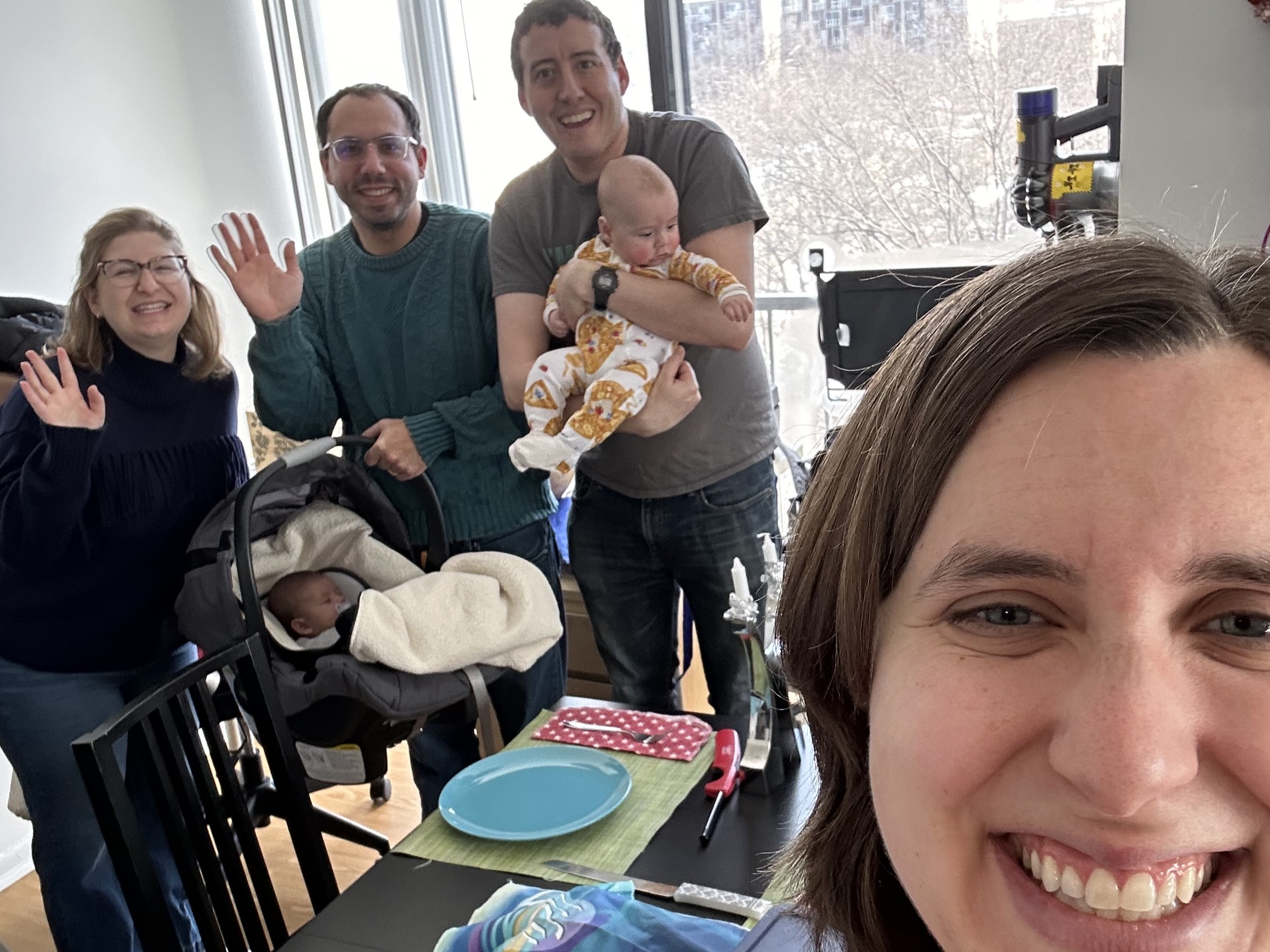
Since August, something beautiful has been unfolding across the DMV: more than 120 families have said “yes” to Jewish connection with a PJ Library get together for young families. Some gathered in sukkot under the stars. Others lit Shabbat candles in costume before heading out to trick-or-treat. Still others braided challah, painted pottery, or welcomed old friends and new faces to celebrate a sweet new year.

Each one made Jewish life feel personal, joyful, and shared.

It Doesn’t Have to Be Perfect

No one waited to have the “perfect” house or the “right” Judaica. They just showed up—with apple cake, with s’mores, with grape juice, with laughter. One family, hosting for the first time, built their own sukkah and invited 16 people to fill it. “We’d never done this before,” they said. “But we wanted to create space for others who don’t have the room to build one.”

That’s the kind of ripple effect this program sparks. When one family opens their door, others feel more welcome to do the same.

Little Moments, Big Memories

From Halloween Shabbat to challah-braiding brunches, every event looked a little different. But the feeling was the same: warmth, fun, and connection. A group of moms gathered to paint pottery for Rosh Hashanah. One host filled their table with “everything apple” to celebrate a sweet new year. Another welcomed 31 people across state lines to share in Rosh Hashanah dinner, marveling as kids realized—some for the first time—that everyone in the room was Jewish.

And these memories? They stick. As one parent said, “The party was the best part of the holiday!”

Your Turn to Say Yes

If you’ve been waiting for a sign, let this be it. Light the candles. Bake the kugel. Invite someone new.

These gatherings weren’t fancy. They were real: challah and crafts, backyard sukkahs and break-fast bagels. What made them meaningful wasn’t the setup. It was the people around the table, and the joy of being together.

This kind of connection isn’t limited to holidays or host homes. It’s happening across our community through Federation events, local gatherings, and meaningful moments both big and small. If you’re looking for your next step, the Community Calendar.

And if you’re not yet receiving free Jewish children’s books from PJ Library each month, it’s the perfect time to sign up. Stories are just the beginning.

You don’t need a theme, a guest list, or a perfect table setting. Just start small. When you’re ready, your Jewish community will meet you where you are.

Start here

Related posts

Showing Up to Shape the Future

Showing Up to Shape the Future

How NEXUS is Meeting the Moment

More and more young adults aren’t waiting to be asked in. They’re showing up with questions, ideas, and a real desire to help shape a vibrant, inclusive Jewish future.

We’re also seeing this nationally: the latest Slingshot survey shows that Jewish young adults crave agency, community, and meaningful ways to live their Jewish values out loud.

That’s what NEXUS offers—a chance to explore identity, giving, and belonging in a way that’s personal, real, and rooted in what matters most.

More Than Belonging

If you’re in your 20s or 30s, you probably know the feeling: you care about Jewish life and want to live your values with intention, but it’s not always clear how to turn that into real impact. Where do you begin? What does it look like to shape the community when you’re still figuring out your own path?

That’s the space NEXUS fills. It offers a framework to explore personal values, community connection, and what meaningful participation looks like today.

Seeing the Bigger Picture

What makes NEXUS different is how it connects you to the full landscape of Jewish Greater Washington. At the center of that landscape is the work we do together through Federation to strengthen partnerships, power collective giving, and respond quickly when our community needs support.

When you plug into that ecosystem through NEXUS, your impact doesn’t stay in one corner. It ripples out.

NEXUS is the moment when people begin to see that bigger picture and understand the role they can play in it.

Where It Starts to Feel Real

One moment from a past cohort still stands out to me. Someone said, “I’m not sure I’m the kind of person who leads in the Jewish community.” Before I could respond, another person said, “You already do. You just needed a space to see it.”

That’s NEXUS in a single sentence.

This program creates space for meaningful conversations—about identity, belonging, philanthropy, and community responsibility—and gives participants tools to navigate them with empathy and authenticity. Not because we hand out answers, but because we build the conditions where people can explore them together.

Learning That Feels Real and Human

Throughout the experience, participants hear from people whose work embodies inclusive, values-driven impact. They see how belonging, purpose, and impact show up in real life—from organizations building accessible workplaces to those creating pathways for Jewish connection across the region.

It’s learning that feels grounded, practical, and genuinely connected to the needs of our community.

A Cohort That Becomes Community

Every NEXUS cohort becomes its own small ecosystem of support. People show up as individuals and quickly become a group that listens, challenges, questions, and encourages one another. Real friendships form. Real conversations happen. Real growth takes place.

By the end, participants don’t walk away with a formal roadmap. They walk away with something more lasting: a clearer sense of who they are, a better understanding of what they value, and a deeper confidence in the role they can play in shaping Jewish Greater Washington.

Stepping In—Together

NEXUS is one powerful doorway into that journey of connection and meaning—but across Next Gen, there are so many ways to step in, show up, and shape what comes next.

Explore Next Gen

Related posts

Listening Across Difference at Pozez JCC

Listening Across Difference at Pozez JCC

When we make space to truly hear each other, something shifts.

In a year when conversations about Israel often collapse under the weight of politics, pain, and fear, more than 30 community members came together at the Pozez JCC of Northern Virginia for something different: honest dialogue rooted in listening, not debate.

The evening was hosted in partnership with the Arava Institute for Environmental Studies and led by one of our community shlichim (Israeli emissaries), whose work bridges people, perspectives, and purpose across Greater Washington. Together, they created space not for agreement, but for connection.

Stories That Set the Tone

Arava alumni Brian Crann, Jawdat Kasab, and Arielle Ben-Hur opened the session by sharing their own experiences in dialogue at Kibbutz Ketura, where Palestinians, Israeli Jews, Israeli Arabs, and others from across the region live and learn together.

Their stories didn’t shy away from pain or complexity. They grounded the room in something real.

Listening, Not Convincing

Then came the heart of the evening: small groups gathered with one goal—listen to understand. No debating, no fixing, just sitting with each other’s stories.

It wasn’t always easy. But it was real.

As one participant put it, “Meaningful conversations like these are often part of the solution.”

What We Carried Forward

Before leaving, each person shared one word they were taking with them:

“Curiosity.” “Compassion.” “Understanding.”

And most of all—“Hope.”

Staying in the Room

It didn’t take a panel or a facilitator to make the evening powerful. It took people willing to show up, listen, and stay in it together. That’s what our shlichim are helping nurture—quietly, consistently—across Greater Washington.

Learn more about how the shlichim are helping to build these bridges across Greater Washington.

Meet our shlichim

Related posts

From Simple Invitations to Multi-City Leadership: An Architect of Jewish Belonging 

From Simple Invitations to Multi-City Leadership: An Architect of Jewish Belonging 

How Olivia Hazlett turns simple invitations into the kind of community our region depends on.

When Olivia Hazlett arrived in DC in 2020, “meeting people” looked like masked walks, outdoor coffees, and improvised Zoom hangouts. So, she started where she could:

“Hey, my friend’s hosting this thing—you should come.”

That simple line became a quiet mantra for how Olivia builds community: through warmth, curiosity, and a low barrier to entry.

It was simple, but it worked. And it mirrors something we now understand across Greater Washington: the desire for connection is high, and people show up when opportunities feel accessible and welcoming.

Today, Olivia is the Senior Mid-Atlantic Community Manager at Mem Global, a Federation partner, supporting 13 Moishe Houses from New Jersey to Charleston. She works closely with roughly 35 residents who rotate through one- to three-year terms, creating programs for their peers. Residents move on, but the relationships stay. “They always have a way to reach out,” she says.

This kind of grassroots leadership is a powerful example of what’s possible through our partnership with Mem Global, investing in the people and relationships that make young adult Jewish life thrive.

Her work aligns with a core truth about Jewish young adult life in our region: belonging grows through genuine relationships and consistent touchpoints, not one-off moments.

Where There’s a Gap, She Sparks Connection

Throughout her life, Olivia has stepped in where Jewish community needs a spark, leading with both initiative and heart

Over the years, Olivia has:

  • started a local BBYO chapter because none existed in her area
  • hosted two 50-person Jewish matchmaking events through Matchbox
  • organized a 60-person ticket block for the Michigan–Maryland football game
  • brought 25 people together for Shabbat at her apartment
  • and stayed connected with former Moishe House residents well beyond their terms

If an idea brings people together, she’ll turn it into a gathering.

Why Young Adult Jewish Life Needs More Builders

Young adult life doesn’t follow a single script. “Some people are moving cities again, some are getting married, some are starting over. There are so many entry points,” Olivia says.

Her style blends:

  • relationship-based engagement
  • experience from the Springboard Fellowship
  • social innovation training from the University of Pennsylvania
  • and her participation in the M² Kehilot Fellowship, exploring how values inform daily practice

The result is a way of building community that reflects what we see across the region: people want to be more involved, and often need someone to lower the barrier to get there.

Rooted in Her Story, Driven to Create

Olivia grew up in Marblehead, Massachusetts, a small New England town. Her grandparents and extended family were active in anti-discrimination work. Being one of only a few Jewish peers taught her early on: if you want Jewish life, sometimes you have to create it.

That instinct fuels her work today and resonates across our community, where so many young adults are building new roots, new circles, and new expressions of Jewish life.

Bagels, Yoga, and a Life That Stays Connected

Away from work, Olivia fills her days with yoga, movies, new restaurants, time with friends, and—as she’ll tell you—a lifelong love of bagels. She likes having something each day that brings her into community, like planning Shabbat dinner with friends, going to yoga with a neighbor, or just stopping by a local café where she knows someone will say hi. It’s not a job requirement; it’s who she is.

Curious Paths and What Comes Next

At 27, Olivia is excited to keep growing in her career and finding new ways to engage the people around her. If she weren’t doing this work, she imagines she’d be somewhere in the world of travel or experiential education, bringing people together through shared experiences. For now, she’s exactly where she wants to be: helping young adults find their people, their place, and their path into Jewish life—and strengthening the fabric of Jewish Greater Washington along the way.

Stories like Olivia’s remind us that belonging starts with a simple invitation. If you’re ready for yours, our community calendar is full of opportunities to meet new people, show up, and find your place.

Explore the Community Calendar

Related posts