Hands-on Israel: Independence Declaration
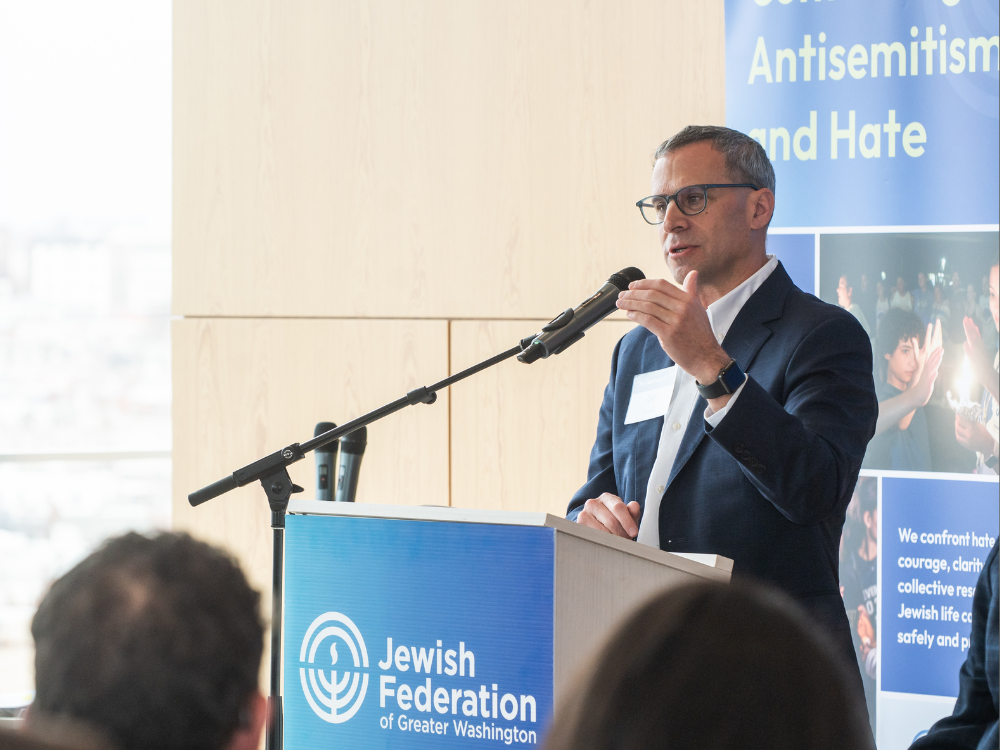
I was in Israel last month on a unique trip. Throughout the time, I heard from Israelis and Palestinians across the political spectrum describe the same feeling: they want a better world for their families and yet feel a profound lack of agency in making it happen. They want progress but don’t feel like there is anything they can do to push back against the overwhelming forces shaping their reality. It struck me that many of us are feeling this way too.
Things feel challenging and worse yet, we feel powerless to change them. We open our news apps and read horror stories. But what are we to do about it? This is a question Jews have grappled with in every age. And the answer remains the same. It’s precisely when things feel the most uncertain and out of our control that we must focus on reclaiming and making use of our own agency.
The role of Federation in this moment is deeply connected to this idea. Part of our mission is to help create the conditions in which individuals and organizations can act with confidence and intention and amplify personal agency to even greater outcomes. How do we keep pushing forward as a community in difficult times? How can we bring people together to amplify impact? These questions are shaping our work today.
Of course, agency is tricky in that it’s layered. First, we must feel we have it. Then we must be motivated to use it. And finally, we must find ways to combine our efforts to create something even more powerful. What’s more, every step is as delicate as it is important. It doesn’t take much to sap our energy. Certainly, the entrenched challenges in the Middle East, the morphing global order, and scenes of violence in our country are enough to render anyone frozen.
I don’t fault anyone for choosing to focus on their immediate zone of responsibility. There is tremendous purpose to be found in looking after our loved ones and doing what we can to make it day to day. But if we are to shape history and build a society that reflects our values, a “beloved community” as Dr. Martin Luther King Jr. put it, then we must find it within ourselves to look beyond ourselves.
We must chip away at the overwhelm. For those who wielded a snow shovel last week will tell you, it’s amazing what you can accomplish with steady determination and the will to break through that which seems immovable. We may not be able to make sweeping policy changes, but we can, at any given moment, make a difference on an individual and even communal scale. We can connect with our neighbors, serve those in need, and work together to strengthen our community.
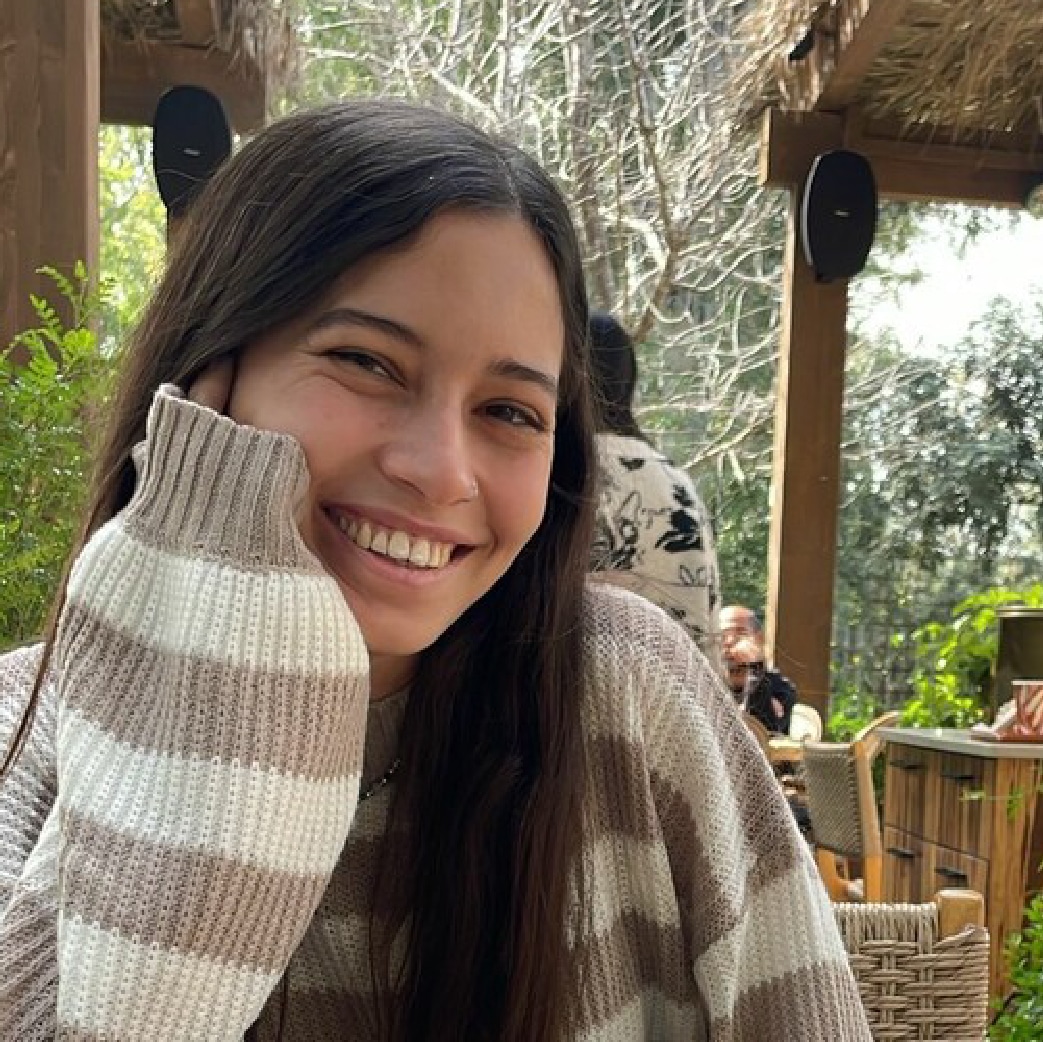
Ori is 23, and she carries something most adults twice her age still struggle to hold: the responsibility of representing Israel with honesty, heart, and humility—especially to kids. She’s one of 11 community shlichim (Israeli emissaries) bringing Israel to life across Greater Washington through Federation’s Shlichim Program.
Growing up in Moshavat Kinneret, a small community in northern Israel, Ori was surrounded by family, a strong sense of responsibility, and a beloved boxer dog she still misses. Before coming to Greater Washington, Ori spent two summers at a Jewish camp in upstate New York.
Now living in Greater Washington, Ori spends her days with children, parents, and educators—teaching Hebrew, leading workshops, and helping our community deepen its connection to Israeli life and culture. But talking about Israel isn’t as simple as it used to be. She says it’s gotten harder in the last few years. Kids are asking deeper questions. There’s no single story to tell.
“I’m not saying Israel is perfect,” she says. “Like anything else, there are things that are good and things that are bad. I want to show them both sides.” Ori doesn’t pretend otherwise. She listens, brings her own questions, and creates space for kids to talk about Israel with curiosity, honesty, and care.
Ori loves teaching about Israel’s creativity—from everyday inventions to world-changing breakthroughs, like cherry tomatoes. “The best invention,” she says, laughing.
Through Made in Israel, an interactive Hands-on Israel workshop she leads, participants explore the Israeli innovations they’ve heard of and many they haven’t. They learn about the brilliant minds behind these inventions through games and challenges that spark curiosity and pride. Ori’s goal is more than just facts. She shows people that Israel is a place of ideas, impact, and imagination.
For Ori, representing Israel isn’t only about navigating complexity—it’s also about sharing joy. She brings Israeli traditions into American Jewish life in ways that feel lasting and personal. “We’re not sitting sad and miserable in Israel—we’re happy,” she says. “We’re living.” That’s what she wants kids to see: that Israel is a home, full of celebration, tradition, and joy.
Ori’s work is part of a larger effort to build people-to-people connection through immersive, everyday experiences. Through Federation’s Shlichim Program, Israeli emissaries like Ori help bring Israel to life in schools, synagogues, JCCs, and more—creating personal, lasting moments of understanding and connection across Greater Washington.
Ori often talks about the community she grew up in—a kibbutz where kids moved freely, everyone knew each other, and life felt safe and shared. “It’s a very community-like place,” she says. “It’s a safe space… I really, really love it.” That sense of belonging is something she carries with her. And through her teaching, she hopes to help create more of that feeling for the children and families she meets here.
One of the biggest surprises for Ori has been seeing what Jewish life looks like outside of Israel. She didn’t know what to expect. But she’s found deep relationships, strong communities, and new ways of expressing Jewish identity that continue to shape her own perspective. Ori wants to bring more of Israel into Jewish spaces here, and she hopes the connections she’s made will last long after she leaves.
“I don’t want to just be a shlicha who came and left,” she says. “I want to leave something behind.”
When she thinks about the future of Jewish life in the U.S., Ori doesn’t hesitate. She hopes people feel safe being openly Jewish. She hopes for greater unity, more listening, and a community that remains a source of strength, even in uncertain times. Until then, she’s teaching, learning, and building relationships—one day, one conversation at a time.
Ori’s story reflects the honest, values-driven work of Israel education today—work that feels more urgent than ever. In the wake of October 7, educators, parents, and communal leaders are grappling with big, essential questions:
These conversations will take center stage on Tuesday, February 24, at RE:Israel: Reflect. Reframe. Reconnect., a half-day learning experience for educators, communal professionals, lay leaders, and parents seeking thoughtful, practical engagement with Israel education in this moment.
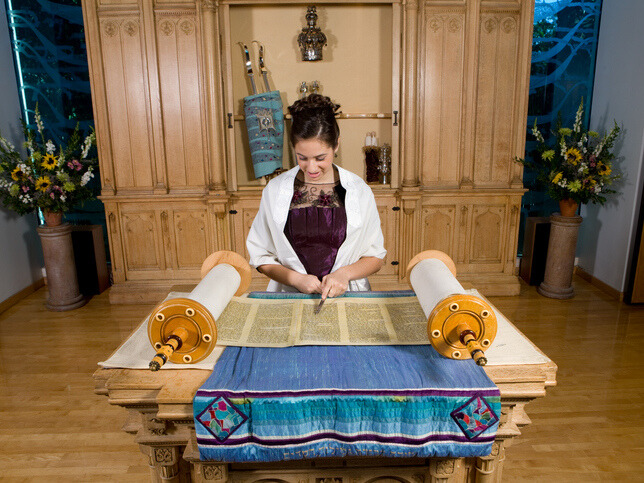
We often think about B’nai Mitzvah as being about the moment when a child gets up, blesses and reads from the Torah, chants haftorah, gives a D’var Torah, and maybe even leads some of the prayers in synagogue. Scenes in film and TV, and perhaps our own experience with family and friends, reinforce the idea that, to become B’nai Mitzvah, this is what one must do. For the parent of a child with learning disabilities or other needs that make following this scenario impossible, marking the milestone might seem inaccessible.
The good news is that, according to Jewish tradition, the only thing that someone has to do to become an adult in the Jewish community is to turn 13 (or, traditionally, 12 for girls). And so, there are many ways to mark this milestone according to the needs of your child.
Across Greater Washington, Israeli shlichim (emissaries) are part of everyday Jewish life—showing up in synagogues, schools, JCCs, and community spaces. They share stories, lead conversations, and build relationships that help make Israel feel present and personal.
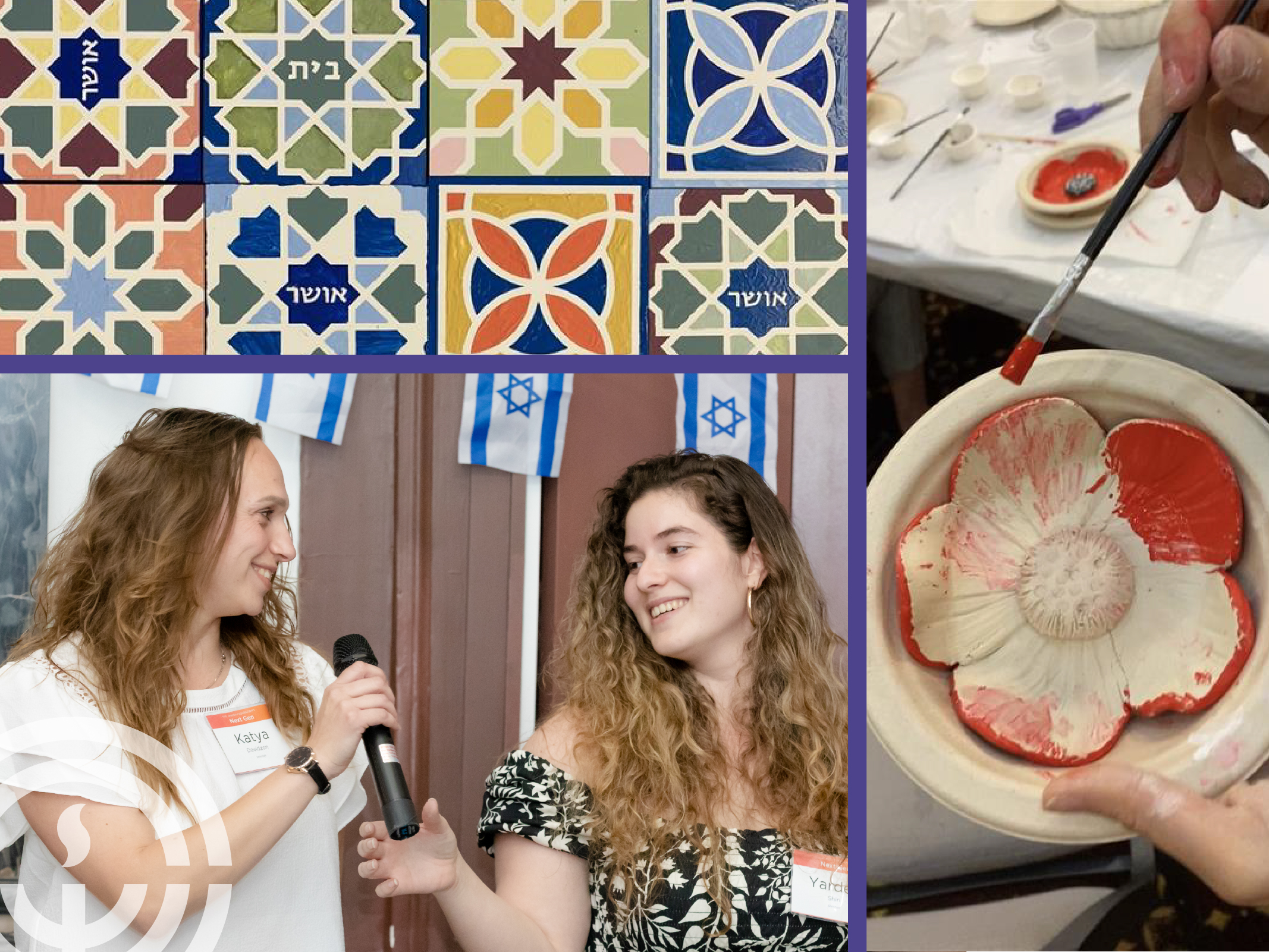
Hands-On Israel (HOI) is one of the primary ways this connection happens. Led by Federation’s community shlichim who live and work in Greater Washington, HOI offers interactive workshops grounded in conversation and personal experience.
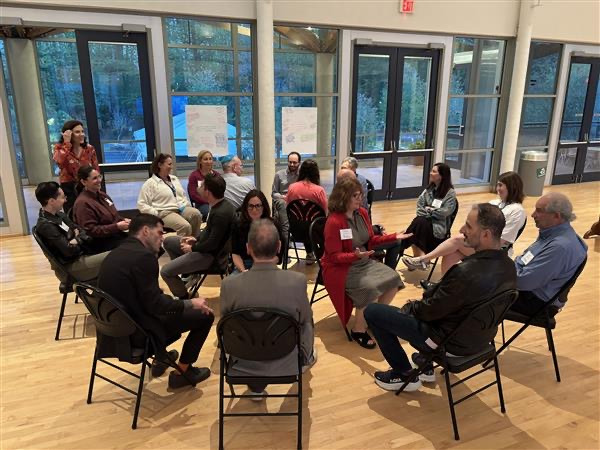
Hands-On Israel creates space for people to engage with Israel through lived experience and open dialogue. Workshops focus on story, discussion, and shared reflection—helping participants connect in ways that feel grounded, human, and approachable.
HOI is built with the understanding that people come with different levels of familiarity, curiosity, and questions about Israel. Sessions are designed with that in mind, offering context and conversation without assuming prior knowledge or a shared point of view.
Workshops take place across Washington, DC, Maryland, and Northern Virginia, in partnership with synagogues, schools, JCCs, and community organizations.
Last year, the shlichim hosted 20+ Hands-On Israel workshops across Greater Washington. In the past five months alone, HOI has engaged approximately 150 participants through six workshops, with six additional sessions already scheduled. Several organizations that hosted workshops last year have invited HOI back to experience new offerings, and across settings, participants have asked for sessions to continue.
“After each of the classes, I received requests from our adult learners to please bring them back! Both Maya’s and Tamar’s presentations were thoughtful, engaging, exciting, interactive, and checked all of the boxes.”
Hands-On Israel reflects how we approach Israel engagement in Greater Washington: through relationships, conversation, and ongoing connection over time.
This work is part of The Jewish Federation of Greater Washington’s long-term commitment to building meaningful, people-centered connections to Israel across our community.
Interested in bringing a Hands-On Israel workshop? Sessions can be tailored to different audiences, ages, and interests, with themes ranging from Israeli culture and identity to facilitated conversation and pre-Israel trip preparation.