Open More Possibilities. Join a community of donors shaping the future of Jewish life.

International Women Day Event

International Women Day Event
Think you know tahini? Love halva? Join us for a special evening with Chef Rachel Simons, founder of Seed + Mill and author of “Sesame”! Chef Rachel will teach us how to elevate our dessert tables with bold, modern sesame creations and, of course, we’ll get to taste the amazing sweets that bring people together. But that’s not all; the evening also includes more energetic, fun surprises! Beyond the tasting, we’ll explore how one ancient seed connects cultures, kitchens, and communities. For everyone connected to the Middle East, sesame carries memory: the taste of the shuk in Jerusalem, a grandmother’s recipe, a beloved dish. But food doesn’t belong to just one story. It travels. It adapts. It welcomes. Around the table, differences soften, conversations open, and connections grow. We’re especially excited to gather women from diverse backgrounds, and friends and supporters of the Israel, for an evening that celebrates culture, resilience, and shared values, through something as simple and powerful as food. DJ Grace will be on the decks, keeping us dancing until we drop in a dance party to remember. Come curious. Come hungry. Come ready to connect. This program is presented by Israeli American Council (IAC) in partnership with The Jewish Federation of Greater Washington. 

Building Jewish Community from Day One

Building Jewish Community from Day One

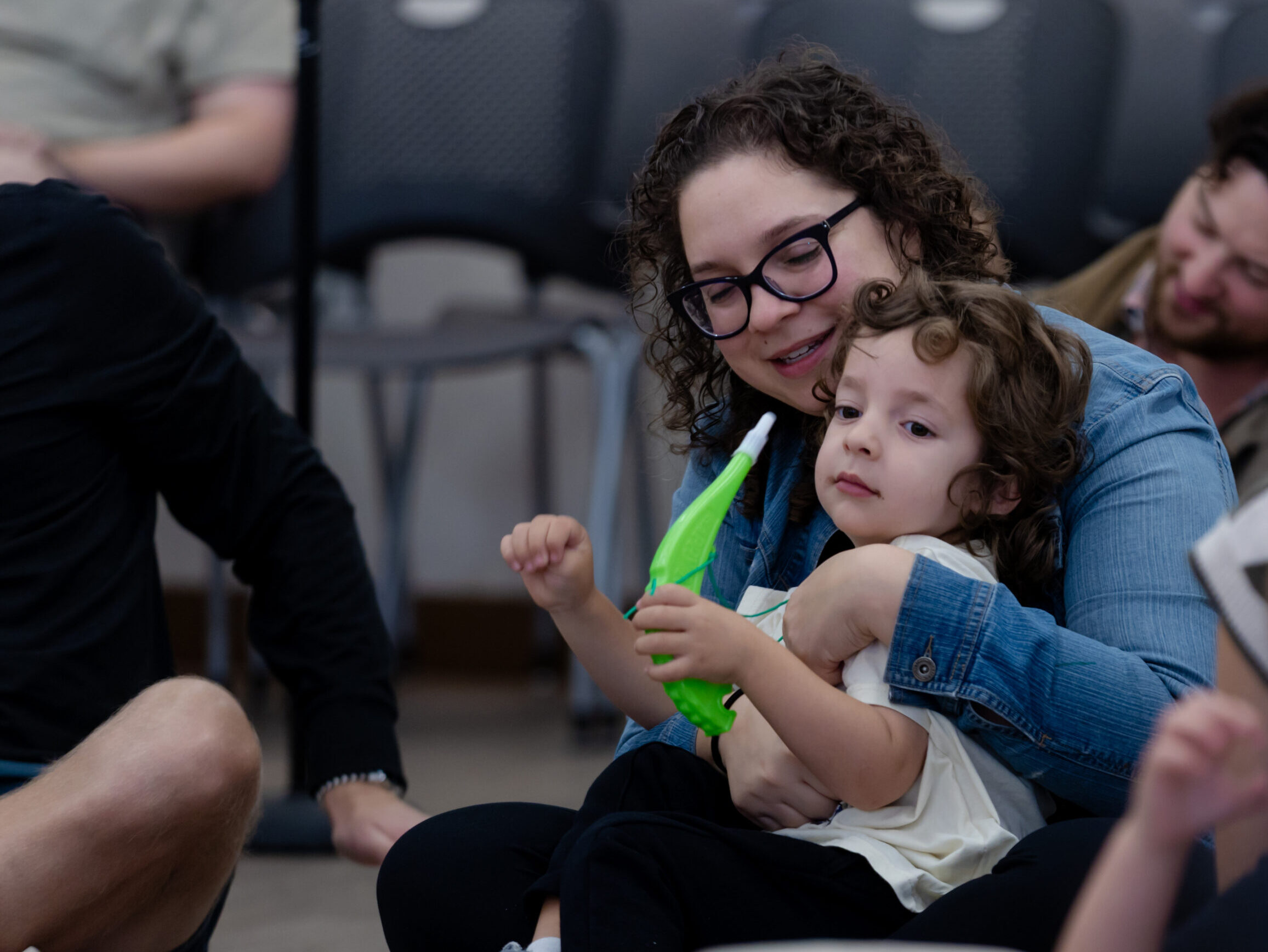
It takes a village to raise a child. For Jewish families, that village often takes shape through a vibrant Jewish community with places to celebrate holidays, meet other parents, and help children grow up surrounded by Jewish life.

For many parents, a sense of community begins to take shape in the early years—through the families they meet, the events they schlep their kids to, and the people who share those early milestones.

As part of its commitment to strengthening Jewish life across the region, The Jewish Federation of Greater Washington works with partners throughout the DMV to help make these connections possible.

Where Jewish Community Takes Shape

“Some of the first ways families connect to Jewish community happen during the early years,” said Dinah Zeltser, Associate Director of Community Impact, who leads the Families with Young Children work at Federation. “Sometimes it starts with something as simple as a PJ Library book arriving in the mail, a parent bringing their little one to Tot Shabbat for the first time, or a holiday gathering where parents suddenly realize they’re not the only ones trying to figure it all out.”

One way Federation supports these connections is by investing in programs and partnerships that help families engage with Jewish life from the earliest years.

Expanding Opportunities for Young Families

Through a new funding opportunity, Federation is inviting local organizations to create more programs for children ages 0–8 and their parents, strengthening early connections to Jewish life and community.

Programs may include family-centered holiday celebrations, parent gatherings, community programs that bring families together, or other experiences that help parents connect with one another and feel part of a Jewish community.

Federation welcomes both proven programs ready to grow, and new ideas that explore creative ways to engage families during these formative years.

“Early connections matter,” Zeltser said. “When families feel welcomed and supported early on, it can shape how they experience Jewish life for years to come.”

By investing in programs that reach families early, The Jewish Federation of Greater Washington aims to expand opportunities for parents and children across Greater Washington to connect with Jewish community and with one another.

Organizations interested in applying can review the full Request for Proposals below. Applications are due April 15, 2026, with funded programs beginning in August 2026. 

Learn more

Related posts

Why this moment feels familiar Why this moment feels familiar
Why this moment feels familiar
As institutions increasingly single out Jews and demand ideological conformity, Jewish educators and communities face a difficult question: will the price of belonging become denying our identity? We must push back against antisemitism and protect the Jewish and universal values we have long fought to uphold.
read more

18th Annual National Rainbow Seder

18th Annual National Rainbow Seder
Now in its eighteenth year, the National Rainbow Seder is one of the nation’s largest and longest-running Passover seders for the queer Jewish community and its allies. This year’s theme, Liberation for All Who Journey: Remembering, Resisting, Rebuilding, invites us to retell the Passover story through a queer lens, honoring our ancestors’ path to freedom alongside the hard-fought progress of the LGBTQ+ equality movement. Our specially commissioned Haggadah (the Jewish text containing the Passover Story) weaves ritual, resistance, and joy into an evening where we can show up fully and celebrate liberation together. Seder will be led by Rabbi Atara Cohen and Rabbi Avigayil Halpern, and will feature keynote speaker Reverend Diego Miguel Sanchez, Vice President, Policy and Government Affairs, PFLAG National. The Edlavitch DCJCC is grateful to our 2026 Rainbow Seder partners: HRC, Bet Mishpachah, Adas Israel, Embassy of Israel, NJB+ DC, Nice Jewish Girls, GatherDC, Washington Hebrew Congregation, and Honeymoon Israel.

The Twelve Tribes of Israel

The Twelve Tribes of Israel
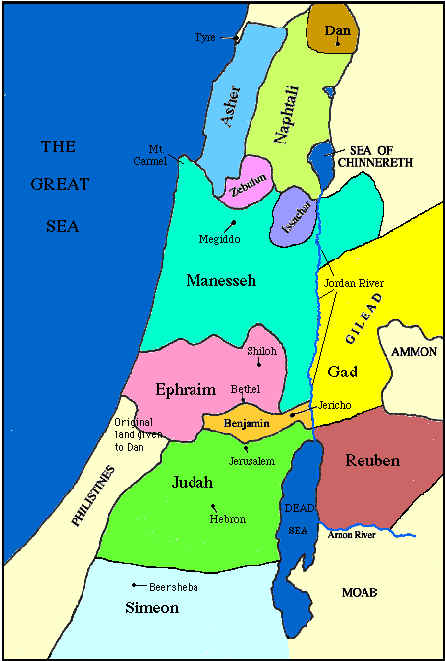
Sunday, May 31, 2026 at 7:30 pm at B’nai Israel Congregation The Twelve Tribes of Israel Andrew Tobolowsky - William & Mary The twelve tribes of Israel are the indisputable centerpiece of the Hebrew Bible's visions of Israelite identity, and the main protagonist of the biblical visions of history. They are, also, the main way the Hebrew Bible accounts for the unity of the historically and politically distinct kingdoms of Israel and Judah from the very beginning, right through the bitter end of their conquest and destruction. But what do we really know about the actual history of Israel’s tribes? What do we know about the historical development of the biblical vision of the twelve, in its various forms? This talk offers a new look at the evidence, with some startling new conclusions.

JxJ Best of Fest: “Real Estate” film screening

JxJ Best of Fest: “Real Estate” film screening
The Pozez JCC and Edlavitch DCJCC are thrilled to present JxJ Best of Fest: Monthly Film Screenings at Cinema Arts Theatre in Fairfax. This month's selection is “Real Estate," directed by Anat Malz. In the film, Tamara and Adam, a wild and unstable couple, are about to become parents and their life is a mess. Just before being evacuated from their apartment in Tel Aviv, Tamara decides to search for their new home in Adam’s hometown Haifa. During one unforgettable day of apartment hunting, the journey to find a home turns into a journey to the heart of their passionate yet impossible relationship. Tickets may be purchased at the Cinema Arts Box Office or online.

How should Jewish organizations respond to the growing criticism of Israel from inside our communities?

How should Jewish organizations respond to the growing criticism of Israel from inside our communities?

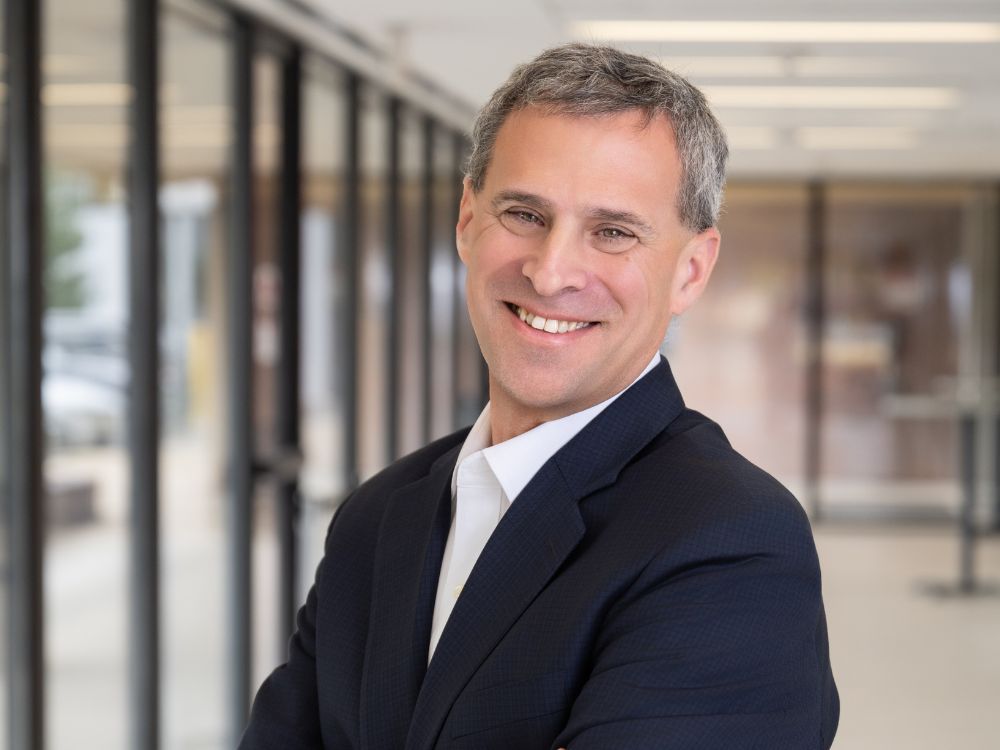
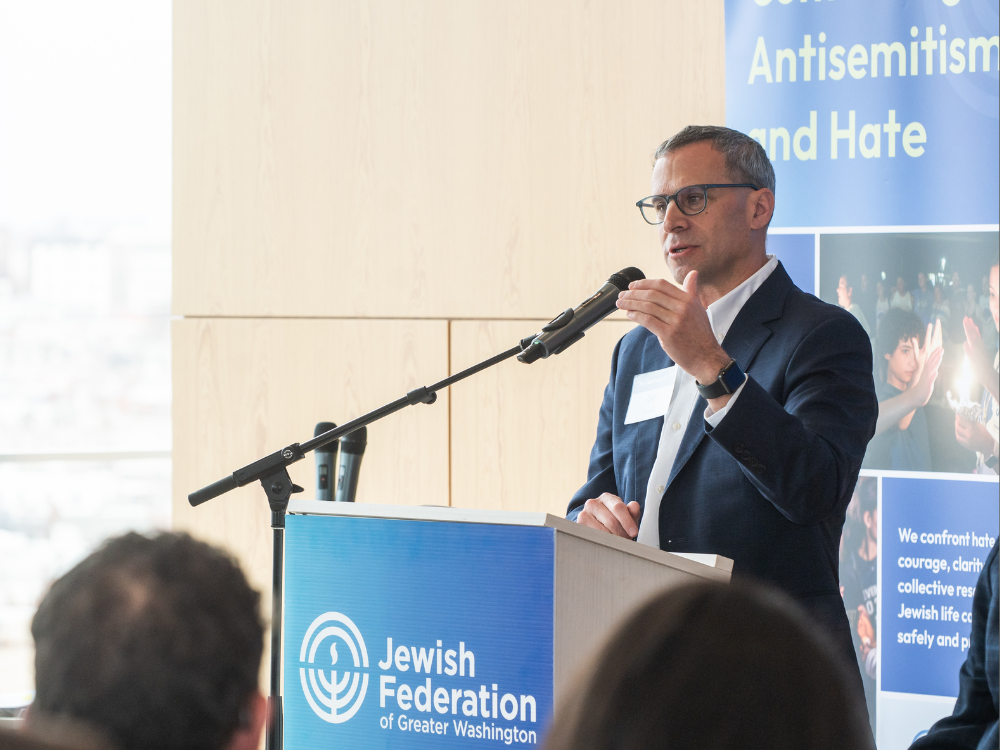
Gil Preuss, Chief Executive Officer

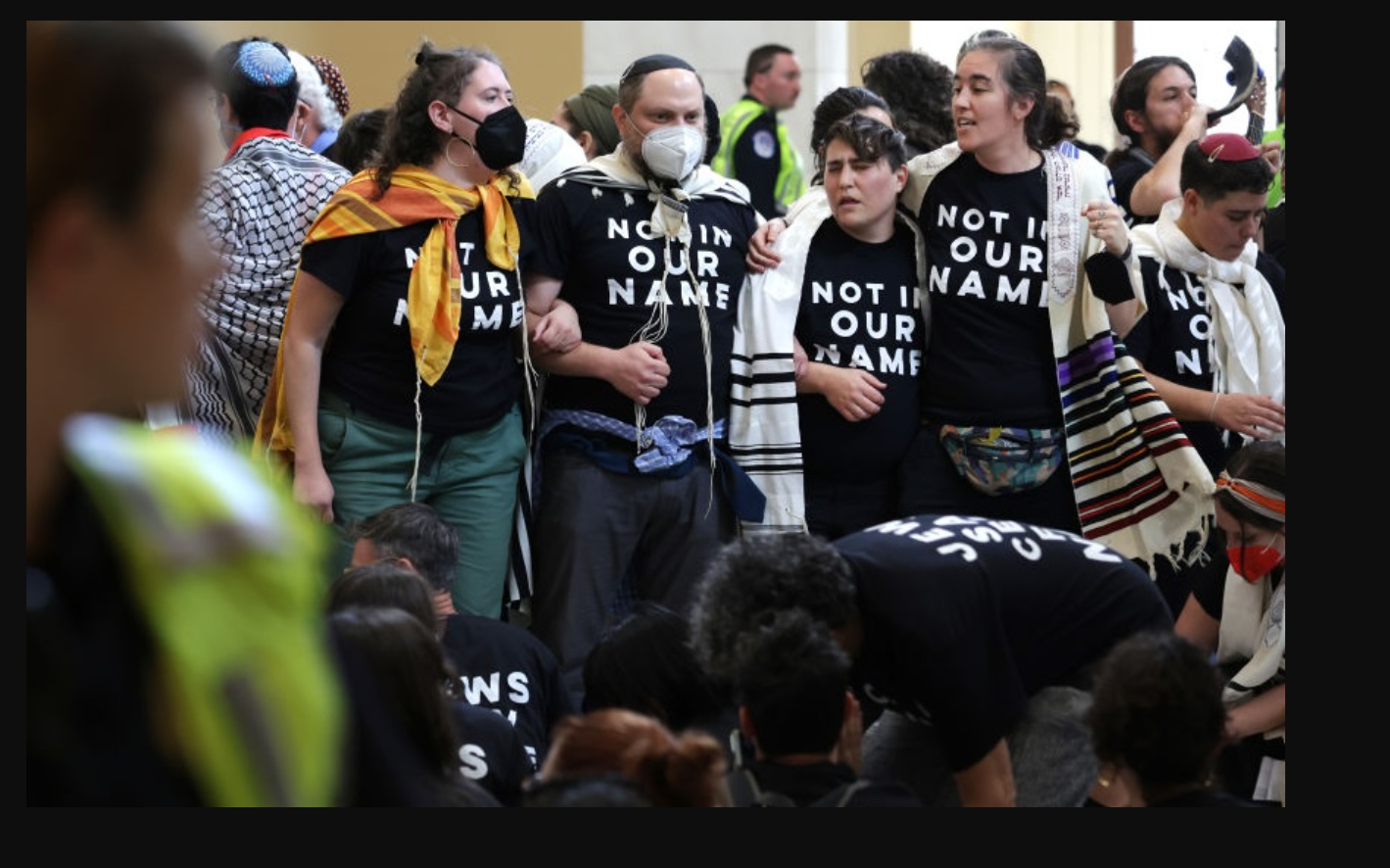
Surveys released last week by the Jewish Federations of North America and Combined Jewish Philanthropies of Greater Boston are among the first to report Jewish views about Israel since early in the Gaza war. They are also among the first in a very long time that ask Jewish respondents whether they identify as Zionists, and what they mean by the term. The findings have important implications for how Jewish communal institutions relate to Israel and the rapidly expanding spectrum of opinion inside the American Jewish community.

Photo Credit: Alex Wong/Getty Images

Read the full eJewishPhilanthropy (eJP) article

Related posts

Why this moment feels familiar Why this moment feels familiar
Why this moment feels familiar
As institutions increasingly single out Jews and demand ideological conformity, Jewish educators and communities face a difficult question: will the price of belonging become denying our identity? We must push back against antisemitism and protect the Jewish and universal values we have long fought to uphold.
read more

Disability Inclusion Is a Journey: Partnering to Expand Access and Belonging at the Capital Jewish Museum

Disability Inclusion Is a Journey: Partnering to Expand Access and Belonging at the Capital Jewish Museum

Strengthening Access Across Our Community

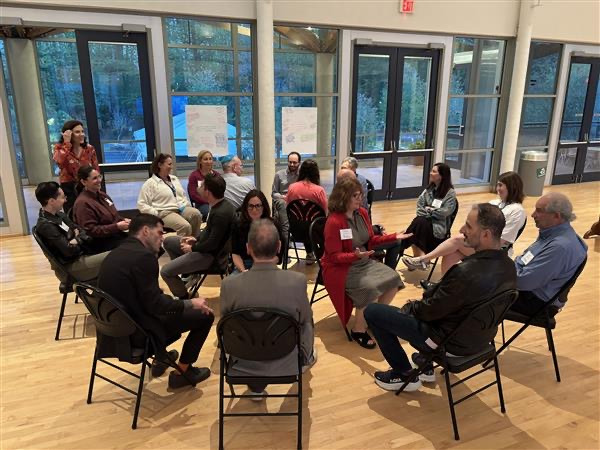
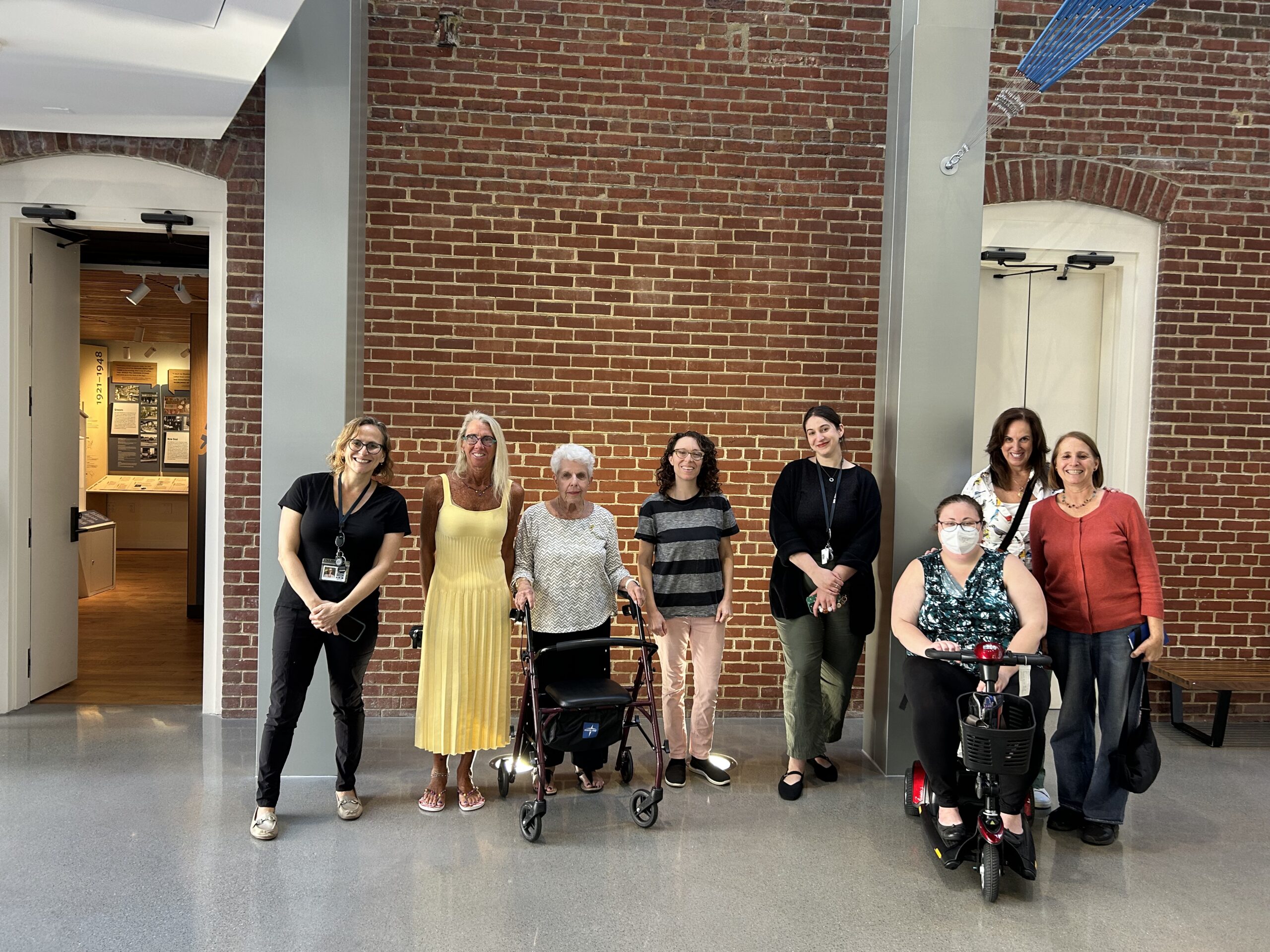
Inclusion is a journey shaped by curiosity, reflection, and a commitment to creating spaces where everyone belongs. On September 12, 2025, the Federation’s Disability Inclusion Advisory Group visited the Capital Jewish Museum as part of our ongoing work to strengthen access and belonging across Jewish institutions in Greater Washington. We left inspired by the museum’s openness, intentionality, and genuine desire to learn and grow.

The Capital Jewish Museum explores the Jewish experience in Washington from 1790 through today, tracing stories of community, civic engagement, and cultural life across generations. As a museum dedicated to preserving and interpreting Jewish history in the nation’s capital, its commitment to accessibility ensures that these stories are available to all who wish to engage with them.

The advisory group includes professional and lay leaders with expertise in disability advocacy, education, and policy, alongside individuals with lived experience as people with disabilities or as family members of individuals with disabilities. This diversity of perspective strengthens our work and informed a meaningful conversation with the museum’s leadership.

A Shared Commitment to Inclusion

From the start, it was clear that inclusion is a priority for the museum. The invitation to engage in a thoughtful, respectful dialogue was a powerful signal. It showed that the museum is not only thinking about accessibility but is also eager to listen, ask questions, and plan for the future in partnership with the community.

We were encouraged by the many ways the museum is already working to make its space more welcoming. From physical access features to warm and responsive staff, the museum has already built a strong foundation for accessibility. What stood out most, though, was the museum’s willingness to explore what more could be done, not out of obligation, but out of a sincere commitment to inclusion as a core value.

Practical Steps Toward Greater Accessibility

Our group shared observations and ideas not as critiques, but as contributions to a shared vision. For example, we discussed how staff training can be a powerful tool in fostering inclusion. When staff are equipped to ask thoughtful questions and offer support—whether helping someone navigate the space, understand an exhibit, or find a place to rest—the visitor experience shifts from good to exceptional.

We also talked about communication and how small adjustments can make a big impact. Adding a clearly labeled accessibility section to the museum’s website, for instance, would make it easier for visitors to plan ahead and request accommodations. We are grateful that the museum has already taken this recommendation to heart by launching an accessibility page and is committed to continuing to build it out over time. Clear, consistent signage throughout the building can also help visitors navigate the space with confidence.

For Deaf and hard of hearing visitors, the museum is already thinking creatively about how to improve access. We explored ideas like increasing caption visibility on videos, offering digital check-in options, and even partnering with services that provide on-demand ASL interpretation. These are exciting possibilities that reflect the museum’s forward-thinking approach.

Mobility access was another area where thoughtful enhancements could build on existing strengths. From seating options to restroom access, the museum is clearly considering the needs of a wide range of visitors. We appreciated the attention to detail and shared ideas for how to continue building on that strong foundation.

For visitors who are blind or have low vision, the museum’s highly visual nature presents both a challenge and an opportunity. We discussed the potential for docent-led tours with verbal descriptions, audio guides, and tactile elements that could expand access and bring exhibits to life in new ways.

Inclusion Is Ongoing Work

Disability inclusion is not something that happens overnight. It’s a process of learning, evolving, and building relationships. The Capital Jewish Museum is walking that path with intention and heart, and Federation is proud to partner in strengthening inclusion across our community.

We look forward to continuing this partnership and supporting the museum as it explores new ways to ensure that every visitor feels seen, heard, and valued. And we invite other organizations who are on their own inclusion journeys to connect with the Federation’s Disability Inclusion Advisory Group. We welcome opportunities to collaborate and strengthen inclusion across our community.

Discover how Federation is strengthening access and belonging across Jewish life in Greater Washington.
See our Belonging and Inclusion work

Related posts

Why this moment feels familiar Why this moment feels familiar
Why this moment feels familiar
As institutions increasingly single out Jews and demand ideological conformity, Jewish educators and communities face a difficult question: will the price of belonging become denying our identity? We must push back against antisemitism and protect the Jewish and universal values we have long fought to uphold.
read more

Center for Jewish Belonging Presents Jewish Disability Awareness & Inclusion Month Webinar

Center for Jewish Belonging Presents Jewish Disability Awareness & Inclusion Month Webinar
Celebrate Jewish Disability Awareness & Inclusion Month with a moderated conversation featuring Rabbi Lauren Tuchman and Jodi Toledano, exploring accessibility, disability inclusion, and how we can shape a Jewish community that truly includes everyone.