This time last year, we were holding our breath as an agreement came together to free the last living hostages in Gaza. Over the course of two long years, our community in Greater Washington served as an epicenter of advocacy. People in official and unofficial capacities across our region met with delegations, built relationships, acted as hosts and liaisons, and did everything they could to keep the hostages top of mind so that a deal would be made.
This year, however, it is less clear how to channel our grief and passion. We are continuing to support long-term recovery efforts in Israel. But how do we greet this tender anniversary now that there is no immediate action to be taken?
It turns out that Rav Joseph Soloveitchik may have an answer. Recently, I read Kol Dodi Dofek (Listen, My Beloved Knocks), Soloveitchik’s famous 1956 theological address and saw how aptly his framework applies to our times.
Soloveitchik argues that the Jewish people must exist in two mindsets: encampment and congregation, “An encampment is created out of a desire for self-defense and thrives on fear. A congregation is fashioned out of longing for the realization of an exalted moral idea and thrives on love.”
In a world full of real threats, we need to think defensively, understanding that there are forces outside of our control shaping our reality. At the same time, we must move beyond the realm of fate into the realm of destiny, rising above our historical circumstances to pursue a larger moral idea on our own terms.
Navigating the tension between fear and love is the modern Jewish project. And I think the anniversary of October 7 can hold a piece of both. We can use the occasion to remember, grieve, and renew our vigilance, and channel the emotion of the day into building a future worthy of those we’ve lost.
I wish I could write solely in defense of the congregation side of things. That I could implore all of us to go ahead and trade in our fear for aspiration. But that’s not the reality we’re living in. We must continue finding the balance between self-protection and self-actualization. We must become adept at hunkering down and reaching outward, at flowing in and out of a dichotomy of postures according to what history and our moment demand.
Three years on, sitting with what happened on October 7 still makes me physically ill. I can only hope this dark fixture in the Jewish calendar becomes something we can use to strengthen our people and build this world from love.
Shabbat Shalom and may the memory of all the innocent lives lost on October 7, 2023, and the many days since be for a blessing,
A recent experiment connecting strangers in San Francisco and Abilene, Texas, found that conversations across political divides were overwhelmingly positive. As consequential weeks approach in Israel and the United States, Federation is investing in relationships, shared experiences, and a stronger Jewish community.
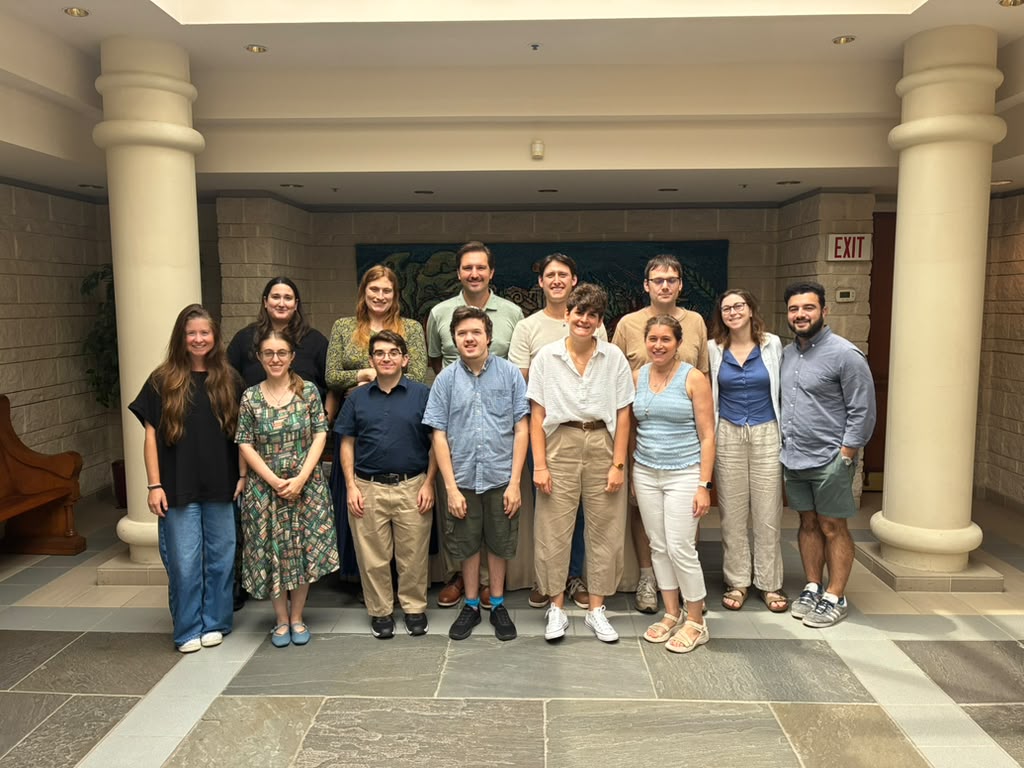
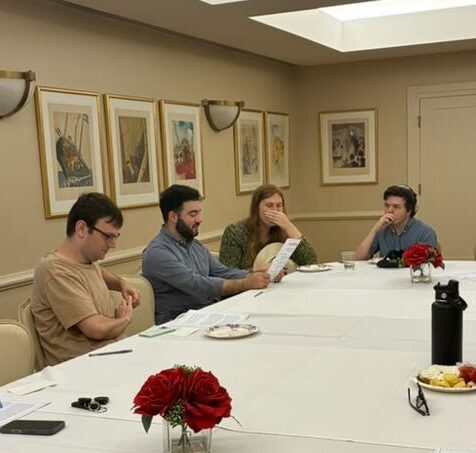
The Jewish Federation of Greater Washington announces the third cohort of its Northern Virginia Leadership Cohort, bringing together 24 participants to strengthen leadership skills, build meaningful relationships, and help shape the future of Jewish life in Northern Virginia.
As institutions increasingly single out Jews and demand ideological conformity, Jewish educators and communities face a difficult question: will the price of belonging become denying our identity? We must push back against antisemitism and protect the Jewish and universal values we have long fought to uphold.
imadi Makes Dreams Come True for Local Jewish Children
September 22, 2026
The Jewish Federation of Greater Washington
Across the Greater Washington area, Jewish children are going back to school with stories of new friends, color wars, camp musicals and the little moments that made their summers memorable. For many Jewish children, sleepaway camp is a beloved part of growing up, a place to build friendships, discover new interests, celebrate Jewish life, and come back with stories that get retold for years.
But for children with complex pediatric health diagnoses, summer camp isn’t always a given.
Going away to camp can mean leaving behind familiar routines and the people who know how to care for them. Parents may wonder whether a new environment can accommodate their child’s health needs, whether staff will know how to respond to challenges, and whether their child will be able to participate fully in the experience.
imadi works to answer those questions before a child ever arrives.
A proud partner of The Jewish Federation of Greater Washington, imadi (“with me” in Hebrew) creates a network of support for families facing complex pediatric health diagnoses. Through concierge case management, patient advocacy, and therapeutic programming, imadi helps families navigate the medical, emotional, and logistical challenges that come with a complex diagnosis. All services are provided at no cost to families, thanks to support from organizations like Federation.
For some families, that support can open the door to experiences that once felt out of reach.
For Roey, it opened the door to Eagle Point, imadi’s Jewish summer camp.
Personal Support for Every Child
At eight years old, Roey had never been to sleepaway camp. Then one afternoon, the director of Eagle Point came to Roey’s home.
Sitting together in the living room, the camp director told him about all the fun adventures waiting for him at camp.
For his parents, Carrie and Greg, there were practical questions to work through and very real concerns about how he would manage a new environment, unfamiliar routines and activities designed for a wide range of campers.
imadi was there to help answer those questions. Before Roey ever arrived at Eagle Point, the organization worked with his family and the camp team to understand what he would need and build the support around him.
As his parents put it, “imadi met him where he was, and brought him along to maximize all of the fun at his pace.”
In addition to meeting with the camp director, they also met with the head counselor and nurse, talked through the challenges Roey might face and heard how the team would respond. They connected with other parents who had sent their children to camp before. For a family sending their child away for the first time, those details mattered.
Roey was also excited about the idea of hanging out with his “big buddy” (his one-on-one counselor). He had met them before camp at a “meet and greet,” where, his parents recalled, the two “ran around playing like they’d been buddies for years.”
“imadi really thought of everything,” Carrie and Greg added, making it easier for them to send Roey “out into the world to experience something we wouldn’t really think possible for him.”
The Summer Roey Became a Camper
Then the day finally came. Roey went to camp.
And he had a lot of fun! He rode in a boat, crafted his own mezuzah cover at a blacksmithing workshop, went on a safari, and took golf cart rides. “Oh the giggles,” his parents exclaimed. He sang songs at bedtime, celebrated Shabbat, and cheered on other campers.
While Roey was making memories, his parents were kept fully in the loop. “During camp we received joyful photos and regular communication so we knew what was going on each day,” they shared. “We feel so lucky to have been a part of Eagle Point.”
Reflecting on the experience, Roey’s parents said: “imadi’s program is astonishing. The one-on-one care, the attention to detail, the incredible imagination that went into having an accessible and manageable jam packed day full of incredible, unique programming experiences. Roey was cared for with such a level of kindness and thoughtfulness that I hope every kid can experience.”
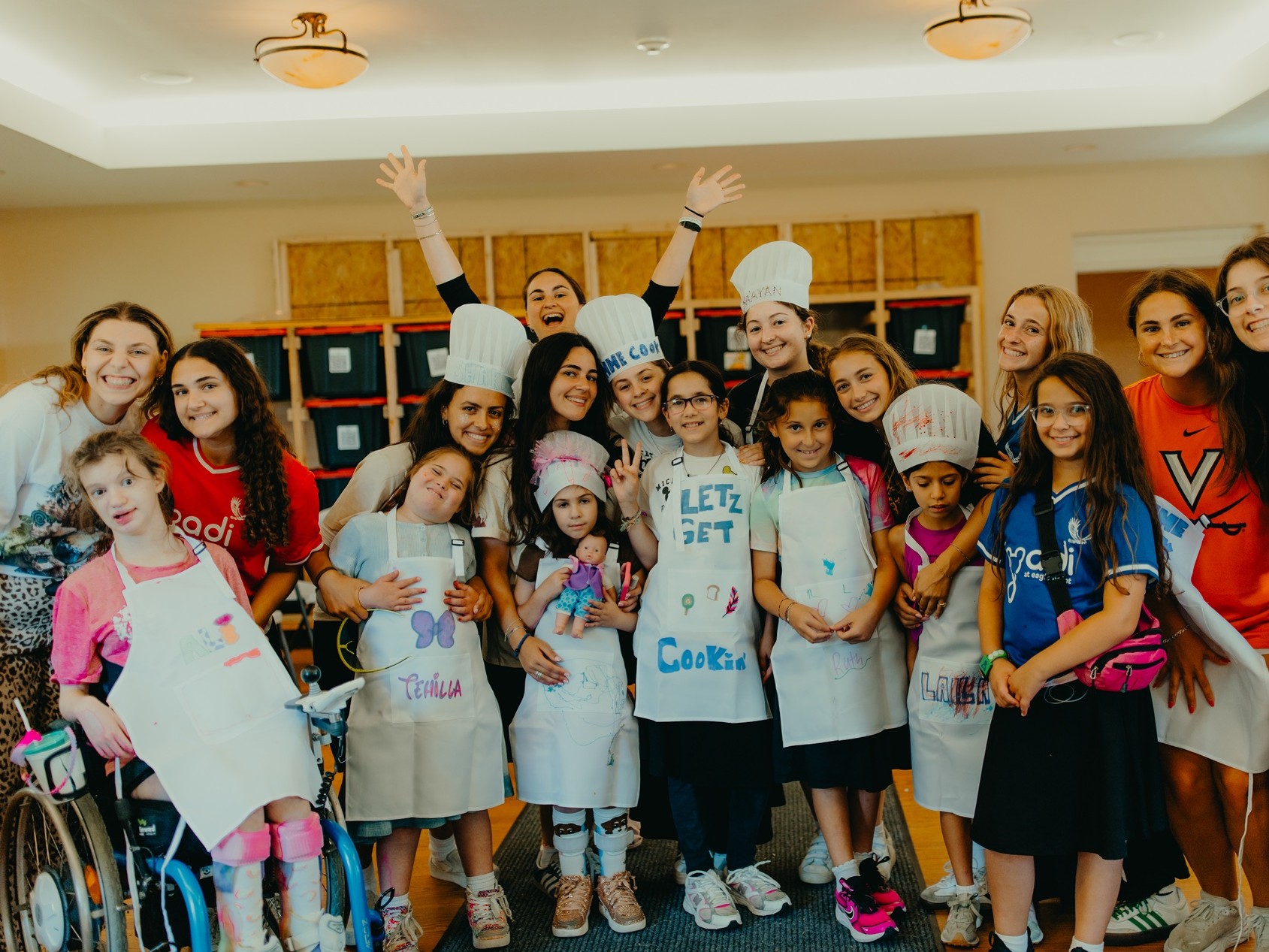
Roey is one of 30 campers who joined Eagle Point this summer. With 40 counselors and staff, imadi ensured every child had the support they needed to experience camp fully.
Jewish Values in Action
The experience left an impression on the counselors, too.
“As a counselor you learn to dedicate yourself completely to another person,” said Navah Gris, an Eagle Point counselor. “You see in real time the impact you as an individual can have which can serve as inspiration way beyond camp.”
For Navah, that sense of connection extended to the Jewish experience at Eagle Point. “A huge pillar of Judaism is chesed (loving kindness) and for me personally doing this work as a camp counselor is when I feel most connected to my Judaism.”
One Friday night, Navah and another counselor stood outside with several campers and sang Kabbalat Shabbat together as they looked out over the lake.
“It was such a holy, joyous, and spiritual moment that we got to share with our campers,” she said. “It’s a moment I’ll never forget.”
By the time the ten days at camp were over, Roey had discovered that he could do something he had never done before. He came home more willing to try unfamiliar things and more independent in everyday activities. He also brought home his mezuzah cover, which he treasures.
And somewhere in those stories, he discovered a new sentence he could say about himself:
“I did this at camp.”
Federation is proud to support imadi and partners across our community creating opportunities for more people to experience Jewish life, connection and belonging. Your support helps make experiences like Roey’s possible.
The Jewish Federation of Greater Washington announces the third cohort of its Northern Virginia Leadership Cohort, bringing together 24 participants to strengthen leadership skills, build meaningful relationships, and help shape the future of Jewish life in Northern Virginia.
As institutions increasingly single out Jews and demand ideological conformity, Jewish educators and communities face a difficult question: will the price of belonging become denying our identity? We must push back against antisemitism and protect the Jewish and universal values we have long fought to uphold.
One in five women experiences a perinatal mood or anxiety disorder, making these conditions among the most common complications of pregnancy and childbirth. These challenges affect women and families.
Who are we responsible for and how do we best serve our community in this moment? These are key questions we are always asking ourselves at Federation but especially now as our world shifts.
However you describe this time we are living in, it’s clear to me that we are entering a new chapter of Jewish life. Whereas the last couple decades were about modernizing Jewish engagement, this new era must also focus on staying connected across lines of difference and working together toward a common future.
As I shared last week, I believe there are core values that have the power to bind us through any kind of tumult, namely the pursuit of justice and love for Jewish peoplehood. We may not always agree on the definition of each, but we can be in conversation about what they mean and what role they play in our lives.
In addition, I also believe there are first principles that must guide our work at Federation to strengthen Jewish life in Greater Washington.
The first is that we are here to serve all 400,000 people who live in Jewish households across the Greater Washington region. While we also have an important role to play beyond this, we do have a unique responsibility in this region for these people. We are committed to reaching people wherever they are in their Jewish journey, from the deeply engaged to those who have not yet found their connection. We are here for young adults, young families, seniors, and every other subset of our population. Our constituency spans the full breadth of the Jewish DMV.
This doesn’t mean that we don’t prioritize certain goals. Every organization must prioritize if they want to have an impact. We are proud of our work to ramp up engagement efforts in Northern Virginia and our partnerships with organizations serving young adults across the region, for example—but approaching our work with the knowledge that we are responsible for the entirety of our community is central to our theory of change.
The next principle is that we seek to create a community that expects and supports disagreement. There are boundaries to the Jewish people, but within those borders is a whole medley of individual and collective viewpoints that are constantly evolving. At Federation, we see how important it is to honor this. We want to see our community growing, learning, and building their ties to Jewish peoplehood and Israel. It follows then that we must make space for different views and experiences, so that we might stay in conversation and help each other forge and strengthen our Jewish connections over time.
The real work, however, is not in laying out these principles but abiding by their implications. How do we reach people who don’t know what’s on offer? How do we make decisions about where communal funds should go? How do we make room for people to grapple with questions about Israel or other elements of Jewish life even when it makes others uncomfortable?
None of these things have easy answers, but that’s what makes our work as a community so worthwhile. Our relationship with time is communal. We have always faced history together and have managed time and again to change it. As we stand together as a people on Yom Kippur, with all our great differences, asking for forgiveness, so must we stand together building our collective future.
A recent experiment connecting strangers in San Francisco and Abilene, Texas, found that conversations across political divides were overwhelmingly positive. As consequential weeks approach in Israel and the United States, Federation is investing in relationships, shared experiences, and a stronger Jewish community.
The Jewish Federation of Greater Washington announces the third cohort of its Northern Virginia Leadership Cohort, bringing together 24 participants to strengthen leadership skills, build meaningful relationships, and help shape the future of Jewish life in Northern Virginia.
As institutions increasingly single out Jews and demand ideological conformity, Jewish educators and communities face a difficult question: will the price of belonging become denying our identity? We must push back against antisemitism and protect the Jewish and universal values we have long fought to uphold.
30 Years Later, It’s Still the Best Decision We Ever Made.
Thirty years ago, my husband, David, and I hosted a party to celebrate our upcoming birthdays. The theme was the 70s, so we dressed up like hippies, brought in a live band, and filled the room with our closest friends (including several future Federation presidents like Robin Weinberg, Mark Levitt, Gary Berman, Liza Levy, and Stuart Kurlander). But as much as we loved celebrating, material gifts weren’t what mattered to us. In the middle of the music and dancing, we hit pause, took the microphone from the band, and talked to our friends about the importance of community and caring for something bigger than yourself. We told everyone: “We don’t want gifts. If you want to celebrate us, make a donation to our new fund.”
We called it the Hopes and Dreams Fund, designated to support informal Jewish education, summer camps, youth groups, and Israel experiences. It was our way of setting the pace for our lives early on, using a joyful milestone to lead with philanthropy and show our peers that you don’t have to wait to make a real impact. That mindset didn’t start with a large bank account or a fancy background. I didn’t grow up wealthy. But I distinctly remember going to synagogue as a child and seeing my parents’ names at the top of the campaign donor lists. They walked the walk. They taught me by doing.
So when my tax advisor sat us down in our 30s and suggested we open a Donor Advised Fund (DAF), I knew there was no place I’d rather establish it than within the Jewish community. I wanted my giving to count toward our collective Jewish reputation for generosity, and I wanted to be a role model for my peers.
I could never have imagined that that early decision would eventually lead to me co-chairing the Jewish Community Foundation of The Jewish Federation of Greater Washington’s Open More Possibilities initiative today.
Open More Possibilities
Looking back, what made all the difference for us was simply having the door opened and being invited in. The Foundation intrinsically understands that same need today—to create space for the next generation of donors to step into their own philanthropic power.
That is why this initiative is so close to my heart. To welcome 100 new fundholders into our Foundation family, the Foundation is making an $1,800 gift to an eligible Jewish or Israeli nonprofit of the donor’s choosing. It’s a true partnership, making it easier than ever for young donors and families to begin their own journey of giving. And once you begin, the impact ripples outward in ways you can’t even predict.
Passing the Torch
Everything you do sets the tone for the next generation. As people who care deeply about our community, we can’t leave those lessons to chance. We have to be intentional about creating a culture of generosity in our families.
Philanthropy is one of the most powerful ways we put our Jewish values into action. Our values tell us to care for one another, to strengthen our communities, and to take responsibility for the world we hope to build. Giving transforms those values from ideas into action. It offers the next generation a tangible way to understand that their Jewish identity is not just something they inherit. It is something they actively must carry forward.
When my son, Evan, reached a milestone birthday, we told him we’d match him dollar-for-dollar if he opened his own DAF. He did. Helping him enter his own philanthropic journey was one of my proudest moments as a mother. Now, as a grandmother, I’m already thinking about my grandchildren. I plan to open Donor Advised Funds for them through Open More Possibilities because I want philanthropy to become part of their story, too. My wish for them is to grow up seeing generosity as a lifelong expression of their Jewish identity.
Bringing Light to the World
There is also a powerful statement made when you give through a Jewish foundation. Over the years, I’ve had non-Jewish charities call to thank me for a grant and mention, “We saw the check came from the Jewish Community Foundation.” Raising that visibility, showing the world how Jewish givers support the broader community, is more vital now than ever.
Since October 7, saying the world has felt heavy is an understatement. But we don’t have to dwell in the dark. The simple act of giving gives us the strength to say: We will persevere. We will not just survive; we will thrive. Giving fills you from the inside out. It offers energy, hope, and purpose. For me, philanthropy is a spiritual experience. It bubbles up in my throat. The more I give, the more I receive.
Becoming one of the 100 new DAF holders opened through this campaign means taking a step as a leader. Deciding to take your hard-earned resources and invest them in the future shows the world, and your family, exactly who you are.
I once read a quote that said you make a living by what you get, but you make a life by what you give. Looking back over my life, I know that to be true in my bones. I can’t imagine a world where I didn’t want to leave things better than I found them.
Building the Future by Investing in Philanthropy
I know opening a Donor Advised Fund is an important decision that requires a meaningful commitment. That’s why Open More Possibilities matters so much to me. By making an additional $1,800 gift, the Foundation is recognizing the importance of that investment and taking the first step alongside every person who decides to open their first DAF. It’s a way of showing that our community is with you from the very beginning.
I hope these first 100 fundholders won’t be the end of the story. I hope they’ll become mentors, role models, and teachers. I hope they’ll inspire their children and someday their grandchildren to carry these values forward. That’s how we strengthen Jewish life, not only for today, but for generations to come.
I invite you to join us. Make an investment in philanthropy, in our community, and in the future we will build together. Let’s Open More Possibilities—for ourselves, for the next generation, and for the Jewish people.
This reflection was originally posted by Jewish Community Foundation of The Jewish Federation of Greater Washington.
A recent experiment connecting strangers in San Francisco and Abilene, Texas, found that conversations across political divides were overwhelmingly positive. As consequential weeks approach in Israel and the United States, Federation is investing in relationships, shared experiences, and a stronger Jewish community.
The Jewish Federation of Greater Washington announces the third cohort of its Northern Virginia Leadership Cohort, bringing together 24 participants to strengthen leadership skills, build meaningful relationships, and help shape the future of Jewish life in Northern Virginia.
As institutions increasingly single out Jews and demand ideological conformity, Jewish educators and communities face a difficult question: will the price of belonging become denying our identity? We must push back against antisemitism and protect the Jewish and universal values we have long fought to uphold.
There’s nothing quite like hearing others wrestle with questions that have been rolling around in my head. It’s a welcome reminder that we have so much to learn from one another if we keep our eyes and ears open. So it was with Danny Gordis’s latest podcast interview with Rabbi David Stav, a widely respected Israeli Orthodox rabbi and religious thinker.
The particular topic of discussion: what are the core Jewish values that Jews of all stripes would want to make central to their lives?
Rabbi Stav says yes. He ventures that there are two principles that we can all agree upon: first, we cannot allow immoral behavior to take place; and second, we are loyal to our family, community, nation, and people. While we may not always agree on the definition of each nor on the balance and tradeoffs that may exist between the two, we are committed to these core ideas and the need to constantly struggle with what they mean in our individual and collective lives.
I love this framework. My former boss said that Genesis 18:19 is the mission statement for the Jewish people, “For I have singled him (Abraham) out, that he may instruct his children and his posterity to keep the way of God by doing what is just and right.” I cannot fathom Jewish identity without the drive to stand for what is right. But neither can I imagine Judaism without a commitment to kinship, that conviction that all of Israel are responsible for one another. Just as we care for our family and friends so do we as Jews for the greater Jewish people.
That’s where I see us playing an important role as a Federation. We want to be part of exploring and reconciling core Jewish values. We are committed to supporting our community in discussing, debating, and building the relationships it will take to grapple with our biggest questions and move forward together.
That’s why, if I were to add a third principle to Rabbi Stav’s list, it would be that we are humble enough to know our ideas might be wrong. Our views have and will continue to change over time, individually and collectively. What seems obvious to us today may appear more complex or even wrong to us in the future, and vice versa.
Pursuing both justice and peoplehood is therefore about staying in conversation. It is recognizing that through a commitment to these two core values, we can build a vibrant collective future locally and with Jews around the world. While different people will live out their Jewish values in different ways, I have faith in our communal venture, too. As we head into a new year, I am eager to see how we might articulate our beliefs for a new era of Jewish life.
P.S. I want to acknowledge that today marks the 25th anniversary of the September 11 terrorist attacks. We are holding the memory of all those we lost, and their loved ones, in our hearts.
A recent experiment connecting strangers in San Francisco and Abilene, Texas, found that conversations across political divides were overwhelmingly positive. As consequential weeks approach in Israel and the United States, Federation is investing in relationships, shared experiences, and a stronger Jewish community.
The Jewish Federation of Greater Washington announces the third cohort of its Northern Virginia Leadership Cohort, bringing together 24 participants to strengthen leadership skills, build meaningful relationships, and help shape the future of Jewish life in Northern Virginia.
As institutions increasingly single out Jews and demand ideological conformity, Jewish educators and communities face a difficult question: will the price of belonging become denying our identity? We must push back against antisemitism and protect the Jewish and universal values we have long fought to uphold.
There are certain tastes that make it feel like Rosh Hashanah.
An apple dipped in honey. The jewel-like seeds of a pomegranate. A round challah, golden and sometimes studded with raisins. Glazed sweet potatoes. A melt-in-your mouth holiday roast or brisket. And the simanim, the symbolic foods placed on the table with hopes and blessings for a sweet, abundant year ahead.
A Rosh Hashanah table brings magic to Jewish families. Candles flickering. Familiar recipes making their annual appearance. Plates being passed around. Full bellies, full hearts, and the simple joy of being surrounded by loved ones.
This Friday night, community members across Greater Washington will gather around their tables to welcome the Jewish New Year.
For families who keep kosher, especially larger households, preparing that table can mean buying significant quantities of kosher meat, produce and holiday staples, and the costs can add up quickly. For families already feeling financial pressure, the High Holidays can bring an added burden at a time that is meant to be filled with joy.
That’s where Yad Yehuda, a partner of The Jewish Federation of Greater Washington, comes in.
How Yad Yehuda is Bringing Joy this High Holiday Season
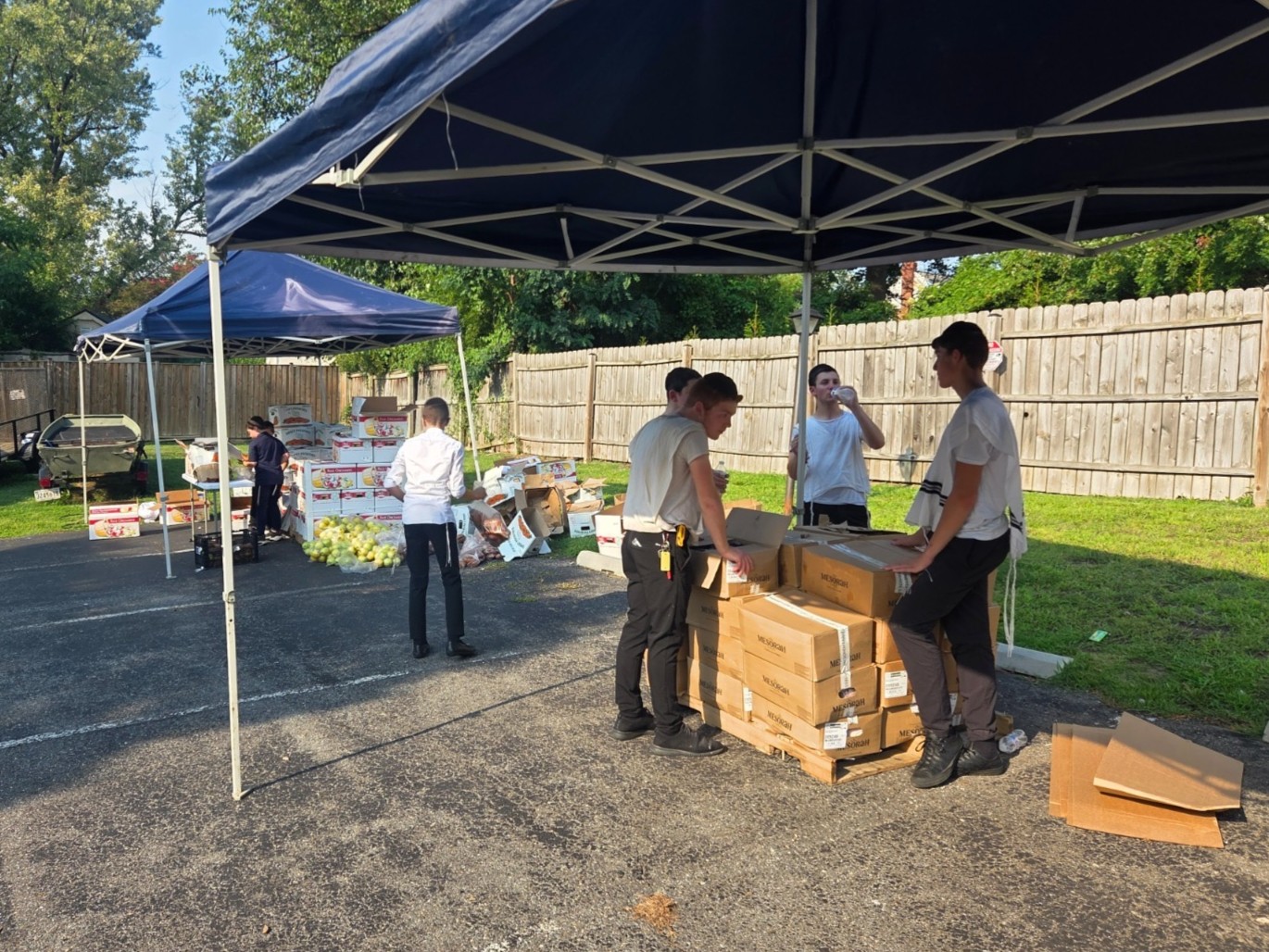
Thousands of individuals across the Greater Washington Jewish community rely on Capital Kosher Pantry, the region’s only kosher food pantry, for support provided in an atmosphere of dignity and respect. A program of Yad Yehuda, the pantry provides fresh produce, proteins, shelf-stable groceries and personal care items, restocked weekly.
But Rosh Hashanah requires something more. “We want people to be able to celebrate the holidays without worrying about how they’re going to afford them,” says Stephanie Savir, Director of Operations at Yad Yehuda.
In the days leading up to the holiday, Yad Yehuda mobilizes its entire network to make that possible. Kosher food providers, dozens of volunteers, companies, synagogues, other food pantries and community partners come together to help fill the pantry’s shelves and freezers.
Packing for a Sweet New Year with the Capital Kosher Pantry
Community members have spent the week working side by side volunteering to unload deliveries, sort enormous quantities of food, pack Rosh Hashanah boxes and prepare them for distribution.
Thanks to support from Federation, pallets of fresh produce have arrived by the thousands of pounds. Cold storage has been filled with roasts and chicken. More deliveries continue to arrive as the holiday approaches.
It takes an entire community to prepare for a holiday at this scale. And this is exactly the kind of work that happens when Federation’s partnership with a local organization extends into active community engagement.
Yad Yehuda expects this year’s Rosh Hashanah distribution to reach approximately 1,600 to 1,800 individuals.
The Capital Kosher Pantry has grown considerably since its beginnings as a small food closet. Today, the organization operates a dedicated facility with multiple refrigeration units, a 20-foot freezer container, pantry, and other services designed to meet the needs of the community. During the year, it runs much like a small grocery store, where patrons can confidentially schedule appointments and select foods for their households.
A Community that Brings Light to Everyone
Supporting a thriving Jewish community in Greater Washington means making sure people can participate fully in Jewish life in ways that reflect who they are. For families who keep kosher, that means having access to kosher food.
For those celebrating Rosh Hashanah, it means having the ingredients to prepare the foods that carry generations of meaning.
And for all of us, it means making sure that financial circumstances do not determine who gets to experience the joy and traditions of the Jewish holidays.
That is why Federation is proud to support Yad Yehuda. By strengthening the organizations that understand the distinct needs of our community and are there to meet them, Federation ensures we are not only present in moments of crisis, but in the ordinary, deeply meaningful moments that make up Jewish life.
This is what it means to make room for everyone at the table. Together, we can make sure that, regardless of circumstance, anyone in our community can celebrate, participate, and create their own Rosh Hashanah memories.
A recent experiment connecting strangers in San Francisco and Abilene, Texas, found that conversations across political divides were overwhelmingly positive. As consequential weeks approach in Israel and the United States, Federation is investing in relationships, shared experiences, and a stronger Jewish community.
The Jewish Federation of Greater Washington announces the third cohort of its Northern Virginia Leadership Cohort, bringing together 24 participants to strengthen leadership skills, build meaningful relationships, and help shape the future of Jewish life in Northern Virginia.
As institutions increasingly single out Jews and demand ideological conformity, Jewish educators and communities face a difficult question: will the price of belonging become denying our identity? We must push back against antisemitism and protect the Jewish and universal values we have long fought to uphold.
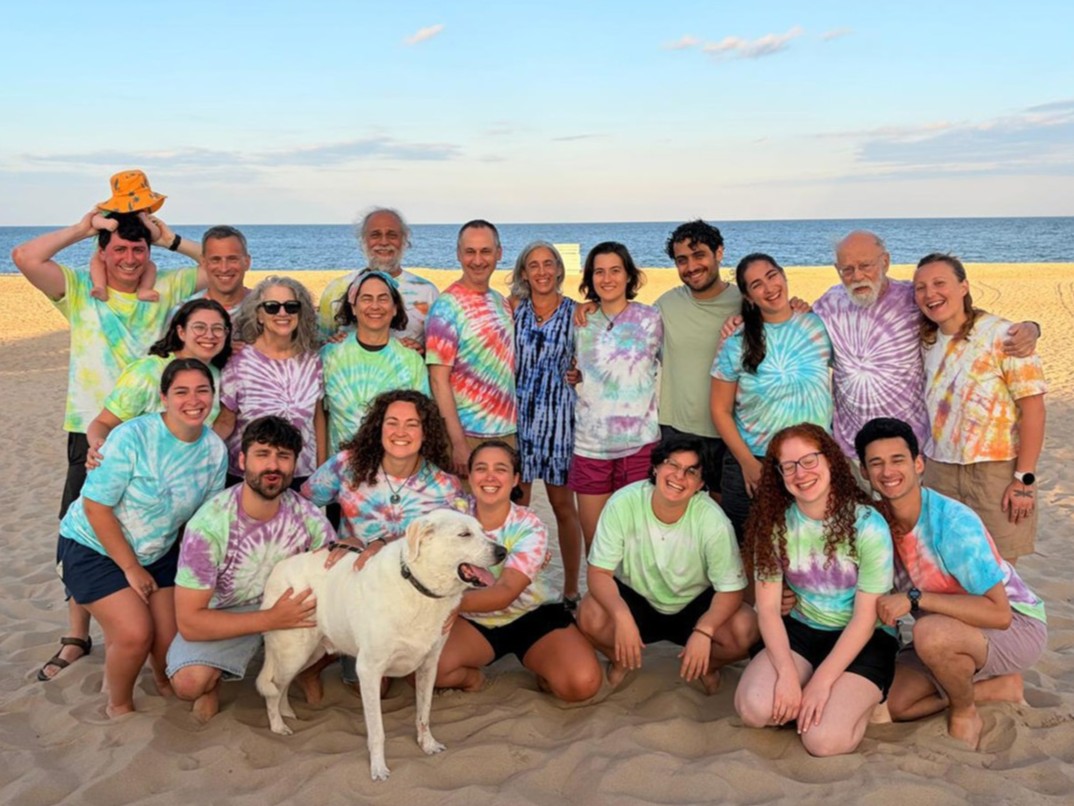
Last week, I went to Bethany Beach with my family. For 30 years, we’ve held this tradition sacred, gathering the parents, kids, cousins, nieces, nephews, and significant others together for some memorable quality time. This year was especially meaningful as we had four generations together under one roof. What a gift it was lounging together with my dad and my grandson.
I like to think that familial ties are a central part of what animates our community as well. That Jewish peoplehood acts as a special source of gravity, drawing and holding people close by virtue of their Jewish identity. This is something that has held us together for thousands of years, through great struggles and great successes, and it’s something we want to continue nurturing across Jewish Greater Washington.
But I also know that a community is built on more than association. While family is enough to bond our crew at Bethany Beach, our community rests on several building blocks including faith, tradition, memory, language, experiences, aspirations, and mutual responsibility.
Importantly, the bonds of peoplehood free us from having to reach consensus. It enables and supports our diverse opinions and our individual evolving relationships to Judaism and Jewish life and adds to our collective vitality. At Federation, we work every day to proliferate Jewish learning and pride and build paths for people seeking to connect with others and with Jewish wisdom. We want to ensure that everyone can tap into the transformative sense of belonging that comes from being part of a diverse Jewish people.
But honoring our differences is only step one. Step two is working with and across our differences to shape the Jewish future. This is no easy feat at a time when convictions run deep. How do we articulate our values while leaving room for a broad range of Jewish expression? How do we stand for something in a topsy-turvy world while strengthening our ties?
Some days, I wake up ready to draw definitive lines in the sand and on other days, all I want to do is protect our ability to stay in conversation with one another. I’m convinced that finding the balance between conviction and peoplehood, fluidity and delineation, will be the work of our time.
I know many of you feel this tension too. We care about what is happening in our communities, our country, and the world, and sometimes that means we find each other on opposite sides of an issue. How we manage our response in these scenarios will have a profound impact on where we go from here.
So long as we remember our commitment to each other, our vast array of opinions and perspectives can only be a strength.
A recent experiment connecting strangers in San Francisco and Abilene, Texas, found that conversations across political divides were overwhelmingly positive. As consequential weeks approach in Israel and the United States, Federation is investing in relationships, shared experiences, and a stronger Jewish community.
The Jewish Federation of Greater Washington announces the third cohort of its Northern Virginia Leadership Cohort, bringing together 24 participants to strengthen leadership skills, build meaningful relationships, and help shape the future of Jewish life in Northern Virginia.
As institutions increasingly single out Jews and demand ideological conformity, Jewish educators and communities face a difficult question: will the price of belonging become denying our identity? We must push back against antisemitism and protect the Jewish and universal values we have long fought to uphold.
As an Israeli currently living in the United States, I spend a lot of time thinking about the space between Israel and American Jewish communities. It is a space I came as a Shlicha (Israeli emissary) to help bridge. But right now, that bridge can feel complicated and ever widening.
For many, Israel has become a topic that comes with strong feelings, important questions, and a desire to better understand. After years of war, loss, political upheaval, and uncertainty, people are asking questions about what is happening in Israel, how Israelis are experiencing this moment, and what October 7 has changed. Some are thinking more deeply about the decisions being made by Israel’s leaders, while others are trying to navigate what it means to love Israel while also holding questions or concerns.
And sometimes, people simply don’t know who they can ask.
That is what made a recent conversation at Washington Hebrew Congregation feel so important.
An Invitation to Ask Anything
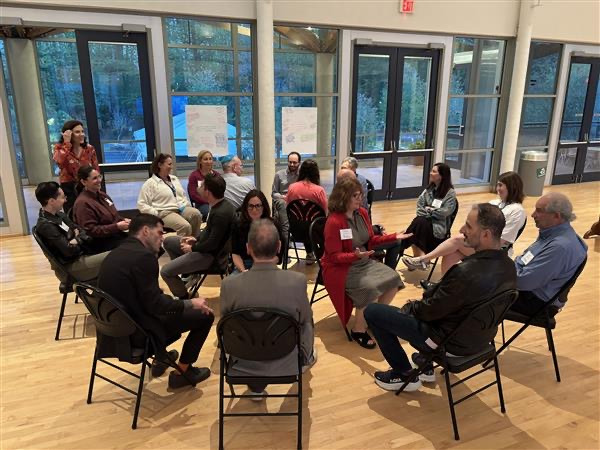
The idea started with coffee. I sat down with the Rabbi and the leader of the young professionals group at Washington Hebrew Congregation, and we talked about something they were hearing more and more from young adults. They wanted a real conversation about Israel. Not another presentation telling them what to think.
So on August 1, I joined the 2239 young adult group for an “Ask Me Anything” gathering about Israel. We brought bagels (because, let’s be honest, no Jewish gathering is complete without them) and sat around a table.
There were hard questions. Different opinions. Questions I didn’t always have a perfect answer for. And that was the point. I wasn’t there simply to answer questions as an Israeli. I wanted to hear their perspectives, too.
What does Israel mean to you?
What has changed in the way you think about Israel?
What questions have you been afraid to ask?
What does it feel like to be a young American Jew trying to make sense of Israel right now?
The conversation moved in both directions. We talked about Israel, but we also talked about the American Jewish experience. We talked about the distance between what Israelis experience and what American Jews see and hear from thousands of miles away.
And slowly, something happened. The conversation became less about finding the “right” answer and more about understanding one another.
One participant told me, “Dialogue makes me feel less alone in my experience.”
Another said, “I was surprised to learn that Israelis genuinely thought that October 7 was going to be the end of Israel. I am thankful to Hila for acknowledging based on her experience as a Shlicha that it’s not useful to disregard American Jews when it comes to Israel, because what happens in Israeli politics affects the Diaspora.”
And perhaps my favorite thing I heard was: “I have more questions than answers, but I’m more hopeful about the future.”
The Power of Talking to an Israeli
I had just returned from a trip home to Israel when we gathered that Shabbat. My trip made me reflect on the distance between these two communities in a new way.
In Israel, the war and its consequences are part of everyday life. Here, American Jews are experiencing Israel through their own communities, relationships, values, questions and concerns.
We need spaces where these two different experiences can meet. That is what I believe the role of a Shlicha (Federation’s Israeli emissary program) can be at its best. A Shlicha can bring something that is difficult to get from a headline, a social media post or a political debate. Someone who can say, “This is what I experienced in Israel.” And then listen when someone here says, “This is what Israel feels like to me.”
That exchange matters. The relationship between Israel and American Jewry isn’t guaranteed by geography, history, or even shared identity. It has to be built. And especially in these complicated years, it is worth building.
There is a temptation, when a subject feels as emotionally charged as Israel does right now, to avoid the conversation altogether. But silence doesn’t make the questions disappear. If anything, it makes the distance between us greater.
Creating More Places to Connect
This is where The Jewish Federation of Greater Washington plays such an important role. Through the Shlichim program, Federation creates opportunities for Israelis and American Jews to build relationships that go beyond a single event or a single conversation. And those connections can look different everywhere. We might join a young adult group for an “Ask Me Anything” over bagels. We might speak with teens, visit a classroom, work with a religious school, join an Israel committee or help a synagogue explore Israeli culture and society.
As a new year of programming begins, I hope more schools, synagogues, youth groups, religious schools, Israel committees and community organizations will consider inviting a Shlicha into the conversation. Because right now, when Israel can feel like one of the hardest things to talk about, we need more spaces where we can talk honestly, listen deeply, and stay connected. If you or your organization is interested, you can see our programming offerings here.
I left that gathering reminded of how little it can take to begin something meaningful. A room. Some bagels. An open heart. And a willingness to ask one another, “What do you really think?”.
A recent experiment connecting strangers in San Francisco and Abilene, Texas, found that conversations across political divides were overwhelmingly positive. As consequential weeks approach in Israel and the United States, Federation is investing in relationships, shared experiences, and a stronger Jewish community.
The Jewish Federation of Greater Washington announces the third cohort of its Northern Virginia Leadership Cohort, bringing together 24 participants to strengthen leadership skills, build meaningful relationships, and help shape the future of Jewish life in Northern Virginia.
As institutions increasingly single out Jews and demand ideological conformity, Jewish educators and communities face a difficult question: will the price of belonging become denying our identity? We must push back against antisemitism and protect the Jewish and universal values we have long fought to uphold.
When I look back at the arc of my life, I can trace the trajectory directly to a single summer when I was 17 years old.
Growing up in a Reform Jewish home in New Jersey, we celebrated a few holidays, I went to Sunday School, and I participated in my youth group, but being Jewish was not the engine driving my daily world. That shifted the summer I boarded a plane to Israel on a North American Federation for Temple Youth (NFTY) trip for six weeks, made possible by my Rabbi who helped me secure a scholarship from Jewish Federation of Greater MetroWest NJ.
I still remember the feeling of stepping off that flight into the Mediterranean heat. Out of nowhere, that classic teenage sense of independence collided with something vastly bigger than myself. A sudden, overwhelming realization that I belonged to a global family. I wasn’t just a teenager on summer vacation. I was part of a living history.
That single journey completely altered my path. It sparked a lifelong love for Israel and Zionism, inspired me to eventually buy a second home there, and set the entire course of my professional life in Jewish community work.
None of that happened by accident. Years before I stepped onto that plane, people I would never meet decided to invest in the Jewish future. They made sure a scholarship existed for a 17-year-old girl from New Jersey who didn’t even realize how much she needed it yet.
The Seeds Planted on Desert Soil
That summer shaped everything that followed. Fresh out of school, I took my first professional job at the United Jewish Appeal (UJA) in New York City (where one of my sons is currently working), launching my career in fundraising. Later, from 1988 to 1990, I worked right here as the Missions Coordinator for The Jewish Federation of Greater Washington. Having experienced the magic of an Israel trip firsthand, helping others embark on those same eye-opening journeys felt deeply full-circle.
Over the years, whether serving on the national Board of Directors for AIPAC or maintaining a home in Israel, my connection to our people has remained the heartbeat of my life.
Paying it Forward
What keeps me involved with The Jewish Federation of Greater Washington today is twofold: the remarkable dedication of the staff who steward this work every day, and a fundamental desire to pay my origin story forward. Because I was the beneficiary of a scholarship that changed my life, I want to make sure the next generation has those same opportunities to discover and deepen their Jewish identity.
When most people hear the word legacy, they think about looking backward, a summary of a life already lived. But as a mother, that’s not how I see it at all.
For me, legacy is entirely about what comes next.
It’s the same instinct that kicks in when we think about our children’s futures. We save, we plan, and we do everything in our power to ensure that when they step out into the world, the safety nets, opportunities, and communities they need will be waiting for them. We have an opportunity to make our own legacy—and for who better than our children?
Leaving a gift to the Jewish community in my estate plans is simply an extension of that same maternal care. Just as I think about my own children’s future, I feel a responsibility to invest in the community they will inherit years from now.
Join Us
Today, you can make that same lasting impact on our community by creating a Jewish legacy. August is National Make-A-Will Month, a timely reminder that taking a few moments to outline your wishes is a powerful way to protect what you love most and secure our shared future.
When I think about the adversity the Jewish people continue to face, I recognize the strength, persistence and fortitude that all comes from being in a community. Federation plays a significant role in helping sustain and strengthen our community.
By leaving a legacy gift with Federation, you can spark a young person’s journey, inspire a lifetime of Jewish commitment, and ensure that when the next 17-year-old gets on a plane to Israel, feeling invincible and curious, a vibrant, welcoming community is right there waiting for them when they return.
To learn more and receive guidance on leaving a legacy gift, visit shalomdc.org/legacy or contact Natalia Straus, Senior Director of Major and Legacy Giving.
A recent experiment connecting strangers in San Francisco and Abilene, Texas, found that conversations across political divides were overwhelmingly positive. As consequential weeks approach in Israel and the United States, Federation is investing in relationships, shared experiences, and a stronger Jewish community.
The Jewish Federation of Greater Washington announces the third cohort of its Northern Virginia Leadership Cohort, bringing together 24 participants to strengthen leadership skills, build meaningful relationships, and help shape the future of Jewish life in Northern Virginia.
As institutions increasingly single out Jews and demand ideological conformity, Jewish educators and communities face a difficult question: will the price of belonging become denying our identity? We must push back against antisemitism and protect the Jewish and universal values we have long fought to uphold.
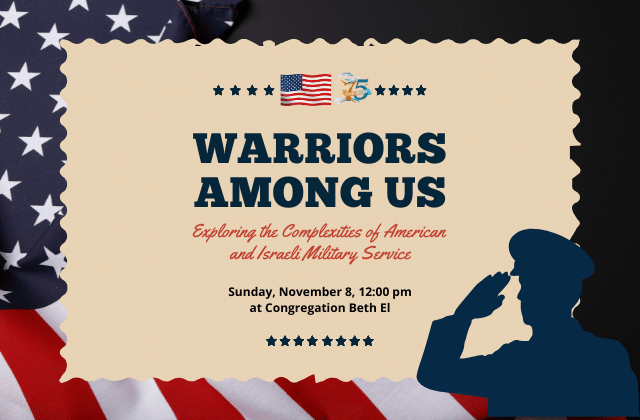
Warriors Among Us: Exploring the Complexities of American and Israeli Military Service
August 19, 2026
Federation Events
Join Congregation Beth El for a moderated speaking forum bringing together congregants who serve in the U.S. Military, Jewish veterans, and personnel from the Israeli Embassy and IDF for a candid conversation about military life. Panelists will explore the experiences and differences between American and Israeli military service, discuss levels of American Jewish support for the armed forces, and reflect on the significance of service to both countries. The panel discussion aims to deepen community understanding about the U.S. and Israeli militaries, especially personnel and their families who serve, by demystifying and resolving common misconceptions about military service.
Please RSVP by November 1. This event, which starts with lunch to get to know the speakers, is free for Beth El members and $10 for non-members.