Need support? Call 703-J-CARING (703-522-7464)

Strength, Leadership, and Jewish Life: Ruby Lions in NYC
Strength, Leadership, and Jewish Life: Ruby Lions in NYC
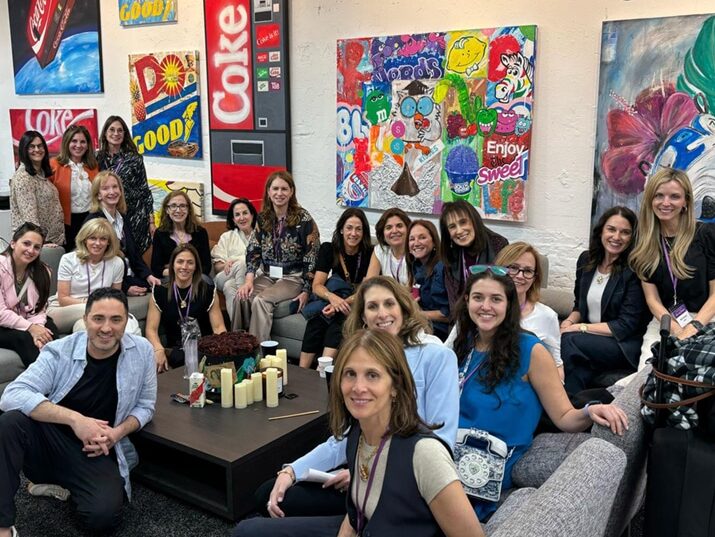
Last week, I had the privilege of joining 20 Ruby Lions—extraordinary women who contribute $10,000 or more annually to the Jewish Federation—for a day trip to New York City. The day was filled with meaningful experiences that brought Jewish life to light and deepened our connections as a community. These women, each a leader in her own right, came together to learn, share, and make a powerful impact. We kicked off the day bright and early, bonding on the bus ride up. Conversations flowed effortlessly, and friendships blossomed between old friends and new faces alike. It was the perfect way to start a truly special day. A Day of Inspiration at the Jewish Museum As we approached Museum Mile on the Upper East Side, anticipation filled the air. Our first stop was the Jewish Museum, which had graciously opened its doors just for our group. We were about to embark on an exclusive private tour of the “Queen Esther in the Age of Rembrandt” exhibit, and it felt like the perfect place to begin. For these extraordinary women, the story of Queen Esther resonated deeply. The exhibit wasn’t just an opportunity to learn about an ancient heroine—it was a chance to reflect on their own strength and leadership. It was an invitation to see themselves in Esther’s courage and to recognize the power of their own voices in shaping the future. Real Conversations, Real Impact: Zionism and Antisemitism After our tour, we gathered for a delicious kosher lunch at Lox, where Amanda Berman, founder of Zioness Movement, led a thought-provoking conversation about Zionism. For Amanda, Zionism isn’t a political stance; it’s a defining part of Jewish identity. Her words challenged us to think about the rise of antisemitism and how, as Jews, we must actively combat it. She urged us to step outside of our circles, reach out to non-Jews, and have the difficult conversations needed to break down barriers and build understanding. Amanda’s message was clear and powerful: We must go beyond the walls of our community, speak up, and act. It was a call to not just talk about change, but to be the change, in our own lives and in the world around us. Building Community, Supporting One Another Our second stop was a visit with Martine Fleischman, a UJA New York leader, at Met Council, the service arm of UJA Federation New York. We toured their state-of-the-art online food pantry system, which serves more than 200,000 people annually. The innovative system allows individuals to choose food based on health and cultural preferences, connecting them with legal aid and other vital services. This visit was a powerful reminder that community support isn’t just about providing resources—it’s about empowering individuals to make decisions that honor their dignity and needs. Art with Purpose: Jojo Anavim's Commitment to Change Next, we visited the studio of Jojo Anavim, a Persian-American Sephardic artist whose work is deeply rooted in his Jewish heritage. Jojo’s art is infused with his connection to Judaism, with each piece bearing a blessing on the back. After 10/7, Jojo generously donated all proceeds from his art sales for the first three months to support emergency relief efforts in Israel. He continues to use his platform to raise awareness about the rising tide of antisemitism and was instrumental in promoting the NOVA exhibit in NYC. Jojo’s unwavering support for Israel and his community shows how art can inspire action and foster positive change. Strengthening Jewish Life on Campus We wrapped up the day with a delicious kosher dinner at Malka, joined by Brian Cohen, Executive Director of Columbia/Barnard Hillel. Brian shared his commitment to supporting Jewish students at Columbia University, helping them navigate antisemitism, build strong Jewish identities, and advocate for themselves in a challenging environment. His words reinforced how essential it is to create safe spaces for young Jewish leaders, and how the work we do as a community has a direct, meaningful impact on their experiences. A Day of Connection, Learning, and Empowerment The trip was more than just a day away—it was a powerful reminder of the strength of community, the importance of connection, and the incredible impact we can have when we come together. These Ruby Lions, whose leadership and generosity shape our future, left the trip with a renewed sense of purpose and a stronger commitment to making a difference. Together, we’re building a brighter future for Jewish life, one action at a time.

Related posts
Building Jewish Community: Embracing Diversity of Thought

Building Jewish Community: Embracing Diversity of Thought

It is a radical understatement to say that we live in interesting and challenging times. Increasing divisions and disagreements in the United States, in Israel, and around the world are creating even more significant divides. Within the Jewish community, the role and impact of diversity of thought in our community has taken on new urgency. How do we move forward knowing fellow community members have deeply held and emotionally challenging viewpoints, with which we significantly disagree and directly challenge our own values?

The wide array of opinions in this community is a source of strength. But I also know this is easy to say—it’s much harder to sit with, and even make room for, thoughts I vehemently oppose.

I flag this because when I look at how we frequently handle differences, I see us incorporating the logic of politics. In a world where there are winners and losers, we are compelled to draw sharp lines around what we believe and exclude or make offensive opposing perspectives. We focus on who is with us and who is against us, maintaining a zero-sum mentality in the pursuit of political success.

A Different Lens for Community Building

Living in Greater Washington, DC, and as part of a minority population, we recognize the importance of politics and its outcomes on our lives. But when it comes to community building, we’ve got to opt for a different lens entirely. If we are to achieve our goal of building a strong and vibrant Jewish future together, then we need to operate from a place of humility, connections, and a commitment to a collective future. Our shared history, the bonds that have held the Jewish people together for millennia, and our aspirations for the future must carry more weight than our ideological differences.

To be clear, building a community where people with diverse views can effectively engage isn’t about communal harmony. We have significant challenges and important work to do together, and the more we can bring together diverse views within a community-focused lens, the more productive we will be. Our collective Jewish future, depends on our ability to build a place where Jews of all backgrounds can come and find the wisdom and meaning of Jewish thought and tradition, the connections and relationships that ground a life and make it joyful, and the services and experiences that support and expand someone’s world.

All of this is underway, and our communal debates can serve these efforts. As President Isaac Herzog writes in Sapir, “Can diversity complicate shared living? Yes. But we cannot forget the complementary truth. Diversity, with all of the ways it complicates life, also supports it.”

We do have the right to define and maintain the boundaries of our community. But wherever we land on this complicated question, I hope it includes all those who see their personal fate tied to that of the global Jewish people. Our individual, specific viewpoints and forms of Jewish expression may change over the course of a lifetime, but it’s our connection to Jewish peoplehood and our stake in the Jewish future that can serve as the constant bond that holds us together as we build that future for ourselves and generations to come.

Related posts

Remembering Pope Francis

Remembering Pope Francis

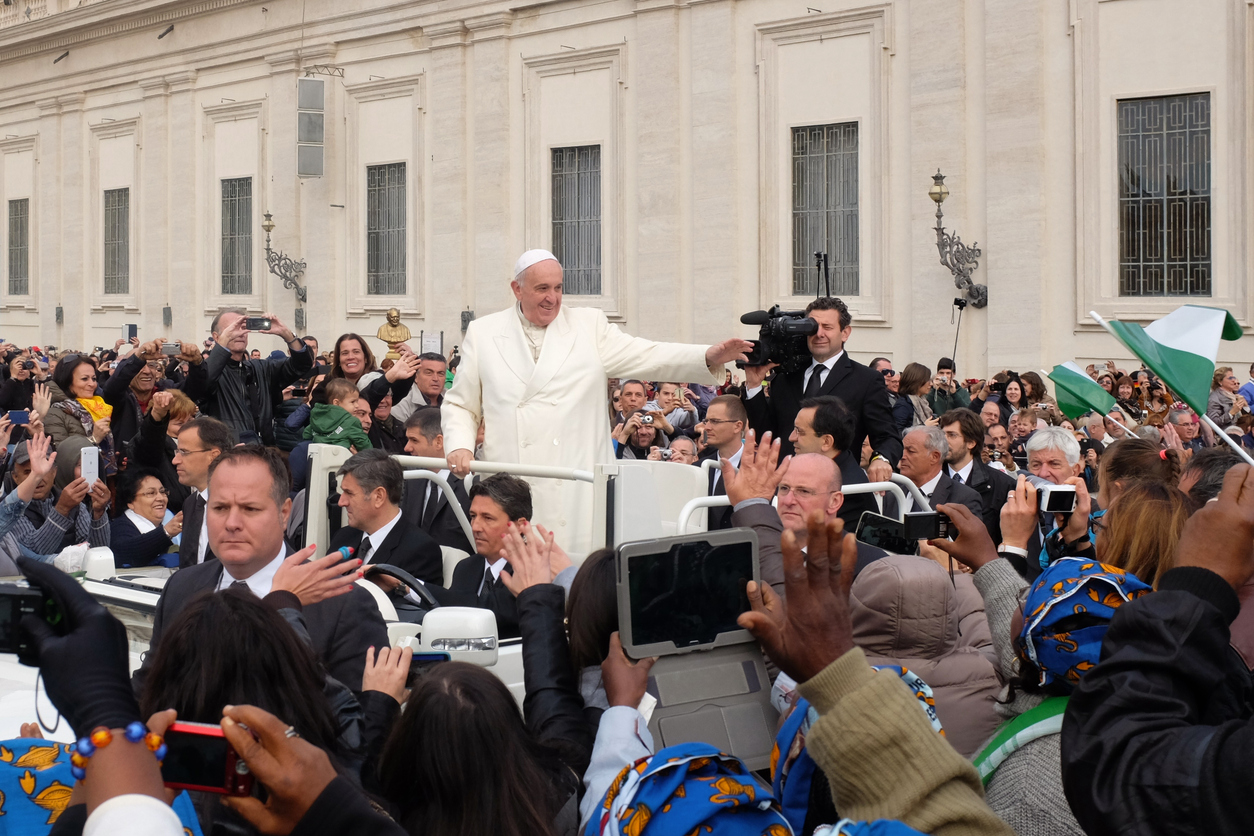
As someone who is not Catholic, I nevertheless have found myself deeply moved and inspired by the leadership of Pope Francis. While I disagreed with many specific issues, his commitment to making religion more relevant and responsive to the pressing challenges of our time is something I’ve long admired. Whether addressing climate change, advocating for the poor and marginalized, or speaking out on issues of justice and human dignity, Pope Francis has consistently demonstrated the need for a moral voice that transcends religious boundaries.

His leadership has served as a powerful reminder that faith, in all its forms, can and must play a role in healing a fractured world. I have appreciated his ability to speak to the spiritual core of global issues while remaining grounded in humility and humanity. In doing so, he has helped reframe what religious leadership can look like in the 21st century—not as a force apart from the world, but as one deeply engaged in its betterment.

The papacy carries tremendous influence on the global stage, and Pope Francis has wielded that influence with courage and empathy. As the world anticipates potential transitions in the Vatican and beyond, it’s worth noting just how profound an impact his voice and vision have had—not just within the Catholic Church, but across religious and cultural divides. We are, I believe, entering a moment of change shaped in part by his legacy—a legacy of inclusion, justice, and hope.

May his memory be a blessing.

Gil

Related posts

Beyond Business: Building Connection and Community in NoVA

Beyond Business: Building Connection and Community in NoVA

So, What IS Community Development, Really?

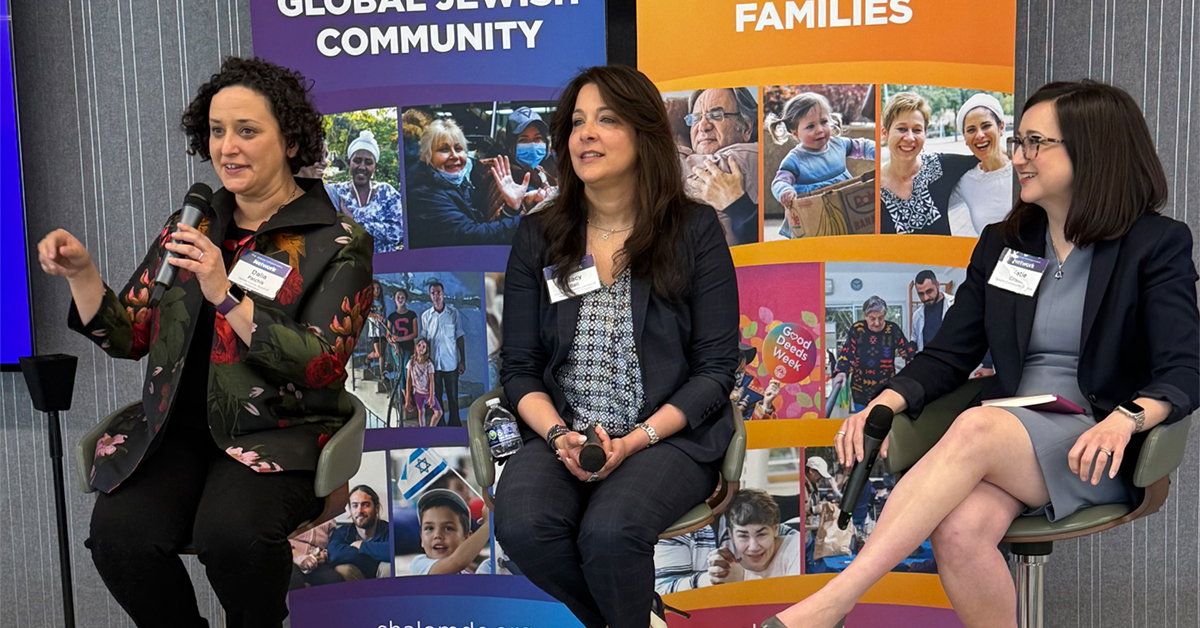
That’s the question we posed to our esteemed panel at our first-ever Northern Virginia-focused Federation Network event for Jewish business professionals on Friday, March 28. Set against the backdrop of Northern Virginia’s rapidly growing landscape, nearly 50 local professionals gathered to explore what it truly means to build spaces where community can address the challenges we face today.

The following panelists joined us to frame the conversation and provided valuable insights into the intersection of business growth, community engagement, and the challenges we face:

  • Katie Cristol, CEO of Tysons Community Alliance
  • Stacy Bell, AVP for Business Development & Real Estate at Inova Health Systems & Professor at George Mason University
  • Dahlia Palchik, Fairfax County Board of Supervisors

Solving for Loneliness

Katie Cristol, CEO of the Tysons Community Alliance, shared her unique perspective on community development, describing it as a “third leg of the stool” when it comes to land use and economic development. Cristol emphasized that community development isn’t just about solving the housing crisis or tackling the climate crisis—it’s also a vital solution to the growing loneliness epidemic that many are experiencing. “What does community development help us have to say about our cities as solutions?” Cristol posed. “Not just for the housing crisis and the climate crisis, but also the loneliness epidemic that we’re experiencing?”

Her words sparked a deep reflection on how our cities and neighborhoods can serve as not only economic centers but also as hubs for connection, support, and belonging.

Touch Points That Build Community

Stacy Bell, an adjunct professor at George Mason University, brought a personal and practical perspective to the discussion. Bell spoke about how community development revolves around the connection points between people.

“It can be sports, it can be hobbies, it can be a book club,” she explained. “For me, community development is about the touch points, how to create them.”

Bell stressed that how we connect with others often depends on life stages—whether it’s through work, children’s activities, or hobbies—and that fostering those connection points is key to strong community development.

The idea of connection resonated with many in the room, as Bell underscored that community isn’t just about physical spaces, but the emotional and social ties we form with others.

Beyond the Building: Where Community Comes to Life

A particularly thought-provoking moment came from a reflection by Dahlia Palchik, who serves on the Fairfax County Board of Supervisors. She highlighted the importance of built spaces like synagogues, schools, and community centers.

“A lot of it is the people, the food, the culture. But then as we think about those built spaces, whether it’s a formal space like the J(CC) or a shul, or whether it’s a school, how do we raise our families and build?”

As both a civic leader and anthropologist, Supervisor Palchik, reminded the audience of the role physical spaces play in bringing our values to life. These conversations left a lasting impression, reinforcing that community development is not just about creating infrastructure or economic growth; it’s about creating spaces—both physical and social—where people can thrive together.

Thank You to our Hosts and Leaders

Federation is grateful to David Schneider and Joel Regignano, who co-chaired this event, and to Holland & Knight and Lerner for their hospitality in hosting this wonderful networking event.

Want to Get Involved?

If you’re a Jewish business professional in Northern Virginia and want to participate in these meaningful conversations, we invite you to join our Federation Network. Visit our website or contact Sarah Green, Director of Donor Engagement, for more details.

Related posts

Jennifer Scher Named Recipient of 2025 Phyllis G. Margolius Impossible Dream Award

Jennifer Scher Named Recipient of 2025 Phyllis G. Margolius Impossible Dream Award

The Phyllis Margolius Family Foundation is thrilled to announce that Jennifer Scher has been named as the recipient of the 2025 Phyllis G. Margolius Impossible Dream Award. Scher was selected by the committee for her work to foster support for Israel as Vice President of the MidAtlantic Region for Friends of the IDF (FIDF).

Scher is the third recipient of the Phyllis G. Margolius Impossible Dream Award, given annually to a Jewish communal professional who echoes the character, inspiration, and determination of its namesake, Phyllis Ann Goldman Margolius. Phyllis cared deeply about strengthening the Jewish community in Washington, D.C., Israel, and around the world. Where others saw problems, she saw opportunities and solutions, pushing the needle forward and motivating those around her to do the same.

As part of the award, Scher will receive an $18,000 cash prize for her dedication to empowering Jewish identity and building meaningful connections to Israel.

“I am deeply honored to receive the Phyllis G. Margolius Impossible Dream Award,” said Jennifer Scher. “Phyllis was a dynamic and transformative leader, and I am privileged to be associated with someone who was such a champion of Jewish life, Israel, and community. Since 2006, the Greater Washington, DC community has mentored and nurtured my professional growth. I am incredibly grateful for the unwavering support and guidance of my lay and professional partners, who have been by my side for nearly 20 years. On October 8, 2023, in the heartbreak of tragedy and fog of war, I told my husband, ‘I am in this job at FIDF, in this moment, for a reason, and I can’t imagine being anywhere else.’”

Scher has served as the Vice President of the MidAtlantic Region for FIDF for three years, where she champions Israel’s soldiers and educates communities on Israel’s security challenges. Under her guidance, FIDF has established a strong young leadership cohort, growing young Jews’ connection to Israel. She also spearheaded the establishment of a WhatsApp group that provides ongoing updates and briefings, gathered Lone Soldier parents to support them while their children are at war, and helped organize Legacy Camp, a program bringing children from IDF bereaved families to Capital Camps.

Prior to FIDF, Scher was the Director of Community Advancement at Gesher Jewish Day School and the Director of Northern Virginia Engagement at The Jewish Federation of Greater Washington. She is an active member of Congregation Olam Tikvah and a longtime parent at Gesher Jewish Day School and Capital Camps.

“In a time where community is needed, Jennifer is making a way, especially for young people to come together to help support and talk about Israel and Jewish community in a post-October 7 world,” said Selection Committee Member Josh Maxey. “When Jennifer speaks, I see a person committed to continue serving her community and ensuring we have the next generation of exemplary leaders.”

The Jewish Federation of Greater Washington has been an invaluable partner in the fulfillment of this award. Phyllis devoted many hours in the work of Federation, and it is one of the many organizations in which she observed the depth of devotion and talent that Jewish professionals bring to our community.

“We are immensely proud to have Jennifer Scher as our award winner for the prestigious Phyllis G. Margolius Impossible Dream Award,” said Philip Margolius, President of the Phyllis Margolius Family Foundation. “Her achievements and dedication embody the essential qualities that this award represents: resilience, creativity, and the ability to rise to any challenge. We hope that receiving the Impossible Dream Award will further inspire Jennifer to continue her exemplary work in the field.”

Jennifer Scher will receive her award at an event to honor Jewish communal professionals on Thursday, May 8, 2025 at the Bender JCC in Rockville, Maryland. The event is co-sponsored by the Phyllis Margolius Family Foundation, The Jewish Federation of Greater Washington and the BenderJCC.

Related posts

Jewish Federation Allocates an Additional $180,000 for Immediate Cash Assistance to Community Members Affected by Federal Layoffs

Jewish Federation Allocates an Additional $180,000 for Immediate Cash Assistance to Community Members Affected by Federal Layoffs

As the impact of recent and looming federal layoffs ripple through our community, the Federation is stepping up to ensure that no one must navigate this hardship alone. Through the network of local rabbis and community leaders, individuals affected by these layoffs can now access direct financial support to help meet urgent needs.

A Lifeline in Times of Crisis

After 25 years of loyal service, a long-time community member suddenly found themselves out of a job due to the federal layoffs. With no severance and mounting bills, the weight of uncertainty began to feel overwhelming. Amid this crisis, they reached out to their rabbi for support.

His words were simple, but they felt like a lifeline: “You are not alone.”

With the help of the Jewish Federation, they received not just practical resources to manage immediate needs, but also emotional encouragement that helped them regain their footing.

“It’s not just about surviving tough times—it’s about knowing that we have people who will show up for us when we need it most.”

Facing Impossible Choices: A Mother’s Journey

For many years, a local mother balanced her career and care for her son with special needs thanks to the flexibility her government job offered—working from home, a privilege she had long before the pandemic made remote work common. She consistently received top reviews and accolades for her work, demonstrating her commitment and dedication. But when a new policy required her to commute long hours each day, leaving her son behind, she was faced with an impossible choice: stay in her job or lose the flexibility that allowed her to care for him.

With no safety net and an immediate financial burden, she turned to her rabbi for guidance.

“You are not alone,” he assured her.

The support she received from the Jewish Federation wasn’t just about meeting immediate needs—it was about offering hope for what lies ahead. With a focus on the future, they provided resources that helped her explore new career opportunities.

The Power of Community

These examples serve as powerful reminders of the importance of community support, especially during the hardest of times. In response to current challenges facing our community, the Jewish Federation has allocated $180,000 as part of the Federation’s Individuals and Families in Need initiative (IFN), $100,000 to create a new Rabbinic Emergency Fund to help rabbis meet the increasing needs of their congregations, and $80,000 to our current human service agency partners.

This initiative underscores the Federation’s commitment to supporting all community members who are facing financial uncertainty due to the layoffs. The funds are distributed across rabbis and agencies, ensuring that those impacted by the layoffs receive the immediate support they need.

The Jewish Federation, and its network, is ensuring that no one in our community faces challenges alone. Whether it’s offering financial resources or providing crucial emotional support, the Federation is there for our community in times of need.

As a local rabbi reminds us: “Abraham, our forefather, fed his hungry guests before speaking with them about G-d. Our community’s first responsibility is to care for each other in times of need, just as Abraham did. We are grateful to the Jewish Federation for leading the way in this important work.”

In moments when everything else feels uncertain, it is the strength of our Jewish community—and the unwavering support of the Jewish Federation—that provides the foundation we need to rebuild.

Related posts

Combating Antisemitism in the Workplace: Tools, Action, and Community

Combating Antisemitism in the Workplace: Tools, Action, and Community

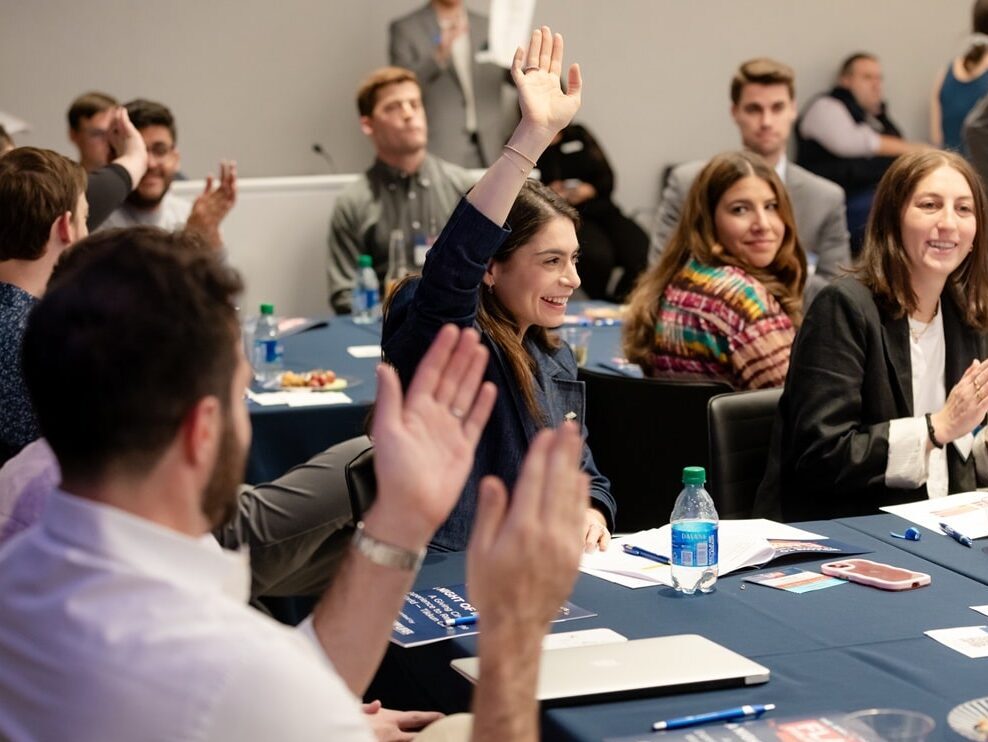
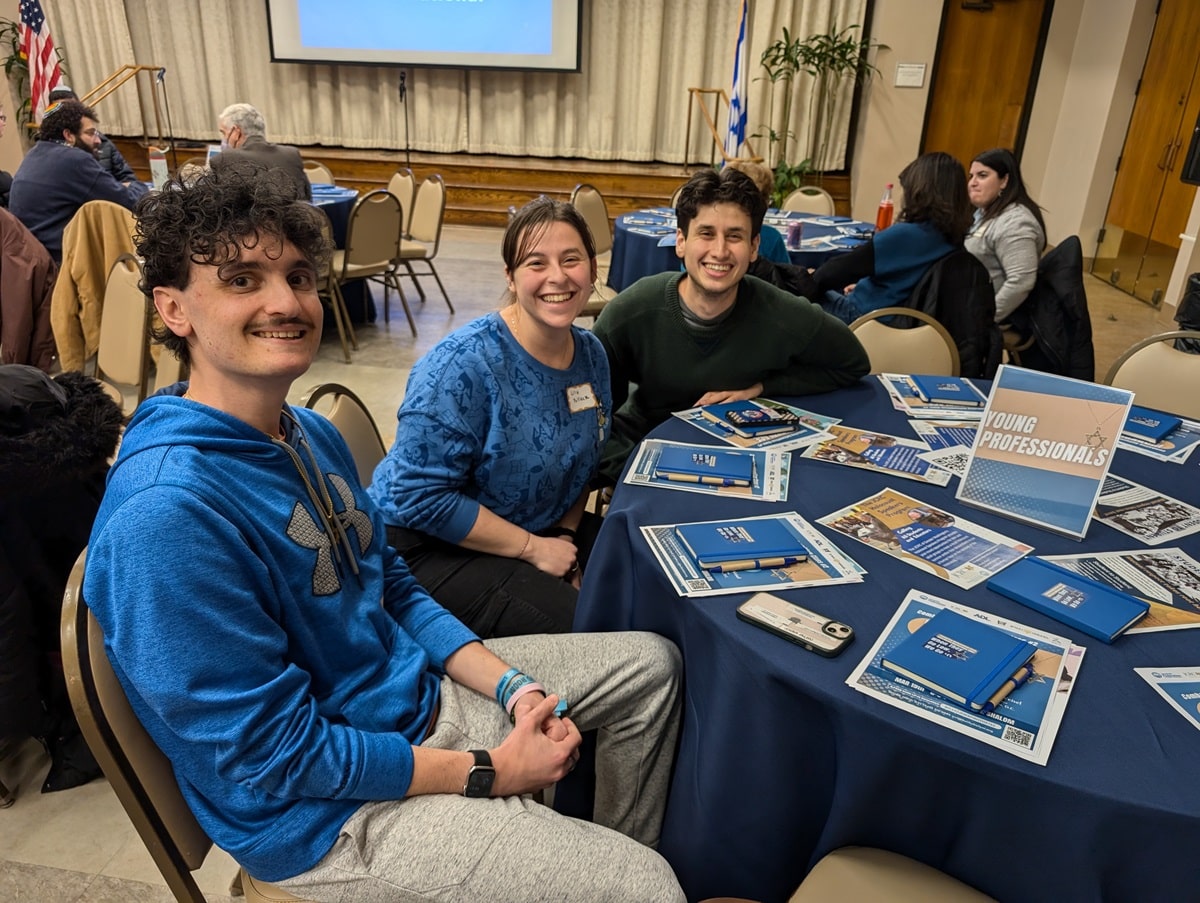
On March 19, 2025, more than 70 community members gathered at Har Shalom for the second event in the Combating Antisemitism series, focused on recognizing and addressing antisemitism in the workplace. The evening was full of insightful conversations, practical tools, and a shared commitment to confronting discrimination head-on.

A Call to Action: Standing Up Against Antisemitism

The evening began with Howard Reichel, leader of the Kulanu Combating Antisemitism cohort, who emphasized the importance of standing up for ourselves in the face of adversity. Rabbi Adam Raskin followed, drawing inspiration from the ancient story of Purim to highlight the relevance of bold action in today’s fight against antisemitism. He urged us: “The quickest way for others to stand up for Jews is for Jews to stand up for themselves.” His words resonated deeply, reinforcing that we all have a role in standing against antisemitism.

Tools for Combating Antisemitism at Work

Meredith Wiesel, senior leader at the Anti-Defamation League (ADL), led an informative session on combating antisemitism in the workplace. She shared key tools to recognize antisemitic tropes and how to respond effectively in professional settings. Attendees walked away with practical advice and resources to empower them in their own workplaces.

The event also included an interactive “choose your own adventure” activity, allowing participants to explore various workplace scenarios. Should you ignore offensive comments, confront the individual, or report the incident to HR? This exercise sparked thoughtful discussions on the most effective ways to confront antisemitism while maintaining professionalism and respect.


Related posts

A Friday Reflection: Takeaways from Cornerstone

A Friday Reflection: Takeaways from Cornerstone

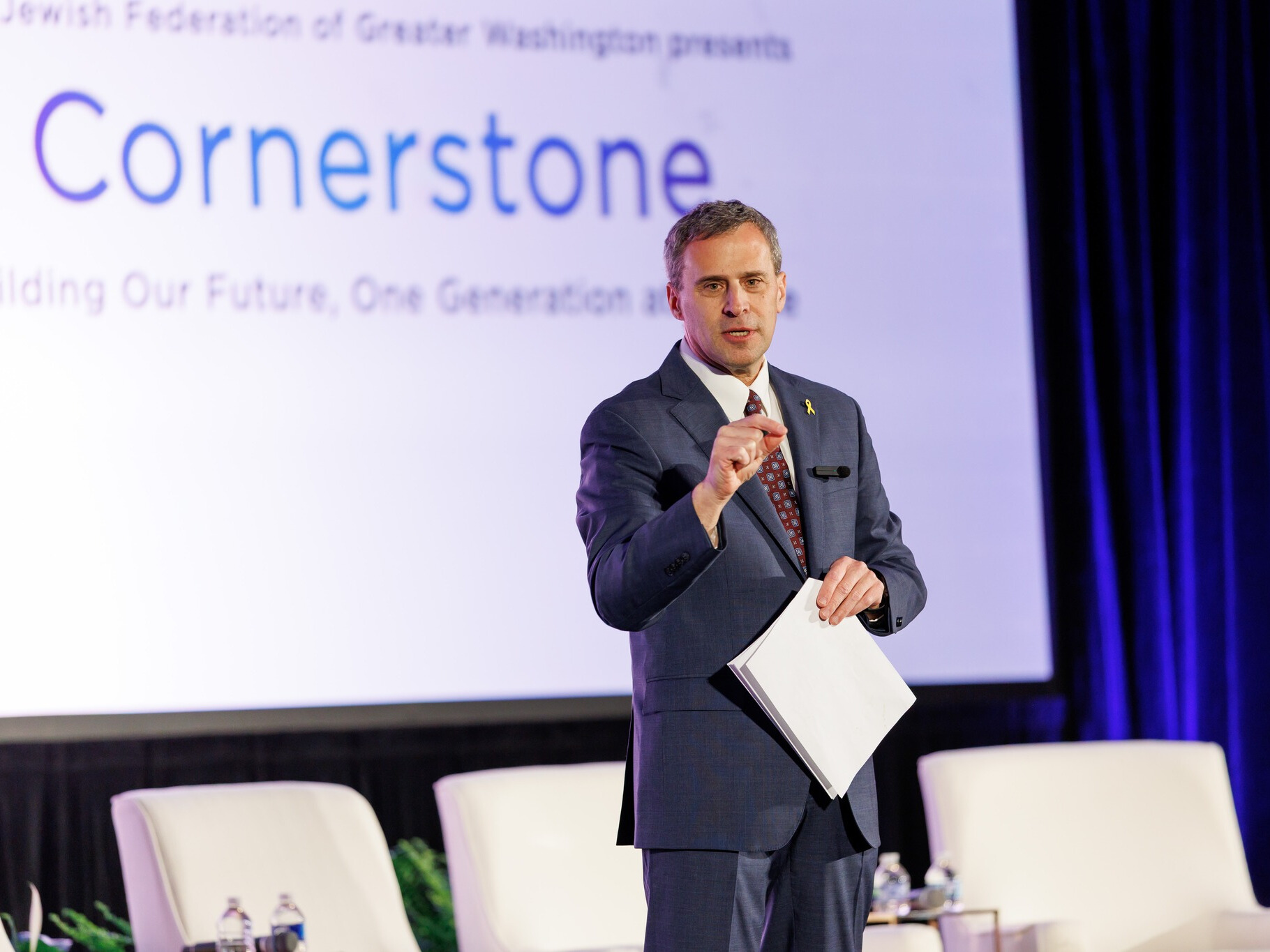
On Monday, March 3rd, I had the privilege of joining many of you in celebrating seven exceptional leaders in our community: Alma Gildenhorn, Carol & Gary Berman, Sophie & Bradley Buslik, and Rachel & Peter Federowicz.

I’m always impressed by the way our community shows up to honor our leaders — and Cornerstone was no exception.

I’m also excited to share that the event raised over $1M for the Cornerstone Fund. This significant contribution will enable us to expand our commitment to developing the next generation of leaders, equipping them with the confidence, skills, and Jewish values necessary to strengthen our community for years to come.

In my remarks, I spoke at length about leadership — how it’s not just contagious, but also collective.

Now, more than ever, I urge you to stand with us and double down on our efforts. We must unite to overcome the critical challenges facing our local Jewish community and Jewish communities worldwide.

If you were unable to attend, watch my full remarks.

Related posts

A Week of Mixed Emotions

A Week of Mixed Emotions

My heart breaks with the news of the horrific plane crash near Reagan National Airport late Wednesday night. May the memories of those lost in this unthinkable incident forever be a blessing, and may we send strength to all the first responders and officials working tirelessly on the investigation and extensive recovery operation still unfolding.

At the same time, since my last note, 12 more innocent people have been reunited with their friends and family. The videos have been deeply moving — it’s an incredible relief to see these hostages return home after almost 500 days of captivity. I can only imagine what they have gone through and what lies ahead.

I know we’re all waiting with bated breath for the return of three more hostages this weekend, including Keith Siegel, and of course, for every one of those still in captivity.

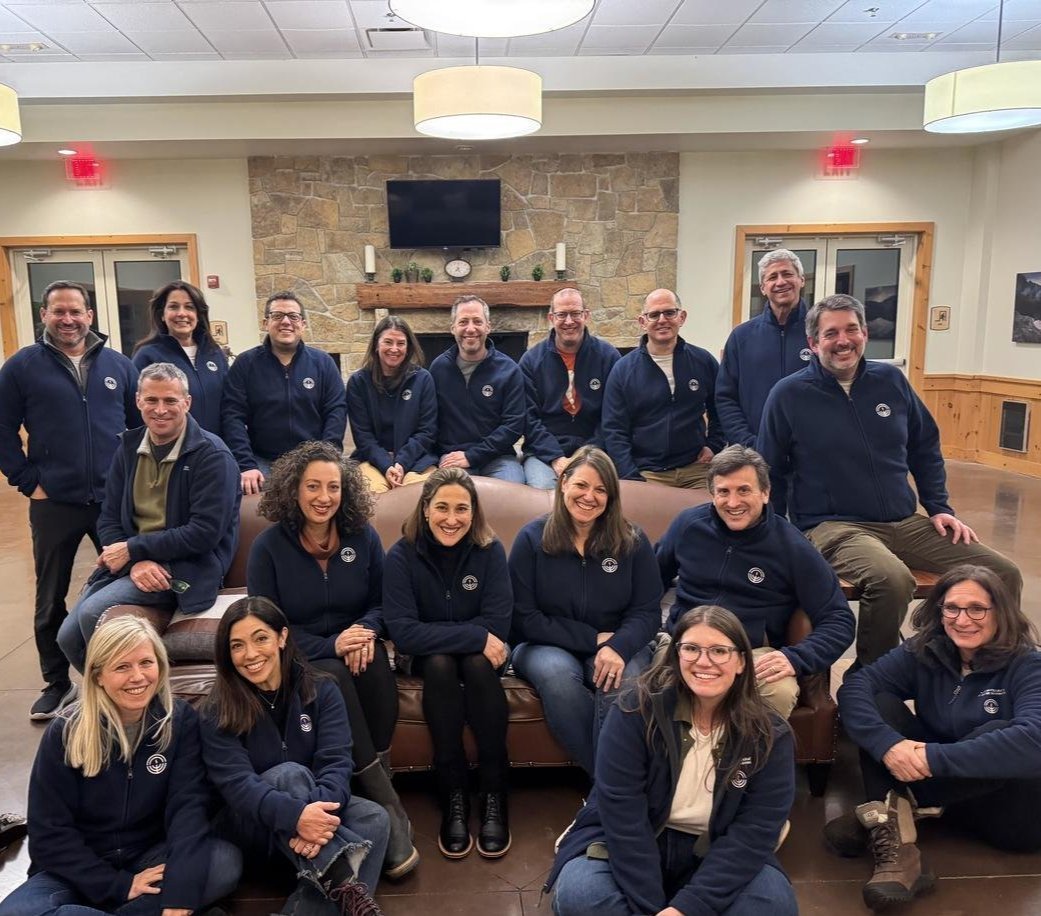
This past weekend, I had the privilege of joining the capstone retreat for Federation’s Jewish Community Leaders Program (JCLP) at Capital Camps. Together, we marked the culmination of a year’s worth of learning, growth, fostering deep relationships, and building trust. One participant captured the essence of the experience: “This weekend’s retreat capped off a tremendous year and opened up opportunities to engage meaningfully in the community. It nourished my soul.” I’m deeply inspired by this dynamic group, and more than confident in their ability to lead with passion and pride. It’s been an honor to be part of their journey. Many thanks to Shelly Kupfer and Mark Levitt for co-chairing, and to Dana Bornstein and Elisa Deener-Agus for being the professional leads on such a transformative program.

A recent ADL and Hillel International survey found that more than 83% of Jewish students on college campuses have experienced or witnessed antisemitism since October 7, 2023. In their message on the results, my colleagues Jonathan Greenblatt and Adam Lehman rightfully noted that, “universities must act decisively. They must speak out against antisemitism and ensure their campuses are safe for Jewish students.” I couldn’t agree more. I’m grateful that your support ensures Federation can continue to combat antisemitism in our schools, colleges, and universities.

Our Northern VA Leadership Cohort met last week for the second time — and enjoyed their time together so much they didn’t want it to end. Their focus on how to be inspiring leaders sparked rich discussions about how participants could apply shared insights within their respective organizations. These leaders are deeply dedicated to the future of the Jewish community in NOVA, and eager to continue this important work after their cohort wraps up. We’re lucky to have them help drive Jewish Northern VA forward.

A look ahead: More than two dozen excited travelers will come together tonight for a “kick-off” Shabbat dinner as they prepare for our Federation Intergenerational Mission to Panama next month. This initial gathering will begin to build lasting friendships and connections as they prepare to visit the largest Jewish community in Central America. I’m looking forward to their updates and pictures!

Related posts

Keren M. Waranch Named Chief Development Officer

Keren M. Waranch Named Chief Development Officer

As Chief Development Officer, Keren will build and drive Federation’s financial resource development, and elevate fundraising strategy, systems, and relationships. Keren’s work will focus on advancing and diversifying resource development and fostering a culture of philanthropy across Federation’s professional and lay leadership. This new role marks Keren’s return to Federation, where she first began her career in development, cultivating current and potential donors and partnering with lay leadership to further engage the Greater Washington community

“We are excited to welcome Keren back to the Federation team,” said Gil Preuss, CEO of The Jewish Federation of Greater Washington. “Keren is a dynamic and experienced nonprofit leader, and we look forward to having her expertise as we continue to focus on fundraising and philanthropy in our community through a strategic and engaging approach.”

Keren most recently served as the Chief Development Officer for Americans for Ben-Gurion University (A4BGU), where she spent 17 years of her career. At A4BGU, Keren managed a $45M- $50M+ annual campaign, a national team of up to 24 development professionals, and built and implemented a strategic approach to development across the organization. She received her Bachelor of Arts in Middle Eastern Studies and Religion/Judaic Studies from Emory University and her Master of Arts in International Affairs/U.S. Foreign Policy from George Washington University’s Elliott School.

Keren has worked in diverse areas of the Jewish community, both in the United States and abroad. After completing her university in 1996-7, Keren spent a year in Donetsk, Ukraine as part of AMITIM (“friends” in Hebrew), an international service project initiated by the Jewish Federation of Greater Atlanta that aimed to build bridges between the North American, Israeli and former Soviet Jewish communities.

“With increasing tension within the global Jewish community and alarming antisemitism on the rise in Washington and beyond, the need for Federation has only increased,” said Keren M. Waranch. “Jewish Federations are the ultimate convener every part of the community needs right now. The stronger the Federation, the stronger our community. That is why I am so proud and excited to take on this position.”

“Keren will be a tremendous asset to the Federation team, and we are thrilled to have her insights and leadership,” said Robin Hettleman Weinberg, Federation President. “Keren played a critical role in developing Federation’s Next Gen and Women’s Philanthropy groups, and we know that her experience will allow us to better reach diverse groups across our Greater Washington Jewish community.”

Related posts