Need support? Call 703-J-CARING (703-522-7464)

What 300 Jewish Leaders Can Teach Us About Showing Up in a Difficult Moment
What 300 Jewish Leaders Can Teach Us About Showing Up in a Difficult Moment

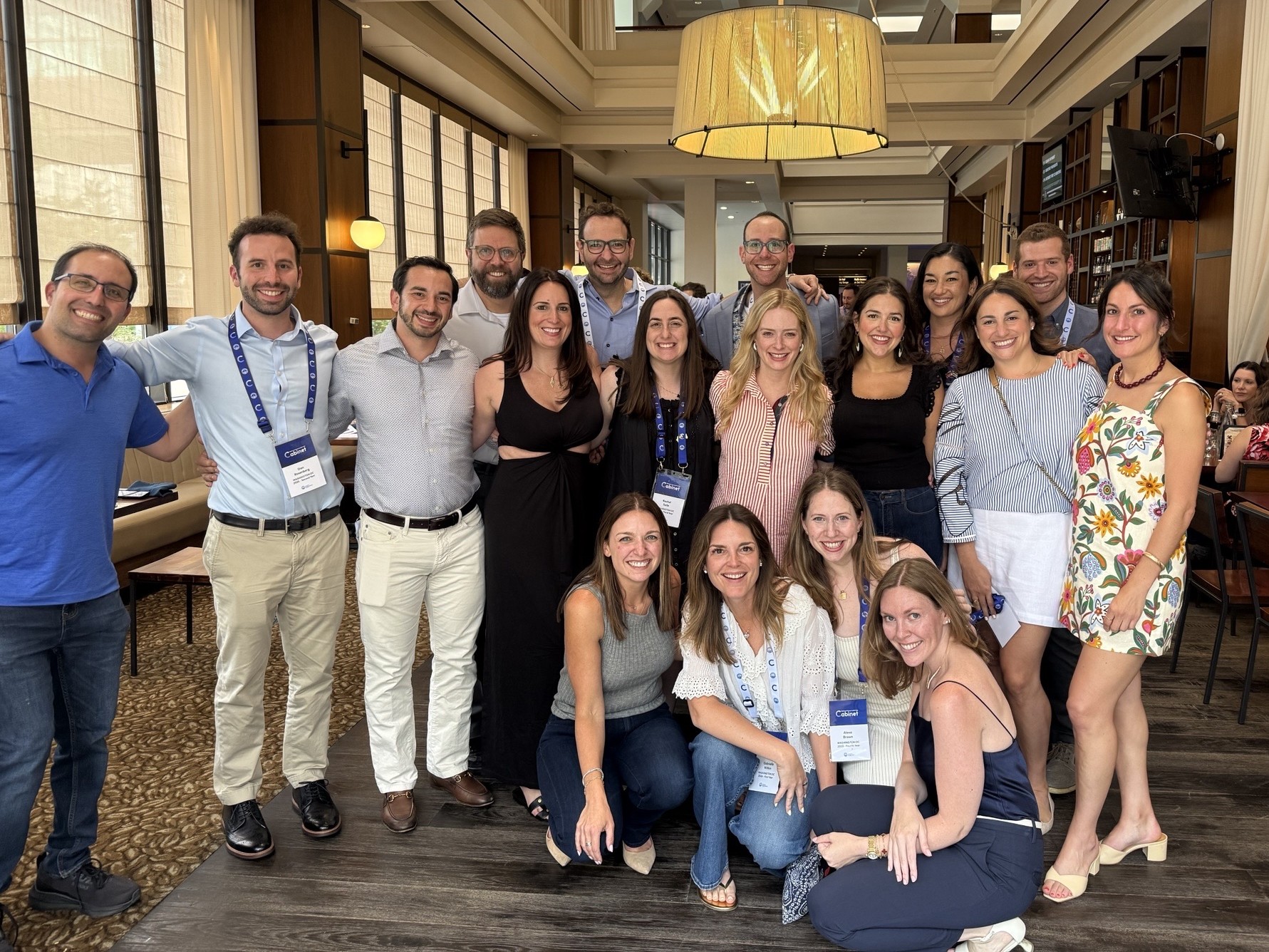
The room was full of 300 Jewish leaders from different cities. Different careers. Different Jewish experiences. Different ideas about what comes next. And yet, as Cabinet members from Greater Washington looked around the room in Minneapolis, one thing kept becoming clear.

They weren’t as “different” as they might have imagined.

“We all have the same concerns,” said The Jewish Federation of Greater Washington Cabinet member Dana Klein. “It doesn’t matter which community we come from, what we do for work, if we have kids or not. We are all invested and concerned about the same issues facing our community. And that is very powerful.”

For three days in August, hundreds of Jewish leaders from across North America gathered for the Jewish Federations of North America National Young Leadership Cabinet Retreat, including a cohort of 20 members from Greater Washington.

They came to talk about philanthropy, security, Israel, and global Jewry. They heard from Minneapolis Mayor Jacob Frey and Rabbi Arianna Gordon of Temple Israel in West Bloomfield. They wrestled with how to talk across differences, how to serve their communities and how to become better leaders. But underneath all of it was a more personal question.

What does it mean to be a Jewish leader right now?

Turning Challenges into Leadership

Antisemitism is rising. Security has become something Jewish communities have to think about in their own neighborhoods. Families are making decisions about how visible they want to be. And more than one Cabinet member spoke about the feeling of watching everything unfold and wondering what, exactly, you are supposed to do about it.

Gabrielle Witkin put it plainly. “This is a hard moment to be Jewish,” she said. “And hard moments are exactly when leaders get made or lost.”

Gabrielle is a Jew by choice, and that choice comes with a responsibility she takes seriously. “I want a world where every Jew can live a safe, vibrant Jewish life. I want to leave this world better than I found it for my children.”

That desire to do something, rather than simply watch, is part of what brings people to Cabinet.

For Dana, Federation has made being an active part of the Jewish community a priority. “At a time when our community is constantly at risk, locally and abroad, giving back and making ourselves stronger has never been more important,” she said.

And there is a recognition that, as difficult as this moment is, Jewish communities have something powerful to draw on. Each other.

They attended the Retreat hoping to learn, enhance their leadership skills, and grow their network. That was one of the most meaningful parts of the Retreat for Britney Wambold, Cabinet Co-Chair, who sits on Federation’s Next Gen Board. She has met people through Cabinet from different cities, careers, Jewish backgrounds and phases of life. “Everyone is driven, cares deeply about making an impact, and shares a commitment to philanthropy and the Jewish community,” she said.

“I knew I would meet some nice people, but I was not expecting to make lifelong friends,” Dana added.

Britney knows that feeling well. “There is also something really special about knowing you have so many people in your corner,” she said. “Cabinet is full of people who genuinely want to see each other succeed and support one another throughout life.”

Alexa Brown, Cabinet Advisor, has watched that happen over four retreats. “What makes Cabinet different is how personal it is,” she said. “You walk away with some of your closest friends.”

At Cabinet Everyone Just Gets It
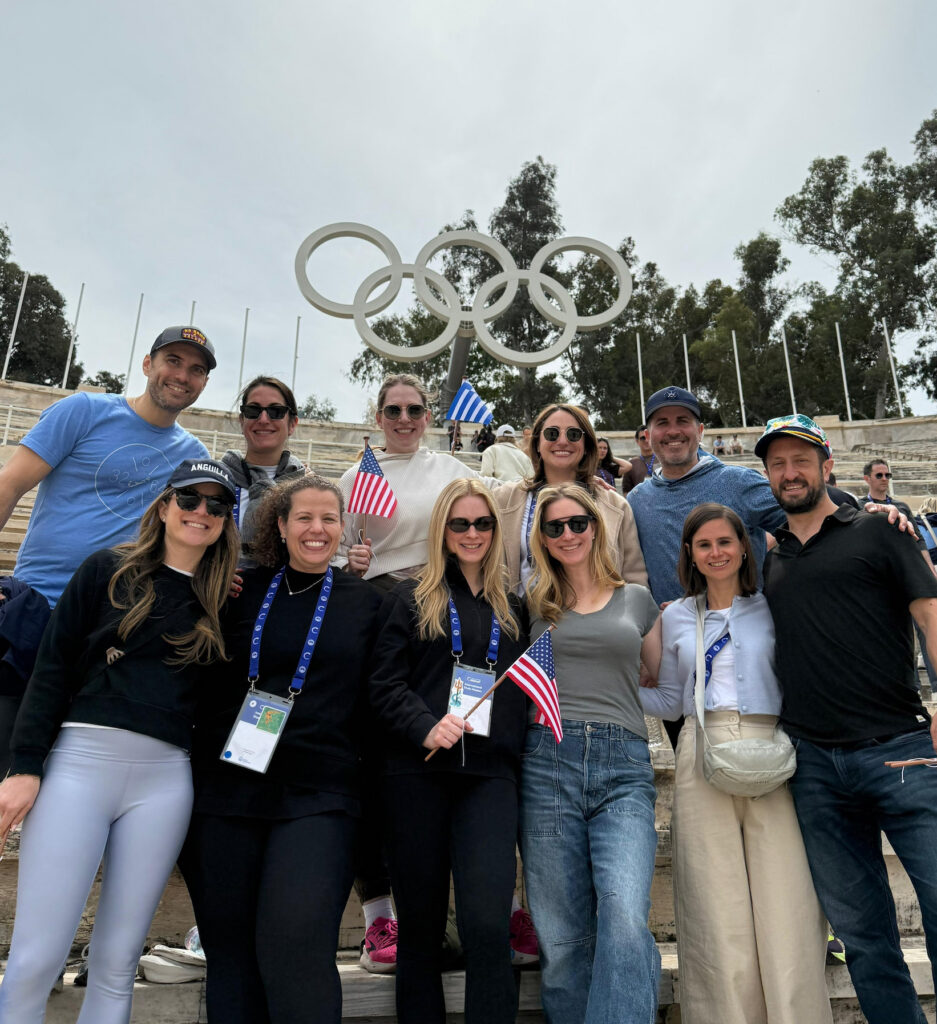
Three hundred people, and no one had to explain why they were there. That may have been the most powerful feeling in the room.

No one had to explain why security matters. Why Israel feels personal. Why the future of Jewish life is something worth worrying about. Why, even while building careers and raising families, they feel a responsibility to give their time, energy and resources to something bigger than themselves.

They didn’t have to explain why they were there because everyone else already understood. “It’s so easy to feel overwhelmed by everything happening in the world around us,” Alexa said. “Being with chevre (friends) reminds us we don’t ever need to face anything alone.”

For Gabrielle, that realization brought clarity. “I expected to feel small in that room. Instead I got clarity.” She came home with a better understanding of where she can make an impact, not everywhere, but somewhere meaningful. “I came home knowing where I can serve best rather than trying to serve everywhere.”

The Moment that Reframed Their Entire Perspective

One conversation in particular stayed with Gabrielle. Her caucus leader said something that reframed the way she was thinking about philanthropy:

“The only people giving to the Jewish community are the Jews.”

The idea, though simple, resonated deeply in a room full of people already asking themselves how much they should give, how much time they should devote, and how much responsibility they are willing to take on.

The conversation turned to giving beyond what feels comfortable. For Gabrielle, the discomfort was the point. Because leadership, she realized, isn’t necessarily about finding the comfortable thing you can do. Sometimes it is about deciding what you’re willing to sacrifice because you believe the community is worth it.

What Happens After the Cabinet Retreat?

The three days end, but the conversations, friendships, and questions don’t. If anything, they become more urgent, because eventually, every Jewish leader has to decide what kind of role they want to play in the future they’re helping create.

What kind of Jewish community do we want to leave for the people coming after us?

For Gabrielle, that question is at the heart of Cabinet.

“The next generation of leaders will not be produced by accident,” she emphasized. “We need to be gathered, trained, challenged, and connected to peers who are carrying the same weight. That is what builds the bench our community will need in ten and twenty years.”

And that work cannot wait.

“It matters that we are doing it now, in our thirties and forties, while we are raising the generation after us,” she said. “Our kids are watching how we respond to this moment.”

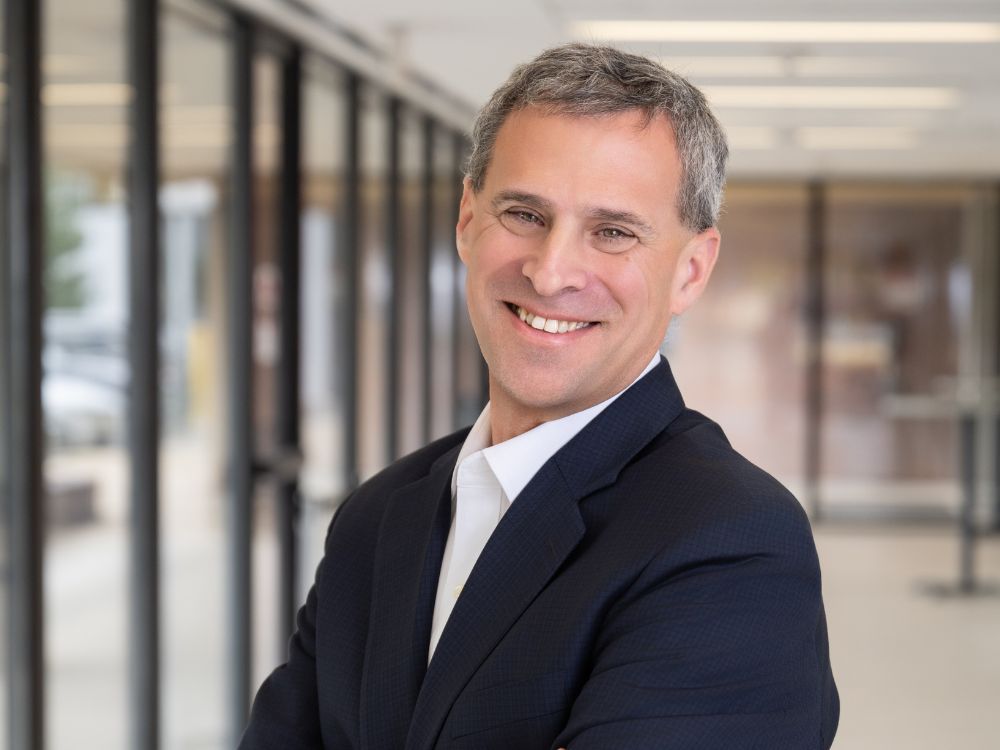
To join us in building that future or to learn more about Cabinet, please reach out to Jeremy Frisch, Federation’s Philanthropy Officer, Donor Engagement.
Related posts

The Winter Bella Thought She Would Face Alone

The Winter Bella Thought She Would Face Alone

In the August heat, winter feels worlds away.

But think back to the coldest day of last winter in Greater Washington: the biting wind, the layers of clothing, the rush to get back indoors. Now imagine facing those temperatures while worrying whether you’d have reliable heat at all.

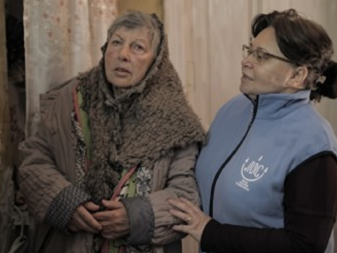
That was the challenge confronting 79-year-old Bella in Odesa, Ukraine, who spent last winter doing everything she could to stay warm.

She turned on her electric heater, but only in the room where she slept. She watched it carefully, knowing every extra minute of warmth came with a cost, as electricity prices have soared since the outbreak of the war in 2022. When the cold became too much, she filled bottles with boiling water and placed them in her bed, letting them provide a little warmth through the night.

But she could not stay in bed all day.

“It gets terribly cold here,” Bella says. “One winter it was only [43 degrees Farenheit]… inside.”

Bella has lived her entire life in the same century-old building, a home that has witnessed decades of history and family memories.

But in recent years, the sounds outside her window have changed.

The war has brought a new reality to Odesa’s elderly Jewish community. Air raid sirens. Attacks on critical infrastructure. Power outages that leave homes dark and cold for hours, sometimes days.

For Bella, who lives alone and depends on a small pension, every disruption creates another worry. Will she be able to afford her medicine? Will she have enough food? Will she be able to stay warm?

But even in the darkness, Bella is reminded of something important. She is not alone.

A Lifeline Across the Ocean

Thousands of miles away, members of The Jewish Federation of Greater Washington community are helping ensure that elderly Jews like Bella are cared for. Thanks to support from Federation’s unrestricted Annual Campaign and grants from its Jewish Community Foundation, the American Joint Distribution Committee (JDC) can provide Bella with essential winter assistance, food, and medication.

Last winter, the help allowed Bella to use her limited income for heating and other necessities, but the impact went far beyond what arrived at her door. It told her that someone remembered her. That someone cared. That she remained part of a Jewish community, even across continents. This month, Odesa has faced waves of horrible attacks. An overnight Russian missile and drone strike earlier this month damaged residential buildings and other infrastructure, leaving people injured and disrupting power and water in parts of the city.

More Than a Number

Bella is one of thousands. In 2025, Federation helped JDC provide lifesaving support to 5,077 elderly Jews throughout the Odesa region, including 847 Holocaust survivors.

Numbers help us understand the scale of a crisis. But they cannot tell us what it feels like to sit alone in a cold apartment, or what it means when someone knocks on your door to help.

Behind every number is a story. There is also Lyudmila, 79, who lives alone and relies on support to afford her medications, food, and utilities. With a monthly pension of only $104, Lyudmila knows exactly how quickly costs can add up.

“I use my JDC bank card to buy my medications,” she says. “Then I can purchase food and pay for utilities from my pension. Without the bank card, I wouldn’t be able to afford the treatment I need to survive.”

Warmth That Goes Beyond the Heater

In Odesa, warmth comes in many forms. Sometimes it is a package delivered to someone’s door. Sometimes it is medicine that makes an impossible choice a little easier.

And sometimes, it is simply a visit.

JDC’s homecare workers provide practical support to frail and homebound seniors, helping with cooking, laundry, errands, and personal care. But their presence offers something equally important: companionship.

A conversation. A familiar face. The reassurance that someone is still looking out for you. This is what Jewish responsibility looks like in action. Kol Yisrael arevim zeh bazeh—all of Israel is responsible for one another.

Keeping Jewish Life Alive

Even after years of crisis, Odesa’s Jewish community continues to find moments of joy. Last year, as Rosh Hashanah approached, seniors gathered with younger generations through Kesher Dorot, a program designed to connect older adults with children and families.

Together, they painted pomegranate paintings by the sea, creating something beautiful while celebrating the traditions that have carried Jewish communities through generations.

For a moment, the war was not the center of the room. Community was.

Because survival is about more than having enough food, medicine, or heat.

It is about knowing you have a family.

They Are Counting on Us

Just this weekend, Odesa faced another wave of horrible attacks. An overnight Russian missile and drone strike damaged residential buildings and other infrastructure, leaving people injured and disrupting power and water in parts of the city.

For people like Bella and Lyudmila, the war is not something they read about in the news. It is the sound of explosions outside their windows. The overwhelming fear that at any minute it may be their home blasted into ruins. It is a dark, freezing apartment when the power goes out, and the rising cost of the food and medicine they need to stay alive.

And it is why our support matters now more than ever.

Through The Jewish Federation of Greater Washington, you can help JDC continue to save lives in Ukraine, providing food, medicine, winter assistance, homecare, and the human connection that reminds people like Bella and Lyudmila that they have not been forgotten.

There are thousands more stories like theirs. And when you give to Federation, you help make sure we can be there for them.

Related posts

The Strength of Jewish Peoplehood

The Strength of Jewish Peoplehood

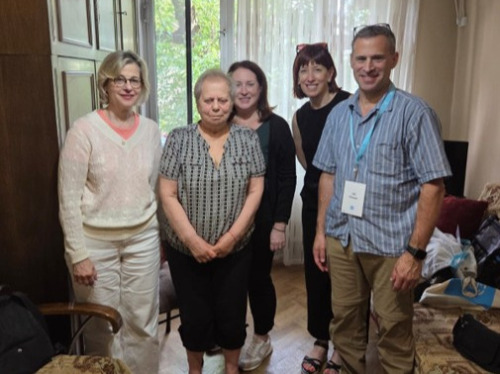
Earlier this month I traveled to Ukraine, Georgia, and Poland with a group of Federation executives to see firsthand the work our community makes possible through our partnership with JDC, The American Jewish Joint Distribution Committee, one of the leading Jewish humanitarian organizations. I am still reflecting on our time but wanted to share three things I learned:

There was a strong sense of optimism among the Ukrainians we met.

Although we only ventured as far as western Ukraine, which is quieter than other parts, the effects of the war were ever-present. We spoke with several families who had been uprooted several times in the last 15 years as the conflict has expanded, and others in the midst of rebuilding their lives.

And still, I was struck by how optimistic the community was about the future. Displaced or not, they had each other. The relationships they formed gave them a sense of purpose and a community to both sustain and rely upon.

The Jewish community in Georgia is an ancient Diaspora community, dating back 2,600 years to the Babylonian exile.

In Ukraine, I was inspired by people rebuilding Jewish life after displacement. In Georgia, I was equally inspired by a community that has preserved Jewish life for more than two millennia.

Though histories vary across countries, the story of Eastern European Jewry is one of extraordinary resilience alongside extraordinary tragedy. Through World War I, the Holocaust, decades of Soviet repression—when Jews were not allowed to practice openly—and countless other hurdles, these communities have had to swim against the current of history to hold onto their traditions, their identity, and one another. This has not been easy, and many Jewish communities in the region are much smaller than they once were. But there are signs of renewal, thanks to the efforts of young leaders on the ground, dedicated organizations like JDC, and communities like ours who care about investing in global Jewry.

JDC has been doing amazing work for a long time—thanks to partners like Federation.

I saw photos from 1919 of JDC feeding war refugees in Poland. And some from 1940 showing JDC workers providing basic goods and clothing to the Warsaw Ghetto (the organization even helped fund the 1943 Warsaw Ghetto Uprising). For over a century now the Jewish people have come together to care for the vulnerable, in response to and despite immense global challenges.

This work is still being done today while evolving to meet emerging needs. For instance, we visited one of JDC’s Hesed welfare centers in Ukraine, established after the fall of the Soviet Union to care for elderly and vulnerable Jews. There, we heard about how the local Jewish community is serving those in need while also expanding their mental health offerings, refugee services, early childhood programs, and more.

I am deeply grateful to all the JDC team members who welcomed us and to everyone who shared their stories. I also want to extend a heartfelt thank you to everyone who helps make the amazing work underway happen through their support of Federation.

We talk all the time about investing in Jewish life and making good on the belief that we are all responsible for one another. This trip allowed me to see this promise in action. My time confirmed that one of the Jewish people’s greatest strengths is our willingness to show up for each other—a tradition as vital today as it has ever been.

P.S. I only scratched the surface here. If you’d like to hear more about the remarkable people I met and see additional photos from the trip, I hope you’ll watch the recording of our webinar. And if these stories remind you, as they did me, of what’s possible when we show up for one another, I invite you to support Federation’s Annual Campaign. Your generosity helps make partnerships like this a reality.

Related posts

The Roots That Hold Us

The Roots That Hold Us

The first time Danielle Frum entered a mikvah (ritual bath), she wasn’t alone. In her arms was her newborn daughter, Miranda. It was 1991, and as mother and daughter immersed together, it symbolized the beginning of Miranda’s Jewish life and the moment Danielle formally became Jewish herself.

After she and David Frum married in 1988, the two spent their weekends wandering Manhattan, slipping into historic synagogues throughout the city simply to experience the different services. Raised Anglican/Episcopalian, Danielle had never been especially religious, but took a strong interest in Judaism shortly after their marriage.

Choosing Judaism

“I was drawn to Judaism because of its focus on this life,” she says. “Its emphasis on living an ethical, kind, and communal life regardless of whether it led to some sort of heaven or afterlife very much appealed to me.”

When Miranda was born, both David and Danielle decided to build a Jewish home and raise Jewish children. In the years that followed her conversion to Judaism, they welcomed two more children. Nathaniel, now 32, and Beatrice, now 24.

Lessons in Generosity

For David, Jewish values had shaped his childhood. His father’s family had little money, but every Passover his grandmother cooked more food than her own family could eat. The extra meals were carefully packed and delivered to neighbors who needed them. Clothes and blankets were boxed up and shipped to Jewish communities she would never meet.

His mother’s parents, meanwhile, devoted themselves to nearly every communal institution in their small city, the synagogue, the library, the burial society, and local charities. “If you arrive in a new place,” they taught him, “find the local charities, Jewish and non-Jewish, and give whatever you can.”

Years later, that same instinct led David and Danielle to the Jewish Federation of Greater Washington, where they have faithfully supported the community for more than two decades.

A Love for Israel

At 22, Miranda moved to Tel Aviv. She was dazzled by Israel’s youthful energy, creativity, and sense of possibility. She spent three years building a life there before eventually returning home, carrying with her a lasting love for the country.

Watching Miranda discover Israel inspired Danielle in return. She created a website celebrating Israeli culture through its artisans, food, and everyday life, hoping to share a side of the country that people didn’t always see.

Carried by Community

Throughout their lives together, Jewish ritual marked moments of joy, holidays, the birth of their children. They never imagined that those same traditions would one day carry them through unimaginable loss.

In February 2024, Miranda passed away suddenly at the young age of 32. In those first unbearable weeks, grief made even the smallest decisions feel impossible. “As we staggered through those days after Miranda died,” Danielle says, “these rituals told us what to do when we felt we couldn’t act.”

From the careful dignity with which Miranda’s body was prepared, to the funeral, shiva (mourning period), and burial, every step was guided by customs that had comforted grieving families for generations. Later came the unveiling of her headstone. Each year, there is the ritual of lighting a yahrzeit (memorial) candle.

“I’m very grateful to be part of the Jewish community,” Danielle says.

Their grief unfolded against another season of heartbreak for the Jewish people. Only months earlier, Hamas’ October 7 attack had devastated Israel. Miranda had lived the kind of life that made those events feel deeply personal. She loved music festivals like Nova, the outdoor festival that was attacked on that fateful day. Friends she had known during her years in Tel Aviv were called into military service. Some never returned.

The Legacy We Leave

To honor Miranda’s memory, David and Danielle gave to causes supporting Israel during one of its darkest moments.

“When we mourn,” David reflects, “we truly discover what it means to be one Jewish people. I know my living children will carry that awareness with them through their lives, and bequeath that awareness to children of their own.”

Today, David and Danielle are among the newest members of Federation’s Roots Society, which recognizes more than 20 years of support.

Looking back, their philanthropy has always been an expression of the values that have guided them from the very beginning: caring for others, strengthening Jewish community, and ensuring that no one has to face life’s greatest joys or deepest sorrows alone.

The values that first drew Danielle to Judaism. The lessons David learned at his grandparents’ table. The traditions that carried them through the unimaginable loss of their daughter. Together, they tell one story of a family rooted in community, sustained by faith, and committed to helping future generations find that same sense of belonging.

For readers who wish to learn more about Miranda and the family’s journey through grief, Danielle shares their story in her memoir, Dispatches from Grief: A Mother’s Journey Through the Unthinkable.

Interested in learning more about Federation’s Roots Society? Reach out to Natalia Straus, Federation’s Senior Director of Legacy Giving.

Related posts

DC Tikkun Circle: New Year for Animals

DC Tikkun Circle: New Year for Animals
Join the DC Tikkun Circle for a special community dinner celebrating the New Year for Animals, one of the four Jewish New Years. While this little known Jewish holiday has ancient roots and offers a timely opportunity to reflect on our relationship with animals today. As we prepare to enter the month of Elul and begin the spiritual journey toward the High Holidays, we’ll gather to celebrate compassion, community, and the shared responsibility to care for all living beings. Join us for an evening of delicious plant based food, thoughtful conversation, and meaningful connection with others who are interested in exploring the intersection of Jewish values, compassionate living, and sustainability. Whether you’re a longtime vegan, vegan curious, deeply connected to Jewish life, or simply looking for a welcoming community, we’d love to have you join us. In partnership with Veg Society of DC & DC Voters for Animals Location: Restaurant in Dupont Circle, Washington, DC (The restaurant name will be shared with registered guests.)

Theater J’s Tropical Secrets

Theater J’s Tropical Secrets
Theater J presents TROPICAL SECRETS by LM Feldman based on the novel Tropical Secrets by Margarita Engle. Daniel, a young German Jewish refugee, finds himself on the shores of Havana and meets Paloma, a young Cubana with some painful secrets of her own. The two children on the verge of adolescence try to save themselves and others in a world of borders, violence, and family separation. TROPICAL SECRETS is a dark and beautiful theatrical quest for audiences ages 9 & up about the families we lose and the families we make, about how the world changes us and how we change the world, and about oranges and drums and becoming someone new. Based on the multi-award-winning book Tropical Secrets by author Margarita Engle, the first Latine author to receive the Newbery Award, LM Feldman’s theatrical adaptation crafts the poetic literature into a world for the stage where the visual playfulness illustrates the powerful wisdom of our world through the eyes of children and how small human moments can contain enough hope to change the world. Tickets are available at theaterj.org or by calling the box office 202-777-3210 beginning August 12, 2026.

There Are So Many Ways to Be Jewish: A Reflection from Mexico City

There Are So Many Ways to Be Jewish: A Reflection from Mexico City

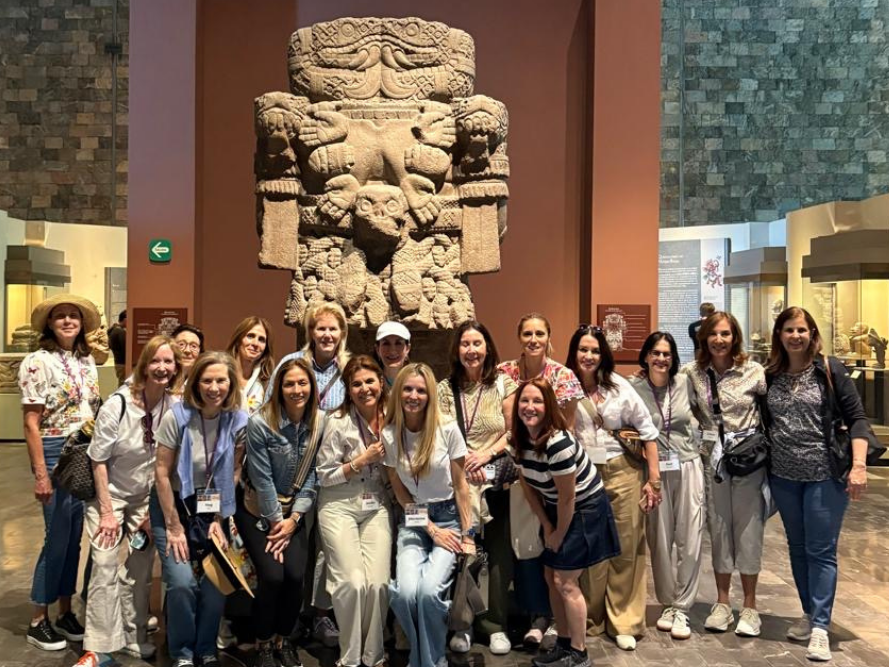
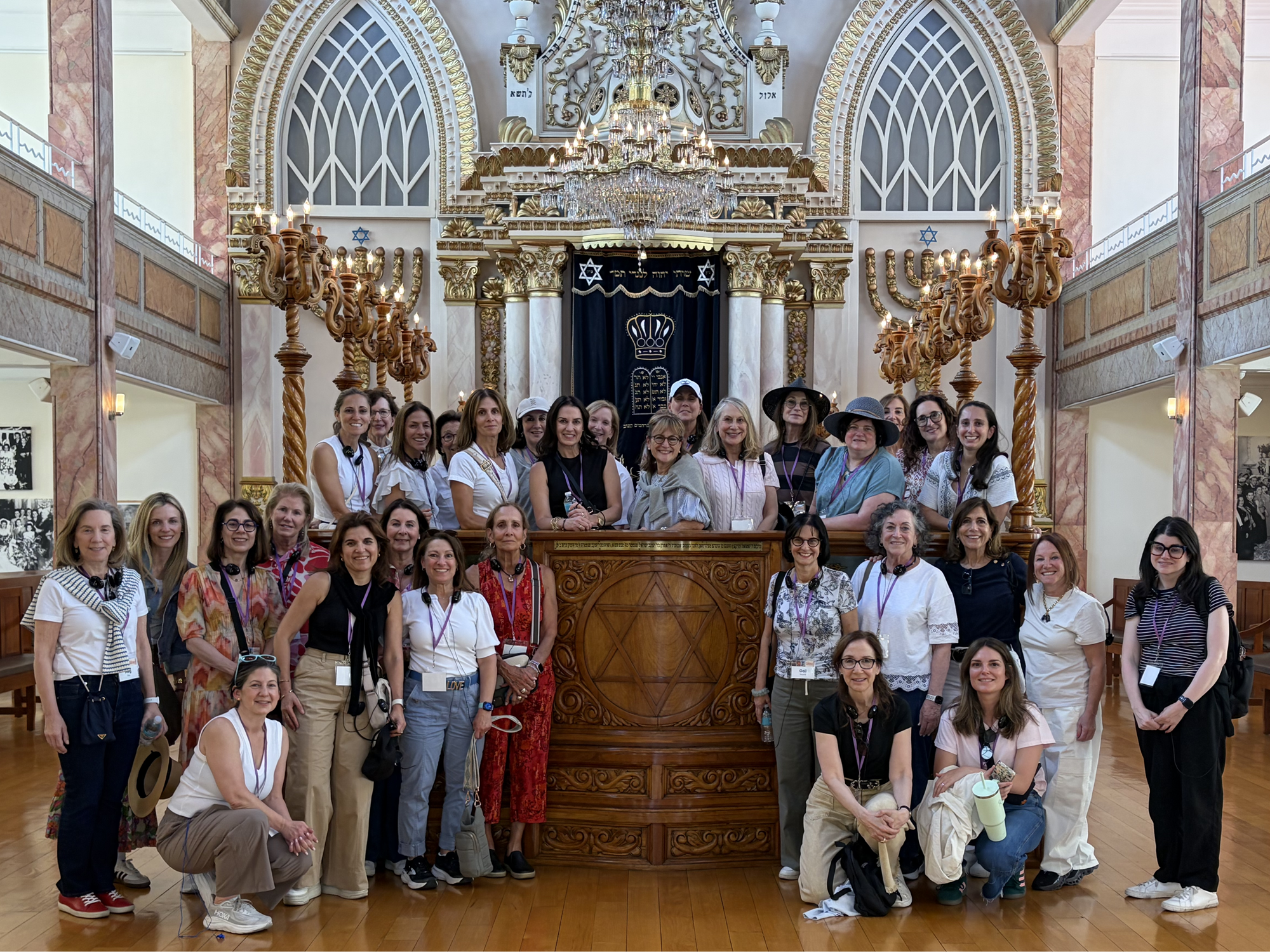
While touring one of the oldest synagogues in Mexico City on our recent Women’s Philanthropy mission, our guide said something that has stayed with me.

“There are so many ways to be Jewish.”

That is the beauty of Judaism. There is no single way to feel connected, to be seen, or to create meaning within this religion and this community. There are countless ways. While I had heard that before, standing where I was standing, surrounded by the people I was traveling with, it landed differently. It felt truer than ever.

As co-chair of the Jewish Federation of Greater Washington’s Women’s Philanthropy Mission to Mexico City, I had the privilege of helping lead a group of extraordinary women through an experience that moved between history and contemporary Jewish life—from walking through the historic center of Mexico City and visiting long-standing synagogues, to spending time at community institutions like the Centro Deportivo Israelita and Olami ORT, where Jewish life is actively being shaped for the future.

Everywhere we went, we saw that truth reflected back to us. We visited organizations and communities that have built something remarkable for the people they serve, each one shaped by its own history and its current needs. I left inspired by the reminder of what is possible when people decide to build.

Finding My Place

Lindsay Karr and Jessika Wellisch, Co-Chairs, Federation’s Women’s Philanthropy Mission to Mexico City

I have carried that feeling home, and it has me thinking about all the ways I can create my own Jewish identity within the communities I belong. As a parent raising three Jewish children. Within my close circle of friends. In my community here at home. And in the wider work of Federation, both in DC and at the national level. The trip gave me a new lens for seeing my own role, not as someone who simply participates, but as someone who can help build and shape what comes next.

And of course, what I will remember most is the people.

The Best Conversations Happened in Traffic

This trip was, at its heart, about building connection. And yes, we spent more than our fair share of time on the bus, moving between sites like Xochimilco, Casa Gilardi, and neighborhood community spaces, but even that became part of the experience. Those hours gave me the chance to truly get to know so many of the women on the trip.

To me, that is what being Jewish has always been about: relationships and connection.

I am deeply grateful to have served as a co-chair of this experience, and even more grateful for the people who made the journey alongside me. I returned home inspired to keep creating, and to keep building the connections that hold our community together.

There Are Countless Ways

One of the things I value most about Federation is that it creates space for each of us to explore our Jewish identity in ways that are meaningful to us. Whether through Women’s Philanthropy, travel experiences like this one, or the many opportunities to learn, connect, and give back throughout the year, there are countless ways to find your place and help shape our community.

If you’re curious about where your own Jewish journey might lead, I hope you’ll consider joining a future Women’s Philanthropy event or mission. You never know which conversation, which community, or which moment will stay with you long after you have returned home.

Looking to experience the power of Jewish community firsthand? Learn more about Federation’s giving societies like Women’s Philanthropy, or find a local event through our Community Calendar.

Related posts

A Lesson I’ve Carried Since 1987

A Lesson I’ve Carried Since 1987

Before traveling to Georgia and Ukraine, I want to share a story that has shaped how I think about our responsibility to one another.

I just finished my friend Daniel Grossman’s new book Seeing Red. In it, Danny recounts his time working as a young foreign service officer in Leningrad and his overt and covert efforts to help refuseniks. As you might guess, his tour ended when the Soviets kicked him out.

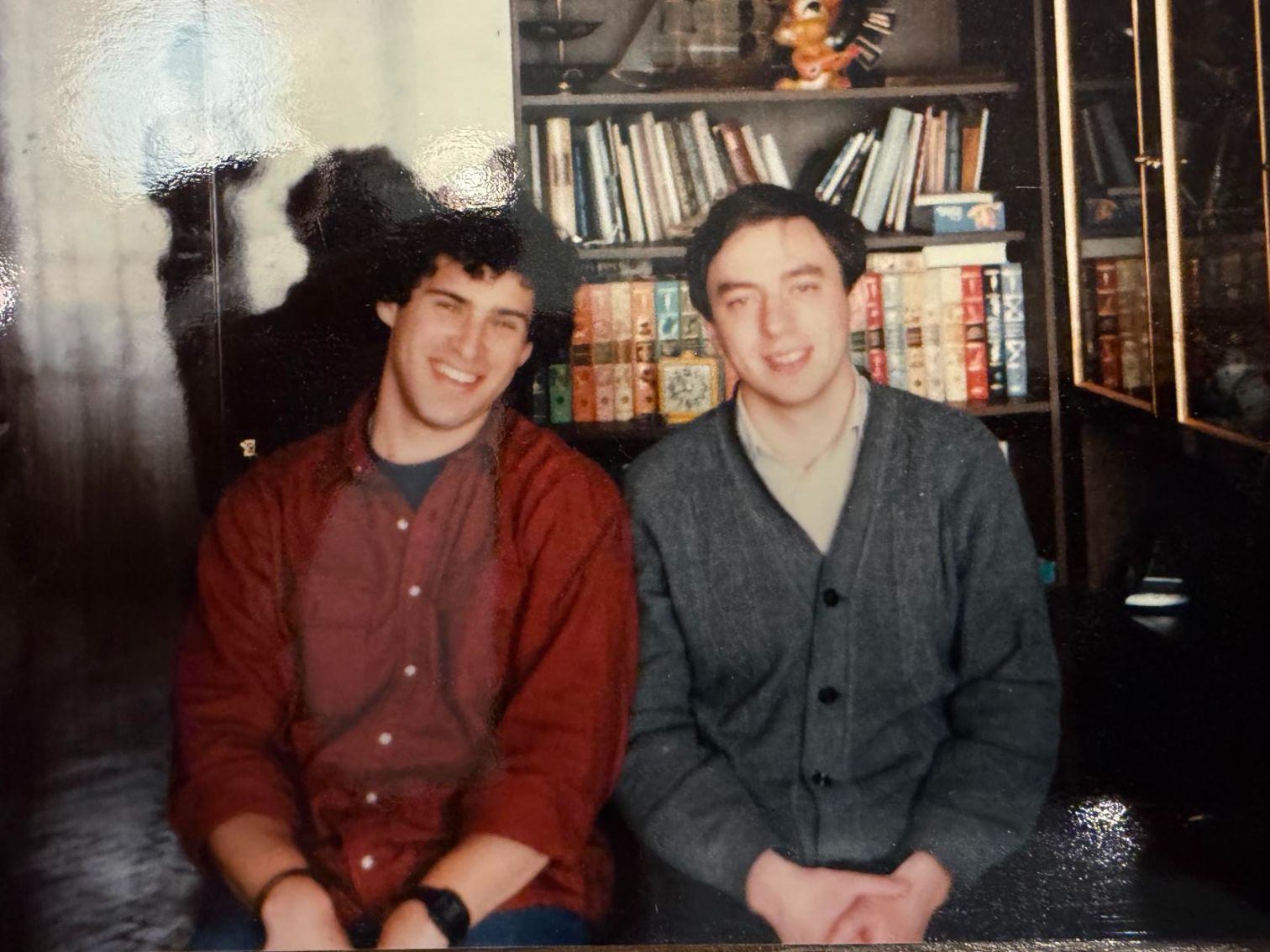
Danny’s tales brought back memories of my own trip to the Soviet Union in 1987. A friend and I were living in New York leading a Zionist youth group, and the Jewish Agency asked (though not explicitly due to the sensitive nature of the operation) if we would be willing to travel to the Soviet Union and visit with refuseniks—some living in central cities such as Moscow and others in more remote communities in Siberia, including Irkutsk or Novosibirsk—and bring aid on behalf of global Jewry.

We were provided with specific people to visit (one of whom is pictured with me above) and asked to deliver Russian-Hebrew dictionaries—which we had to wear under our clothes to get past security—along with goods people could sell to earn money after many had lost their jobs and messages of support from Jews around the world. Looking back, I realize that trip gave me an enduring appreciation for what it means to be responsible for one another as a Jewish people. It’s a lesson that has stayed with me ever since, and one I’ve been thinking about as I prepare to return to the region.

This coming week, I’ll be joining a group of Federation executives on a trip to Georgia and Ukraine. We will visit with people in their homes and see firsthand the critical services your generosity makes possible through Federation’s partnership with JDC. We’ll hear directly from local communities about their circumstances and the challenges they are facing. We’ll also meet with volunteers and activists in Ukraine to learn how they’re developing local leadership and sustaining Jewish community in the face of war, uncertainty, and economic hardship.

I believe in the power of doing this work in person. By showing up, we’ll get to witness the dignity, resilience, and determination with which these communities are building Jewish life and bring those lessons back with us. And we, in turn, will get to express our continued commitment to caring for the most vulnerable and building Jewish life around the world.

If you’re interested in learning more about our exchange, I invite you to join a webinar on Wednesday, July 22 at 12:00 PM a few days after I return. I’ll share what we discovered and how those insights will help inform Federation’s ongoing work to support Jewish communities in the former Soviet Union and beyond.

If you’d like to learn more about the work your generosity makes possible in Ukraine, you can do so here.

In 1987, I set off with a backpack full of supplies and messages of solidarity. Today, I travel carrying the trust and generosity of an entire community. This is one of my favorite aspects of Federation’s work—helping to build our community here in Greater Washington while strengthening the bonds that defy borders. It’s these kinds of missions that put into action the idea that no Jewish community stands alone. We are part of a global family, one that shows up for, relies on, and supports one another.

Related posts

What Mexico Taught Me About the Global Jewish Community

What Mexico Taught Me About the Global Jewish Community

When I decided to co-chair the Jewish Federation of Greater Washington’s Women’s Philanthropy mission to Mexico City, I expected to learn more about another Jewish community. To see how Jewish life is lived in a different corner of the world, meet remarkable people, and better understand both the challenges and opportunities they face.

What I didn’t fully expect was how deeply connected our communities are, even separated by thousands of miles, different languages, and different histories.

Throughout our journey—from walking along Paseo de la Reforma and through the historic heart of Mexico City, to visiting synagogues, community centers, and cultural institutions—I kept seeing the same thread woven through every conversation and every organization we visited: a shared commitment to building Jewish life for the next generation.

In every place we visited, I found myself returning to the same profound question: What enables a people not only to survive but also to thrive, adapt, and continue creating in new contexts?

The Future Has Small Hands

Our visit to Olami’s Idea Lab offered a beautiful answer. There, children are not simply taught information. They are taught to see themselves as makers, capable of imagining, building, solving, and repairing. In a world that often encourages passive consumption, they are being empowered to believe that they can shape the future with their own minds, hands, and hearts.

It struck me how deeply Jewish this idea is.

Throughout Jewish history in the diaspora, we have rarely had the luxury of permanence or certainty. Communities were uprooted, dispersed, and compelled to begin again across continents and generations. Yet wherever Jews found refuge and opportunity, they built. They built homes, synagogues, schools, businesses, and communities rooted in values, belonging, learning, and shared responsibility.

Time and again, Jewish life became an act of sacred creation.

The Question That Followed Me Home

Lindsay Karr and Jessika Wellisch, Co-Chairs, Federation’s Women’s Philanthropy Mission to Mexico City

What moved me most in Mexico was witnessing a community continuing that tradition in its own unique context—vibrant, creative, deeply connected, and forward-looking. While preserving Jewish identity remains at its center, this community is also asking how to empower the next generation to contribute meaningfully to the world through that identity.

The children in the Idea Lab are not merely creating projects. They are practicing agency, imagination, collaboration, and repair. In many ways, they are inheriting one of the oldest Jewish callings: to take what exists and help shape it into something more whole, more compassionate, and more alive. Perhaps that is one of the great gifts of belonging to a people shaped by diaspora.

We learn that home is not merely a place we inherit; it is something we continually create. Community is not simply something we belong to; it is something we build together.

As I left Olami, I found myself wondering: How will we continue to use our divinely given gift of being makers to repair our aching, broken world? And, what’s possible if each of us embraces our responsibility not only to inherit the world, but to co-create it?

The Gift I Didn’t Expect

That may be the greatest gift of traveling with Federation and Women’s Philanthropy. We set out to learn about Jewish communities beyond our own, but along the way, we discover something about ourselves. We return home with a deeper appreciation for the many ways Jewish life flourishes around the world, and with a renewed sense of our own role in shaping its future.

Looking to experience the power of Jewish community firsthand? Learn more about Federation’s giving societies like Women’s Philanthropy, or find a local event through our Community Calendar.

Related posts

The Biggest Speed-Dating Event Ever

The Biggest Speed-Dating Event Ever
Aish and Partners in Torah have have partnered with CoronaCrush and over 80 Jewish organizations to host the largest virtual Tu B'Av Jewish speed-dating event ever. More than 10,000 participants from across 5 continents are expected to join This free event is open to Jews of all backgrounds-whether you're Yeshivish, Modern Orthodox, Conservative, or Just Jewish You'll be matched with up to 7 dates based on your preferences-all in just one hour Sign up or learn more https://tubav2026.com/dncc Not single? Share this with someone who is. They'll thank you