Need support? Call 703-J-CARING (703-522-7464)

Montgomery County Executive Candidate Forum

Montgomery County Executive Candidate Forum
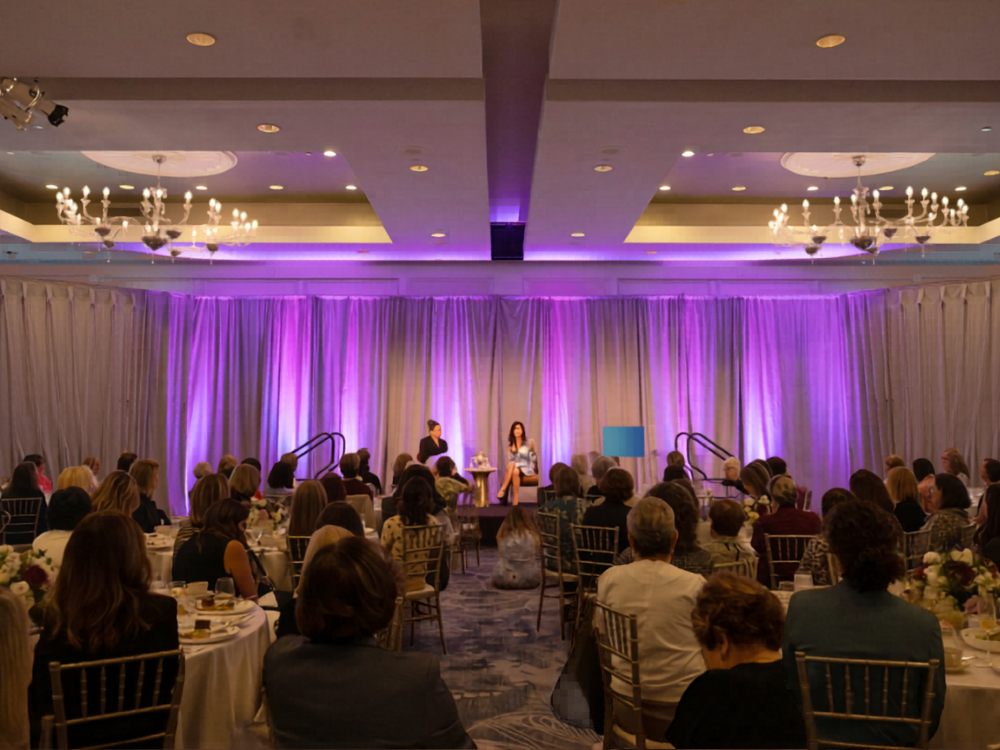
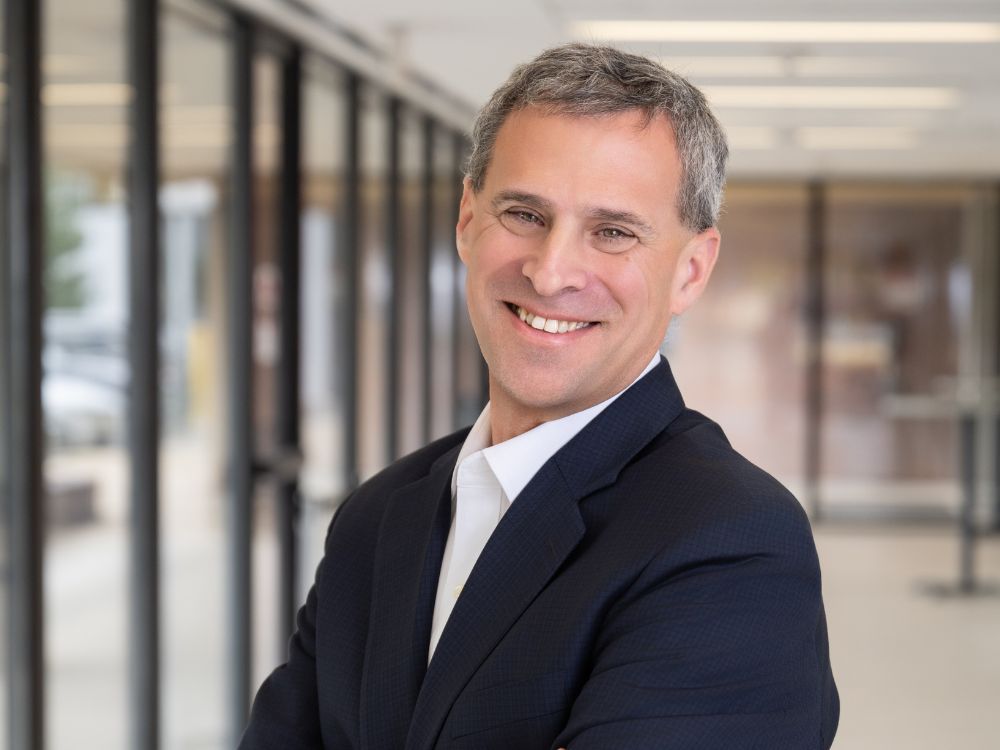
Hear the candidates for County Executive before the Primary Election in June. Moderated by Beth El member Todd Gillman, a journalism professor at Arizona State University's Walter Cronkite School of Journalism and Mass Communication, and former Washington Bureau Chief for The Dallas Morning News. Free and open to the entire community. Ask questions and get answers. Dessert reception following the forum. Congregation Beth El of Montgomery County 8215 Old Georgetown Road Bethesda

What Our Community is Asking For

What Our Community is Asking For

Listening to Build a Stronger Jewish Community

As Federation begins to look ahead to the priorities that will guide our work in the coming months and years, we are taking stock of what we’re hearing from our community. In fact, our Community Leadership Council recently concluded a monthslong listening tour to surface views and insights from across the community.

What they found was a widespread desire for Jewish life to be more accessible, affordable, and easily navigable. Just as we saw in our 2025 Community Impact Survey, people across almost all demographic, geographic, and socio-economic backgrounds want to be more engaged in Jewish life and community, but many aren’t sure where to turn or feel discouraged by barriers to entry. This is a sentiment we take seriously at Federation and one that will inform our continued efforts to ensure anyone who is interested in Jewish life can easily find what they’re looking for.

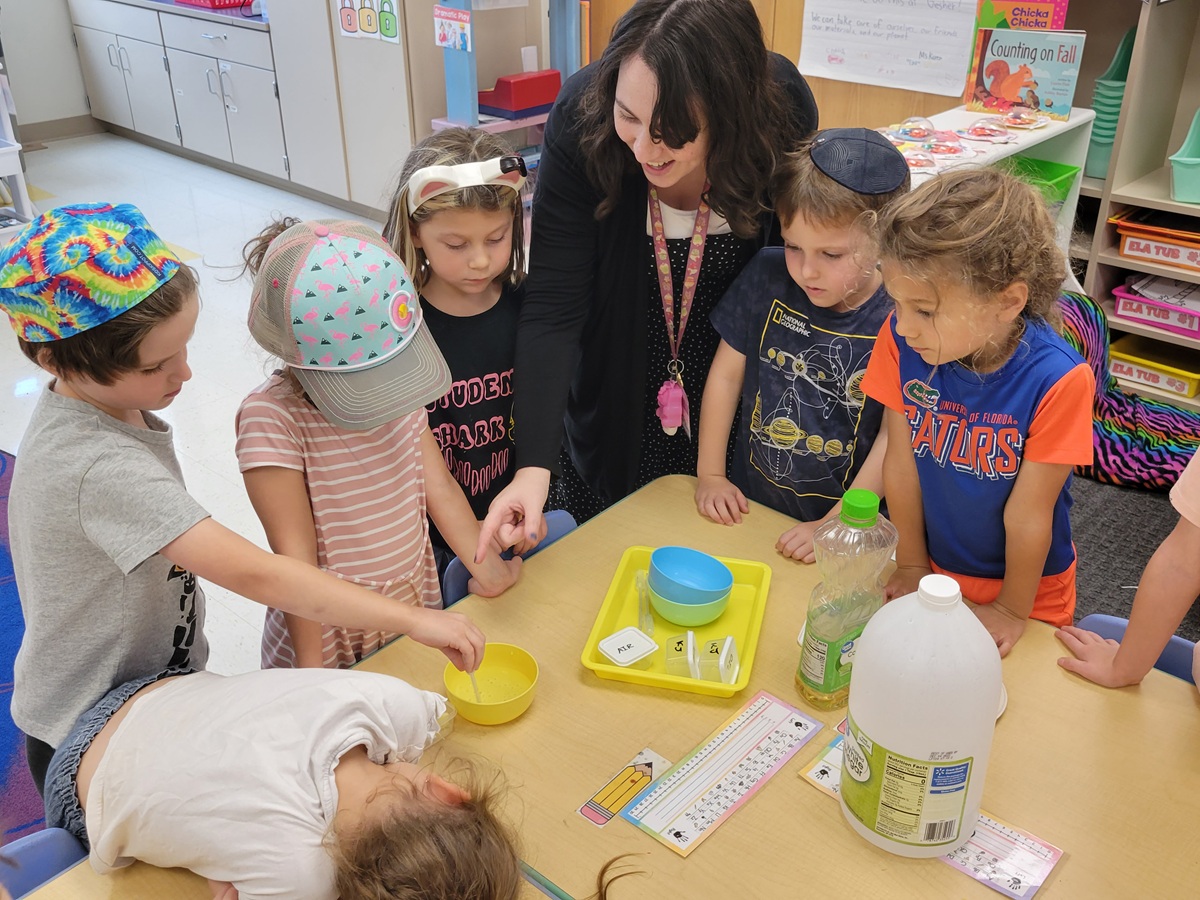
One project that is already underway is our work to make Jewish day school more affordable by taking advantage of a new Federal Tax Credit Scholarship Program. We expect this program to complement and amplify Jewish day school’s current tuition assistance and fundraising efforts and provide opportunities for more students to pursue a Jewish education, which we know also has positive ripple effects on families looking to dive deeper into Jewish life.

Starting in January 2027, eligible taxpayers may receive a federal tax credit of up to $1,700 per year by contributing to an approved Scholarship Granting Organization (SGO). Unlike a taxable donation, a tax credit provides a 1:1 reduction in taxes owed. These SGOs, which will operate as independent 501(c)(3)s, will then distribute need-based scholarships to participating schools and eligible families, who can then use those funds toward tuition or other education-related expenses.

Federation is working in close partnership with local day schools to set up SGOs in our region to ensure our community can benefit from this new program. We are also working with other Jewish organizations, public school leaders, and community non-profits to help them understand the changes and opportunities that come with the legislation.

Our work in this arena is only one part of a broader agenda to make sure that all members of the Jewish community seeking to engage in Jewish life are able to do so. As we consider the future, we can’t let a lack of information or inability to pay keep anyone from participating.

There is a lot of coordination going on behind the scenes, bringing together schools, partners, and community leaders to tackle crucial communal issues. Ultimately, this is where Federation thrives, aligning efforts, building and strengthening infrastructure, and helping turn opportunity into access. We don’t consider any of our work finished—far from it—but we are confident that as we move forward with a clearer sense of what’s getting in the way, and what it will take to address it, we can do so with an ear to the ground and eye toward progress.

A special thank you to the inaugural members of the Community Leadership Council. More to come on their findings from the listening tour!

Related posts

We’re Wired for Connection We’re Wired for Connection
We’re Wired for Connection
Thank goodness for basketball, soccer, and even aliens. Reflecting on the joy of shared experiences, this message explores how connection, belonging, and collective purpose strengthen communities and inspire Federation’s work to build meaningful relationships across Jewish life.
read more

Expanding Access to Jewish Education

Expanding Access to Jewish Education

A New Opportunity on the Horizon

For many families in our community, scholarship funding is what makes education at a Jewish day school possible. Across the region, our Jewish day schools are providing close to $25M in tuition assistance. Now, a new nationwide initiative has the potential to reshape how families access scholarship funds and afford that education.
 
The Federal Scholarship Tax Credit, set to take effect in 2027, creates a new opportunity to increase scholarship funding through a new donation mechanism. Through the program, eligible taxpayers can contribute to Scholarship Granting Organizations (SGOs) and receive a federal tax credit, generating new funding for scholarships. In turn, this helps schools reach and sustain more students over time—strengthening their long-term stability.

Expanding Access for Families

At its core, this effort is about expanding access—for families, for students, and for the future of Jewish education in our region.
 
“This opportunity has the potential to expand access to Jewish education, helping more families afford the education they want for their children while supporting the long-term strength of our school,” said Rabbi Mitchel Malkus, Ed.D., Head of School at Charles E. Smith Jewish Day School.

Preparing as a Community

While the opportunity is still ahead, the work to prepare is already underway.

The Jewish Federation of Greater Washington is leading a coordinated regional effort to set up local SGOs for our community, ensuring they’re built thoughtfully with the right structure and oversight needed to serve our community well.

By bringing together Jewish day schools and key partners for this process, Federation is helping to build the infrastructure, systems, and shared approach needed to implement the program effectively and responsibly.

“Regional coordination makes this easier for our community to understand,” said Rabbi Dr. Hillel Broder, Head of School at Melvin J. Berman Hebrew Academy. “Not everyone in our community has children in day school, but many care deeply about Jewish education. A coordinated approach helps make this opportunity easier to navigate.”

Building Thoughtfully, Together

Leaders across the region strongly believe in the importance of approaching this work collaboratively and thoughtfully.

“As the only Jewish day school in Northern Virginia, having a shared approach matters,” said Jodi Hirsch Rein, Incoming Head of School at Gesher Jewish Day School. “Preparing together allows us to navigate this opportunity thoughtfully and in alignment with our values.”
 
“At Milton, we see this as part of a broader commitment to access and excellence,” said Deborah Skolnick Einhorn, Head of School at Milton Gottesman Jewish Day School. “This opportunity has the potential to open more doors for students, and both the public/private school partnership and regional collaboration help ensure we can do so in a way that is both responsible and sustainable.”

Federation is ensuring that this opportunity is not only accessible but clear, coordinated, and built to last.

“Our role is to build the shared infrastructure that allows schools to participate effectively and transparently,” said Joel Frankel, Federation’s Senior Director of Community Capacity. “By coordinating governance and compliance across institutions, we can help ensure clarity and accountability, creating more opportunities for students and families across Greater Washington to benefit from Jewish day school education.”

Looking Ahead

In the months ahead, Federation and partner schools will continue working together to thoughtfully build and implement the program, so that families can understand how it works and can access its benefits as soon as the tax credit becomes available.

Learn more

Photo credit: Gesher Jewish Day School

Related posts

We’re Wired for Connection We’re Wired for Connection
We’re Wired for Connection
Thank goodness for basketball, soccer, and even aliens. Reflecting on the joy of shared experiences, this message explores how connection, belonging, and collective purpose strengthen communities and inspire Federation’s work to build meaningful relationships across Jewish life.
read more

Building Jewish Leadership in Northern Virginia

Building Jewish Leadership in Northern Virginia

Northern Virginia is one of the fastest-growing centers of Jewish life in our region. With more than 120,000 Jewish residents, a rich and vibrant fabric of Jewish life is already taking shape. But for this community to truly thrive, leaders need to be connected, supported, and equipped to work together to tackle shared challenges. That’s where Federation’s experience in developing leaders and strengthening community-wide connections plays a critical role.

Bringing Leaders Together Across NoVA

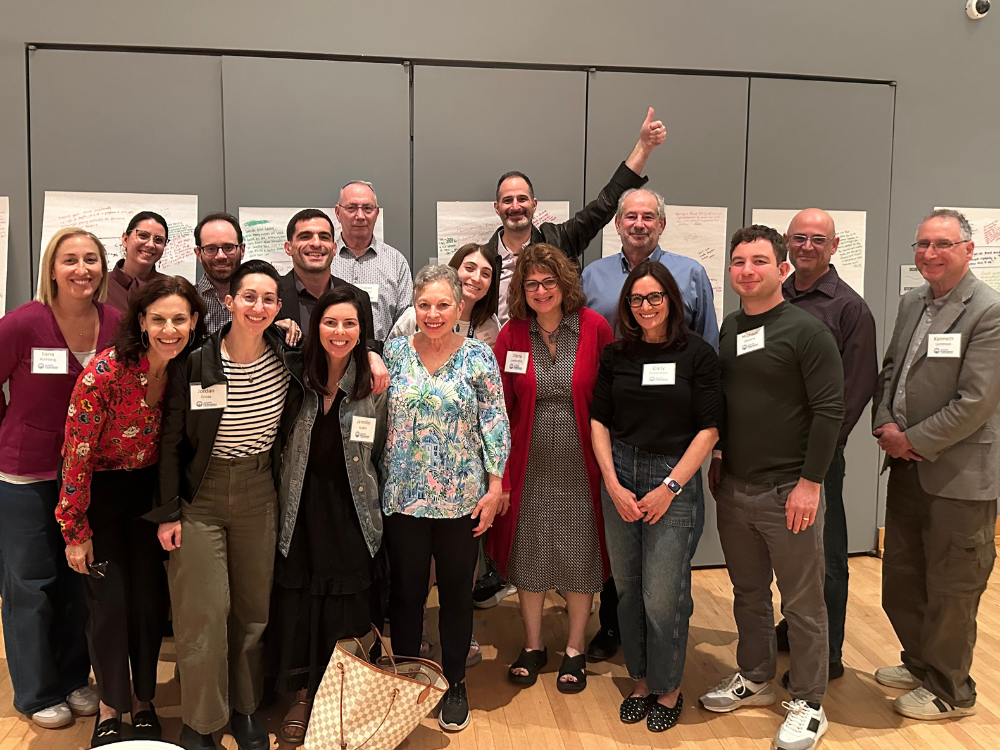
In April, Federation marked the completion of its second Northern Virginia Leadership Cohort, bringing together 16 leaders from across the region, representing synagogues, Jewish communal organizations, social service agencies, campus groups, and other institutions serving Jewish life across NoVA. While these leaders come from different institutions and backgrounds, they share a common goal: strengthening Jewish life in Northern Virginia together.

Over the course of the program, participants built their leadership skills, deepened relationships, and explored new ways to collaborate across their organizations. But the true impact goes beyond any single session or workshop. The cohort was facilitated by executive leadership consultant Rae Ringel, whose approach helped participants translate these conversations into practical leadership strategies.

From Parallel Work to Shared Vision

Federation’s NoVA leadership initiative brings leaders together to help them move from parallel work to shared vision. By creating space for connection and coordination, the cohort helps leaders better understand one another’s challenges, identify opportunities for partnership, and align around the broader needs of the community.

“[The program] was really great and helped me better understand what I need to work on,” shared one participant. “It’s diverse enough that you have people from all parts of NoVA Jewish life.” Another noted, “It helped introduce me to other community leaders who are experiencing the same challenges and are already thinking about ways to resolve them.”

Looking Ahead: Sustaining Momentum

This year’s program built on previous momentum by bringing together participants from both the 2025 and 2026 leadership cohorts for a shared evening of connection and future visioning. In that room, leaders weren’t just reflecting, they were imagining what the future of Jewish life in Northern Virginia could look like.

That continuity is intentional. As Federation prepares to launch a third cohort this fall, participants from past cohorts will remain connected as an alumni network, continuing to collaborate, support one another, and help shape what comes next.

Through initiatives like the Northern Virginia Leadership Cohort, Federation is helping to cultivate a more connected, collaborative, and forward-looking network of leaders—ensuring that as Northern Virginia grows, it does so with the vision and coordination needed to support a thriving Jewish future.

Learn more about our work in Northern Virginia

Related posts

We’re Wired for Connection We’re Wired for Connection
We’re Wired for Connection
Thank goodness for basketball, soccer, and even aliens. Reflecting on the joy of shared experiences, this message explores how connection, belonging, and collective purpose strengthen communities and inspire Federation’s work to build meaningful relationships across Jewish life.
read more

What We’re Hearing Across the Community and What It Means

What We’re Hearing Across the Community and What It Means

What does it actually feel like to find your way into Jewish life in our community?

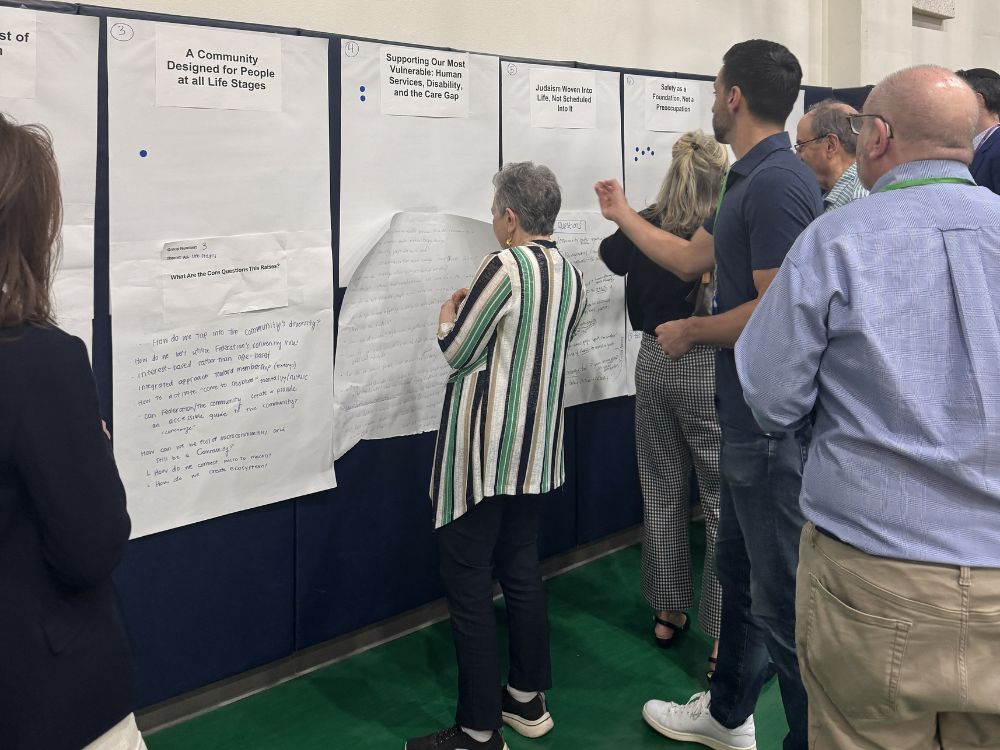
Over the past few months, the Community Leadership Council (CLC) set out to hear directly from the full diversity of our Greater Washington Jewish community. Nearly 200 people across 26 groups shared their experiences, bringing forward a wide range of backgrounds, life stages, levels of engagement, and perspectives to ensure our work reflects what matters most to people and informs how we prioritize and invest.

Separately, more than 1,300 people participated in a community-wide survey, offering a broader view of how people are experiencing Jewish life today.

When you look at it all together, a picture starts to emerge. Not perfect or unanimous, but consistent in ways that matter.

People are looking to connect, participate, and feel like they belong.

The Role of Federation

These patterns clarify where Federation fits.

We do not run every program or guide every individual. Our role is to make the system work better—bringing organizations together, investing in what works, and making it easier to navigate Jewish life.

Much of this work happens behind the scenes: aligning organizations so experiences feel connected, expanding access, convening leaders to address shared challenges, and strengthening the system so it works better for the people it serves.

This is the difference between a collection of organizations and a connected community.

The CLC extends this work beyond the room. Leaders take these insights back into their organizations, and the findings will be shared more broadly so others across the community can engage with and respond to what we are learning.

What We’re Seeing Across the Community

Finding your way in isn’t always simple. For many, it starts with basic questions:

  • Where do I go?
  • Who is this for?
  • How do I begin?

With so many organizations and options, it can be hard to know where to start or how to move from one experience to the next.

Some of what we heard:

  • Cost shapes participation. From camps and schools to programs and events, cost plays a real role in how people engage. Sometimes it limits choice. Sometimes it limits participation altogether.

“Day school affordability is a huge issue. Jewish life is expensive.”

  • Belonging is not a given. Across identities, life stages, and levels of involvement, people are looking for spaces where they feel comfortable and seen. That’s true for those who are deeply connected, and for those still deciding if there is a place for them.

“We moved to the area and don’t have connections or a sense of belonging. I want to be invited to Shabbat dinners…”

  • There is a desire for everyday Jewish life. Our community shows up in meaningful ways during moments of need, and that continues. At the same time, many people are looking for something more consistent: experiences that are part of daily life and feel worth showing up for.

“I want a community that comes together for joyful reasons. Not just crisis gatherings.”

No Single Experience Tells the Whole Story

By listening closely to what people hope to see and build in our community, we begin to see the themes we share in common and better align our work with how people want to engage.

The CLC designed and led this effort, engaging people across the community, gathering input through both listening and survey data, and bringing those insights together to clarify what we’re hearing.

Why This Work Matters

If you’ve ever tried to find your way into Jewish life—whether you’re new, coming back, or looking for something different—this likely feels familiar. And there is something reassuring in knowing there is a community that cares and is working to make that experience better.

This work starts by paying attention to what people are actually experiencing and being honest about where things aren’t working. The Community Leadership Council helps identify patterns across those experiences and clarify where the community is asking for something different.

What Comes Next

“What we heard gives us a clearer sense of what the community wants and where it is asking for something different,” said Marla Schulman, Chair of the Community Leadership Council. “What we learned is the importance of continuing to engage voices across the community in building it.”

Those insights are now informing the next stage of our work, as Federation’s Board considers how they should shape our priorities and direction moving forward. And some of this work is already underway: expanding access, strengthening coordination across organizations, and making it easier to find and engage in Jewish life. Our goal is to make it finding your way in clearer, closer, and more within reach.

We’ll keep sharing what we’re learning, and how it’s shaping the work ahead.
Related posts

We’re Wired for Connection We’re Wired for Connection
We’re Wired for Connection
Thank goodness for basketball, soccer, and even aliens. Reflecting on the joy of shared experiences, this message explores how connection, belonging, and collective purpose strengthen communities and inspire Federation’s work to build meaningful relationships across Jewish life.
read more

Rabbi Aderet Drucker Named Recipient of 2026 Phyllis G. Margolius Impossible Dream Award

Rabbi Aderet Drucker Named Recipient of 2026 Phyllis G. Margolius Impossible Dream Award

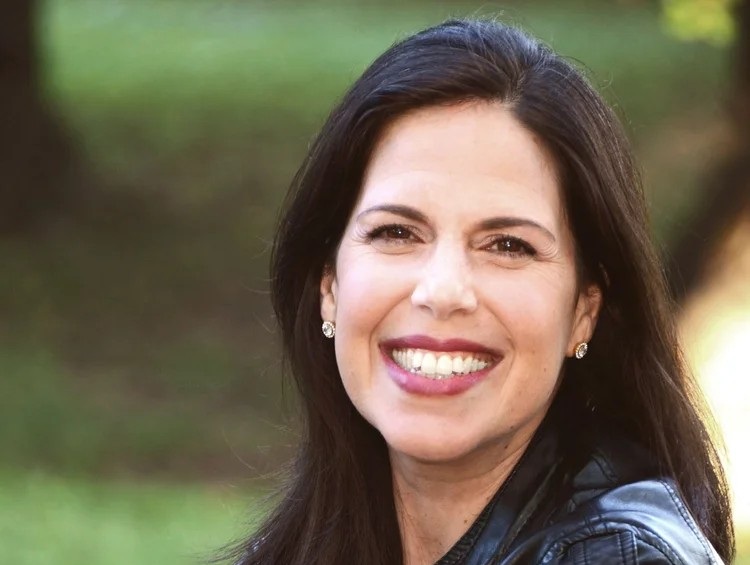
The Phyllis Margolius Family Foundation is excited to announce that Rabbi Aderet Drucker has been named as the recipient of the 2026 Phyllis G. Margolius Impossible Dream Award. Rabbi Drucker, the Executive Director and Community Rabbi of the Den Collective, was selected by the committee in recognition of her achievements in building intentional Jewish community for adults 20s-40s in Greater Washington.

Rabbi Drucker is the fourth recipient of the Phyllis G. Margolius Impossible Dream Award, given annually to a Jewish communal professional who echoes the character, inspiration, and determination of its namesake, Phyllis Ann Goldman Margolius. Phyllis cared deeply about strengthening the Jewish community in Washington, DC, Israel, and around the world. Where others saw problems, she saw opportunities and solutions, pushing the needle forward and motivating those around her to do the same.

As part of the award, Rabbi Drucker will receive an $18,000 cash prize for her dedication to fostering intentional spaces of belonging and growing meaningful Jewish connections.

“I am deeply honored to receive the Phyllis G. Margolius Impossible Dream Award,” said Rabbi Aderet Drucker. “Phyllis’s legacy of creativity, determination, and belief in what is possible, even in the face of challenge, continues to inspire me. In a time marked by profound loneliness and disconnection in our world, our work at the Den Collective is rooted in cultivating intimate spaces where deep transformation is possible, fostering a community of true belonging, rich Jewish learning and exploration, meaningful relationships with rabbis who walk alongside people with care and guidance, and opportunities for leadership empowerment and development.”

Rabbi Drucker has served as the Executive Director & Community Rabbi of the Den Collective for eight years, helping guide the organization into its milestone 10th year while expanding its reach, programs, and infrastructure into a nationally recognized model of intentional Jewish community for adults in their 20s, 30s, and 40s throughout the Greater Washington area, blending community organizing, pastoral care, and mindfulness to create spaces grounded in Jewish study, leadership development, and meaningful connection.

Prior to joining the Den Collective, Rabbi Drucker was a campus rabbi at Maryland Hillel, where she co-founded the University of Maryland’s first Interfaith Student Fellowship in partnership with a minister and an imam, creating a space that brought Muslim, Christian, and Jewish students together for transformative relationship-building.

She is also a certified Jewish Mindfulness Meditation Teacher through Or HaLev and the Institute for Jewish Spirituality, a Global Justice Fellow with American Jewish World Service, and was selected for the inaugural cohort of JCADA’s Ambassador Program, dedicated to creating safe spaces for survivors of intimate partner violence.

“What makes Aderet an impossible dreamer is her approach,” said Diane Schilit and Dani Schneider. “Aderet is a visionary leader whose work blends Jewish wisdom, relational organizing, pastoral care, and mindfulness to create transformative community for adults in their 20s–40s. She is shaping a transformative future for Jewish Washington, innovating from the ground up with a person-centered approach, embedding Jewish learning, empowering members to lead in their homes and communities, and extending the Den’s impact beyond its walls.

The Jewish Community Foundation and The Jewish Federation of Greater Washington have been invaluable partners in the fulfillment of this award. Phyllis devoted many hours in the work of Federation, and it is one of the many organizations in which she observed the depth of devotion and talent that Jewish professionals bring to our community.

Rabbi Drucker will receive her award at the Impossible Dream Award Celebration to honor Jewish communal professionals on Thursday, May 7, 2026 in Rockville, Maryland. The event is co-sponsored by the Phyllis Margolius Family Foundation, the Jewish Community Foundation of The Jewish Federation of Greater Washington, and the Bender JCC.

Turning Interest Into Engagement

Turning Interest Into Engagement

A simple yet powerful entry point for connection.

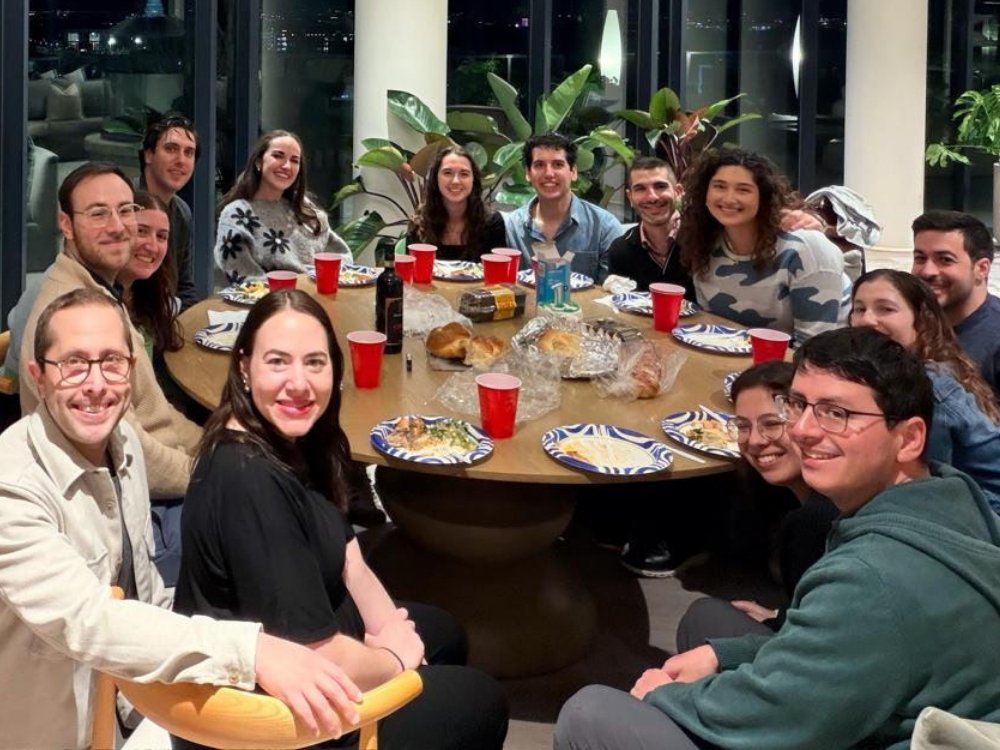
There are approximately 85,000 Jewish young adults in the DC region, many of whom have moved from other places. Which means that we have a tremendous responsibility to make Jewish life as accessible as possible. Plus, young people want in.

We’ve heard unequivocally from young Jews that they want to be more involved and are eager for low-barrier Jewish experiences. Indeed, our 2025 Pulse Survey found that young adults are both the least connected to and the most interested in Jewish life. (Results show 62% of Jews under 35 in D.C. and NOVA want to be more engaged with Jewish life and community.)

It’s with this in mind that we are taking steps to widen the path toward greater Jewish engagement. Recently, our board approved funding for a joint effort across six organizations (The Den Collective, the Edlavitch DCJCC, GatherDC, Hadar, OneTable, and Sixth & I). These organizations are already part of a collaborative that has been working to strengthen Jewish life for those in their 20s and 30s in our region and they are eager to keep experimenting and growing together.

The focus of their next venture will be to grow the number of young adults participating in Shabbat dinners. We know from data and experience that Shabbat is one of the most effective levers of Jewish engagement. It is meaningful, accessible, and recurring. It is transformative in its own right and serves as a gateway to deeper connection. It is a ready-made touch point capable of meeting the post-October 7th interest among young Jews in stepping further into Jewish life.

We also know young people aren’t the only ones interested. Parents of young children, empty nesters, newcomers, and more are hungering for the comfort, structure, community, and spirituality of Shabbat. The group therefore plans to start with young adults as a target audience and expand from there.

I’m excited about this work because I am passionate about the outcome and moved to see a bedrock of our tradition become a key point of welcome and discovery. I also think it depicts what Federation is meant to do: leverage our strategic vantage point, establish forward-thinking partnerships, and bring our community closer while moving it forward.

The Shabbat dinner effort is just getting started. The goal in this first year is to increase participation among young adults by 10% as we learn how best to bring in more people. And core to this is that the partners have each other. They will enact a shared strategy and learn and iterate together, faster and with more precision than they could alone. They will set ever more significant and challenging goals as we collectively seek to transform the community. To me, this is what innovation and partnership—and Federation—are all about.

With more to come.

Related posts

We’re Wired for Connection We’re Wired for Connection
We’re Wired for Connection
Thank goodness for basketball, soccer, and even aliens. Reflecting on the joy of shared experiences, this message explores how connection, belonging, and collective purpose strengthen communities and inspire Federation’s work to build meaningful relationships across Jewish life.
read more

The Legacy of Eddie Kaplan

The Legacy of Eddie Kaplan

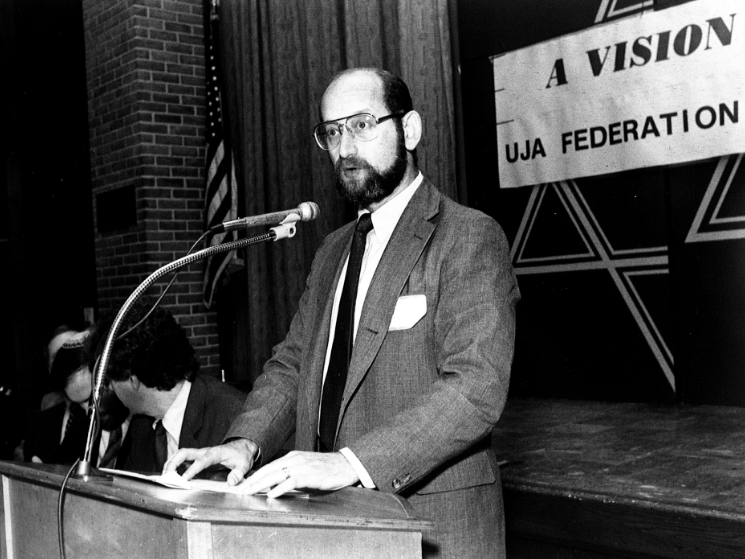
Edward (“Eddie”) H. Kaplan z”l helped shape Jewish life in Greater Washington through decades of committed leadership.

Eddie served as President of The Jewish Federation of Greater Washington from 1989–1991 and of what is now the Jewish Community Foundation from 1992–1995.

During his tenure, Eddie helped lead key changes at Federation, including the transition to its current name, reflecting a forward-looking approach to engaging the next generation.

Across more than thirty years on Federation’s Board and as a Foundation trustee, Eddie helped advance Federation’s role in strengthening the institutions that anchor Jewish life in our region today. He supported significant investments in the Greater Washington Jewish community and beyond, such as the Capital Camps and Retreat Center (CCRC).
 

A Commitment to Community

Eddie experienced firsthand the power of Federation and its partners to build Jewish life. Born and raised in the DC area, he grew up attending programs at the Bender JCC, then The Jewish Community Center of Greater Washington (JCCGW), and later served on its board. His family have been longtime members of the B’nai Israel Congregation in Maryland.
 

He gave his time, talent, and resources to organizations across our community, including the Bender JCC, Pozez JCC, JSSA, and Charles E. Smith Life Communities.
 

That leadership extended beyond Greater Washington, with national roles through Jewish Federations of North America (JFNA) and the American Jewish Joint Distribution Committee (JDC), reflecting a deep commitment to Jewish communities locally and around the world.
 

His contributions were recognized across the Jewish community, reflecting the breadth of his impact.
 

A Lasting Legacy

Known for his sharp wit and generous spirit, Eddie formed a clear view of what needed to be done and pursued it with determination, grounded in a deep sense of purpose. He gave his all to the work he believed in, bringing both vision and heart to everything he did.

His legacy lives on in stronger institutions, deeper connections, and a community built to endure. We carry that legacy forward with gratitude and extend our deepest sympathies to his family and friends. Those who wish may honor his impact on our community through a tribute gift.

Honor Eddie

Related posts

We’re Wired for Connection We’re Wired for Connection
We’re Wired for Connection
Thank goodness for basketball, soccer, and even aliens. Reflecting on the joy of shared experiences, this message explores how connection, belonging, and collective purpose strengthen communities and inspire Federation’s work to build meaningful relationships across Jewish life.
read more

Reconsidering the “Wicked” Child

Reconsidering the “Wicked” Child

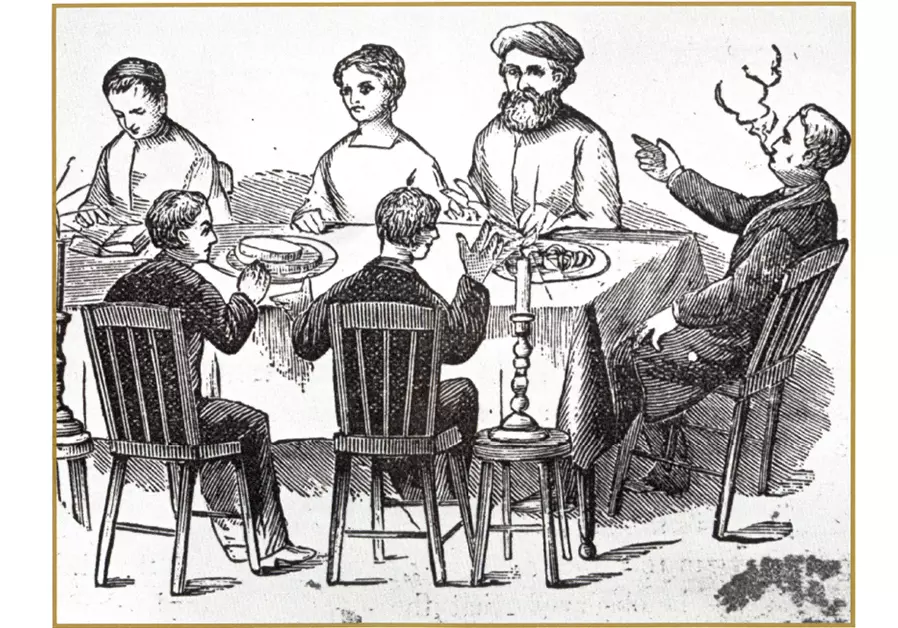
As we prepare for our family’s upcoming seder, I am thinking about not only the relatives and friends who will grace our table, but also those four allegorical children who are perennial guests: the chacham (wise) one, the rasha (wicked) one, the tam (simple) one, and the one who does know how to ask. It’s the rasha who I am most intrigued by this year. But I’d recast the moniker “wicked” child as the “skeptic” or “critic” or even “rebel.” As part of the Passover seder, we are instructed to entertain the questions of a child who doesn’t feel they are part of what’s taking place, and who may even choose to stand apart from it. “What does this service mean to you?” the critical child asks, and we answer the best we can. This always seemed like a sour note in the Passover program, but lately I’ve come to see the beauty in the exchange. How striking that one of our most sacred traditions insists we acknowledge skepticism.

Making Space for the Question

What if our role when it comes to the so-called rasha isn’t to scold them but to acknowledge and honor their questions? What if we came to see our cherished rituals—and indeed our people—as incomplete without those who criticize and doubt? We are not whole without those who push boundaries and challenge our assumptions and ingrained ways. How remarkable that our tradition does not cast aside this child, but rather provides them an invitation to our table year after year … and how remarkable that this child accepts the invitation and joins.

Federation’s flagship Jewish Community Leaders Program (JCLP) includes a visit to a megachurch in Maryland to learn about how they build communities of belonging. Our group was inspired to learn they didn’t define themselves by rigid red lines, while still holding a clear sense of their core values. Instead, they defined themselves by an ongoing relationship with a spiritual center. They considered anyone oriented toward a common set of principles as relevant and part of their flock. It’s got me wondering: in this post-October 7 landscape, how do we help shape our future by evolving our community’s relationship with boundaries? These are not easy questions, particularly in a moment when the need for clarity and certainty feels so real.

At Federation, we will continue engaging this question and find new ways to create space for the challenging voice, the uncomfortable question, the perspective that stretches our assumptions. After all, many of the shifts that now feel foundational—expanded roles for women, inclusion of LGBTQ Jews, the recognition of multiracial Jewish identity—were once at the edges of communal acceptance. They moved inward because passionate people pushed to widen the frame.

Our Community Leadership Council (CLC) has been using this year to listen to the broad voices of our community—nearly 200 people from 26 diverse groups—including those engaged in our traditional institutions, as well as people who have not affiliated, who have felt marginalized, or who have created their own communities to meet their unique needs. It’s critical to gather insights from all to help understand and shape our community priorities.

At the Same Table

In describing the four children at the seder, Rabbi Jonathan Sacks noted, “there is a message of hope in this family portrait. Though they disagree, they sit around the same table, telling the same story. Though they differ, they stay together. They are part of a single family… The Jewish people is an extended family. We argue, we differ, there are times when we are deeply divided. Yet we are part of the same story. We share the same memories. At difficult times we can count on one another. We feel one another’s pain. Out of this multiplicity of voices comes something none of us could achieve alone.”

Bringing the entirety of our community together across differences is a bold move. It’s clear that has been our work all along. The goal has never been to embrace uniform views. On the contrary, the thing we’re meant to embrace is each other, in all our messy, diverse, and divine glory.

With wishes for a happy and meaningful Passover,

Elisa

Credit: Chicago Haggadah, 1879, a historic American Jewish Passover Haggadah published in Chicago. It is a notable example of early American Jewish print culture, reflecting the growing Jewish community in Chicago in the post-Civil War era. Who do you see as the rasha?

Related posts

We’re Wired for Connection We’re Wired for Connection
We’re Wired for Connection
Thank goodness for basketball, soccer, and even aliens. Reflecting on the joy of shared experiences, this message explores how connection, belonging, and collective purpose strengthen communities and inspire Federation’s work to build meaningful relationships across Jewish life.
read more