Need support? Call 703-J-CARING (703-522-7464)

Impact in Action

Impact in Action

Sometimes, it takes stepping into a space to truly understand what our donations make possible.

I invite you to do just that through our Impact in Action series: immersive experiences that offer a firsthand look at the real lives touched by your generosity—how your philanthropy becomes belonging, community, and joy.

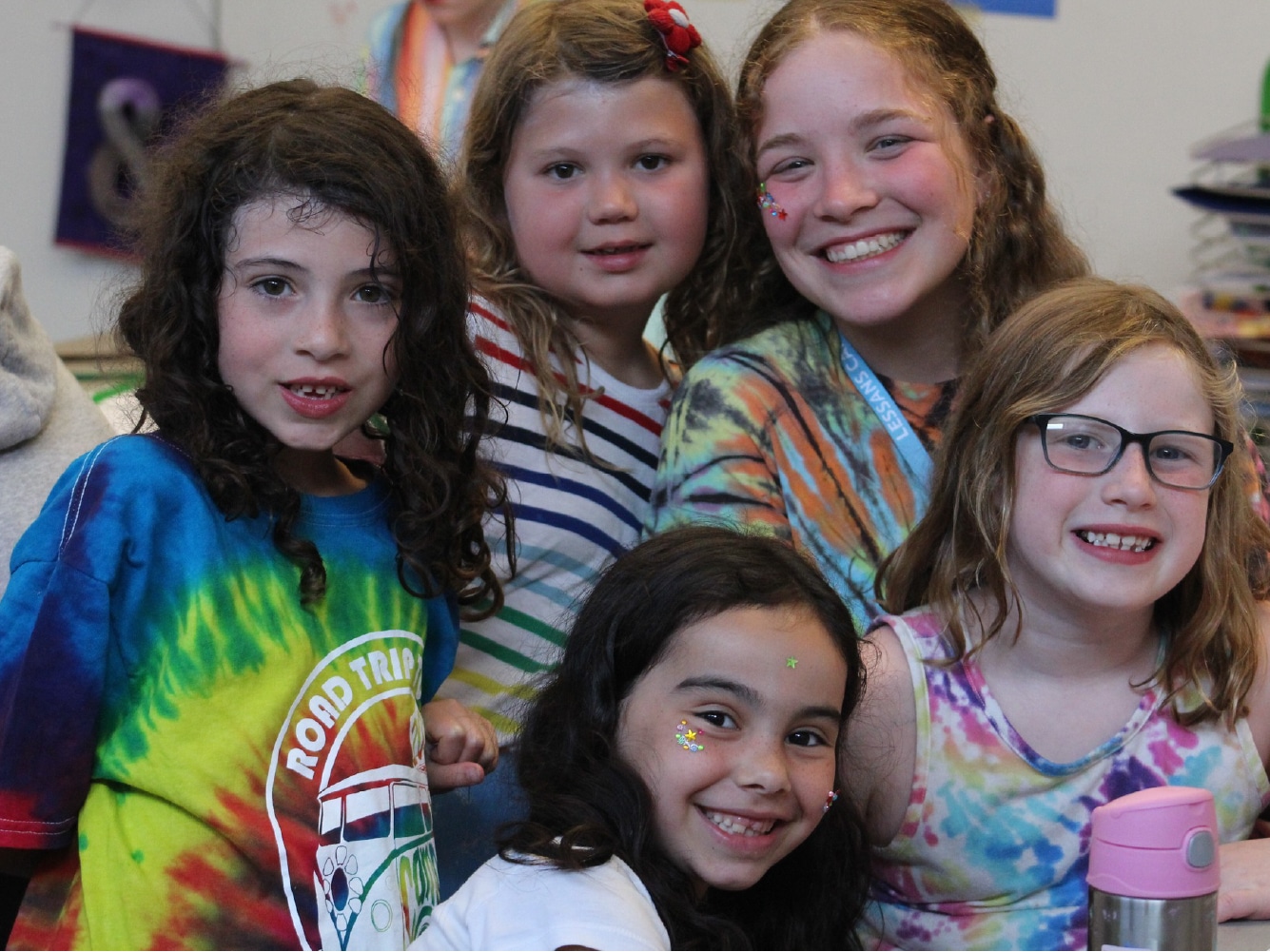
On July 23, we will experience the definition of Jewish joy – camp. Together, we will be visiting one of the many Jewish summer camps that Federation supports – where children of all abilities are embraced, celebrated, and empowered to embrace Jewish identity and have the time of their lives. You’ll hear from staff, meet campers, and see what it means to build a Jewish future rooted in inclusion and love. Register today.

On September 3 (save the date!), we’ll explore how your donations create and strengthen our local community’s connection with Israel and Israelis. We’ll be joined by a delegation from Hillel Israel to build bridges, dialogue and understanding.

And in November, we’ll come together with one of our partner agencies to prepare meals by the thousands for individuals and families experiencing food insecurity and homelessness. It’s sacred work—hands-on, heart-forward, and grounded in our deepest values.

These are more than just experiences; these are invitations to witness your impact. Come see what we’re building—and feel the difference you make.

Your generosity makes all of this possible. And when we show up to see it in action, our commitment deepens.

Related posts

A Night of Remembrance, Resilience, and Responsibility

A Night of Remembrance, Resilience, and Responsibility

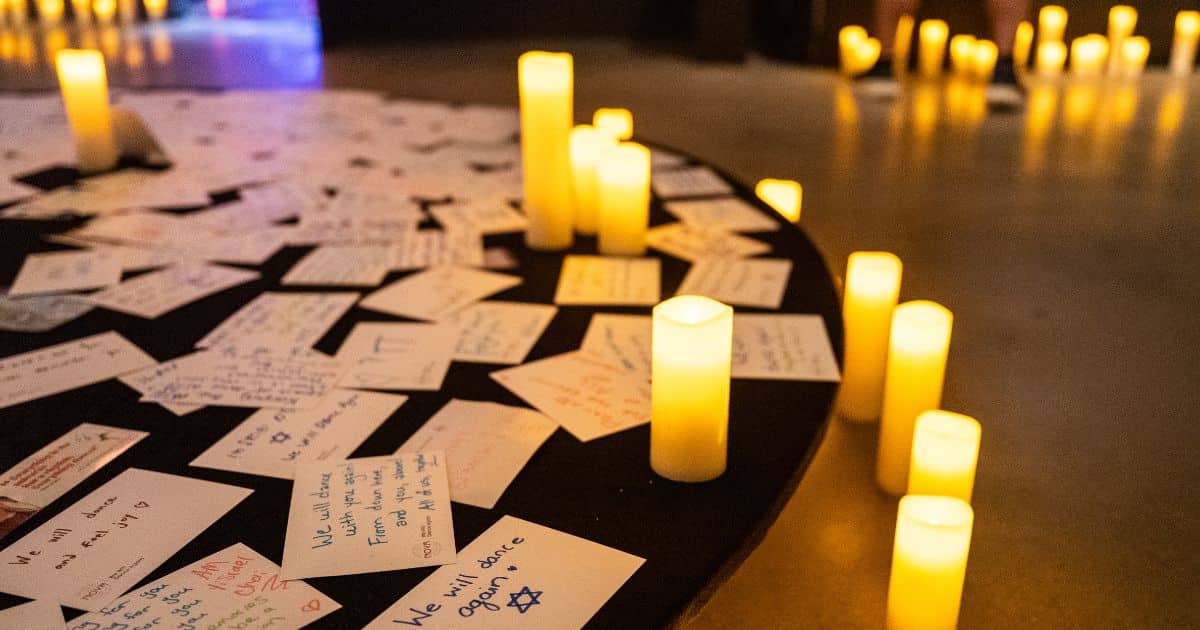
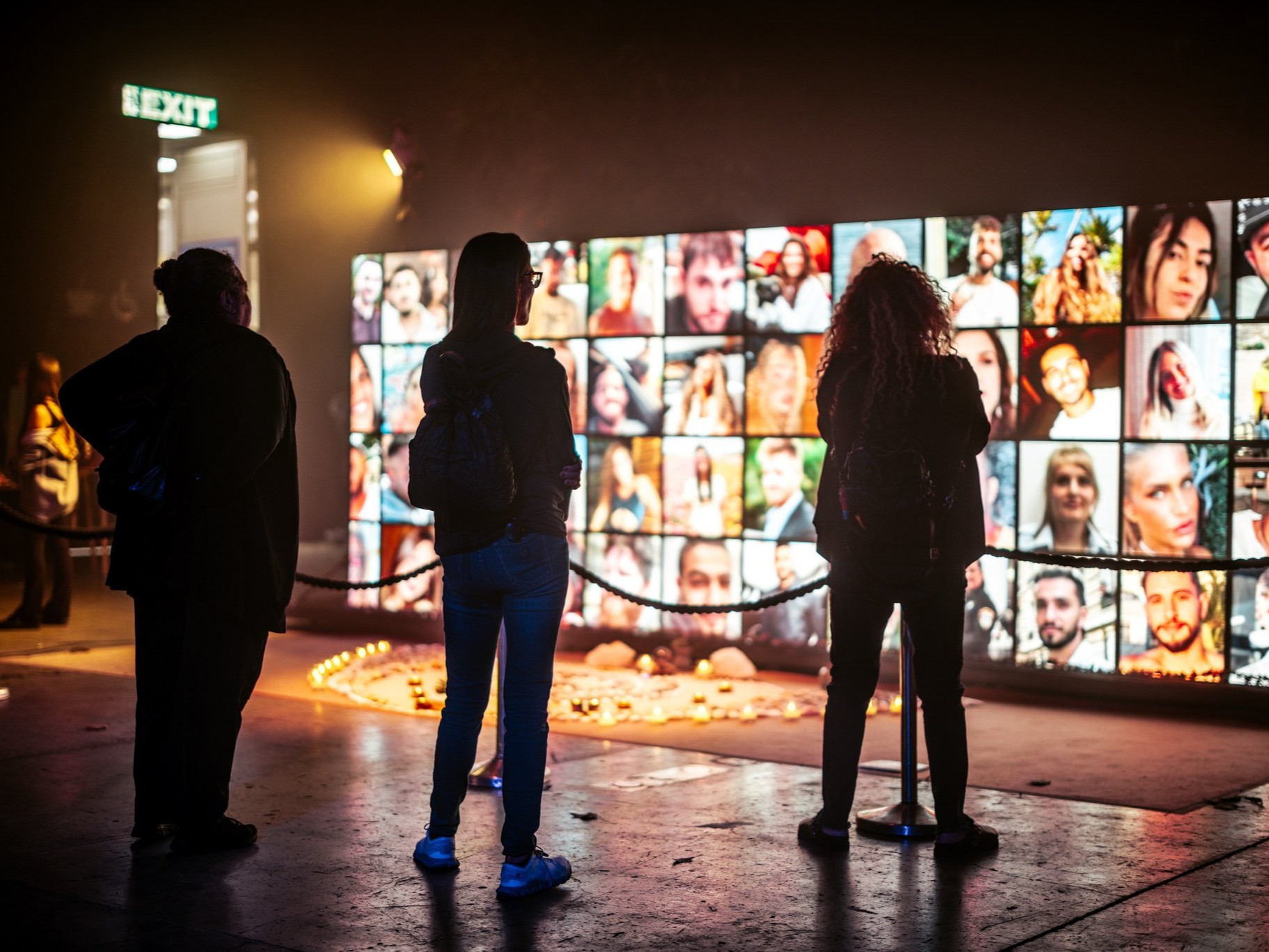
On Wednesday, June 18, the most generous members of the Greater Washington Jewish community gathered for an unforgettable evening at the Nova Music Festival Exhibition in Washington, DC—a powerful, immersive tribute honoring the lives lost and the strength of survivors following the October 7 terror attack.

This wasn’t just an event. It was a reckoning. A moment that asked each of us: What will you do with what you now know?

Inside the exhibition—transformed from a site of celebration into sacred ground—we walked through a landscape once alive with music, freedom, and light. The same landscape where, on October 7, thousands of young people were dancing in the desert when terror struck. The attack didn’t just take lives—it targeted joy itself.

But joy, as our community was reminded, is resilient.

Survivors and community leaders took the stage to bear witness—and to ask us to do the same.

Noa Beer, one of the Nova Festival’s original organizers and a survivor of the attack, stood before us and declared: “You are now witnesses.” Her story turned presence into purpose.

Brian Levenson spoke to the strength of our chevra—our sacred circle of trust that shows up in moments that matter. He reminded us that Jewish identity is shaped not just by what we endure, but by what we choose to stand for.

Marla Schulman, incoming chair of Federation’s Community Leadership Council, shared how her trips to Israel were canceled—visits to grantees and leadership programs postponed because of escalating violence. Her family in Tel Aviv continues to live under constant threat. Walking through the exhibit, she imagined her own children among the young people at Nova. “This exhibition,” she said, “tells the story not through headlines, but through the beat that stopped and the lives that were shattered.”

And Mollie Bowman—soon to be a mother, and a third-generation Holocaust survivor—stood in the raw space between grief and hope. “I’m filled with fear for the world my child will inherit,” she said, “and I am also audaciously hopeful that they may change it for the better.”

This evening wasn’t just about remembrance. It was about responsibility.

It wasn’t only for those in the room. It’s for everyone.

Step Into the Story

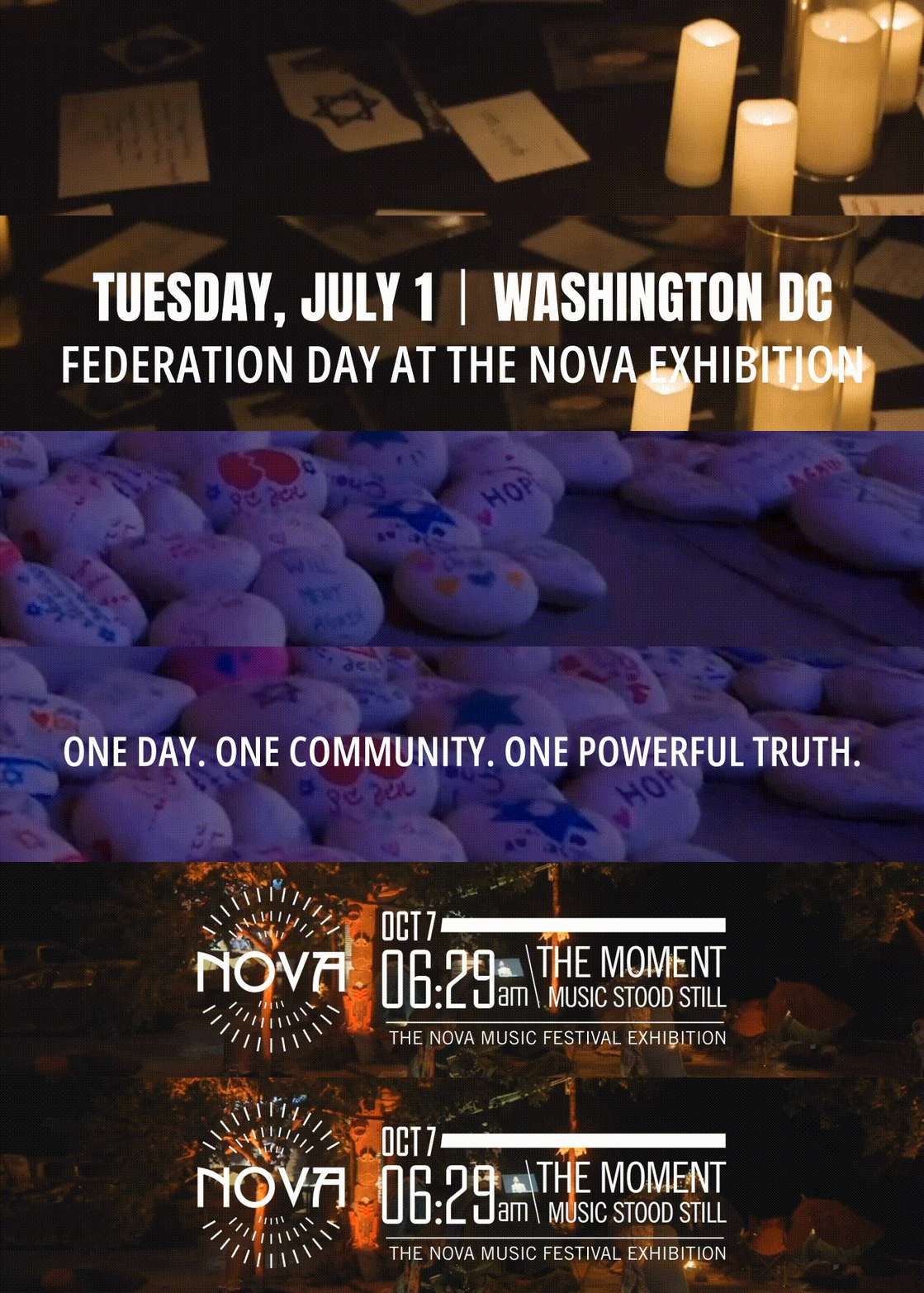
Stand with our Greater Washington community at Federation Day at the Nova Exhibition—a powerful moment to honor memory, affirm our shared values, and offer collective strength.

Bring a friend. Invite others. Everyone needs to see it.

Bear witness and share the story—on social media, in your circles, and across our community

This is more than an exhibit. It’s a declaration: Joy will not be silenced. Community will not be broken. Truth will not fade.

This is our moment to listen. To act. To carry the light forward.

Stay connected. Stand together. Be a witness.

Related posts

The Legacy of Eddie Kaplan The Legacy of Eddie Kaplan
The Legacy of Eddie Kaplan
Eddie’s decades of leadership at Federation and the Jewish Community Foundation helped strengthen institutions, support community investments, and shape a thriving Greater Washington Jewish community rooted in care, vision, and lasting impact.
read more

When Jewish Identity Takes the Field

When Jewish Identity Takes the Field

How a day at the ballpark became a celebration of pride, connection, and community 

Where does Jewish identity take root?

Sometimes it’s in a classroom. Sometimes it’s around a Shabbat table. And sometimes—unexpectedly, powerfully—it shows up in the outfield of a summer ballpark, where a Team Israel Olympian throws warm-up pitches to wide-eyed kids, and the air smells like fresh grass and kosher hot dogs.

This is Jewish Baseball Heritage Day, hosted by Bethesda Big Train in partnership with Israel Baseball, returning to Shirley Povich Field on Sunday, June 22. There will be a baseball game that evening—Big Train vs. the Olney Cropdusters—but the heart of the day begins much earlier.

It’s a day about far more than a baseball game. It’s about what happens when Jewish identity, informal learning, and connection to Israel show up outside traditional spaces—and land squarely in the heart of community life.

A Different Kind of Jewish Learning

The day kicks off with a youth clinic led by Israel Baseball coaches, including Olympian Shlomo Lipetz and longtime Major League Baseball (MLB) trainer Barry Weinberg. The coaching is hands-on and engaging, with stories that add depth and meaning to the experience. These aren’t just athletes—they’re Jewish athletes, representing Israel with pride.

In the afternoon, teens step up for their own clinic. The pace picks up, and the questions get sharper—about training, about representing Israel, about the path to professional play.

After the clinics, participants gather for a Q&A with the Israel Baseball staff, trading stories, asking questions, and making connections. An autograph session follows, full of smiles and quiet excitement as kids collect memories they’ll hold onto for a while.

From Picnic to Pride

As the evening approaches, families line up for dinner at the kosher Char Bar stand, friends reconnect in the stands, and conversations ripple through clusters of Jewish organizations and community members.

Clinic participants are honored on the field—a moment of recognition and pride for both the kids and the community that raised them.

Former U.S. Senator Ben Cardin is recognized as a Big Train Community Hero, honored for his decades of service and leadership. It’s another reminder that Jewish values aren’t just studied—they’re lived.

The Game Is the Backdrop. The Community Is the Story.

At 7 p.m., the Big Train take the field to face the Olney Cropdusters. But by then, the deeper story of the day has already been told.

It’s in the kid asking what it means to represent Israel.

In the kosher dinner shared between friends.

In the standing ovation for a Jewish public servant.

In the knowledge that Jewish pride belongs out loud—and outdoors.

A Quiet Kind of Impact

At first glance, Jewish Baseball Heritage Day might seem like just a good day out—kids on the field, families in the stands, a community enjoying summer together.

But look a little closer.

There’s identity being shaped in the dugout, where a child meets a Jewish athlete who has played on the world stage. There’s education happening in cleats and ball caps, as questions spark conversations that stick. And there’s connection to Israel—not as an idea, but through real people, real stories, and shared pride.

No speeches required. No agendas pushed. Just a Sunday that leaves something lasting.

For everyone who showed up, it was a reminder: Jewish life doesn’t just live in sanctuaries or classrooms. It shows up wherever we do. And sometimes, that’s at the ballpark.

For more information about Jewish Baseball Heritage Day, visit: bigtrain.org/israel-baseball

Related posts

“We’re Not Changing Minds”: Inside a Raw, Real Conversation on Antisemitism in Greater Washington

“We’re Not Changing Minds”: Inside a Raw, Real Conversation on Antisemitism in Greater Washington

What does it mean to fight antisemitism in 2025?

If you think it’s just about calling out hate, think again.

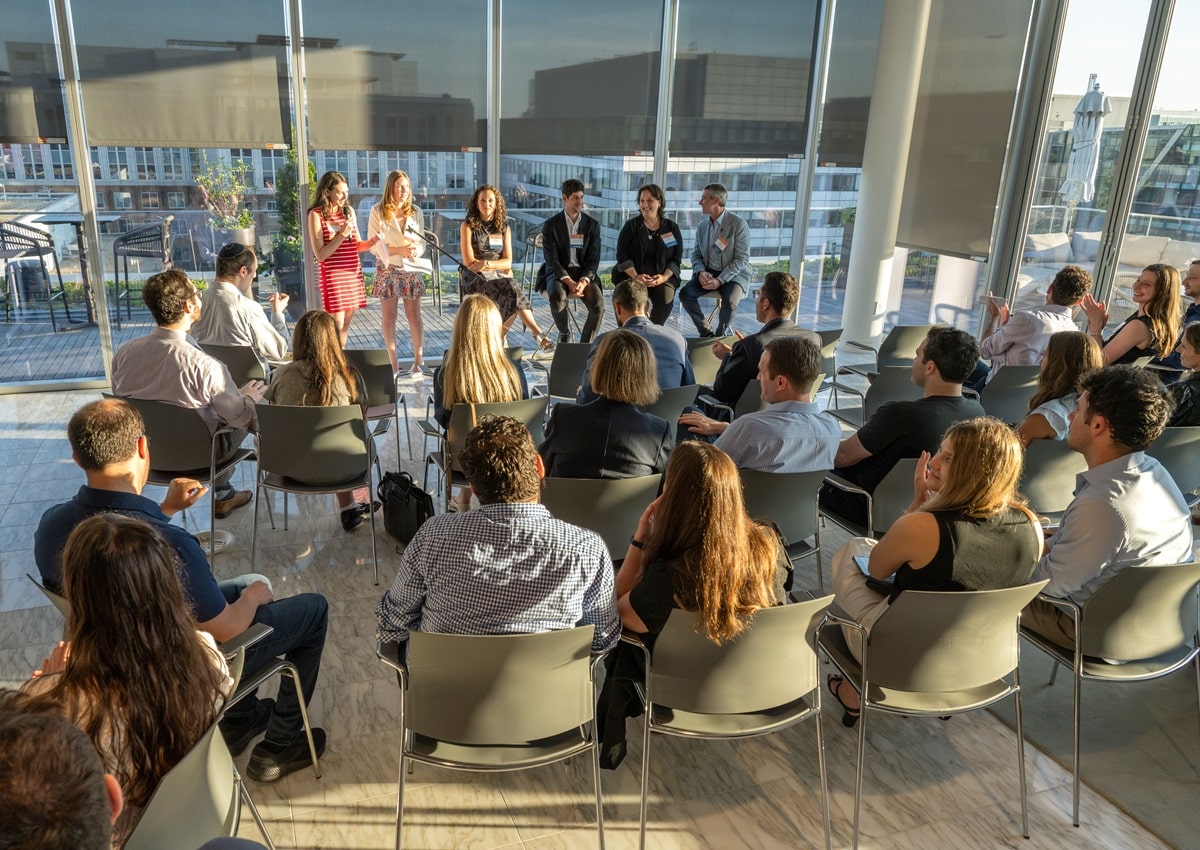
At a recent panel hosted by the Jewish Federation of Greater Washington’s Ben Gurion Society, three frontline leaders—
Rob Granader, Vicki Fishman, and Omer Oppenheim—sat down for a candid, sometimes uncomfortable, and deeply human conversation about what it really takes to protect and uplift Jewish life today.

And they didn’t hold back. The conversation opened with a sobering acknowledgment: antisemitism is not only rising, but it’s also becoming more complex to address.

“We’re losing the battle on social media.”

That’s how Rob Granader put it. A longtime advocate and Federation task force leader, Granader spoke with urgency about the cultural and political headwinds facing the Jewish community. “We’re in a mode in this world where we’re not changing our minds,” he said. “So do you go after your foes—or do you focus on strengthening your friends?”

It’s a question that doesn’t have easy answers. But it’s one that this panel wrestled with head-on.

Omer Oppenheim, Director of Government Relations at Jewish Federations of North America, pointed to broader communal division as a critical barrier: “Half the Jewish community thinks the problem is antisemitism on the right, and the other half thinks it’s on the left. If we can’t agree on what the problem is, how can we expect others to get on the same page?”

The Hidden Frontlines: Schools, City Councils, and Quiet Wins

While many headlines today focus on college campuses, Vicki Fishman, Director of Virginia Government and Community Relations at the Jewish Community Relations Council (JCRC), pointed to a quieter, more insidious battleground: K–12 schools. “The problem may not be antisemitism itself—it might be bad teaching,” she explained. “And when you have a good policy but a bad teacher, you still end up with antisemitic outcomes.”

She also shared a behind-the-scenes win in Alexandria, Virginia, where quiet advocacy helped stop a BDS resolution before it could gain traction. “To hear from someone who’s not a friend of Israel that there’s no appetite for this—it gave me hope.”

The Power of Relationships

A recurring theme throughout the evening was the importance of relationships—especially when navigating difficult conversations. Whether it’s educating a local official about the implications of invoking antisemitic tropes or deciding when to call out versus call in, the panelists emphasized nuance and persistence.

Fishman shared a story about a local politician who used problematic language on national television. “We got him on the phone and talked to him about what the problem was… and he stopped making that reference.” These behind-the-scenes efforts, while not always visible, are essential to long-term change.

Hope in Action

Despite the challenges, the panelists shared what gives them hope. Granader spoke passionately about the younger generation: “Post October 7, there’s been so much energy… People are showing up and being resolute about being Jewish in a way that is just so encouraging.”

Oppenheim, who works on Capitol Hill often, added, “Both parties care about combating antisemitism… Maybe now is not the right time, but in three months, six months—however long it takes—it’ll be the right time to make meaningful change.”

“They’re lions.”

That’s how Granader described the younger generation of Jewish students stepping up in the wake of October 7. “They’re resolute. They’re showing up. And they’re not afraid to be visibly, proudly Jewish.”

It’s a sentiment echoed by Oppenheim: “Both parties care about combating antisemitism,” he said. “Maybe now isn’t the moment for big change—but that moment is coming.”

From Conversation to Action – What YOU Can Do

Our esteemed panel didn’t mince words. “Live Jewishly in whatever way you can, and don’t be shy about it,” Fishman challenged, recounting how wearing a yellow pin or a dog tag necklace can often spark conversation.

Other advice from the panel included:

Responding to action alerts and contacting your members of Congress is one of the most direct ways to make your voice heard and support policies that combat antisemitism.

Stay informed by subscribing to newsletters like those from the Jewish Community Relations Council (JCRC) and Jewish Insider. Awareness is a powerful first step toward action.

Get involved in advocacy days hosted by your local and state legislatures. Showing up in person demonstrates the strength and visibility of our community.

When you’re invited to join a task force or working group, say yes. Your voice and perspective matter, and your involvement can shape meaningful outcomes.

Live Jewishly—and do so openly. Everyday moments, from casual conversations to public expressions of identity, can become powerful opportunities for education and connection.

Consider hosting gatherings like Shabbat dinners. These informal settings allow others to experience Jewish life in an authentic, welcoming, and non-confrontational way.

Keep in mind that what may seem obvious to you might be unfamiliar to others. Be ready to explain Jewish history, culture, and experiences with patience and clarity.

And finally, as Rob Granader said so well: “Say ‘yes’ when Federation calls!”

Related posts

Empowering Jewish Communities: Insights from the 2025 JPro Conference in Baltimore

Empowering Jewish Communities: Insights from the 2025 JPro Conference in Baltimore

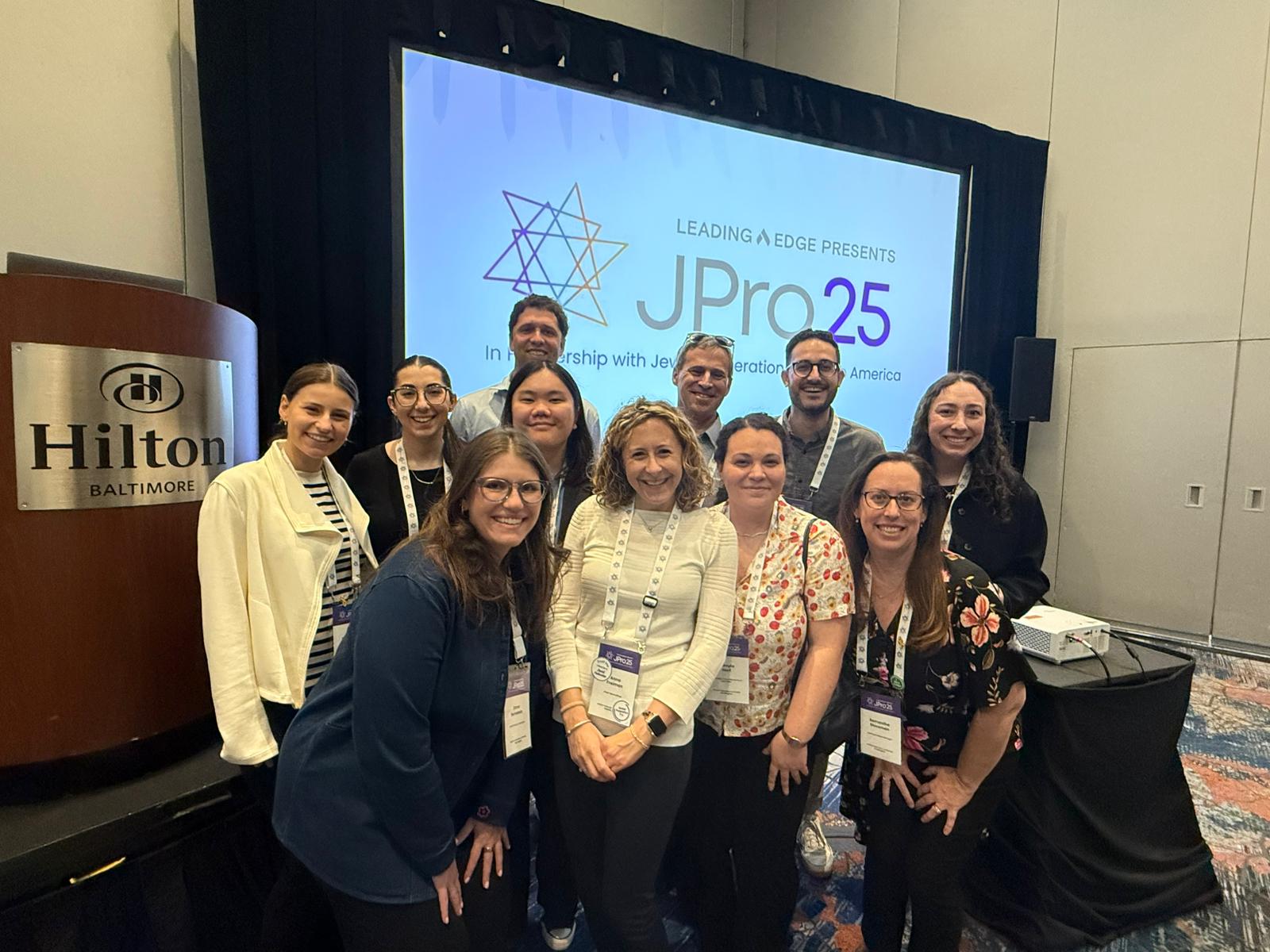
They came from Toronto, California, Texas, Ohio, New York, and everywhere in between to Baltimore, Maryland, earlier this month for the 2025 JPro (Jewish Professionals) Conference. Organized by Leading Edge in partnership with the Jewish Federations of North America, this landmark gathering of more than 1,300 Jewish communal leaders was more than just a conference—it became a vibrant hub for connection, learning, and inspiration.

“Through every conversation, it became clear: my ‘why’ is about creating engagement opportunities that bring people into the fold.”
— Erin Dreyfuss, Transformation Manager, Jewish Federation of Greater Washington

For many, the JPro Conference was a space to reflect on how to deepen their impact and strengthen the Jewish community, both professionally and personally.

Highlights and Innovations

The conference was a unique opportunity to hear from a diverse array of speakers, each contributing their perspective on how Jewish values and leadership intersect in today’s world:

  • Anne Neuberger, former Deputy National Security Advisor, brought a wealth of knowledge on security and leadership.
  • Daniel Vaknin, a survivor of the Nova Music Festival attack, shared his powerful story of resilience.
  • Alex Edelman, the Tony- and Emmy-winning comedian, added humor and heart, reminding everyone of the power of storytelling.
  • Adam Neuman, Baltimore Ravens Chief of Staff, spoke about leadership in sports, showing that Jewish values have far-reaching influence.
  • DJ Daniel Vaknin, who performed at the Nova Festival, used music to reflect on the power of culture in healing.

These featured speakers came to Baltimore from diverse backgrounds and brought with them a wide range of professional experiences. While not all of them work directly within the “Jewish world,” each has found meaningful ways to live Jewishly in their chosen careers. Their stories highlight how their Jewish values and education have helped shape their identities and contributed to their success as professionals and individuals.

“In a world that often feels divided, being in a space filled with passionate, thoughtful people committed to the greater good of our Jewish community was truly powerful.”
— Shira Pomerantz, Development Associate, Jewish Federation of Greater Washington

The conference wasn’t just about learning—it was about reconnecting with the heart of the work.

Many Paths, Shared Purpose: A Community Reunited

This year’s theme, Many Paths, Shared Purpose: Crafting Sacred Communities Together,” was particularly poignant, given the recent global challenges that have shaped the Jewish communal experience. The conference was the first held since the tragic events of October 7, 2023, which added a layer of reflection to the gathering.

In session after session, Jewish professionals from across the country shared insights into the evolving landscape of Jewish nonprofits.

“The connections I made at JPro25 are already sparking collaborations that will strengthen our local impact.”
— Udi Eitan, Associate Director of Israel Engagement, Jewish Federation of Greater Washington

From tackling antisemitism to navigating the Israeli-Palestinian conflict, the discussions were raw, meaningful, and solutions-driven.

But it wasn’t just about the big issues—it was also about the little moments of connection.

“JPro reminded me of the value of shared learning and connection. It’s essential for both personal growth and community strength.”
— Dana Bornstein, Senior Director of Leadership, Jewish Federation of Greater Washington

Whether through intimate workshops or networking over lunch, the conference offered rich, human interactions that transcended the professional realm.

The Personal Impact: Voices from Federation Delegates

Many from the Jewish Federation of Greater Washington left the conference feeling not just professionally recharged but personally affirmed.

“It was inspiring to see so many people coming together to build a better Jewish world. I’ve grown both personally and professionally.”
— Samantha Glossman, Communications Manager, Jewish Federation of Greater Washington

For Samantha and others, the conference was a reminder of why they do what they do—helping to build a vibrant Jewish future.

“The professional talent in the Jewish communal world is essential to building thriving Jewish communities. That’s why Jewish Federations are committed to developing talent for the entire Jewish community, not just Federations.”
— Shira Hutt, Executive Vice President, Jewish Federations of North America

Shira Hutt’s words resonated deeply with many attendees, reaffirming the collective commitment to nurturing talent and leadership within the Jewish community.

What’s Next for Jewish Communal Leadership?

Looking ahead, Jewish nonprofits stand at a crossroads. With over 75% of Jewish nonprofits expected to need new senior leaders in the coming years, the need for emerging leadership is more urgent than ever.

“The effectiveness of an organization is directly tied to the strength of its leadership.”
— Rachel Garbow Monroe, President and CEO, Harry and Jeanette Weinberg Foundation

As Rachel Garbow Monroe noted in an Op-ed for eJewish Philanthropy, conferences like JPro are pivotal in preparing the next generation of Jewish leaders.

On the local front, the Jewish Talent Project aims to turn Greater Washington into a hub for Jewish communal talent. Spearheaded by former Federation president Philip Margolius, this new initiative seeks to improve working conditions, offer professional development opportunities, and foster better communication within Jewish organizations.

Related posts

From Tragedy to Resilience: The Tribe of Nova’s Unbreakable Story

From Tragedy to Resilience: The Tribe of Nova’s Unbreakable Story

Israelis from every walk of life gathered in the desert to dance. Instead, they were hunted.  

On October 6, 2023, Israelis from across the country gathered at the Nova Music Festival in southern Israel. It was a celebration—a night meant to unite people from all walks of life, to dance under the stars, to share music, and to experience freedom and connection. The desert echoed with joy, laughter, and the sound of life. 

Then, in an instant, it all changed. 

What began as a night of light and love was torn apart by terror. 378 festival-goers were killed, and 44 more were taken hostage. What was once a celebration of joy and community became a scene of unimaginable horror. 

But even as lives were shattered, a different story began to unfold—one of resilience, one that would refuse to be defined by violence. 

The Tribe of Nova: From Darkness to Light 

The festival—the joy, the unity, the freedom to be yourself, to celebrate life with those around you—was meant to be a night like no other. 

And then came the attack. 

What followed was chaos, devastation, and loss. But it didn’t end there. The survivors—those who had gathered in joy—came together in a way that was as beautiful as it was raw. They held on to the memories of what they had lost but also to the power of their shared strength. 

The Nova Exhibit isn’t just an art display. It’s a journey—an emotional, immersive experience that takes you from the joy of that night, through the terror of the attack, and into the light of hope and healing that followed. This isn’t a passive story—it pulls you in. You feel the celebration, the loss, and the power of community. You stand alongside survivors who, despite everything, found a way to rebuild. 

This exhibit is a testament to what happens when a community refuses to be broken. It amplifies the voices of the survivors and honors the lives lost. But more than that, it challenges us: to remember, to bear witness, and to stand in solidarity. 

Why Washington Needs to Hear This Story 

In Washington, D.C., the Nova Exhibit will invite us all to step into the shoes of those who lived through the unthinkable—to see not just the individuals affected, but the impact on an entire society, a culture, a way of life. 

This is a chance—our chance—to be part of something that goes beyond simply learning about tragedy. It’s about witnessing history, experiencing resilience, and understanding what it truly means to rebuild. 

A Call to Action: Stand with Us in Remembering and Rebuilding 

This is more than a story of loss—it’s a story of strength, survival, and rebuilding. The Nova Exhibit invites everyone—Jewish or not, local or global—to experience a story that must be remembered, understood, and carried forward. 

Stand with the survivors. Stand with those who refuse to be defined by pain. Stand with us as we embrace the light that will guide us all forward. 

Their story belongs to all of us. Let’s make sure we hear it. 

To learn more about the exhibit, ticketing process, and what to expect, visit novaexhibition.com. While the site currently highlights the Toronto tour, it offers a strong preview of what’s to come in DC. More information about the DC exhibit coming soon! 


We are deeply grateful to the generous donors who made it possible to bring this powerful exhibit to Greater Washington. Their support reflects the heart of the Federation’s mission: creating space for our community to gather, reflect, and bear witness; fostering understanding through education; and ensuring we remember—together. 

Photo Credit: Nova Exhibition Website

Related posts

Inside the WOW Retreat: A Jewish Women’s Leadership Experience

Inside the WOW Retreat: A Jewish Women’s Leadership Experience

“We sang, we laughed, we cried, we dug deep, and we unplugged. I couldn’t have asked for a more perfect weekend or a more inspiring group of women.”

Baltimore, MD — They arrived carrying snacks, tote bags, and just a little hesitation. For many, it was their first time stepping away—from routines, from responsibilities, from the noise of the everyday—to join a retreat they weren’t quite sure how to describe.

By the end of the WOW (Women of Wisdom) Shabbat Experience, they were finishing each other’s sentences.

Held in a quiet, wooded corner of Maryland, the retreat brought together a multigenerational group of Jewish women from across the region for a weekend of reflection, connection, and leadership-building. The agenda wasn’t just about workshops or wellness—it was about making space. Space to show up, speak up, and let go of everything else for just long enough to feel present.

Thunderstorms rolled in. Laughter broke out. Tears were shared, and so were shoes. Somewhere between the circle discussions and late-night conversations, something shifted. Uncertainty gave way to something steadier: community.

The presence of seasoned professionals like Federation President Robin Hettleman Weinberg, Kerry Iris, and Wendy Feldman Block added a deeper layer to the experience. Their openness and wisdom underscored what many participants felt: that the power of WOW came not just from the setting, but from who was in the room—and how willing they were to show up for one another.

Guided by the grounded, thoughtful leadership of Rabbi Sarah Krinsky of Adas Israel Congregation and co-chairs Danielle Traub and Mollie Bowman, the retreat struck a rare balance: structured and spiritual, intentional and inclusive, and filled with Jewish learning! These leaders didn’t just organize the weekend—they joined it. Fully.

As the women packed up their bags and returned to their homes, they carried more than just takeaways. They carried new relationships. New perspective. And a shared sense that something meaningful had started—and no one wanted it to end.

The buzz is already building— email ilana.matheson@www.shalomdc.org to learn how to be part of what’s next.

Related posts

Where Real Estate Meets Real Community

Where Real Estate Meets Real Community

“Our greatest resource is community.” – Albert Small

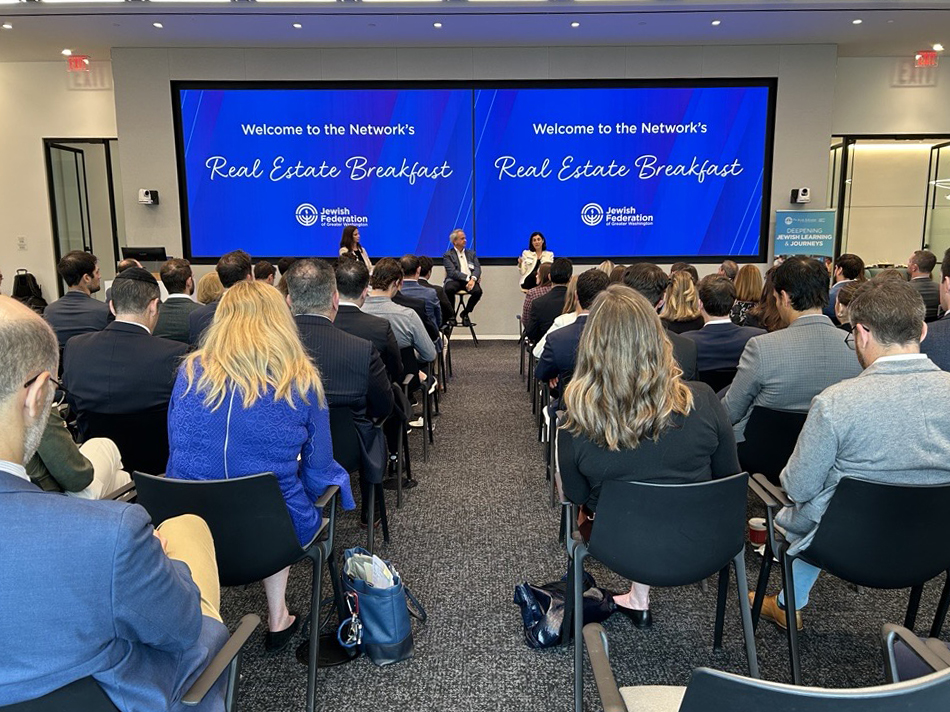
At Federation’s Real Estate Breakfast on Tuesday morning, that message landed with power and purpose.

More than 100 Jewish real estate professionals filled the room—and it wasn’t just for the strong coffee. It was a morning of insight, connection, and momentum. The energy was unmistakable. Conversations flowed, handshakes turned into new relationships, and across the room, one thing was clear: this community shows up.

Marc Duber and Dana Jacobsohn, two of the industry’s most respected voices, shared reflections on career growth, luxury development in their field, and the power of mentorship. And again and again, the conversation returned to relationships—the people you trust, who show up when it matters, who help you build something lasting.

Their foundation, they shared, has always been the Jewish community.

That idea—community as a constant—resonated well beyond the stage. You could hear it in the conversations around every table.

The morning also marked the launch of the Builders Society, a new giving level for Jewish professionals in real estate. With its first dinner set for later this month and strong interest already building, it’s clear this isn’t just a network. It’s a movement.

There were plenty of firsts in the room: first-time Federation participants, first-time donors, first-time conversations that sparked new ideas. And behind all of it? A growing belief that being in the room—and showing up together—matters.

The message was clear: This community creates real opportunity. Professional, personal, and philanthropic.

Thanks to the vision and leadership of Jenna Jacobson, Albert Small, and the Real Estate Committee co-chairs, the morning delivered not just a conversation, but a clear step forward for this community of builders, leaders, and changemakers.

Want in? Contact Sarah Green at sarah.green@www.shalomdc.org to learn more.

Related posts

Security Is a Team Sport: Building a Culture of Collective Responsibility

Security Is a Team Sport: Building a Culture of Collective Responsibility

“Security starts with us in the community.”

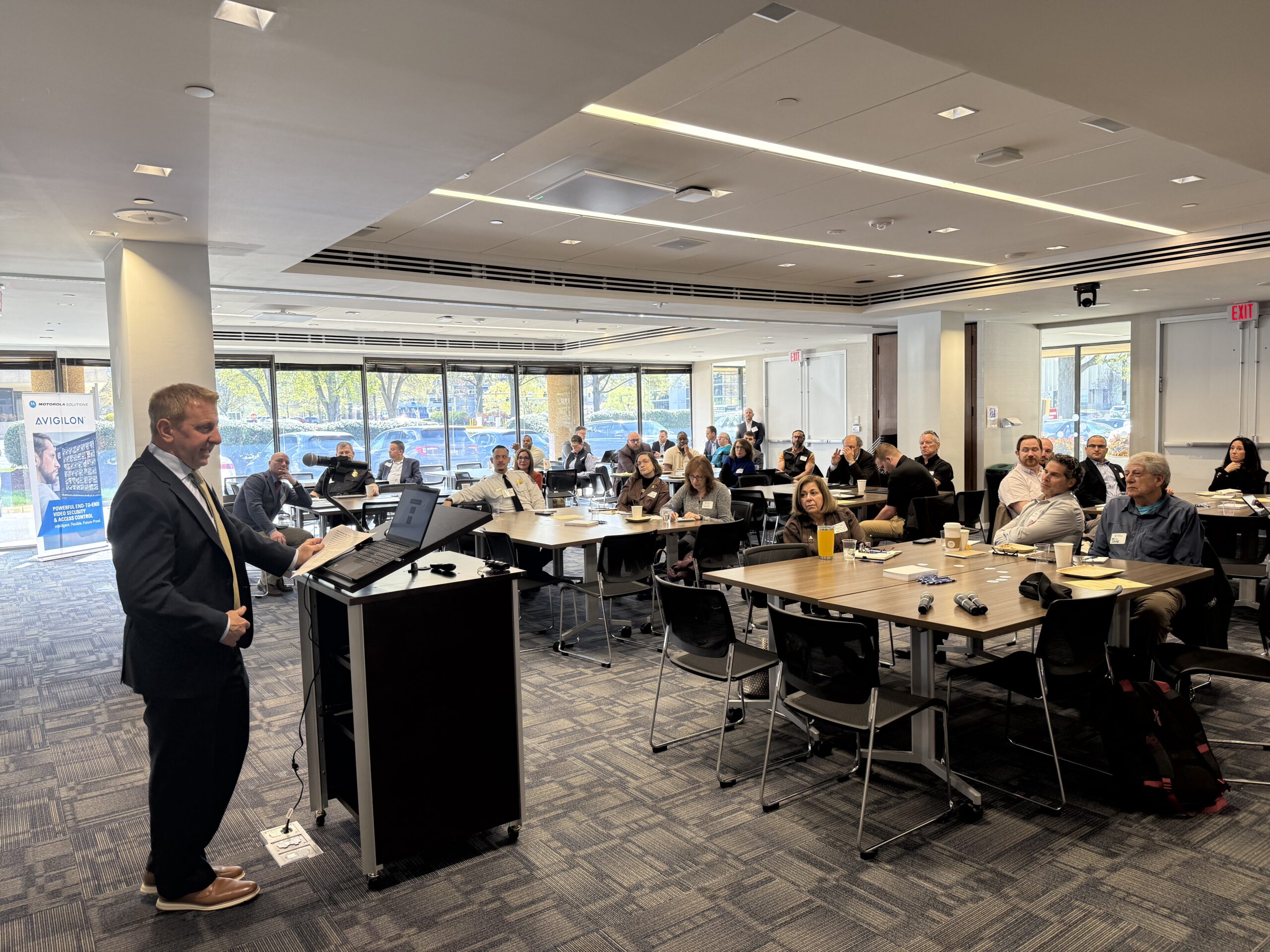
This was the message delivered by Captain Ian Clark of the Montgomery County Police Department to more than 50 attendees from across the DMV at an all-day summit on April 8. Formed in 2023, JShield is the community security service organized by and housed within the Jewish Federation of Greater Washington. The theme that prevention of threats to Jewish institutions and members of the community is not a duty that can be solely delegated to “the professionals” or hiring of security guards for events but requires, among other things, situational awareness, preparation and planning, communication and development of strong relationships with local and federal law enforcement and experts in the security space.

In his keynote address, former Department of Homeland Security Secretary Michael Chertoff shared insights that resonated with participants, outlining several high-level factors contributing to the increase in threats to the Jewish Community. He began by explaining the buildup of stress within the U.S. over the last few decades. He identified the stress as developing from the 2008 recession, the COVID lockdown, foreign policy issues, tariffs, declining confidence in where the U.S. stands in the global landscape, and domestic terrorist attacks. Concurrently, with the increase in stress comes a heightened sense of threat and uncertainty and, subsequently, a reduction in personal inhibitions. He closed by emphasizing the importance of developing a culture of security in communities and that security is a team sport.

Rusty Rosenthal, the Executive Director of JShield, began his remarks by echoing this sentiment–emphasizing that JShield does not and was never intended to work in isolation. He described the partnerships that JShield, as a new agency, has forged with similar organizations focused on the Jewish community, such as Secure Community Network, ADL, JCRC, and other Federations’ security departments, federal and local law enforcement agencies.

The presentations by Rosenthal and his team focused on the extensive expertise that each brings to the improvement of the security posture in the Jewish community.

Laura Katzif, Northern Virginia Security Advisor and Security Director at Pozez JCC highlighted her background in emergency preparedness—and the importance of understanding that threats to well-being go beyond active shooter to extreme weather, domestic feuds within families that are sometimes acted out in schools, and other dangers. Her perspective involves identifying risks in an organization and how to mitigate them. She identified the emergency preparedness process and the types of plans that might be needed. She characterized much of the approach of the JShield team as “teaching adaptability” because real-life conflict doesn’t follow a script.

Shay HaLevi, Deputy Director of Community Security, described the human reaction to threats and how he brings his training to individuals within an organization on a human level. That training ranges from breathing techniques for remaining calm to how a greeter may best approach an unknown person in an organizational setting.

Adam Bronstone, Grants Specialist, highlighted the assistance JShield provides in assisting organizations effectively apply for security grants. He also provided insight into the confusion about the current commitment to funding such grants in the future.

Ty Mooney, JShield Intelligence Analyst, explained the importance of reporting each incident on JShield’s Incident Reporting Form. That form allows JShield and its partners to receive information simultaneously. Additionally, JShield is working to refine the reporting forms to distill more actionable data for our region.

A summit highlight was a panel led by representatives from the Fairfax County, Montgomery County, and D.C. Metropolitan Police Departments. The consistent message they conveyed was to report any and all incidents, both big and small. They also took some time to explain the distinction between a hate bias incident versus a possible hate crime and took questions from attendees.

The summit also included a discussion of the relevance and possible continued threat posed to the United States by Hamas, Hezbollah, and Iran. One panelist emphasized that the one common element among both foreign and domestic terrorists and extremists on both the right and the left is antisemitism.

Participants and panelists applauded the summit not just as an informative session but as a convening of all those in the community who either study, work to prevent, or want to forestall terrorism and other threats to the Jewish community.

JShield plans to hold the summit annually as it continues to increase its impact on the community and its awareness and participation in its own collective security.

Related posts

When Antisemitism Takes Hold When Antisemitism Takes Hold
When Antisemitism Takes Hold
Antisemitism often emerges in times of strain, fueled by fear and exploited by bad actors. By confronting hatred directly and strengthening democratic institutions, Federation works to build resilience, foster connection, and ensure a more stable, inclusive community.
read more

Combating Antisemitism in the Workplace: Tools, Action, and Community

Combating Antisemitism in the Workplace: Tools, Action, and Community

On March 19, 2025, more than 70 community members gathered at Har Shalom for the second event in the Combating Antisemitism series, focused on recognizing and addressing antisemitism in the workplace. The evening was full of insightful conversations, practical tools, and a shared commitment to confronting discrimination head-on.

A Call to Action: Standing Up Against Antisemitism

The evening began with Howard Reichel, leader of the Kulanu Combating Antisemitism cohort, who emphasized the importance of standing up for ourselves in the face of adversity. Rabbi Adam Raskin followed, drawing inspiration from the ancient story of Purim to highlight the relevance of bold action in today’s fight against antisemitism. He urged us: “The quickest way for others to stand up for Jews is for Jews to stand up for themselves.” His words resonated deeply, reinforcing that we all have a role in standing against antisemitism.

Tools for Combating Antisemitism at Work

Meredith Wiesel, senior leader at the Anti-Defamation League (ADL), led an informative session on combating antisemitism in the workplace. She shared key tools to recognize antisemitic tropes and how to respond effectively in professional settings. Attendees walked away with practical advice and resources to empower them in their own workplaces.

The event also included an interactive “choose your own adventure” activity, allowing participants to explore various workplace scenarios. Should you ignore offensive comments, confront the individual, or report the incident to HR? This exercise sparked thoughtful discussions on the most effective ways to confront antisemitism while maintaining professionalism and respect.


Related posts