A Lesson I’ve Carried Since 1987
Before traveling to Georgia and Ukraine, I want to share a story that has shaped how I think about our responsibility to one another.
I just finished my friend Daniel Grossman’s new book Seeing Red. In it, Danny recounts his time working as a young foreign service officer in Leningrad and his overt and covert efforts to help refuseniks. As you might guess, his tour ended when the Soviets kicked him out.
Danny’s tales brought back memories of my own trip to the Soviet Union in 1987. A friend and I were living in New York leading a Zionist youth group, and the Jewish Agency asked (though not explicitly due to the sensitive nature of the operation) if we would be willing to travel to the Soviet Union and visit with refuseniks—some living in central cities such as Moscow and others in more remote communities in Siberia, including Irkutsk or Novosibirsk—and bring aid on behalf of global Jewry.
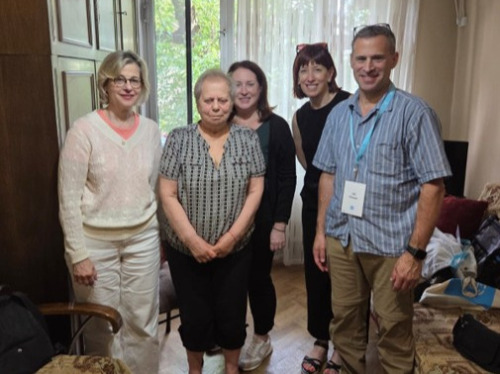
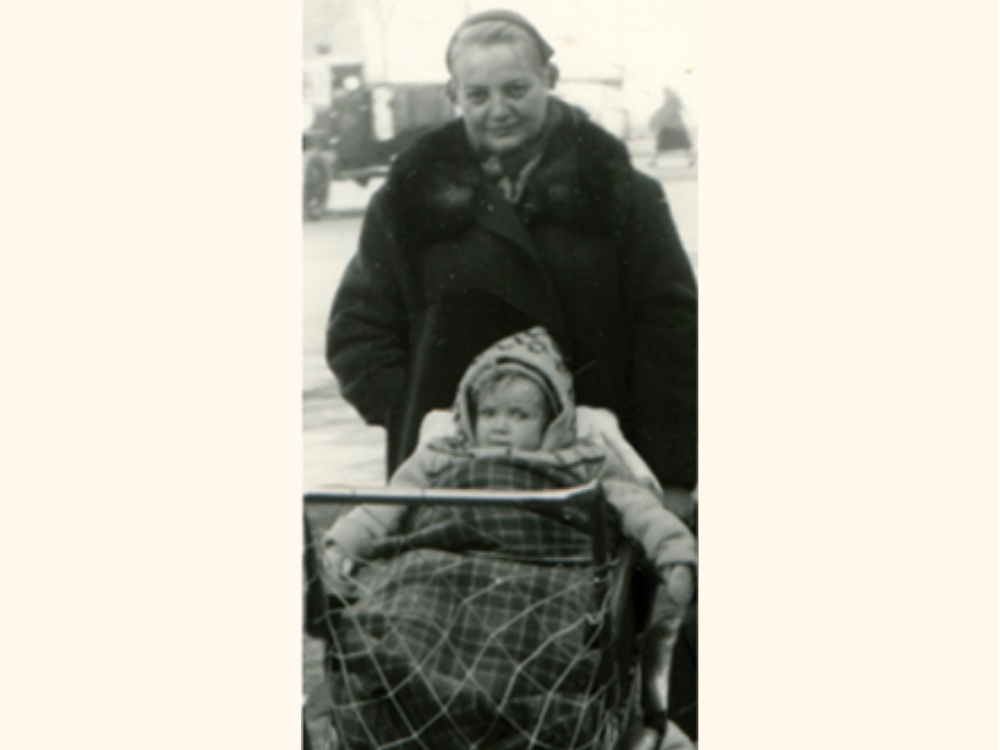
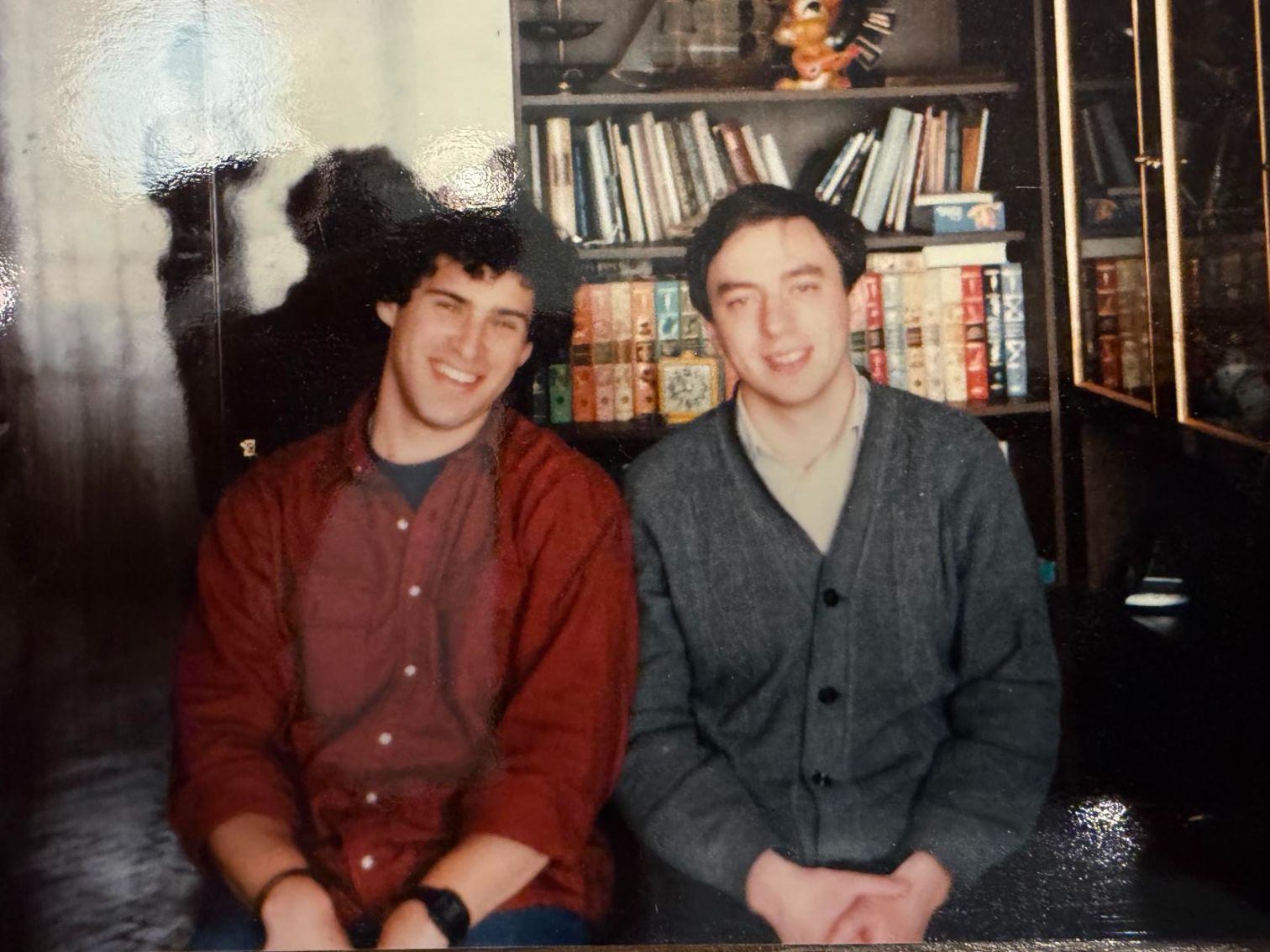
We were provided with specific people to visit (one of whom is pictured with me above) and asked to deliver Russian-Hebrew dictionaries—which we had to wear under our clothes to get past security—along with goods people could sell to earn money after many had lost their jobs and messages of support from Jews around the world. Looking back, I realize that trip gave me an enduring appreciation for what it means to be responsible for one another as a Jewish people. It’s a lesson that has stayed with me ever since, and one I’ve been thinking about as I prepare to return to the region.
This coming week, I’ll be joining a group of Federation executives on a trip to Georgia and Ukraine. We will visit with people in their homes and see firsthand the critical services your generosity makes possible through Federation’s partnership with JDC. We’ll hear directly from local communities about their circumstances and the challenges they are facing. We’ll also meet with volunteers and activists in Ukraine to learn how they’re developing local leadership and sustaining Jewish community in the face of war, uncertainty, and economic hardship.
I believe in the power of doing this work in person. By showing up, we’ll get to witness the dignity, resilience, and determination with which these communities are building Jewish life and bring those lessons back with us. And we, in turn, will get to express our continued commitment to caring for the most vulnerable and building Jewish life around the world.
If you’re interested in learning more about our exchange, I invite you to join a webinar on Wednesday, July 22 at 12:00 PM a few days after I return. I’ll share what we discovered and how those insights will help inform Federation’s ongoing work to support Jewish communities in the former Soviet Union and beyond.
If you’d like to learn more about the work your generosity makes possible in Ukraine, you can do so here.
In 1987, I set off with a backpack full of supplies and messages of solidarity. Today, I travel carrying the trust and generosity of an entire community. This is one of my favorite aspects of Federation’s work—helping to build our community here in Greater Washington while strengthening the bonds that defy borders. It’s these kinds of missions that put into action the idea that no Jewish community stands alone. We are part of a global family, one that shows up for, relies on, and supports one another.