Need support? Call 703-J-CARING (703-522-7464)

Finding Light: Ori’s Journey as a Shlicha in Greater Washington
Finding Light: Ori’s Journey as a Shlicha in Greater Washington

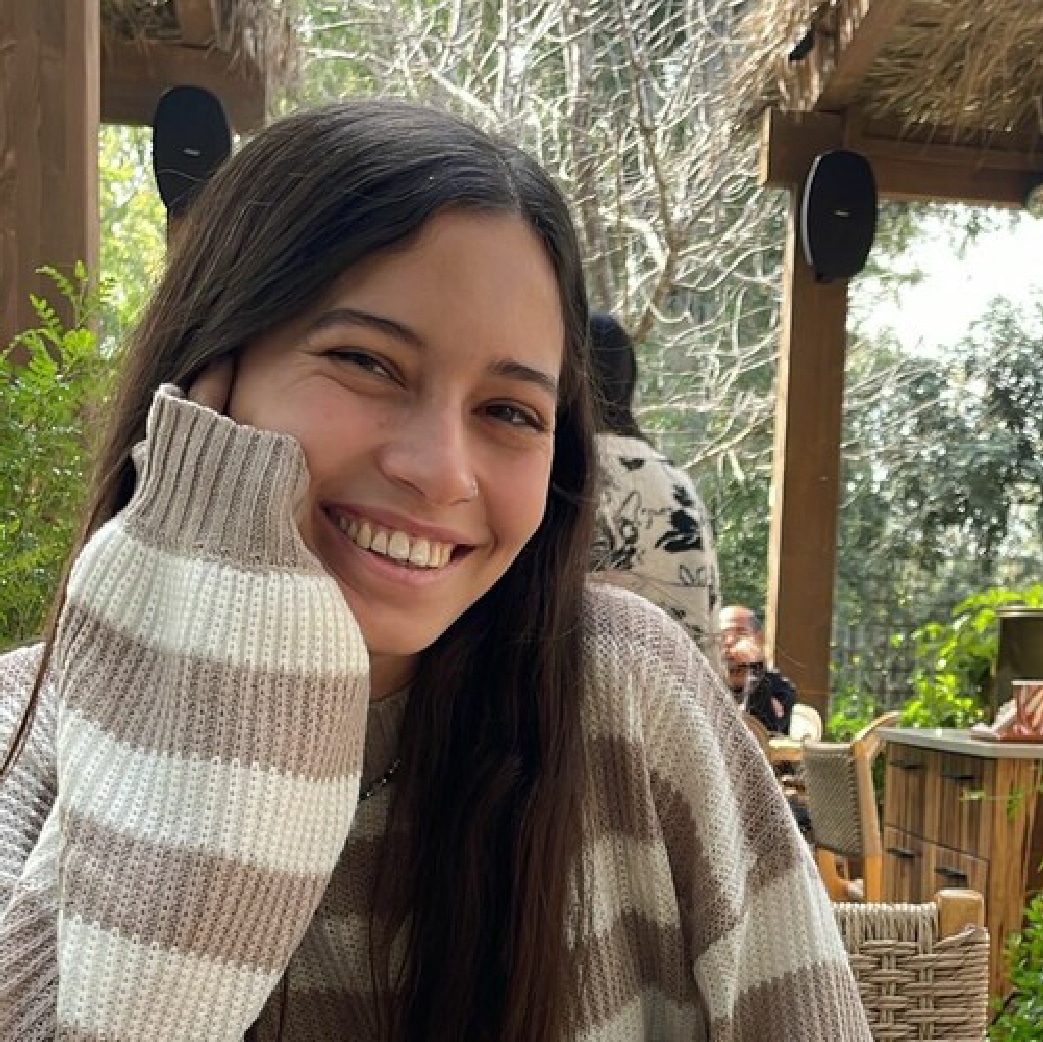
Ori is 23, and she carries something most adults twice her age still struggle to hold: the responsibility of representing Israel with honesty, heart, and humility—especially to kids. She’s one of 11 community shlichim (Israeli emissaries) bringing Israel to life across Greater Washington through Federation’s Shlichim Program.

Growing up in Moshavat Kinneret, a small community in northern Israel, Ori was surrounded by family, a strong sense of responsibility, and a beloved boxer dog she still misses. Before coming to Greater Washington, Ori spent two summers at a Jewish camp in upstate New York.

Teaching Israel in a Complicated Moment

Now living in Greater Washington, Ori spends her days with children, parents, and educators—teaching Hebrew, leading workshops, and helping our community deepen its connection to Israeli life and culture. But talking about Israel isn’t as simple as it used to be. She says it’s gotten harder in the last few years. Kids are asking deeper questions. There’s no single story to tell.

“I’m not saying Israel is perfect,” she says. “Like anything else, there are things that are good and things that are bad. I want to show them both sides.” Ori doesn’t pretend otherwise. She listens, brings her own questions, and creates space for kids to talk about Israel with curiosity, honesty, and care.

Pride Without Pretending

Ori loves teaching about Israel’s creativity—from everyday inventions to world-changing breakthroughs, like cherry tomatoes. “The best invention,” she says, laughing.

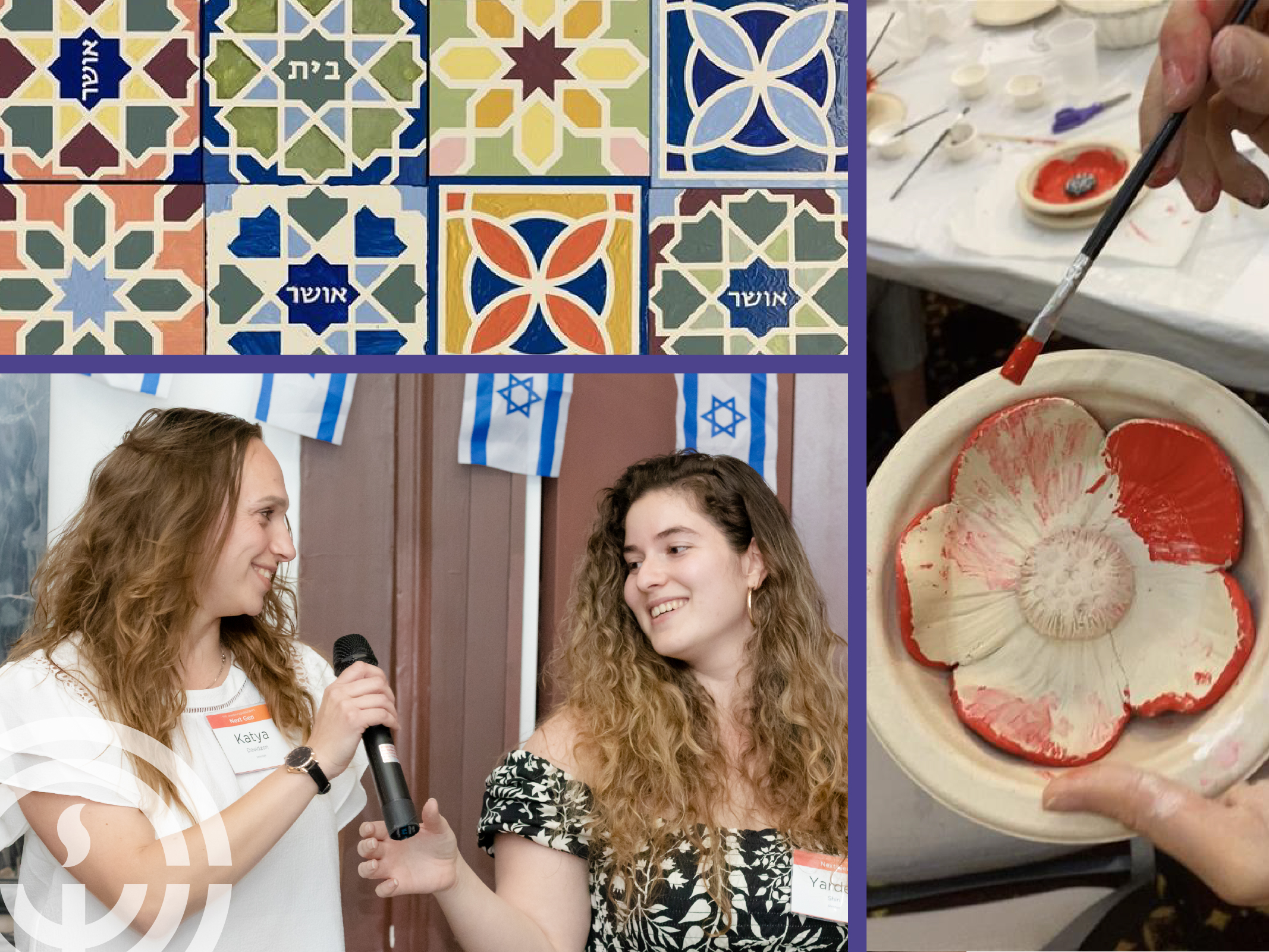
Through Made in Israel, an interactive Hands-on Israel workshop she leads, participants explore the Israeli innovations they’ve heard of and many they haven’t. They learn about the brilliant minds behind these inventions through games and challenges that spark curiosity and pride. Ori’s goal is more than just facts. She shows people that Israel is a place of ideas, impact, and imagination.

Teaching Joy, Too

For Ori, representing Israel isn’t only about navigating complexity—it’s also about sharing joy. She brings Israeli traditions into American Jewish life in ways that feel lasting and personal. “We’re not sitting sad and miserable in Israel—we’re happy,” she says. “We’re living.” That’s what she wants kids to see: that Israel is a home, full of celebration, tradition, and joy.

Ori’s work is part of a larger effort to build people-to-people connection through immersive, everyday experiences. Through Federation’s Shlichim Program, Israeli emissaries like Ori help bring Israel to life in schools, synagogues, JCCs, and more—creating personal, lasting moments of understanding and connection across Greater Washington.

Bringing Community with Her

Ori often talks about the community she grew up in—a kibbutz where kids moved freely, everyone knew each other, and life felt safe and shared. “It’s a very community-like place,” she says. “It’s a safe space… I really, really love it.” That sense of belonging is something she carries with her. And through her teaching, she hopes to help create more of that feeling for the children and families she meets here.

Leaving Something Behind

One of the biggest surprises for Ori has been seeing what Jewish life looks like outside of Israel. She didn’t know what to expect. But she’s found deep relationships, strong communities, and new ways of expressing Jewish identity that continue to shape her own perspective. Ori wants to bring more of Israel into Jewish spaces here, and she hopes the connections she’s made will last long after she leaves.

“I don’t want to just be a shlicha who came and left,” she says. “I want to leave something behind.”

Looking Ahead

When she thinks about the future of Jewish life in the U.S., Ori doesn’t hesitate. She hopes people feel safe being openly Jewish. She hopes for greater unity, more listening, and a community that remains a source of strength, even in uncertain times. Until then, she’s teaching, learning, and building relationships—one day, one conversation at a time.

Continue the Conversation at RE:Israel

Ori’s story reflects the honest, values-driven work of Israel education today—work that feels more urgent than ever. In the wake of October 7, educators, parents, and communal leaders are grappling with big, essential questions:

  • How do we teach and talk about Israel with clarity and care?
  • How do we support young people in holding complexity without letting go of connection?
  • And how do we reframe Israel education for this new era, with tools that are honest, nuanced, and real?

These conversations will take center stage on Tuesday, February 24, at RE:Israel: Reflect. Reframe. Reconnect., a half-day learning experience for educators, communal professionals, lay leaders, and parents seeking thoughtful, practical engagement with Israel education in this moment.
Related posts

A Reflection from Israel

A Reflection from Israel

I stood in Hostage Square, Tel Aviv among a quiet crowd, patiently waiting. What was once a vigil site, a protest space, a place of mourning and solidarity was now the square where we were about to hear the collective sigh of a small country. At 843 days, 12 hours, 5 minutes and 59 seconds, the clock that made the abstraction of time in captivity real, was turned off. The body of Ran Gvili, the last hostage, was returned home.

Now the true healing can begin.

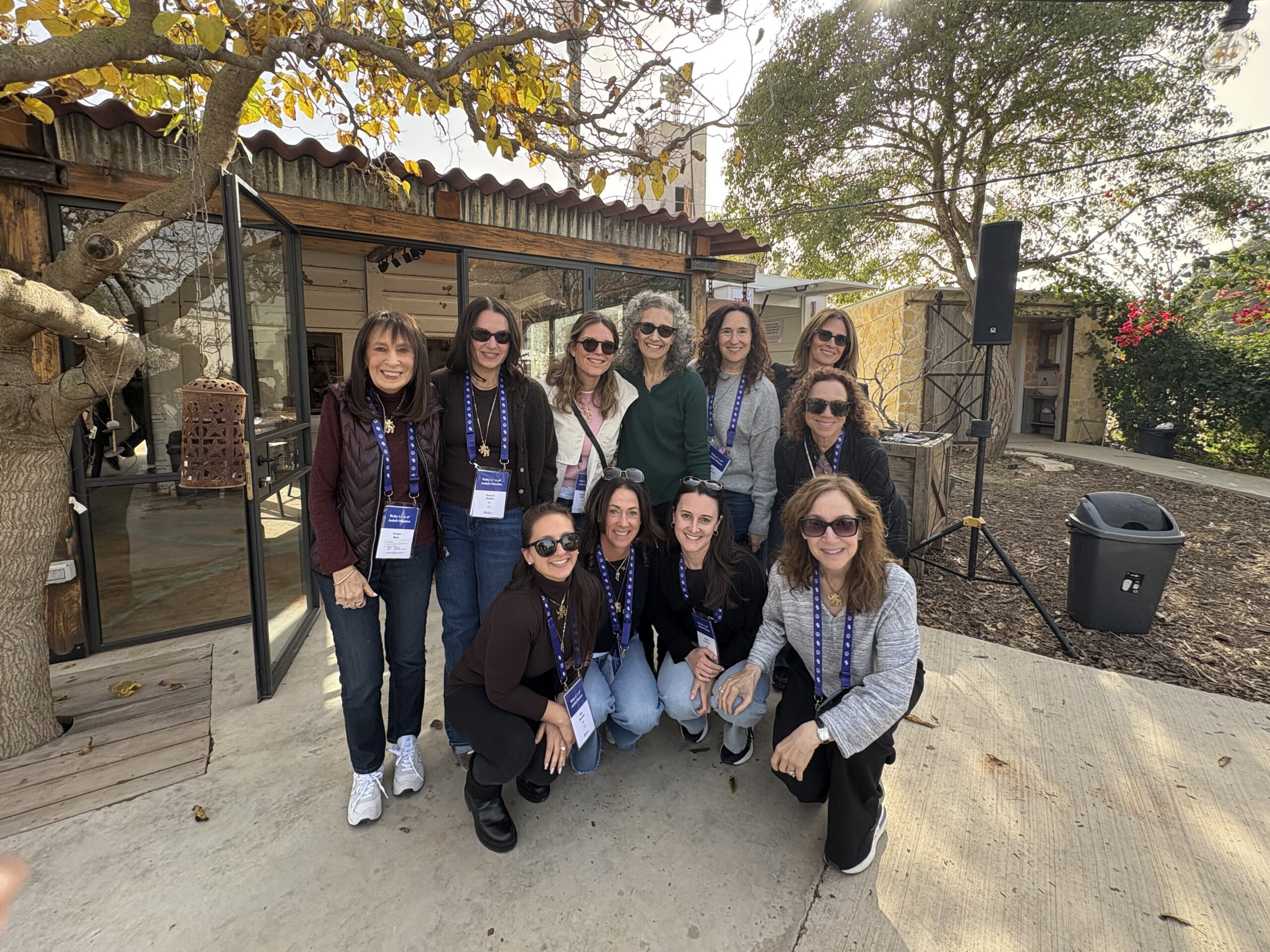
I am with ten amazing women from our community, on a National Women’s Philanthropy mission in Israel. Resilient is the word we keep hearing and seeing. It feels that way, and yet, you can see the cracks of exhaustion and immense sadness. The wife of a reservist said, “We are slowly starting to put our hearts together.”

Our Federation continues to work with partners on the ground.  We support the Jewish Agency for Israel, which operates Youth Futures, in response to the high levels of trauma among children. Research has found that PTSD is high among children: 15% of Israel’s children lived in communities infiltrated by terrorists, and 20% were displaced from their homes for months.

We are the initial investors in the Alin Beit Noam, Ilanot National Rehabilitation Center, a state-of-the-art rehabilitation center that serves Nova survivors, bereaved families, injured soldiers and adults with special needs.

The Israelis are grateful for our commitment. A Nova survivor said, “we want to be the heroes to the heroes of October 7.” Because of you, we are a community of heroes.

This Shabbat will be the first time since October 14, 2023 that we won’t need to say a prayer for the hostages.

Am Yisrael Chai.

Related posts

How Do I Support My Disabled Child With Bar Mitzvah Prep?

How Do I Support My Disabled Child With Bar Mitzvah Prep?

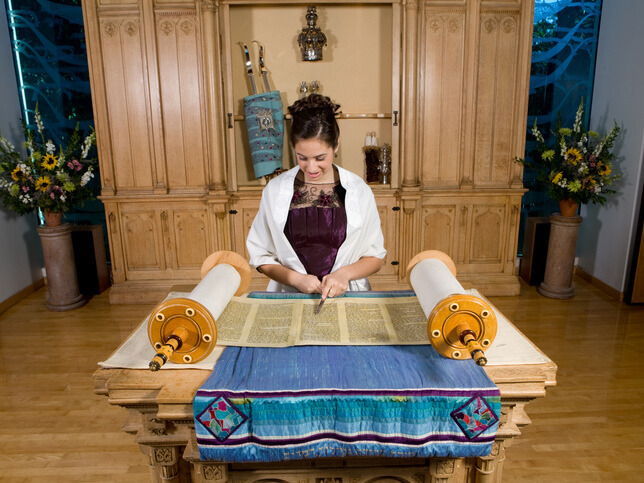
We often think about B’nai Mitzvah as being about the moment when a child gets up, blesses and reads from the Torah, chants haftorah, gives a D’var Torah, and maybe even leads some of the prayers in synagogue. Scenes in film and TV, and perhaps our own experience with family and friends, reinforce the idea that, to become B’nai Mitzvah, this is what one must do. For the parent of a child with learning disabilities or other needs that make following this scenario impossible, marking the milestone might seem inaccessible.

The good news is that, according to Jewish tradition, the only thing that someone has to do to become an adult in the Jewish community is to turn 13 (or, traditionally, 12 for girls). And so, there are many ways to mark this milestone according to the needs of your child.


Read the full post from PJ Library

Related posts

Bringing Israel Closer to Home

Bringing Israel Closer to Home

How Hands-On Israel builds personal connection through people, culture, and conversation

Across Greater Washington, Israeli shlichim (emissaries) are part of everyday Jewish life—showing up in synagogues, schools, JCCs, and community spaces. They share stories, lead conversations, and build relationships that help make Israel feel present and personal.

Hands-On Israel (HOI) is one of the primary ways this connection happens. Led by Federation’s community shlichim who live and work in Greater Washington, HOI offers interactive workshops grounded in conversation and personal experience.

Creating Space for Real Conversation

Hands-On Israel creates space for people to engage with Israel through lived experience and open dialogue. Workshops focus on story, discussion, and shared reflection—helping participants connect in ways that feel grounded, human, and approachable.

Designed for Different Starting Points

HOI is built with the understanding that people come with different levels of familiarity, curiosity, and questions about Israel. Sessions are designed with that in mind, offering context and conversation without assuming prior knowledge or a shared point of view.

Reaching Communities Across the Region

Workshops take place across Washington, DC, Maryland, and Northern Virginia, in partnership with synagogues, schools, JCCs, and community organizations.

Last year, the shlichim hosted 20+ Hands-On Israel workshops across Greater Washington. In the past five months alone, HOI has engaged approximately 150 participants through six workshops, with six additional sessions already scheduled. Several organizations that hosted workshops last year have invited HOI back to experience new offerings, and across settings, participants have asked for sessions to continue.

“After each of the classes, I received requests from our adult learners to please bring them back! Both Maya’s and Tamar’s presentations were thoughtful, engaging, exciting, interactive, and checked all of the boxes.”

A Steady, Long-Term Approach

Hands-On Israel reflects how we approach Israel engagement in Greater Washington: through relationships, conversation, and ongoing connection over time.
This work is part of The Jewish Federation of Greater Washington’s long-term commitment to building meaningful, people-centered connections to Israel across our community.

Learn More About Hands-On Israel

Interested in bringing a Hands-On Israel workshop? Sessions can be tailored to different audiences, ages, and interests, with themes ranging from Israeli culture and identity to facilitated conversation and pre-Israel trip preparation.

Explore workshops

Related posts

Thinking About What Truly Shapes Jewish Life

Thinking About What Truly Shapes Jewish Life

How we might build the next chapter of Jewish community together.

I’ve been thinking a lot about how change happens. What experiences or events have a unique and significant impact on a person’s life? What are the drivers or enablers that can move a community forward? What is needed to shift a trajectory, to address a problem, or seize an opportunity?

I am thinking about this because we live in a moment when we, as a Jewish people, are facing a series of challenges (and opportunities) as our world changes in significant ways. We therefore need to consider our approach when it comes to our work to build a vibrant Jewish community in the DMV.

For the past many years, we have worked hard to identify new programs or strategies that would bring people in. We have sought ideas from the community and funded a variety of new initiatives. And many of these initiatives have been successful. We have partnered with incredible local agencies and synagogues to create new initiatives and bring ideas to life. This work has been eye-opening and worthwhile.

I also want to explore what it might look like for this next period of Jewish life, if we shift our focus from continuing to source new ideas to scaling the initiatives that we know for certain achieve the objectives we have in mind—the ones that over years of study and observation have proven successful in building connection, identity, and community.

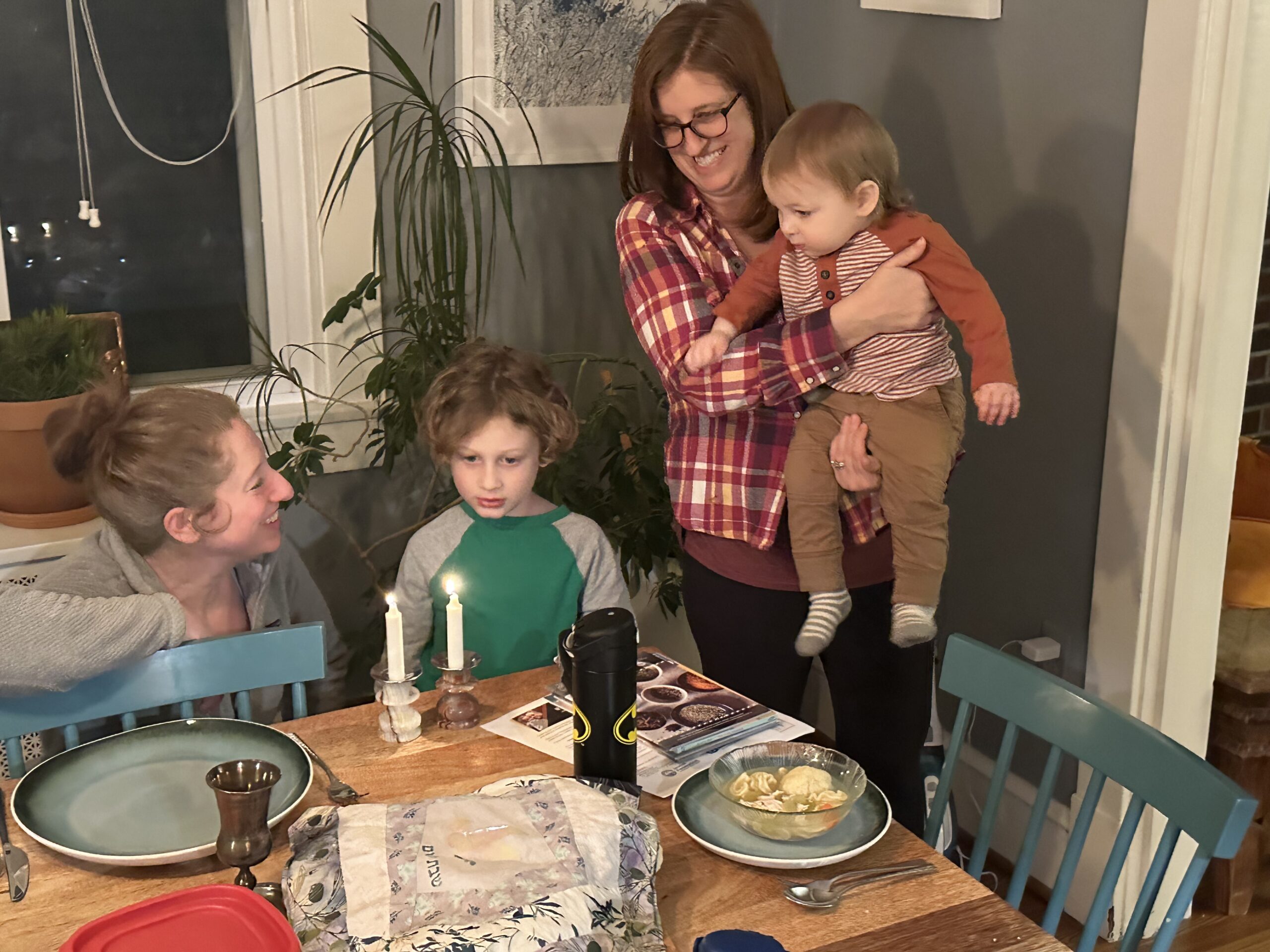
We know that Jewish overnight camp, youth groups, Jewish learning, immersive experiences, especially to Israel, Jewish day schools, and Shabbat dinners all achieve these goals. Moreover, and just as importantly, they are scalable. These may not be the only experiences that have such an impact, but channeling our energy and creativity into each of these six areas could yield tremendous results.

For example, there are currently 3,500 kids in Greater Washington who go to Jewish overnight camp. What impact might we have on the Jewish future if we doubled that number over the next ten years and another 3,500 children and teens experience the joy and community of camp? What if for the next decade, we focus on the proven wins in Jewish life—those things we know to be both high impact and scalable—and bring in many more people to these experiences?

We are currently debating and stress testing these questions internally at Federation and I want to share our thinking with you as part of that process. How does our list of impactful Jewish experiences strike you? Where do you see challenges with our approach? In what ways can the broader community contribute to Jewish engagement?

I look forward to hearing your thoughts. Through it all, know that our core objective remains the same: working together to build a community where everyone feels they belong, can connect deeply to others and the Jewish people, and inspired to shape our collective future.

More to come.

Related posts

Blacklists through the Ages

Blacklists through the Ages
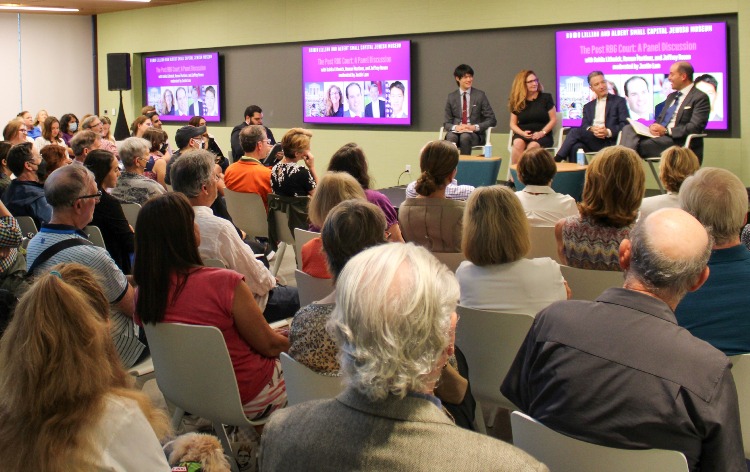
The term blacklist conjures the mid-20th century and Hollywood, but there have been blacklists throughout history, dating back to the 1700s when blacklists were used to prevent “suspicious” people from getting jobs. Since then, there’ve been many varieties of public and private blacklists, ways of forcing people out or keeping them from jobs, opportunities, access and/or security clearances. Join scholars and journalists to explore the uses of blacklists through time and their echoes in contemporary American life. In partnership with Moment Magazine. Image Credit: Panel Conversation at the Capital Jewish Museum, October 2023.

Enduring Music: Compositions from the Holocaust

Enduring Music: Compositions from the Holocaust
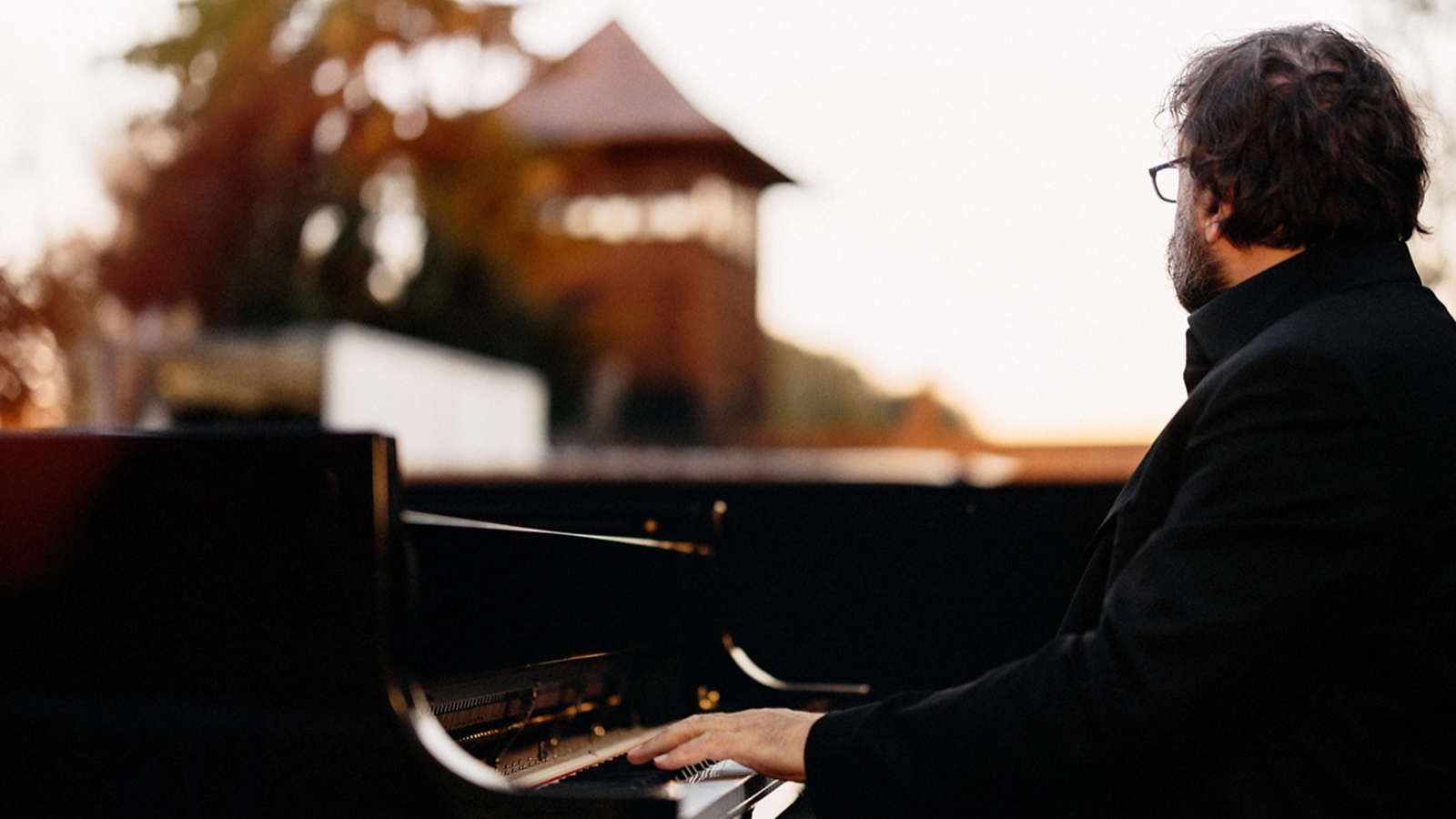
To mark International Holocaust Remembrance Day, the Counter Extremism Project’s ARCHER at House 88 presents a landmark concert of works composed in the ghettos and death camps. These works were composed with dignity more than eighty years ago. We play them today in defiance of a resurgent global antisemitism. This concert will bring classical, folk, and popular music nearly erased by atrocity back into public consciousness through the work of world-renowned composer, conductor, and musicologist Francesco Lotoro.  Written on scraps of paper or transcribed from memory, these works stand as a testament to the cultural brilliance almost extinguished by the Holocaust. The program will include world and U.S. premiere performances from Maestro Lotoro’s archive, honoring and bringing to life a repertoire of music that defied evil and endured. Maestro Francesco Lotoro is an Italian pianist, composer, and conductor who has dedicated over 30 years to collecting, preserving, and performing music composed in concentration camps. Lotoro has painstakingly excavated and cataloged thousands of musical scores, songs, and instruments created by prisoners during the Holocaust, representing a remarkable legacy of resilience and creativity in the face of unimaginable adversity. In recognition of his cultural and historical contributions, Maestro Lotoro has been awarded the title of Chevalier de l’Ordre des Arts et des Lettres by the French Ministry of Culture and Knight of the Order of Merit of the Italian Republic. His collection includes: Over 10,000 musical scores composed in concentration, extermination, and POW camps between 1933 and 1953; 10,000 documents related to music production in the camps, including microfilms, diaries, musical notebooks, phonographic recordings, and interviews with surviving musicians; 5,000 academic publications, essays on concentrationary music, and musical studies produced in the camps; 400 hours of interviews with survivors and their children. Lotoro’s archive also includes numerous musical instruments that were played and hidden by prisoners in the camps—physical representations of the role music played in sustaining morale and resilience.

Unreported Story Society Presents OCTOBER 7

Unreported Story Society Presents OCTOBER 7
A historic performance of “October 7: In Their Own Words”, a powerful 100% verbatim play, drawn directly from survivor testimonies of October 7, 2023 Hamas attacks on Israel. Written by Phelim McAleer and Ann McElhinney, directed by Jeff Gurner and produced by Unreported Story Society, this staged reading presents a story of Israel’s darkest day, but it is also a story of survival, hope and resilience, and fighting back against the forces of darkness.

A Top 10 from last year, looking ahead to 2026

A Top 10 from last year, looking ahead to 2026

I was inspired this week to put together my own Top 10 list as way to look back at 2025 and jump into 2026. I hope you enjoy this snapshot of ideas, content, and ruminations that captured my mind this past year:

  1. The moment that stopped me in my tracks: Watching the return of the last living hostages on October 13 as part of the ceasefire agreement in Gaza. The deal was announced in the days after I had the honor of joining hostage families in praying for their release.
  2. The link I sent to the most people: Dan Senor’s State of World Jewry address at the 92nd St Y.
  3. The books I’m still thinking about: People Love Dead Jews by Dara Horn; Abundance by Derek Thompson and Ezra Klein; and The Marshall Plan by Benn Steil.
  4. The idea that changed my mind: Sometimes the most innovative thing is to scale a known idea rather than create something new.
  5. The question I found myself returning to all year: What does THIS moment call on us UNIQUELY to do as The Jewish Federation of Greater Washington?
  6. The artist I had on repeat: The Idan Raichel Project
  7. The news from Israel that made me smile: Hebrew University scientists discover an RNA molecule that can help fight antibiotic-resistant bacteria. And the top Hebrew baby names in 5785 were Lavie and Avigail, channeling the strength of lions and overwhelming joy.
  8. The assumption I think we’ll need to let go of: That we won’t be able to overcome our divisions and work together to address critical issues.
  9. The offbeat trend that will take hold in 2026: As someone who occasionally finds themselves on the cutting-edge (I had been pushing Fanny Packs for years before their triumphant return), I am going to predict that analog alarm clocks will be all the rage as people begin to resist screens and carve out time away from the digital world.
  10. The top baby name for 2026: Whatever my future grandson is going to be named!

Bonus Round

  • The Federation team’s favorite vocab words: Connection, relationship, or belonging.
  • The paint color Pantone should have picked for color of the year: Pomegranate Red in honor of my homegrown pomegranates I picked from my fruit tree (and let’s add fig, lemon, blueberry, and olive in anticipation of my summer harvest).
  • The best new dish I made: Peruvian Roasted Chicken (I skipped the cilantro sauce).
  • The item that gives me hope: My son having just won his fantasy football league after years of trying.
  • The other item that gives me hope: The depth of commitment in this community to each other and to building a vibrant Jewish community today and for tomorrow. I am constantly in awe of this community and its many incredible people.

Have an answer to any of the above? An offbeat trend prediction of your own? Send them my way, I would love to hear them!

Related posts

Author Sarah Hurwitz, “As a Jew” at Washington Hebrew Congregation

Author Sarah Hurwitz, “As a Jew” at Washington Hebrew Congregation
Bestselling author and former White House speechwriter Sarah Hurwitz joins Washington Hebrew to talk about her second book, "As a Jew" — an urgent and deeply personal exploration of how antisemitism has shaped Jewish identity and her own journey to reclaim her faith. Please join us for a Pre-Amram reception with appetizers at 5:30 pm, followed by the author talk at 6:00 pm.