Need support? Call 703-J-CARING (703-522-7464)

We Asked for This Instead of Party Gifts
We Asked for This Instead of Party Gifts

30 Years Later, It’s Still the Best Decision We Ever Made.
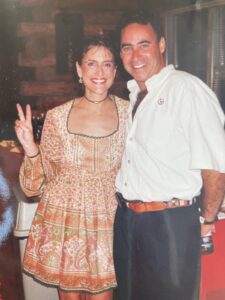
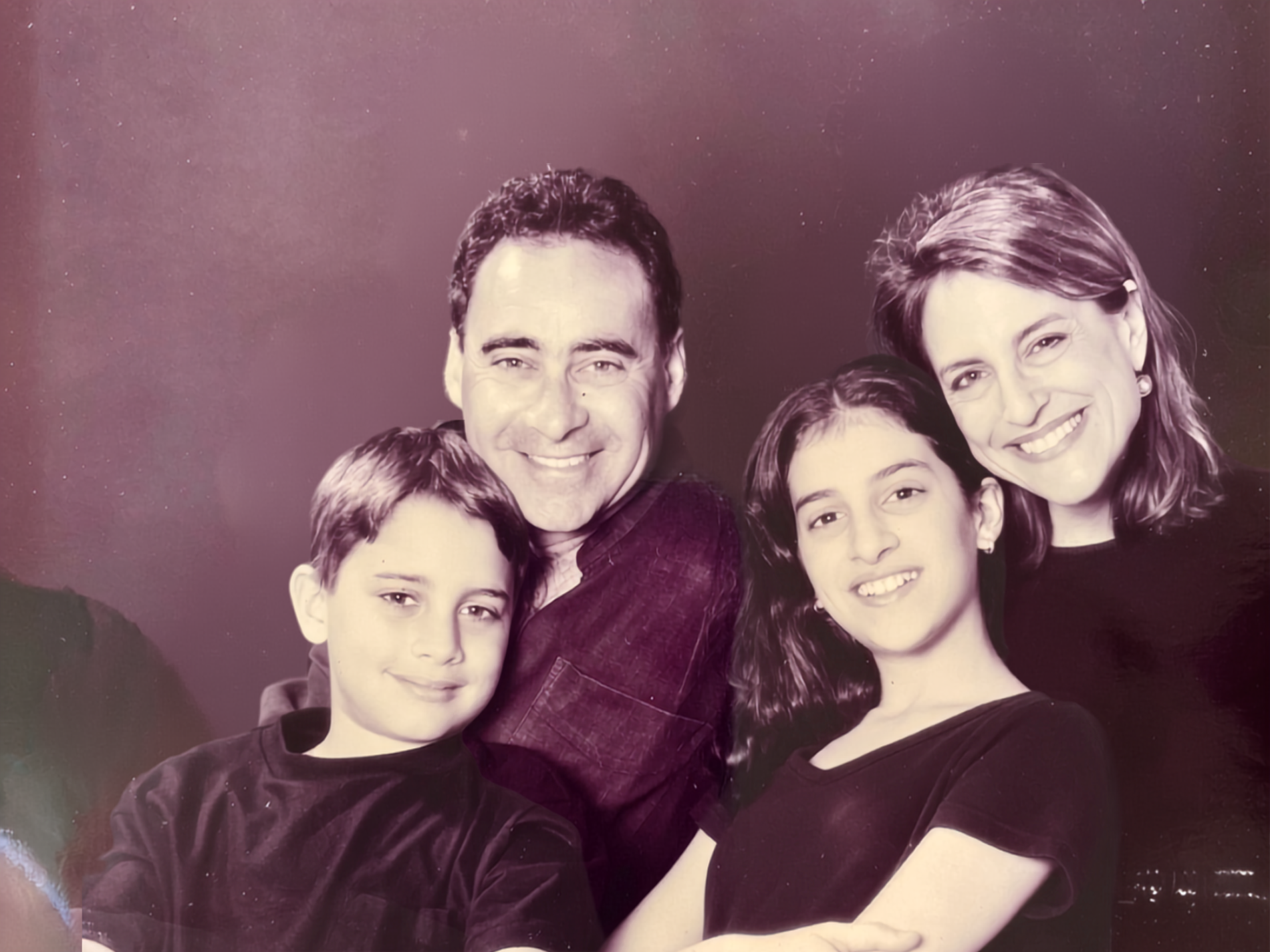
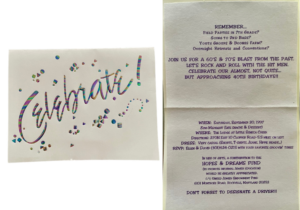
Thirty years ago, my husband, David, and I hosted a party to celebrate our upcoming birthdays. The theme was the 70s, so we dressed up like hippies, brought in a live band, and filled the room with our closest friends (including several future Federation presidents like Robin Weinberg, Mark Levitt, Gary Berman, Liza Levy, and Stuart Kurlander). But as much as we loved celebrating, material gifts weren’t what mattered to us. In the middle of the music and dancing, we hit pause, took the microphone from the band, and talked to our friends about the importance of community and caring for something bigger than yourself. We told everyone: “We don’t want gifts. If you want to celebrate us, make a donation to our new fund.”

We called it the Hopes and Dreams Fund, designated to support informal Jewish education, summer camps, youth groups, and Israel experiences. It was our way of setting the pace for our lives early on, using a joyful milestone to lead with philanthropy and show our peers that you don’t have to wait to make a real impact. That mindset didn’t start with a large bank account or a fancy background. I didn’t grow up wealthy. But I distinctly remember going to synagogue as a child and seeing my parents’ names at the top of the campaign donor lists. They walked the walk. They taught me by doing.

So when my tax advisor sat us down in our 30s and suggested we open a Donor Advised Fund (DAF), I knew there was no place I’d rather establish it than within the Jewish community. I wanted my giving to count toward our collective Jewish reputation for generosity, and I wanted to be a role model for my peers.
I could never have imagined that that early decision would eventually lead to me co-chairing the Jewish Community Foundation of The Jewish Federation of Greater Washington’s Open More Possibilities initiative today.

Open More Possibilities

Looking back, what made all the difference for us was simply having the door opened and being invited in. The Foundation intrinsically understands that same need today—to create space for the next generation of donors to step into their own philanthropic power.

That is why this initiative is so close to my heart. To welcome 100 new fundholders into our Foundation family, the Foundation is making an $1,800 gift to an eligible Jewish or Israeli nonprofit of the donor’s choosing. It’s a true partnership, making it easier than ever for young donors and families to begin their own journey of giving. And once you begin, the impact ripples outward in ways you can’t even predict.

Passing the Torch
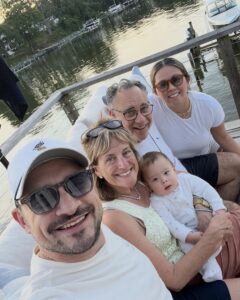
Everything you do sets the tone for the next generation. As people who care deeply about our community, we can’t leave those lessons to chance. We have to be intentional about creating a culture of generosity in our families.

Philanthropy is one of the most powerful ways we put our Jewish values into action. Our values tell us to care for one another, to strengthen our communities, and to take responsibility for the world we hope to build. Giving transforms those values from ideas into action. It offers the next generation a tangible way to understand that their Jewish identity is not just something they inherit. It is something they actively must carry forward.

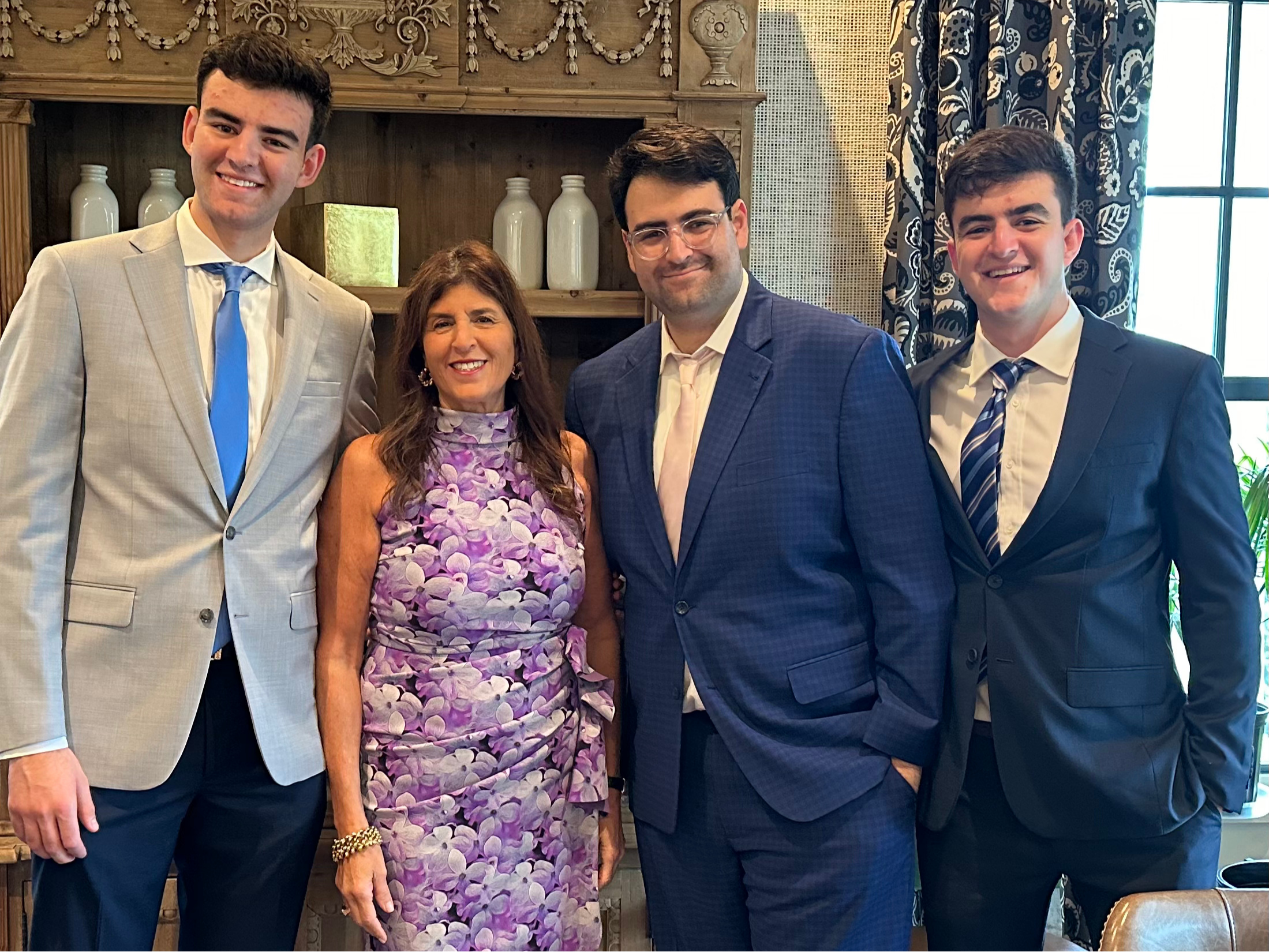
When my son, Evan, reached a milestone birthday, we told him we’d match him dollar-for-dollar if he opened his own DAF. He did. Helping him enter his own philanthropic journey was one of my proudest moments as a mother. Now, as a grandmother, I’m already thinking about my grandchildren. I plan to open Donor Advised Funds for them through Open More Possibilities because I want philanthropy to become part of their story, too. My wish for them is to grow up seeing generosity as a lifelong expression of their Jewish identity.

Bringing Light to the World

There is also a powerful statement made when you give through a Jewish foundation. Over the years, I’ve had non-Jewish charities call to thank me for a grant and mention, “We saw the check came from the Jewish Community Foundation.” Raising that visibility, showing the world how Jewish givers support the broader community, is more vital now than ever.

Since October 7, saying the world has felt heavy is an understatement. But we don’t have to dwell in the dark. The simple act of giving gives us the strength to say: We will persevere. We will not just survive; we will thrive. Giving fills you from the inside out. It offers energy, hope, and purpose. For me, philanthropy is a spiritual experience. It bubbles up in my throat. The more I give, the more I receive.

Becoming one of the 100 new DAF holders opened through this campaign means taking a step as a leader. Deciding to take your hard-earned resources and invest them in the future shows the world, and your family, exactly who you are.

I once read a quote that said you make a living by what you get, but you make a life by what you give. Looking back over my life, I know that to be true in my bones. I can’t imagine a world where I didn’t want to leave things better than I found them.

Building the Future by Investing in Philanthropy

I know opening a Donor Advised Fund is an important decision that requires a meaningful commitment. That’s why Open More Possibilities matters so much to me. By making an additional $1,800 gift, the Foundation is recognizing the importance of that investment and taking the first step alongside every person who decides to open their first DAF. It’s a way of showing that our community is with you from the very beginning.

I hope these first 100 fundholders won’t be the end of the story. I hope they’ll become mentors, role models, and teachers. I hope they’ll inspire their children and someday their grandchildren to carry these values forward. That’s how we strengthen Jewish life, not only for today, but for generations to come.

I invite you to join us. Make an investment in philanthropy, in our community, and in the future we will build together. Let’s Open More Possibilities—for ourselves, for the next generation, and for the Jewish people.

This reflection was originally posted by Jewish Community Foundation of The Jewish Federation of Greater Washington.
Related posts

A Full Table for a Sweet New Year

A Full Table for a Sweet New Year

There are certain tastes that make it feel like Rosh Hashanah.

An apple dipped in honey. The jewel-like seeds of a pomegranate. A round challah, golden and sometimes studded with raisins. Glazed sweet potatoes. A melt-in-your mouth holiday roast or brisket. And the simanim, the symbolic foods placed on the table with hopes and blessings for a sweet, abundant year ahead.

A Rosh Hashanah table brings magic to Jewish families. Candles flickering. Familiar recipes making their annual appearance. Plates being passed around. Full bellies, full hearts, and the simple joy of being surrounded by loved ones.

This Friday night, community members across Greater Washington will gather around their tables to welcome the Jewish New Year.

For families who keep kosher, especially larger households, preparing that table can mean buying significant quantities of kosher meat, produce and holiday staples, and the costs can add up quickly. For families already feeling financial pressure, the High Holidays can bring an added burden at a time that is meant to be filled with joy.

That’s where Yad Yehuda, a partner of The Jewish Federation of Greater Washington, comes in.

How Yad Yehuda is Bringing Joy this High Holiday Season

Thousands of individuals across the Greater Washington Jewish community rely on Capital Kosher Pantry, the region’s only kosher food pantry, for support provided in an atmosphere of dignity and respect. A program of Yad Yehuda, the pantry provides fresh produce, proteins, shelf-stable groceries and personal care items, restocked weekly.

But Rosh Hashanah requires something more. “We want people to be able to celebrate the holidays without worrying about how they’re going to afford them,” says Stephanie Savir, Director of Operations at Yad Yehuda.

In the days leading up to the holiday, Yad Yehuda mobilizes its entire network to make that possible. Kosher food providers, dozens of volunteers, companies, synagogues, other food pantries and community partners come together to help fill the pantry’s shelves and freezers.

Packing for a Sweet New Year with the Capital Kosher Pantry

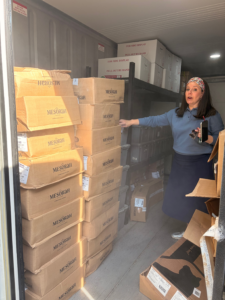
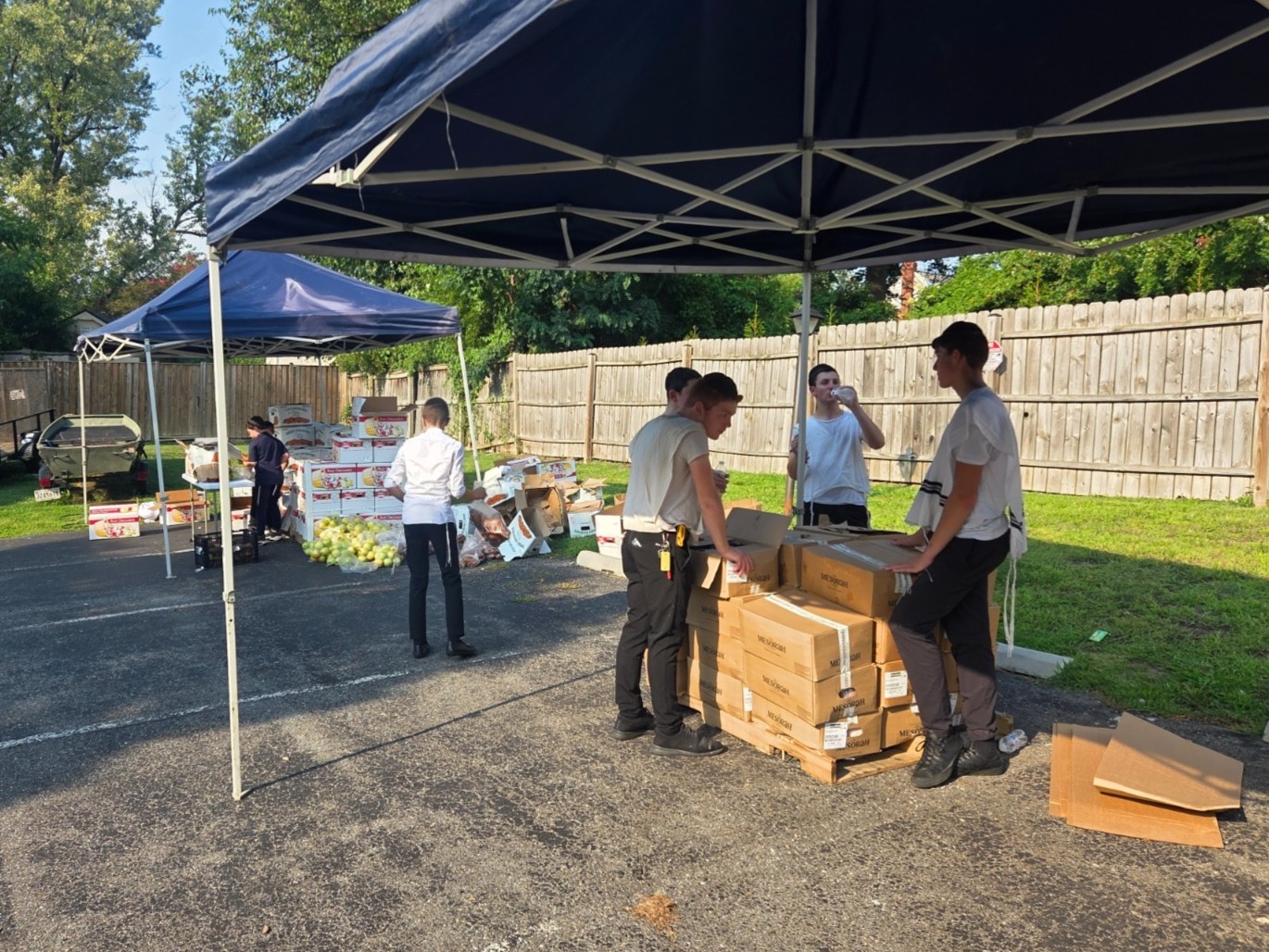
Community members have spent the week working side by side volunteering to unload deliveries, sort enormous quantities of food, pack Rosh Hashanah boxes and prepare them for distribution.

Thanks to support from Federation, pallets of fresh produce have arrived by the thousands of pounds. Cold storage has been filled with roasts and chicken. More deliveries continue to arrive as the holiday approaches.

It takes an entire community to prepare for a holiday at this scale. And this is exactly the kind of work that happens when Federation’s partnership with a local organization extends into active community engagement.

Yad Yehuda expects this year’s Rosh Hashanah distribution to reach approximately 1,600 to 1,800 individuals.

The Capital Kosher Pantry has grown considerably since its beginnings as a small food closet. Today, the organization operates a dedicated facility with multiple refrigeration units, a 20-foot freezer container, pantry, and other services designed to meet the needs of the community. During the year, it runs much like a small grocery store, where patrons can confidentially schedule appointments and select foods for their households.

A Community that Brings Light to Everyone

Supporting a thriving Jewish community in Greater Washington means making sure people can participate fully in Jewish life in ways that reflect who they are. For families who keep kosher, that means having access to kosher food.

For those celebrating Rosh Hashanah, it means having the ingredients to prepare the foods that carry generations of meaning.

And for all of us, it means making sure that financial circumstances do not determine who gets to experience the joy and traditions of the Jewish holidays.

That is why Federation is proud to support Yad Yehuda. By strengthening the organizations that understand the distinct needs of our community and are there to meet them, Federation ensures we are not only present in moments of crisis, but in the ordinary, deeply meaningful moments that make up Jewish life.

This is what it means to make room for everyone at the table. Together, we can make sure that, regardless of circumstance, anyone in our community can celebrate, participate, and create their own Rosh Hashanah memories.

Learn more about Yad Yehuda’s food pantry here.

Related posts

Turning Gratitude Into Legacy

Turning Gratitude Into Legacy

The Summer I Connected with My Jewish Identity

When I look back at the arc of my life, I can trace the trajectory directly to a single summer when I was 17 years old.

Growing up in a Reform Jewish home in New Jersey, we celebrated a few holidays, I went to Sunday School, and I participated in my youth group, but being Jewish was not the engine driving my daily world. That shifted the summer I boarded a plane to Israel on a North American Federation for Temple Youth (NFTY) trip for six weeks, made possible by my Rabbi who helped me secure a scholarship from Jewish Federation of Greater MetroWest NJ.

I still remember the feeling of stepping off that flight into the Mediterranean heat. Out of nowhere, that classic teenage sense of independence collided with something vastly bigger than myself. A sudden, overwhelming realization that I belonged to a global family. I wasn’t just a teenager on summer vacation. I was part of a living history.

That single journey completely altered my path. It sparked a lifelong love for Israel and Zionism, inspired me to eventually buy a second home there, and set the entire course of my professional life in Jewish community work.

None of that happened by accident. Years before I stepped onto that plane, people I would never meet decided to invest in the Jewish future. They made sure a scholarship existed for a 17-year-old girl from New Jersey who didn’t even realize how much she needed it yet.

The Seeds Planted on Desert Soil

That summer shaped everything that followed. Fresh out of school, I took my first professional job at the United Jewish Appeal (UJA) in New York City (where one of my sons is currently working), launching my career in fundraising. Later, from 1988 to 1990, I worked right here as the Missions Coordinator for The Jewish Federation of Greater Washington. Having experienced the magic of an Israel trip firsthand, helping others embark on those same eye-opening journeys felt deeply full-circle.
Over the years, whether serving on the national Board of Directors for AIPAC or maintaining a home in Israel, my connection to our people has remained the heartbeat of my life.

Paying it Forward

What keeps me involved with The Jewish Federation of Greater Washington today is twofold: the remarkable dedication of the staff who steward this work every day, and a fundamental desire to pay my origin story forward. Because I was the beneficiary of a scholarship that changed my life, I want to make sure the next generation has those same opportunities to discover and deepen their Jewish identity.

When most people hear the word legacy, they think about looking backward, a summary of a life already lived. But as a mother, that’s not how I see it at all.

For me, legacy is entirely about what comes next.

It’s the same instinct that kicks in when we think about our children’s futures. We save, we plan, and we do everything in our power to ensure that when they step out into the world, the safety nets, opportunities, and communities they need will be waiting for them. We have an opportunity to make our own legacy—and for who better than our children?

Leaving a gift to the Jewish community in my estate plans is simply an extension of that same maternal care. Just as I think about my own children’s future, I feel a responsibility to invest in the community they will inherit years from now.

Join Us

Today, you can make that same lasting impact on our community by creating a Jewish legacy. August is National Make-A-Will Month, a timely reminder that taking a few moments to outline your wishes is a powerful way to protect what you love most and secure our shared future.

When I think about the adversity the Jewish people continue to face, I recognize the strength, persistence and fortitude that all comes from being in a community. Federation plays a significant role in helping sustain and strengthen our community.

By leaving a legacy gift with Federation, you can spark a young person’s journey, inspire a lifetime of Jewish commitment, and ensure that when the next 17-year-old gets on a plane to Israel, feeling invincible and curious, a vibrant, welcoming community is right there waiting for them when they return.

To learn more and receive guidance on leaving a legacy gift, visit shalomdc.org/legacy or contact Natalia Straus, Senior Director of Major and Legacy Giving.

Related posts

The Winter Bella Thought She Would Face Alone

The Winter Bella Thought She Would Face Alone

In the August heat, winter feels worlds away.

But think back to the coldest day of last winter in Greater Washington: the biting wind, the layers of clothing, the rush to get back indoors. Now imagine facing those temperatures while worrying whether you’d have reliable heat at all.

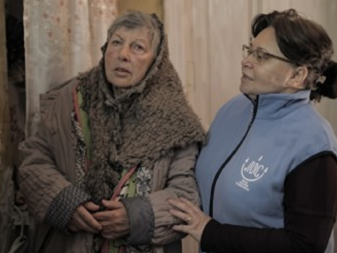
That was the challenge confronting 79-year-old Bella in Odesa, Ukraine, who spent last winter doing everything she could to stay warm.

She turned on her electric heater, but only in the room where she slept. She watched it carefully, knowing every extra minute of warmth came with a cost, as electricity prices have soared since the outbreak of the war in 2022. When the cold became too much, she filled bottles with boiling water and placed them in her bed, letting them provide a little warmth through the night.

But she could not stay in bed all day.

“It gets terribly cold here,” Bella says. “One winter it was only [43 degrees Farenheit]… inside.”

Bella has lived her entire life in the same century-old building, a home that has witnessed decades of history and family memories.

But in recent years, the sounds outside her window have changed.

The war has brought a new reality to Odesa’s elderly Jewish community. Air raid sirens. Attacks on critical infrastructure. Power outages that leave homes dark and cold for hours, sometimes days.

For Bella, who lives alone and depends on a small pension, every disruption creates another worry. Will she be able to afford her medicine? Will she have enough food? Will she be able to stay warm?

But even in the darkness, Bella is reminded of something important. She is not alone.

A Lifeline Across the Ocean

Thousands of miles away, members of The Jewish Federation of Greater Washington community are helping ensure that elderly Jews like Bella are cared for. Thanks to support from Federation’s unrestricted Annual Campaign and grants from its Jewish Community Foundation, the American Joint Distribution Committee (JDC) can provide Bella with essential winter assistance, food, and medication.

Last winter, the help allowed Bella to use her limited income for heating and other necessities, but the impact went far beyond what arrived at her door. It told her that someone remembered her. That someone cared. That she remained part of a Jewish community, even across continents. This month, Odesa has faced waves of horrible attacks. An overnight Russian missile and drone strike earlier this month damaged residential buildings and other infrastructure, leaving people injured and disrupting power and water in parts of the city.

More Than a Number

Bella is one of thousands. In 2025, Federation helped JDC provide lifesaving support to 5,077 elderly Jews throughout the Odesa region, including 847 Holocaust survivors.

Numbers help us understand the scale of a crisis. But they cannot tell us what it feels like to sit alone in a cold apartment, or what it means when someone knocks on your door to help.

Behind every number is a story. There is also Lyudmila, 79, who lives alone and relies on support to afford her medications, food, and utilities. With a monthly pension of only $104, Lyudmila knows exactly how quickly costs can add up.

“I use my JDC bank card to buy my medications,” she says. “Then I can purchase food and pay for utilities from my pension. Without the bank card, I wouldn’t be able to afford the treatment I need to survive.”

Warmth That Goes Beyond the Heater

In Odesa, warmth comes in many forms. Sometimes it is a package delivered to someone’s door. Sometimes it is medicine that makes an impossible choice a little easier.

And sometimes, it is simply a visit.

JDC’s homecare workers provide practical support to frail and homebound seniors, helping with cooking, laundry, errands, and personal care. But their presence offers something equally important: companionship.

A conversation. A familiar face. The reassurance that someone is still looking out for you. This is what Jewish responsibility looks like in action. Kol Yisrael arevim zeh bazeh—all of Israel is responsible for one another.

Keeping Jewish Life Alive

Even after years of crisis, Odesa’s Jewish community continues to find moments of joy. Last year, as Rosh Hashanah approached, seniors gathered with younger generations through Kesher Dorot, a program designed to connect older adults with children and families.

Together, they painted pomegranate paintings by the sea, creating something beautiful while celebrating the traditions that have carried Jewish communities through generations.

For a moment, the war was not the center of the room. Community was.

Because survival is about more than having enough food, medicine, or heat.

It is about knowing you have a family.

They Are Counting on Us

Just this weekend, Odesa faced another wave of horrible attacks. An overnight Russian missile and drone strike damaged residential buildings and other infrastructure, leaving people injured and disrupting power and water in parts of the city.

For people like Bella and Lyudmila, the war is not something they read about in the news. It is the sound of explosions outside their windows. The overwhelming fear that at any minute it may be their home blasted into ruins. It is a dark, freezing apartment when the power goes out, and the rising cost of the food and medicine they need to stay alive.

And it is why our support matters now more than ever.

Through The Jewish Federation of Greater Washington, you can help JDC continue to save lives in Ukraine, providing food, medicine, winter assistance, homecare, and the human connection that reminds people like Bella and Lyudmila that they have not been forgotten.

There are thousands more stories like theirs. And when you give to Federation, you help make sure we can be there for them.

Related posts

The Strength of Jewish Peoplehood

The Strength of Jewish Peoplehood

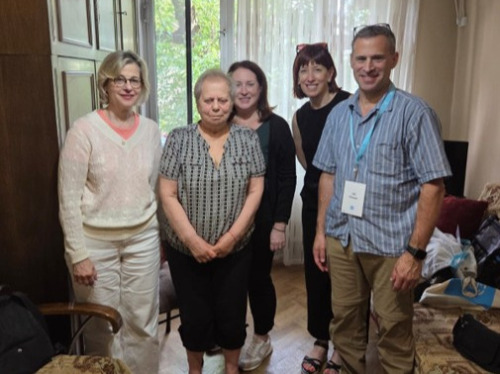
Earlier this month I traveled to Ukraine, Georgia, and Poland with a group of Federation executives to see firsthand the work our community makes possible through our partnership with JDC, The American Jewish Joint Distribution Committee, one of the leading Jewish humanitarian organizations. I am still reflecting on our time but wanted to share three things I learned:

There was a strong sense of optimism among the Ukrainians we met.

Although we only ventured as far as western Ukraine, which is quieter than other parts, the effects of the war were ever-present. We spoke with several families who had been uprooted several times in the last 15 years as the conflict has expanded, and others in the midst of rebuilding their lives.

And still, I was struck by how optimistic the community was about the future. Displaced or not, they had each other. The relationships they formed gave them a sense of purpose and a community to both sustain and rely upon.

The Jewish community in Georgia is an ancient Diaspora community, dating back 2,600 years to the Babylonian exile.

In Ukraine, I was inspired by people rebuilding Jewish life after displacement. In Georgia, I was equally inspired by a community that has preserved Jewish life for more than two millennia.

Though histories vary across countries, the story of Eastern European Jewry is one of extraordinary resilience alongside extraordinary tragedy. Through World War I, the Holocaust, decades of Soviet repression—when Jews were not allowed to practice openly—and countless other hurdles, these communities have had to swim against the current of history to hold onto their traditions, their identity, and one another. This has not been easy, and many Jewish communities in the region are much smaller than they once were. But there are signs of renewal, thanks to the efforts of young leaders on the ground, dedicated organizations like JDC, and communities like ours who care about investing in global Jewry.

JDC has been doing amazing work for a long time—thanks to partners like Federation.

I saw photos from 1919 of JDC feeding war refugees in Poland. And some from 1940 showing JDC workers providing basic goods and clothing to the Warsaw Ghetto (the organization even helped fund the 1943 Warsaw Ghetto Uprising). For over a century now the Jewish people have come together to care for the vulnerable, in response to and despite immense global challenges.

This work is still being done today while evolving to meet emerging needs. For instance, we visited one of JDC’s Hesed welfare centers in Ukraine, established after the fall of the Soviet Union to care for elderly and vulnerable Jews. There, we heard about how the local Jewish community is serving those in need while also expanding their mental health offerings, refugee services, early childhood programs, and more.

I am deeply grateful to all the JDC team members who welcomed us and to everyone who shared their stories. I also want to extend a heartfelt thank you to everyone who helps make the amazing work underway happen through their support of Federation.

We talk all the time about investing in Jewish life and making good on the belief that we are all responsible for one another. This trip allowed me to see this promise in action. My time confirmed that one of the Jewish people’s greatest strengths is our willingness to show up for each other—a tradition as vital today as it has ever been.

P.S. I only scratched the surface here. If you’d like to hear more about the remarkable people I met and see additional photos from the trip, I hope you’ll watch the recording of our webinar. And if these stories remind you, as they did me, of what’s possible when we show up for one another, I invite you to support Federation’s Annual Campaign. Your generosity helps make partnerships like this a reality.

Related posts

A Tu B’Av Story: Finding Love in DC

A Tu B’Av Story: Finding Love in DC

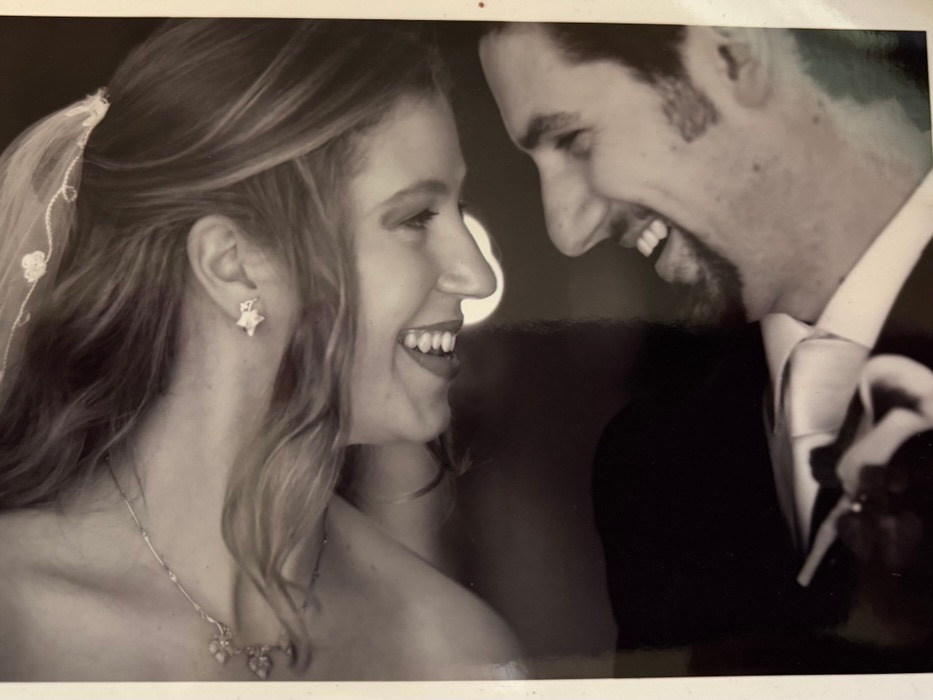
Tu B’Av is a time to celebrate love, connection, and the bonds that bring us together. This year, we’re highlighting a Jewish love story from our Federation community—showcasing the ways Judaism continues to shape the lives we build together.

Looking for Community

When Vanessa Sax moved to DC after college, she wasn’t looking for love. She was looking for community.

After settling into her first apartment on her own, she sought out ways to connect with Jewish life in her new city. So, she found and signed up for a DCJCC softball team.

It turned out Vanessa wasn’t the only newcomer.

Among the returning teammates was just one other new player: the man who would later become her husband.

One ‘Shalom’ Changed Everything

Like many great love stories, Vanessa and Kasey’s story didn’t begin with a grand romantic gesture. It began over post-game happy hours, where teammates gathered after each softball game.

During one of those happy hours, the two found themselves deep in conversation about Otter Pops (Freeze Ice if you’re on the east coast) and $1 beers and $2 grilled cheese sandwiches at a bar in Adams Morgan. “We spent the rest of the happy hour talking about many, many different topics,” she recalls.

As he walked her back to her car, a passing cab driver rolled down his window and enthusiastically shouted, “SHALOM!”. The unexpected greeting gave her exactly the opening she needed. Vanessa sent Kasey an email that simply began, “Shalom!” and invited him out to hunt for Otter Pops and for more $1 beers and $2 grilled cheese.

“He claims he was going to ask me out,” she laughs, “but I beat him to it!”.

Twenty-two years later, she says the story proves what they’ve both known all along: she’s the risk-taker in the relationship. That willingness to take chances led to a partnership built on curiosity, encouragement, and a shared commitment to growing together.

Vanessa admires Kasey’s endless desire to learn. Whether he’s mastering a new recipe, tackling a home repair, or teaching himself how to make Rummikub tiles by hand (mahjong tiles are next, she says), he approaches each new challenge with creativity and enthusiasm. “He loves learning and trying new things”.

Building a Jewish Home

That same spirit has shaped the Jewish life they’ve built together.

Today, celebrating Jewish holidays and passing along Jewish traditions to their daughters are at the heart of their family. Like many families, their extended relatives observe Judaism in different ways. Yet together, they have created traditions that belong uniquely to their own household while remaining deeply connected to generations that came before them.

A Chuppah Stitched with Love

One of those traditions quite literally surrounded them on their wedding day.

Instead of purchasing a chuppah, they created one together with the people they loved. Family members and friends each designed a fabric square, while her mother-in-law and sister-in-law lovingly stitched them together into the canopy beneath which they were married.

The chuppah still hangs in their home today.

“I would love for our girls to get married under it if that is their path in the future,” she says.

For Vanessa, sharing a Jewish life with her husband is about more than celebrating holidays or observing traditions. It is about sharing a history, a language of experiences, and a sense of belonging that continues to grow as their family grows.

She grew up in New York. He grew up in Los Angeles. Together, they built a life in DC. Although they came from opposite sides of the country, they quickly discovered that the Jewish community has a way of making the world feel smaller.

Finding Purpose Through Community

Years later, that same sense of belonging inspired Vanessa to make Jewish community-building her career. After working in commercial real estate, she took a leap of faith into Jewish communal life, deciding to join The Jewish Federation of Greater Washington—a move Kasey supported wholeheartedly.

Today, she serves as Federation’s Senior Director for Strategy and Community Building in Northern Virginia, helping others find the same sense of connection that first brought her to a softball field all those years ago. Learn more about Federation’s work in NoVA.

Weaving the Next Generation

“Jewish geography is a wonderful tapestry to be a part of,” she says.

It’s a tapestry she hopes her daughters will continue weaving as they build lives of their own: carrying with them the traditions, relationships, and sense of belonging that began with one decision to join a Jewish softball team.

This Tu B’Av, we celebrate not only the moments that bring people together, but the Jewish communities that help those moments become lifelong stories. Sometimes, finding your place in the Jewish community can lead to finding the person with whom you’ll build a Jewish future. And sometimes, it inspires a career dedicated to helping others find that sense of belonging, too.

Related posts

Eat Well, Do Justice!® 2026 – Spice It Up Sephardic!

Eat Well, Do Justice!® 2026 – Spice It Up Sephardic!
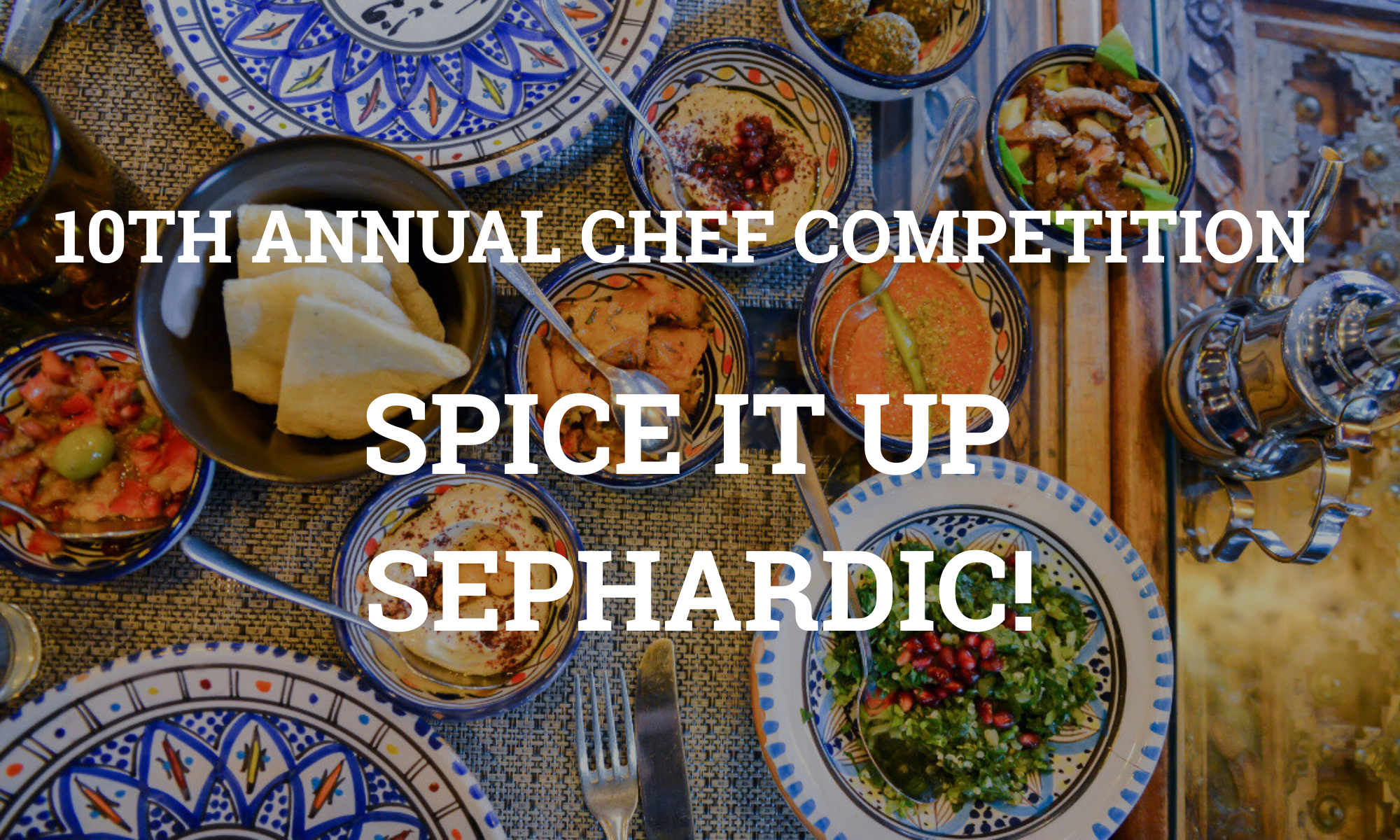
Join us for Tzedek DC’s 10th annual Eat Well, Do Justice!®, bringing together food lovers, community leaders, and supporters of justice to advance Tzedek DC’s mission. This signature fundraising event returns with a chef showdown for the ages, featuring creative takes on Sephardic cuisine—a rich culinary tradition spanning the Mediterranean, Middle East, and North Africa—alongside an outstanding roster of guest judges and musicians. Past Eat Well, Do Justice!® events have sold out, so we encourage you to purchase your ticket or sponsorship early. Together, we’re building a DC where everyone has access to the legal and financial tools they need to thrive. Whether or not you can attend, we hope you’ll consider making a gift in support of this work. Your support helps Tzedek DC provide direct legal services, financial empowerment programs, and advocacy that help DC residents build long-term financial stability. Visit tzedekdc.org/ewdj for more program information and other FAQs. The event address, which will be in DC's NoMa neighborhood, will be shared in advance with attendees, and other security measures will be in place at the event. We’re grateful for your involvement and look forward to seeing you on September 14.

There Are So Many Ways to Be Jewish: A Reflection from Mexico City

There Are So Many Ways to Be Jewish: A Reflection from Mexico City

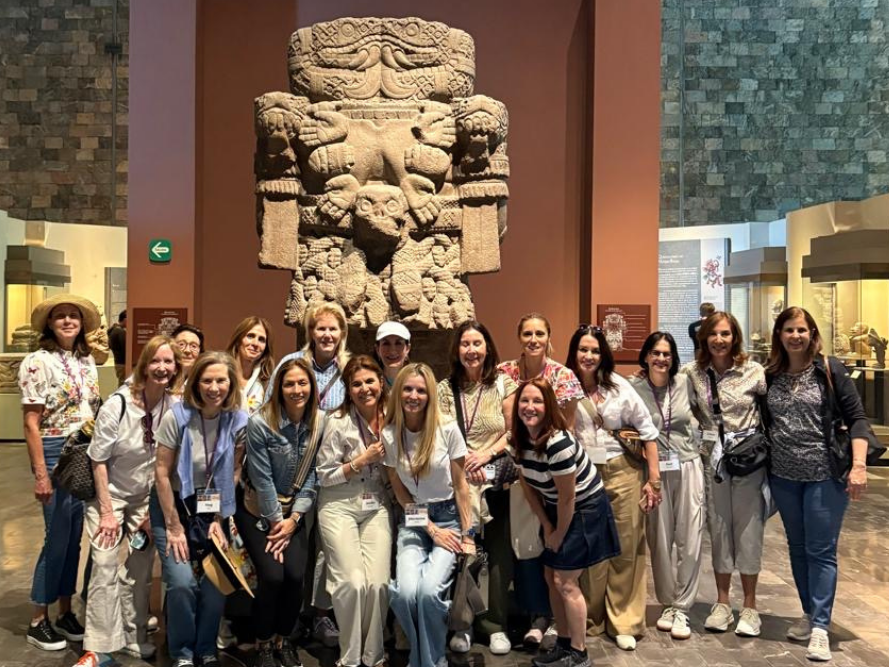
While touring one of the oldest synagogues in Mexico City on our recent Women’s Philanthropy mission, our guide said something that has stayed with me.

“There are so many ways to be Jewish.”

That is the beauty of Judaism. There is no single way to feel connected, to be seen, or to create meaning within this religion and this community. There are countless ways. While I had heard that before, standing where I was standing, surrounded by the people I was traveling with, it landed differently. It felt truer than ever.

As co-chair of the Jewish Federation of Greater Washington’s Women’s Philanthropy Mission to Mexico City, I had the privilege of helping lead a group of extraordinary women through an experience that moved between history and contemporary Jewish life—from walking through the historic center of Mexico City and visiting long-standing synagogues, to spending time at community institutions like the Centro Deportivo Israelita and Olami ORT, where Jewish life is actively being shaped for the future.

Everywhere we went, we saw that truth reflected back to us. We visited organizations and communities that have built something remarkable for the people they serve, each one shaped by its own history and its current needs. I left inspired by the reminder of what is possible when people decide to build.

Finding My Place

Lindsay Karr and Jessika Wellisch, Co-Chairs, Federation’s Women’s Philanthropy Mission to Mexico City

I have carried that feeling home, and it has me thinking about all the ways I can create my own Jewish identity within the communities I belong. As a parent raising three Jewish children. Within my close circle of friends. In my community here at home. And in the wider work of Federation, both in DC and at the national level. The trip gave me a new lens for seeing my own role, not as someone who simply participates, but as someone who can help build and shape what comes next.

And of course, what I will remember most is the people.

The Best Conversations Happened in Traffic

This trip was, at its heart, about building connection. And yes, we spent more than our fair share of time on the bus, moving between sites like Xochimilco, Casa Gilardi, and neighborhood community spaces, but even that became part of the experience. Those hours gave me the chance to truly get to know so many of the women on the trip.

To me, that is what being Jewish has always been about: relationships and connection.

I am deeply grateful to have served as a co-chair of this experience, and even more grateful for the people who made the journey alongside me. I returned home inspired to keep creating, and to keep building the connections that hold our community together.

There Are Countless Ways

One of the things I value most about Federation is that it creates space for each of us to explore our Jewish identity in ways that are meaningful to us. Whether through Women’s Philanthropy, travel experiences like this one, or the many opportunities to learn, connect, and give back throughout the year, there are countless ways to find your place and help shape our community.

If you’re curious about where your own Jewish journey might lead, I hope you’ll consider joining a future Women’s Philanthropy event or mission. You never know which conversation, which community, or which moment will stay with you long after you have returned home.

Looking to experience the power of Jewish community firsthand? Learn more about Federation’s giving societies like Women’s Philanthropy, or find a local event through our Community Calendar.

Related posts

Why I Leaned into the NoVA Leadership Cohort

Why I Leaned into the NoVA Leadership Cohort

I’ve spent a lifetime experiencing the incredible, vibrant diversity of the Jewish world. I grew up Conservative in Toronto, navigated Reform spaces in Anaheim after my family moved there when I was nine, engaged with Chabad, and even spent time backpacking through Israel, staying on my family’s kibbutz.

Moving around as much as I have, I’ve seen just about every model of Jewish community layout imaginable, from tiny, 20-family pockets with a traveling rabbi to massive communities where people only show up for the High Holidays. Experiencing that full spectrum also gave me a deeper understanding about what makes a Jewish community thrive.

When my family and I moved to Alexandria right before the pandemic, we knew it was time to finally put down deep roots and find a true home in our local community. I jumped into leadership, eventually chairing several committees at Beth El Hebrew Congregation. But while I loved my synagogue, I couldn’t shake a familiar feeling: NoVA’s Jewish community was missing out on key opportunities to come together.

The structures we’ve inherited naturally build walls between community leaders throughout our region. But the reality is, leaders across our different NoVA organizations actually want to work together. At our core, we are facing the same challenges and chasing the same goals. We are more alike than we realize and are stronger and more effective together. We just needed the space, the trust, and the opportunity to do it.

That opportunity came for me when I learned about Federation’s Northern Virginia Leadership Cohort from Carly Rubenstein, Board President at Beth El. She told me it was something I’d find fascinating and impactful for my work in the community. I didn’t know a single other person who had signed up for it, but I decided to take the leap.

Professional-Grade Tools for Community Transformation

I recently took six months off from the corporate world to dedicate myself fully to volunteering as a leader in Jewish communal work, so I wasn’t looking for a casual networking mixer. I wanted something substantial. To my surprise, the caliber of this Federation program ranked right up there with the absolute best professional development trainings I’ve ever done in the corporate sector.

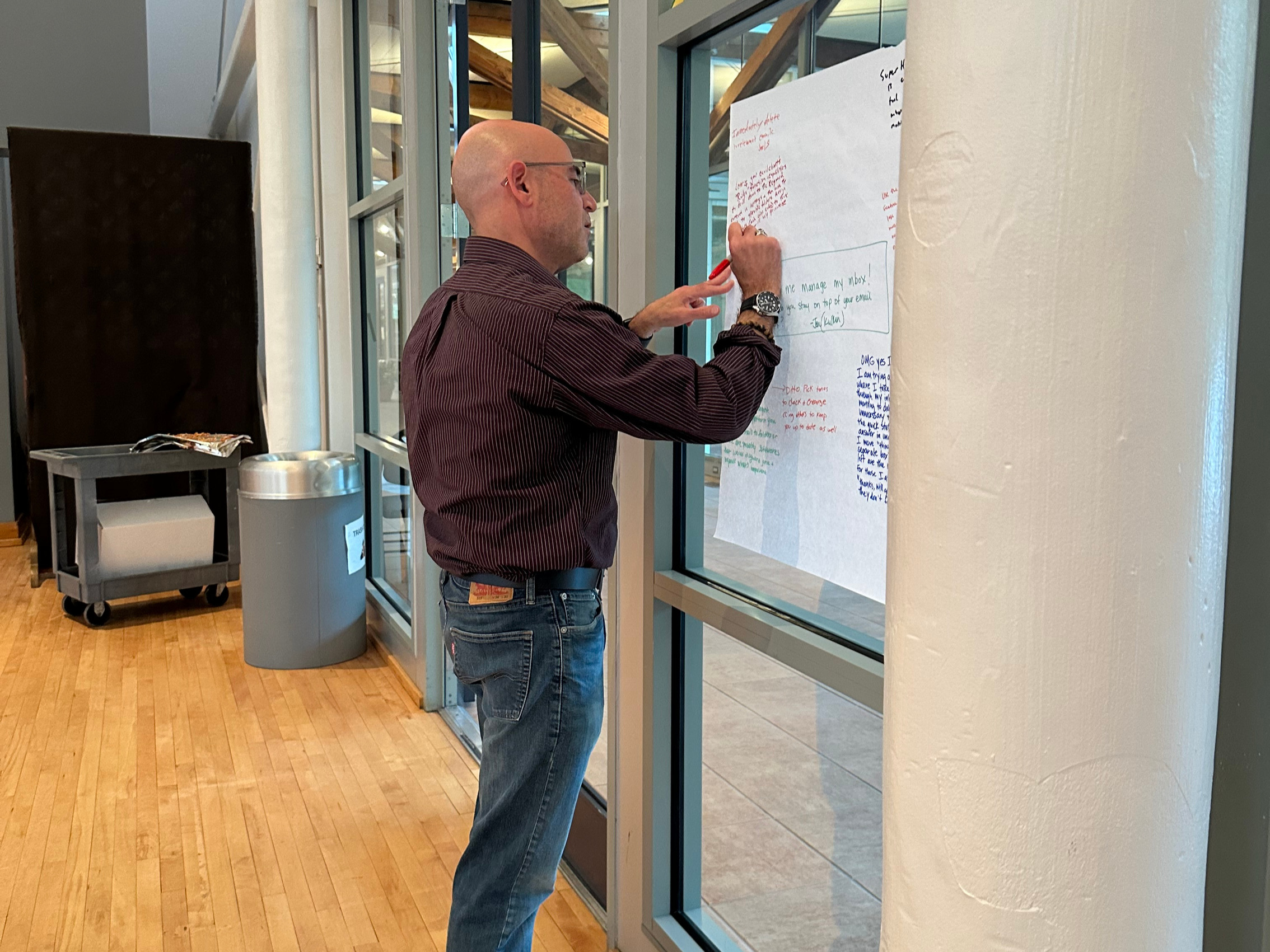
Led by renowned leadership consultant Rae Ringel, the program is entirely about giving you tools, learning by doing, and doing in a group of leaders who have the same mission and values. Through a dynamic mix of in-person and virtual sessions, Rae guided us through “connection modalities” that taught us how to surface differing perspectives, navigate difficult conversations, and truly articulate both our personal stories and our organizations’ missions.

For me, the most tangible takeaway was learning structured, innovative frameworks to pull apart larger, sometimes overwhelming community challenges into manageable, actionable pieces, building the concrete skills to execute your vision.

The Power of Coalition: “Shipbuilding” in NoVA

What surprised me most, though, was the sheer willingness of everyone in the room to work together.

There is a distinct difference between standard corporate or nonprofit experience and Jewish nonprofit experience. To me, the main difference is “shipbuilding,” learning how to build lasting coalitions across different denominations, synagogues, and grassroots organizations in a casual, high-trust environment.

The Jewish Federation of Greater Washington understands this, explicitly designing the program to facilitate these deep connections by assigning us to smaller “coffee groups,” which became the foundation for real collaboration.

Just this week I was texting with another participant from my cohort. We recreate those coffee groups all the time. We are constantly leaning on one another, bouncing ideas off each other, and using the exact problem-solving structures we learned together to figure out how to best serve Jewish NoVA.

By bringing together leaders from across the Jewish communal space in NoVA, Federation is actively weaving a powerful network of friends and collaborators. The cohort has allowed lay leaders and professionals across the region to realize we are not facing our challenges alone.

Now’s The Time: Join the Third NoVA Leadership Cohort

If you are reading this and feeling even a little bit intrigued, my advice to you is simple: don’t be afraid to give it a shot.

Whether you are a seasoned board member, a dedicated committee chair, an engaged volunteer, or someone who hasn’t held a formal leadership role yet but has a passionate desire to grow, this cohort will give you the tools to decide how you want to be involved and the lifelong network to back you up.

Federation is launching the third Northern Virginia Leadership Cohort this fall. From August 2026 through May 2027, a new group of 16–20 lay leaders will come together for a kickoff event, a closing celebration, and 8 monthly sessions (alternating between in-person and Zoom) led once again by Rae Ringel. To learn more and nominate a talented and dedicated individual with a desire to grow in their Jewish leadership journey (including yourself), please see here.

We need a diverse set of organizations, ages, and perspectives to make a truly strong, vibrant, and unified NoVA Jewish community a reality.

Take it from me—it is entirely worth the investment.

Related posts