When we make space to truly hear each other, something shifts.
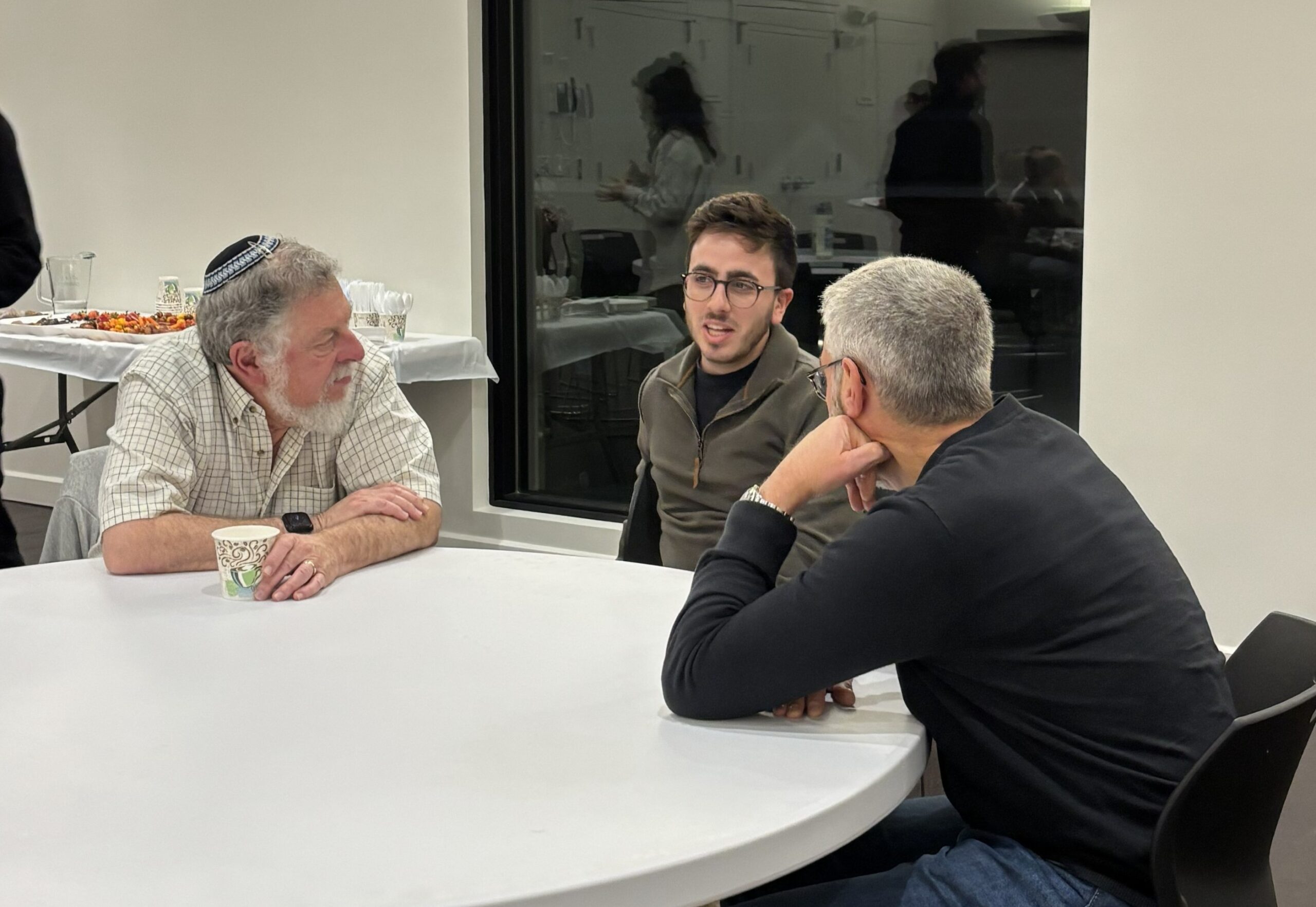
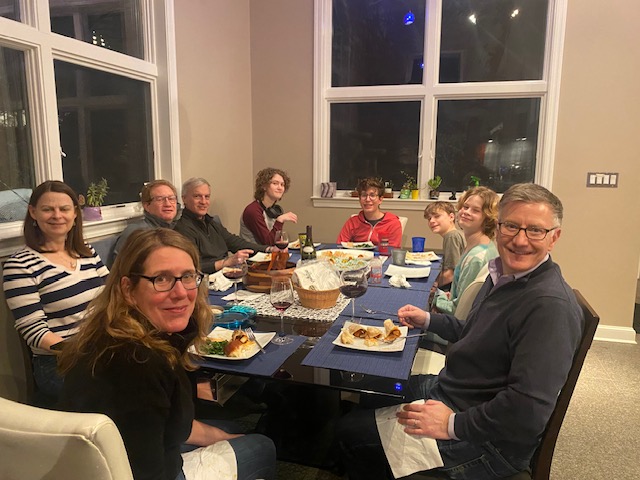
In a year when conversations about Israel often collapse under the weight of politics, pain, and fear, more than 30 community members came together at the Pozez JCC of Northern Virginia for something different: honest dialogue rooted in listening, not debate.
The evening was hosted in partnership with the Arava Institute for Environmental Studies and led by one of our community shlichim (Israeli emissaries), whose work bridges people, perspectives, and purpose across Greater Washington. Together, they created space not for agreement, but for connection.
Stories That Set the Tone
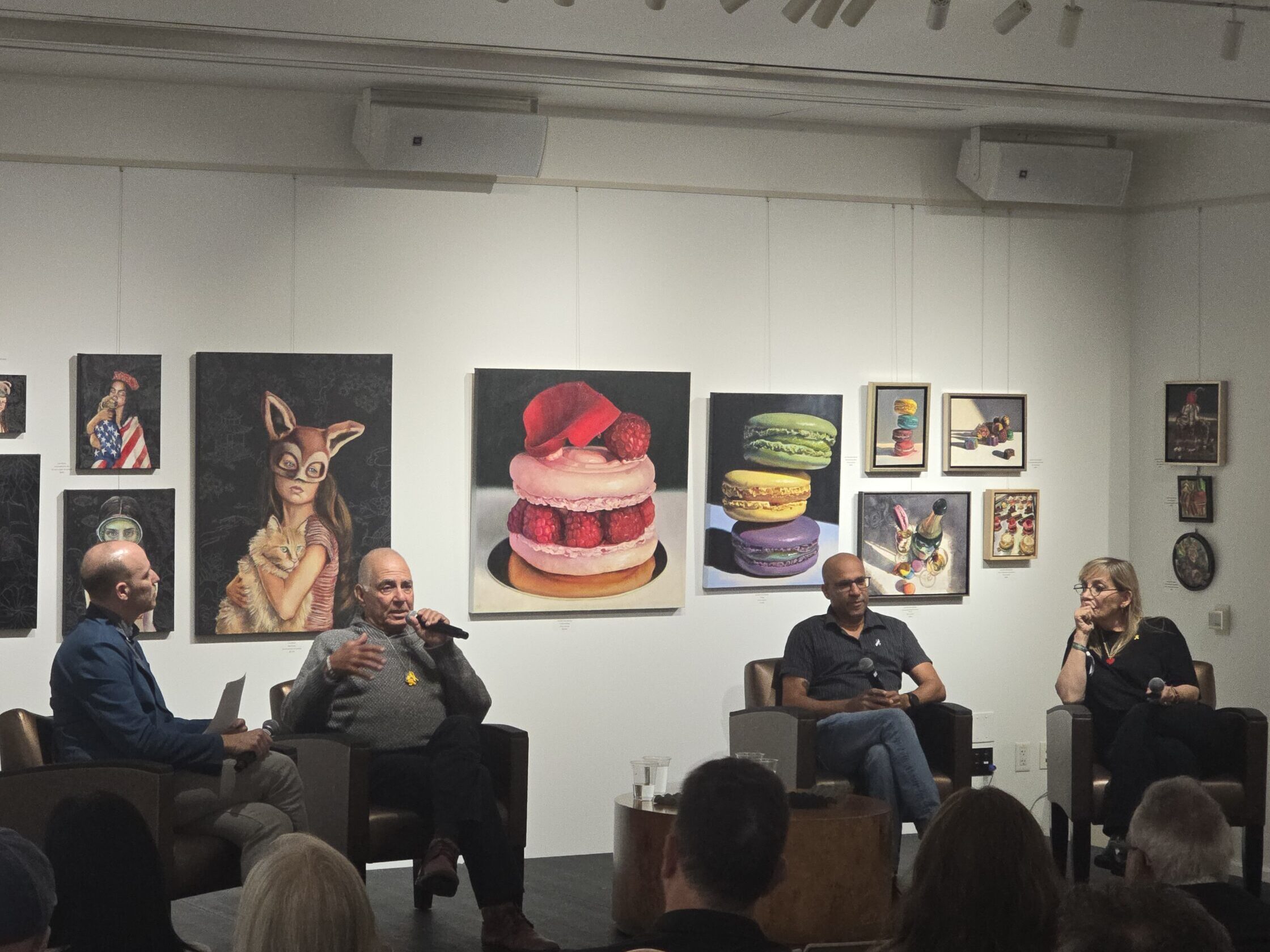
Arava alumni Brian Crann, Jawdat Kasab, and Arielle Ben-Hur opened the session by sharing their own experiences in dialogue at Kibbutz Ketura, where Palestinians, Israeli Jews, Israeli Arabs, and others from across the region live and learn together.
Their stories didn’t shy away from pain or complexity. They grounded the room in something real.
Listening, Not Convincing
Then came the heart of the evening: small groups gathered with one goal—listen to understand. No debating, no fixing, just sitting with each other’s stories.
It wasn’t always easy. But it was real.
As one participant put it, “Meaningful conversations like these are often part of the solution.”
What We Carried Forward
Before leaving, each person shared one word they were taking with them:
“Curiosity.” “Compassion.” “Understanding.”
And most of all—“Hope.”
Staying in the Room
It didn’t take a panel or a facilitator to make the evening powerful. It took people willing to show up, listen, and stay in it together. That’s what our shlichim are helping nurture—quietly, consistently—across Greater Washington.
Learn more about how the shlichim are helping to build these bridges across Greater Washington.
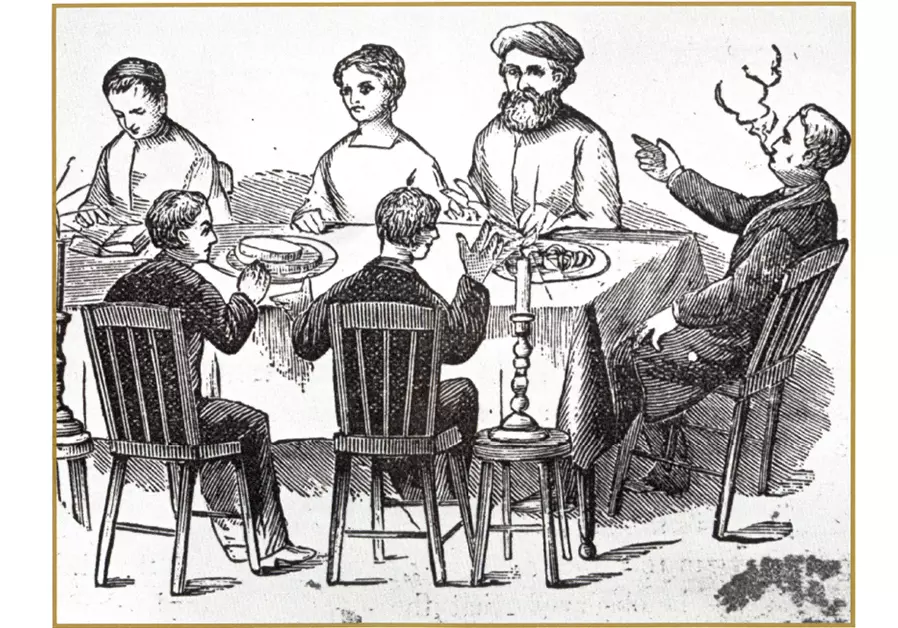
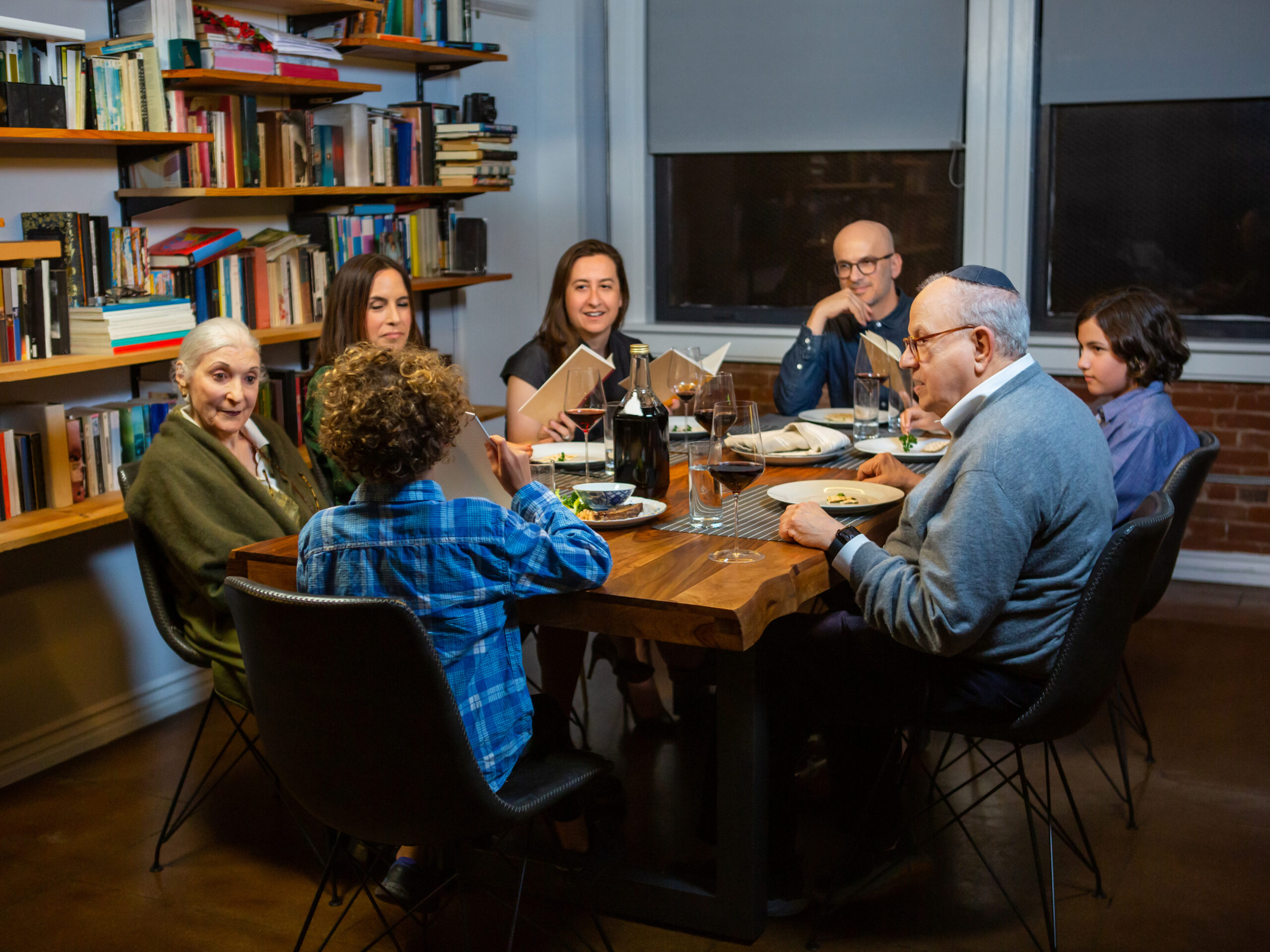
As Passover approaches, reflecting on the “wicked” child as a skeptic reveals the beauty of questioning—inviting challenge, broadening belonging, and strengthening a diverse Jewish community gathered around one shared table.
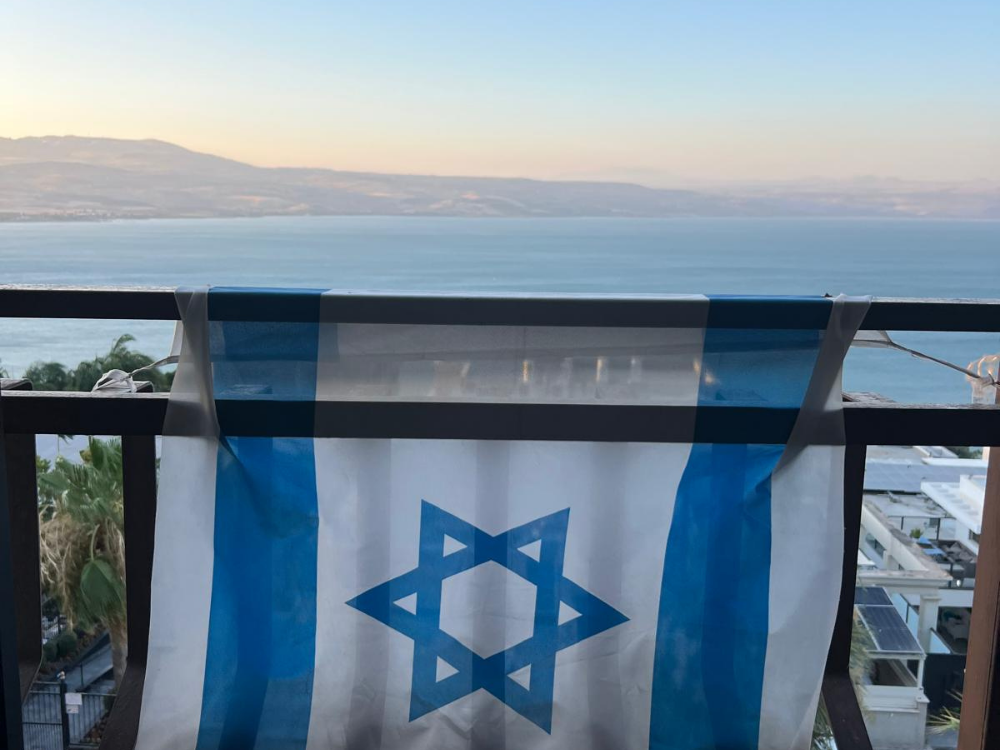
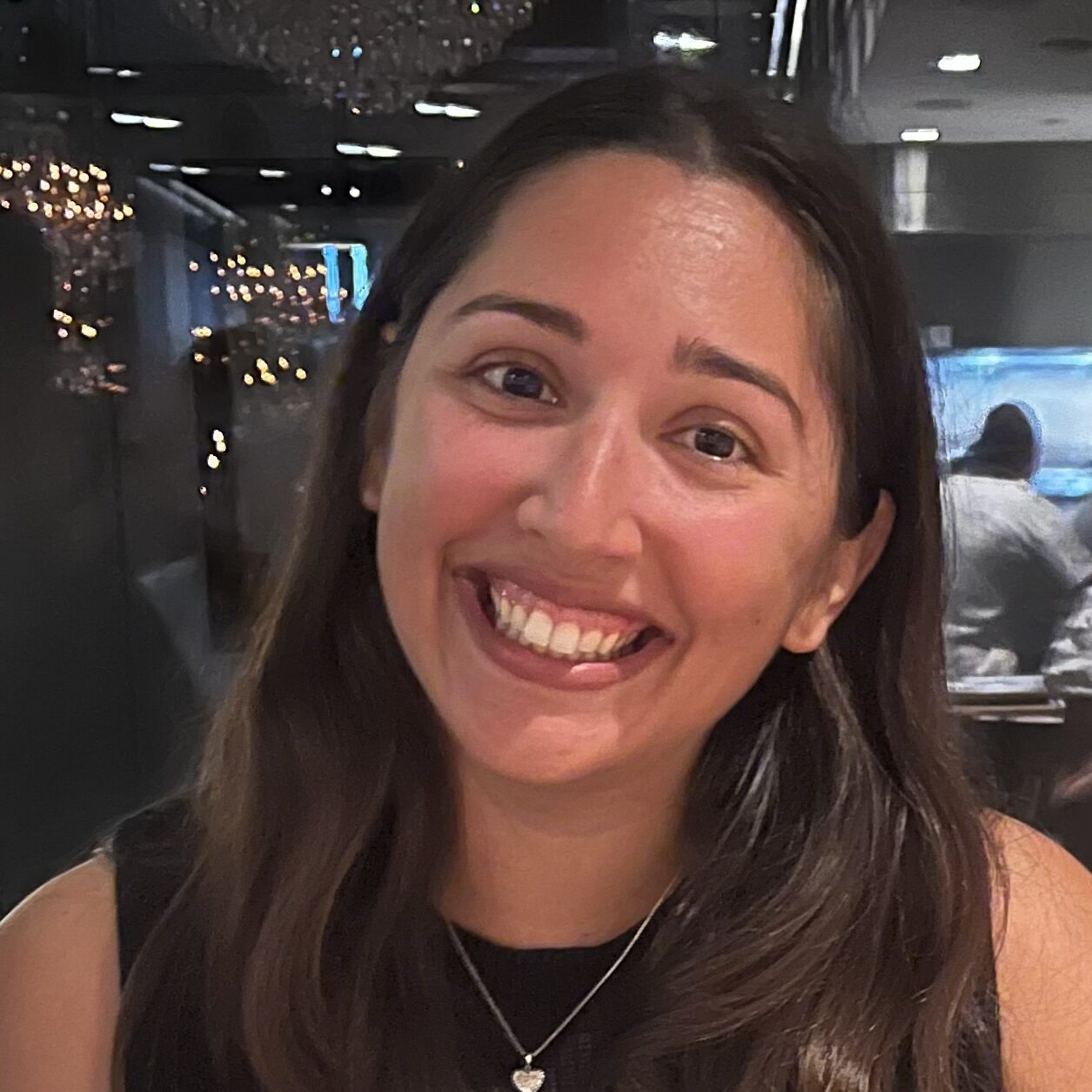
As sirens sound across Israel, Inbal shares the emotional reality of supporting her community abroad while her family faces war at home, reflecting resilience, connection, and hope in the face of crisis.
Amid global volatility, the familiar rhythms of the Passover Seder—family recipes, shared stories, and enduring traditions—offer comfort, connection, and a renewed sense of purpose rooted in Jewish identity and peoplehood.
From Simple Invitations to Multi-City Leadership: An Architect of Jewish Belonging
November 24, 2025
The Jewish Federation of Greater Washington
How Olivia Hazlett turns simple invitations into the kind of community our region depends on.
When Olivia Hazlett arrived in DC in 2020, “meeting people” looked like masked walks, outdoor coffees, and improvised Zoom hangouts. So, she started where she could:
“Hey, my friend’s hosting this thing—you should come.”
That simple line became a quiet mantra for how Olivia builds community: through warmth, curiosity, and a low barrier to entry.
It was simple, but it worked. And it mirrors something we now understand across Greater Washington: the desire for connection is high, and people show up when opportunities feel accessible and welcoming.
Today, Olivia is the Senior Mid-Atlantic Community Manager at Mem Global, a Federation partner, supporting 13 Moishe Houses from New Jersey to Charleston. She works closely with roughly 35 residents who rotate through one- to three-year terms, creating programs for their peers. Residents move on, but the relationships stay. “They always have a way to reach out,” she says.
This kind of grassroots leadership is a powerful example of what’s possible through our partnership with Mem Global, investing in the people and relationships that make young adult Jewish life thrive.
Her work aligns with a core truth about Jewish young adult life in our region: belonging grows through genuine relationships and consistent touchpoints, not one-off moments.
Where There’s a Gap, She Sparks Connection
Throughout her life, Olivia has stepped in where Jewish community needs a spark, leading with both initiative and heart
Over the years, Olivia has:
started a local BBYO chapter because none existed in her area
hosted two 50-person Jewish matchmaking events through Matchbox
organized a 60-person ticket block for the Michigan–Maryland football game
brought 25 people together for Shabbat at her apartment
and stayed connected with former Moishe House residents well beyond their terms
If an idea brings people together, she’ll turn it into a gathering.
Why Young Adult Jewish Life Needs More Builders
Young adult life doesn’t follow a single script. “Some people are moving cities again, some are getting married, some are starting over. There are so many entry points,” Olivia says.
social innovation training from the University of Pennsylvania
and her participation in the M² Kehilot Fellowship, exploring how values inform daily practice
The result is a way of building community that reflects what we see across the region: people want to be more involved, and often need someone to lower the barrier to get there.
Rooted in Her Story, Driven to Create
Olivia grew up in Marblehead, Massachusetts, a small New England town. Her grandparents and extended family were active in anti-discrimination work. Being one of only a few Jewish peers taught her early on: if you want Jewish life, sometimes you have to create it.
That instinct fuels her work today and resonates across our community, where so many young adults are building new roots, new circles, and new expressions of Jewish life.
Bagels, Yoga, and a Life That Stays Connected
Away from work, Olivia fills her days with yoga, movies, new restaurants, time with friends, and—as she’ll tell you—a lifelong love of bagels. She likes having something each day that brings her into community, like planning Shabbat dinner with friends, going to yoga with a neighbor, or just stopping by a local café where she knows someone will say hi. It’s not a job requirement; it’s who she is.
Curious Paths and What Comes Next
At 27, Olivia is excited to keep growing in her career and finding new ways to engage the people around her. If she weren’t doing this work, she imagines she’d be somewhere in the world of travel or experiential education, bringing people together through shared experiences. For now, she’s exactly where she wants to be: helping young adults find their people, their place, and their path into Jewish life—and strengthening the fabric of Jewish Greater Washington along the way.
Stories like Olivia’s remind us that belonging starts with a simple invitation. If you’re ready for yours, our community calendar is full of opportunities to meet new people, show up, and find your place.
As Passover approaches, reflecting on the “wicked” child as a skeptic reveals the beauty of questioning—inviting challenge, broadening belonging, and strengthening a diverse Jewish community gathered around one shared table.
Amid global volatility, the familiar rhythms of the Passover Seder—family recipes, shared stories, and enduring traditions—offer comfort, connection, and a renewed sense of purpose rooted in Jewish identity and peoplehood.
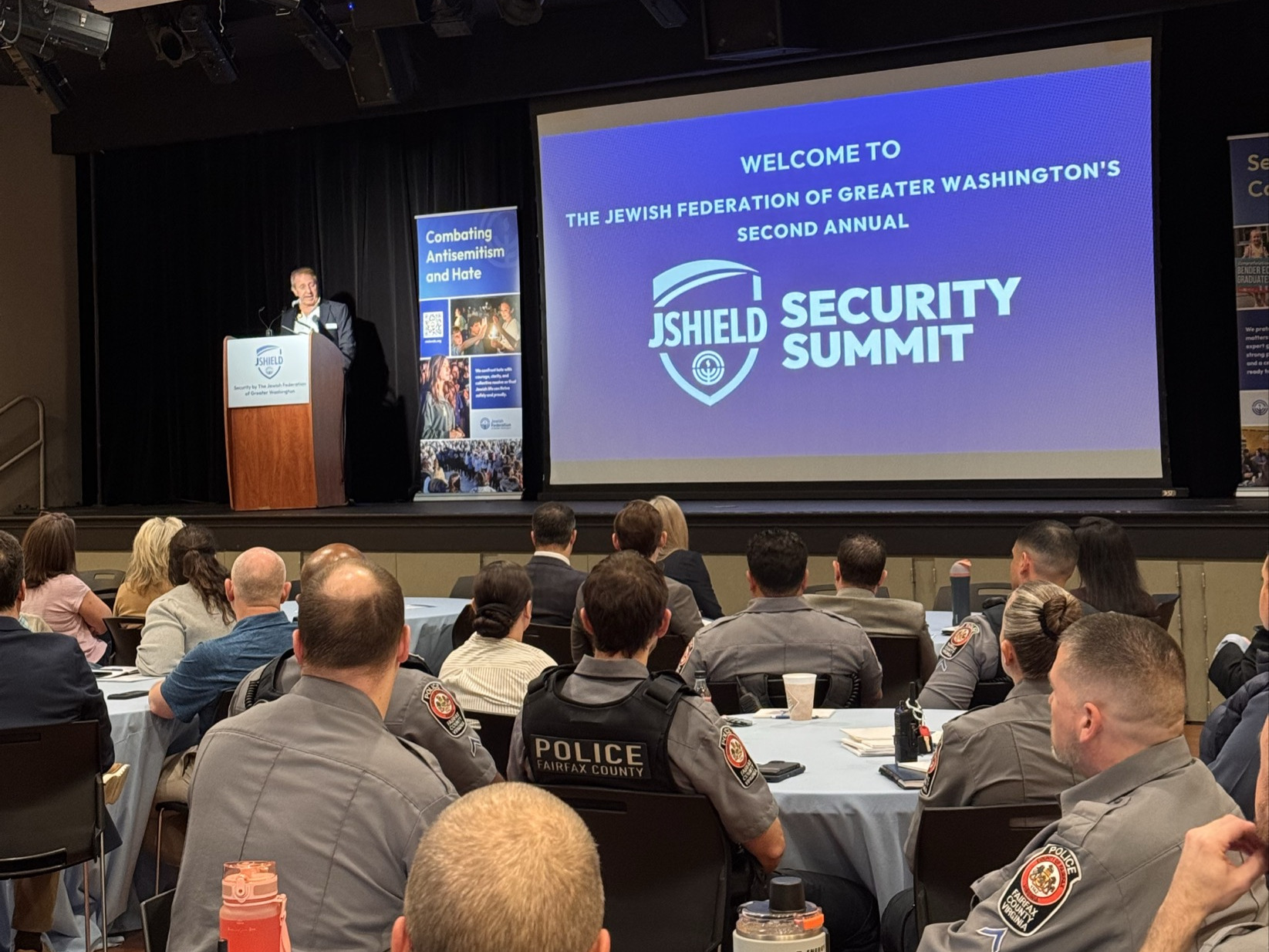
Through JShield, Federation strengthens community security—bringing together law enforcement, experts, and Jewish institutions at the Security Summit to coordinate response, share real-time information, and prepare for rising antisemitic threats.
We’re standing at an inflection point, and what we choose to do next will shape our community’s future.
I want to put to words a couple things I’m feeling as we head into the end of the year.
The first is gratitude. Our community in Greater Washington is strong, passionate, caring, creative, and remarkably generous. Federation could not do the work we do to sustain and strengthen Jewish life without you. I have been repeatedly moved by the way this community has mobilized in the face of crisis, and continued the quiet, steady work of looking after one another and shaping a bright and vibrant future on our own terms. From the bottom of my heart, thank you and I cannot wait to continue our partnership.
The second thing I’m feeling is a bit harder to name but could perhaps be described as energized. A multitude of factors, ranging from longing for Jewish knowledge to a globalized feeling of uncertainty are inspiring people to want to connect with their Jewish identities and the Jewish community. As I referenced last week, a recent survey found that 60% of respondents within the DMV are interested in doing more within the Jewish community. People are looking to connect with Jewish content, Jewish practices, Jewish experiences, and with other members of the Jewish community.
Indeed, we have reached a consequential inflection point in Jewish life and we get to help determine what happens next. As Barry Shrage, former president of Combined Jewish Philanthropies in Boston (and my former boss and ongoing mentor) writes, “We are living through a hinge in history, a moment when the door to alternative futures is still open, the future is uncertain, and our actions can define our destiny.”
We have all the makings of a new Jewish awakening, but we need to help put the pieces together so that everyone coming to our door is met with the meaning, purpose, and belonging they seek. This will take a good deal of focused effort, and Federation is here to help drive it forward. In this new year, we are set to increase funding and work with our many partners across the region to expand programs to ensure everyone looking for connection finds a home within our community. This is vital work and even more so at this “hinge” moment when our collective efforts are guaranteed to echo.
It’s a weighty thing responding to a call for meaning. But it’s a privilege too. And we get there by working together to help more people access and explore the values, traditions, and relationships that enrich our lives and sustain our people.
As we move into the final weeks of the year, many in our community will step forward to support this work. I hope you’ll join them. A gift of any size helps ensure that everyone seeking connection, purpose, and belonging can find their place in Greater Washington. If this work inspires you, I invite you to help fuel the work ahead. A gift to our Annual Campaign strengthens the programs, partnerships, and pathways that welcome people into Jewish life and support them once they’re here.
Help our community step over the threshold of possibility. Please give today.
Eddie’s decades of leadership at Federation and the Jewish Community Foundation helped strengthen institutions, support community investments, and shape a thriving Greater Washington Jewish community rooted in care, vision, and lasting impact.
As Passover approaches, reflecting on the “wicked” child as a skeptic reveals the beauty of questioning—inviting challenge, broadening belonging, and strengthening a diverse Jewish community gathered around one shared table.
Amid global volatility, the familiar rhythms of the Passover Seder—family recipes, shared stories, and enduring traditions—offer comfort, connection, and a renewed sense of purpose rooted in Jewish identity and peoplehood.
Across every demographic, the desire for deeper Jewish life is clear. Let’s meet it—one invitation at a time.
I was reading through the results of our recent Impact Index Pulse Survey, a community-wide survey we helped launch earlier this year to better understand how people across our region are experiencing Jewish life—what’s working, what’s missing, and where we can lower barriers to connection. The survey asked 1,349 D.C.-area Jewish community members about their level of satisfaction with the Jewish community (54% satisfied, 15% unsatisfied, 31% neutral).
There is plenty to parse in the data, but one thing stood out to me: The key to increasing people’s engagement with Jewish life isn’t about creating desire but about creating opportunities and removing barriers standing in the way of greater participation.
The desire to become more involved in Jewish life cuts across denomination, age group, income level, region, synagogue affiliation, and length of residence. Roughly 50-60% of all demographic groups want more engagement. Even those whose engagement declined in the past year still reported wanting to be more involved in Jewish life. This is remarkable and instructive.
At Federation, we are proud to work closely with a network of partners who offer and facilitate meaningful Jewish experiences. But the work of building Jewish community rests not solely with institutions, but with each of us. Indeed, community is built from individual connections that help people feel seen and part of something. All of the grants and strategic approaches in the world will never replace the power of personal interactions.
Enter Shabbat dinner. Whether you gather with family members, close friends, or new acquaintances, coming together for Shabbat dinner is one of the most powerful ways to kindle and strengthen Jewish life. Many of us know this to be true from our own encounters with Shabbat, and it is also borne out in the data. Among those who sometimes or regularly attend or host Shabbat dinners there is a greater level of engagement with and satisfaction in Jewish life as compared to those who rarely or never attend Shabbat dinners.
I can hear the data folks reminding me that “correlation is not causation,” but when it comes to Shabbat dinner, there is no downside. It is a positive indicator and effective gateway to greater engagement. It also enriches our own Jewish lives. We’re fortunate to work with so many organizations and community members who help people find their way to one another, at Shabbat tables and in countless other moments of connection.
So, as the weather gets colder and we burrow inside, I want to encourage you to bring others along with you. Invite people over for Shabbat dinner. Welcome people you know and people you would like to get to know. Even if you’ve never hosted a Shabbat dinner before, give it a try. It does not need to be fancy or fit some image of what a Shabbat dinner is “supposed” to look like. There are many online resources standing by to provide you with tips and ideas. This is a resource guide from OneTable, one of our partner organizations, that helps those in their 20s and 30s host Shabbat dinners—but the information works for all ages.
The Impact Index clearly shows people want to be more engaged in Jewish life. The desire is there. We meet it by connecting with the people around us and basking together in Jewish ritual, joy, connection, and belonging.
As Passover approaches, reflecting on the “wicked” child as a skeptic reveals the beauty of questioning—inviting challenge, broadening belonging, and strengthening a diverse Jewish community gathered around one shared table.
Amid global volatility, the familiar rhythms of the Passover Seder—family recipes, shared stories, and enduring traditions—offer comfort, connection, and a renewed sense of purpose rooted in Jewish identity and peoplehood.
Through JShield, Federation strengthens community security—bringing together law enforcement, experts, and Jewish institutions at the Security Summit to coordinate response, share real-time information, and prepare for rising antisemitic threats.
Building Jewish Community Across Northern Virginia
November 10, 2025
The Jewish Federation of Greater Washington
Meet Jordyn Barry!
At a cozy coffee shop near George Mason University, Jordyn Barry spends much of her day meeting Jewish students and others in their college age and stage—one latte, one story, one connection at a time.
As a new member of the George Mason Hillel team, Jordyn is helping expand Jewish community well beyond campus, ensuring Jewish students and young adults across Northern Virginia feel seen, supported, and connected.
“My favorite part of my job right now is sitting at a coffee shop and meeting three people in a row for coffee,” she says. “Just having different conversations, asking, ‘Tell me about yourself. What are you looking for?’ And if we can’t find it, let’s create it.”
Finding Jewish Life in Northern Virginia
Jordyn first came to the region in 2018 to work at the Pozez JCC of Northern Virginia. When the pandemic shifted everything, she leaned even more deeply into the community, working with teens at Temple Rodef Shalom and discovering what makes Jewish life in this area so special.
“It is so diverse and so spread out, and you can find your own place within it,” she explains. “There are all these little pockets of Jewish life, each a little different and unique.”
After time spent travelling, working at Jewish summer camp, reconnecting with family, and joining a JDC trip to Poland, Jordyn realized she belonged right back in Fairfax County.
“It truly showed that my calling is to be here,” she says. “I missed where I was.”
Now, she’s leading a new Hillel initiative that supports Jewish graduate students, law students, and those in their college age and stage studying at Northern Virginia Community College and beyond—creating Jewish spaces that meet people where they are.
“We understand not everyone is coming to campus on Friday nights,” she says. “We are creating community where they are, in ways that work for them.”
A Jewish Journey Rooted in Family and Curiosity
Jordyn’s passion for Jewish community comes from her family and a deep love of learning. Her father converted before she was born, and her parents emphasized “choice through knowledge,” encouraging both children to explore their heritage.
A family trip to Israel for her brother’s bar mitzvah helped everything click. “Everything I learned in religious school became real,” she says. Later, studying abroad and living on a kibbutz deepened her connection to Jewish history and daily life.
She went on to study religion and history at Muhlenberg College and earned a master’s in Jewish-Christian Relations from Seton Hall University.
“My grandfather is a Holocaust survivor,” she shares. “Creating Jewish community feels so important. I love doing it as my job and for myself.”
Creating Space—and Finding Her Own
Even after seven years in the region, Jordyn says she is still discovering what “Jewish home” means to her.
“I find my Jewish experience in different places,” she says. “Sometimes it is Shabbat with friends I met through the JCC, or just taking a moment outside on a Friday night after working at Hillel. There are options. Some of them I do not even know exist yet, and I work in this world.”
That sense of openness and curiosity drives her work, helping others explore what Jewish life can look like for them.
Outside the Coffee Shop
When she is not building community, you’ll likely find Jordyn exploring local trails with her dog or discovering the best new latte in town.
Her coffee order changes by café: a turmeric chai at Northside Social, or a date oat milk latte at Tatte.
Her bagel order is delightfully bold and a bit controversial: a cinnamon-raisin bagel with tuna and tomato or scallion cream cheese. “I get made fun of for it,” she laughs, “but there is something about the sweet and salty that I love.”
She’s loyal to coffee ice cream (with plenty of mix-ins), root for the Mets, and feels most at home near a lake in the mountains. Istanbul tops her list of favorite travels, with Thailand next on her bucket list.
Jordyn’s story is just one part of a growing, vibrant Jewish Northern Virginia.
As Passover approaches, reflecting on the “wicked” child as a skeptic reveals the beauty of questioning—inviting challenge, broadening belonging, and strengthening a diverse Jewish community gathered around one shared table.
Amid global volatility, the familiar rhythms of the Passover Seder—family recipes, shared stories, and enduring traditions—offer comfort, connection, and a renewed sense of purpose rooted in Jewish identity and peoplehood.
As AI transforms everyday tools—from expense tracking to data analysis—it also reminds us of something essential: the enduring value of human connection. In a rapidly automated world, Jewish community, in-person gathering, and shared wisdom remain powerful forces for meaning and belonging.
Meet Joe Battle: Brewing Community at Café Sunflower
October 21, 2025
The Jewish Federation of Greater Washington
When you walk into Café Sunflower in Rockville, you’re likely to be greeted by the smell of freshly baked pastries, the hum of friendly conversation, and the easy, welcoming smile of Joe Battle, Café Manager and lifelong Washingtonian.
If you’re a regular, Joe and his team probably already know your name and your order. “We put a lot of time into learning everybody’s names,” Joe says, “and hopefully remembering what their orders are, too.” That personal connection is part of what makes the café feel less like a workplace and more like a neighborhood hub.
“I get to meet and learn from so many wonderful new customers,” Joe says. “But the best part of this job is working with our students.”
From Grocery Aisles to Inclusive Opportunity
Joe has been with Sunflower for a little over a year, but he is no stranger to the hospitality industry. Before joining Sunflower Bakery, Joe spent more than a decade managing grocery teams at Dawson’s Market in Rockville Town Square. When the market closed in 2023, a former colleague, then Café Manager Evelyn, called to offer him the job at Sunflower with perfect timing. “Two days after I found out I had no job, I got a job offer,” he laughed.
Evelyn knew Joe’s experience working with neurodiverse young adults would make him a natural fit at Café Sunflower, where inclusion is more than a value; it’s the mission. At Dawson’s, half of Joe’s grocery team was neurodiverse. “It was something I’d gotten used to over 12 years,” he explains. “Watching people go from not sure what they’re doing to being confident in what they’re doing, that’s what’s cool. Being part of that process is the most rewarding thing.”
Seeing Ability, Not Difference
Joe’s approach is refreshingly simple. “Everything you experience as a neurotypical person, they experience. Everything you care about, do, and like, they experience too. The only difference is that sometimes things need to be more direct, or you need to be more patient,” he says.
To Joe, working with neurodiverse colleagues isn’t about accommodation,; it’s about connection. He believes that investing in people of all abilities strengthens everyone. “Every kid is your kid,” Joe explains. “Eventually, they’ll be someone on the other side of the counter from you, someone helping you or needing your help. If you’re not invested in every kid in your community, you’re not even invested in yourself.”
A Partnership Built on Purpose
At Federation’s headquarters, Joe and his team serve hundreds of staff and visitors each week. He says the relationship between Sunflower Bakery and The Jewish Federation of Greater Washington is one rooted in shared respect.
“From Gil (Preuss) on down, everybody’s wonderful,” Joe says. “They understand our mission and walk in the door with it. People smile when they say ‘Federation,’ and we smile when we see our regulars. It’s a great partnership.”
Finding Common Ground and Shared Values
Raised Catholic in Washington, DC, Joe says his time at Café Sunflower has opened new windows into Jewish life and culture. “What resonates most is how much everything blends together,” he reflects. “They all come from the same beginning. We’re all walking the same road.”
He especially loves the symbolism of Rosh Hashanah. “For instance, the challah is round because you’ve come around to a new year. What a great way to symbolize that. I think that’s really cool,” he says.
Beyond the Café
When he’s not managing the café or working at Sunflower’s bake shop on Sundays, Joe’s passions include music, reading, and history documentaries. “I like learning why things happened, how things happened, and what else was going on at the same time,” he says. “It’s all about seeing how things interconnect.”
A lifelong Star Trek fan, Joe also finds wisdom in the show’s message of IDIC—“infinite diversity in infinite combinations.” “It reminds me that life is richer when we welcome differences,” he says. “You want people to be different, to learn from them, and for them to learn from you. It’s pretty cool, actually.”
And… If you ever catch him on the other side of the counter, he’ll likely order a Hazelnut latte with oat milk and a classic brownie.
Looking Ahead
As Café Sunflower continues to expand its programs, including its growing culinary department, Joe is excited to see what comes next. “We’re always looking to strengthen our relationships with our partners and our community,” he says. “Because the best way to get anywhere is to get there together.”
Learn more about Sunflower Bakery and Café Sunflower and how your support helps create pathways to employment for young adults with learning differences at www.shalomdc.org.
Eddie’s decades of leadership at Federation and the Jewish Community Foundation helped strengthen institutions, support community investments, and shape a thriving Greater Washington Jewish community rooted in care, vision, and lasting impact.
As Passover approaches, reflecting on the “wicked” child as a skeptic reveals the beauty of questioning—inviting challenge, broadening belonging, and strengthening a diverse Jewish community gathered around one shared table.
As sirens sound across Israel, Inbal shares the emotional reality of supporting her community abroad while her family faces war at home, reflecting resilience, connection, and hope in the face of crisis.
What does it truly mean to build a bridge between Israel and American Jewry?
Each day, I receive a different answer.
Creating “Talking Walls”
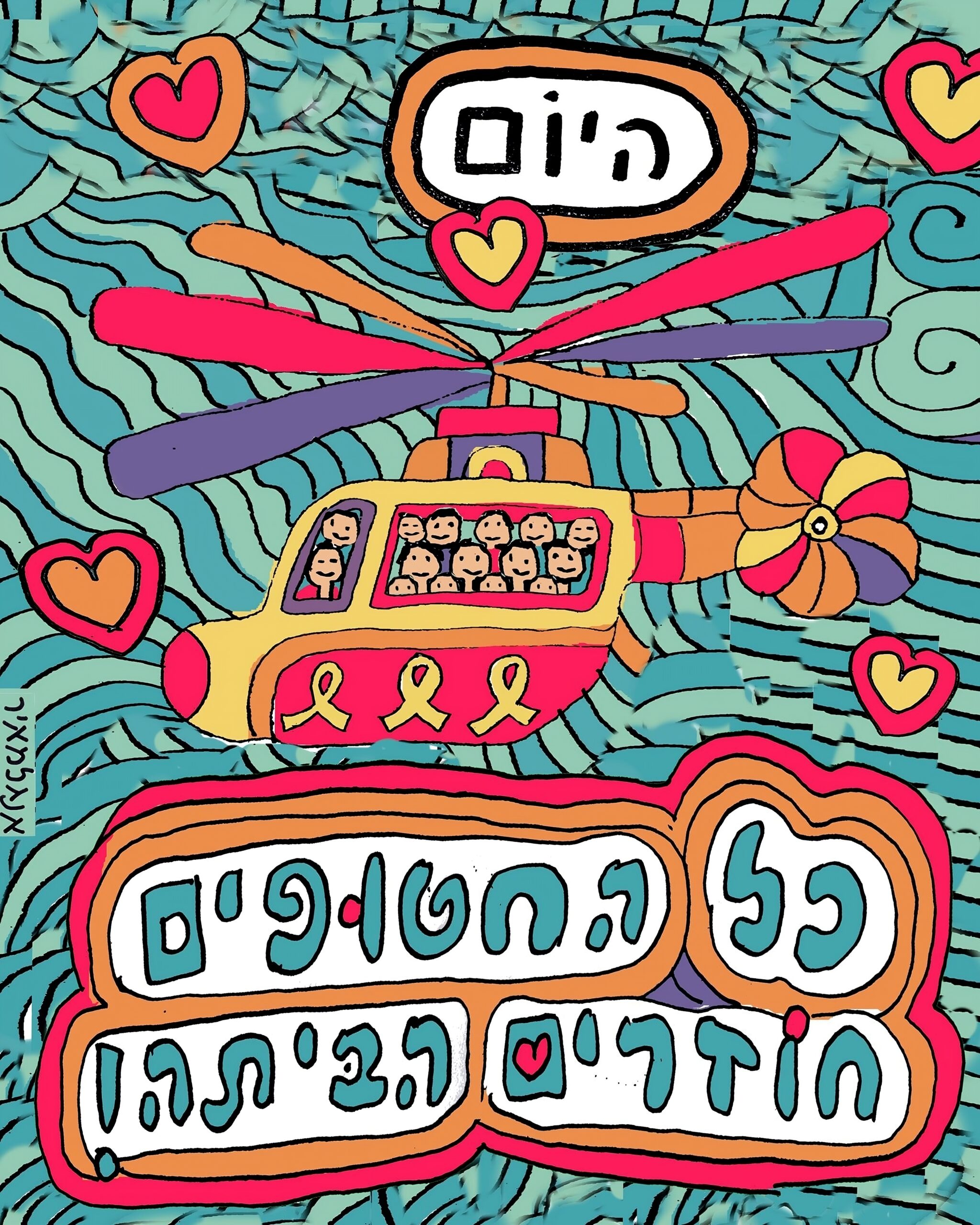
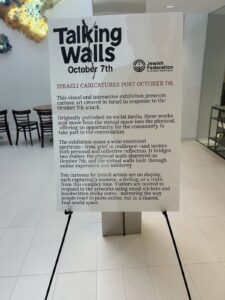
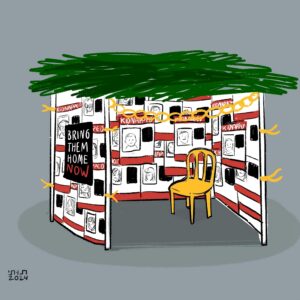
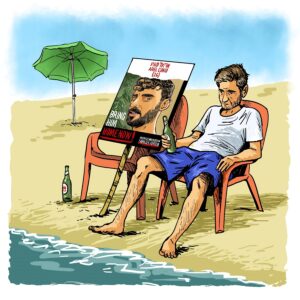
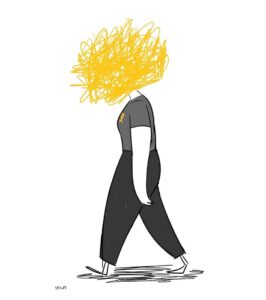
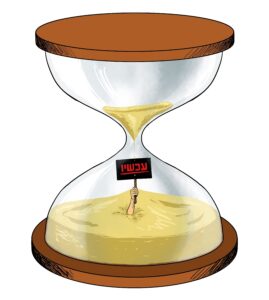
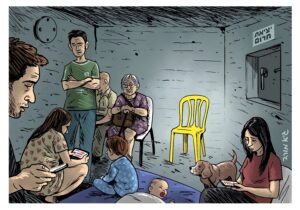
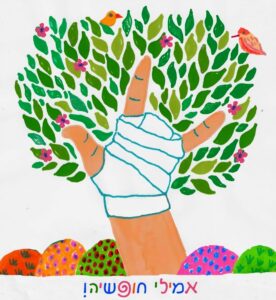
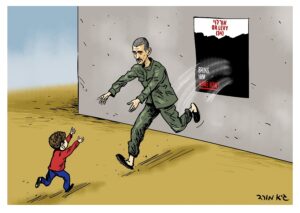
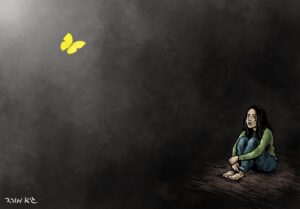
To mark two years since the October 7 massacre, I chose to curate an exhibition at the Federation offices showcasing powerful Israeli cartoons that reflect some of what we’ve experienced in Israel over the past two years.
Because sometimes, words just aren’t enough.
As I prepared the exhibition over the past two weeks, I kept hoping and praying that the final poster would be unnecessary. That it would be a waste of money.
Today, that wish came true.
The beautiful, foam-mounted poster—professionally printed and ready to hang—was covered this morning with a simple, printed A4 page:
“They’re coming home.”
A Bridge Built of Art and Hope
This exhibition, Talking Walls: Israeli Caricatures Post October 7, brings together ten cartoons by Israeli artists—each capturing a moment, a feeling, or a truth from this complex time.
Originally shared on social media, these works move from virtual spaces into the physical world, offering an opportunity for our community to join the conversation. Together, they bridge two realms: the physical walls shattered on October 7, and the virtual walls built through online expression and solidarity.
Finding My Role
This is just the beginning. I’ll probably keep asking myself every day what my role here really is.
But I hope there will be more days like this—when the answer is clear, and for once, it comes with a big smile and a deep breath of fresh air.
This moment feels like an opportunity for all of us to pause, reflect on the last two years in Israel, and finally breathe a little easier as a bit of light begins to shine through.
It’s important for me, on this day, to remember all the people and heroes who made it possible to reach this moment. I honor and thank the soldiers and security forces who gave their lives, and everyone whose courage and determination helped make this day a reality.
We will not give up on any hostage and will continue to stand firm until every one of them returns home—to their families or to a dignified burial.
I hope this is the beginning of a greater change that will bring healing, recovery, and peace to Israel and the region.
Learn more about our community Shlichim and how they help build bridges between Israel and Greater Washington here.
As sirens sound across Israel, Inbal shares the emotional reality of supporting her community abroad while her family faces war at home, reflecting resilience, connection, and hope in the face of crisis.
Amid global volatility, the familiar rhythms of the Passover Seder—family recipes, shared stories, and enduring traditions—offer comfort, connection, and a renewed sense of purpose rooted in Jewish identity and peoplehood.
After a direct Iranian missile strike on Beit Shemesh, Federation mobilized quickly—transforming the Zinman Community Center into a Family Support Hub providing emergency relief, psychological support, and moments of joy for impacted residents.
Udi Eitan, Associate Director for Israel Engagement
Reflections on hearing from Kibbutz Nir Oz leaders, and what’s possible when our communities connect
Kibbutz Nir Oz was little-known outside certain circles before October 7, including within our local Jewish community. Now its name is a reminder of both unimaginable loss and extraordinary resilience.
Earlier this month, I had the privilege of attending a powerful event at the Bender JCC featuring three remarkable individuals with deep, personal ties to Kibbutz Nir Oz:
Gadi Moses, the oldest living hostage to return from captivity, spoke about his experience of 482 days in captivity.
Nir Metzger, whose father was murdered in captivity and whose mother was taken hostage and later released, spoke about the idyllic life on the kibbutz and how it was shattered in an instant on October 7.
Emi Palmor, former Director General of Israel’s Ministry of Justice and now leading Nir Oz’s rehabilitation efforts, spoke about the challenging yet hopeful process of rebuilding the kibbutz, describing it as “the most important Zionist act of our time.”
Their stories were different, but the message was clear: after unbearable loss, the focus is on moving forward and rebuilding. The clearest example came with Gadi’s release from captivity, when his first message was simple and powerful: ‘I will do everything I can to rebuild Nir Oz.’ I left thinking not only about the horror of that day, but about the resilience it takes to rebuild trust, community, and a true sense of belonging from the ground up.
This conversation was part of Kesher Nir Oz, a grassroots partnership between members of our community and the survivors and leaders of Kibbutz Nir Oz, launched by lay leaders from Congregation Beth El, B’nai Israel, and Ohr Kodesh. It is heartwarming to see such busy people dedicate so much time and energy to sustaining this relationship.
Through Federation’s Local Israel Engagement work, we aim to help nurture such efforts alongside community leaders, recognizing just how powerful these people-to-people ties can be. These relationships don’t just show support—they help stitch our people back together. And that work is far from over.
We were honored to help bring a delegation from Nir Oz to visit our community last year, and now our conversations with Kesher Nir Oz continues. The potential is tremendous, and the need for healing, presence, and partnership is urgent.
If you know of (or are part of) a similar initiative between a DMV-area congregation or organization and a community or project in Israel, I’d love to hear from you. Email me at udi.eitan@www.shalomdc.org.
As sirens sound across Israel, Inbal shares the emotional reality of supporting her community abroad while her family faces war at home, reflecting resilience, connection, and hope in the face of crisis.
Amid global volatility, the familiar rhythms of the Passover Seder—family recipes, shared stories, and enduring traditions—offer comfort, connection, and a renewed sense of purpose rooted in Jewish identity and peoplehood.
After a direct Iranian missile strike on Beit Shemesh, Federation mobilized quickly—transforming the Zinman Community Center into a Family Support Hub providing emergency relief, psychological support, and moments of joy for impacted residents.
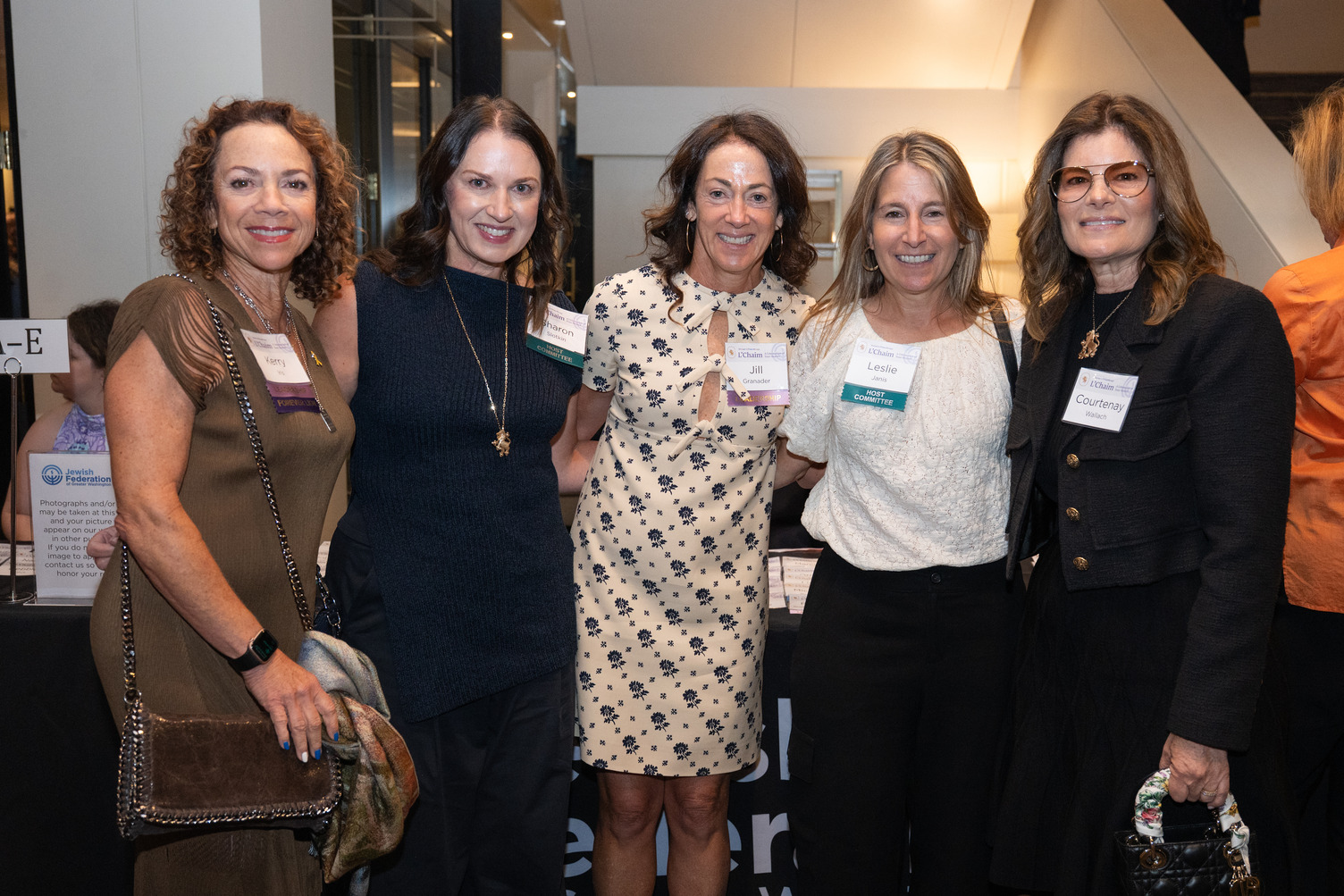
When Women’s Philanthropy set out to create a signature gathering for the Lions of Judah community, the goal was simple but ambitious: to build something that felt both celebratory and essential. A space to honor stories. A moment to deepen connections. A tradition worth beginning.
Held at the Four Seasons in Georgetown, this inaugural event on Monday, September 15, brought together more than 150 women for a morning of inspiration, reflection, and connection. More than a brunch, L’Chaim was a powerful reminder of what happens when women gather with intention. When leadership meets legacy. When stories are shared freely, and futures are shaped collectively.
From Welcome to Why
You could feel it immediately. It was a celebration of shared values, lived leadership, and the power of women’s philanthropy to shape our community.
Co-Chairs Yvonne Schlafstein Distenfeld and Irene Sherman set the tone: this wasn’t a day to sit back—it was a day to reflect, to honor, to energize.
Yvonne shared:
“There’s something truly powerful about bringing so many women together in one room—it’s inspiring every time. I’m in awe of the energy, strength, and spirit of being surrounded by such extraordinary women!”
Stories That Moved Us
Wendy Sachs, our guest speaker, took the stage with a lens into her world and her work as director and producer of the documentary, October 8, and her view of what it means to be a woman showing up in today’s world. Her stories didn’t just highlight antisemitism, they challenged us to consider how we use our voices, our resources, our courage.
Her message resonated deeply with the room. One Lion said:
“Wendy Sachs was so eloquent and inspiring and I loved hearing her speak. I was impressed how she talked about her audience being a global one (which we certainly need).”
Another Lion added:
“Wasn’t Wendy Sachs amazing? She was just as engaging and interesting as she could be.”
A Story Close to Home
Among the most moving moments of the morning came when Marianna Ashin, Lion of Judah Chair, stood to share her personal journey—from a young refugee arriving in the U.S. to a proud Jewish leader helping others write their own Federation stories.
Marianna spoke of leaving everything behind in 1989; her home, her extended family, and her familiar world in Kyiv. She recalled standing on a train platform with her parents and brother, holding only a pair of suitcases and an unwavering sense of Jewish identity.
“While we may have made a leap of faith by getting on that plane,” she said, “Federation was there to catch us when we landed at JFK.”
The room was quiet as she described how Federation gave her family not just resources, but dignity: language classes, job support, school supplies, summer camp. A kitchen full of groceries. A Jewish home in a new land.
“The Jewish Federation didn’t just help us get by. You helped us imagine what could come next, and gave us the tools to pursue.”
Her story reminded everyone in the room exactly why their giving matters.
“Without Jewish Federation. Without you. I am not here—standing in front of you. Sharing my story.”
The Strength in the Room
What made the morning unforgettable wasn’t just the speakers or the setting; it was the women who filled the room. Each one carrying a legacy of giving, each one committed to community.
“It was fun to connect with old friends and also meet new ones,” said one Lion. “What a spectacular event!”
Another reflected on what made the gathering so meaningful:
“I am so glad I came today! It was a beautiful event, and I learned so much from the stories that the women told.”
A Moment, A Movement
L’Chaim was about the quiet confidence that comes from standing shoulder to shoulder with women who believe in tikkun olam, repairing the world, and who act on that belief every day.
“This event was a huge success,” one Lion shared. “It has all the markings of a program to have every year before the holidays.”
Thank You
To all who joined us, thank you. Your stories enriched the fabric of our community. And your leadership, quiet or bold, helps move Jewish Greater Washington forward.
We are grateful to our host committee, our Women’s Philanthropy leaders, our Co-Chairs, and all who brought their time, energy, and commitment to this celebration.
If you’d like to learn more about the Lions of Judah giving society, please contact Becca Ginns at becca.ginns@www.shalomdc.org or (301) 230-7236.
Eddie’s decades of leadership at Federation and the Jewish Community Foundation helped strengthen institutions, support community investments, and shape a thriving Greater Washington Jewish community rooted in care, vision, and lasting impact.
As Passover approaches, reflecting on the “wicked” child as a skeptic reveals the beauty of questioning—inviting challenge, broadening belonging, and strengthening a diverse Jewish community gathered around one shared table.
As sirens sound across Israel, Inbal shares the emotional reality of supporting her community abroad while her family faces war at home, reflecting resilience, connection, and hope in the face of crisis.
For Hila, Jewish identity has never fit neatly into one country—or one category.Born in Jerusalem, connected to Argentina, shaped by global service, and grounded in a personal, evolving expression of Jewish life, she’s here to help our community deepen its connection to Israel and to each other.Through Federation’s long-standing partnership with The Jewish Agency—which brings Israeli emissaries into Jewish communities around the world—Hila’s role is helping more people build personal, meaningful relationships with Israel and one another.
Her story spans continents and communities, and now, for the first time, it’s rooted right here in the U.S.
And while her presence feels new, Hila represents the next chapter in one of Federation’s longest-standing investments: bringing Israeli voices into our community to build relationships that deepen over time—not just through programs, but through people.
Listening First, Leading with Heart
Unlike most Shlichim, who serve a single synagogue or school, Hila’s work spans the entire DMV: supporting organizations without their own Shaliach, mentoring newer emissaries, and helping communities connect with Israel in ways that feel personal, relevant, and real.
She offers connection and context to spaces that might otherwise go without—opening the door to conversations that go deeper than the headlines.
“I came to listen, to learn, and to really experience this community one-on-one,” Hila shared. “I want to understand people’s values and connections—and help them feel a stronger relationship back to Israel.”
At a time when many in our community are seeking deeper, more personal ways to engage with Israel, Hila brings a presence rooted in empathy and experience.
A Journey Through Informal Education
Hila’s leadership began early, guiding her own troop in the Israeli Scouts as a teen. That experience sparked a lifelong belief in informal education as a tool for connection and change. She earned degrees in social work and leadership, later leading civic engagement work in Israel’s periphery.
Most recently, she and her wife, Chen Sara—also a Shlicha, now serving in Northern Virginia—ran the Jewish Agency’s TEN volunteer center in Cambodia, mentoring Jewish young adults through hands-on service and sustainable development.
Blending Traditions, Living Fully
Raised in a largely secular home, Hila became more connected to Jewish tradition after meeting Chen, who comes from a more observant family. Today, their practice blends ritual and culture—creating space for connection, reflection, and joy.
“I’m not religious,” she said. “But I believe deeply in cultural Judaism.”
As an openly LGBTQ+ professional, Hila brings her full self to her work. She’s helped organize municipal pride events in Israel and served on the board of the Be’er Sheva LGBTQ+ Center. Here in the U.S., she’s inspired by how seamlessly Jewish and queer identities coexist.
“It’s moving to see how Judaism and LGBTQ+ can go together here,” she said. “In Israel, that’s not always the case.”
From Siem Reap to the Capital Region
Outside of her work, Hila is a morning person, a yoga lover, and a lifelong basketball fan (she played as a kid!). She’s visited more than 30 countries, with South Africa topping the list. Chocolate ice cream is her go-to treat; sushi tops her food list.
After years spent bridging communities around the globe, Hila is ready to build something lasting here.
“Our goal is to truly feel at home—and to build relationships that are meaningful and strong,” she said.
Through Hila and the 2025-26 delegation of Shlichim, our community can find that same sense of belonging by connecting with Israel in ways that feel personal, lasting, and real.
As Passover approaches, reflecting on the “wicked” child as a skeptic reveals the beauty of questioning—inviting challenge, broadening belonging, and strengthening a diverse Jewish community gathered around one shared table.
As sirens sound across Israel, Inbal shares the emotional reality of supporting her community abroad while her family faces war at home, reflecting resilience, connection, and hope in the face of crisis.
Amid global volatility, the familiar rhythms of the Passover Seder—family recipes, shared stories, and enduring traditions—offer comfort, connection, and a renewed sense of purpose rooted in Jewish identity and peoplehood.