
Finding Comfort in Passover Traditions
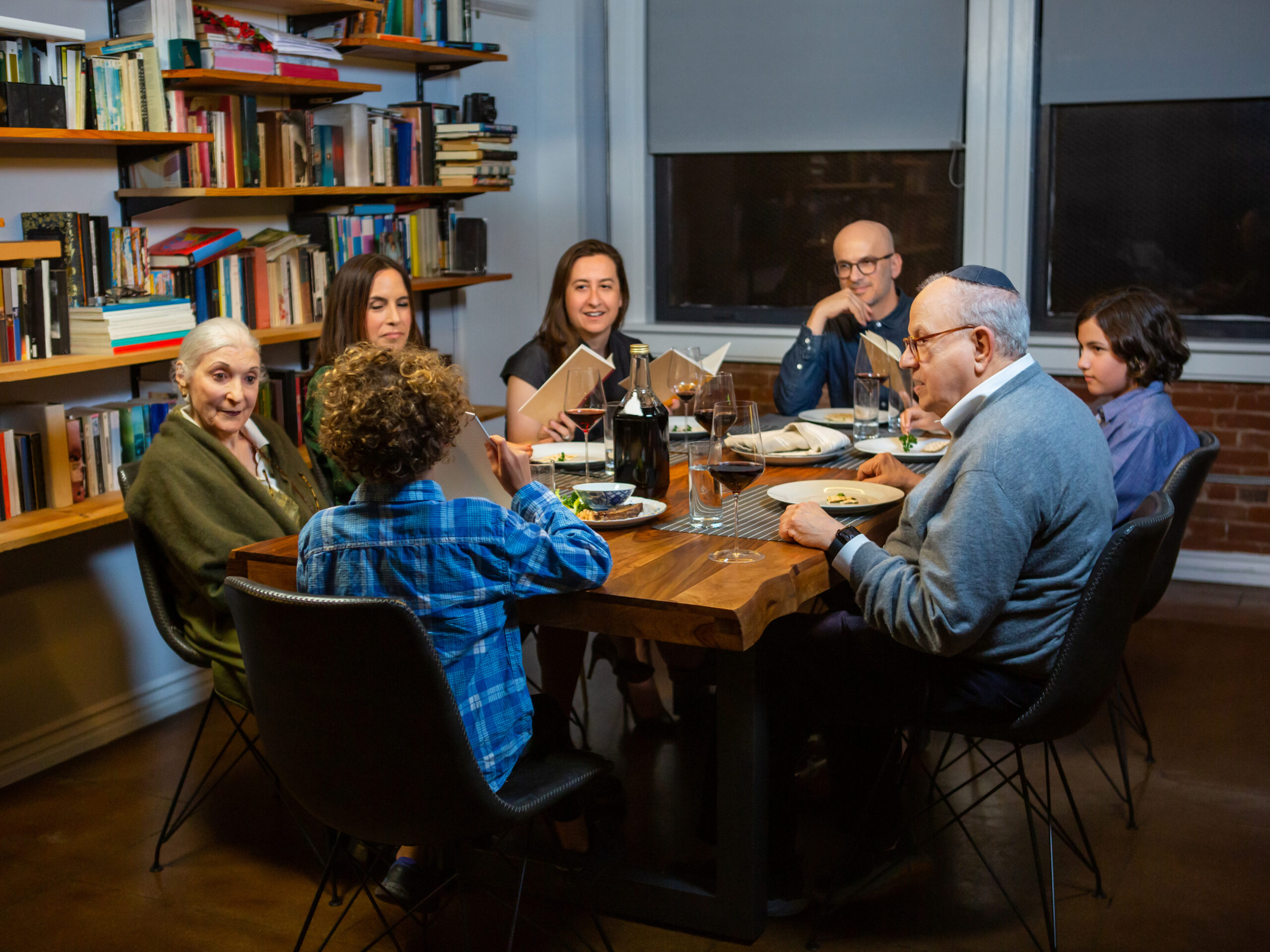
In a time of uncertainty, the rituals of Passover offer something steady
My siblings and I held our Passover menu planning Zoom call earlier this week. I’m in charge of the brisket, among other things, and I’ll be making my mom’s recipe. No secret ingredients, no innovative twists. Just a tried-and true and beloved rendition. That, I suppose, is the unofficial theme of our Seder this year (though I may experiment with a new vegetarian soup).
Indeed, given all the volatility in the world, the thing I’m craving most from Passover is its sense of routine. For those of us who grew up with the holiday, the Passover Seder is, above all, familiar. How the Seder unfolds may vary from year to year, but the story, the food, the songs, and the traditions always combine to create a uniquely consistent touchpoint with family, Jewish identity, and peoplehood.
Passover also has a way of using the past to evoke new feelings of possibility. While the Haggadah stays consistent, the moment in which we live is continuously changing. In recounting our story, we may focus on new sections or have different reactions to readings or songs. We may uncover fresh sources of energy, clarity, and ingenuity, which we will need on the road ahead.
We have important work in front of us: to engage and connect with members of the Jewish community who are struggling right now, to be a steady partner for Israeli communities, to build strong, substantive, and joyful Jewish life, and to care for the people around us. And the first step to making it all happen starts by remembering who we are and the role we’re meant to play in the world.
I encourage you to gather some friends, invite someone new to the table, and connect once again to our story. In true Jewish fashion, it’s in connecting to our tradition and to each other that we’ll prepare ourselves to move forward.