Need support? Call 703-J-CARING (703-522-7464)

Impact in Action: Tour of an Inclusive Jewish Summer Camp

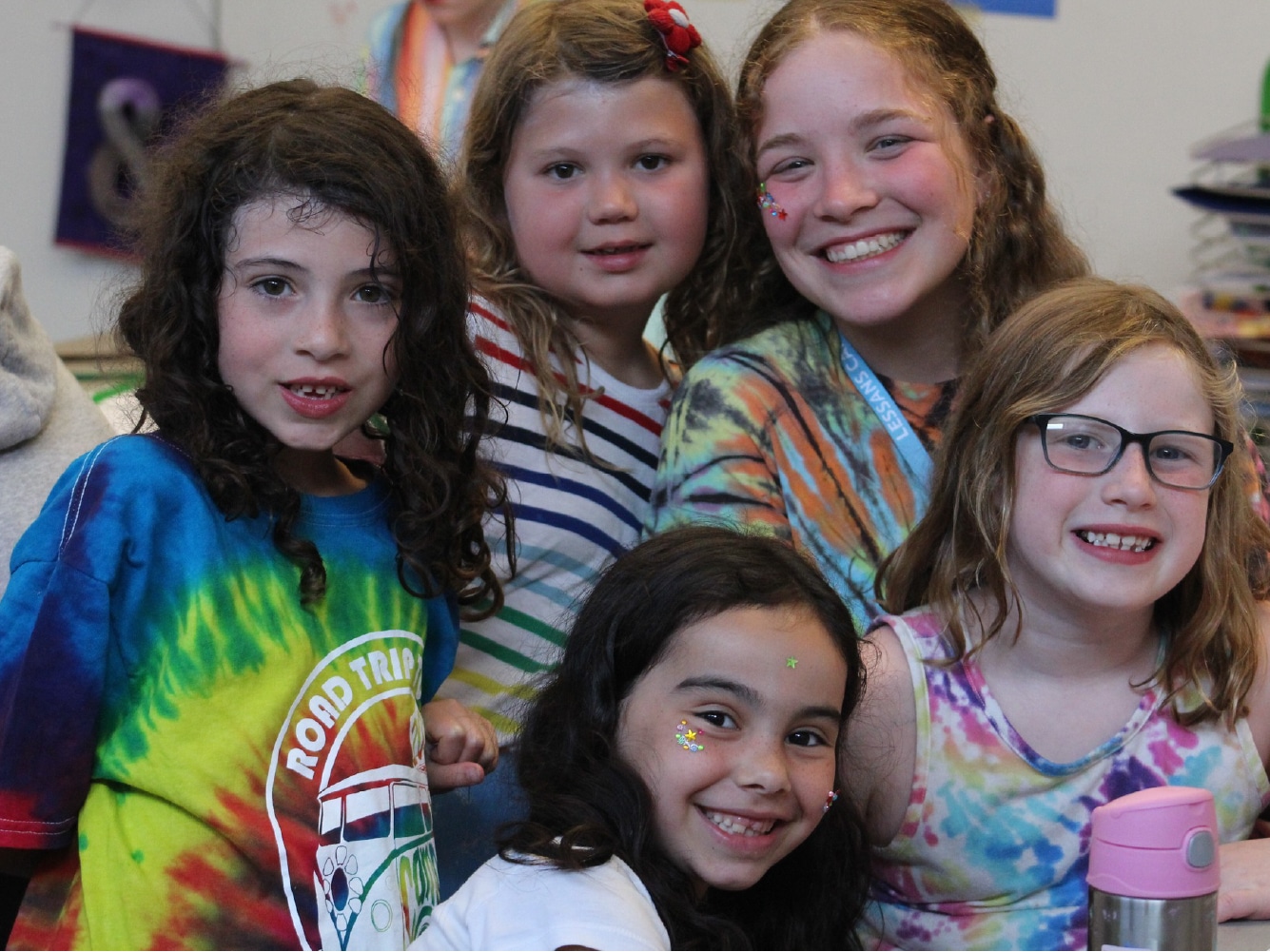
Regsitration for this event is now closed. Federation’s impact reaches every corner of our community, creating spaces where everyone belongs. This summer, we invite you to see that impact in action at a nationally recognized inclusion camp, where children of all abilities come together to experience the joy, connection, and growth of Jewish summer camp. It’s a powerful opportunity for Federation donors to witness how their support helps bring programs like this to life—where every child is welcomed, celebrated, and given the chance to thrive. Light refreshments will be provided. Open to all donors who have given to Federation in 2024 and 2025 Please note this is not a visit for prospective campers. Questions? Contact us. Leadership: Jason Gates, Alexa Grossman, Carly Recoon, and Jacki Seley

Creating a Tipping Point for Disability Inclusion

Creating a Tipping Point for Disability Inclusion

As an advocate for disability inclusion, I have observed several pathways that organizations take as they strive to become more inclusive of individuals with disabilities.  For some, change is slow but steady, and for others, progress starts but then backslides.  Some organizations agree wholeheartedly with the goal of improved inclusivity but struggle to know where to start, while others are leaders in the field and recognized for setting a standard.

In The Tipping Point, Malcolm Gladwell describes the moment when a new idea gains momentum and becomes widespread—when it “crosses a threshold, tips, and spreads like wildfire.” What does it take for disability inclusion to reach that kind of tipping point in our community?

For the past year, Federation gathered nine local Jewish organizations—Gather DC, Sixth & I, MemGlobal, OneTable, Bender JCC, Edlavitch DC JCC , Pozez JCC Northern Virginia,  B’nai Israel Congregation, and Temple Rodef Shalom—to help answer that question. Each joined the inaugural Lieberman Fellowship for Jewish Organizations Serving Young Adults, a new initiative created by Matan, a national organization that partners with Jewish communities to advance disability inclusion.

Over the course of a year, fellows engaged in a structured curriculum, received mentorship, and developed customized inclusion impact plans for their organizations. Along the way, many saw their perspectives shift.

Some began the fellowship feeling confident in their inclusion efforts, only to realize that there was much more to learn. Others started with uncertainty but emerged with new skills, clarity, and commitment. One participant reflected that she had once viewed inclusive social spaces as too complex to create, but now sees them as essential for building stronger, more connected communities. Fellows also discovered that challenges they assumed were unique were, in fact, common across institutions.

Key lessons included how to communicate effectively about accommodations, how to prioritize social and emotional well-being for all, and how to sustain momentum with support from peer accountability partners. Each fellow spoke with conviction about their organization’s next steps, and the passion was palpable.

These inclusion impact plans represent real, concrete progress. From updating facilities and technology to adding sensory kits and support roles, the work is already underway. The plans also include ongoing staff training and the integration of accessibility into everyday operations. Federation is proud to support these efforts with targeted grant funding.

“Na’aseh ve-nishma” is the Jewish concept rooted in the Torah that translates to “we will do, and then we will hear (and understand).  The Lieberman fellows took a commendable step by participating in a year-long learning experience.  By working with a mentor, learning directly from individuals with disabilities, from experts in the field, and from each other, their personal understanding evolved.

Doing and understanding are both essential components. Providing accommodations needs to become standard operating procedure.  With access, individuals with disabilities will have a seat at the proverbial table.  But access alone won’t lead to a tipping point.  Individuals with disabilities need to be seen as valuable members of the organization; everyone needs to be co-partners in forming trusting relationships, and everyone needs to agree on the shared mission of the organization.

The tipping point occurs when an organization views the inclusion of individuals with disabilities as “who they are” and not just “what they do.”

Kudos to the nine local organizations that have committed to taking the next step forward in their indivi

Related posts

Impact in Action

Impact in Action

Sometimes, it takes stepping into a space to truly understand what our donations make possible.

I invite you to do just that through our Impact in Action series: immersive experiences that offer a firsthand look at the real lives touched by your generosity—how your philanthropy becomes belonging, community, and joy.

On July 23, we will experience the definition of Jewish joy – camp. Together, we will be visiting one of the many Jewish summer camps that Federation supports – where children of all abilities are embraced, celebrated, and empowered to embrace Jewish identity and have the time of their lives. You’ll hear from staff, meet campers, and see what it means to build a Jewish future rooted in inclusion and love. Register today.

On September 3 (save the date!), we’ll explore how your donations create and strengthen our local community’s connection with Israel and Israelis. We’ll be joined by a delegation from Hillel Israel to build bridges, dialogue and understanding.

And in November, we’ll come together with one of our partner agencies to prepare meals by the thousands for individuals and families experiencing food insecurity and homelessness. It’s sacred work—hands-on, heart-forward, and grounded in our deepest values.

These are more than just experiences; these are invitations to witness your impact. Come see what we’re building—and feel the difference you make.

Your generosity makes all of this possible. And when we show up to see it in action, our commitment deepens.

Related posts

The Legacy of Eddie Kaplan The Legacy of Eddie Kaplan
The Legacy of Eddie Kaplan
Eddie’s decades of leadership at Federation and the Jewish Community Foundation helped strengthen institutions, support community investments, and shape a thriving Greater Washington Jewish community rooted in care, vision, and lasting impact.
read more

Reflections from A Senior Shlicha: Year One

Reflections from A Senior Shlicha: Year One
Over the past year, I have had the honor of serving as the Senior Shlicha (Israeli emissary) and head of the Israeli delegation on behalf of The Jewish Agency and the Jewish Federation of Greater Washington (JFGW). I relocated here last summer with my husband and our three children. Our delegation of young Shlichim is the second-largest in North America, comprising 11 passionate and dedicated emissaries. This speaks to Federation’s deep commitment to meaningful Israel engagement and its recognition of the Shlichim’s vital role in building bridges between Israel and this vibrant local Jewish community. Just last year, the Mishlachat (delegation) reached nearly 20,000 participants through more than 400 programs. Our Shlichim serve in congregations, JCCs, the Federation itself, and Makom, where one Shlicha works with individuals with disabilities. From Gaithersburg to Fairfax, our presence spans the region, reflecting our shared goal of connecting with and positively impacting the entire Greater Washington community. At the same time, we are committed to bringing the strength and solidarity of this beautiful community back to Israel. As we finalize next year’s work plan and prepare to welcome new Shlichim to our delegation, I’ve taken time to reflect on the approaches we use to deepen the relationship between Israel and our local Jewish community. Here are three moments that shaped my understanding of our role as Shlichim.

1. Commemorating October 7 – Pozez JCC

One of the most meaningful experiences I participated in was a commemoration event held at the Pozez JCC to mark one year since the deadly attacks on October 7. The evening included workshops focused on Israeli art and storytelling. I presented an Israeli art gallery titled Wrapping Memory, which explores life in the Gaza envelope region prior to the attacks. During my presentation, I introduced the symbol of the red poppy—Israel’s national flower—and its layered meanings. The poppy symbolizes beauty, nature, connection to the land, and renewal. But it also represents loss and mourning. In Israel Defense Forces terminology, perach (flower) is used to refer to a fallen soldier. Many in the audience had never encountered this symbolism before. But in that moment, they connected emotionally with something deeply Israeli.

Aha Moment:

This event reminded me of the unique power of cultural programming. Through music, art, literature, and language, we can foster shared understanding and invite meaningful conversation about Israel—without always centering politics. Even in the wake of tragedy, new spaces for dialogue and connection can emerge.

2. People-to-People Connection – A Grandmother’s Words

This next story comes from one of our Shlichim, Tamar, who led a B’nai Mitzvah program focused on Jewish and Israeli values. Families were invited to a final celebration. Afterward, a grandmother approached her and said: “When you asked the kids what makes them feel Jewish, I realized—having you here, and what you represent, makes me feel more Jewish.”

Aha Moment:

That simple, powerful statement reminded me that genuine connection happens through people—not just programs. A Shaliach’s presence can become a living bridge between Israel and local Jewish life, deepening one’s own Jewish identity. Through relationships, conversations, and shared experiences, Shlichim create bonds that no one-time event can replace.

3. Facilitated Dialogue – Empowering Young Voices

A few months ago, I co-led a panel for young professionals from across the DMV. We discussed the complexities of modern Israeli discourse, the rise of antisemitism, and the overwhelming role of social media in shaping perceptions. Many of the participants had grown up with an idealized image of Israel—Eretz Zavat Halav U’dvash (a land flowing with milk and honey)—and had little exposure to its complexities. Some expressed feeling insecure when faced with difficult conversations about Israel or antisemitic rhetoric. They felt unprepared and lacked the tools to speak up. We discussed the value of open dialogue, approaching disagreement with curiosity and courage, and the importance of finding one’s voice. I shared that growing up in Israel, I was encouraged to speak up, ask questions, and stand for my beliefs. I told them: “You just need to be a little more Israeli.”

Aha Moment:

Empowering young adults to engage with Israel requires more than information—it requires confidence, resilience, and helping them find their voice. We must not only teach about Israel, but also support our community in learning how to speak about Israel—especially when it’s difficult. This is one of our goals for next year. Thank you for the opportunity to share these reflections. As Shlichim, we are honored to walk alongside this community—to listen, to connect, and to build bridges of understanding in both directions. As we reflect on the events unfolding in Israel, I truly believe we are living through historic moments. My hope for the coming year is that we will reunite to mark peace, not war, and that all the hostages will return home soon.
Over the past year, I have had the honor of serving as the Senior Shlicha (Israeli emissary) and head of the Israeli delegation on behalf of The Jewish Agency and the Jewish Federation of Greater Washington (JFGW). I relocated here last summer with my husband and our three children.

Our delegation of young Shlichim is the second-largest in North America, comprising 11 passionate and dedicated emissaries. This speaks to Federation’s deep commitment to meaningful Israel engagement and its recognition of the Shlichim’s vital role in building bridges between Israel and this vibrant local Jewish community.

Just last year, the Mishlachat (delegation) reached nearly 20,000 participants through more than 400 programs. Our Shlichim serve in congregations, JCCs, the Federation itself, and Makom, where one Shlicha works with individuals with disabilities. From Gaithersburg to Fairfax, our presence spans the region, reflecting our shared goal of connecting with and positively impacting the entire Greater Washington community. At the same time, we are committed to bringing the strength and solidarity of this beautiful community back to Israel.

As we finalize next year’s work plan and prepare to welcome new Shlichim to our delegation, I’ve taken time to reflect on the approaches we use to deepen the relationship between Israel and our local Jewish community.

Here are three moments that shaped my understanding of our role as Shlichim.

1. Commemorating October 7 – Pozez JCC

One of the most meaningful experiences I participated in was a commemoration event held at the Pozez JCC to mark one year since the deadly attacks on October 7. The evening included workshops focused on Israeli art and storytelling. I presented an Israeli art gallery titled Wrapping Memory, which explores life in the Gaza envelope region prior to the attacks.

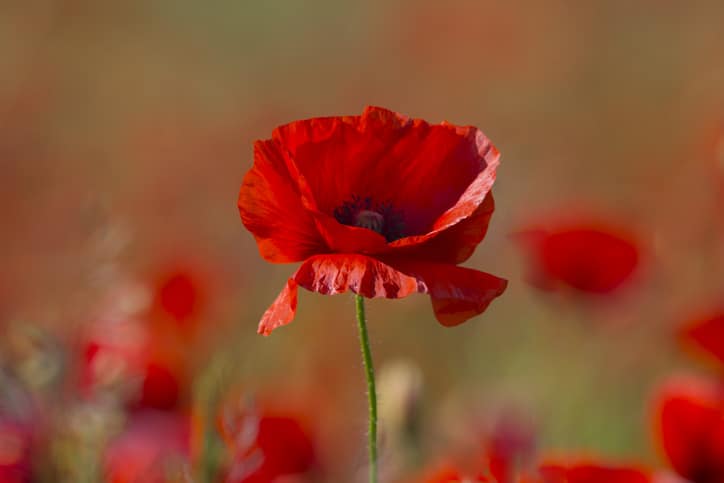
During my presentation, I introduced the symbol of the red poppy—Israel’s national flower—and its layered meanings. The poppy symbolizes beauty, nature, connection to the land, and renewal. But it also represents loss and mourning. In Israel Defense Forces terminology, perach (flower) is used to refer to a fallen soldier.

Many in the audience had never encountered this symbolism before. But in that moment, they connected emotionally with something deeply Israeli.

Aha Moment:

This event reminded me of the unique power of cultural programming. Through music, art, literature, and language, we can foster shared understanding and invite meaningful conversation about Israel—without always centering politics. Even in the wake of tragedy, new spaces for dialogue and connection can emerge.

2. People-to-People Connection – A Grandmother’s Words

This next story comes from one of our Shlichim, Tamar, who led a B’nai Mitzvah program focused on Jewish and Israeli values. Families were invited to a final celebration. Afterward, a grandmother approached her and said:

“When you asked the kids what makes them feel Jewish, I realized—having you here, and what you represent, makes me feel more Jewish.”

Aha Moment:

That simple, powerful statement reminded me that genuine connection happens through people—not just programs. A Shaliach’s presence can become a living bridge between Israel and local Jewish life, deepening one’s own Jewish identity. Through relationships, conversations, and shared experiences, Shlichim create bonds that no one-time event can replace.

3. Facilitated Dialogue – Empowering Young Voices

A few months ago, I co-led a panel for young professionals from across the DMV. We discussed the complexities of modern Israeli discourse, the rise of antisemitism, and the overwhelming role of social media in shaping perceptions.

Many of the participants had grown up with an idealized image of Israel—Eretz Zavat Halav U’dvash (a land flowing with milk and honey)—and had little exposure to its complexities. Some expressed feeling insecure when faced with difficult conversations about Israel or antisemitic rhetoric. They felt unprepared and lacked the tools to speak up.

We discussed the value of open dialogue, approaching disagreement with curiosity and courage, and the importance of finding one’s voice. I shared that growing up in Israel, I was encouraged to speak up, ask questions, and stand for my beliefs. I told them: “You just need to be a little more Israeli.”

Aha Moment:

Empowering young adults to engage with Israel requires more than information—it requires confidence, resilience, and helping them find their voice. We must not only teach about Israel, but also support our community in learning how to speak about Israel—especially when it’s difficult. This is one of our goals for next year.

Thank you for the opportunity to share these reflections. As Shlichim, we are honored to walk alongside this community—to listen, to connect, and to build bridges of understanding in both directions.

As we reflect on the events unfolding in Israel, I truly believe we are living through historic moments. My hope for the coming year is that we will reunite to mark peace, not war, and that all the hostages will return home soon.
Related posts

Together, We’re Building a Smarter, Stronger, More Connected Federation

We’re shaking things up—in the best way.

A community like ours—bold, diverse, ever evolving—deserves a leadership model that reflects who we are and where we’re going.

That’s why, over the past two years, we’ve approached this work with deep intention: reimagining our governance model to reflect our values, our community, and our future. This change is the result of careful listening, learning, and collaboration across our leadership and community—rooted in where we’ve been and designed for where we’re headed.

Not just for efficiency. Not for optics. But to create a true culture of belonging—where more people have more ways to show up, speak out, and shape what comes next.

Here’s what’s new:

  • A smaller, sharper Governing Board, focused on Federation’s strength and strategy.
  • A new Community Leadership Council (CLC): a powerhouse group of 70–80 leaders, connectors, and changemakers bringing the voice of the community to the table.
  • A renewed commitment to data-informed decision-making, gathering broad community insight, analyzing what we learn, and acting with clarity and purpose.

This is not a departure from who we are—it’s a step toward who we’re becoming.

More voices. Smarter choices. Stronger Community

A foundation built for action, not reaction.

Federation remains committed to strengthening the connective tissue of Jewish Greater Washington—fostering deeper collaboration among synagogues, agencies, and institutions to meet this moment and build what’s next. That’s how we create lasting belonging.

Because our future deserves bold ideas, shared ownership, and a leadership model that leads like our community: diverse, passionate, and deeply invested.

Curious who’s leading the way? Take a closer look at our evolving leadership team.

Related posts

The Legacy of Eddie Kaplan The Legacy of Eddie Kaplan
The Legacy of Eddie Kaplan
Eddie’s decades of leadership at Federation and the Jewish Community Foundation helped strengthen institutions, support community investments, and shape a thriving Greater Washington Jewish community rooted in care, vision, and lasting impact.
read more

When Jewish Identity Takes the Field

When Jewish Identity Takes the Field

How a day at the ballpark became a celebration of pride, connection, and community 

Where does Jewish identity take root?

Sometimes it’s in a classroom. Sometimes it’s around a Shabbat table. And sometimes—unexpectedly, powerfully—it shows up in the outfield of a summer ballpark, where a Team Israel Olympian throws warm-up pitches to wide-eyed kids, and the air smells like fresh grass and kosher hot dogs.

This is Jewish Baseball Heritage Day, hosted by Bethesda Big Train in partnership with Israel Baseball, returning to Shirley Povich Field on Sunday, June 22. There will be a baseball game that evening—Big Train vs. the Olney Cropdusters—but the heart of the day begins much earlier.

It’s a day about far more than a baseball game. It’s about what happens when Jewish identity, informal learning, and connection to Israel show up outside traditional spaces—and land squarely in the heart of community life.

A Different Kind of Jewish Learning

The day kicks off with a youth clinic led by Israel Baseball coaches, including Olympian Shlomo Lipetz and longtime Major League Baseball (MLB) trainer Barry Weinberg. The coaching is hands-on and engaging, with stories that add depth and meaning to the experience. These aren’t just athletes—they’re Jewish athletes, representing Israel with pride.

In the afternoon, teens step up for their own clinic. The pace picks up, and the questions get sharper—about training, about representing Israel, about the path to professional play.

After the clinics, participants gather for a Q&A with the Israel Baseball staff, trading stories, asking questions, and making connections. An autograph session follows, full of smiles and quiet excitement as kids collect memories they’ll hold onto for a while.

From Picnic to Pride

As the evening approaches, families line up for dinner at the kosher Char Bar stand, friends reconnect in the stands, and conversations ripple through clusters of Jewish organizations and community members.

Clinic participants are honored on the field—a moment of recognition and pride for both the kids and the community that raised them.

Former U.S. Senator Ben Cardin is recognized as a Big Train Community Hero, honored for his decades of service and leadership. It’s another reminder that Jewish values aren’t just studied—they’re lived.

The Game Is the Backdrop. The Community Is the Story.

At 7 p.m., the Big Train take the field to face the Olney Cropdusters. But by then, the deeper story of the day has already been told.

It’s in the kid asking what it means to represent Israel.

In the kosher dinner shared between friends.

In the standing ovation for a Jewish public servant.

In the knowledge that Jewish pride belongs out loud—and outdoors.

A Quiet Kind of Impact

At first glance, Jewish Baseball Heritage Day might seem like just a good day out—kids on the field, families in the stands, a community enjoying summer together.

But look a little closer.

There’s identity being shaped in the dugout, where a child meets a Jewish athlete who has played on the world stage. There’s education happening in cleats and ball caps, as questions spark conversations that stick. And there’s connection to Israel—not as an idea, but through real people, real stories, and shared pride.

No speeches required. No agendas pushed. Just a Sunday that leaves something lasting.

For everyone who showed up, it was a reminder: Jewish life doesn’t just live in sanctuaries or classrooms. It shows up wherever we do. And sometimes, that’s at the ballpark.

For more information about Jewish Baseball Heritage Day, visit: bigtrain.org/israel-baseball

Related posts

Seeing a Different Side of Israel – Together

Seeing a Different Side of Israel – Together

Earlier this month, we had the extraordinary opportunity to host participants from Kitov—a bold and visionary program from Israel’s Shaharit Institute, supported in part by a Federation Impact Grant.

Kitov brings together a uniquely diverse group of Israeli changemakers – religious and secular, Jewish and Arab, Ashkenazi and Mizrahi, progressive and traditional. Their mission? To tackle some of Israel’s most pressing and complex societal challenges through collaboration, empathy, and innovation through deep dialogue and creative problem-solving.

During their visit to Washington, DC, Kitov participants immersed themselves in the fabric of American Jewish life. From warm and lively Shabbat dinners with local families, to thought-provoking conversations about antisemitism on college campuses, to engaging visits like their stop at Mem Global (Formerly Moishe House). Every encounter sparked connection, learning, and mutual respect. These moments offered a glimpse into the vibrant diversity of Israel, and reminded us just how much we share across oceans and borders.

During the visit, I had the opportunity and privilege to meet with the group and its leader, Dr. Eilon Schwartz, together with Karen Katzman, Director of Federation’s Israel Office. In our conversations, we explored the shared challenges facing Israeli society and the American Jewish community, the opportunities ahead, and most importantly, meaningful pathways for continued collaboration between our communities.

In a time of uncertainty – across Israel, the U.S., and the world – Federation is proud to stand with initiatives like Kitov, which works to build bridges, elevate unheard voices, and strengthen the ties between people of all backgrounds. This is how we shape a more inclusive, resilient, and hopeful future for all of us.

Together, let’s keep building – toward a better tomorrow.

Related posts

Inside the WOW Retreat: A Jewish Women’s Leadership Experience

Inside the WOW Retreat: A Jewish Women’s Leadership Experience

“We sang, we laughed, we cried, we dug deep, and we unplugged. I couldn’t have asked for a more perfect weekend or a more inspiring group of women.”

Baltimore, MD — They arrived carrying snacks, tote bags, and just a little hesitation. For many, it was their first time stepping away—from routines, from responsibilities, from the noise of the everyday—to join a retreat they weren’t quite sure how to describe.

By the end of the WOW (Women of Wisdom) Shabbat Experience, they were finishing each other’s sentences.

Held in a quiet, wooded corner of Maryland, the retreat brought together a multigenerational group of Jewish women from across the region for a weekend of reflection, connection, and leadership-building. The agenda wasn’t just about workshops or wellness—it was about making space. Space to show up, speak up, and let go of everything else for just long enough to feel present.

Thunderstorms rolled in. Laughter broke out. Tears were shared, and so were shoes. Somewhere between the circle discussions and late-night conversations, something shifted. Uncertainty gave way to something steadier: community.

The presence of seasoned professionals like Federation President Robin Hettleman Weinberg, Kerry Iris, and Wendy Feldman Block added a deeper layer to the experience. Their openness and wisdom underscored what many participants felt: that the power of WOW came not just from the setting, but from who was in the room—and how willing they were to show up for one another.

Guided by the grounded, thoughtful leadership of Rabbi Sarah Krinsky of Adas Israel Congregation and co-chairs Danielle Traub and Mollie Bowman, the retreat struck a rare balance: structured and spiritual, intentional and inclusive, and filled with Jewish learning! These leaders didn’t just organize the weekend—they joined it. Fully.

As the women packed up their bags and returned to their homes, they carried more than just takeaways. They carried new relationships. New perspective. And a shared sense that something meaningful had started—and no one wanted it to end.

The buzz is already building— email ilana.matheson@www.shalomdc.org to learn how to be part of what’s next.

Related posts

The Legacy of Eddie Kaplan The Legacy of Eddie Kaplan
The Legacy of Eddie Kaplan
Eddie’s decades of leadership at Federation and the Jewish Community Foundation helped strengthen institutions, support community investments, and shape a thriving Greater Washington Jewish community rooted in care, vision, and lasting impact.
read more

Building Jewish Community: Embracing Diversity of Thought

Building Jewish Community: Embracing Diversity of Thought

It is a radical understatement to say that we live in interesting and challenging times. Increasing divisions and disagreements in the United States, in Israel, and around the world are creating even more significant divides. Within the Jewish community, the role and impact of diversity of thought in our community has taken on new urgency. How do we move forward knowing fellow community members have deeply held and emotionally challenging viewpoints, with which we significantly disagree and directly challenge our own values?

The wide array of opinions in this community is a source of strength. But I also know this is easy to say—it’s much harder to sit with, and even make room for, thoughts I vehemently oppose.

I flag this because when I look at how we frequently handle differences, I see us incorporating the logic of politics. In a world where there are winners and losers, we are compelled to draw sharp lines around what we believe and exclude or make offensive opposing perspectives. We focus on who is with us and who is against us, maintaining a zero-sum mentality in the pursuit of political success.

A Different Lens for Community Building

Living in Greater Washington, DC, and as part of a minority population, we recognize the importance of politics and its outcomes on our lives. But when it comes to community building, we’ve got to opt for a different lens entirely. If we are to achieve our goal of building a strong and vibrant Jewish future together, then we need to operate from a place of humility, connections, and a commitment to a collective future. Our shared history, the bonds that have held the Jewish people together for millennia, and our aspirations for the future must carry more weight than our ideological differences.

To be clear, building a community where people with diverse views can effectively engage isn’t about communal harmony. We have significant challenges and important work to do together, and the more we can bring together diverse views within a community-focused lens, the more productive we will be. Our collective Jewish future, depends on our ability to build a place where Jews of all backgrounds can come and find the wisdom and meaning of Jewish thought and tradition, the connections and relationships that ground a life and make it joyful, and the services and experiences that support and expand someone’s world.

All of this is underway, and our communal debates can serve these efforts. As President Isaac Herzog writes in Sapir, “Can diversity complicate shared living? Yes. But we cannot forget the complementary truth. Diversity, with all of the ways it complicates life, also supports it.”

We do have the right to define and maintain the boundaries of our community. But wherever we land on this complicated question, I hope it includes all those who see their personal fate tied to that of the global Jewish people. Our individual, specific viewpoints and forms of Jewish expression may change over the course of a lifetime, but it’s our connection to Jewish peoplehood and our stake in the Jewish future that can serve as the constant bond that holds us together as we build that future for ourselves and generations to come.

Related posts

The Legacy of Eddie Kaplan The Legacy of Eddie Kaplan
The Legacy of Eddie Kaplan
Eddie’s decades of leadership at Federation and the Jewish Community Foundation helped strengthen institutions, support community investments, and shape a thriving Greater Washington Jewish community rooted in care, vision, and lasting impact.
read more

Remembering Pope Francis

Remembering Pope Francis

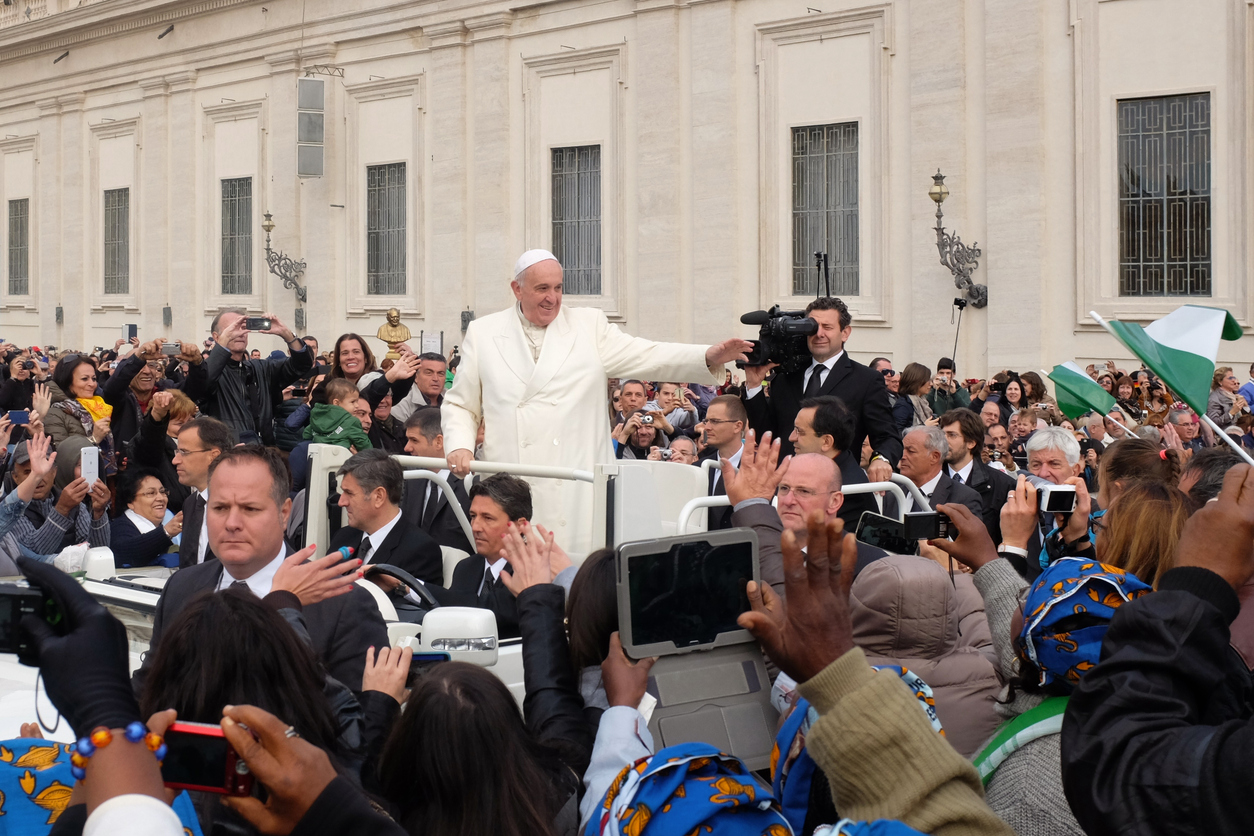
As someone who is not Catholic, I nevertheless have found myself deeply moved and inspired by the leadership of Pope Francis. While I disagreed with many specific issues, his commitment to making religion more relevant and responsive to the pressing challenges of our time is something I’ve long admired. Whether addressing climate change, advocating for the poor and marginalized, or speaking out on issues of justice and human dignity, Pope Francis has consistently demonstrated the need for a moral voice that transcends religious boundaries.

His leadership has served as a powerful reminder that faith, in all its forms, can and must play a role in healing a fractured world. I have appreciated his ability to speak to the spiritual core of global issues while remaining grounded in humility and humanity. In doing so, he has helped reframe what religious leadership can look like in the 21st century—not as a force apart from the world, but as one deeply engaged in its betterment.

The papacy carries tremendous influence on the global stage, and Pope Francis has wielded that influence with courage and empathy. As the world anticipates potential transitions in the Vatican and beyond, it’s worth noting just how profound an impact his voice and vision have had—not just within the Catholic Church, but across religious and cultural divides. We are, I believe, entering a moment of change shaped in part by his legacy—a legacy of inclusion, justice, and hope.

May his memory be a blessing.

Gil

Related posts

The Legacy of Eddie Kaplan The Legacy of Eddie Kaplan
The Legacy of Eddie Kaplan
Eddie’s decades of leadership at Federation and the Jewish Community Foundation helped strengthen institutions, support community investments, and shape a thriving Greater Washington Jewish community rooted in care, vision, and lasting impact.
read more
When Antisemitism Takes Hold When Antisemitism Takes Hold
When Antisemitism Takes Hold
Antisemitism often emerges in times of strain, fueled by fear and exploited by bad actors. By confronting hatred directly and strengthening democratic institutions, Federation works to build resilience, foster connection, and ensure a more stable, inclusive community.
read more