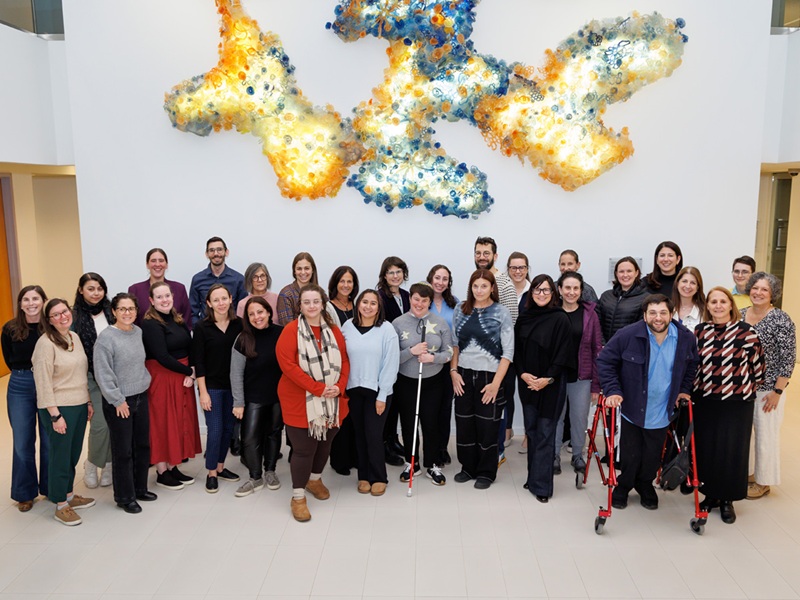
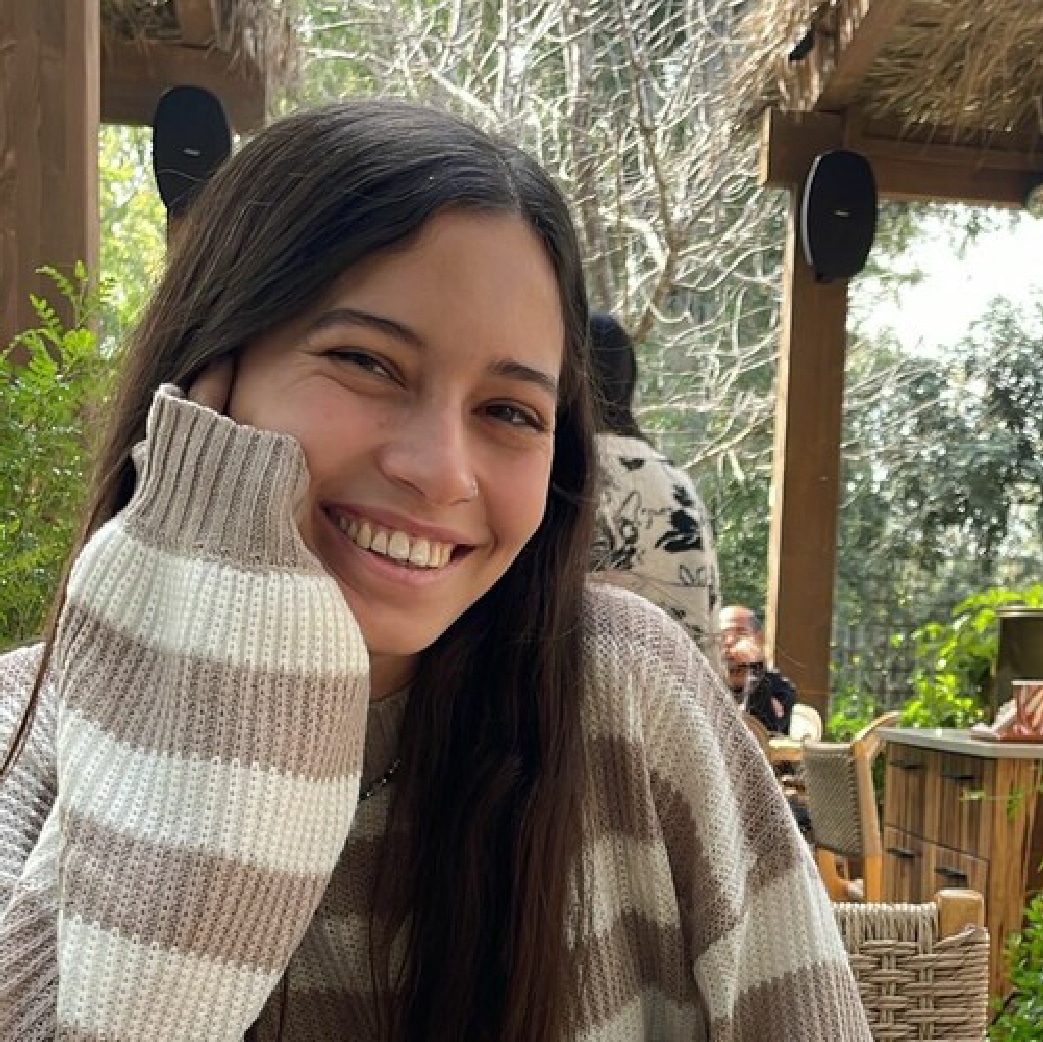
Ori is 23, and she carries something most adults twice her age still struggle to hold: the responsibility of representing Israel with honesty, heart, and humility—especially to kids. She’s one of 11 community shlichim (Israeli emissaries) bringing Israel to life across Greater Washington through Federation’s Shlichim Program.
Growing up in Moshavat Kinneret, a small community in northern Israel, Ori was surrounded by family, a strong sense of responsibility, and a beloved boxer dog she still misses. Before coming to Greater Washington, Ori spent two summers at a Jewish camp in upstate New York.
Teaching Israel in a Complicated Moment
Now living in Greater Washington, Ori spends her days with children, parents, and educators—teaching Hebrew, leading workshops, and helping our community deepen its connection to Israeli life and culture. But talking about Israel isn’t as simple as it used to be. She says it’s gotten harder in the last few years. Kids are asking deeper questions. There’s no single story to tell.
“I’m not saying Israel is perfect,” she says. “Like anything else, there are things that are good and things that are bad. I want to show them both sides.” Ori doesn’t pretend otherwise. She listens, brings her own questions, and creates space for kids to talk about Israel with curiosity, honesty, and care.
Pride Without Pretending
Ori loves teaching about Israel’s creativity—from everyday inventions to world-changing breakthroughs, like cherry tomatoes. “The best invention,” she says, laughing.
Through Made in Israel, an interactive Hands-on Israel workshop she leads, participants explore the Israeli innovations they’ve heard of and many they haven’t. They learn about the brilliant minds behind these inventions through games and challenges that spark curiosity and pride. Ori’s goal is more than just facts. She shows people that Israel is a place of ideas, impact, and imagination.
Teaching Joy, Too
For Ori, representing Israel isn’t only about navigating complexity—it’s also about sharing joy. She brings Israeli traditions into American Jewish life in ways that feel lasting and personal. “We’re not sitting sad and miserable in Israel—we’re happy,” she says. “We’re living.” That’s what she wants kids to see: that Israel is a home, full of celebration, tradition, and joy.
Ori’s work is part of a larger effort to build people-to-people connection through immersive, everyday experiences. Through Federation’s Shlichim Program, Israeli emissaries like Ori help bring Israel to life in schools, synagogues, JCCs, and more—creating personal, lasting moments of understanding and connection across Greater Washington.
Bringing Community with Her
Ori often talks about the community she grew up in—a kibbutz where kids moved freely, everyone knew each other, and life felt safe and shared. “It’s a very community-like place,” she says. “It’s a safe space… I really, really love it.” That sense of belonging is something she carries with her. And through her teaching, she hopes to help create more of that feeling for the children and families she meets here.
Leaving Something Behind
One of the biggest surprises for Ori has been seeing what Jewish life looks like outside of Israel. She didn’t know what to expect. But she’s found deep relationships, strong communities, and new ways of expressing Jewish identity that continue to shape her own perspective. Ori wants to bring more of Israel into Jewish spaces here, and she hopes the connections she’s made will last long after she leaves.
“I don’t want to just be a shlicha who came and left,” she says. “I want to leave something behind.”
Looking Ahead
When she thinks about the future of Jewish life in the U.S., Ori doesn’t hesitate. She hopes people feel safe being openly Jewish. She hopes for greater unity, more listening, and a community that remains a source of strength, even in uncertain times. Until then, she’s teaching, learning, and building relationships—one day, one conversation at a time.
Continue the Conversation at RE:Israel
Ori’s story reflects the honest, values-driven work of Israel education today—work that feels more urgent than ever. In the wake of October 7, educators, parents, and communal leaders are grappling with big, essential questions:
- How do we teach and talk about Israel with clarity and care?
- How do we support young people in holding complexity without letting go of connection?
- And how do we reframe Israel education for this new era, with tools that are honest, nuanced, and real?
These conversations will take center stage on Tuesday, February 24, at RE:Israel: Reflect. Reframe. Reconnect., a half-day learning experience for educators, communal professionals, lay leaders, and parents seeking thoughtful, practical engagement with Israel education in this moment.