Phyllis G. Margolius Impossible Dream Award Celebration 2026
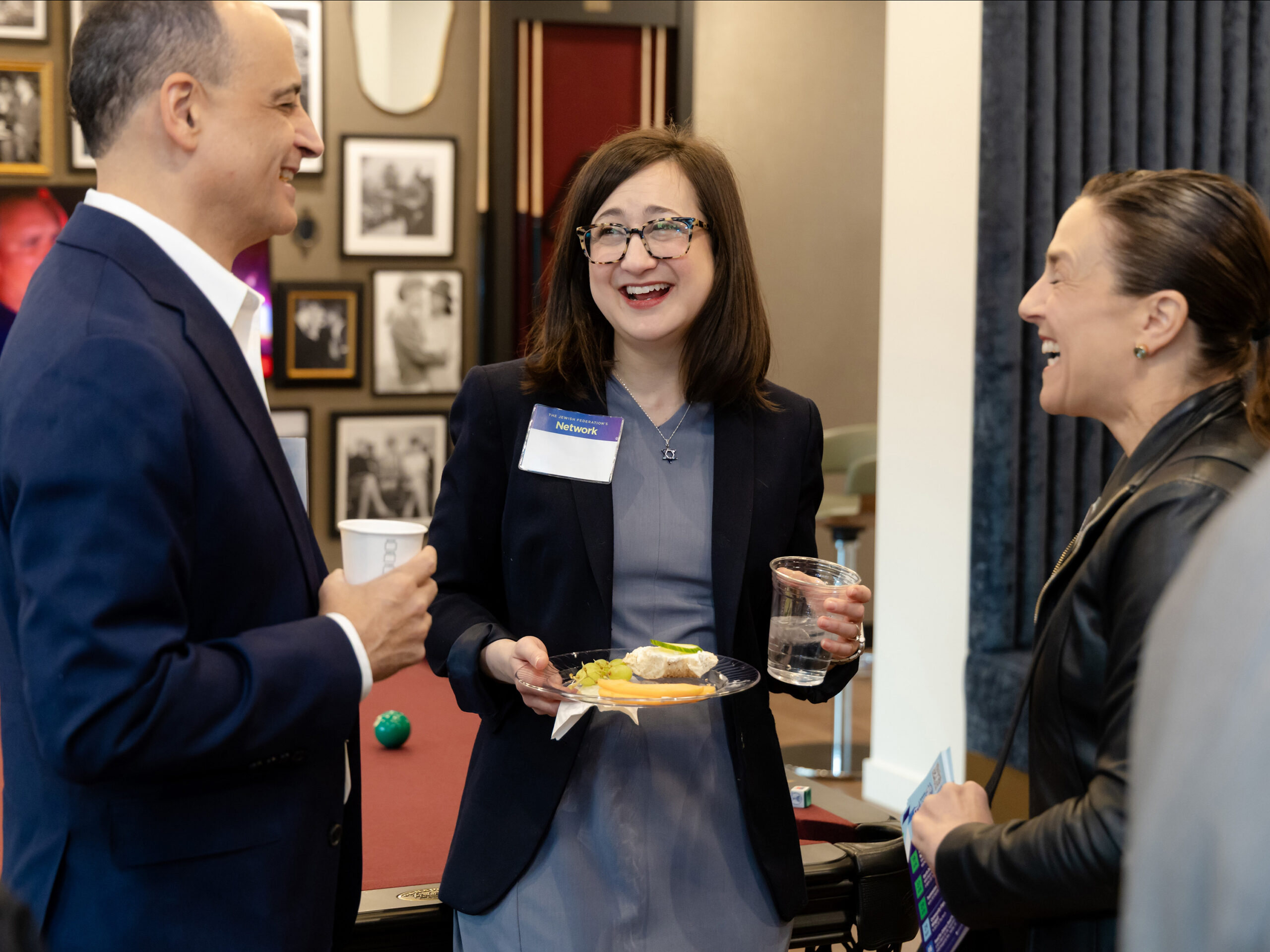

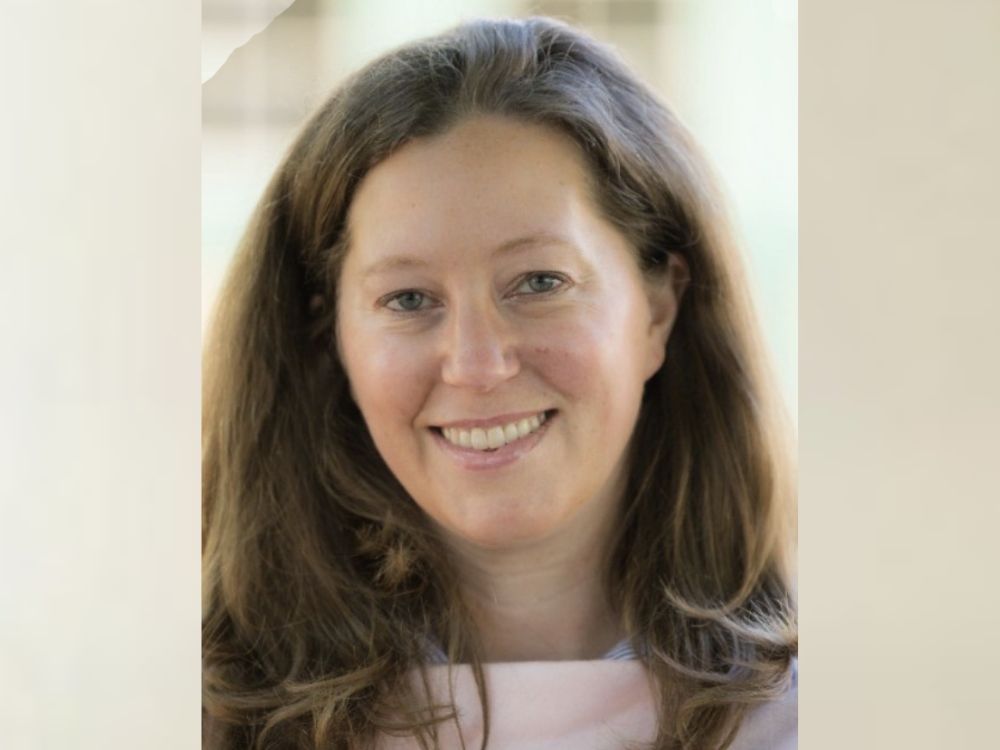
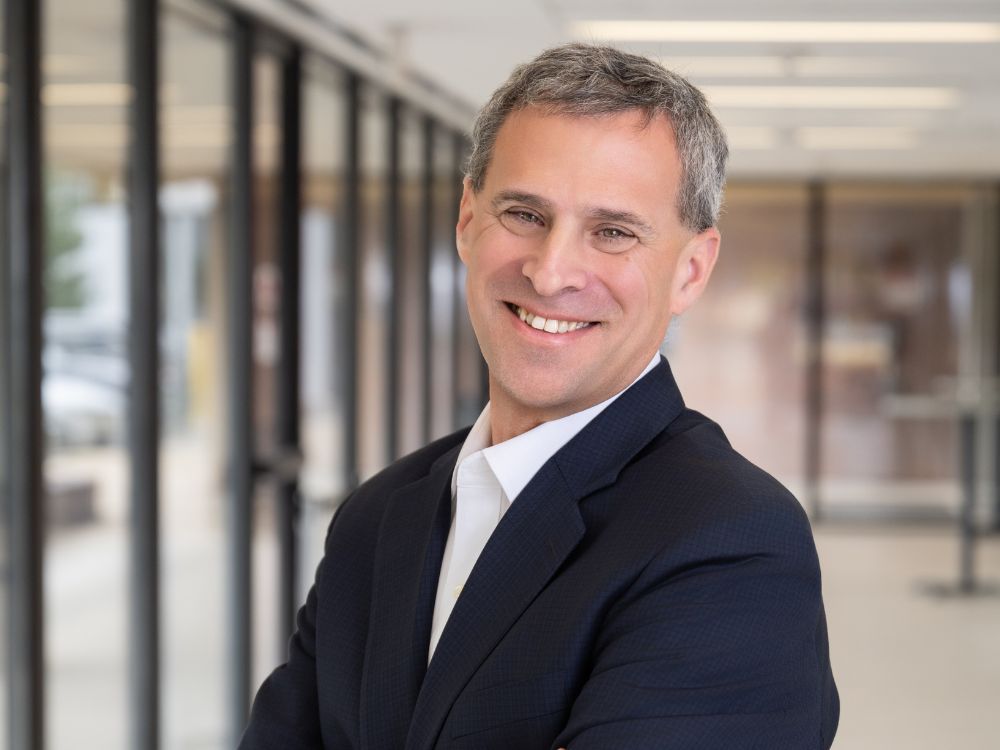
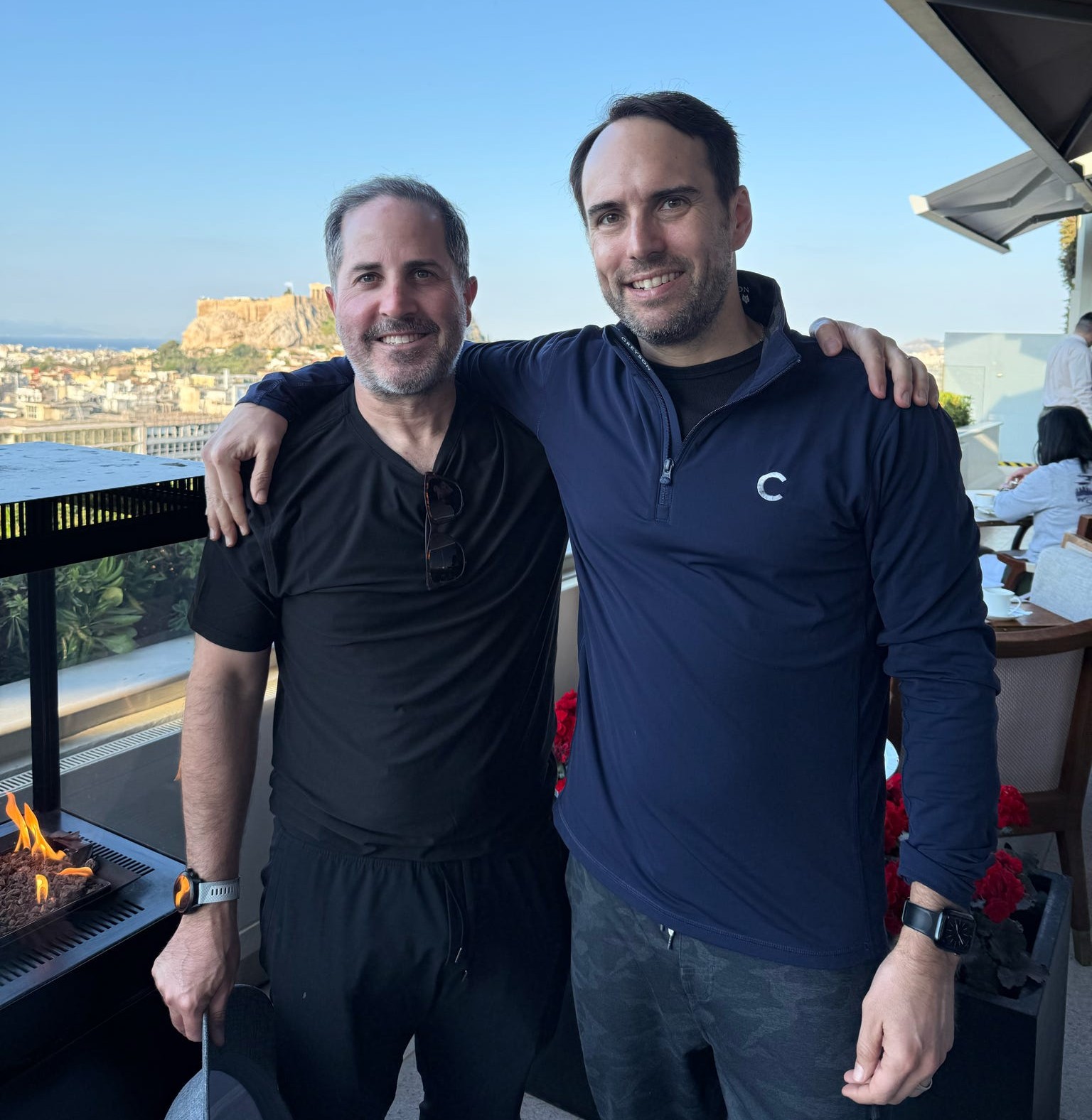
We’re excited to introduce Vanessa Sax, who joined The Jewish Federation of Greater Washington in December to focus on strategy and community building in Northern Virginia.
A former Northern Virginia resident herself, she’s excited to reconnect with the community she came to know well. In her role, she’ll work with partners across Northern Virginia’s Jewish community to strengthen relationships, expand leadership opportunities, and build on the strong momentum already underway across the region.
“As someone who lived in Northern Virginia for seven years, I understand firsthand the opportunities this community has to offer.” Vanessa shared, “My goal is to continue strengthening a sense of connection and belonging for Jews living in Northern Virginia, both in their micro-communities and across the broader Northern Virginia Jewish community.”
Vanessa brings a strong background in community building. She was the first employee of Sixth & I Historic Synagogue, helping establish it as a hub for arts, ideas, and Jewish life in Washington, DC. She later held a leadership role at Zuckerman Gravely Management, focusing on mentorship, professional development, and complex negotiations shaping several DC real estate markets.
Her work reflects a deep commitment to building relationships, strengthening community, and helping shape the next chapter of Jewish Northern Virginia.
Federation CEO Gil shared: “One of the key takeaways from our Community Pulse Survey was the desire for greater engagement in Jewish life and community in Northern Virginia. Through Vanessa’s vision and community-building skills, we can achieve exactly that.”
Curious about our ongoing work in Northern Virginia?

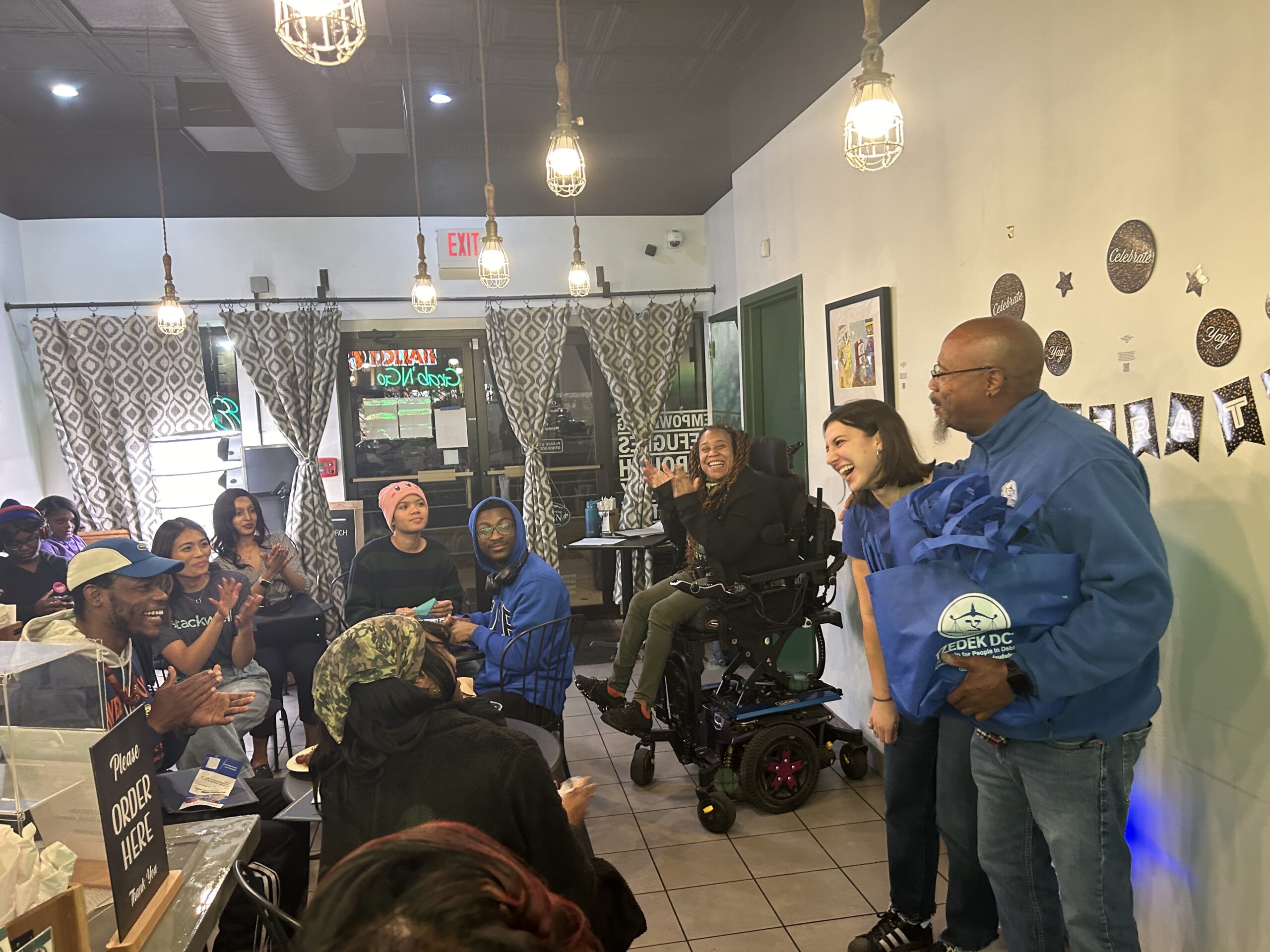
On any given weeknight in DC, a group of residents gathers around tables and notebooks at a Federation partner agency. They talk about credit scores, spending plans, debt that’s been sitting heavy for years, and long-term investing goals.
And then something shifts.
“After eight weeks, most participants made positive and tangible changes in their lives,” says Sophie Adler, Financial Empowerment Program Coordinator at Tzedek DC. “One participant increased their credit score by 100 points, and another paid down thousands of dollars of debt. But almost everyone, 98%, made a financial behavior change as a direct result of our program.”
Ninety-eight percent.
That kind of change doesn’t happen by accident. It happens when people are given practical tools, steady support, and a space to build confidence.
The Jewish Federation of Greater Washington is proud to help make that support possible by investing in partners like Tzedek DC.
Sophie grew up in Portland, Oregon, and came to DC through Avodah’s Jewish Service Corps, part of a Federation partner agency. She was looking for a way to pair Jewish community with hands-on social justice work—and found both at Tzedek DC, which works to alleviate debt and address economic injustice in DC. Its name inspired by the Jewish teaching Tzedek tzedek tirdof—“Justice, justice shall you pursue”.
What stood out for Sophie, though, wasn’t just the mission. It was the model.
“We don’t just offer direct services,” she explains. “We also work on policy and community education. You need all of it—reactive support for people in crisis and proactive, systemic change.”
Following her Avodah year, Sophie was hired to join the staff. Today, she serves as Financial Empowerment Program Coordinator, leading the eight-week program she helped launch during her Avodah service year.
That integrated approach reflects Federation’s belief that strengthening Jewish life and advancing economic justice go hand in hand. When Federation invests in partners like Tzedek DC, we help sustain both immediate support and long-term solutions.
When Sophie arrived, Tzedek DC was launching a pilot Financial Empowerment Program, an intensive, eight-week series offered free to DC residents.
Each week, participants dive into spending plans, short- and long-term financial goals, and building credit. They move beyond theory, through interactive workshops driven by the participants’ questions.
Alongside the workshops, participants can meet one-on-one with Tzedek DC’s financial counselors, pulling credit reports, identifying priorities, and setting repayment strategies. The workshops build knowledge. The counseling builds momentum.
The impact is tangible. One participant got her first credit card, and another opened a CD account. One participant worked hard at her long-term goal of becoming a homeowner and purchased her first home 15 months after graduating from the program.
But for Sophie, the most powerful shift isn’t numeric.
“It’s seeing participants’ confidence grow,” she says. “They’ll message me months later to celebrate a milestone. That pride, that sense of ‘I did this,’ that’s what stays with me.”
This is the kind of work Federation is proud to support: programs that help people build stability and long-term confidence.
No organization can do this work alone.
“We constantly have people calling us with different needs that we might not always be able to provide,” Sophie shares. “Being able to rely on our community partners is so important.”
By investing across Greater Washington, we help create the connective tissue that allows agencies to share resources, refer clients, and respond more effectively when needs arise.
Outside the classroom, Sophie brings the same energy to community life. She’s been playing basketball since she was four, most recently in DC’s Volo leagues, and now organizes Tzedek DC’s annual March Madness bracket challenge.
She also helped launch the organization’s Racial Equity Book Club and co-organizes a book club with fellow Avodah alumni.
It’s not separate from her work. It’s an extension of it.
“I want a career rooted in community,” she says. “Grounded in lived experience. People-centered.”
That instinct, toward connection and shared responsibility, is at the heart of Federation’s work across Greater Washington.
Eight weeks may not seem like a long time.
But in that time, participants begin putting the lessons into action—creating spending plans, building credit, and setting long-term goals.
That’s why Federation invests in partners who pair practical tools with lasting solutions.
Because when one person gains stability, the ripple effect reaches far beyond a single balance sheet—strengthening families and the broader community.
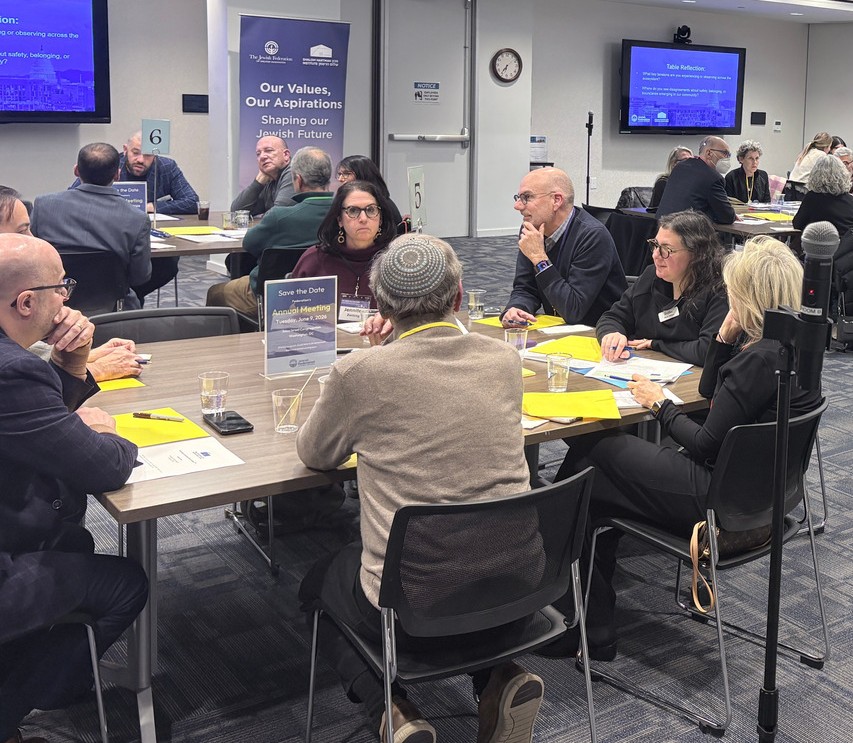
Across our community, leaders are navigating real tensions: belonging and boundaries, safety and responsibility, clarity and pluralism. These aren’t abstract debates. They shape what Jewish life feels like in our synagogues, agencies, schools, and communal spaces every single day.
How leaders hold that complexity determines whether our community feels safe or splintered, principled or reactive, connected or alone.
That’s why The Jewish Federation of Greater Washington continues to partner with the Shalom Hartman Institute as part of a sustained investment in Jewish leadership. Together, we equip leaders across our region with the shared language and frameworks needed to navigate complex communal challenges. Earlier this month, that partnership convened senior and emerging leaders for a candid conversation about what this moment requires of a vibrant Jewish community.
More than 60 leaders participated across the full spectrum of Jewish Greater Washington: congregational rabbis, synagogue presidents, agency executives, foundation trustees, long-time board members, and rising lay leaders. They represented institutions across denominations, missions, and generations—many of whom do not typically sit at the same tables.
Bringing this breadth of leadership into one room reflects Federation’s unique role and its investment in the relationships and common language leaders need to respond to difference with intention instead of reaction.
Our community includes many organizations, identities, ideologies, and expressions of Jewish belonging. Honoring that breadth and creating space where it can exist in conversation rather than collision is central to our mission as a community builder.
The goal was not uniformity, but shared understanding.
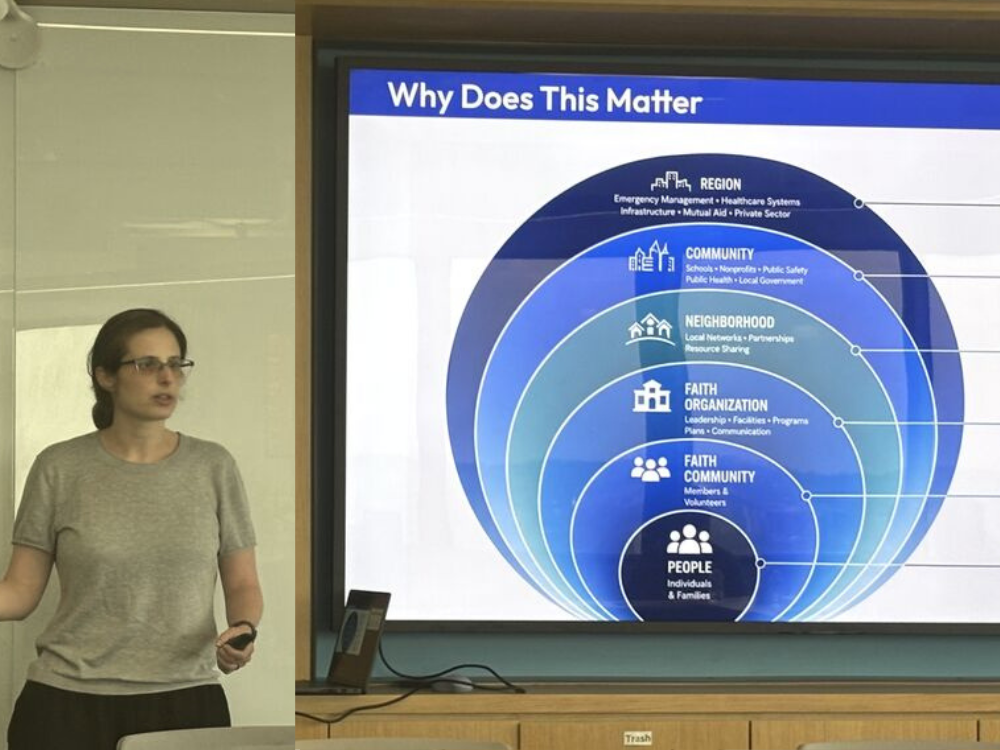
To anchor the conversation, we drew on the “Our Fragile Tents” framework developed and presented by Yehuda Kurtzer, President of the Shalom Hartman Institute. The framework offered language to help leaders name the fractures, fears, and ideological divides shaping Jewish life today, allowing the conversation to go deeper, faster.
Leaders began at tables, speaking openly about the tensions inside their own institutions. Several distinctions proved especially clarifying: the difference between communities of kinship and communities of consent; the ways participation, interest, and national identity shape expectations; and the recognition that not every community can or should operate by the same norms.
Leaders spoke candidly about what they are holding:
“Understanding the boundaries necessary in my community that may not be necessary in the larger Jewish community was eye-opening.”
“The varying definitions of community and the norms that guide them will directly shape how I lead.”
As leaders explored one another’s reflections, it became clear that no single institution is holding this moment alone.
No one left with every tension resolved. Agreement was never the objective. The goal was building the relationships and shared understanding that allow our community to move through strain without fracturing.
The conversation underscored how much this moment requires coordination and clarity across our community. No single synagogue, agency, or leadership body can bring this breadth of voices together across ideologies and generations.
By convening leaders in serious dialogue, Federation strengthens the relationships that help our community stay steady under pressure. Without shared language and cross-institutional relationships, leaders are left to navigate strain in isolation. Bringing institutions together ensures those tensions are held collectively rather than alone.
When leaders share common language and trust one another, institutions are better positioned to respond with clarity rather than escalation, with steadiness rather than isolation. The experience of Jewish life across our region—how safe it feels, how welcoming it feels, how principled it feels—is shaped by those choices.
A vibrant Jewish community depends on leaders who can hold complexity with clarity, speak honestly across difference, and remain committed to the whole, especially when it’s hard.
Strengthening that leadership capacity is central to Federation’s mission and essential to the long-term resilience of Jewish life in Greater Washington.
This convening was one step. Federation is now reviewing and synthesizing the reflections shared that evening to guide our next steps, so leaders across our community are better equipped for what this moment demands.
About the Partnership
For eight years, Federation’s partnership with the Shalom Hartman Institute has been rooted in a shared commitment to strengthening Jewish leadership and deepening relationships across our diverse community. Together, we have built a space for learning, reflection, and growth—a place where leaders wrestle with big questions, develop the clarity and courage needed to navigate complex times, and explore how to hold our community’s multitude of perspectives when the stakes feel high while communicating across differences in service of a stronger, more connected Greater Washington Jewish community.
Federation’s leadership programs help emerging and seasoned leaders alike grow their skills, deepen Jewish learning, and lead with purpose.
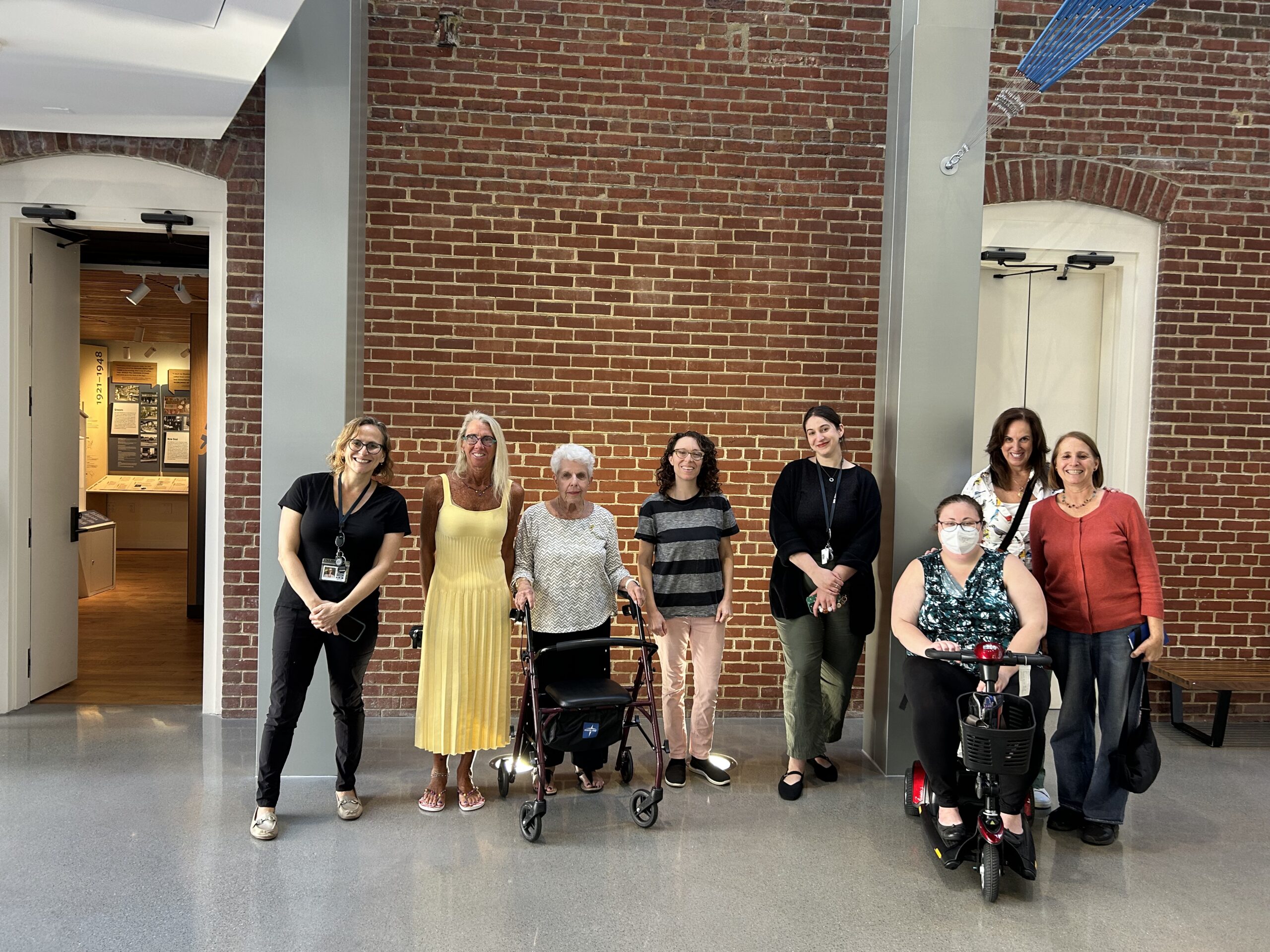
Inclusion is a journey shaped by curiosity, reflection, and a commitment to creating spaces where everyone belongs. On September 12, 2025, the Federation’s Disability Inclusion Advisory Group visited the Capital Jewish Museum as part of our ongoing work to strengthen access and belonging across Jewish institutions in Greater Washington. We left inspired by the museum’s openness, intentionality, and genuine desire to learn and grow.
The Capital Jewish Museum explores the Jewish experience in Washington from 1790 through today, tracing stories of community, civic engagement, and cultural life across generations. As a museum dedicated to preserving and interpreting Jewish history in the nation’s capital, its commitment to accessibility ensures that these stories are available to all who wish to engage with them.
The advisory group includes professional and lay leaders with expertise in disability advocacy, education, and policy, alongside individuals with lived experience as people with disabilities or as family members of individuals with disabilities. This diversity of perspective strengthens our work and informed a meaningful conversation with the museum’s leadership.
From the start, it was clear that inclusion is a priority for the museum. The invitation to engage in a thoughtful, respectful dialogue was a powerful signal. It showed that the museum is not only thinking about accessibility but is also eager to listen, ask questions, and plan for the future in partnership with the community.
We were encouraged by the many ways the museum is already working to make its space more welcoming. From physical access features to warm and responsive staff, the museum has already built a strong foundation for accessibility. What stood out most, though, was the museum’s willingness to explore what more could be done, not out of obligation, but out of a sincere commitment to inclusion as a core value.
Our group shared observations and ideas not as critiques, but as contributions to a shared vision. For example, we discussed how staff training can be a powerful tool in fostering inclusion. When staff are equipped to ask thoughtful questions and offer support—whether helping someone navigate the space, understand an exhibit, or find a place to rest—the visitor experience shifts from good to exceptional.
We also talked about communication and how small adjustments can make a big impact. Adding a clearly labeled accessibility section to the museum’s website, for instance, would make it easier for visitors to plan ahead and request accommodations. We are grateful that the museum has already taken this recommendation to heart by launching an accessibility page and is committed to continuing to build it out over time. Clear, consistent signage throughout the building can also help visitors navigate the space with confidence.
For Deaf and hard of hearing visitors, the museum is already thinking creatively about how to improve access. We explored ideas like increasing caption visibility on videos, offering digital check-in options, and even partnering with services that provide on-demand ASL interpretation. These are exciting possibilities that reflect the museum’s forward-thinking approach.
Mobility access was another area where thoughtful enhancements could build on existing strengths. From seating options to restroom access, the museum is clearly considering the needs of a wide range of visitors. We appreciated the attention to detail and shared ideas for how to continue building on that strong foundation.
For visitors who are blind or have low vision, the museum’s highly visual nature presents both a challenge and an opportunity. We discussed the potential for docent-led tours with verbal descriptions, audio guides, and tactile elements that could expand access and bring exhibits to life in new ways.
Disability inclusion is not something that happens overnight. It’s a process of learning, evolving, and building relationships. The Capital Jewish Museum is walking that path with intention and heart, and Federation is proud to partner in strengthening inclusion across our community.
We look forward to continuing this partnership and supporting the museum as it explores new ways to ensure that every visitor feels seen, heard, and valued. And we invite other organizations who are on their own inclusion journeys to connect with the Federation’s Disability Inclusion Advisory Group. We welcome opportunities to collaborate and strengthen inclusion across our community.
Discover how Federation is strengthening access and belonging across Jewish life in Greater Washington.