Need support? Call 703-J-CARING (703-522-7464)

Thinking About What Truly Shapes Jewish Life
Thinking About What Truly Shapes Jewish Life

How we might build the next chapter of Jewish community together.

I’ve been thinking a lot about how change happens. What experiences or events have a unique and significant impact on a person’s life? What are the drivers or enablers that can move a community forward? What is needed to shift a trajectory, to address a problem, or seize an opportunity?

I am thinking about this because we live in a moment when we, as a Jewish people, are facing a series of challenges (and opportunities) as our world changes in significant ways. We therefore need to consider our approach when it comes to our work to build a vibrant Jewish community in the DMV.

For the past many years, we have worked hard to identify new programs or strategies that would bring people in. We have sought ideas from the community and funded a variety of new initiatives. And many of these initiatives have been successful. We have partnered with incredible local agencies and synagogues to create new initiatives and bring ideas to life. This work has been eye-opening and worthwhile.

I also want to explore what it might look like for this next period of Jewish life, if we shift our focus from continuing to source new ideas to scaling the initiatives that we know for certain achieve the objectives we have in mind—the ones that over years of study and observation have proven successful in building connection, identity, and community.

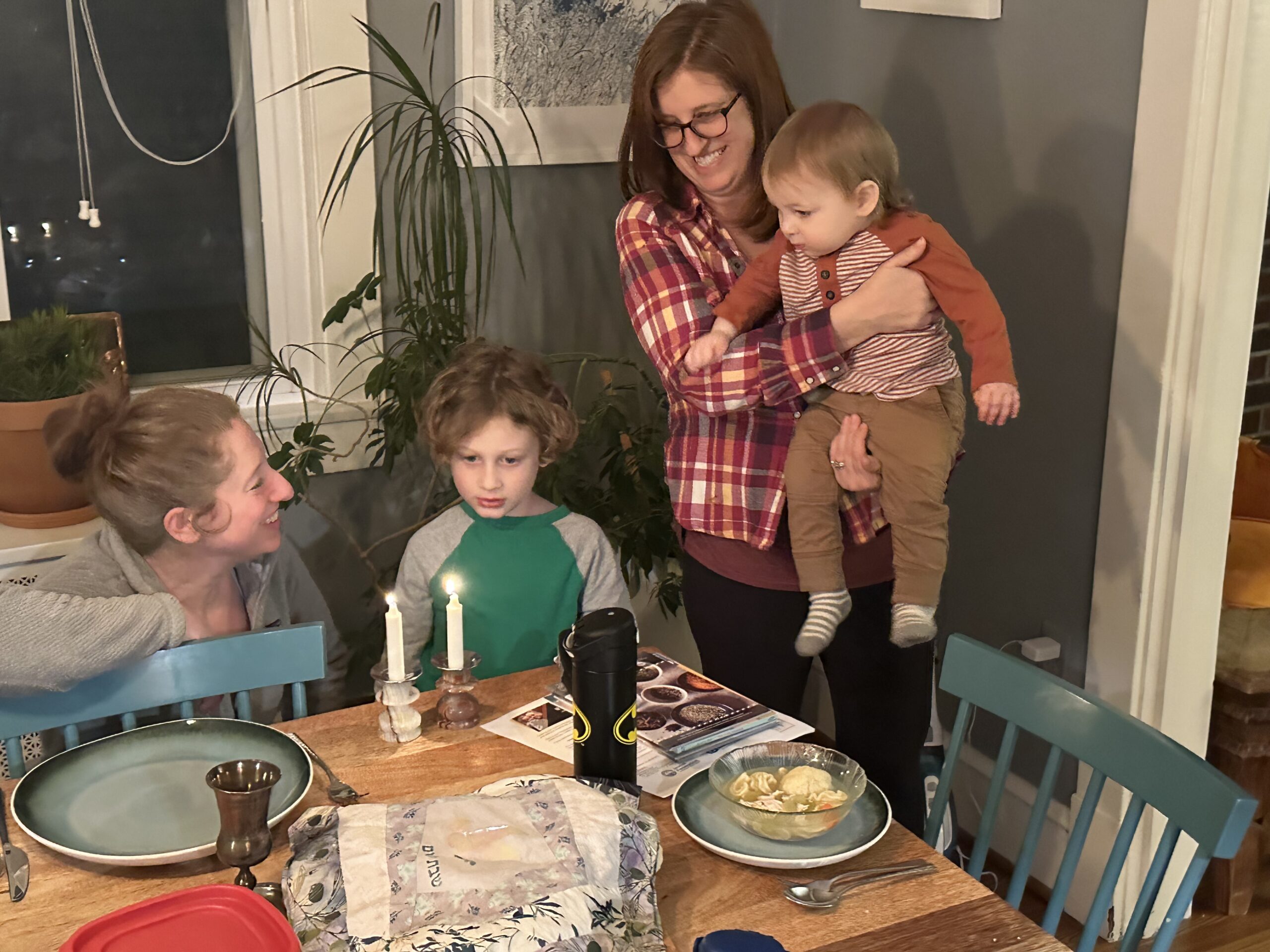
We know that Jewish overnight camp, youth groups, Jewish learning, immersive experiences, especially to Israel, Jewish day schools, and Shabbat dinners all achieve these goals. Moreover, and just as importantly, they are scalable. These may not be the only experiences that have such an impact, but channeling our energy and creativity into each of these six areas could yield tremendous results.

For example, there are currently 3,500 kids in Greater Washington who go to Jewish overnight camp. What impact might we have on the Jewish future if we doubled that number over the next ten years and another 3,500 children and teens experience the joy and community of camp? What if for the next decade, we focus on the proven wins in Jewish life—those things we know to be both high impact and scalable—and bring in many more people to these experiences?

We are currently debating and stress testing these questions internally at Federation and I want to share our thinking with you as part of that process. How does our list of impactful Jewish experiences strike you? Where do you see challenges with our approach? In what ways can the broader community contribute to Jewish engagement?

I look forward to hearing your thoughts. Through it all, know that our core objective remains the same: working together to build a community where everyone feels they belong, can connect deeply to others and the Jewish people, and inspired to shape our collective future.

More to come.
Related posts

Making Jewish Camp Magic, Thanks to One Happy Camper Grants

Making Jewish Camp Magic, Thanks to One Happy Camper Grants

There’s a kind of magic that only happens at Jewish summer camp and stays with kids long after summer.

Families tell us stories of a sunrise tefillah (prayer) that sparks growth, new friendships that feel like home, and a sense of belonging that can’t be taught. And for many, financial support like our One Happy Camper grant is what makes that magic possible.

“One word: HUGE.”

For this two-parent working household, balancing synagogue dues, religious school fees, and the rising costs of Jewish life made camp feel daunting. The help they received made a real difference.

It also made an impression: when their ninth grader recorded a school video about an inspirational moment, they chose sunrise tefillah (prayer) at camp.

“I can teach them all the Torah I want,” the parent said. “But it is camp that inspires my kids.” “If we hadn’t received support, I don’t know if he could have gone.”

“If we hadn’t received support, I don’t know if he could have gone.”

That’s what one parent told us after being unexpectedly fired from their job without severance—a shock that left them searching for employment for months.

In that moment, camp felt completely out of reach.

But with support from Federation, camp, and their synagogue, their son spent a month at Ramah Poconos—a month they described as “pivotal.” He came home more connected to his Jewish identity, more grounded, and surrounded by deep friendships that carried him through a hard year.

The parent is still unemployed and already worried about next summer. But their gratitude is unmistakable: “I am so grateful for the generosity of the Jewish community, and will likely have to count on more support next year.”

“Financial aid is truly transformative.”

For another family, camp would have remained just a dream without support.

For their daughter, a summer at Capital Camps meant:

  • her first taste of independence outside of home
  • lifelong friendships
  • belonging in a Jewish community
  • emotional and spiritual growth
  • discovering her strengths

As her parent put it: “Financial aid isn’t just a subsidy. It’s an investment in children, families, and the future of the Jewish community.”

“Camp would have been the first thing we had to cut.”

Another family shared that when the husband lost his job due to federal cuts, camp became the first thing they thought they’d have to remove from the budget.

But because of the grant they received, their children still experienced everything camp offers—confidence, leadership skills, connection, and identity-building.

“The support made it possible for our children to find a home within the Jewish community where they feel strongly connected and wish to give back.”

Making Jewish Camp Possible for Every Family

Jewish summer camp gives kids joy, independence, community, and identity.

It’s where friendships form in bunk beds, where confidence grows by the lake, and where Judaism becomes something kids feel proud of, not just something they learn.

And for so many families in our region, financial support is what makes that possible.

Make the magic of Jewish camp possible—whether for your family or another.

Apply for a One Happy Camper grant for up to $1,500 through December 31.

And if you’re in a position to give, your support can help another family send their child to camp. Donate today

One Happy Camper (OHC) is a need-blind first-time incentive grant sponsored by a partnership between Federation and Foundation for Jewish Camp. Federation supports over 220 first time campers attending 30+ camps across the country each year through OHC. Federation has distributed first-time incentive grants through One Happy Camper for over 15 years.

Since 2020, Federation also significantly allocates funds annually to 20+ camps for need-based financial aid scholarships for campers from Greater Washington.

Photo: Capital Camps & Retreat Center

Learn more

Related posts

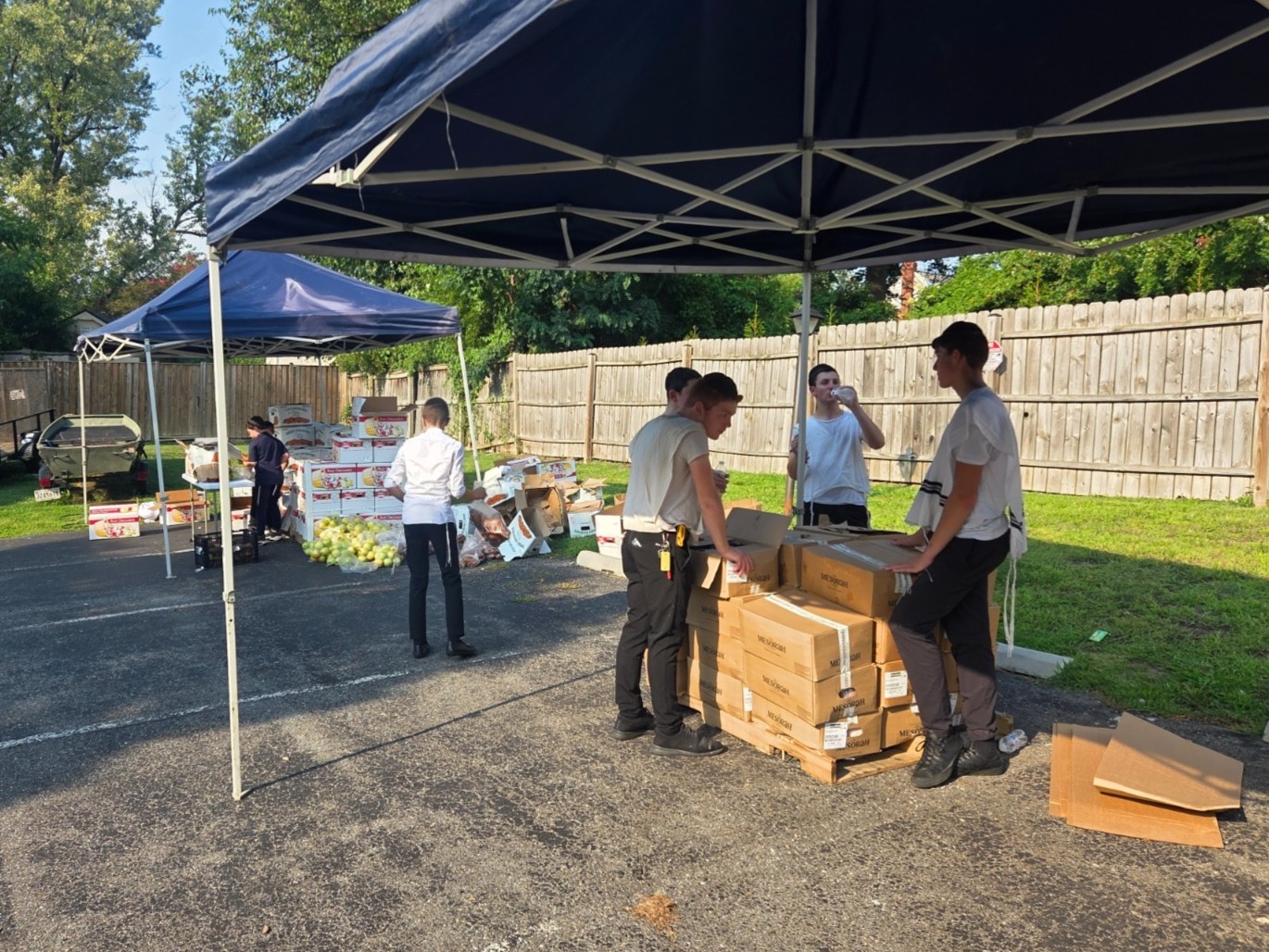
Joy, Belonging, and a Table Full of Apples

Joy, Belonging, and a Table Full of Apples

How 120 Families Brought Jewish Life Home

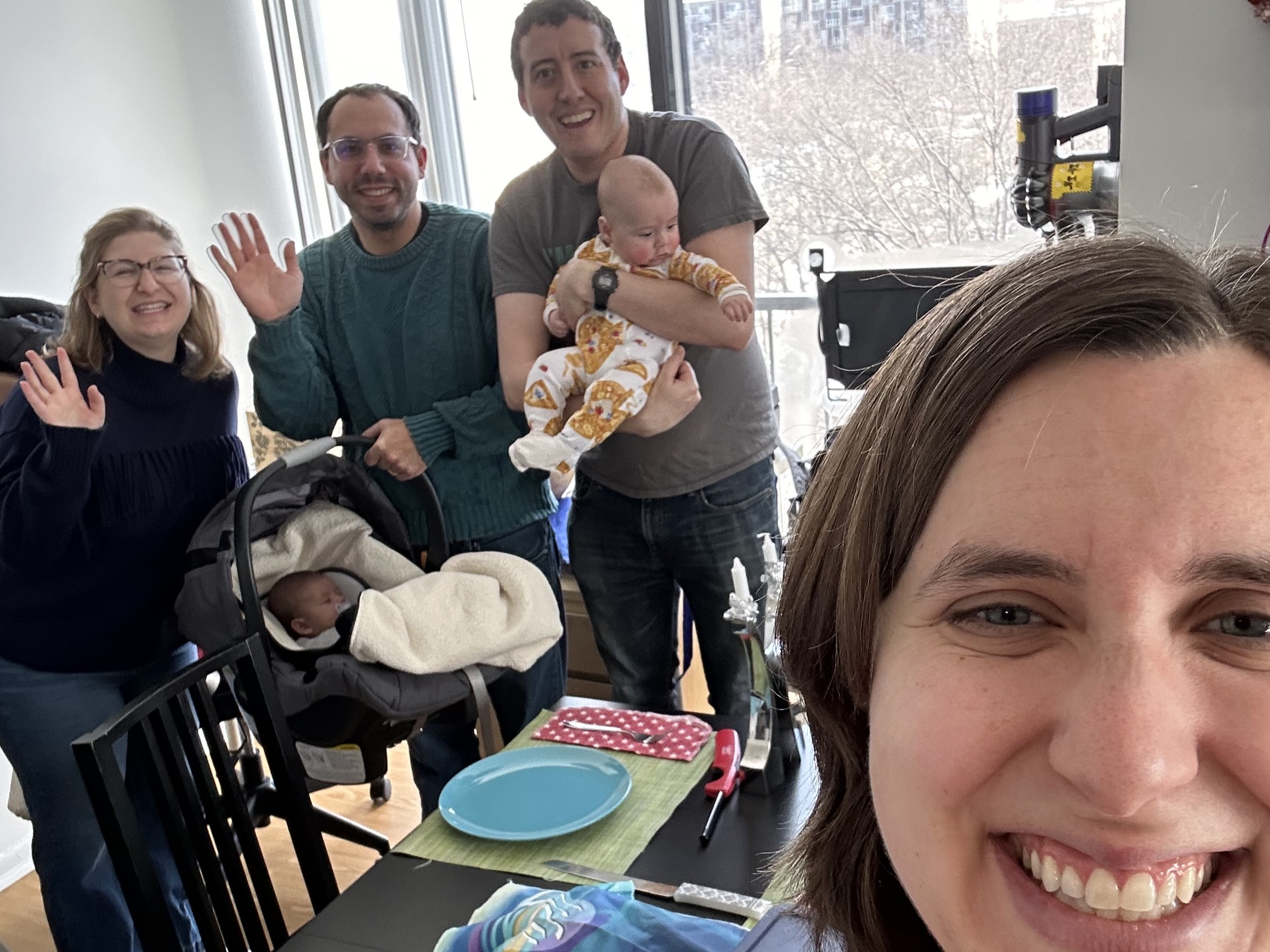
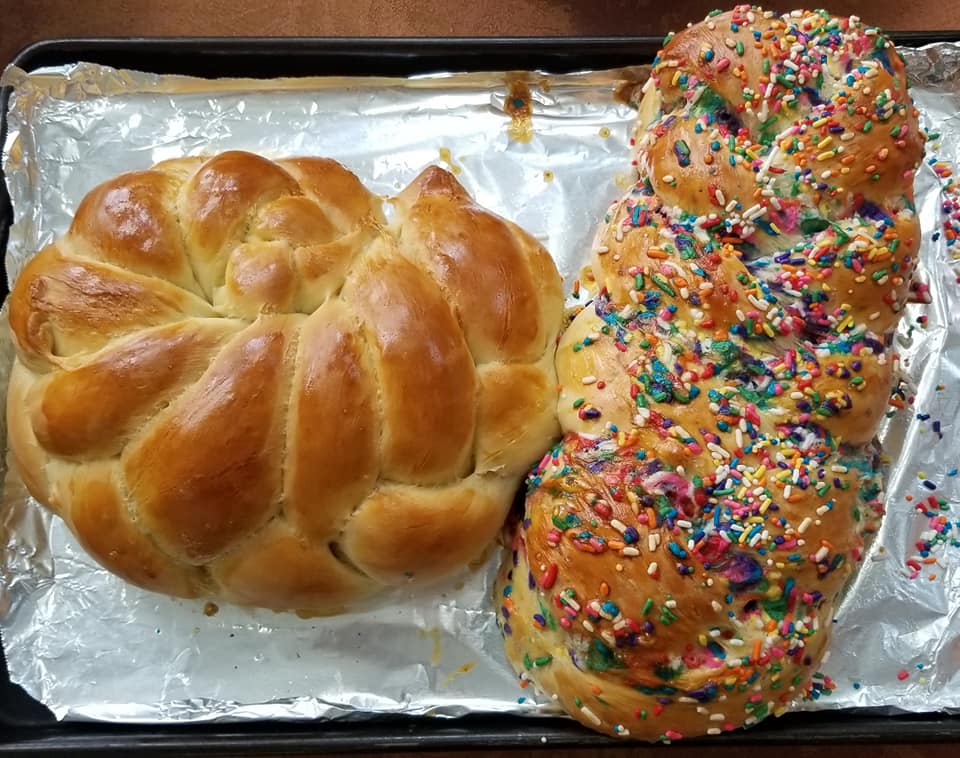
Since August, something beautiful has been unfolding across the DMV: more than 120 families have said “yes” to Jewish connection with a PJ Library get together for young families. Some gathered in sukkot under the stars. Others lit Shabbat candles in costume before heading out to trick-or-treat. Still others braided challah, painted pottery, or welcomed old friends and new faces to celebrate a sweet new year.

Each one made Jewish life feel personal, joyful, and shared.

It Doesn’t Have to Be Perfect

No one waited to have the “perfect” house or the “right” Judaica. They just showed up—with apple cake, with s’mores, with grape juice, with laughter. One family, hosting for the first time, built their own sukkah and invited 16 people to fill it. “We’d never done this before,” they said. “But we wanted to create space for others who don’t have the room to build one.”

That’s the kind of ripple effect this program sparks. When one family opens their door, others feel more welcome to do the same.

Little Moments, Big Memories

From Halloween Shabbat to challah-braiding brunches, every event looked a little different. But the feeling was the same: warmth, fun, and connection. A group of moms gathered to paint pottery for Rosh Hashanah. One host filled their table with “everything apple” to celebrate a sweet new year. Another welcomed 31 people across state lines to share in Rosh Hashanah dinner, marveling as kids realized—some for the first time—that everyone in the room was Jewish.

And these memories? They stick. As one parent said, “The party was the best part of the holiday!”

Your Turn to Say Yes

If you’ve been waiting for a sign, let this be it. Light the candles. Bake the kugel. Invite someone new.

These gatherings weren’t fancy. They were real: challah and crafts, backyard sukkahs and break-fast bagels. What made them meaningful wasn’t the setup. It was the people around the table, and the joy of being together.

This kind of connection isn’t limited to holidays or host homes. It’s happening across our community through Federation events, local gatherings, and meaningful moments both big and small. If you’re looking for your next step, the Community Calendar.

And if you’re not yet receiving free Jewish children’s books from PJ Library each month, it’s the perfect time to sign up. Stories are just the beginning.

You don’t need a theme, a guest list, or a perfect table setting. Just start small. When you’re ready, your Jewish community will meet you where you are.

Start here

Related posts

From Simple Invitations to Multi-City Leadership: An Architect of Jewish Belonging 

From Simple Invitations to Multi-City Leadership: An Architect of Jewish Belonging 

How Olivia Hazlett turns simple invitations into the kind of community our region depends on.

When Olivia Hazlett arrived in DC in 2020, “meeting people” looked like masked walks, outdoor coffees, and improvised Zoom hangouts. So, she started where she could:

“Hey, my friend’s hosting this thing—you should come.”

That simple line became a quiet mantra for how Olivia builds community: through warmth, curiosity, and a low barrier to entry.

It was simple, but it worked. And it mirrors something we now understand across Greater Washington: the desire for connection is high, and people show up when opportunities feel accessible and welcoming.

Today, Olivia is the Senior Mid-Atlantic Community Manager at Mem Global, a Federation partner, supporting 13 Moishe Houses from New Jersey to Charleston. She works closely with roughly 35 residents who rotate through one- to three-year terms, creating programs for their peers. Residents move on, but the relationships stay. “They always have a way to reach out,” she says.

This kind of grassroots leadership is a powerful example of what’s possible through our partnership with Mem Global, investing in the people and relationships that make young adult Jewish life thrive.

Her work aligns with a core truth about Jewish young adult life in our region: belonging grows through genuine relationships and consistent touchpoints, not one-off moments.

Where There’s a Gap, She Sparks Connection

Throughout her life, Olivia has stepped in where Jewish community needs a spark, leading with both initiative and heart

Over the years, Olivia has:

  • started a local BBYO chapter because none existed in her area
  • hosted two 50-person Jewish matchmaking events through Matchbox
  • organized a 60-person ticket block for the Michigan–Maryland football game
  • brought 25 people together for Shabbat at her apartment
  • and stayed connected with former Moishe House residents well beyond their terms

If an idea brings people together, she’ll turn it into a gathering.

Why Young Adult Jewish Life Needs More Builders

Young adult life doesn’t follow a single script. “Some people are moving cities again, some are getting married, some are starting over. There are so many entry points,” Olivia says.

Her style blends:

  • relationship-based engagement
  • experience from the Springboard Fellowship
  • social innovation training from the University of Pennsylvania
  • and her participation in the M² Kehilot Fellowship, exploring how values inform daily practice

The result is a way of building community that reflects what we see across the region: people want to be more involved, and often need someone to lower the barrier to get there.

Rooted in Her Story, Driven to Create

Olivia grew up in Marblehead, Massachusetts, a small New England town. Her grandparents and extended family were active in anti-discrimination work. Being one of only a few Jewish peers taught her early on: if you want Jewish life, sometimes you have to create it.

That instinct fuels her work today and resonates across our community, where so many young adults are building new roots, new circles, and new expressions of Jewish life.

Bagels, Yoga, and a Life That Stays Connected

Away from work, Olivia fills her days with yoga, movies, new restaurants, time with friends, and—as she’ll tell you—a lifelong love of bagels. She likes having something each day that brings her into community, like planning Shabbat dinner with friends, going to yoga with a neighbor, or just stopping by a local café where she knows someone will say hi. It’s not a job requirement; it’s who she is.

Curious Paths and What Comes Next

At 27, Olivia is excited to keep growing in her career and finding new ways to engage the people around her. If she weren’t doing this work, she imagines she’d be somewhere in the world of travel or experiential education, bringing people together through shared experiences. For now, she’s exactly where she wants to be: helping young adults find their people, their place, and their path into Jewish life—and strengthening the fabric of Jewish Greater Washington along the way.

Stories like Olivia’s remind us that belonging starts with a simple invitation. If you’re ready for yours, our community calendar is full of opportunities to meet new people, show up, and find your place.

Explore the Community Calendar

Related posts

Your Dollars at Work: Building Home Through Education in Israel

Your Dollars at Work: Building Home Through Education in Israel

This year, a new secondary school opened in the Galilee—the first in 47 years.

It was made possible by a partnership between the Rosh Pina, Mevu’ot Hermon, and Upper Galilee municipalities. But it didn’t happen in isolation. It’s part of something bigger: Homeward/Habaita, an ambitious, multi-partner initiative working to grow and strengthen communities in the Western Negev and Galilee through education.

With a $500,000 grant from our Israel Crisis Relief Allocations, that vision is becoming real.

In its first year alone, Homeward/Habaita:

  • Recruited 374 new teachers through the Educators’ Communities project
  • Reached 8,874 children and teens in the Western Negev through summer programs
  • Supported the launch of 52 new education initiatives by local educators
  • Helped 25 rural communities create new social and communal education frameworks
  • Benefited more than 36,000 students across 89 communities

Beyond temporary relief, these efforts foster long-term belonging. The kind of connection that makes staying feel possible and coming back feel worth it.

In Ma’ale Yosef, where northern moshavim were hit especially hard by the October 7 attacks, local leaders prioritized education as the first step toward returning home. “The establishment of the education systems within the communities for elementary school children and teens is the first thing we set out to do,” said Tal Ohana, demographic growth project manager for the region.

Natalie Simhon, education department director and president of Moshav Even Menahem, added: “We were disconnected from our homes, disconnected from the ability to be together—and when we create an informal solution, we build a community, we create a sense of belonging.”

This is what your support makes possible: investments in the educators, schools, and programs that hold communities together—especially when everything else feels uncertain.

We’re deeply proud to be in this work with trusted partners in Israel. And we’re grateful to stand with our community here in Greater Washington, who help make all of this happen.

This is just one of the several long-term investments we’re making across Israel. Our growing partnerships with Kinneret Valley Cluster (KVC) and Kibbutz Re’im will help us reach even more communities with this kind of bold, local leadership.

Learn more

Related posts

More Than One Way to Make a Difference 

More Than One Way to Make a Difference 

Each act of generosity adds to something beautiful we share.

There’s more than one way to slice an apple, bake a challah, or make someone’s day. And there’s definitely more than one way to make a difference.

Every gift to The Jewish Federation of Greater Washington helps someone feel more connected, supported, and seen—whether it’s a teen finding their place in Jewish life, a family getting help in a moment of crisis, or a community strengthened by safety and care.

Curious what your impact looks like?

Explore how your giving shapes Jewish life across Greater Washington:

  • Security: Protecting our community and preparing for whatever comes next.
  • Northern Virginia: Building connection and Jewish life across the region.
  • Teens & Young Adults: Empowering the next generation of Jewish leaders.
  • Camp & Education: Sparking lifelong Jewish learning and friendships.

This season, consider the difference you want to make, then choose the giving path that fits you best. Whether it’s online, through appreciated stock, your Donor Advised Fund, or a charitable IRA distribution, your generosity powers real impact across our region and beyond.

Because there’s no single way to build a strong, vibrant Jewish community. It takes all of us. 

Choose your way

Related posts

Building Jewish Community Across Northern Virginia

Building Jewish Community Across Northern Virginia

Meet Jordyn Barry!

At a cozy coffee shop near George Mason University, Jordyn Barry spends much of her day meeting Jewish students and others in their college age and stage—one latte, one story, one connection at a time.

As a new member of the George Mason Hillel team, Jordyn is helping expand Jewish community well beyond campus, ensuring Jewish students and young adults across Northern Virginia feel seen, supported, and connected.

“My favorite part of my job right now is sitting at a coffee shop and meeting three people in a row for coffee,” she says. “Just having different conversations, asking, ‘Tell me about yourself. What are you looking for?’ And if we can’t find it, let’s create it.”

Finding Jewish Life in Northern Virginia

Jordyn first came to the region in 2018 to work at the Pozez JCC of Northern Virginia. When the pandemic shifted everything, she leaned even more deeply into the community, working with teens at Temple Rodef Shalom and discovering what makes Jewish life in this area so special.

“It is so diverse and so spread out, and you can find your own place within it,” she explains. “There are all these little pockets of Jewish life, each a little different and unique.”

After time spent travelling, working at Jewish summer camp, reconnecting with family, and joining a JDC trip to Poland, Jordyn realized she belonged right back in Fairfax County.

“It truly showed that my calling is to be here,” she says. “I missed where I was.”

Now, she’s leading a new Hillel initiative that supports Jewish graduate students, law students, and those in their college age and stage studying at Northern Virginia Community College and beyond—creating Jewish spaces that meet people where they are.

“We understand not everyone is coming to campus on Friday nights,” she says. “We are creating community where they are, in ways that work for them.”

A Jewish Journey Rooted in Family and Curiosity

Jordyn’s passion for Jewish community comes from her family and a deep love of learning. Her father converted before she was born, and her parents emphasized “choice through knowledge,” encouraging both children to explore their heritage.

A family trip to Israel for her brother’s bar mitzvah helped everything click. “Everything I learned in religious school became real,” she says. Later, studying abroad and living on a kibbutz deepened her connection to Jewish history and daily life.

She went on to study religion and history at Muhlenberg College and earned a master’s in Jewish-Christian Relations from Seton Hall University.

“My grandfather is a Holocaust survivor,” she shares. “Creating Jewish community feels so important. I love doing it as my job and for myself.”

Creating Space—and Finding Her Own

Even after seven years in the region, Jordyn says she is still discovering what “Jewish home” means to her.

“I find my Jewish experience in different places,” she says. “Sometimes it is Shabbat with friends I met through the JCC, or just taking a moment outside on a Friday night after working at Hillel. There are options. Some of them I do not even know exist yet, and I work in this world.”

That sense of openness and curiosity drives her work, helping others explore what Jewish life can look like for them.

Outside the Coffee Shop

When she is not building community, you’ll likely find Jordyn exploring local trails with her dog or discovering the best new latte in town.

Her coffee order changes by café: a turmeric chai at Northside Social, or a date oat milk latte at Tatte.

Her bagel order is delightfully bold and a bit controversial: a cinnamon-raisin bagel with tuna and tomato or scallion cream cheese. “I get made fun of for it,” she laughs, “but there is something about the sweet and salty that I love.”

She’s loyal to coffee ice cream (with plenty of mix-ins), root for the Mets, and feels most at home near a lake in the mountains. Istanbul tops her list of favorite travels, with Thailand next on her bucket list.

Jordyn’s story is just one part of a growing, vibrant Jewish Northern Virginia.

Learn more

Related posts

When Hate Shows Up in the Classroom, Federation Shows Up for Teachers

When Hate Shows Up in the Classroom, Federation Shows Up for Teachers

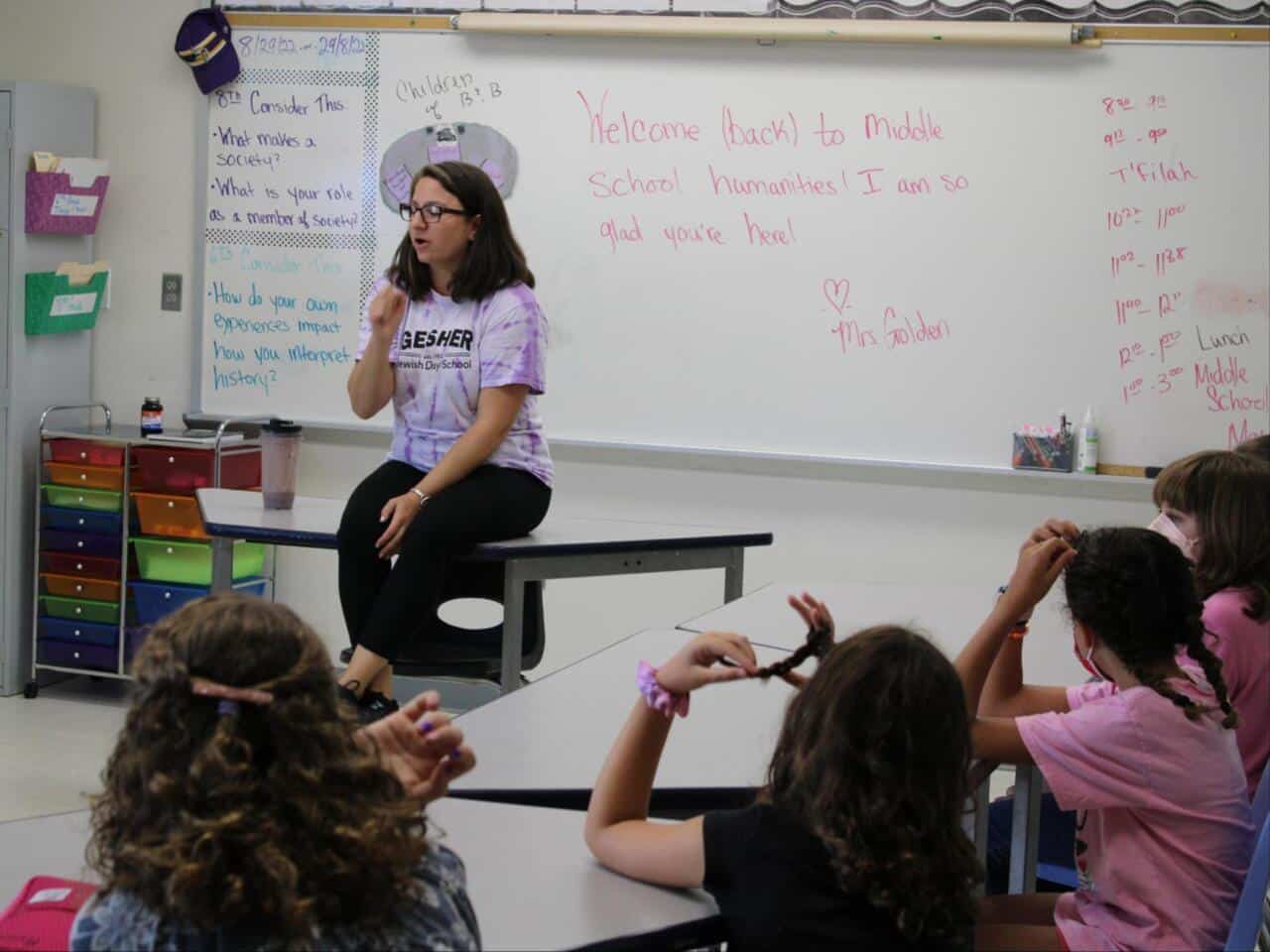
In classrooms across Greater Washington, antisemitism isn’t abstract. It shows up in hallway slurs, social media posts, and in the hard questions students bring to class. Teachers are on the front lines of these conversations—often without the necessary tools to respond.

This is more than a challenge; it’s a turning point. If we want to shape Jewish life and protect our community, we have to start where prejudice takes root: in education. This summer, The Jewish Federation of Greater Washington helped bring Facing History and Ourselves (FHAO) back to DC for its first in-person Holocaust education seminar since before the pandemic.

Responding to an Urgent Need

At the University of the District of Columbia, more than 20 middle and high school educators from public, private, and Jewish day schools came together for four days of intensive learning. Using FHAO’s Holocaust and Human Behavior curriculum, they examined how propaganda spreads, how restrictions accumulate, and how silence allows hate to grow—lessons with chilling relevance for today’s classrooms.

They also practiced strategies to create trust and build classroom environments where difficult questions aren’t avoided but explored. “If teachers don’t believe they can do it, they won’t,” explained Jeremy Nesoff, FHAO’s Senior Director for District Partnerships. “Our goal is to give them the confidence, strategies, and resources to guide their students toward empathy and responsibility.”

Impact That Multiplies

Each teacher reaches dozens of students every year. Multiply that across a classroom, a school, a district—and one Federation investment this summer could change how thousands of young people learn to recognize and confront antisemitism. The impact doesn’t stop in one room; it spreads into every hallway and community those students touch.

For the teachers, the effect was immediate:

“The work that’s being done here will transform not only my community but all of our schools across the country.”

“This seminar allowed me to grapple with my own understandings and will allow me to grow as an educator and an individual.”

According to survey responses, every participant left better prepared to address antisemitism; 95% said the experience deepened their commitment to teaching; and all reported greater confidence in responding to antisemitism in their schools.

A Catalyst for Change

This summer seminar was more than just bringing FHAO back to DC—it created momentum for what comes next, laying the groundwork for district-wide training in Loudoun County and sparking conversations with DC Public Schools. FHAO is also exploring expansion into Prince George’s, Anne Arundel, and Prince William counties. “Working with knowledgeable expert partners, like Federation, who are plugged into the community is such a key for us,” said Nesoff. “Federation helped us open doors.”

Joel Frankel, Federation’s Senior Director of Community Capacity, added:

“Our funding for FHAO is one example of how we’re supporting parents and students in the fight against antisemitism in schools. Next year, we plan to bring together all our partners in this space—including FHAO, Jewish Community Relations Council (JCRC), American Jewish Committee (AJC), and Anti-Defamation League (ADL)—to build on the relationships they’ve developed over time.”

Preparing Students for More Than Academics

Students in the DMV are returning to more than math and reading. They’re also navigating questions of belonging, justice, and identity. Thanks to your support, nearly two dozen teachers now have resources like FHAO’s Back to School Toolkit to create classrooms where every student feels safe to learn and engage.

In a moment when antisemitism feels more present than ever, we’re ensuring teachers—and the thousands of students they reach—are ready not just to teach but to help young people think critically and stand up to hate.

Related posts

The Future of Jewish Leadership Begins Here

The Future of Jewish Leadership Begins Here

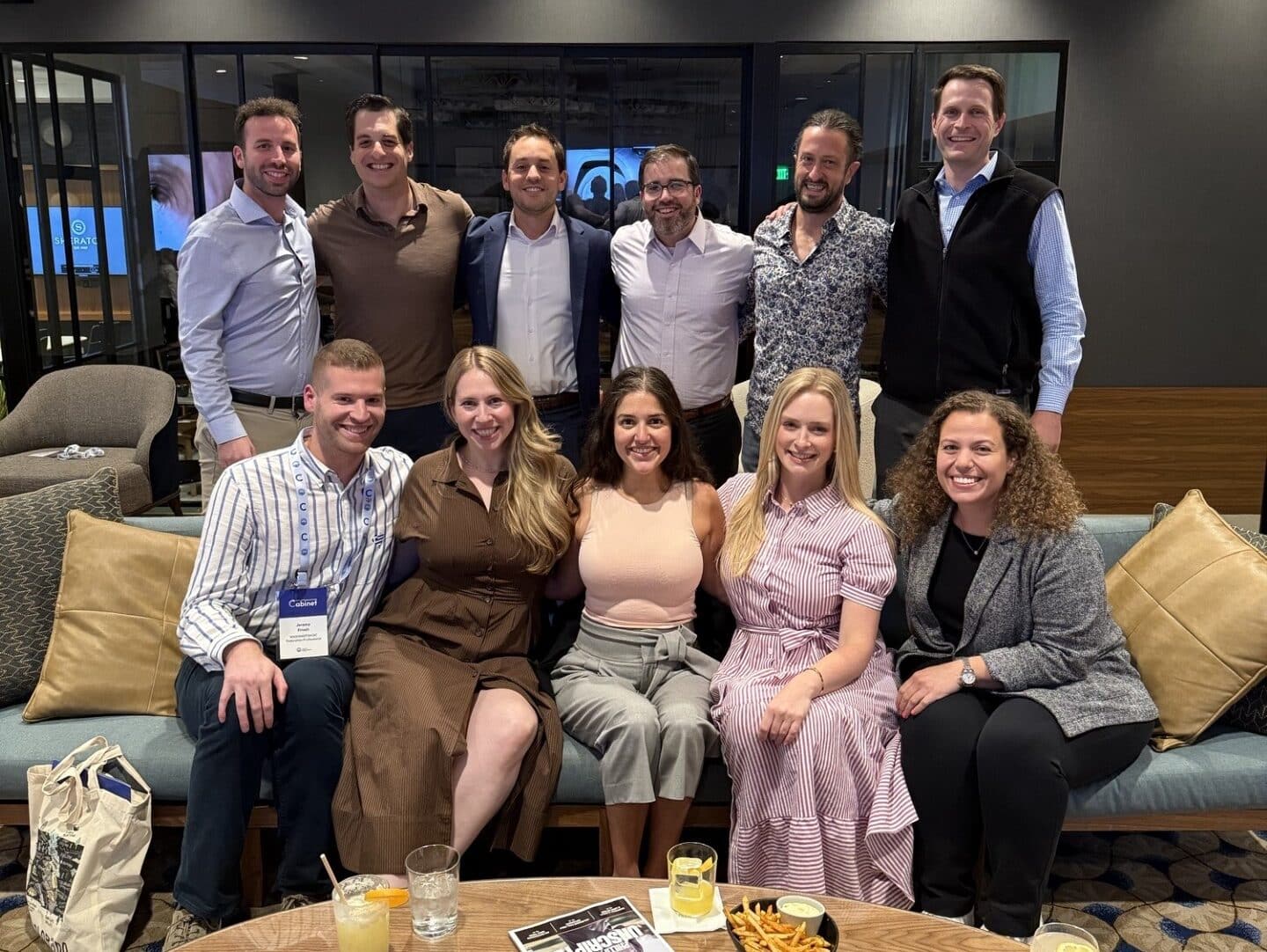
The future of Jewish leadership doesn’t start in boardrooms—it starts in moments of connection, clarity, and conviction. Earlier this month, thirteen young leaders from Greater Washington traveled to Denver to join more than 300 of their peers at the National Young Leadership Cabinet retreat. Over four days of learning and exchange, they discovered not just new ideas, but how deeply their local efforts are woven into a powerful collective shaping Jewish life across North America and beyond.

What Is Cabinet?

Cabinet, an initiative of Jewish Federations of North America (JFNA), identifies, trains, and inspires leaders ages 30–45 to strengthen Jewish life locally and globally. Many participants go on to serve in prominent roles—on Federation’s Board of Directors, including as President, and on the boards of other leading Jewish organizations.

When the Impact Gets Personal

For Alexa Brown, Cabinet co-chair for the Jewish Federation of Greater Washington, the retreat underscored how local work connects to a larger movement. “This experience helped me zoom out and see just how connected our work at home is to the broader Federation network,” she said.

That collective impact became especially personal for Alexa when she learned that Federation dollars are helping to rebuild Soroka Hospital in Be’er Sheva—where her grandmother is a patient. “Knowing that our community is directly supporting the hospital caring for her was incredibly emotional,” she reflected. “Hearing firsthand about the renovations left me overwhelmed with gratitude—not just for hospital staff, but for everyone in our Federation family who gives so generously.”

Finding Strength in Connection

For her co-chair, Britney Wambold, the most meaningful moments came from building deeper relationships. “Meeting in a more intimate setting and sharing our personal ‘why’ for being involved with Federation was incredibly powerful,” she said. “Their stories reminded me of the depth of passion in our community and inspired me to keep pushing forward in my own leadership journey.”

Both Alexa and Britney pointed to the energy that comes from being part of a national network. “There was an unspoken understanding among us—that we’re not just here to lead but to show up for one another,” Alexa shared. “It gave me peace knowing there’s a whole network of leaders who care deeply and have each other’s backs.” Britney agreed: “The retreat reminded me how impressive and diverse this group is, and how much we can learn from one another.”

From Retreat to Reality

For the Greater Washington delegation, Denver wasn’t just four days away—it was a chance to see the bigger picture, to feel the impact of global Jewish philanthropy in deeply personal ways, and bring home renewed energy for strengthening our community. Alexa and Britney returned new tools and ideas, and deeper pride in Federation’s work and in the generation of leaders shaping the Jewish future.

“I’m excited to see what this group of young leaders goes on to do here at home to strengthen our local Jewish community in the years to come,” reflected Jeremy Frisch, Federation’s Assistant Director for Donor Engagement, who also attended. “Watching them learn and grow leaves me feeling very hopeful about what that future looks like.”

And that’s the heart of Cabinet: cultivating leaders who will guide our community through real challenges and seize opportunities to enrich Jewish life across Greater Washington. Today’s investment develops the leaders our community will count on for decades to come.

To learn more about the National Young Leadership Cabinet or to get involved, contact Jeremy Frisch at jeremy.frisch@www.shalomdc.org.

Related posts

Marilyn & Ira Polon: Building a Legacy of Jewish Continuity

Marilyn & Ira Polon: Building a Legacy of Jewish Continuity

Leading by Example and Securing Our Future

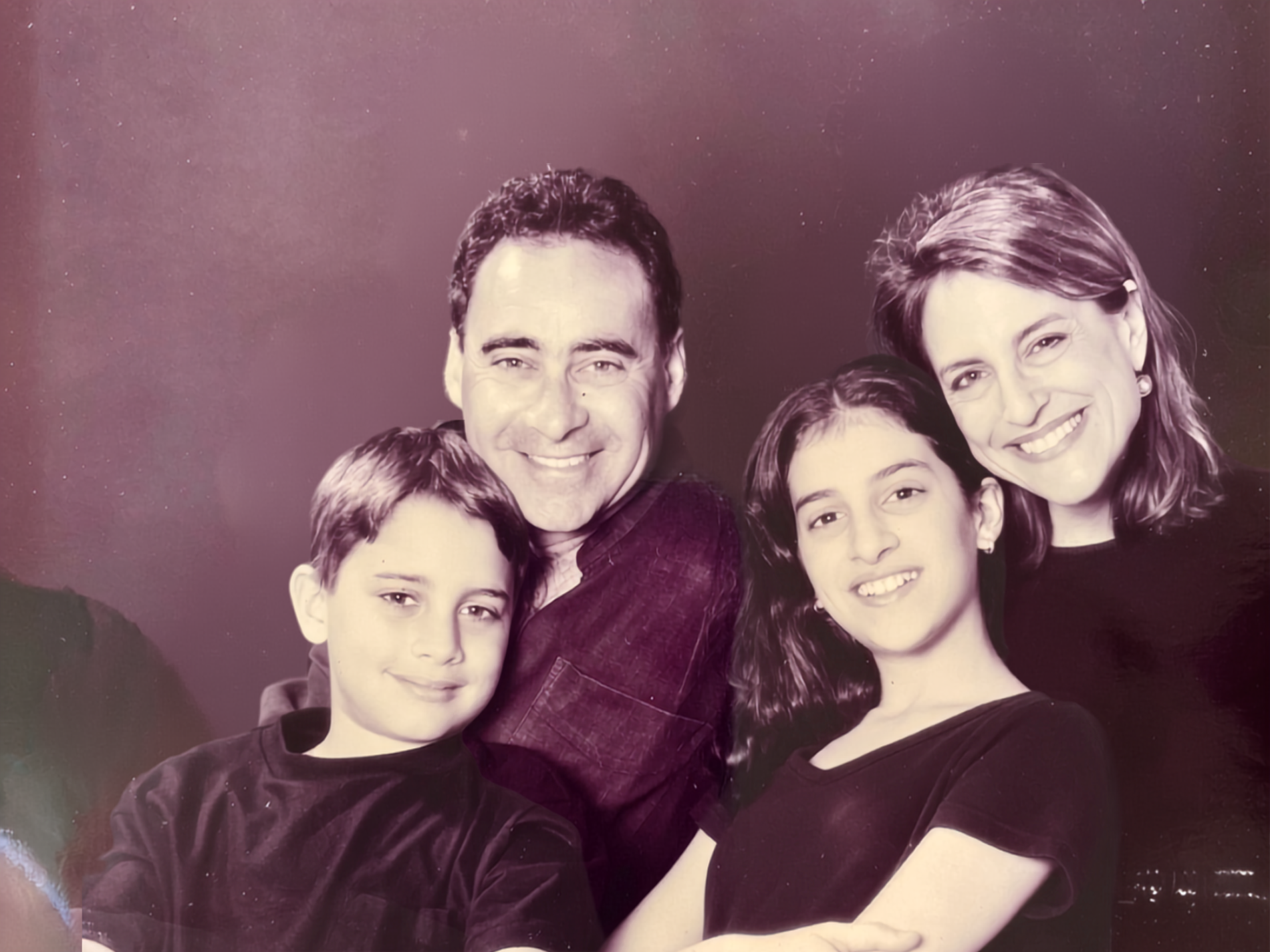
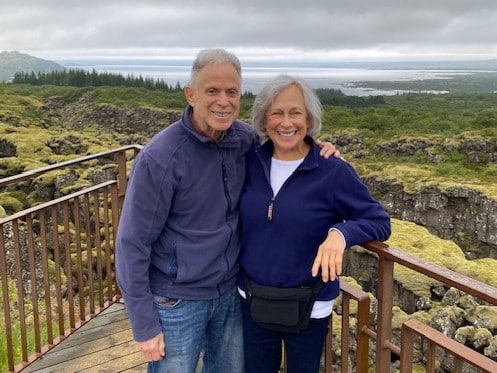
We recently sat down with Marilyn and Ira Polon to talk about their decades-long connection to The Jewish Federation of Greater Washington—a relationship built on community, shared values, and a lifetime of giving.

Their story began in 1971, when Ira had just completed two years of Army service and the young couple settled in Alexandria, Virginia. Not long after, a friend from Agudas Achim invited them to a Federation “Young Marrieds” event—a lively gathering that became their gateway into Greater Washington’s Jewish community. “It was such a wonderful way to meet other young Jewish couples and build connections,” Marilyn recalls.

From that first welcome, their involvement only deepened. Ira joined a Federation mission to Israel and later served on the Strategic Planning & Allocations (SP&A) Committee. “That experience gave us a deeper understanding of the community’s needs,” he says. “That’s when giving became a brand-new habit, one that felt good and meaningful. As our financial situation improved over the years, we were able to give more.” Today, their philanthropy focuses primarily on Jewish causes, especially since October 7. Marilyn adds with a smile, “And animals, too.” Ira now serves on Federation’s Board of Directors.

A Deepening Sense of Purpose

Over five decades, the Polons have watched Federation’s work evolve to meet the changing needs of the community. “The work has always been vital,” they reflect, “but it feels especially urgent now with the rise in antisemitism.”

They point to the Charles E. Smith Jewish Day School (JDS) as an example of how Federation-supported institutions shape identity. Both of their children, Sara and Jonathan, attended JDS, and the experience reinforced the importance of Jewish learning. “A Jewish education deepens understanding and connection to our traditions,” Marilyn says. “That sense of identity and joy is what sustains us, especially in challenging times.”

“It’s what makes us feel rooted and proud,” Ira adds.

Today, their connection to JDS continues through the next generation—their two grandchildren are current students, carrying forward the same values and traditions that shaped their parents.

Roots, Resilience, and Influence

Neither Marilyn nor Ira grew up in a “Federation family,” but both carried formative Jewish experiences into their marriage. Ira was raised in New York, where he attended Hebrew school and celebrated his Bar Mitzvah, but he describes his upbringing as “not very religious.” Marilyn grew up in Baltimore with a deeply observant father and Hebrew teachers who were Holocaust survivors.

Her father’s devotion was sometimes tempered by caution in the face of antisemitism. “He wore a hat instead of a kippah and didn’t put up a sukkah,” Marilyn remembers. “Antisemitism was present then, as it is now.”

When the couple married in December 1967, Ira was surprised when Marilyn announced they’d keep a kosher home and join the local synagogue. “Thanks to Marilyn,” he says, “my connection to Judaism is so much richer and deeper now.”

A Legacy for the Future

For Marilyn and Ira, philanthropy is about more than giving—it’s about ensuring the future of the Jewish people. “We care deeply about continuity,” they say. “We want to make sure more Jews have the opportunity to strengthen their identity and connection to our heritage.”

“We feel lucky to be able to give back,” Marilyn says. “It just feels good to do our part.”

Recently, they experienced a proud and moving moment when they learned that their children also give to Federation quietly, without ever mentioning it to their parents. For them, it was a powerful illustration of true altruism—a sign that the next generation had been inspired not by being told to give, but by witnessing their parents’ intentional actions over the years.

“That’s what legacy is all about,” they agreed—ensuring that the Jewish community they have helped strengthen will continue to thrive for generations. A legacy gift, they believe, is a mitzvah for the future of the Jewish community. It shows your loved ones what matters most to you and creates a plan to sustain it.

Join Marilyn and Ira in shaping the future of Jewish life in Greater Washington. Learn more about creating your own Jewish legacy at www.shalomdc.org/legacy.

Related posts