Need support? Call 703-J-CARING (703-522-7464)

First to Go Out, Last to Return
First to Go Out, Last to Return

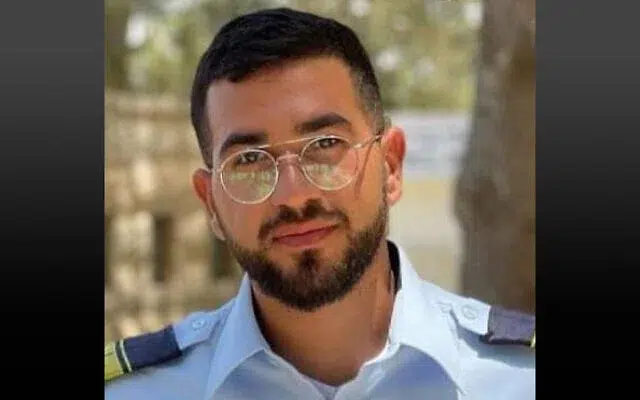
On October 7, 2023, Ran (Rani) Gvili, 24, was at his parents’ home in Meitar, in southern Israel, on medical leave from his service in an elite police unit. About two weeks earlier, he had injured his shoulder in an off-road motorcycle accident and was scheduled to undergo surgery just days later. As his family rushed into the shelter amid relentless sirens, Rani put on his police uniform and prepared to leave. His mother, Talik, asked him where he thought he was going. Rani replied simply: “Do you really think I’d stay home knowing my friends are fighting? No way.” (as reported by The Times of Israel)

Defender of Alumim

As chaos raged all around, without waiting to be called, Rani drove straight into the fighting. He first assisted survivors of the Nova Music Festival and then joined the heroic battle to defend the nearby Kibbutz Alumim. He neutralized dozens of terrorists and saved the lives of many residents, even as he sustained severe injuries to his arm and leg. Over time, he became known as “Rani, Defender of Alumim.” He fought relentlessly until he ran out of ammunition. It was later learned that he fell in battle and that his body was abducted to Gaza.
Bringing Rani Home

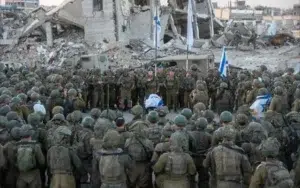
Last week, at long last, the circle was closed. After critical intelligence was received regarding his whereabouts, hundreds of soldiers, accompanied by dozens of forensic dental specialists, set out on a mission almost impossible to imagine: locating Rani’s body in a cemetery in Gaza. After approximately 48 hours of exhausting searches under extremely difficult conditions, the long-awaited answer came—Rani was found.

Dr. Assi Sharon, who took part in the mission alongside the forces in Gaza, described the emotional moment: “There wasn’t a dry eye. People were deeply moved, with a profound sense of reverence. We recited Kaddish, and there was a ceremony with the Chief of Staff—a very special moment. As I stood there, I realized I could finally remove the yellow ribbon, and I did.” (as reported by JFEED)

843 Days, 12 Hours, 5 Minutes, and 59 Seconds

With this, one of the most painful, yet also most inspiring, chapters in the history of the State of Israel and the Jewish people came to an end. After 843 days, 12 hours, 5 minutes, and 59 seconds, the clock at Hostages Square in Tel Aviv stopped. A shofar was sounded, and many recited the Shehecheyanu blessing, giving thanks for reaching this moment.

The mitzvah of redeeming captives, which Maimonides called the greatest commandment in Judaism, was fulfilled. The Israeli ethos—viewing the return of every soldier and civilian from enemy hands as a supreme moral obligation—was upheld. All 251 Israelis and foreign nationals abducted to Gaza on October 7, together with two Israeli civilians and two fallen soldiers previously held by Hamas, were returned.

The Power of Public Pressure

The sustained public effort to bring the hostages home was essential. Throughout this long—far too long—period, the Hostage Families Forum worked tirelessly to keep this issue at the forefront of the public agenda, most prominently in Israel and the United States.

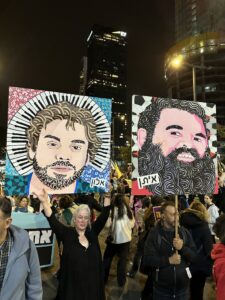
One powerful testament to the impact of this cause can be found in the words of Alon Ohel, who returned from captivity after 738 days: “They opened a laptop and showed me a picture of someone holding a drawing of me, with a piano behind her. That’s when I understood that people I didn’t know were fighting for me. It gave me even more strength—if people who don’t know me are fighting for me, who am I to give up?”

A Shared Response, Across Oceans

With great pride and deep appreciation, it can be said that our community also took an active part in the collective endeavor to bring the hostages home, and in Israel’s broader recovery efforts. Shortly after October 7, Federation established the Israel Crisis Relief Fund and raised more than $15 million from the community for emergency assistance to Israel, nearly half a million dollars of which was transferred directed to the Hostage Families Forum. Beyond this, Federation supported the Hostage Families Forum in convening community events that brought people together with hostage family members and former captives, allowing them to share their personal stories and mobilize the broader community around the cause. The Community Shlichim—placed in synagogues and Jewish organizations across the community as part of a joint initiative of Federation and the Jewish Agency for Israel—led a wide range of activities focused on the hostages. These included creating dedicated spaces highlighting the hostages and their stories, and organizing events such as a community solidarity walk, an interactive cartoon exhibition addressing the hostage crisis and current Israeli issues, and many more.

“Thanks to Your Efforts…”

For all of this—and so much more—we extend our heartfelt thanks to everyone across our community who took part in advancing this most important cause.

As Matan Sivek, Founder of the Hostage Families Forum US, put it:

“The Jewish Federation of Greater Washington joined forces with hostage families from day one to ensure they get the financial and communal support they need. The DMV community advocated, marched, embraced, and was on the front line of ensuring the highest echelons don’t forget about the hostages. We are grateful for the leadership and partnership of Federation in this historic moment in Jewish history. Thanks to your efforts, they are back.”
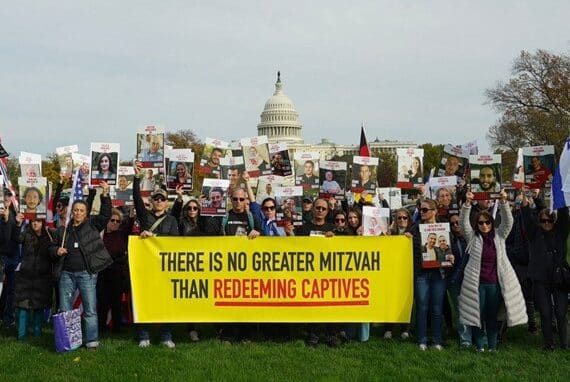
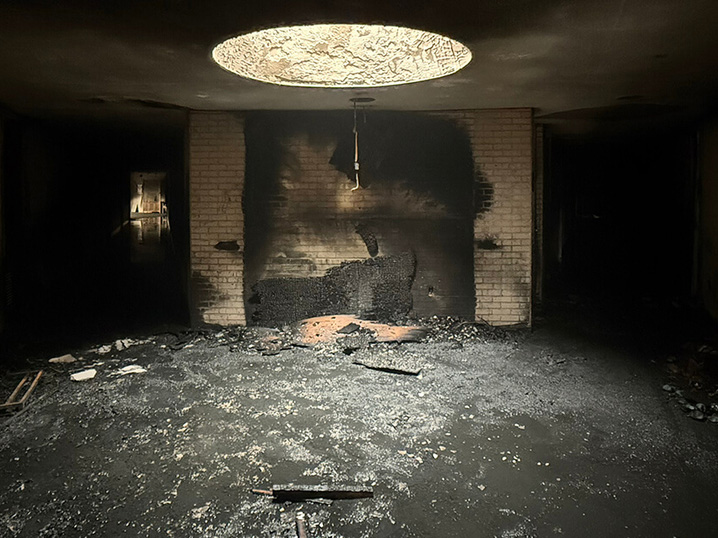
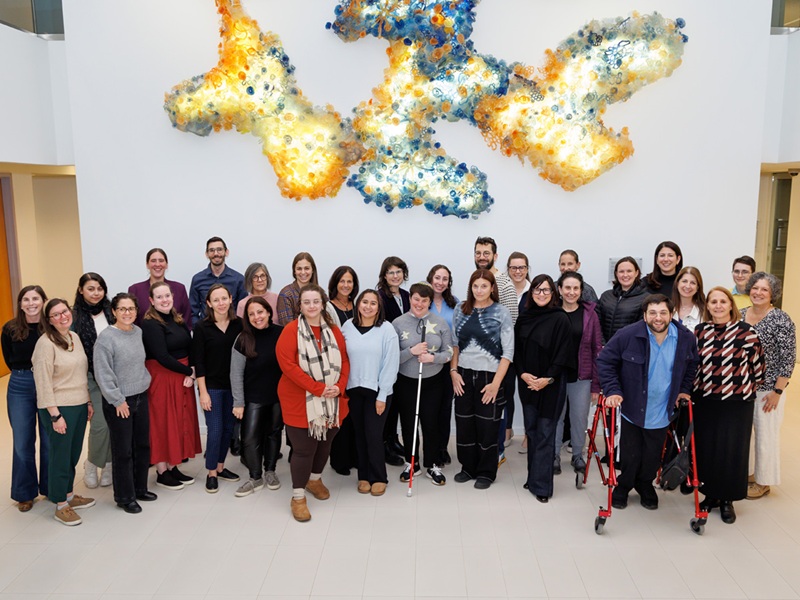
Photo Captions: Ran (Rani) Gvili in uniform; Israel Defense Forces; Photo courtesy of IDF; Hostages Square clock at the moment of release; Photo: Avshalom Sassoni / Maariv; Alon Ohel, former hostage, after return; Photo: Eden Danielle Kleiban Pakter; Pozez JCC community walk for hostage awareness; Photo: Hostage Families Forum US, Leigh Vogel
Related posts

Your Dollars at Work: A Path Back to Purpose

Your Dollars at Work: A Path Back to Purpose

How your support is helping Israelis heal, retrain, and rebuild after war

When Omer returned to his classroom after October 7, he couldn’t breathe.

Five of his students were gone, killed in the attacks. Just stepping into the room triggered waves of panic, grief, and memory. He felt like he couldn’t go on.

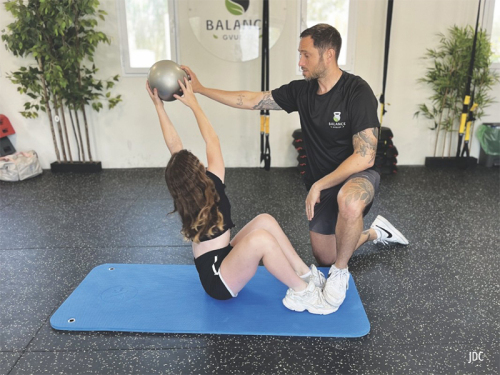
But through weekly sessions with a JDC counselor, Omer slowly rediscovered his footing. Today, he’s not just working—he’s leading. Omer now runs a therapeutic gym in a Gaza-border community, helping fellow survivors rebuild physically and emotionally. “I found a way to move forward,” he said. “And to help others do the same.”

This is what your dollars make possible.

In the wake of the Iron Swords War, thousands of Israelis were forced to evacuate their homes. Many lost not just their sense of safety, but their livelihoods. The trauma was deep, the economic toll was devastating, and the path to stability felt out of reach.

That’s why Federation responded swiftly, providing a $500,000 grant to JDC to launch “Getting Victims of War Back to Work”, Israel’s first trauma-informed employment recovery model. More than just getting back to work, it’s about dignity, healing, and long-term resilience—about helping people get back to life.

With your support, here’s what’s already happening:

  • 890 Israelis have received hands-on vocational training, career guidance, and access to real employment opportunities
  • 131 participants have already been hired, earning more than 6% above minimum wage
  • 500 trauma survivors are in employment rehab, double the original 2025 goal
  • 40% of previously unemployed participants have found jobs; 100% of at-risk employees stayed employed
  • 18 locations now offer specialized career recovery support (up from 11)
  • 48 employers have been trained to support hires navigating trauma
  • And early evaluations show a 14% decrease in PTSD symptoms among participants

This model is now informing national efforts to scale trauma-informed employment support.

A Bold Investment in Israel’s Future Workforce

Through this initiative, we’re supporting Israelis not just in healing, but in retraining and returning to work with purpose.

Beyond immediate relief, it’s recovery with resilience built in.

And this is exactly the kind of long-term, people-centered impact we’re working toward through Federation’s Israel strategy: investing in long-term recovery and deepening connection between our communities.

Photo: JDC

Learn more

Related posts

First to Go Out, Last to Return First to Go Out, Last to Return
First to Go Out, Last to Return
Rani Gvili, a 24-year-old Israeli hero, gave his life defending Kibbutz Alumim on October 7. Months later, he was finally brought home—marking the end of an excruciating chapter for Israel, the hostages’ families, and Jewish communities worldwide who fought tirelessly for their return.
read more

Making Jewish Camp Magic, Thanks to One Happy Camper Grants

Making Jewish Camp Magic, Thanks to One Happy Camper Grants

There’s a kind of magic that only happens at Jewish summer camp and stays with kids long after summer.

Families tell us stories of a sunrise tefillah (prayer) that sparks growth, new friendships that feel like home, and a sense of belonging that can’t be taught. And for many, financial support like our One Happy Camper grant is what makes that magic possible.

“One word: HUGE.”

For this two-parent working household, balancing synagogue dues, religious school fees, and the rising costs of Jewish life made camp feel daunting. The help they received made a real difference.

It also made an impression: when their ninth grader recorded a school video about an inspirational moment, they chose sunrise tefillah (prayer) at camp.

“I can teach them all the Torah I want,” the parent said. “But it is camp that inspires my kids.” “If we hadn’t received support, I don’t know if he could have gone.”

“If we hadn’t received support, I don’t know if he could have gone.”

That’s what one parent told us after being unexpectedly fired from their job without severance—a shock that left them searching for employment for months.

In that moment, camp felt completely out of reach.

But with support from Federation, camp, and their synagogue, their son spent a month at Ramah Poconos—a month they described as “pivotal.” He came home more connected to his Jewish identity, more grounded, and surrounded by deep friendships that carried him through a hard year.

The parent is still unemployed and already worried about next summer. But their gratitude is unmistakable: “I am so grateful for the generosity of the Jewish community, and will likely have to count on more support next year.”

“Financial aid is truly transformative.”

For another family, camp would have remained just a dream without support.

For their daughter, a summer at Capital Camps meant:

  • her first taste of independence outside of home
  • lifelong friendships
  • belonging in a Jewish community
  • emotional and spiritual growth
  • discovering her strengths

As her parent put it: “Financial aid isn’t just a subsidy. It’s an investment in children, families, and the future of the Jewish community.”

“Camp would have been the first thing we had to cut.”

Another family shared that when the husband lost his job due to federal cuts, camp became the first thing they thought they’d have to remove from the budget.

But because of the grant they received, their children still experienced everything camp offers—confidence, leadership skills, connection, and identity-building.

“The support made it possible for our children to find a home within the Jewish community where they feel strongly connected and wish to give back.”

Making Jewish Camp Possible for Every Family

Jewish summer camp gives kids joy, independence, community, and identity.

It’s where friendships form in bunk beds, where confidence grows by the lake, and where Judaism becomes something kids feel proud of, not just something they learn.

And for so many families in our region, financial support is what makes that possible.

Make the magic of Jewish camp possible—whether for your family or another.

Apply for a One Happy Camper grant for up to $1,500 through December 31.

And if you’re in a position to give, your support can help another family send their child to camp. Donate today

One Happy Camper (OHC) is a need-blind first-time incentive grant sponsored by a partnership between Federation and Foundation for Jewish Camp. Federation supports over 220 first time campers attending 30+ camps across the country each year through OHC. Federation has distributed first-time incentive grants through One Happy Camper for over 15 years.

Since 2020, Federation also significantly allocates funds annually to 20+ camps for need-based financial aid scholarships for campers from Greater Washington.

Photo: Capital Camps & Retreat Center

Learn more

Related posts

First to Go Out, Last to Return First to Go Out, Last to Return
First to Go Out, Last to Return
Rani Gvili, a 24-year-old Israeli hero, gave his life defending Kibbutz Alumim on October 7. Months later, he was finally brought home—marking the end of an excruciating chapter for Israel, the hostages’ families, and Jewish communities worldwide who fought tirelessly for their return.
read more

Building Belonging Through Care

Building Belonging Through Care

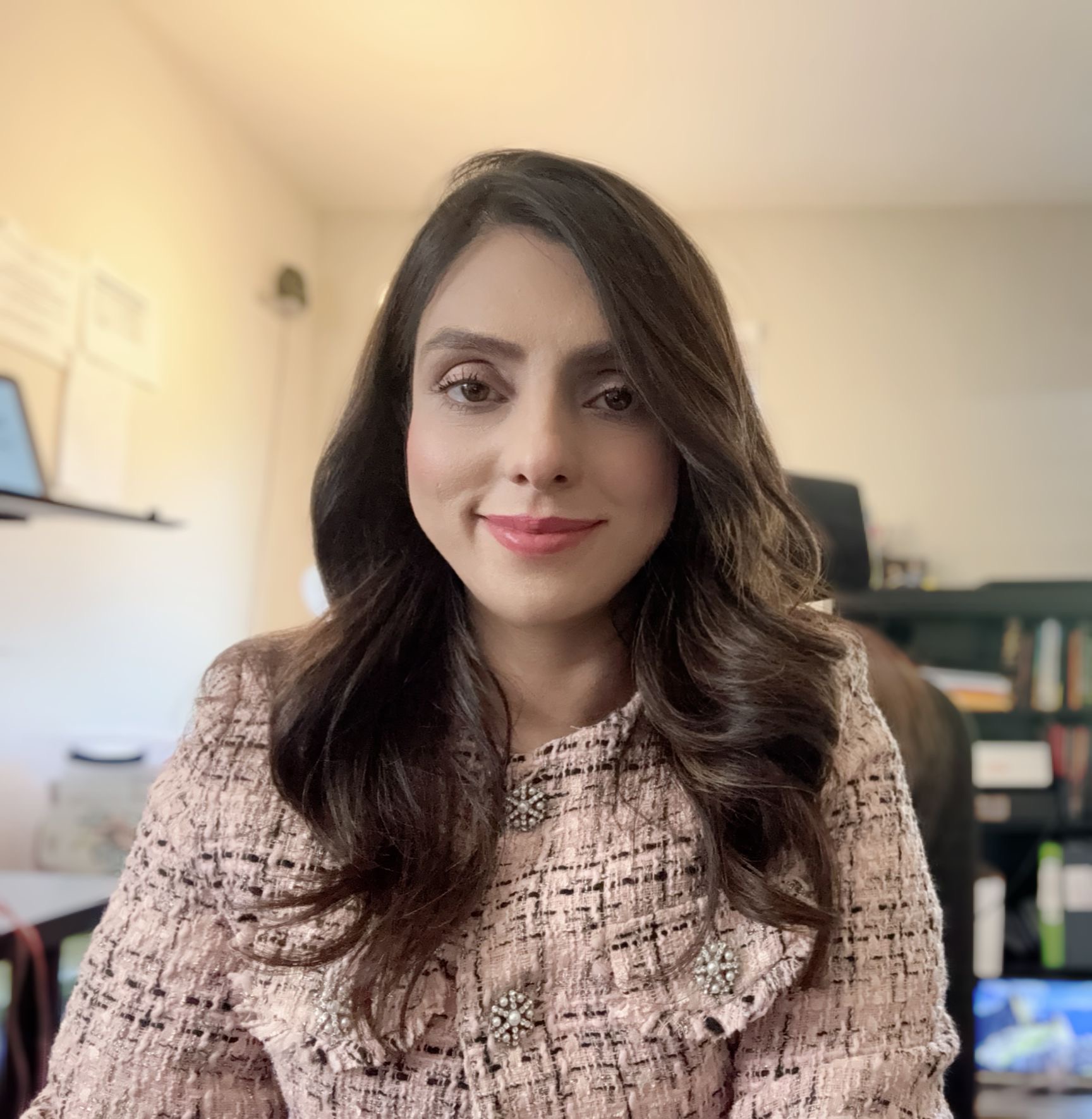
Building Belonging Through Care: Dr. Aiman Tohid and Makom’s New IDD Health Clinic

For Dr. Aiman Tohid, medicine is about more than just treatment—it’s about inclusion, empathy, and equity. As the Director of Makom’s new specialized health clinic for individuals with intellectual and developmental disabilities (IDD), she is helping build something rare: a space designed from the ground up for people who too often face barriers to care.

“This is one of a kind,” Aiman says. “Only a handful of clinics like this exist in the entire United States, and too often, people with IDD are denied care because providers aren’t trained to meet their needs. We wanted to change that.”

From Karachi to California to Montgomery County

Aiman’s journey began in Pakistan, where she attended Dow Medical College, then moved to the United States to complete her board exams and a preventive medicine residency at the University of Southern California’s Keck School of Medicine. After years on the West Coast, she and her husband moved east during the COVID pandemic to be closer to family and new opportunities.

Soon after arriving, she came across Makom. “I saw an opening online,”[at1]  she recalls with a laugh. “It wasn’t even the right fit for my background, but I applied anyway because I really wanted to be part of the organization.” When Makom’s leadership reviewed her résumé, they quickly realized her expertise aligned perfectly with their vision for a new clinic.

Building a First-of-Its-Kind Clinic

After three years of planning, Makom’s clinic officially opened to the broader community this fall. The clinic provides physical, occupational, and speech therapy; nutritional counseling; and behavioral and mental-health services. Initially created to serve individuals in Makom’s residential programs, it now welcomes clients across Maryland and DC, with plans to expand into Virginia once licensing is complete.

The clinic also partners with leading institutions, including Johns Hopkins, Georgetown, George Washington University, and the University of Maryland School of Dentistry, giving medical and dental students hands-on experience with IDD patients. These partnerships are reshaping how health professionals think about care for people with IDD. “We want to create a new generation of providers who are confident and compassionate in serving this population,” Aiman explains. “That’s how lasting change happens.”

A Mission That’s Personal

Aiman’s interest in IDD medicine grew gradually but deeply. During her rotations in mental health, she found herself drawn to working with patients with developmental disabilities. “I’ve always been interested in mental health,” she says. “And having close friends and family with similar diagnoses made it personal. Once I began working with this community, I knew it was where I was meant to be.”

That personal commitment extends to education. She shares a story from a conference that still motivates her: “A board-certified neurologist asked me if adults with developmental disabilities even exist,” she recalls. “That was shocking. People think of autism or Down syndrome as only affecting children. We need more awareness and empathy. This clinic helps open those doors.”

Partnering for Greater Impact

Aiman credits The Jewish Federation of Greater Washington for playing a vital role in Makom’s growth. “The space Federation helped make possible gave us room to build a real clinic,” she says. “The partnership also helps us spread the word. Federation’s name and network give people confidence in the work we’re doing.”

Although Aiman is not Jewish, she says her time at Makom has deepened her understanding of Jewish life and traditions. “As a Muslim, a lot of it feels familiar—the values, the sense of community, even some dietary practices,” she says. “Over the past three years, I’ve learned so much and feel connected in a very natural way.”

Finding Home in the Capital Region

Now five years into East Coast life, Aiman says the DC area has grown on her quickly. She loves the changing seasons—especially fall—and the accessibility of nearby cities and family. “It’s such a diverse community,” she says. “It’s a great place to raise kids, with strong schools, good universities, and people from all backgrounds.”

At home, she and her husband are busy raising three children, ages 11 months, 6, and 7. “Our youngest is a Makom baby,” she laughs. “They threw me a baby shower at work.”

Beyond the White Coat

When she’s not seeing patients or mentoring students, Aiman enjoys quieter moments with tea or coffee and a good book—or watching documentaries, especially about health, history, or inspiring real-life stories. She’s a city person at heart, loves South Asian food (“the spicier, the better”), and never turns down a trip to Europe.

In classic East Coast style, she prefers apple cider over pumpkin spice and calls herself an early bird, thanks to her children. “They start jumping at 6 a.m.,” she jokes. As for desserts, she’s firmly team vanilla, and when it comes to bagels, she keeps it simple: “Just a plain one, with coffee. I’m more about the coffee than the bagel.”

Her favorite DC landmark? “The Washington Monument,” she says without hesitation. “It reminds me how tall we can stand when we build together.”

The Jewish Federation of Greater Washington is proud to support partners like Makom that expand access, equity, and belonging—ensuring that everyone in our community can thrive.

Learn more about Makom and its groundbreaking clinic for individuals with intellectual and developmental disabilities at makomlife.org.


Related posts

Reclaiming Agency, Together Reclaiming Agency, Together
Reclaiming Agency, Together
After a recent trip to Israel, Gil reflects on a shared sense of powerlessness felt by Israelis, Palestinians, and many in our own community—and argues that reclaiming personal and collective agency is essential to pushing forward and strengthening Jewish life in uncertain times.
read more
First to Go Out, Last to Return First to Go Out, Last to Return
First to Go Out, Last to Return
Rani Gvili, a 24-year-old Israeli hero, gave his life defending Kibbutz Alumim on October 7. Months later, he was finally brought home—marking the end of an excruciating chapter for Israel, the hostages’ families, and Jewish communities worldwide who fought tirelessly for their return.
read more

Sara Brenner: Helping Us Rethink Jewish Giving

Sara Brenner: Helping Us Rethink Jewish Giving

As Executive Director of the Jewish Community Foundation of Greater Washington, Sara Brenner is building a culture of giving that’s collective, values-driven, and deeply personal.

“I want this to be a place where people can realize their dreams and connect to their Judaism more deeply,” Sara says. “Our role is to help donors amplify their impact, deepen the connection between their Jewish values and philanthropy, and advance their goals with deeper purpose, in whatever ways feel most meaningful to them.”

A Jewish Journey of Learning and Connection

Sara grew up in a New Jersey town where Jews were few and far between. Her synagogue became her second home. “I started Hebrew school in kindergarten and went through 12th-grade confirmation. I loved it, it was just in my heart and in my soul.”

She was the friend who encouraged others not to drop out and who rallied them back when they left. Though she didn’t attend day school or Jewish summer camp, that community shaped her Jewish identity. A high school trip on March of the Living, and later a year studying abroad in Israel during the assassination of Prime Minister Yitzhak Rabin, deepened her connection.

“I had such a strong will to stay in Israel, even during that time,” she recalls. “It was a very difficult period, but it only strengthened my connection.”

Her lifelong love of Jewish learning led her to minor in Jewish Studies and, later, to weave her Jewish values into her professional life.

Bringing Her Values to Work

Before joining Federation, Sara spent more than 25 years helping communities across the country thrive—strengthening education, housing, workforce, and health systems, while advising philanthropists and community foundations on how to invest for long-term impact.

“I always felt my Judaism showed up in my work,” she explains. “Repairing the world is part of who I am.”

When the Jewish Federation of Greater Washington launched the Jewish Community Foundation, Sara saw a chance to bring her professional expertise home. “I had been helping community foundations across the country shift toward more impact-focused work. This was an opportunity to do that in a community I lived in and loved for more than 20 years.”

A New Model of Jewish Philanthropy

Under Sara’s leadership, the Foundation is creating more accessible, collaborative, and intergenerational ways to give. She is particularly proud of programs that help families explore their philanthropic goals together. “We’re creating opportunities for younger generations to be part of the conversation,” she explains. “People can give together, learn together, and amplify their impact together.”

Today, the Foundation supports several collaborative giving funds focused on shared priorities like Jewish education, disability and inclusion, women’s empowerment, and Jewish talent and leadership. “When we give collectively, we can do so much more,” Sara explains. “It’s how we move from fragmented giving to systemic change.”

For newer or younger donors, she’s made sure there are inclusive ways to participate. “You don’t need $10,000 to get started,” she says. “Kol Yahad, our Next Gen collaborative fund, let’s people give at lower levels and still be part of something powerful.”

Guiding with Compassion After October 7

The events of October 7 reshaped both Sara’s outlook and the Foundation’s role. “Israel became the focus of so much of our work. In the past two years, more than five million dollars went out through donor-advised funds for rebuilding and relief.”

But this moment isn’t just about emergency response.

“After October 7, many people wanted to re-engage (or engage for the first time) in their Judaism,” she says. “I find myself listening more, helping people reconnect to their Jewish identity, and guiding them to make meaning through their giving.”

Sara has also prioritized deepening relationships with allies outside the Jewish community. “Our integration with the broader world, not isolation, is vital,” she says. “I’ve doubled down on those relationships. It’s hard work, but it matters.”

Looking Ahead, Building Together

Nearly three decades after moving to DC, Sara continues to find inspiration in the diversity and vibrancy of Jewish life here. “This is such an incredible community,” she says. “The culture, the learning, the opportunities to connect, and the chance to be part of something that’s making a difference locally, nationally, and globally.”

Through the Jewish Community Foundation, she and her team are helping donors bring greater intention and clarity to their giving. “It’s not about changing what inspires you. It’s about helping you achieve your goals in the most thoughtful, effective way.”

Whether she’s guiding families through legacy giving, launching new collaborative funds, or welcoming first-time donors, Sara is helping build a Jewish future rooted in connection and purpose. “We’re here to help people bring their values to life. That’s how we strengthen our community. That’s how we build the future together.”

Outside the Office

Sara loves being near water, whether she’s swimming laps or vacationing in a place like St. Lucia, Hawaii, or Fiji. A black Russian bagel with light cream cheese and cucumbers is her go-to Sunday morning. Sushi is her favorite. Her mom’s chicken soup, minus the matzo balls, is magic. When she’s back in DC, you might find her at Planet Word, one of her favorite museums for its celebration of culture and language. And when pressed to pick chocolate or vanilla? “Twist,” she laughs. “Always twist.”

Learn more about the Jewish Community Foundation of Greater Washington and explore how your giving can make a lasting impact at jcfgw.org.

Related posts

Reclaiming Agency, Together Reclaiming Agency, Together
Reclaiming Agency, Together
After a recent trip to Israel, Gil reflects on a shared sense of powerlessness felt by Israelis, Palestinians, and many in our own community—and argues that reclaiming personal and collective agency is essential to pushing forward and strengthening Jewish life in uncertain times.
read more

Meet Joe Battle: Brewing Community at Café Sunflower

Meet Joe Battle: Brewing Community at Café Sunflower

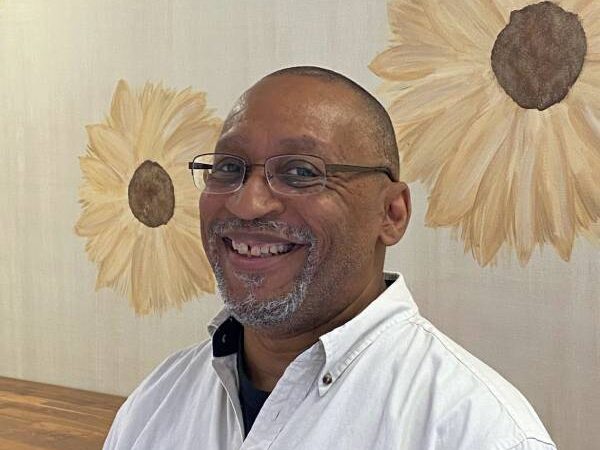
When you walk into Café Sunflower in Rockville, you’re likely to be greeted by the smell of freshly baked pastries, the hum of friendly conversation, and the easy, welcoming smile of Joe Battle, Café Manager and lifelong Washingtonian.

If you’re a regular, Joe and his team probably already know your name and your order. “We put a lot of time into learning everybody’s names,” Joe says, “and hopefully remembering what their orders are, too.” That personal connection is part of what makes the café feel less like a workplace and more like a neighborhood hub.

“I get to meet and learn from so many wonderful new customers,” Joe says. “But the best part of this job is working with our students.”

From Grocery Aisles to Inclusive Opportunity

Joe has been with Sunflower for a little over a year, but he is no stranger to the hospitality industry. Before joining Sunflower Bakery, Joe spent more than a decade managing grocery teams at Dawson’s Market in Rockville Town Square. When the market closed in 2023, a former colleague, then Café Manager Evelyn, called to offer him the job at Sunflower with perfect timing. “Two days after I found out I had no job, I got a job offer,” he laughed.

Evelyn knew Joe’s experience working with neurodiverse young adults would make him a natural fit at Café Sunflower, where inclusion is more than a value; it’s the mission. At Dawson’s, half of Joe’s grocery team was neurodiverse. “It was something I’d gotten used to over 12 years,” he explains. “Watching people go from not sure what they’re doing to being confident in what they’re doing, that’s what’s cool. Being part of that process is the most rewarding thing.”

Seeing Ability, Not Difference

Joe’s approach is refreshingly simple. “Everything you experience as a neurotypical person, they experience. Everything you care about, do, and like, they experience too. The only difference is that sometimes things need to be more direct, or you need to be more patient,” he says.

To Joe, working with neurodiverse colleagues isn’t about accommodation,; it’s about connection. He believes that investing in people of all abilities strengthens everyone. “Every kid is your kid,” Joe explains. “Eventually, they’ll be someone on the other side of the counter from you, someone helping you or needing your help. If you’re not invested in every kid in your community, you’re not even invested in yourself.”

A Partnership Built on Purpose

At Federation’s headquarters, Joe and his team serve hundreds of staff and visitors each week. He says the relationship between Sunflower Bakery and The Jewish Federation of Greater Washington is one rooted in shared respect.

“From Gil (Preuss) on down, everybody’s wonderful,” Joe says. “They understand our mission and walk in the door with it. People smile when they say ‘Federation,’ and we smile when we see our regulars. It’s a great partnership.”

Finding Common Ground and Shared Values

Raised Catholic in Washington, DC, Joe says his time at Café Sunflower has opened new windows into Jewish life and culture. “What resonates most is how much everything blends together,” he reflects. “They all come from the same beginning. We’re all walking the same road.”

He especially loves the symbolism of Rosh Hashanah. “For instance, the challah is round because you’ve come around to a new year. What a great way to symbolize that. I think that’s really cool,” he says.

Beyond the Café

When he’s not managing the café or working at Sunflower’s bake shop on Sundays, Joe’s passions include music, reading, and history documentaries. “I like learning why things happened, how things happened, and what else was going on at the same time,” he says. “It’s all about seeing how things interconnect.”

A lifelong Star Trek fan, Joe also finds wisdom in the show’s message of IDIC—“infinite diversity in infinite combinations.” “It reminds me that life is richer when we welcome differences,” he says. “You want people to be different, to learn from them, and for them to learn from you. It’s pretty cool, actually.”

And… If you ever catch him on the other side of the counter, he’ll likely order a Hazelnut latte with oat milk and a classic brownie.

Looking Ahead

As Café Sunflower continues to expand its programs, including its growing culinary department, Joe is excited to see what comes next. “We’re always looking to strengthen our relationships with our partners and our community,” he says. “Because the best way to get anywhere is to get there together.”

Learn more about Sunflower Bakery and Café Sunflower and how your support helps create pathways to employment for young adults with learning differences at www.shalomdc.org.

Related posts

Reclaiming Agency, Together Reclaiming Agency, Together
Reclaiming Agency, Together
After a recent trip to Israel, Gil reflects on a shared sense of powerlessness felt by Israelis, Palestinians, and many in our own community—and argues that reclaiming personal and collective agency is essential to pushing forward and strengthening Jewish life in uncertain times.
read more
First to Go Out, Last to Return First to Go Out, Last to Return
First to Go Out, Last to Return
Rani Gvili, a 24-year-old Israeli hero, gave his life defending Kibbutz Alumim on October 7. Months later, he was finally brought home—marking the end of an excruciating chapter for Israel, the hostages’ families, and Jewish communities worldwide who fought tirelessly for their return.
read more

L’Chaim: The Power of Showing Up Together

L’Chaim: The Power of Showing Up Together

When Women’s Philanthropy set out to create a signature gathering for the Lions of Judah community, the goal was simple but ambitious: to build something that felt both celebratory and essential. A space to honor stories. A moment to deepen connections. A tradition worth beginning.

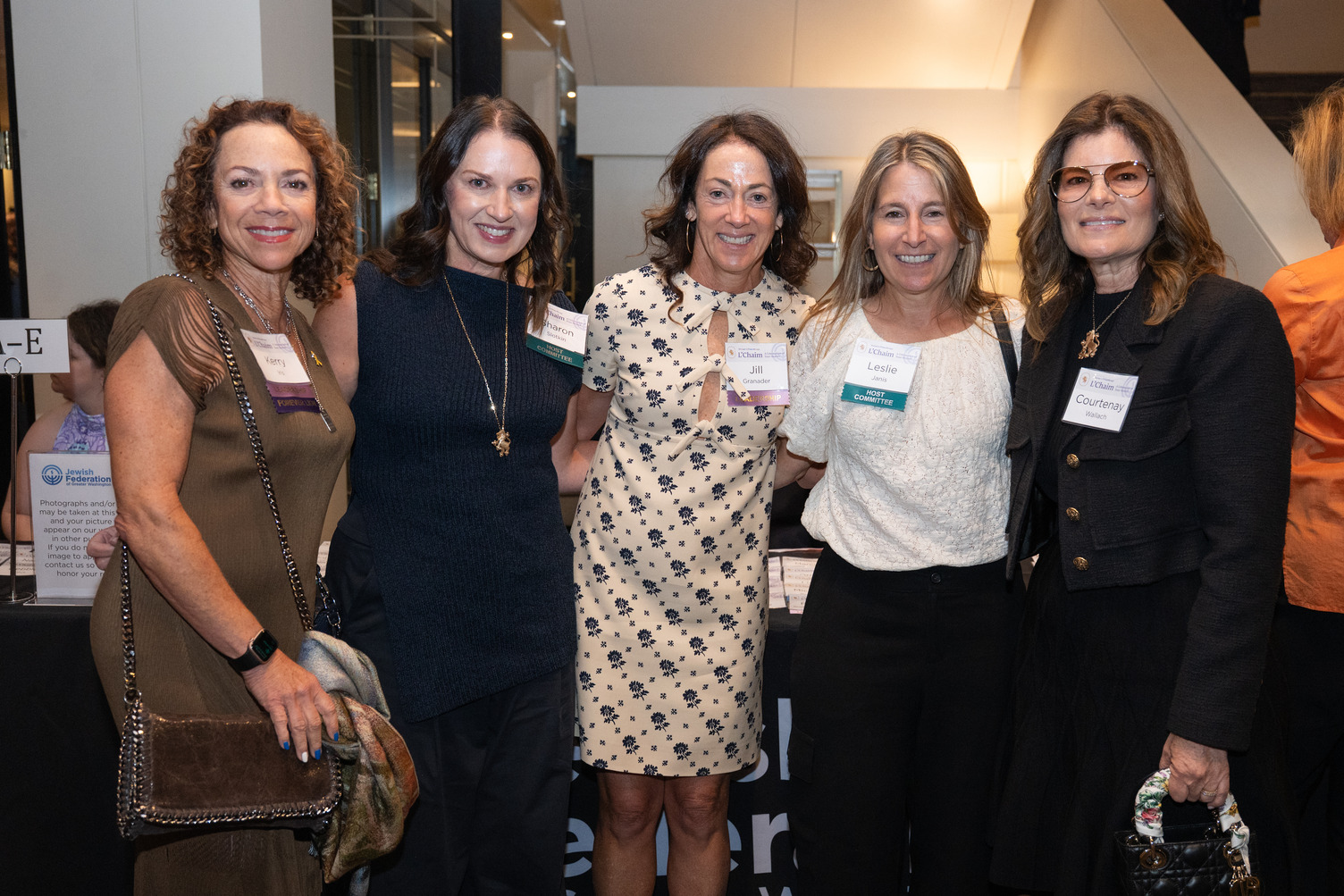
Held at the Four Seasons in Georgetown, this inaugural event on Monday, September 15, brought together more than 150 women for a morning of inspiration, reflection, and connection. More than a brunch, L’Chaim was a powerful reminder of what happens when women gather with intention. When leadership meets legacy. When stories are shared freely, and futures are shaped collectively.

From Welcome to Why

You could feel it immediately. It was a celebration of shared values, lived leadership, and the power of women’s philanthropy to shape our community.

Co-Chairs Yvonne Schlafstein Distenfeld and Irene Sherman set the tone: this wasn’t a day to sit back—it was a day to reflect, to honor, to energize.

Yvonne shared:

“There’s something truly powerful about bringing so many women together in one room—it’s inspiring every time. I’m in awe of the energy, strength, and spirit of being surrounded by such extraordinary women!”

Stories That Moved Us

Two individuals seated and engaged in conversation under purple and blue lighting, with a small table and flower bouquet between them, one holding a paper and the other gesturing. Wendy Sachs, our guest speaker, took the stage with a lens into her world and her work as director and producer of the documentary, October 8, and her view of what it means to be a woman showing up in today’s world. Her stories didn’t just highlight antisemitism, they challenged us to consider how we use our voices, our resources, our courage.

Her message resonated deeply with the room. One Lion said:

“Wendy Sachs was so eloquent and inspiring and I loved hearing her speak. I was impressed how she talked about her audience being a global one (which we certainly need).”

Another Lion added:

“Wasn’t Wendy Sachs amazing? She was just as engaging and interesting as she could be.”

A Story Close to Home

Speaker at a podium with a microphone, presenting in front of purple and gray curtains, with a sign reading "Jewish Federation of Greater Washington." Among the most moving moments of the morning came when Marianna Ashin, Lion of Judah Chair, stood to share her personal journey—from a young refugee arriving in the U.S. to a proud Jewish leader helping others write their own Federation stories.

Marianna spoke of leaving everything behind in 1989; her home, her extended family, and her familiar world in Kyiv. She recalled standing on a train platform with her parents and brother, holding only a pair of suitcases and an unwavering sense of Jewish identity.

“While we may have made a leap of faith by getting on that plane,” she said, “Federation was there to catch us when we landed at JFK.”

The room was quiet as she described how Federation gave her family not just resources, but dignity: language classes, job support, school supplies, summer camp. A kitchen full of groceries. A Jewish home in a new land.

“The Jewish Federation didn’t just help us get by. You helped us imagine what could come next, and gave us the tools to pursue.”

Her story reminded everyone in the room exactly why their giving matters.

“Without Jewish Federation. Without you. I am not here—standing in front of you. Sharing my story.”

The Strength in the Room

What made the morning unforgettable wasn’t just the speakers or the setting; it was the women who filled the room. Each one carrying a legacy of giving, each one committed to community.

“It was fun to connect with old friends and also meet new ones,” said one Lion. “What a spectacular event!”

Another reflected on what made the gathering so meaningful:

“I am so glad I came today! It was a beautiful event, and I learned so much from the stories that the women told.”

A Moment, A Movement

L’Chaim was about the quiet confidence that comes from standing shoulder to shoulder with women who believe in tikkun olam, repairing the world, and who act on that belief every day.

“This event was a huge success,” one Lion shared. “It has all the markings of a program to have every year before the holidays.”

Thank You

20250915_LionofJudahBrunch_4 To all who joined us, thank you. Your stories enriched the fabric of our community. And your leadership, quiet or bold, helps move Jewish Greater Washington forward.

We are grateful to our host committee, our Women’s Philanthropy leaders, our Co-Chairs, and all who brought their time, energy, and commitment to this celebration.

If you’d like to learn more about the Lions of Judah giving society, please contact Becca Ginns at becca.ginns@www.shalomdc.org or (301) 230-7236.

Related posts

Reclaiming Agency, Together Reclaiming Agency, Together
Reclaiming Agency, Together
After a recent trip to Israel, Gil reflects on a shared sense of powerlessness felt by Israelis, Palestinians, and many in our own community—and argues that reclaiming personal and collective agency is essential to pushing forward and strengthening Jewish life in uncertain times.
read more
First to Go Out, Last to Return First to Go Out, Last to Return
First to Go Out, Last to Return
Rani Gvili, a 24-year-old Israeli hero, gave his life defending Kibbutz Alumim on October 7. Months later, he was finally brought home—marking the end of an excruciating chapter for Israel, the hostages’ families, and Jewish communities worldwide who fought tirelessly for their return.
read more

Discovering What Motivates Us

Discovering What Motivates Us

Behind every connection to Federation is a story—a reason why.

In a recent conversation with my team, I asked a simple question: What motivates you?

The answers were honest and deeply personal. Some spoke about the impact of loss—like a family member killed on 9/11 or a battle with cancer. Others shared the grounding role of friendship, family, or the meaning they find in being a parent. For me, it was my own childhood diagnosis with type 1 diabetes—an experience that continues to shape how I approach challenges, relationships, and my commitment to community.

What struck us most was not just the variety of answers, but the openness with which they were shared. The conversation reminded us that motivation is rarely abstract. It’s lived. It’s personal. And it’s often tied to experiences that stay with us.

That same truth guides how we engage with our community. Just as each of us is motivated by different life experiences, so too are the individuals and families who give so generously to Federation. Some of you may be driven by urgent needs. Others by legacy. Still others by the vision of a vibrant Jewish future.

We can only discover these motivations if we take the time to ask—and then to listen.

I hope we hold fast to what’s at the core of this work—the work of strengthening our Jewish future: connecting with one another, honoring each person’s why, and building a stronger Jewish community—together.

So, we’ll leave you with the same question we asked ourselves:

What motivates you?

Related posts

Reclaiming Agency, Together Reclaiming Agency, Together
Reclaiming Agency, Together
After a recent trip to Israel, Gil reflects on a shared sense of powerlessness felt by Israelis, Palestinians, and many in our own community—and argues that reclaiming personal and collective agency is essential to pushing forward and strengthening Jewish life in uncertain times.
read more

The Future of Jewish Leadership Begins Here

The Future of Jewish Leadership Begins Here

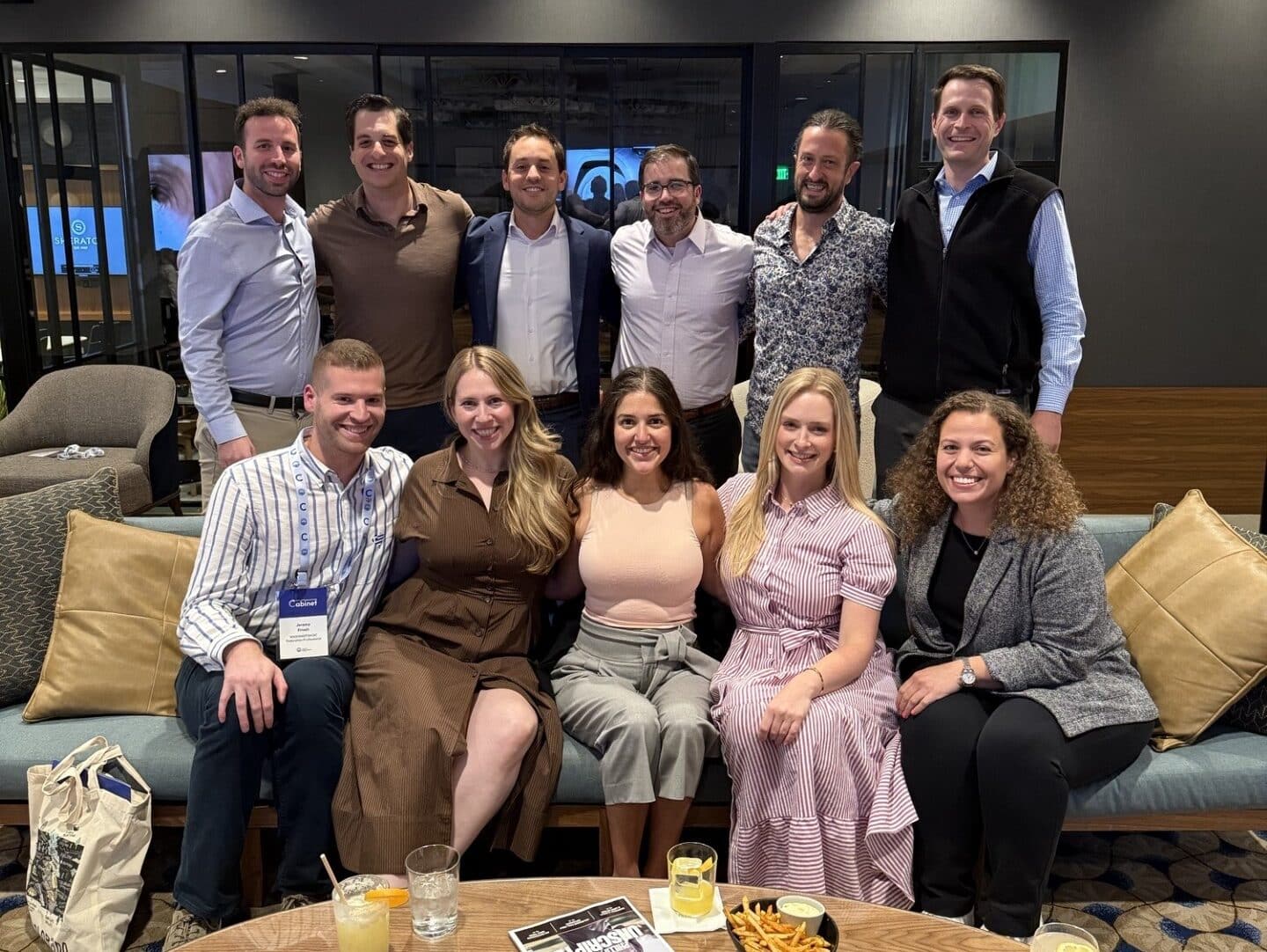
The future of Jewish leadership doesn’t start in boardrooms—it starts in moments of connection, clarity, and conviction. Earlier this month, thirteen young leaders from Greater Washington traveled to Denver to join more than 300 of their peers at the National Young Leadership Cabinet retreat. Over four days of learning and exchange, they discovered not just new ideas, but how deeply their local efforts are woven into a powerful collective shaping Jewish life across North America and beyond.

What Is Cabinet?

Cabinet, an initiative of Jewish Federations of North America (JFNA), identifies, trains, and inspires leaders ages 30–45 to strengthen Jewish life locally and globally. Many participants go on to serve in prominent roles—on Federation’s Board of Directors, including as President, and on the boards of other leading Jewish organizations.

When the Impact Gets Personal

For Alexa Brown, Cabinet co-chair for the Jewish Federation of Greater Washington, the retreat underscored how local work connects to a larger movement. “This experience helped me zoom out and see just how connected our work at home is to the broader Federation network,” she said.

That collective impact became especially personal for Alexa when she learned that Federation dollars are helping to rebuild Soroka Hospital in Be’er Sheva—where her grandmother is a patient. “Knowing that our community is directly supporting the hospital caring for her was incredibly emotional,” she reflected. “Hearing firsthand about the renovations left me overwhelmed with gratitude—not just for hospital staff, but for everyone in our Federation family who gives so generously.”

Finding Strength in Connection

For her co-chair, Britney Wambold, the most meaningful moments came from building deeper relationships. “Meeting in a more intimate setting and sharing our personal ‘why’ for being involved with Federation was incredibly powerful,” she said. “Their stories reminded me of the depth of passion in our community and inspired me to keep pushing forward in my own leadership journey.”

Both Alexa and Britney pointed to the energy that comes from being part of a national network. “There was an unspoken understanding among us—that we’re not just here to lead but to show up for one another,” Alexa shared. “It gave me peace knowing there’s a whole network of leaders who care deeply and have each other’s backs.” Britney agreed: “The retreat reminded me how impressive and diverse this group is, and how much we can learn from one another.”

From Retreat to Reality

For the Greater Washington delegation, Denver wasn’t just four days away—it was a chance to see the bigger picture, to feel the impact of global Jewish philanthropy in deeply personal ways, and bring home renewed energy for strengthening our community. Alexa and Britney returned new tools and ideas, and deeper pride in Federation’s work and in the generation of leaders shaping the Jewish future.

“I’m excited to see what this group of young leaders goes on to do here at home to strengthen our local Jewish community in the years to come,” reflected Jeremy Frisch, Federation’s Assistant Director for Donor Engagement, who also attended. “Watching them learn and grow leaves me feeling very hopeful about what that future looks like.”

And that’s the heart of Cabinet: cultivating leaders who will guide our community through real challenges and seize opportunities to enrich Jewish life across Greater Washington. Today’s investment develops the leaders our community will count on for decades to come.

To learn more about the National Young Leadership Cabinet or to get involved, contact Jeremy Frisch at jeremy.frisch@www.shalomdc.org.

Related posts

Reclaiming Agency, Together Reclaiming Agency, Together
Reclaiming Agency, Together
After a recent trip to Israel, Gil reflects on a shared sense of powerlessness felt by Israelis, Palestinians, and many in our own community—and argues that reclaiming personal and collective agency is essential to pushing forward and strengthening Jewish life in uncertain times.
read more

Marilyn & Ira Polon: Building a Legacy of Jewish Continuity

Marilyn & Ira Polon: Building a Legacy of Jewish Continuity

Leading by Example and Securing Our Future

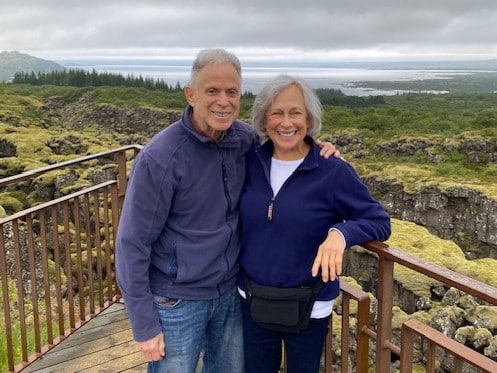
We recently sat down with Marilyn and Ira Polon to talk about their decades-long connection to The Jewish Federation of Greater Washington—a relationship built on community, shared values, and a lifetime of giving.

Their story began in 1971, when Ira had just completed two years of Army service and the young couple settled in Alexandria, Virginia. Not long after, a friend from Agudas Achim invited them to a Federation “Young Marrieds” event—a lively gathering that became their gateway into Greater Washington’s Jewish community. “It was such a wonderful way to meet other young Jewish couples and build connections,” Marilyn recalls.

From that first welcome, their involvement only deepened. Ira joined a Federation mission to Israel and later served on the Strategic Planning & Allocations (SP&A) Committee. “That experience gave us a deeper understanding of the community’s needs,” he says. “That’s when giving became a brand-new habit, one that felt good and meaningful. As our financial situation improved over the years, we were able to give more.” Today, their philanthropy focuses primarily on Jewish causes, especially since October 7. Marilyn adds with a smile, “And animals, too.” Ira now serves on Federation’s Board of Directors.

A Deepening Sense of Purpose

Over five decades, the Polons have watched Federation’s work evolve to meet the changing needs of the community. “The work has always been vital,” they reflect, “but it feels especially urgent now with the rise in antisemitism.”

They point to the Charles E. Smith Jewish Day School (JDS) as an example of how Federation-supported institutions shape identity. Both of their children, Sara and Jonathan, attended JDS, and the experience reinforced the importance of Jewish learning. “A Jewish education deepens understanding and connection to our traditions,” Marilyn says. “That sense of identity and joy is what sustains us, especially in challenging times.”

“It’s what makes us feel rooted and proud,” Ira adds.

Today, their connection to JDS continues through the next generation—their two grandchildren are current students, carrying forward the same values and traditions that shaped their parents.

Roots, Resilience, and Influence

Neither Marilyn nor Ira grew up in a “Federation family,” but both carried formative Jewish experiences into their marriage. Ira was raised in New York, where he attended Hebrew school and celebrated his Bar Mitzvah, but he describes his upbringing as “not very religious.” Marilyn grew up in Baltimore with a deeply observant father and Hebrew teachers who were Holocaust survivors.

Her father’s devotion was sometimes tempered by caution in the face of antisemitism. “He wore a hat instead of a kippah and didn’t put up a sukkah,” Marilyn remembers. “Antisemitism was present then, as it is now.”

When the couple married in December 1967, Ira was surprised when Marilyn announced they’d keep a kosher home and join the local synagogue. “Thanks to Marilyn,” he says, “my connection to Judaism is so much richer and deeper now.”

A Legacy for the Future

For Marilyn and Ira, philanthropy is about more than giving—it’s about ensuring the future of the Jewish people. “We care deeply about continuity,” they say. “We want to make sure more Jews have the opportunity to strengthen their identity and connection to our heritage.”

“We feel lucky to be able to give back,” Marilyn says. “It just feels good to do our part.”

Recently, they experienced a proud and moving moment when they learned that their children also give to Federation quietly, without ever mentioning it to their parents. For them, it was a powerful illustration of true altruism—a sign that the next generation had been inspired not by being told to give, but by witnessing their parents’ intentional actions over the years.

“That’s what legacy is all about,” they agreed—ensuring that the Jewish community they have helped strengthen will continue to thrive for generations. A legacy gift, they believe, is a mitzvah for the future of the Jewish community. It shows your loved ones what matters most to you and creates a plan to sustain it.

Join Marilyn and Ira in shaping the future of Jewish life in Greater Washington. Learn more about creating your own Jewish legacy at www.shalomdc.org/legacy.

Related posts

Reclaiming Agency, Together Reclaiming Agency, Together
Reclaiming Agency, Together
After a recent trip to Israel, Gil reflects on a shared sense of powerlessness felt by Israelis, Palestinians, and many in our own community—and argues that reclaiming personal and collective agency is essential to pushing forward and strengthening Jewish life in uncertain times.
read more