Need support? Call 703-J-CARING (703-522-7464)

Listening Across Difference at Pozez JCC

Listening Across Difference at Pozez JCC

When we make space to truly hear each other, something shifts.

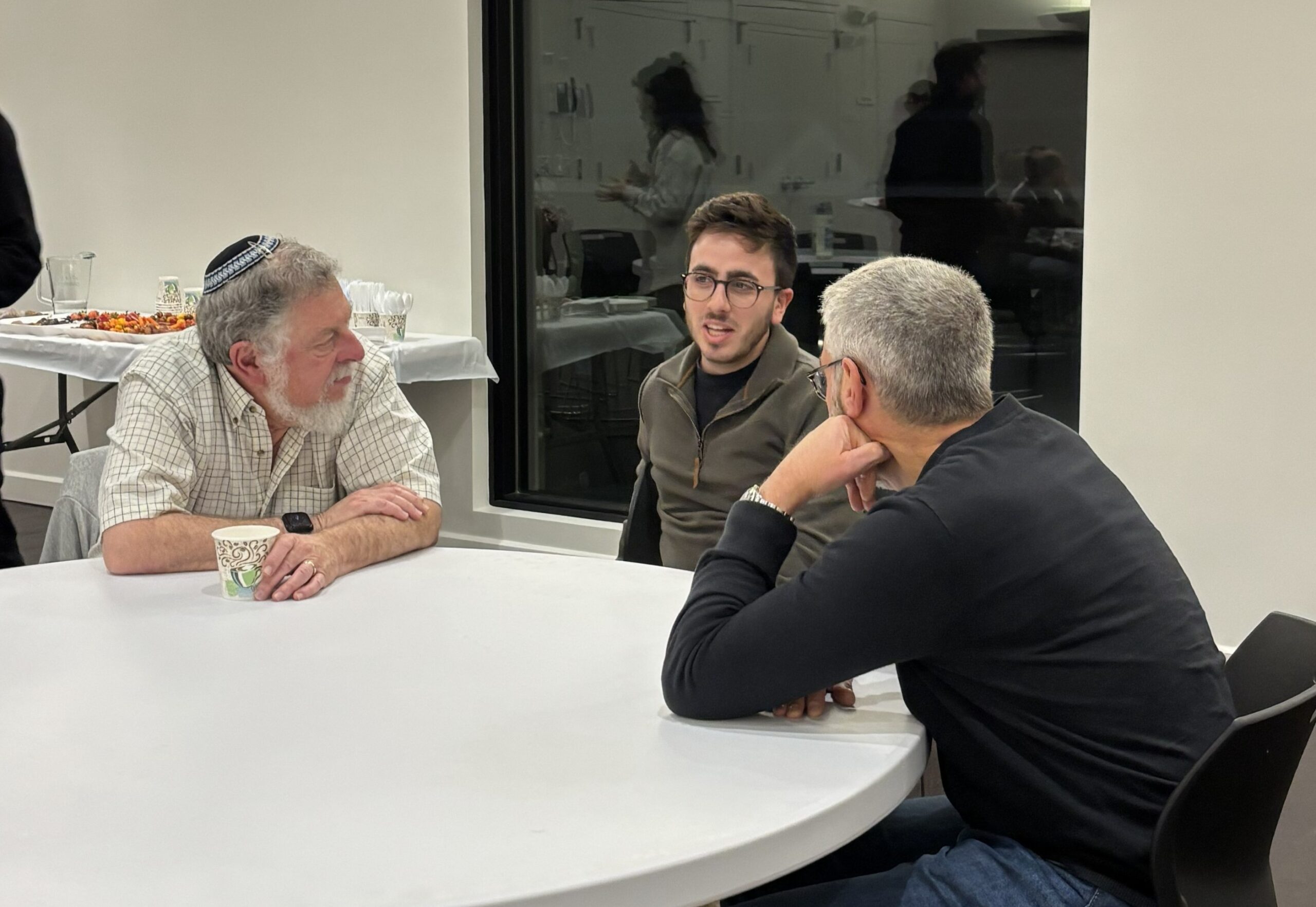
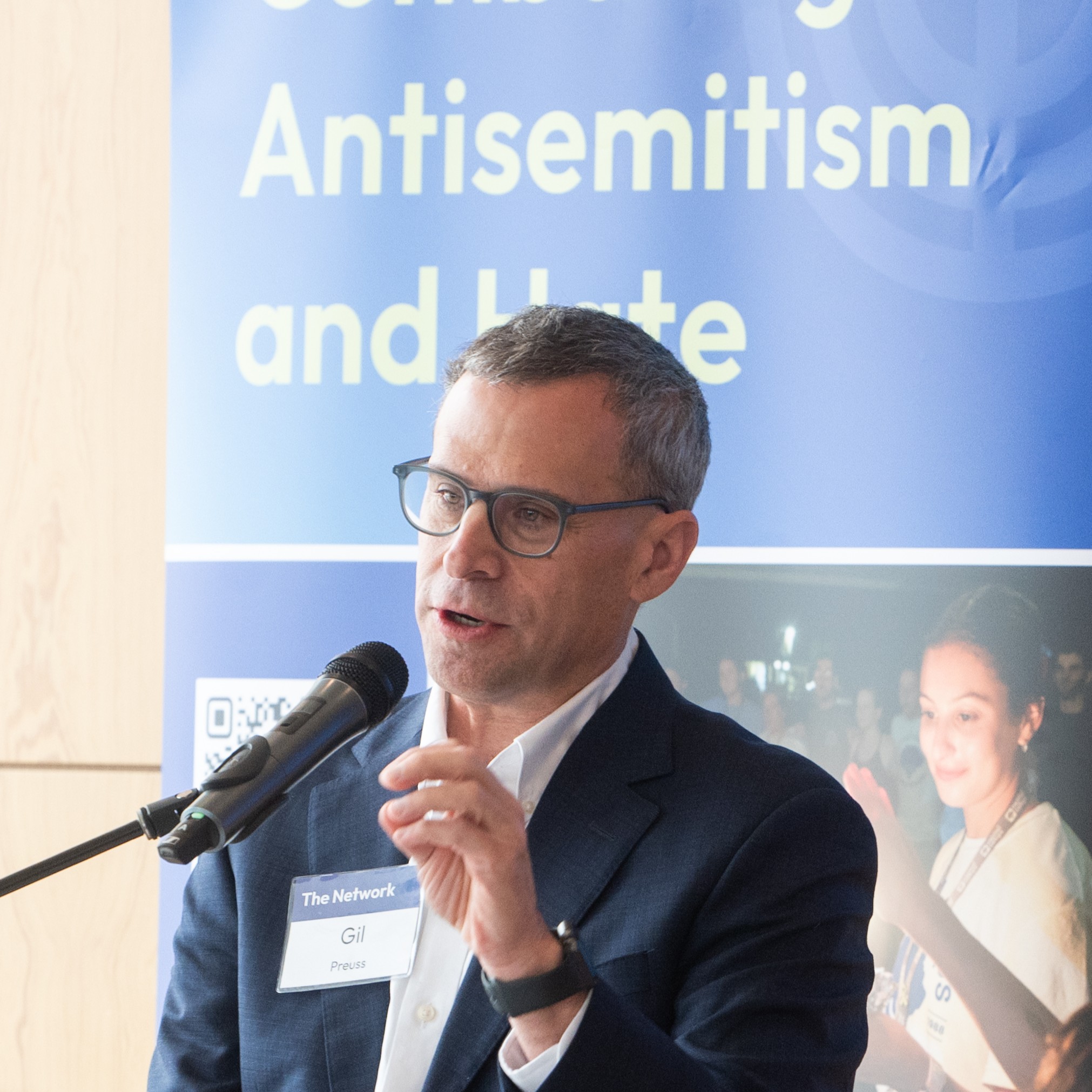
In a year when conversations about Israel often collapse under the weight of politics, pain, and fear, more than 30 community members came together at the Pozez JCC of Northern Virginia for something different: honest dialogue rooted in listening, not debate.

The evening was hosted in partnership with the Arava Institute for Environmental Studies and led by one of our community shlichim (Israeli emissaries), whose work bridges people, perspectives, and purpose across Greater Washington. Together, they created space not for agreement, but for connection.

Stories That Set the Tone

Arava alumni Brian Crann, Jawdat Kasab, and Arielle Ben-Hur opened the session by sharing their own experiences in dialogue at Kibbutz Ketura, where Palestinians, Israeli Jews, Israeli Arabs, and others from across the region live and learn together.

Their stories didn’t shy away from pain or complexity. They grounded the room in something real.

Listening, Not Convincing

Then came the heart of the evening: small groups gathered with one goal—listen to understand. No debating, no fixing, just sitting with each other’s stories.

It wasn’t always easy. But it was real.

As one participant put it, “Meaningful conversations like these are often part of the solution.”

What We Carried Forward

Before leaving, each person shared one word they were taking with them:

“Curiosity.” “Compassion.” “Understanding.”

And most of all—“Hope.”

Staying in the Room

It didn’t take a panel or a facilitator to make the evening powerful. It took people willing to show up, listen, and stay in it together. That’s what our shlichim are helping nurture—quietly, consistently—across Greater Washington.

Learn more about how the shlichim are helping to build these bridges across Greater Washington.

Meet our shlichim

Related posts

From Simple Invitations to Multi-City Leadership: An Architect of Jewish Belonging 

From Simple Invitations to Multi-City Leadership: An Architect of Jewish Belonging 

How Olivia Hazlett turns simple invitations into the kind of community our region depends on.

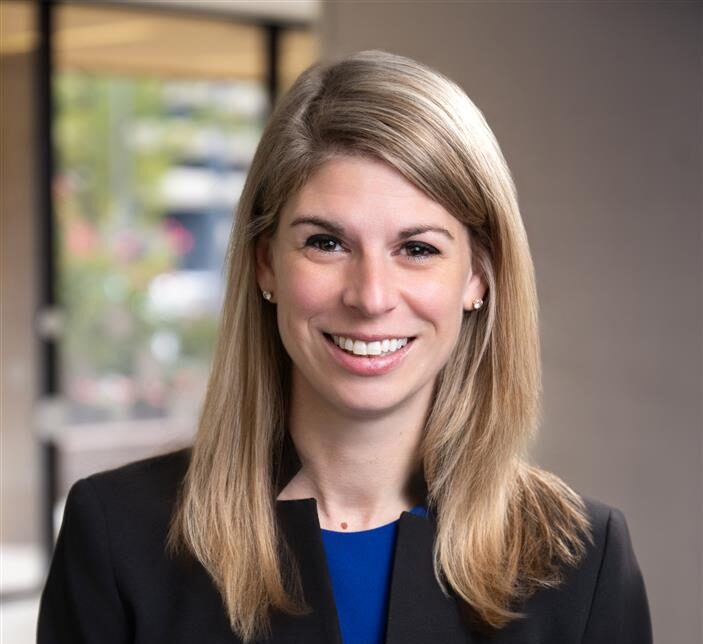
When Olivia Hazlett arrived in DC in 2020, “meeting people” looked like masked walks, outdoor coffees, and improvised Zoom hangouts. So, she started where she could:

“Hey, my friend’s hosting this thing—you should come.”

That simple line became a quiet mantra for how Olivia builds community: through warmth, curiosity, and a low barrier to entry.

It was simple, but it worked. And it mirrors something we now understand across Greater Washington: the desire for connection is high, and people show up when opportunities feel accessible and welcoming.

Today, Olivia is the Senior Mid-Atlantic Community Manager at Mem Global, a Federation partner, supporting 13 Moishe Houses from New Jersey to Charleston. She works closely with roughly 35 residents who rotate through one- to three-year terms, creating programs for their peers. Residents move on, but the relationships stay. “They always have a way to reach out,” she says.

This kind of grassroots leadership is a powerful example of what’s possible through our partnership with Mem Global, investing in the people and relationships that make young adult Jewish life thrive.

Her work aligns with a core truth about Jewish young adult life in our region: belonging grows through genuine relationships and consistent touchpoints, not one-off moments.

Where There’s a Gap, She Sparks Connection

Throughout her life, Olivia has stepped in where Jewish community needs a spark, leading with both initiative and heart

Over the years, Olivia has:

  • started a local BBYO chapter because none existed in her area
  • hosted two 50-person Jewish matchmaking events through Matchbox
  • organized a 60-person ticket block for the Michigan–Maryland football game
  • brought 25 people together for Shabbat at her apartment
  • and stayed connected with former Moishe House residents well beyond their terms

If an idea brings people together, she’ll turn it into a gathering.

Why Young Adult Jewish Life Needs More Builders

Young adult life doesn’t follow a single script. “Some people are moving cities again, some are getting married, some are starting over. There are so many entry points,” Olivia says.

Her style blends:

  • relationship-based engagement
  • experience from the Springboard Fellowship
  • social innovation training from the University of Pennsylvania
  • and her participation in the M² Kehilot Fellowship, exploring how values inform daily practice

The result is a way of building community that reflects what we see across the region: people want to be more involved, and often need someone to lower the barrier to get there.

Rooted in Her Story, Driven to Create

Olivia grew up in Marblehead, Massachusetts, a small New England town. Her grandparents and extended family were active in anti-discrimination work. Being one of only a few Jewish peers taught her early on: if you want Jewish life, sometimes you have to create it.

That instinct fuels her work today and resonates across our community, where so many young adults are building new roots, new circles, and new expressions of Jewish life.

Bagels, Yoga, and a Life That Stays Connected

Away from work, Olivia fills her days with yoga, movies, new restaurants, time with friends, and—as she’ll tell you—a lifelong love of bagels. She likes having something each day that brings her into community, like planning Shabbat dinner with friends, going to yoga with a neighbor, or just stopping by a local café where she knows someone will say hi. It’s not a job requirement; it’s who she is.

Curious Paths and What Comes Next

At 27, Olivia is excited to keep growing in her career and finding new ways to engage the people around her. If she weren’t doing this work, she imagines she’d be somewhere in the world of travel or experiential education, bringing people together through shared experiences. For now, she’s exactly where she wants to be: helping young adults find their people, their place, and their path into Jewish life—and strengthening the fabric of Jewish Greater Washington along the way.

Stories like Olivia’s remind us that belonging starts with a simple invitation. If you’re ready for yours, our community calendar is full of opportunities to meet new people, show up, and find your place.

Explore the Community Calendar

Related posts

A Big Step Forward for Sarah and for Our Community

A Big Step Forward for Sarah and for Our Community

Investing in People, Strengthening Our Future

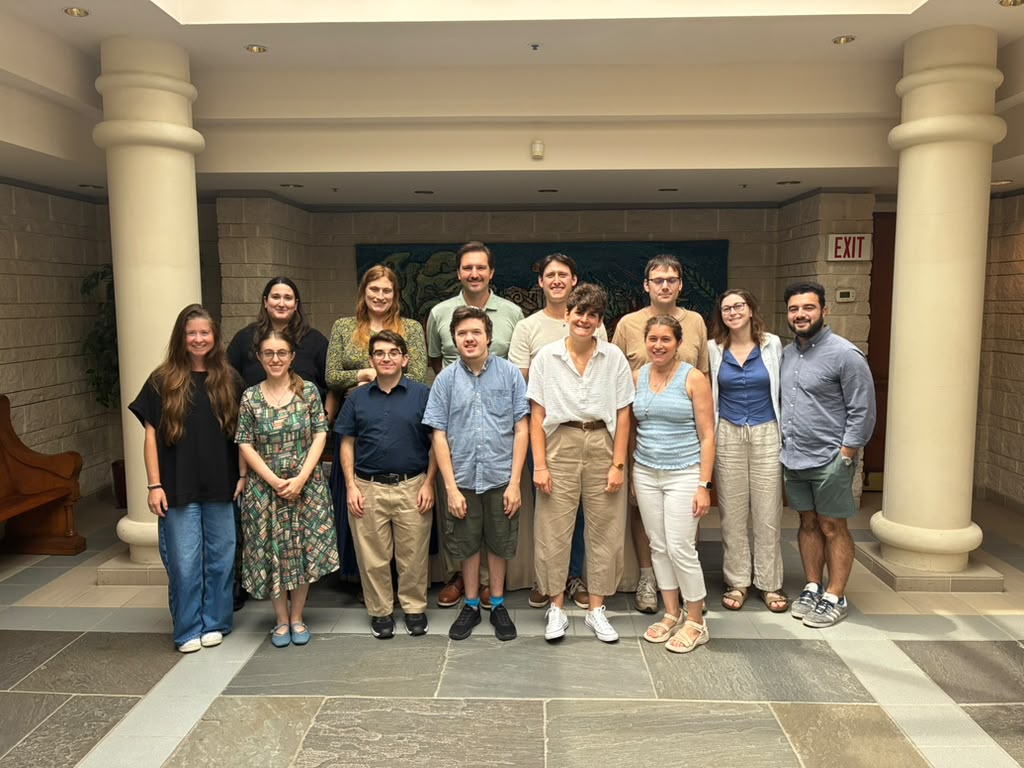
Big news: Sarah Klein, our Senior Director of FRD (Financial Resource Development), has been selected for Cohort III of JFNA’s Executive Accelerator, a national leadership program for the Federation system’s most promising senior professionals.

If you’ve worked with Sarah, you already know what makes her extraordinary. She builds relationships with heart and hustle. She leads with integrity, warmth, and a clear sense of purpose. And she brings deep experience and fresh thinking to everything she does.

This next step for Sarah is about all of us. Through this yearlong program, she’ll gain new tools, fresh perspectives, and a powerful peer network that will help move our work—and our community—forward. And with Federation supervisors and leaders actively engaged in the learning process too, we’re making sure that growth gets embedded across our team.

We’re super-proud to see Sarah recognized, and excited about what this opportunity makes possible for our Federation and our collective future.

Many have asked how they can celebrate this milestone. If you’d like to honor Sarah’s leadership, you can make a tribute gift in her name.

Honor Sarah

Related posts

At the Threshold of Possibility

At the Threshold of Possibility

We’re standing at an inflection point, and what we choose to do next will shape our community’s future.

I want to put to words a couple things I’m feeling as we head into the end of the year.

The first is gratitude. Our community in Greater Washington is strong, passionate, caring, creative, and remarkably generous. Federation could not do the work we do to sustain and strengthen Jewish life without you. I have been repeatedly moved by the way this community has mobilized in the face of crisis, and continued the quiet, steady work of looking after one another and shaping a bright and vibrant future on our own terms. From the bottom of my heart, thank you and I cannot wait to continue our partnership.

The second thing I’m feeling is a bit harder to name but could perhaps be described as energized. A multitude of factors, ranging from longing for Jewish knowledge to a globalized feeling of uncertainty are inspiring people to want to connect with their Jewish identities and the Jewish community. As I referenced last week, a recent survey found that 60% of respondents within the DMV are interested in doing more within the Jewish community. People are looking to connect with Jewish content, Jewish practices, Jewish experiences, and with other members of the Jewish community.

Indeed, we have reached a consequential inflection point in Jewish life and we get to help determine what happens next. As Barry Shrage, former president of Combined Jewish Philanthropies in Boston (and my former boss and ongoing mentor) writes, “We are living through a hinge in history, a moment when the door to alternative futures is still open, the future is uncertain, and our actions can define our destiny.”

We have all the makings of a new Jewish awakening, but we need to help put the pieces together so that everyone coming to our door is met with the meaning, purpose, and belonging they seek. This will take a good deal of focused effort, and Federation is here to help drive it forward. In this new year, we are set to increase funding and work with our many partners across the region to expand programs to ensure everyone looking for connection finds a home within our community. This is vital work and even more so at this “hinge” moment when our collective efforts are guaranteed to echo.

It’s a weighty thing responding to a call for meaning. But it’s a privilege too. And we get there by working together to help more people access and explore the values, traditions, and relationships that enrich our lives and sustain our people.

As we move into the final weeks of the year, many in our community will step forward to support this work. I hope you’ll join them. A gift of any size helps ensure that everyone seeking connection, purpose, and belonging can find their place in Greater Washington. If this work inspires you, I invite you to help fuel the work ahead. A gift to our Annual Campaign strengthens the programs, partnerships, and pathways that welcome people into Jewish life and support them once they’re here.

Help our community step over the threshold of possibility. Please give today.

Related posts

Connecting the Dots in Jewish Northern Virginia

Connecting the Dots in Jewish Northern Virginia

As Family Engagement and Community Partnerships Director at the Pozez JCC, Amy Lummer is quietly (and brilliantly) weaving Jewish life across Northern Virginia—one connection at a time.

“There’s always someone here to catch you if you fall.”

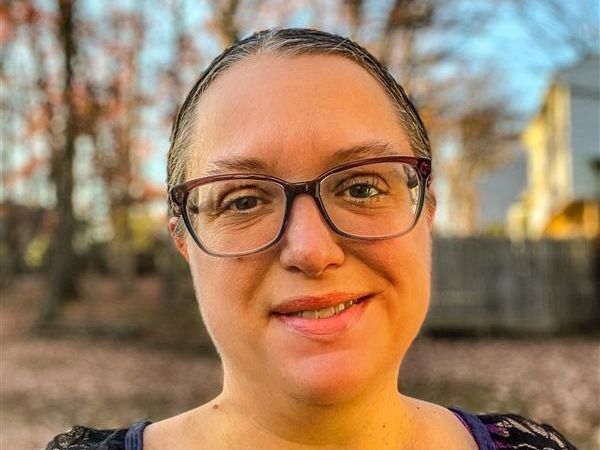
Raised in rural West Virginia, Amy Lummer grew up with a deep sense of mutual care and connection. Now, she brings those values to Jewish Northern Virginia—making sure families feel seen, welcomed, and supported.

Why Here?

Northern Virginia is one of the fastest-growing and most geographically spread Jewish regions in Greater Washington. With families spread across suburbs and cities, Jewish life here can feel fragmented. Turning those fragments into something connected takes intention—and people like Amy.

A Web of Connection

“We are a spiderweb, and whenever you strengthen any one point, the whole web gets stronger.”

Amy coordinates community partnerships, runs the Growing Jewish Families Program, and keeps a running spreadsheet of everything from kosher caterers to coffee shop meetups.

It’s not just about programs; it’s about people. And Amy equips them to create meaningful Jewish experiences for themselves and others.

Bridging Culture, Faith, and Family

Amy’s family has lived in West Virginia for generations, tracing their roots back to Alsace-Lorraine in the 1600s and settling in Appalachia by 1749. The deep community ties and cultural pride she grew up with continue to inform how she builds Jewish life today.

“Judaism and Appalachia both teach that someone is there to catch you if you fall.”

Her kids, now 12 and 15, describe her work like this: One of them says, “She talks to people.” The other adds, “She runs Jewish programs—and makes me volunteer.” Amy laughs, but she’s also serious:

“I want them to grow up knowing that community isn’t something you consume—it’s something you help create.”

She also dreams bigger: a future where every Jewish institution sees one another as partners, not competitors.

“I see a future where no one claims, ‘We can’t do that, they’re our competition.’ We’re one community.”

From Budgets to Bagels

Ten years ago, Amy was a federal budget analyst. After her second child was born, she reassessed her path. She left her job, enrolled her daughter in a part-time Jewish preschool, and when a wave of flu hit the staff, the director asked her to fill in. She agreed—baby in tow—and discovered how much she loved it. That one-off moment led to a master’s in education, years in Jewish early childhood programming, and ultimately, a full-time mission.

“Now I’m building the world I want to see—in a place that supports that.”

Building Belonging, One Moment at a Time

Amy wanted her kids to have a strong Jewish foundation. She started by building community for them. Now, she does it for everyone.

“When someone opens a Growing Jewish Families newsletter, even that shows a desire for connection. And that’s where community starts.”

When her daughter switched from Jewish day school to a large public high school, Amy watched something powerful unfold: her daughter used the skills she’d grown up with—the ability to recognize and connect with others—to find her one Jewish friend in a sea of students.

“She overheard a name that sounded familiar enough to take a chance. Now they walk home from school together.”

That one shared walk home felt like proof: her daughter had what she’d need to find her people.

What Community Looks Like

Amy’s version of success isn’t flashy. It’s made up of human moments that spark something lasting:

  • Fresh kosher challah waiting at school pickup
  • A mezuzah placed low—so kids can touch it, people who use wheelchairs can reach it, and the braille can be read by all
  • Two parents who met at a PJ Library event and grabbed coffee after
  • “That’s the kind of success I’m chasing.”

(And yes, she counts coffee dates as wins.)

More Than a Job

When she’s not coordinating programs or connecting families, Amy’s likely curled up with a fantasy novel (happy endings only), testing a new recipe, or recreating heirloom favorites from scratch. She cooks the way she builds community: generously and with heart.

“Feeding people is my love language.”

The Work of Belonging

Amy’s work reflects Federation’s larger commitment: that every Jew in Greater Washington should have access to connection, belonging, and community.

In Northern Virginia, connection doesn’t just happen—it’s built, moment by moment—by people like Amy.

“Nobody needs to be alone.”
Related posts

Your Dollars at Work: Building Home Through Education in Israel

Your Dollars at Work: Building Home Through Education in Israel

This year, a new secondary school opened in the Galilee—the first in 47 years.

It was made possible by a partnership between the Rosh Pina, Mevu’ot Hermon, and Upper Galilee municipalities. But it didn’t happen in isolation. It’s part of something bigger: Homeward/Habaita, an ambitious, multi-partner initiative working to grow and strengthen communities in the Western Negev and Galilee through education.

With a $500,000 grant from our Israel Crisis Relief Allocations, that vision is becoming real.

In its first year alone, Homeward/Habaita:

  • Recruited 374 new teachers through the Educators’ Communities project
  • Reached 8,874 children and teens in the Western Negev through summer programs
  • Supported the launch of 52 new education initiatives by local educators
  • Helped 25 rural communities create new social and communal education frameworks
  • Benefited more than 36,000 students across 89 communities

Beyond temporary relief, these efforts foster long-term belonging. The kind of connection that makes staying feel possible and coming back feel worth it.

In Ma’ale Yosef, where northern moshavim were hit especially hard by the October 7 attacks, local leaders prioritized education as the first step toward returning home. “The establishment of the education systems within the communities for elementary school children and teens is the first thing we set out to do,” said Tal Ohana, demographic growth project manager for the region.

Natalie Simhon, education department director and president of Moshav Even Menahem, added: “We were disconnected from our homes, disconnected from the ability to be together—and when we create an informal solution, we build a community, we create a sense of belonging.”

This is what your support makes possible: investments in the educators, schools, and programs that hold communities together—especially when everything else feels uncertain.

We’re deeply proud to be in this work with trusted partners in Israel. And we’re grateful to stand with our community here in Greater Washington, who help make all of this happen.

This is just one of the several long-term investments we’re making across Israel. Our growing partnerships with Kinneret Valley Cluster (KVC) and Kibbutz Re’im will help us reach even more communities with this kind of bold, local leadership.

Learn more

Related posts

Tax-Smart Giving Before 2026

Tax-Smart Giving Before 2026

Five Ways to Make Your Impact Now

As 2025 winds down, many of us are thinking about the difference we want to make—and how to give in ways that matter most. With changes from the One Big Beautiful Bill Act (OBBBA) taking effect on January 1, 2026, now is the time to plan ahead. New charitable deduction limits—including a 0.5% adjusted gross income (AGI) floor and reduced itemized benefits—may affect giving strategies in 2026 and beyond. That makes this year an important opportunity for strategic giving.

Below are five tax-smart strategies to consider as you make your year-end gift—whether you’re supporting The Jewish Federation of Greater Washington, shaping your long-term philanthropic goals through the Jewish Community Foundation, or both.

1. Give Online

Give online for the fastest and most convenient option. Web-based platforms make strengthening Jewish life across Greater Washington simple, safe, and accessible.

2. Donate Appreciated Stock

Donating appreciated stock allows you to save on capital-gains taxes and receive a charitable deduction for the fair-market value of assets held more than one year. Your gift powers the programs and partnerships that keep Jewish Greater Washington strong.

Tip: Initiate stock transfers by Monday, December 15 to ensure a 2025 tax credit.

3. Create or Add to a Donor-Advised Fund (DAF)

Open or add to your fund using cash, securities, or complex assets such as business interests or real estate. You’ll receive a charitable deduction now, your fund can grow tax-free, and you’ll have the flexibility to recommend grants when you’re ready. A DAF can also streamline your giving and engage your family in meaningful philanthropy.

Many donors are choosing to contribute up to $108,000 to their DAFs in 2025 to maximize deductibility before 2026’s new limits take effect.

Example: If you plan to give $36,000 annually over the next three years, “bunching” that total into a single $108,000 gift before December 31, 2025 may allow you to take full advantage of today’s deduction rules—versus a reduced benefit spread across multiple years under the new law.

If you already have a DAF, recommending a grant to Federation’s Annual Campaign by December 31 is one of the quickest ways to make an immediate impact.

If you don’t have a DAF, you can still make your year-end gift directly online, through appreciated assets, or by choosing the strategy that best aligns with your goals. And if you’re thinking ahead, opening a DAF is an option you can explore anytime.

4. Make a Qualified Charitable Distribution (QCD) from Your IRA

If you are 70½ or older, you can transfer up to $108,000 directly from your IRA to Federation or the Foundation—tax-free.

A QCD

  • Counts toward your Required Minimum Distribution (RMD)
  • May reduce your adjusted gross income
  • Remains beneficial even if you don’t itemize deductions

QCDs must be received by December 31 to count for 2025.

Example: A donor who makes a $108,000 QCD before year-end may reduce both their taxable income and future RMDs, while supporting Jewish community needs today.

5. Donate Appreciated Real Estate or Other Complex Assets

A gift of appreciated real estate or other complex assets allows you to avoid capital-gains tax and receive a charitable deduction based on the property’s fair-market value (with a qualified appraisal). You may give all or part of a property while retaining lifetime use and build a lasting legacy for Jewish Greater Washington.

We’re Here to Help

Our Federation and Foundation teams can help you identify the giving strategy that aligns with your goals and values before year-end. We encourage you to consult with your professional advisors to determine how these strategies apply to your individual situation.

If you’d like to understand more about how the new 2026 deduction rules work—including the 0.5% floor and the new ceiling for itemized deductions—you can find a full explanation here.

The Jewish Federation of Greater Washington and the Jewish Community Foundation do not provide legal, financial, or tax advice.

Explore all ways to give

Related posts

Meeting Our Community’s Desire for Connection

Meeting Our Community’s Desire for Connection

Across every demographic, the desire for deeper Jewish life is clear. Let’s meet it—one invitation at a time.

I was reading through the results of our recent Impact Index Pulse Survey, a community-wide survey we helped launch earlier this year to better understand how people across our region are experiencing Jewish life—what’s working, what’s missing, and where we can lower barriers to connection. The survey asked 1,349 D.C.-area Jewish community members about their level of satisfaction with the Jewish community (54% satisfied, 15% unsatisfied, 31% neutral).

There is plenty to parse in the data, but one thing stood out to me: The key to increasing people’s engagement with Jewish life isn’t about creating desire but about creating opportunities and removing barriers standing in the way of greater participation.

The desire to become more involved in Jewish life cuts across denomination, age group, income level, region, synagogue affiliation, and length of residence. Roughly 50-60% of all demographic groups want more engagement. Even those whose engagement declined in the past year still reported wanting to be more involved in Jewish life. This is remarkable and instructive.

At Federation, we are proud to work closely with a network of partners who offer and facilitate meaningful Jewish experiences. But the work of building Jewish community rests not solely with institutions, but with each of us. Indeed, community is built from individual connections that help people feel seen and part of something. All of the grants and strategic approaches in the world will never replace the power of personal interactions.

Enter Shabbat dinner. Whether you gather with family members, close friends, or new acquaintances, coming together for Shabbat dinner is one of the most powerful ways to kindle and strengthen Jewish life. Many of us know this to be true from our own encounters with Shabbat, and it is also borne out in the data. Among those who sometimes or regularly attend or host Shabbat dinners there is a greater level of engagement with and satisfaction in Jewish life as compared to those who rarely or never attend Shabbat dinners.

I can hear the data folks reminding me that “correlation is not causation,” but when it comes to Shabbat dinner, there is no downside. It is a positive indicator and effective gateway to greater engagement. It also enriches our own Jewish lives. We’re fortunate to work with so many organizations and community members who help people find their way to one another, at Shabbat tables and in countless other moments of connection.

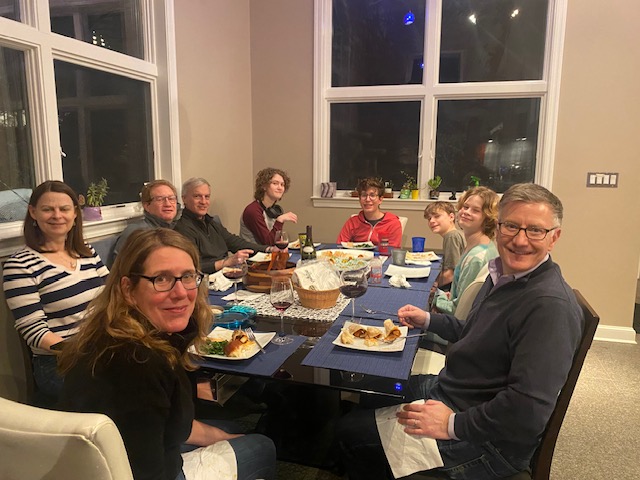
So, as the weather gets colder and we burrow inside, I want to encourage you to bring others along with you. Invite people over for Shabbat dinner. Welcome people you know and people you would like to get to know. Even if you’ve never hosted a Shabbat dinner before, give it a try. It does not need to be fancy or fit some image of what a Shabbat dinner is “supposed” to look like. There are many online resources standing by to provide you with tips and ideas. This is a resource guide from OneTable, one of our partner organizations, that helps those in their 20s and 30s host Shabbat dinners—but the information works for all ages.

The Impact Index clearly shows people want to be more engaged in Jewish life. The desire is there. We meet it by connecting with the people around us and basking together in Jewish ritual, joy, connection, and belonging.

Related posts

More Than One Way to Make a Difference 

More Than One Way to Make a Difference 

Each act of generosity adds to something beautiful we share.

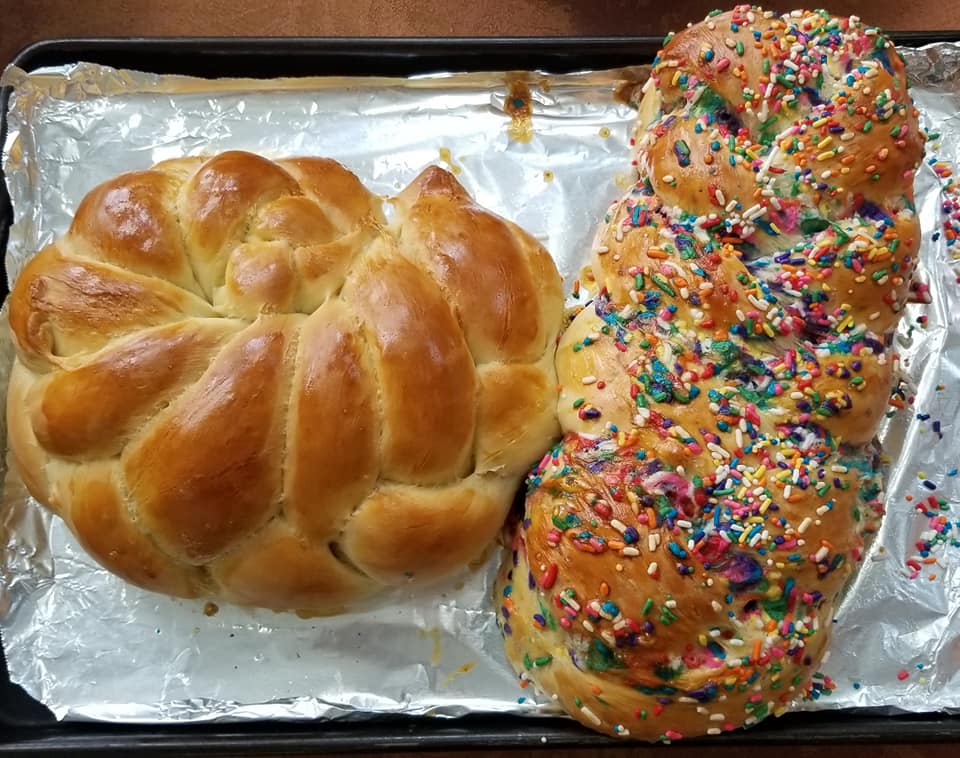
There’s more than one way to slice an apple, bake a challah, or make someone’s day. And there’s definitely more than one way to make a difference.

Every gift to The Jewish Federation of Greater Washington helps someone feel more connected, supported, and seen—whether it’s a teen finding their place in Jewish life, a family getting help in a moment of crisis, or a community strengthened by safety and care.

Curious what your impact looks like?

Explore how your giving shapes Jewish life across Greater Washington:

  • Security: Protecting our community and preparing for whatever comes next.
  • Northern Virginia: Building connection and Jewish life across the region.
  • Teens & Young Adults: Empowering the next generation of Jewish leaders.
  • Camp & Education: Sparking lifelong Jewish learning and friendships.

This season, consider the difference you want to make, then choose the giving path that fits you best. Whether it’s online, through appreciated stock, your Donor Advised Fund, or a charitable IRA distribution, your generosity powers real impact across our region and beyond.

Because there’s no single way to build a strong, vibrant Jewish community. It takes all of us. 

Choose your way

Related posts

Training to Save a Life 

Training to Save a Life 

Inside a high-impact security training at Federation that’s powering readiness across Jewish Greater Washington

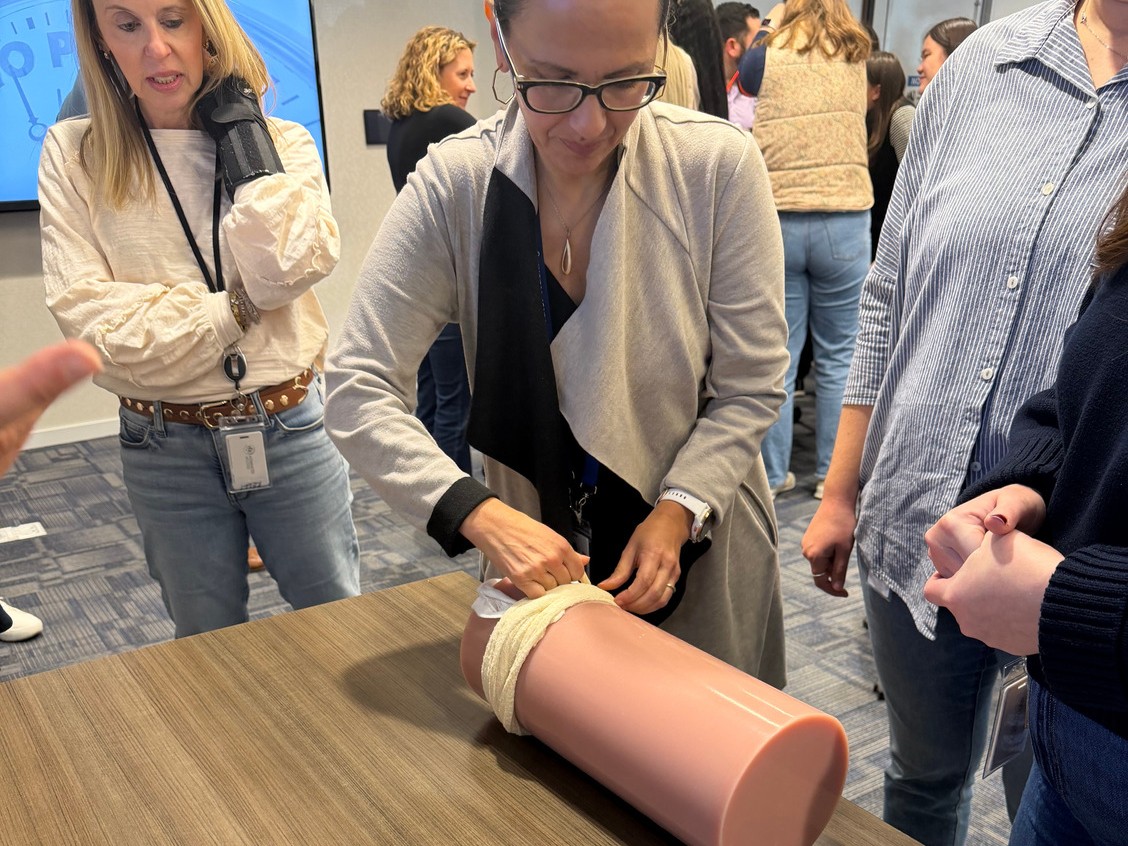
Last week, Federation staff rolled up our sleeves (literally) at STOP THE BLEED®, a hands-on emergency training that teaches you how to respond to life-threatening bleeding. We practiced using tourniquets, packing wounds, and applying pressure—skills we hope we’ll never need, but ones we’re grateful to have learned.

In a crisis, there’s no time to think. When tensions are high and lives are on the line, you fall back on your training. And you hope it’s training that sticks.

That’s where JShield comes in, turning preparation into practice, and making sure that training happens before the moment it’s needed.

JShield in Action

For our staff, this training was memorable, even intense. For JShield, it was any other Wednesday. These kinds of high-impact, real-world trainings are standard operating procedure for our community security initiative—proactive, practical, people-first.

JShield supports synagogues, schools, and Jewish organizations across Greater Washington with the tools they need to protect their people: security assessments, grant support, expert trainings, and real-world readiness. So far in 2025, that’s added up to nearly $600,000 in estimated support—from consultations and training to grant writing expertise and threat assessments—helping institutions across the DMV stay prepared and protected.

Because of You

This kind of training doesn’t happen by accident. It happens because of your support for Federation’s Annual Campaign.

And right now, your gift toward security goes even further, thanks to a limited-time Security Match from The Morningstar Foundation, which is matching 50¢ on the dollar, up to $1 million, to strengthen community safety across Greater Washington.

That means more trainings like this. More experts in more spaces. More peace of mind in a time when it’s never felt more urgent.

So far this year, JShield has helped local Jewish organizations secure more than $4.33 million in federal and state security funding. Your support helps unlock even more.

Prepared and Proud of It

There’s nothing flashy about learning to stop a bleed. It’s messy. It’s tense. It’s vital.

But it’s also hopeful. Because it means we’re not waiting to react—we’re ready to respond, thanks to JShield. Together, we’re building a community that leads with courage, care, and preparation.

Let’s keep going.

Help power the next life-saving training across Jewish Greater Washington.

Every gift is matched. Every action counts.

Donate now

Related posts