Need support? Call 703-J-CARING (703-522-7464)

From Intention to Action: What the Foundation Makes Possible
From Intention to Action: What the Foundation Makes Possible

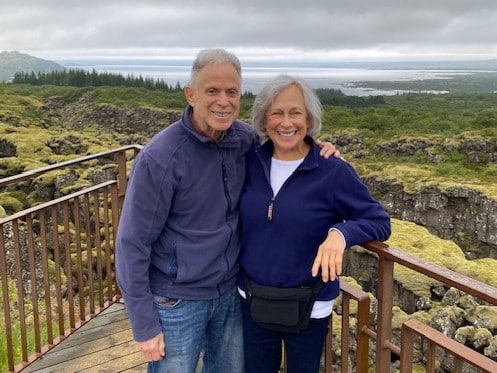
This month, we’ve been spotlighting legacy giving through stories like Marilyn & Ira Polon’s commitment to Jewish continuity and Natalia’s work guiding individuals and families as they imagine how their values can live on for generations. These aren’t just stories of gifts. They are stories of promises: that Jewish life will remain strong long after we’re gone.

But those commitments don’t just sit in a vault—they take shape through The Jewish Community Foundation of The Jewish Federation of Greater Washington. The Foundation is Federation’s philanthropic arm, providing the expertise, heart, and reach that allow donors to bring their visions for positive change to life—intentionally, personally, responsibly, and with lasting impact. Through the Foundation, donors give Jewishly, practice effective philanthropy, and work together to build a more connected, inclusive, and enduring future.

And legacy is just one part of the story.

Endowments: Building a Thriving Community for Generations

Some donors want their commitments to last beyond their lifetime. Through the Foundation, those commitments become endowments—long-term funds that not only preserve their gift but also actively strengthen the health of our community. Endowments help create the conditions for a community that is safe and deeply connected, proud of its identity and heritage, grounded in Jewish meaning, and committed to building a better world for the future.

Donor-Advised Funds (DAFs): Flexible and Meaningful Giving

A donor-advised fund at the Foundation gives donors the freedom to do all their giving in one place—flexible, tax-smart, and handled with care and transparency. With a DAF, you can support Jewish education, urgent relief in Israel, your local JCC, your synagogue, a hospital, an arts program—or all of them. With the convenience and flexibility to give across causes and communities, whenever and however you choose, it’s giving made simple, while keeping your values at the center.

Collaborative Funds: Creating Opportunities, Changing Conditions

And sometimes, a donor feels compelled to act on a cause so personal it can’t be carried alone: mental health, women and girls, Jewish learning, community security. Collaborative funds are created when donors with shared commitments come together through the Foundation. These funds don’t just respond to problems; they create opportunities to strengthen Jewish life in unique ways, while also tackling some of the most complex challenges our community faces. By pooling vision and resources through the Foundation, donors can change the conditions that shape our future and open the door to a more vibrant, resilient community. Each fund is driven by donors’ deeply personal intentions and made stronger through the power of collective action.

What Sets the Foundation Apart

What makes the Foundation unique is that every gift is both personal and communal. Because it is part of The Jewish Federation of Greater Washington—an institution trusted for generations—donors know their giving is grounded is anchored in Jewish values and connected to something larger. Unlike other financial institutions, fees at the Foundation support Jewish programming at the Foundation and Federation that strengthens the fabric of Jewish life locally, nationally, and globally. Donors also gain access to philanthropic learning, expert advisement, and the ability to make their giving visibly Jewish, even when supporting a secular nonprofit. Together, donors experience philanthropy that is both effective and deeply meaningful.

What Every Gift Has in Common

Whether through an endowment, a DAF, or a collaborative fund, every gift at the Foundation begins with a donor’s intention. Federation helps inspire these commitments. The Foundation ensures they are honored with care—and, grounded in an institution donors know and trust, they are brought to life in the most impactful, personal, and deeply Jewish way possible.
Related posts

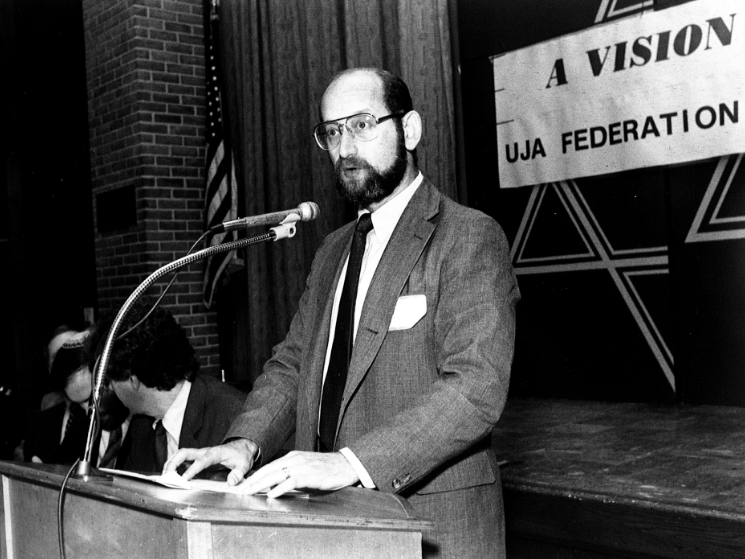
The Legacy of Eddie Kaplan The Legacy of Eddie Kaplan
The Legacy of Eddie Kaplan
Eddie’s decades of leadership at Federation and the Jewish Community Foundation helped strengthen institutions, support community investments, and shape a thriving Greater Washington Jewish community rooted in care, vision, and lasting impact.
read more

Discovering What Motivates Us

Discovering What Motivates Us

Behind every connection to Federation is a story—a reason why.

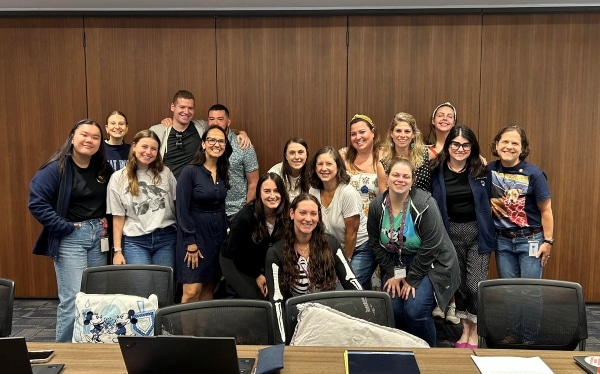
In a recent conversation with my team, I asked a simple question: What motivates you?

The answers were honest and deeply personal. Some spoke about the impact of loss—like a family member killed on 9/11 or a battle with cancer. Others shared the grounding role of friendship, family, or the meaning they find in being a parent. For me, it was my own childhood diagnosis with type 1 diabetes—an experience that continues to shape how I approach challenges, relationships, and my commitment to community.

What struck us most was not just the variety of answers, but the openness with which they were shared. The conversation reminded us that motivation is rarely abstract. It’s lived. It’s personal. And it’s often tied to experiences that stay with us.

That same truth guides how we engage with our community. Just as each of us is motivated by different life experiences, so too are the individuals and families who give so generously to Federation. Some of you may be driven by urgent needs. Others by legacy. Still others by the vision of a vibrant Jewish future.

We can only discover these motivations if we take the time to ask—and then to listen.

I hope we hold fast to what’s at the core of this work—the work of strengthening our Jewish future: connecting with one another, honoring each person’s why, and building a stronger Jewish community—together.

So, we’ll leave you with the same question we asked ourselves:

What motivates you?

Related posts

The Legacy of Eddie Kaplan The Legacy of Eddie Kaplan
The Legacy of Eddie Kaplan
Eddie’s decades of leadership at Federation and the Jewish Community Foundation helped strengthen institutions, support community investments, and shape a thriving Greater Washington Jewish community rooted in care, vision, and lasting impact.
read more

Marilyn & Ira Polon: Building a Legacy of Jewish Continuity

Marilyn & Ira Polon: Building a Legacy of Jewish Continuity

Leading by Example and Securing Our Future

We recently sat down with Marilyn and Ira Polon to talk about their decades-long connection to The Jewish Federation of Greater Washington—a relationship built on community, shared values, and a lifetime of giving.

Their story began in 1971, when Ira had just completed two years of Army service and the young couple settled in Alexandria, Virginia. Not long after, a friend from Agudas Achim invited them to a Federation “Young Marrieds” event—a lively gathering that became their gateway into Greater Washington’s Jewish community. “It was such a wonderful way to meet other young Jewish couples and build connections,” Marilyn recalls.

From that first welcome, their involvement only deepened. Ira joined a Federation mission to Israel and later served on the Strategic Planning & Allocations (SP&A) Committee. “That experience gave us a deeper understanding of the community’s needs,” he says. “That’s when giving became a brand-new habit, one that felt good and meaningful. As our financial situation improved over the years, we were able to give more.” Today, their philanthropy focuses primarily on Jewish causes, especially since October 7. Marilyn adds with a smile, “And animals, too.” Ira now serves on Federation’s Board of Directors.

A Deepening Sense of Purpose

Over five decades, the Polons have watched Federation’s work evolve to meet the changing needs of the community. “The work has always been vital,” they reflect, “but it feels especially urgent now with the rise in antisemitism.”

They point to the Charles E. Smith Jewish Day School (JDS) as an example of how Federation-supported institutions shape identity. Both of their children, Sara and Jonathan, attended JDS, and the experience reinforced the importance of Jewish learning. “A Jewish education deepens understanding and connection to our traditions,” Marilyn says. “That sense of identity and joy is what sustains us, especially in challenging times.”

“It’s what makes us feel rooted and proud,” Ira adds.

Today, their connection to JDS continues through the next generation—their two grandchildren are current students, carrying forward the same values and traditions that shaped their parents.

Roots, Resilience, and Influence

Neither Marilyn nor Ira grew up in a “Federation family,” but both carried formative Jewish experiences into their marriage. Ira was raised in New York, where he attended Hebrew school and celebrated his Bar Mitzvah, but he describes his upbringing as “not very religious.” Marilyn grew up in Baltimore with a deeply observant father and Hebrew teachers who were Holocaust survivors.

Her father’s devotion was sometimes tempered by caution in the face of antisemitism. “He wore a hat instead of a kippah and didn’t put up a sukkah,” Marilyn remembers. “Antisemitism was present then, as it is now.”

When the couple married in December 1967, Ira was surprised when Marilyn announced they’d keep a kosher home and join the local synagogue. “Thanks to Marilyn,” he says, “my connection to Judaism is so much richer and deeper now.”

A Legacy for the Future

For Marilyn and Ira, philanthropy is about more than giving—it’s about ensuring the future of the Jewish people. “We care deeply about continuity,” they say. “We want to make sure more Jews have the opportunity to strengthen their identity and connection to our heritage.”

“We feel lucky to be able to give back,” Marilyn says. “It just feels good to do our part.”

Recently, they experienced a proud and moving moment when they learned that their children also give to Federation quietly, without ever mentioning it to their parents. For them, it was a powerful illustration of true altruism—a sign that the next generation had been inspired not by being told to give, but by witnessing their parents’ intentional actions over the years.

“That’s what legacy is all about,” they agreed—ensuring that the Jewish community they have helped strengthen will continue to thrive for generations. A legacy gift, they believe, is a mitzvah for the future of the Jewish community. It shows your loved ones what matters most to you and creates a plan to sustain it.

Join Marilyn and Ira in shaping the future of Jewish life in Greater Washington. Learn more about creating your own Jewish legacy at www.shalomdc.org/legacy.

Related posts

The Legacy of Eddie Kaplan The Legacy of Eddie Kaplan
The Legacy of Eddie Kaplan
Eddie’s decades of leadership at Federation and the Jewish Community Foundation helped strengthen institutions, support community investments, and shape a thriving Greater Washington Jewish community rooted in care, vision, and lasting impact.
read more

Where Inclusion Happens Every Day: The Blicher Family’s Summer at Camp 

Where Inclusion Happens Every Day: The Blicher Family’s Summer at Camp 

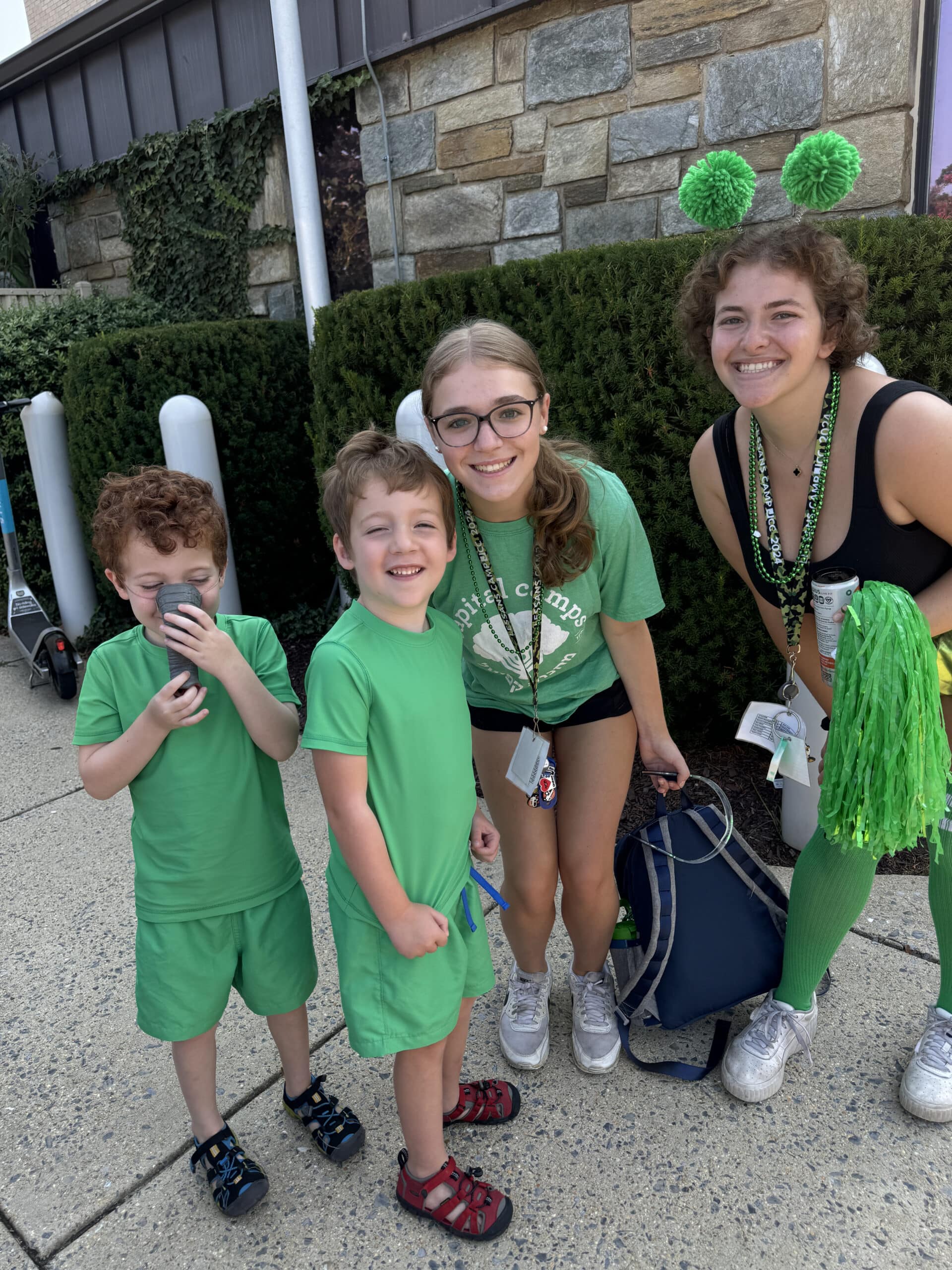
When Jamie Blicher drops off her 7-year-old twins, Ethan and Bennett, at Lessans Camp JCC each morning, she breathes a sigh of relief.  Many of the day-to-day stresses of raising twins with disabilities disappear, and her kids get to just be kids at a place where they are seen, valued, and fully included.

From swimming to arts and crafts, even the rock wall, they participate side-by-side, just like all the other 7-year-olds. The only difference is that they each have their own dedicated counselor, who is there to offer the additional support they need so they can thrive alongside their peers.

Inclusion isn’t just part of the mission statement for Lessans Camp JCC—it is truly at its core. Not only does the camp work to make sure that all activities are accessible to all of its campers, counselors, and staff, but it also looks at inclusion from a broader sense.  The camp is open to people of all backgrounds, nationalities, and faiths.

For Jamie, the difference is profound.

“Everywhere I go, I’m constantly looking for ramps, special doors, and other ways to make sure spaces are inclusive,” she says. “Here, I don’t have to worry about any of that. My kids feel like all the other kids. They feel important, they feel special—and they’re not defined by their disabilities here.”

This is the Blicher family’s third summer at Lessans Camp JCC, a program of the Bender JCC, one of The Jewish Federation of Greater Washington’s core partners. Our funding plays a critical role in making this experience possible—helping to cover the cost of dedicated counselors so that children like Ethan and Bennett can participate fully in camp life.

Jamie says that support is life-changing.

“Medical bills are incredibly expensive … The fact that camp is funded for them to have their own counselors takes such a weight off our shoulders. Having something this inclusive and affordable is such a gift!”

Through the partnership between The Jewish Federation and the Bender JCC, Lessans Camp JCC isn’t just a place for sports, games, crafts, and songs—it’s a place where inclusion is in action every single day. It’s a place where children form strong Jewish identities, build friendships, and feel truly at home.

As Jamie puts it, “Here, my kids aren’t defined by what they can’t do—they’re celebrated for everything they can.”

This impact is made possible through the generosity of our community. Your support of Federation ensures that Ethan, Bennett, and every camper can join every activity, every friendship, and every joyful moment of Jewish summer camp.

Related posts

The Legacy of Eddie Kaplan The Legacy of Eddie Kaplan
The Legacy of Eddie Kaplan
Eddie’s decades of leadership at Federation and the Jewish Community Foundation helped strengthen institutions, support community investments, and shape a thriving Greater Washington Jewish community rooted in care, vision, and lasting impact.
read more

To-Do: 1. Meet Natalia 2. Leave a Legacy 

To-Do: 1. Meet Natalia 2. Leave a Legacy 

How Natalia Straus is helping Greater Washington’s Jewish community plan for the future—with heart, humor, and purpose.

Natalia Straus has always been a planner.

“As a kid, I’d write a to-do list that started with ‘write a to-do list,’” she laughs. “My family still teases me that I can’t get through breakfast without saying, ‘Let’s make a list.’”

That love of structure—and her deep sense of purpose—make Natalia the perfect person to lead legacy giving at The Jewish Federation of Greater Washington.

A Natural Fit for the Future

Now serving as Federation’s Senior Director of Legacy Giving, Natalia is revitalizing a community-driven legacy program in partnership with the Jewish Community Foundation.

Her goal? To make it easier—and more meaningful—for community members to plan for the future and leave a lasting impact on Jewish life in Greater Washington.

“Legacy giving is about intention,” she says. “It’s asking: What values do I want to carry forward? What kind of world do I want to help build—even after I’m gone?”

And there’s no better time to start. August is National Make-A-Will Month—a timely reminder that creating or updating your will is one of the simplest, most powerful ways to secure your future impact.

Legacy gifts—like naming Federation in your will, trust, or retirement plan—are simple to set up and have a lasting effect. These gifts sustain the programs, services, and values that shape Jewish life: from youth education and senior care to Jewish identity, emergency response, and beyond.

Two Decades of Legacy Leadership

Natalia got her start in legacy giving at the Osher Marin JCC through Federation’s “Leave a Jewish Legacy” initiative. Since then, she’s helped organizations from Spirit Rock Meditation Center to California State Parks Foundation build and strengthen their legacy programs.

She recalls one moment that solidified her passion: a longtime donor reached out to confirm their gift shortly before passing. “They told me it brought them peace,” she remembers. “That conversation reminded me—this work isn’t about paperwork. It’s about people, their stories, and their hopes.”

A Personal and Professional Passion

For Natalia, planning a legacy isn’t just a job—it’s how she moves through the world.

“Creating a plan is one of the most generous things you can do. For your family. For your community. For yourself. It’s an act of hope.”

That same outlook shaped her leadership in Federation’s Women’s Philanthropy program over the past three and a half years. “It’s been an incredible experience building this community,” she says. “I’m proud to leave it in the hands of amazing leaders like Becca Ginns, Jordan Kaufman, and our Women’s Philanthropy chairs and changemakers.”

Ready to Write Your Next Chapter?
Your legacy is already in the making. Let’s make sure it tells the story you want to be remembered by.

Reach out to Natalia at natalia.straus@www.shalomdc.org or 301.230.7279

Related posts

The Legacy of Eddie Kaplan The Legacy of Eddie Kaplan
The Legacy of Eddie Kaplan
Eddie’s decades of leadership at Federation and the Jewish Community Foundation helped strengthen institutions, support community investments, and shape a thriving Greater Washington Jewish community rooted in care, vision, and lasting impact.
read more

A Women’s Philanthropy Chanukah Evening of Light, Courage, and Community

A Women’s Philanthropy Chanukah Evening of Light, Courage, and Community
Registration is now full. Please email Jordan Kaufman to be added to the waitlist.
Women’s Philanthropy invites you to our annual Chanukah celebration for Pomegranates and Lions of Judah in our community. We are honored to welcome Yair and Sarah Attias as our featured speakers. Their story—told from both the battlefield and the home front—offers a deeply personal window into the aftermath of October 7 and the ongoing journey of healing and rebuilding in Israel. This evening will also highlight how our community is helping Israel rebuild post-war, weaving our collective light into the fabric of recovery and hope.
Meet Yair and Sarah
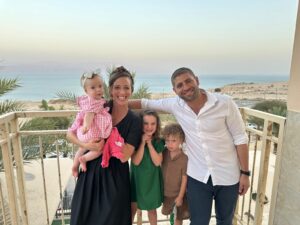
Attias Family Yair Attias, 35, is a decorated IDF officer and father of three. He served as Battalion Commander of the Givati Brigade’s Shaked Battalion and Chief of Staff for the 162nd Armored Division during the recent war. He was among the first responders to the Nova music festival attack and led operations throughout the Gaza envelope. Today, he serves in a joint military program with the U.S. Marine Corps in Virginia.
Sarah Attias, 35, is a midwife and devoted mother. She has carried the weight of wartime motherhood—raising children in uncertainty, grieving the loss of her brother who fell in Gaza, and holding her family together while Yair served on the front lines. Together, Yair and Sarah will share a story of service, sacrifice, and strength—a story that echoes the heart of Israel and the soul of our community.
 
Chanukah reminds us of the many blessings in our lives and inspires us to bring light to others. You can help by purchasing a gift card for JCADA to support victims of power-based violence.
Kosher food and drinks will be provided. This event is open to women who have committed to their Pomegranate ($1,800-$4,999) or Lion of Judah ($5,000+) gift to the 2025 Annual Campaign. *The location and street address for this event will be emailed to each guest prior to the event, using the email address provided at registration.

Women’s Philanthropy Leadership 

Janyse Weisz and Jessica Carbino, Event Co-Chairs Abby Cherner, Vice President, Women’s Philanthropy Sophie Buslik, Assistant Vice President, Women’s Philanthropy Paula Shoyer, Ruby Lion Chair Marianna Ashin, Lion of Judah Chair Ilana Rothberg, Pomegranate Chair Pamela Rosenberg Gottlieb and Amy Jablin Forseter, FRD Impact Co-Chairs

*Event details, including the location and street address or virtual link, will be emailed to you prior to the event using the address provided at registration. Learn more about security at Federation events.

We’re committed to building an inclusive community. If you need accommodations to participate meaningfully, please contact us in advance.

What They Carried In. What They Left Behind.

What They Carried In. What They Left Behind.

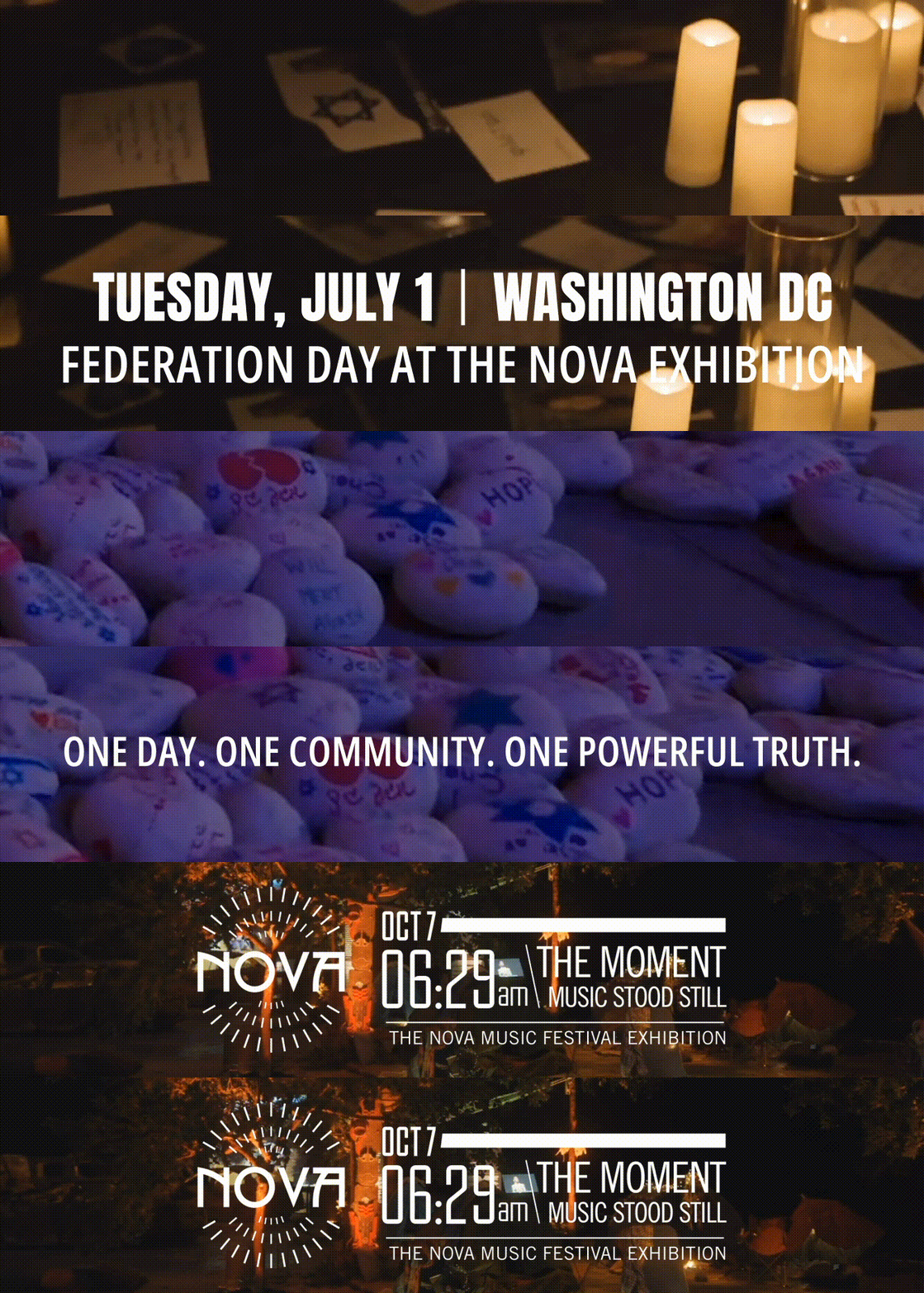
On July 1, during Federation Day at the Nova Music Festival Exhibition in Gallery Place, Jackson Siegal of In-Rel Properties showed up with purpose.

He didn’t come alone. He brought his team: five maintenance men, straight from the job site, pockets full of screwdrivers and flashlights.

At the security checkpoint, they handed over their tools. A small, routine act. But upstairs, those everyday objects stood in quiet, haunting contrast to what lay on the tables.

Phones. Backpacks. Jewelry. Sandals. Not items people forgot, but belongings of those who were hunted, kidnapped, and murdered on October 7. Artifacts recovered from the site of the massacre.

Jackson’s team moved through the exhibit slowly, together. At the table of artifacts, a volunteer who had helped clean and catalog each item spoke with quiet steadiness, explaining what had happened on October 7. She had washed away the blood so the victims’ families wouldn’t have to see it. But she left the dust on the shoes. Just as they were found.

Dust from the earth where people danced, where thousands fled, where hundreds were murdered.

At one point, Jackson and the volunteer slipped into Hebrew. One of the younger workers leaned in to translate into Spanish for an older teammate. No one asked him to. He just did.

That kind of instinct—across languages, generations, and lived experience—is exactly what Federation Day was made to hold. A moment to show up. To witness. To carry memory together.

Jackson, who recently joined Federation’s Real Estate Network, didn’t say much. But the way he moved through the exhibit—asking questions, staying present—set the tone for his team.

Moments like this have defined the exhibit since it opened here in Greater Washington. Earlier in the run, a survivor spotted something he never expected: his hat.

Not just any hat. The one his friends always borrowed for pictures. The one that made people smile. The one everyone said made him look like Bruno Mars.

He left it there. Because it wasn’t just his anymore. It was part of the story now.

Something shifted for Jackson’s team, too. They didn’t just visit. They paid attention. They stayed with it.

They arrived with the tools of their trade. They left with something harder to name—but just as real. A story to carry. A truth to hold.

This is what it means to show up for one another. This is how memory becomes action.

Bringing the exhibit to Washington made space for moments like this—quiet, human, unforgettable. The kind that help us hold the truth and carry it forward, together.

Related posts

The Legacy of Eddie Kaplan The Legacy of Eddie Kaplan
The Legacy of Eddie Kaplan
Eddie’s decades of leadership at Federation and the Jewish Community Foundation helped strengthen institutions, support community investments, and shape a thriving Greater Washington Jewish community rooted in care, vision, and lasting impact.
read more

Reflections from A Senior Shlicha: Year One

Reflections from A Senior Shlicha: Year One
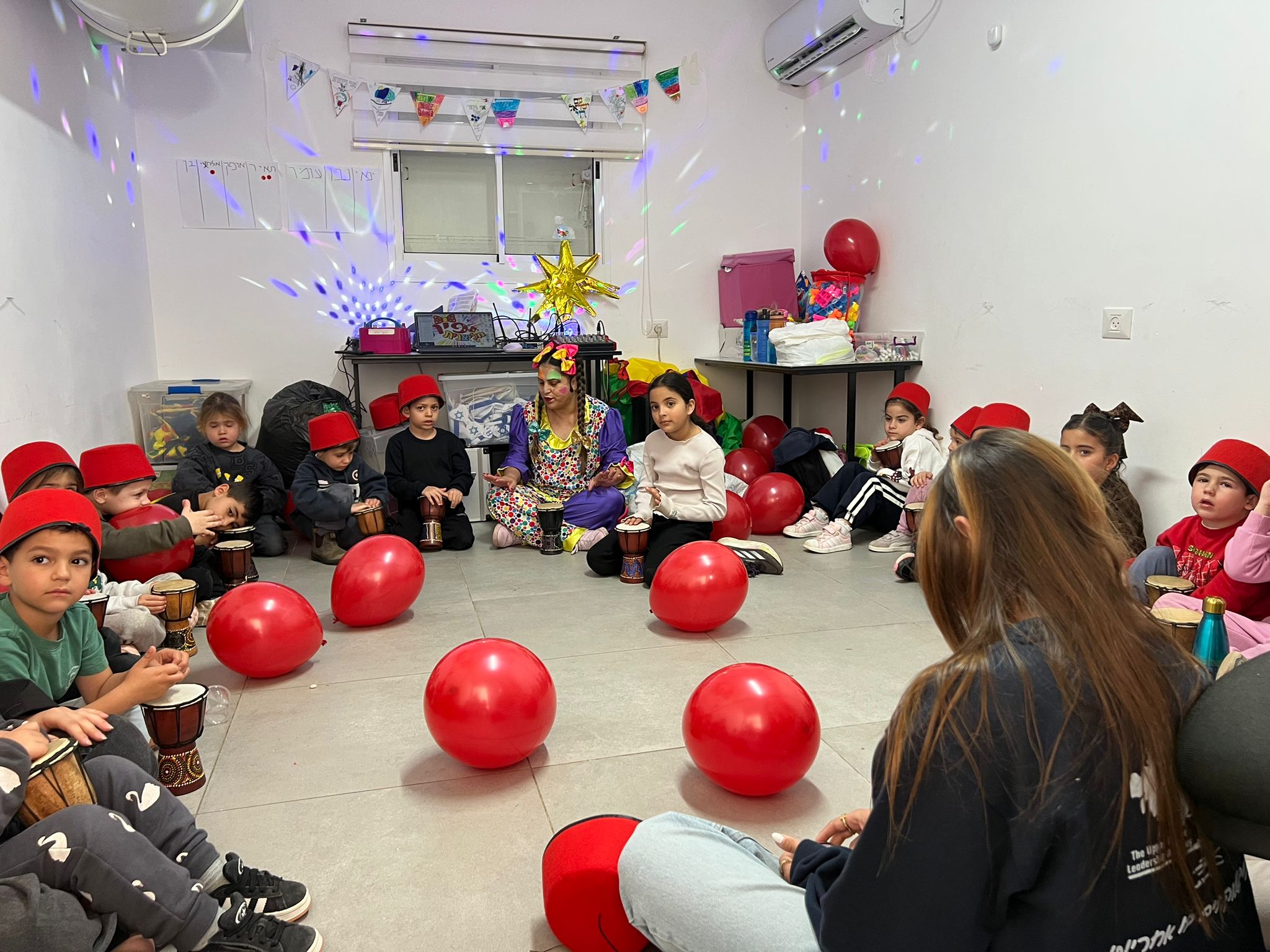
Over the past year, I have had the honor of serving as the Senior Shlicha (Israeli emissary) and head of the Israeli delegation on behalf of The Jewish Agency and the Jewish Federation of Greater Washington (JFGW). I relocated here last summer with my husband and our three children. Our delegation of young Shlichim is the second-largest in North America, comprising 11 passionate and dedicated emissaries. This speaks to Federation’s deep commitment to meaningful Israel engagement and its recognition of the Shlichim’s vital role in building bridges between Israel and this vibrant local Jewish community. Just last year, the Mishlachat (delegation) reached nearly 20,000 participants through more than 400 programs. Our Shlichim serve in congregations, JCCs, the Federation itself, and Makom, where one Shlicha works with individuals with disabilities. From Gaithersburg to Fairfax, our presence spans the region, reflecting our shared goal of connecting with and positively impacting the entire Greater Washington community. At the same time, we are committed to bringing the strength and solidarity of this beautiful community back to Israel. As we finalize next year’s work plan and prepare to welcome new Shlichim to our delegation, I’ve taken time to reflect on the approaches we use to deepen the relationship between Israel and our local Jewish community. Here are three moments that shaped my understanding of our role as Shlichim.

1. Commemorating October 7 – Pozez JCC

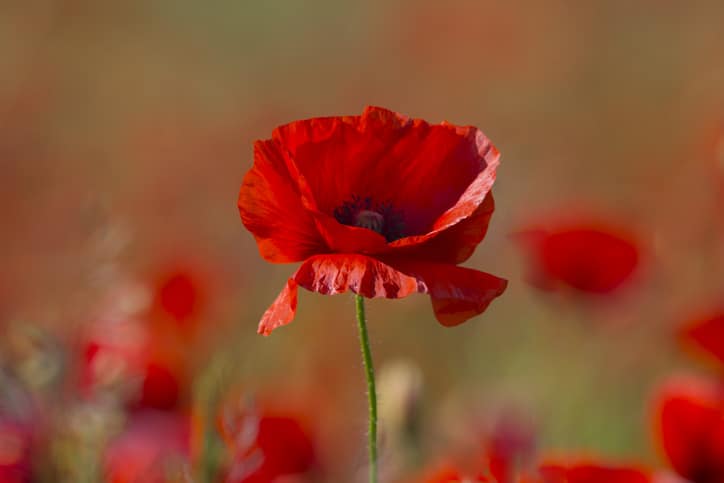
One of the most meaningful experiences I participated in was a commemoration event held at the Pozez JCC to mark one year since the deadly attacks on October 7. The evening included workshops focused on Israeli art and storytelling. I presented an Israeli art gallery titled Wrapping Memory, which explores life in the Gaza envelope region prior to the attacks. During my presentation, I introduced the symbol of the red poppy—Israel’s national flower—and its layered meanings. The poppy symbolizes beauty, nature, connection to the land, and renewal. But it also represents loss and mourning. In Israel Defense Forces terminology, perach (flower) is used to refer to a fallen soldier. Many in the audience had never encountered this symbolism before. But in that moment, they connected emotionally with something deeply Israeli.

Aha Moment:

This event reminded me of the unique power of cultural programming. Through music, art, literature, and language, we can foster shared understanding and invite meaningful conversation about Israel—without always centering politics. Even in the wake of tragedy, new spaces for dialogue and connection can emerge.

2. People-to-People Connection – A Grandmother’s Words

This next story comes from one of our Shlichim, Tamar, who led a B’nai Mitzvah program focused on Jewish and Israeli values. Families were invited to a final celebration. Afterward, a grandmother approached her and said: “When you asked the kids what makes them feel Jewish, I realized—having you here, and what you represent, makes me feel more Jewish.”

Aha Moment:

That simple, powerful statement reminded me that genuine connection happens through people—not just programs. A Shaliach’s presence can become a living bridge between Israel and local Jewish life, deepening one’s own Jewish identity. Through relationships, conversations, and shared experiences, Shlichim create bonds that no one-time event can replace.

3. Facilitated Dialogue – Empowering Young Voices

A few months ago, I co-led a panel for young professionals from across the DMV. We discussed the complexities of modern Israeli discourse, the rise of antisemitism, and the overwhelming role of social media in shaping perceptions. Many of the participants had grown up with an idealized image of Israel—Eretz Zavat Halav U’dvash (a land flowing with milk and honey)—and had little exposure to its complexities. Some expressed feeling insecure when faced with difficult conversations about Israel or antisemitic rhetoric. They felt unprepared and lacked the tools to speak up. We discussed the value of open dialogue, approaching disagreement with curiosity and courage, and the importance of finding one’s voice. I shared that growing up in Israel, I was encouraged to speak up, ask questions, and stand for my beliefs. I told them: “You just need to be a little more Israeli.”

Aha Moment:

Empowering young adults to engage with Israel requires more than information—it requires confidence, resilience, and helping them find their voice. We must not only teach about Israel, but also support our community in learning how to speak about Israel—especially when it’s difficult. This is one of our goals for next year. Thank you for the opportunity to share these reflections. As Shlichim, we are honored to walk alongside this community—to listen, to connect, and to build bridges of understanding in both directions. As we reflect on the events unfolding in Israel, I truly believe we are living through historic moments. My hope for the coming year is that we will reunite to mark peace, not war, and that all the hostages will return home soon.

Over the past year, I have had the honor of serving as the Senior Shlicha (Israeli emissary) and head of the Israeli delegation on behalf of The Jewish Agency and the Jewish Federation of Greater Washington (JFGW). I relocated here last summer with my husband and our three children.

Our delegation of young Shlichim is the second-largest in North America, comprising 11 passionate and dedicated emissaries. This speaks to Federation’s deep commitment to meaningful Israel engagement and its recognition of the Shlichim’s vital role in building bridges between Israel and this vibrant local Jewish community.

Just last year, the Mishlachat (delegation) reached nearly 20,000 participants through more than 400 programs. Our Shlichim serve in congregations, JCCs, the Federation itself, and Makom, where one Shlicha works with individuals with disabilities. From Gaithersburg to Fairfax, our presence spans the region, reflecting our shared goal of connecting with and positively impacting the entire Greater Washington community. At the same time, we are committed to bringing the strength and solidarity of this beautiful community back to Israel.

As we finalize next year’s work plan and prepare to welcome new Shlichim to our delegation, I’ve taken time to reflect on the approaches we use to deepen the relationship between Israel and our local Jewish community.

Here are three moments that shaped my understanding of our role as Shlichim.

1. Commemorating October 7 – Pozez JCC

One of the most meaningful experiences I participated in was a commemoration event held at the Pozez JCC to mark one year since the deadly attacks on October 7. The evening included workshops focused on Israeli art and storytelling. I presented an Israeli art gallery titled Wrapping Memory, which explores life in the Gaza envelope region prior to the attacks.

During my presentation, I introduced the symbol of the red poppy—Israel’s national flower—and its layered meanings. The poppy symbolizes beauty, nature, connection to the land, and renewal. But it also represents loss and mourning. In Israel Defense Forces terminology, perach (flower) is used to refer to a fallen soldier.

Many in the audience had never encountered this symbolism before. But in that moment, they connected emotionally with something deeply Israeli.

Aha Moment:

This event reminded me of the unique power of cultural programming. Through music, art, literature, and language, we can foster shared understanding and invite meaningful conversation about Israel—without always centering politics. Even in the wake of tragedy, new spaces for dialogue and connection can emerge.

2. People-to-People Connection – A Grandmother’s Words

This next story comes from one of our Shlichim, Tamar, who led a B’nai Mitzvah program focused on Jewish and Israeli values. Families were invited to a final celebration. Afterward, a grandmother approached her and said:

“When you asked the kids what makes them feel Jewish, I realized—having you here, and what you represent, makes me feel more Jewish.”

Aha Moment:

That simple, powerful statement reminded me that genuine connection happens through people—not just programs. A Shaliach’s presence can become a living bridge between Israel and local Jewish life, deepening one’s own Jewish identity. Through relationships, conversations, and shared experiences, Shlichim create bonds that no one-time event can replace.

3. Facilitated Dialogue – Empowering Young Voices

A few months ago, I co-led a panel for young professionals from across the DMV. We discussed the complexities of modern Israeli discourse, the rise of antisemitism, and the overwhelming role of social media in shaping perceptions.

Many of the participants had grown up with an idealized image of Israel—Eretz Zavat Halav U’dvash (a land flowing with milk and honey)—and had little exposure to its complexities. Some expressed feeling insecure when faced with difficult conversations about Israel or antisemitic rhetoric. They felt unprepared and lacked the tools to speak up.

We discussed the value of open dialogue, approaching disagreement with curiosity and courage, and the importance of finding one’s voice. I shared that growing up in Israel, I was encouraged to speak up, ask questions, and stand for my beliefs. I told them: “You just need to be a little more Israeli.”

Aha Moment:

Empowering young adults to engage with Israel requires more than information—it requires confidence, resilience, and helping them find their voice. We must not only teach about Israel, but also support our community in learning how to speak about Israel—especially when it’s difficult. This is one of our goals for next year.

Thank you for the opportunity to share these reflections. As Shlichim, we are honored to walk alongside this community—to listen, to connect, and to build bridges of understanding in both directions.

As we reflect on the events unfolding in Israel, I truly believe we are living through historic moments. My hope for the coming year is that we will reunite to mark peace, not war, and that all the hostages will return home soon.

Related posts

A Night of Remembrance, Resilience, and Responsibility

A Night of Remembrance, Resilience, and Responsibility

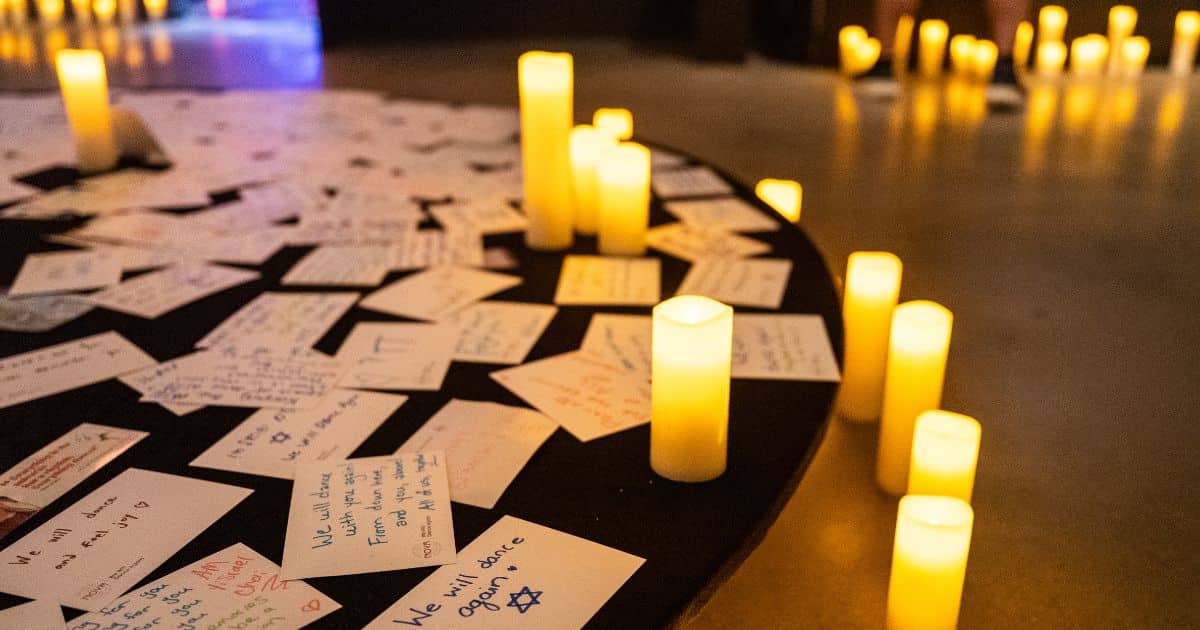
On Wednesday, June 18, the most generous members of the Greater Washington Jewish community gathered for an unforgettable evening at the Nova Music Festival Exhibition in Washington, DC—a powerful, immersive tribute honoring the lives lost and the strength of survivors following the October 7 terror attack.

This wasn’t just an event. It was a reckoning. A moment that asked each of us: What will you do with what you now know?

Inside the exhibition—transformed from a site of celebration into sacred ground—we walked through a landscape once alive with music, freedom, and light. The same landscape where, on October 7, thousands of young people were dancing in the desert when terror struck. The attack didn’t just take lives—it targeted joy itself.

But joy, as our community was reminded, is resilient.

Survivors and community leaders took the stage to bear witness—and to ask us to do the same.

Noa Beer, one of the Nova Festival’s original organizers and a survivor of the attack, stood before us and declared: “You are now witnesses.” Her story turned presence into purpose.

Brian Levenson spoke to the strength of our chevra—our sacred circle of trust that shows up in moments that matter. He reminded us that Jewish identity is shaped not just by what we endure, but by what we choose to stand for.

Marla Schulman, incoming chair of Federation’s Community Leadership Council, shared how her trips to Israel were canceled—visits to grantees and leadership programs postponed because of escalating violence. Her family in Tel Aviv continues to live under constant threat. Walking through the exhibit, she imagined her own children among the young people at Nova. “This exhibition,” she said, “tells the story not through headlines, but through the beat that stopped and the lives that were shattered.”

And Mollie Bowman—soon to be a mother, and a third-generation Holocaust survivor—stood in the raw space between grief and hope. “I’m filled with fear for the world my child will inherit,” she said, “and I am also audaciously hopeful that they may change it for the better.”

This evening wasn’t just about remembrance. It was about responsibility.

It wasn’t only for those in the room. It’s for everyone.

Step Into the Story

Stand with our Greater Washington community at Federation Day at the Nova Exhibition—a powerful moment to honor memory, affirm our shared values, and offer collective strength.

Bring a friend. Invite others. Everyone needs to see it.

Bear witness and share the story—on social media, in your circles, and across our community

This is more than an exhibit. It’s a declaration: Joy will not be silenced. Community will not be broken. Truth will not fade.

This is our moment to listen. To act. To carry the light forward.

Stay connected. Stand together. Be a witness.

Related posts

The Legacy of Eddie Kaplan The Legacy of Eddie Kaplan
The Legacy of Eddie Kaplan
Eddie’s decades of leadership at Federation and the Jewish Community Foundation helped strengthen institutions, support community investments, and shape a thriving Greater Washington Jewish community rooted in care, vision, and lasting impact.
read more
Support When it Matters Support When it Matters
Support When it Matters
After a direct Iranian missile strike on Beit Shemesh, Federation mobilized quickly—transforming the Zinman Community Center into a Family Support Hub providing emergency relief, psychological support, and moments of joy for impacted residents.
read more

When Jewish Identity Takes the Field

When Jewish Identity Takes the Field

How a day at the ballpark became a celebration of pride, connection, and community 

Where does Jewish identity take root?

Sometimes it’s in a classroom. Sometimes it’s around a Shabbat table. And sometimes—unexpectedly, powerfully—it shows up in the outfield of a summer ballpark, where a Team Israel Olympian throws warm-up pitches to wide-eyed kids, and the air smells like fresh grass and kosher hot dogs.

This is Jewish Baseball Heritage Day, hosted by Bethesda Big Train in partnership with Israel Baseball, returning to Shirley Povich Field on Sunday, June 22. There will be a baseball game that evening—Big Train vs. the Olney Cropdusters—but the heart of the day begins much earlier.

It’s a day about far more than a baseball game. It’s about what happens when Jewish identity, informal learning, and connection to Israel show up outside traditional spaces—and land squarely in the heart of community life.

A Different Kind of Jewish Learning

The day kicks off with a youth clinic led by Israel Baseball coaches, including Olympian Shlomo Lipetz and longtime Major League Baseball (MLB) trainer Barry Weinberg. The coaching is hands-on and engaging, with stories that add depth and meaning to the experience. These aren’t just athletes—they’re Jewish athletes, representing Israel with pride.

In the afternoon, teens step up for their own clinic. The pace picks up, and the questions get sharper—about training, about representing Israel, about the path to professional play.

After the clinics, participants gather for a Q&A with the Israel Baseball staff, trading stories, asking questions, and making connections. An autograph session follows, full of smiles and quiet excitement as kids collect memories they’ll hold onto for a while.

From Picnic to Pride

As the evening approaches, families line up for dinner at the kosher Char Bar stand, friends reconnect in the stands, and conversations ripple through clusters of Jewish organizations and community members.

Clinic participants are honored on the field—a moment of recognition and pride for both the kids and the community that raised them.

Former U.S. Senator Ben Cardin is recognized as a Big Train Community Hero, honored for his decades of service and leadership. It’s another reminder that Jewish values aren’t just studied—they’re lived.

The Game Is the Backdrop. The Community Is the Story.

At 7 p.m., the Big Train take the field to face the Olney Cropdusters. But by then, the deeper story of the day has already been told.

It’s in the kid asking what it means to represent Israel.

In the kosher dinner shared between friends.

In the standing ovation for a Jewish public servant.

In the knowledge that Jewish pride belongs out loud—and outdoors.

A Quiet Kind of Impact

At first glance, Jewish Baseball Heritage Day might seem like just a good day out—kids on the field, families in the stands, a community enjoying summer together.

But look a little closer.

There’s identity being shaped in the dugout, where a child meets a Jewish athlete who has played on the world stage. There’s education happening in cleats and ball caps, as questions spark conversations that stick. And there’s connection to Israel—not as an idea, but through real people, real stories, and shared pride.

No speeches required. No agendas pushed. Just a Sunday that leaves something lasting.

For everyone who showed up, it was a reminder: Jewish life doesn’t just live in sanctuaries or classrooms. It shows up wherever we do. And sometimes, that’s at the ballpark.

For more information about Jewish Baseball Heritage Day, visit: bigtrain.org/israel-baseball

Related posts