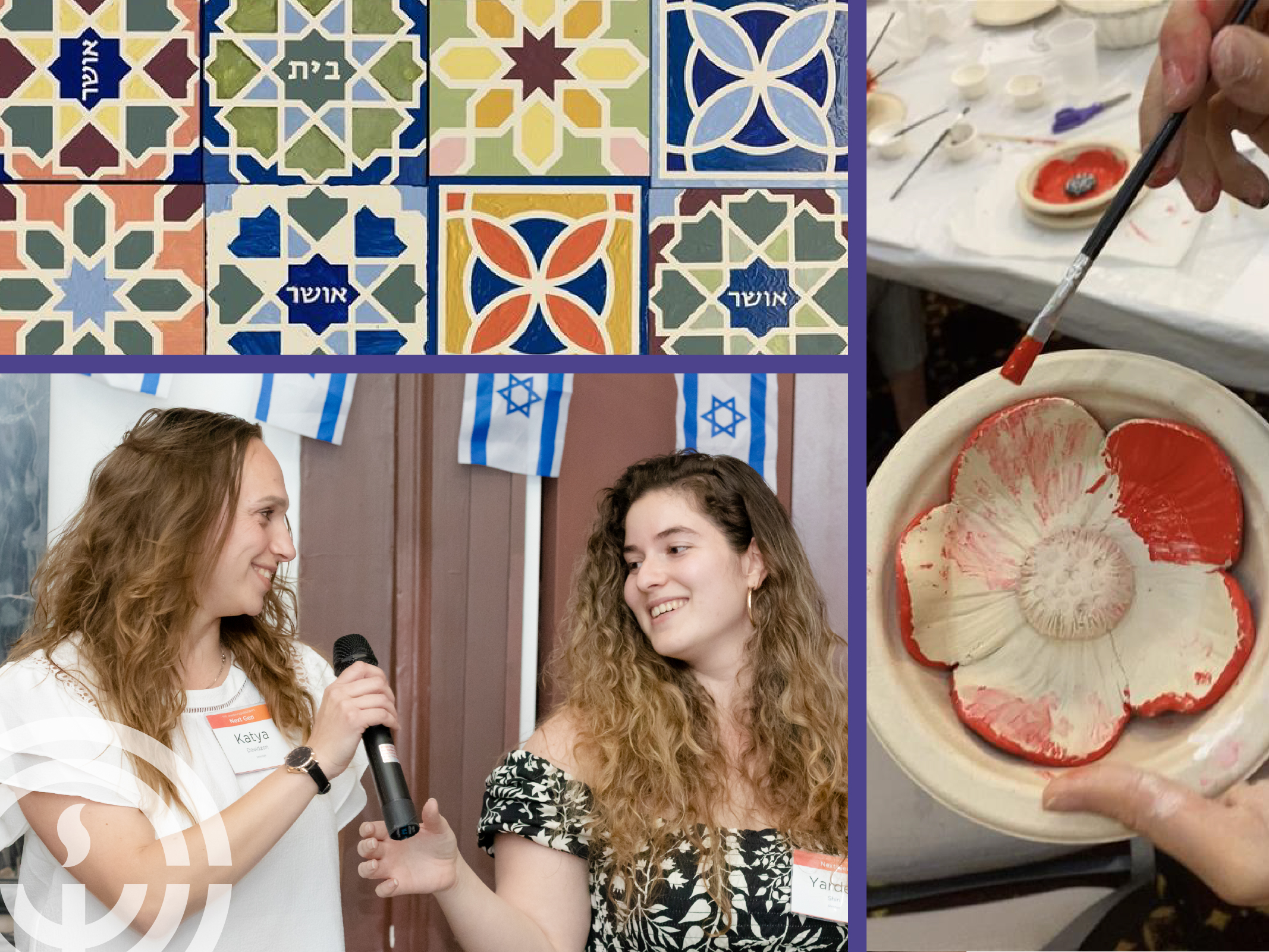
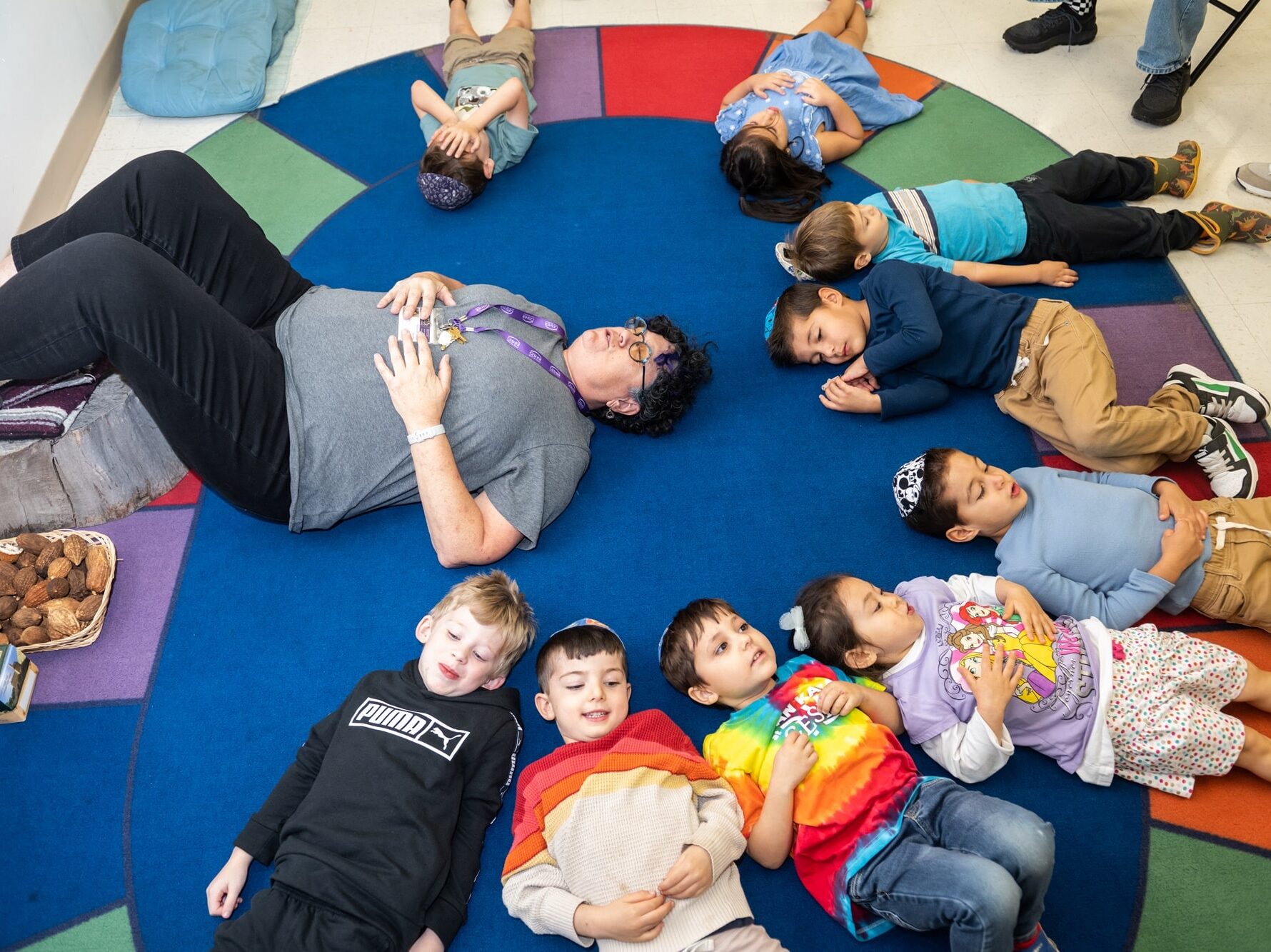
Hands-on Israel Rhythms of Israel: A Drumming Circle Experience
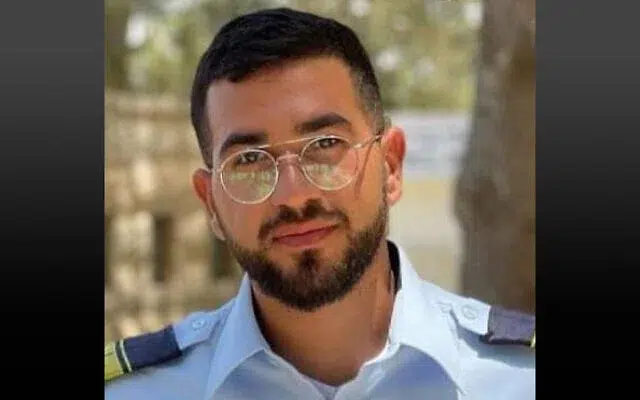
On October 7, 2023, Ran (Rani) Gvili, 24, was at his parents’ home in Meitar, in southern Israel, on medical leave from his service in an elite police unit. About two weeks earlier, he had injured his shoulder in an off-road motorcycle accident and was scheduled to undergo surgery just days later. As his family rushed into the shelter amid relentless sirens, Rani put on his police uniform and prepared to leave. His mother, Talik, asked him where he thought he was going. Rani replied simply: “Do you really think I’d stay home knowing my friends are fighting? No way.” (as reported by The Times of Israel)
As chaos raged all around, without waiting to be called, Rani drove straight into the fighting. He first assisted survivors of the Nova Music Festival and then joined the heroic battle to defend the nearby Kibbutz Alumim. He neutralized dozens of terrorists and saved the lives of many residents, even as he sustained severe injuries to his arm and leg. Over time, he became known as “Rani, Defender of Alumim.” He fought relentlessly until he ran out of ammunition. It was later learned that he fell in battle and that his body was abducted to Gaza.
Bringing Rani HomeLast week, at long last, the circle was closed. After critical intelligence was received regarding his whereabouts, hundreds of soldiers, accompanied by dozens of forensic dental specialists, set out on a mission almost impossible to imagine: locating Rani’s body in a cemetery in Gaza. After approximately 48 hours of exhausting searches under extremely difficult conditions, the long-awaited answer came—Rani was found. Dr. Assi Sharon, who took part in the mission alongside the forces in Gaza, described the emotional moment: “There wasn’t a dry eye. People were deeply moved, with a profound sense of reverence. We recited Kaddish, and there was a ceremony with the Chief of Staff—a very special moment. As I stood there, I realized I could finally remove the yellow ribbon, and I did.” (as reported by JFEED) |
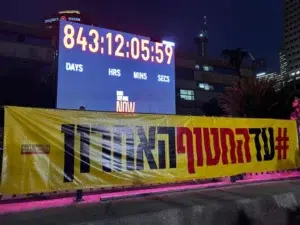
843 Days, 12 Hours, 5 Minutes, and 59 SecondsWith this, one of the most painful, yet also most inspiring, chapters in the history of the State of Israel and the Jewish people came to an end. After 843 days, 12 hours, 5 minutes, and 59 seconds, the clock at Hostages Square in Tel Aviv stopped. A shofar was sounded, and many recited the Shehecheyanu blessing, giving thanks for reaching this moment. The mitzvah of redeeming captives, which Maimonides called the greatest commandment in Judaism, was fulfilled. The Israeli ethos—viewing the return of every soldier and civilian from enemy hands as a supreme moral obligation—was upheld. All 251 Israelis and foreign nationals abducted to Gaza on October 7, together with two Israeli civilians and two fallen soldiers previously held by Hamas, were returned. |
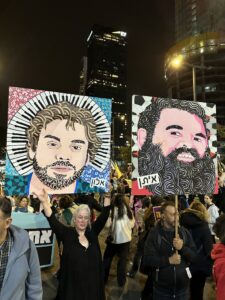
The Power of Public PressureThe sustained public effort to bring the hostages home was essential. Throughout this long—far too long—period, the Hostage Families Forum worked tirelessly to keep this issue at the forefront of the public agenda, most prominently in Israel and the United States. One powerful testament to the impact of this cause can be found in the words of Alon Ohel, who returned from captivity after 738 days: “They opened a laptop and showed me a picture of someone holding a drawing of me, with a piano behind her. That’s when I understood that people I didn’t know were fighting for me. It gave me even more strength—if people who don’t know me are fighting for me, who am I to give up?” |
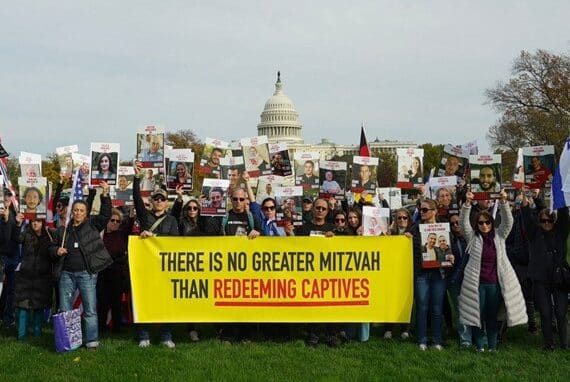
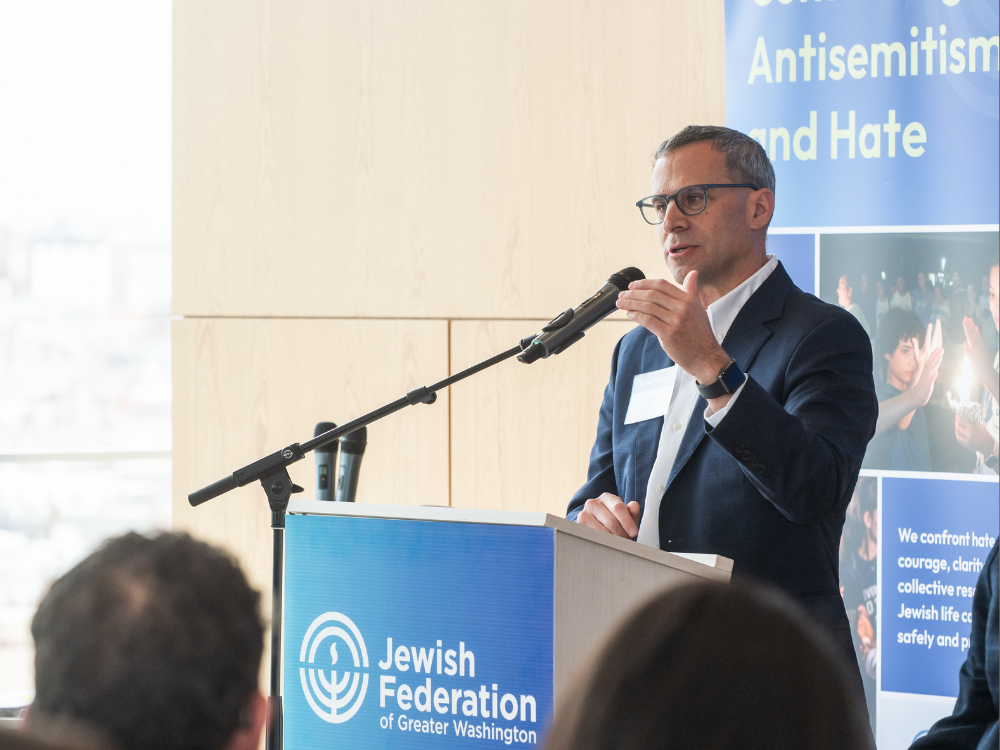
A Shared Response, Across OceansWith great pride and deep appreciation, it can be said that our community also took an active part in the collective endeavor to bring the hostages home, and in Israel’s broader recovery efforts. Shortly after October 7, Federation established the Israel Crisis Relief Fund and raised more than $15 million from the community for emergency assistance to Israel, nearly half a million dollars of which was transferred directed to the Hostage Families Forum. Beyond this, Federation supported the Hostage Families Forum in convening community events that brought people together with hostage family members and former captives, allowing them to share their personal stories and mobilize the broader community around the cause. The Community Shlichim—placed in synagogues and Jewish organizations across the community as part of a joint initiative of Federation and the Jewish Agency for Israel—led a wide range of activities focused on the hostages. These included creating dedicated spaces highlighting the hostages and their stories, and organizing events such as a community solidarity walk, an interactive cartoon exhibition addressing the hostage crisis and current Israeli issues, and many more. |
For all of this—and so much more—we extend our heartfelt thanks to everyone across our community who took part in advancing this most important cause.
As Matan Sivek, Founder of the Hostage Families Forum US, put it:
“The Jewish Federation of Greater Washington joined forces with hostage families from day one to ensure they get the financial and communal support they need. The DMV community advocated, marched, embraced, and was on the front line of ensuring the highest echelons don’t forget about the hostages. We are grateful for the leadership and partnership of Federation in this historic moment in Jewish history. Thanks to your efforts, they are back.”
Photo Captions: Ran (Rani) Gvili in uniform; Israel Defense Forces; Photo courtesy of IDF; Hostages Square clock at the moment of release; Photo: Avshalom Sassoni / Maariv; Alon Ohel, former hostage, after return; Photo: Eden Danielle Kleiban Pakter; Pozez JCC community walk for hostage awareness; Photo: Hostage Families Forum US, Leigh Vogel
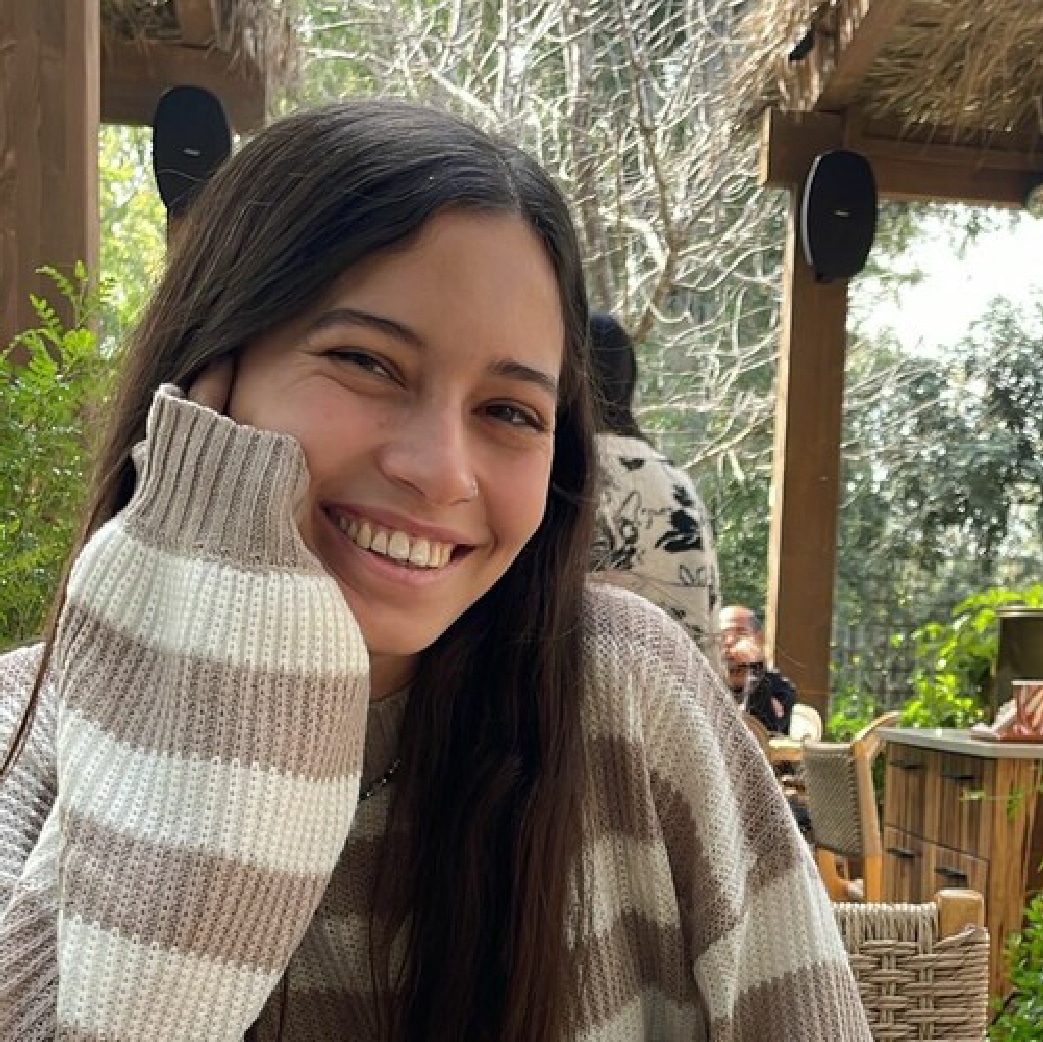
Ori is 23, and she carries something most adults twice her age still struggle to hold: the responsibility of representing Israel with honesty, heart, and humility—especially to kids. She’s one of 11 community shlichim (Israeli emissaries) bringing Israel to life across Greater Washington through Federation’s Shlichim Program.
Growing up in Moshavat Kinneret, a small community in northern Israel, Ori was surrounded by family, a strong sense of responsibility, and a beloved boxer dog she still misses. Before coming to Greater Washington, Ori spent two summers at a Jewish camp in upstate New York.
Now living in Greater Washington, Ori spends her days with children, parents, and educators—teaching Hebrew, leading workshops, and helping our community deepen its connection to Israeli life and culture. But talking about Israel isn’t as simple as it used to be. She says it’s gotten harder in the last few years. Kids are asking deeper questions. There’s no single story to tell.
“I’m not saying Israel is perfect,” she says. “Like anything else, there are things that are good and things that are bad. I want to show them both sides.” Ori doesn’t pretend otherwise. She listens, brings her own questions, and creates space for kids to talk about Israel with curiosity, honesty, and care.
Ori loves teaching about Israel’s creativity—from everyday inventions to world-changing breakthroughs, like cherry tomatoes. “The best invention,” she says, laughing.
Through Made in Israel, an interactive Hands-on Israel workshop she leads, participants explore the Israeli innovations they’ve heard of and many they haven’t. They learn about the brilliant minds behind these inventions through games and challenges that spark curiosity and pride. Ori’s goal is more than just facts. She shows people that Israel is a place of ideas, impact, and imagination.
For Ori, representing Israel isn’t only about navigating complexity—it’s also about sharing joy. She brings Israeli traditions into American Jewish life in ways that feel lasting and personal. “We’re not sitting sad and miserable in Israel—we’re happy,” she says. “We’re living.” That’s what she wants kids to see: that Israel is a home, full of celebration, tradition, and joy.
Ori’s work is part of a larger effort to build people-to-people connection through immersive, everyday experiences. Through Federation’s Shlichim Program, Israeli emissaries like Ori help bring Israel to life in schools, synagogues, JCCs, and more—creating personal, lasting moments of understanding and connection across Greater Washington.
Ori often talks about the community she grew up in—a kibbutz where kids moved freely, everyone knew each other, and life felt safe and shared. “It’s a very community-like place,” she says. “It’s a safe space… I really, really love it.” That sense of belonging is something she carries with her. And through her teaching, she hopes to help create more of that feeling for the children and families she meets here.
One of the biggest surprises for Ori has been seeing what Jewish life looks like outside of Israel. She didn’t know what to expect. But she’s found deep relationships, strong communities, and new ways of expressing Jewish identity that continue to shape her own perspective. Ori wants to bring more of Israel into Jewish spaces here, and she hopes the connections she’s made will last long after she leaves.
“I don’t want to just be a shlicha who came and left,” she says. “I want to leave something behind.”
When she thinks about the future of Jewish life in the U.S., Ori doesn’t hesitate. She hopes people feel safe being openly Jewish. She hopes for greater unity, more listening, and a community that remains a source of strength, even in uncertain times. Until then, she’s teaching, learning, and building relationships—one day, one conversation at a time.
Ori’s story reflects the honest, values-driven work of Israel education today—work that feels more urgent than ever. In the wake of October 7, educators, parents, and communal leaders are grappling with big, essential questions:
These conversations will take center stage on Tuesday, February 24, at RE:Israel: Reflect. Reframe. Reconnect., a half-day learning experience for educators, communal professionals, lay leaders, and parents seeking thoughtful, practical engagement with Israel education in this moment.
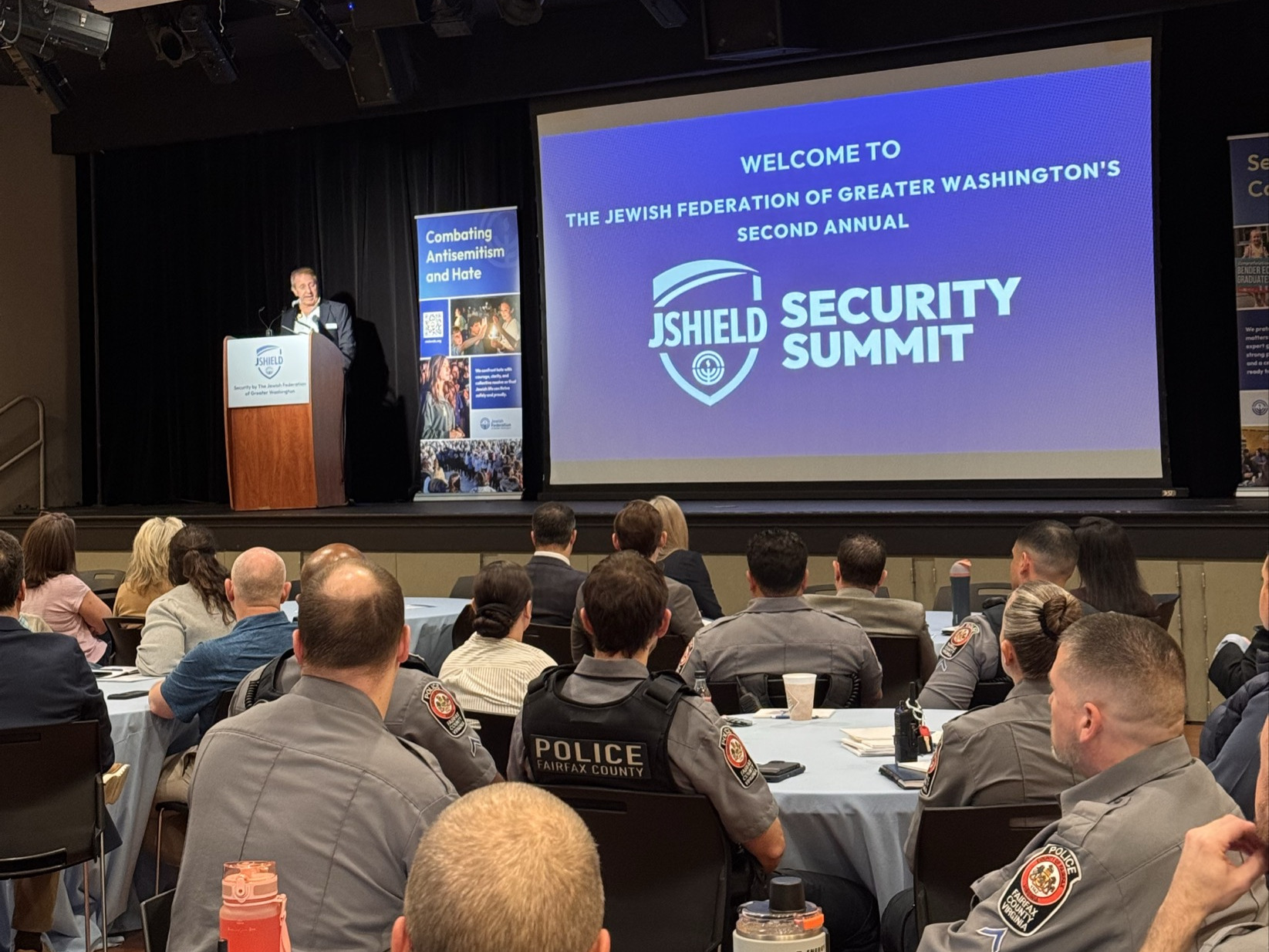
More than $300 million in federal security funding is available this year to help protect Jewish institutions. Accessing that funding, however, is competitive, technical, and time-sensitive.
That’s where JShield comes in.
Federal security grants can make a real difference, but only if institutions are able to secure them. The process is competitive and complex, and without support, too many opportunities are left on the table.
This year, lawmakers have proposed allocating approximately $300 million to the Nonprofit Security Grant Program (NSGP), a $25 million increase over last year. It’s an important step but accessing that funding still isn’t simple or guaranteed. Applying requires time, technical expertise, and careful coordination—resources many organizations don’t have while also running programs, supporting families, and serving their communities.
Through JShield, The Jewish Federation of Greater Washington helps local Jewish institutions do this work with clarity and confidence. The support is practical and hands-on: advising organizations, preparing grant applications, and guiding them through a process that can otherwise feel overwhelming. This support is provided at no cost to institutions.
In 2025 alone, this work helped bring more than $5.25 M in security funding into our community. That funding helps institutions access resources they might otherwise miss and strengthens the safety of Jewish life across our region.
There is no finish line when it comes to security. It’s not a single grant or a one-time investment. It’s ongoing work that requires expertise, coordination, and strong relationships.
Through JShield, and with direct support from community donors, we help Jewish institutions prepare, apply, and stay focused on serving their communities.
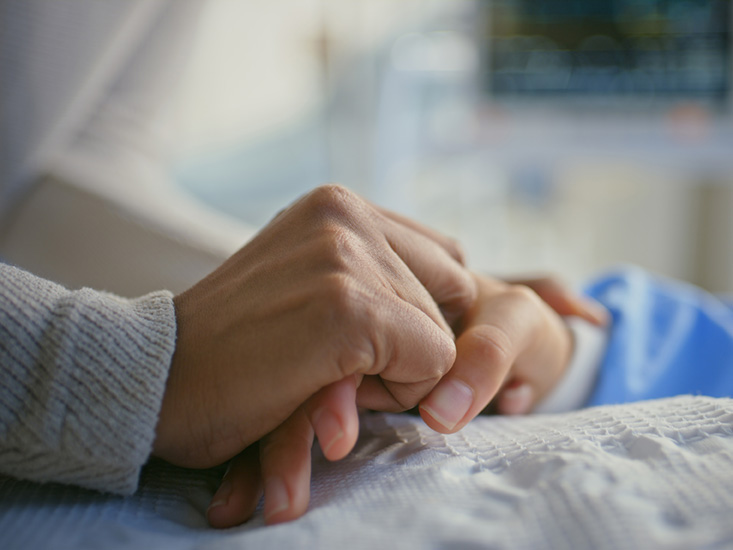
We are excited and proud to share that JSSA, a longtime Federation partner, is expanding its hospice services to Northern Virginia—an important step in ensuring individuals and families in our region have access to high-quality, community-based end-of-life care when it matters most.
As part of our ongoing work to strengthen vibrant Jewish life in Northern Virginia, The Jewish Federation of Greater Washington supported early feasibility work for this expansion, alongside additional donor support from the community. We continue to work closely with partners to ensure evolving needs across Northern Virginia are being addressed.
For more than 40 years, JSSA has been a trusted provider of hospice care in Montgomery County, supporting patients and families with expert clinical care alongside emotional and spiritual support. This expansion builds on JSSA’s more than 45 years of serving Northern Virginia through mental health services, aging-in-place programs, and its Holocaust Survivor Program.
JSSA’s interdisciplinary hospice team of physicians, nurses, social workers, chaplains, and trained volunteers provides care wherever patients call home. Their model includes smaller nurse caseloads and more frequent visits during patients’ final days, contributing to a higher-quality end-of-life experience for patients and families.
Families consistently share the impact of this care. As one son recently wrote:
“The genuine care and concern for my mom demonstrated by every member of the team was amazing. Their only goal was her comfort and quality of life. My family will always be grateful to JSSA.”
Hospice services will initially focus on Fairfax, Arlington, and Alexandria, with the ability to respond to needs beyond this initial focus area.
To learn more about JSSA’s hospice services in Northern Virginia, call 703-896-7900.
As one of the fastest-growing Jewish communities in Greater Washington, Northern Virginia is home to individuals and families at every stage of life. We partner across the region to strengthen community infrastructure, deepen connections, and expand access to services that support vibrant Jewish life.
Across Greater Washington, Israeli shlichim (emissaries) are part of everyday Jewish life—showing up in synagogues, schools, JCCs, and community spaces. They share stories, lead conversations, and build relationships that help make Israel feel present and personal.
Hands-On Israel (HOI) is one of the primary ways this connection happens. Led by Federation’s community shlichim who live and work in Greater Washington, HOI offers interactive workshops grounded in conversation and personal experience.
Hands-On Israel creates space for people to engage with Israel through lived experience and open dialogue. Workshops focus on story, discussion, and shared reflection—helping participants connect in ways that feel grounded, human, and approachable.
HOI is built with the understanding that people come with different levels of familiarity, curiosity, and questions about Israel. Sessions are designed with that in mind, offering context and conversation without assuming prior knowledge or a shared point of view.
Workshops take place across Washington, DC, Maryland, and Northern Virginia, in partnership with synagogues, schools, JCCs, and community organizations.
Last year, the shlichim hosted 20+ Hands-On Israel workshops across Greater Washington. In the past five months alone, HOI has engaged approximately 150 participants through six workshops, with six additional sessions already scheduled. Several organizations that hosted workshops last year have invited HOI back to experience new offerings, and across settings, participants have asked for sessions to continue.
“After each of the classes, I received requests from our adult learners to please bring them back! Both Maya’s and Tamar’s presentations were thoughtful, engaging, exciting, interactive, and checked all of the boxes.”
Hands-On Israel reflects how we approach Israel engagement in Greater Washington: through relationships, conversation, and ongoing connection over time.
This work is part of The Jewish Federation of Greater Washington’s long-term commitment to building meaningful, people-centered connections to Israel across our community.
Interested in bringing a Hands-On Israel workshop? Sessions can be tailored to different audiences, ages, and interests, with themes ranging from Israeli culture and identity to facilitated conversation and pre-Israel trip preparation.