Need support? Call 703-J-CARING (703-522-7464)

When Antisemitism Takes Hold
When Antisemitism Takes Hold

Antisemitism doesn’t emerge in a vacuum

One way that I have been thinking about antisemitism is as a kind of twisted and inexcusable stress response. In times of social or economic strain, people tend to go looking for explanations as to why things don’t work the way they want or why life feels harder. And far too often, they reach for the oldest hatred in the book as their answer. Comforted by conspiratorial thinking, they conclude it must be the Jews who are to blame.

This cycle can then be hastened by popular figures who step in and exploit people’s anxieties for their own goals. As Deborah Lipstadt explains, “[Bad actors] cannot create a fire where none exists, but they can add fuel to preexisting fires.” The more disconcerted people feel, the more they may turn to hating Jews, and the more wayward leaders will encourage those inclinations. Antisemitism and chaos are intertwined. Sadly, and to great harm, this has been the pattern for millennia.

What this means for us is that there is space to tackle the challenge from two sides: by pushing back against antisemitism explicitly and tending to the health of our democracy generally, both of which we are focused on at Federation.

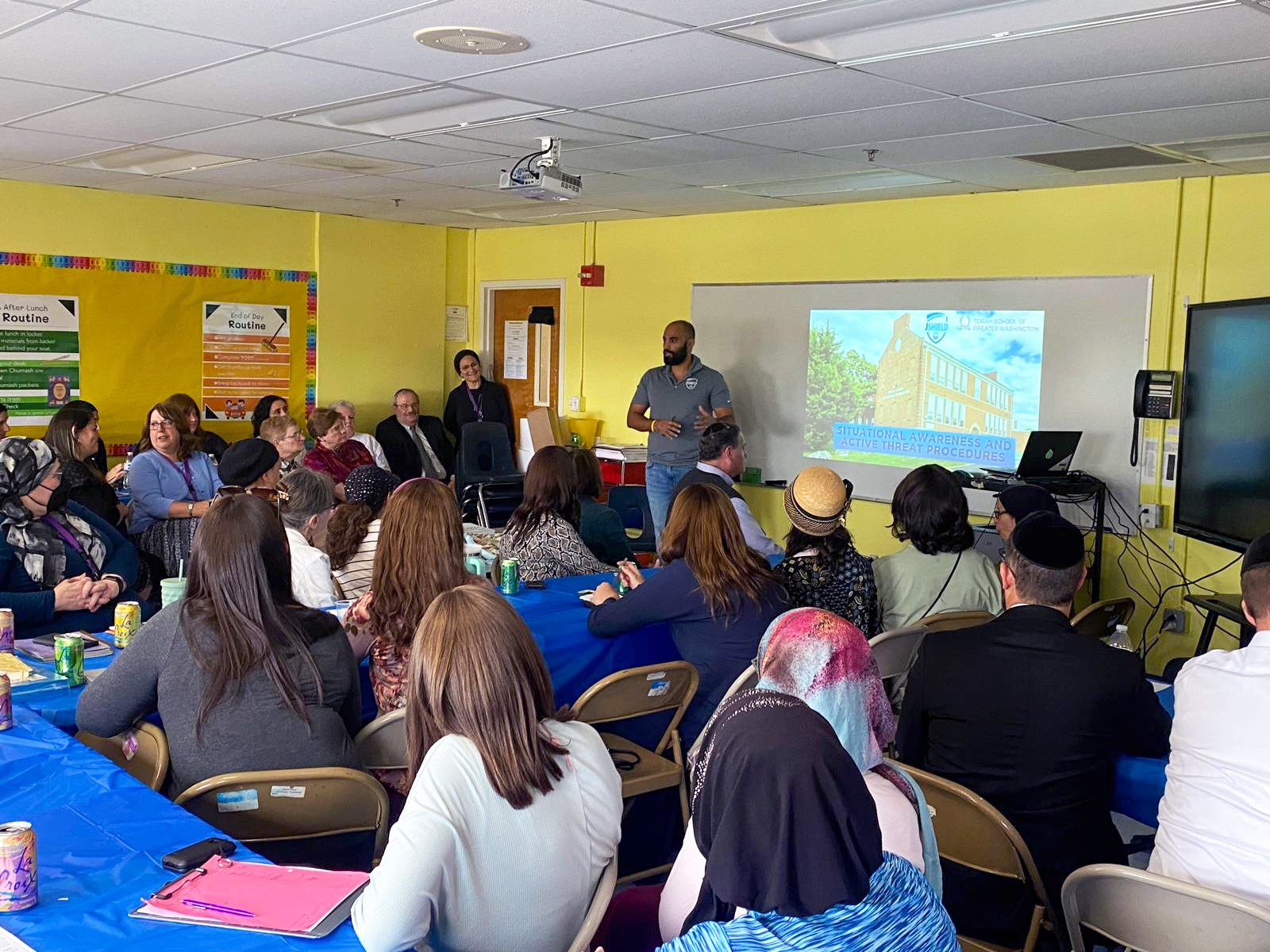
Five years ago, we adopted a multi-pronged strategy to address antisemitism in our region. This includes providing funds to address antisemitism in public and private schools, developing teen leaders who can directly confront antisemitism, supporting local Hillels in their campus efforts, as well as providing critical resources to local agencies including the Jewish Community Relations Council (JCRC).

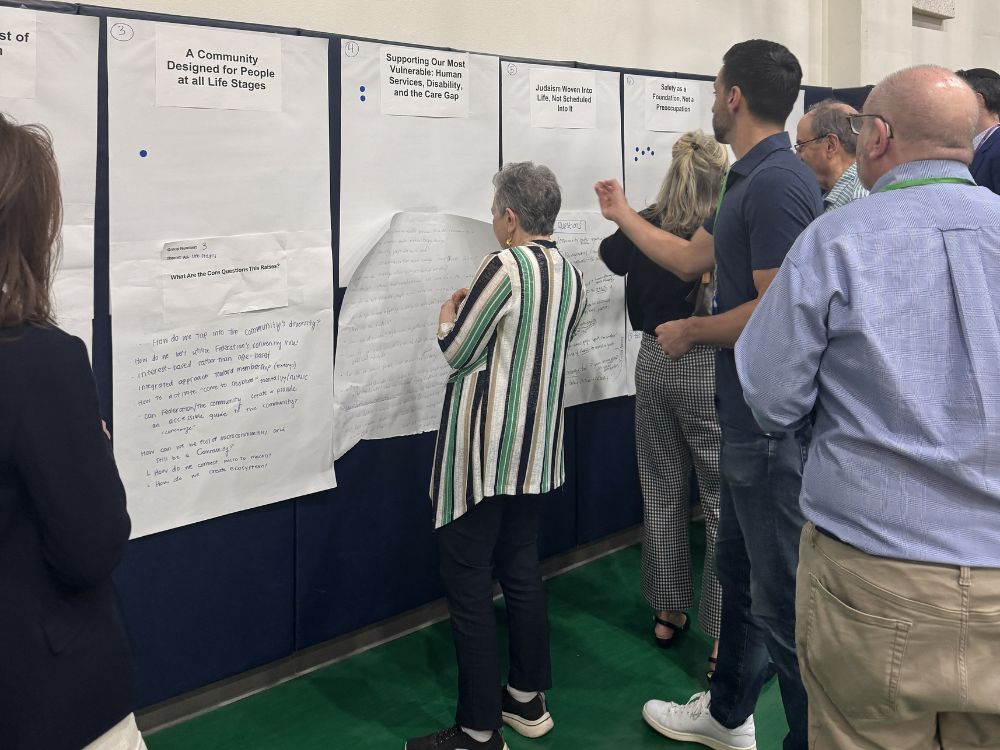
We are also working to strengthen the relationships that underpin a healthy democracy and break down conflict by facilitating conversation among community members of diverse perspectives; deepening Black–Jewish relations; and partnering with local agencies and institutions on civic engagement efforts; all of which contribute to a more connected, stable, and resilient community.

Ultimately, fighting against antisemitism is a form of fighting for our democracy just as fighting for democracy and strengthening civil institutions is a form of fighting antisemitism. As antisemitism metastasizes, everyone loses. When we replace mistrust with credibility and community, everyone wins. It’s our civic duty to call out antisemitism and disrupt its chaotic breeding ground.

At a time when so many people are losing faith in institutions, Federation can be a steady fixture. A shared space where our community can come practice listening to those who think differently, caring for the vulnerable, welcoming the stranger, and working together toward a shared vision for the future. If antisemitism is what seeps in when our social foundation starts to crack, we can help ensure its integrity.
Related posts

Hate for Sale: How Instagram Helps Sellers of Hateful Merchandise Reach 1 Billion Views

Hate for Sale: How Instagram Helps Sellers of Hateful Merchandise Reach 1 Billion Views
Join Jewish Federations CEO, Eric Fingerhut, and the Center for Countering Digital Hate CEO, Imrad Ahmed, in a discussion about our joint report highlighting how Instagram and e-commerce platforms are amplifying and monetizing racism, antisemitism and “hate merch”. In this webinar, they will also discuss the current state of antisemitism on social media, and steps we've taken to make the internet a safer place for Jewish kids, and all kids.

Strengthening Jewish Life While Confronting Hate

Strengthening Jewish Life While Confronting Hate

Earlier this month, Bret Stephens delivered the State of World Jewry address at 92NY. His remarks caught people’s attention. Stephens argued the Jewish community should shift energy and resources away from fighting antisemitism and instead double down on investing in Jewish education and engagement. As he put it, “Jew hatred is the product of a psychological reflex, and that kind of reflex can never be educated out of existence, even if, for a time, it may be sublimated or shamed into quiescence.”

I agree and disagree with his main points (and find fault with some of the additional opinions he presented). I agree with Stephens that now is a moment for Jewish revival, that helping more people explore and connect with Jewish ideas, practices, and peoplehood will be what shapes a vibrant Jewish future. At Federation, we are committed to working across our community to invest in and scale substantive, meaningful Jewish experiences—like summer camp, trips to Israel, learning and discussion opportunities, day school, and more—so that anyone who is interested has the chance to dig in and discover the joy of Jewish life.

But it would be irresponsible to ignore the work of countering antisemitism. We can and should be leaders in holding individuals and institutions to account and helping people understand antisemitism as a serious issue. Our work to build relationships, alliances, and understanding is not futile. If there are things we can do to mitigate hateful behavior, we should do them.

Admittedly, we may not be able to change the minds of the Carlsons and the Owenses of the world. But we can help shape programming and guidelines for schools, educate and engage leaders, work with teenagers before they go to college, and build bridges with other minority and interfaith communities, among other efforts. Not only does this work help address antisemitism, but it may also change the lived experiences of many in the Jewish community.

Stephens muses, “There is nothing Jews can do to cure the Jew haters of their hate. They can hire their own psychiatrists.” And he may be right. We are not responsible for people’s hateful and misguided beliefs. But perhaps I have a bit more faith than Stephens in our ability to multitask. I am confident we can build vibrant Jewish life while protecting it and being there for the students and teachers and everyday people who are coming face to face with antisemitism on a regular basis.

As Jews, we don’t ignore, we tackle. Today, that means being part of the sacred, collective efforts to stop hate before it starts while simultaneously strengthening Jewish identity, pride, and joy for the future.

Related posts

An Evening with Noa Tishby

An Evening with Noa Tishby
Noa Tishby is a two-time New York Times best-selling author and Israel’s former Special Envoy for Combating Antisemitism and Delegitimization. Washington Hebrew Congregation is proud to welcome her for this special conversation. Tishby will engage in a wide-ranging and deeply personal conversation that weaves together Israeli history, Zionism, and the Israeli-Palestinian conflict with an unflinching look at how antisemitism shows up today — in media, pop culture, politics, and online spaces. Drawing on her experience in Hollywood and global media, she’ll unpack how narratives about Israel spread, why complex realities are often flattened into slogans, and how misinformation gains traction. Tishby will also reflect on Jewish identity beyond Israel, generational shifts within the Jewish community, and the tensions between cultural connection and politics. Throughout, she’ll share practical insights on advocacy — how to speak up in polarized environments, handle backlash and online hate, and navigate visibility, criticism, and leadership as a woman in male-dominated industries.

When hate tried to destroy, you helped rebuild

When hate tried to destroy, you helped rebuild

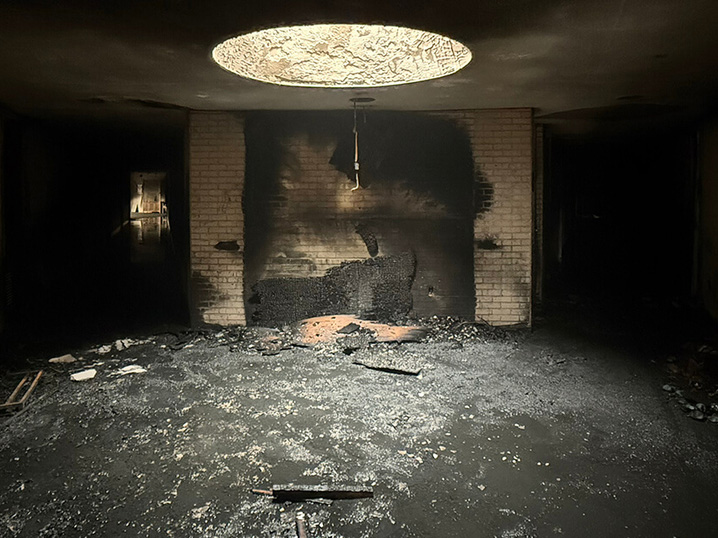
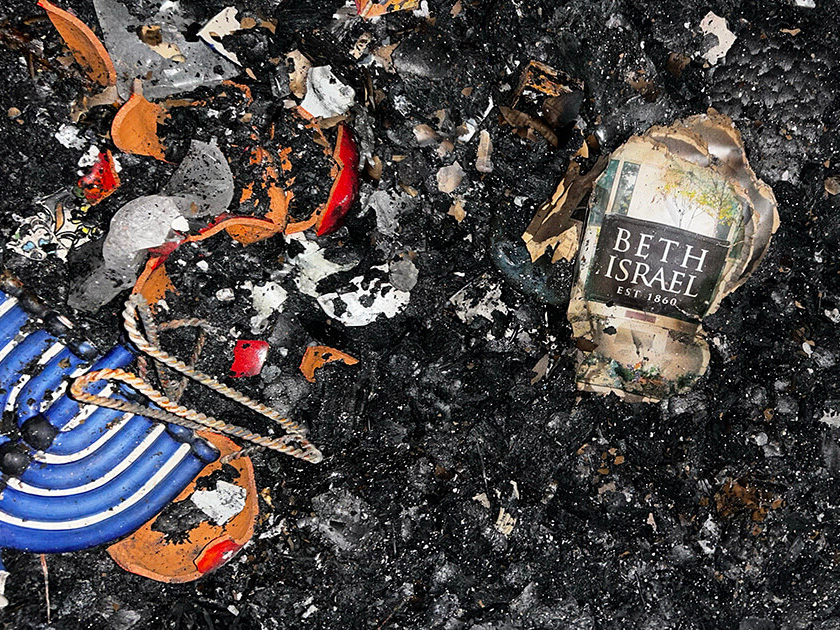
After an act of antisemitic arson devastated Beth Israel Congregation in Jackson, Mississippi, our community stepped up. It’s a small but deeply rooted congregation where Jewish life has endured for generations—now facing the long road of recovery.

In response, 222 donors across Greater Washington raised nearly $60,000 to support restoration and healing, ensuring Beth Israel can continue to serve as a place of worship, gathering, and Jewish life. Per the congregation’s request, funds are being distributed by the Jewish Federations of North America to reach them directly and with care.

Moments like this remind us what Federation is for: to mobilize resources when crisis hits, and to build a more connected, secure, and vibrant Jewish community every day.

Thank you to everyone who gave. Your generosity sent a clear message: they are not alone and Jewish life will continue to thrive. 

This is what it means to show up as a Jewish community. This is the power of collective giving.

Related posts

Our Moment to Lead

Our Moment to Lead

This past week I had the privilege of joining an informal group of Jewish foundation and Federation leaders to discuss issues facing Jewish life. This year especially, I appreciated the intentional time, set aside from my usual schedule, to dive into some deep discussions. The seventy-degree weather didn’t hurt either.

The tenor of our time together included a clear focus on the future. Everyone agreed that fighting antisemitism remains an urgent and essential priority for which we need to have a more integrated and effective strategy. At the same time, people were most eager to talk about the things we could build together. How to strengthen Jewish engagement, communal trust, bridges to other communities, our vision for a vibrant, pluralistic Jewish future, and so on.

Coursing through the week was the idea that now is a time to go all in. We are living in a moment that calls on us to grapple with the most critical issues facing the Jewish community. This is not a time for avoidance or incrementalism. We should not—and must not—shy away from what needs to be done.

And we can do it! Because the other consistent takeaway was that we collectively have the capacity to meet this moment so long as we work together. No single individual, organization, or foundation can achieve their goals independently but combined, we have everything we need to realize our shared ambitions. The scale and complexity of both the challenges and the opportunities we face demand collaboration, humility, and shared responsibility.

In the end, I left for the airport feeling hopeful. There are extraordinary people across the country doing extraordinary work on behalf of the Jewish people, thoughtfully, courageously, and with deep care for our community. I want to hold onto this thought for 2026 and, like the California sun, soak up all its benefits.

Related posts

Censoring the Holocaust: How Books Shape Our View of a Painful Past

Censoring the Holocaust: How Books Shape Our View of a Painful Past
Presented by Dr. Edna Friedberg Ever since the 1940s, books about the Holocaust have proven flashpoints. From early editions of The Diary of Anne Frank that omitted controversial passages to more recent attempts to ban the graphic memoir Maus from some American classrooms, what we read about this difficult history often amplifies broader societal debates. Join us to look back at Holocaust literature (both fiction and non-fiction) and how its popularity shifts depending on time, place, and politics.

Enduring Music: Compositions from the Holocaust

Enduring Music: Compositions from the Holocaust
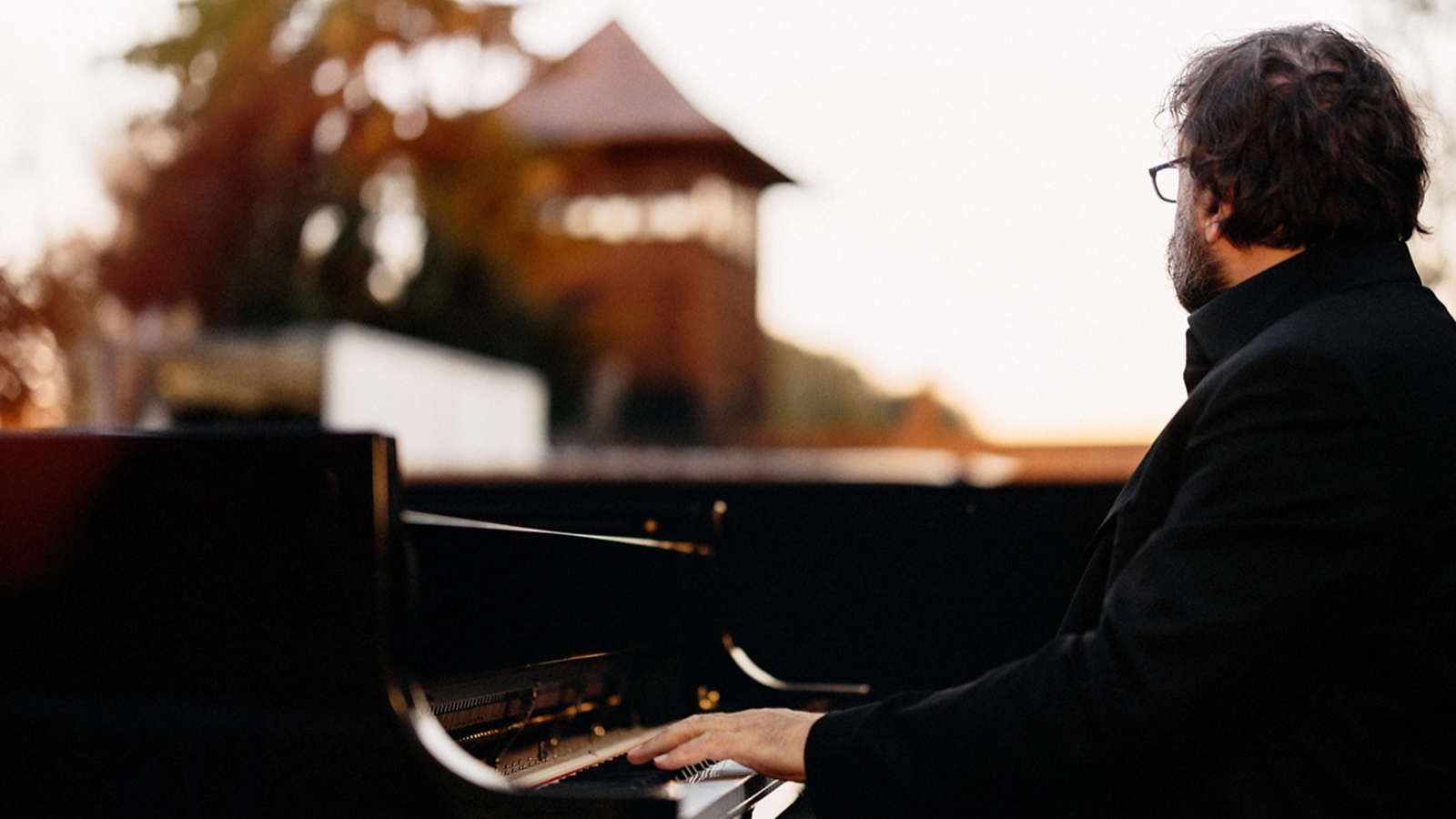
To mark International Holocaust Remembrance Day, the Counter Extremism Project’s ARCHER at House 88 presents a landmark concert of works composed in the ghettos and death camps. These works were composed with dignity more than eighty years ago. We play them today in defiance of a resurgent global antisemitism. This concert will bring classical, folk, and popular music nearly erased by atrocity back into public consciousness through the work of world-renowned composer, conductor, and musicologist Francesco Lotoro.  Written on scraps of paper or transcribed from memory, these works stand as a testament to the cultural brilliance almost extinguished by the Holocaust. The program will include world and U.S. premiere performances from Maestro Lotoro’s archive, honoring and bringing to life a repertoire of music that defied evil and endured. Maestro Francesco Lotoro is an Italian pianist, composer, and conductor who has dedicated over 30 years to collecting, preserving, and performing music composed in concentration camps. Lotoro has painstakingly excavated and cataloged thousands of musical scores, songs, and instruments created by prisoners during the Holocaust, representing a remarkable legacy of resilience and creativity in the face of unimaginable adversity. In recognition of his cultural and historical contributions, Maestro Lotoro has been awarded the title of Chevalier de l’Ordre des Arts et des Lettres by the French Ministry of Culture and Knight of the Order of Merit of the Italian Republic. His collection includes: Over 10,000 musical scores composed in concentration, extermination, and POW camps between 1933 and 1953; 10,000 documents related to music production in the camps, including microfilms, diaries, musical notebooks, phonographic recordings, and interviews with surviving musicians; 5,000 academic publications, essays on concentrationary music, and musical studies produced in the camps; 400 hours of interviews with survivors and their children. Lotoro’s archive also includes numerous musical instruments that were played and hidden by prisoners in the camps—physical representations of the role music played in sustaining morale and resilience.

Standing with the Jewish Community of Jackson, Mississippi

Standing with the Jewish Community of Jackson, Mississippi

Following an antisemitic arson attack on Beth Israel Congregation in Jackson, Mississippi, The Jewish Federation of Greater Washington is coordinating support for recovery, rebuilding, and community safety.

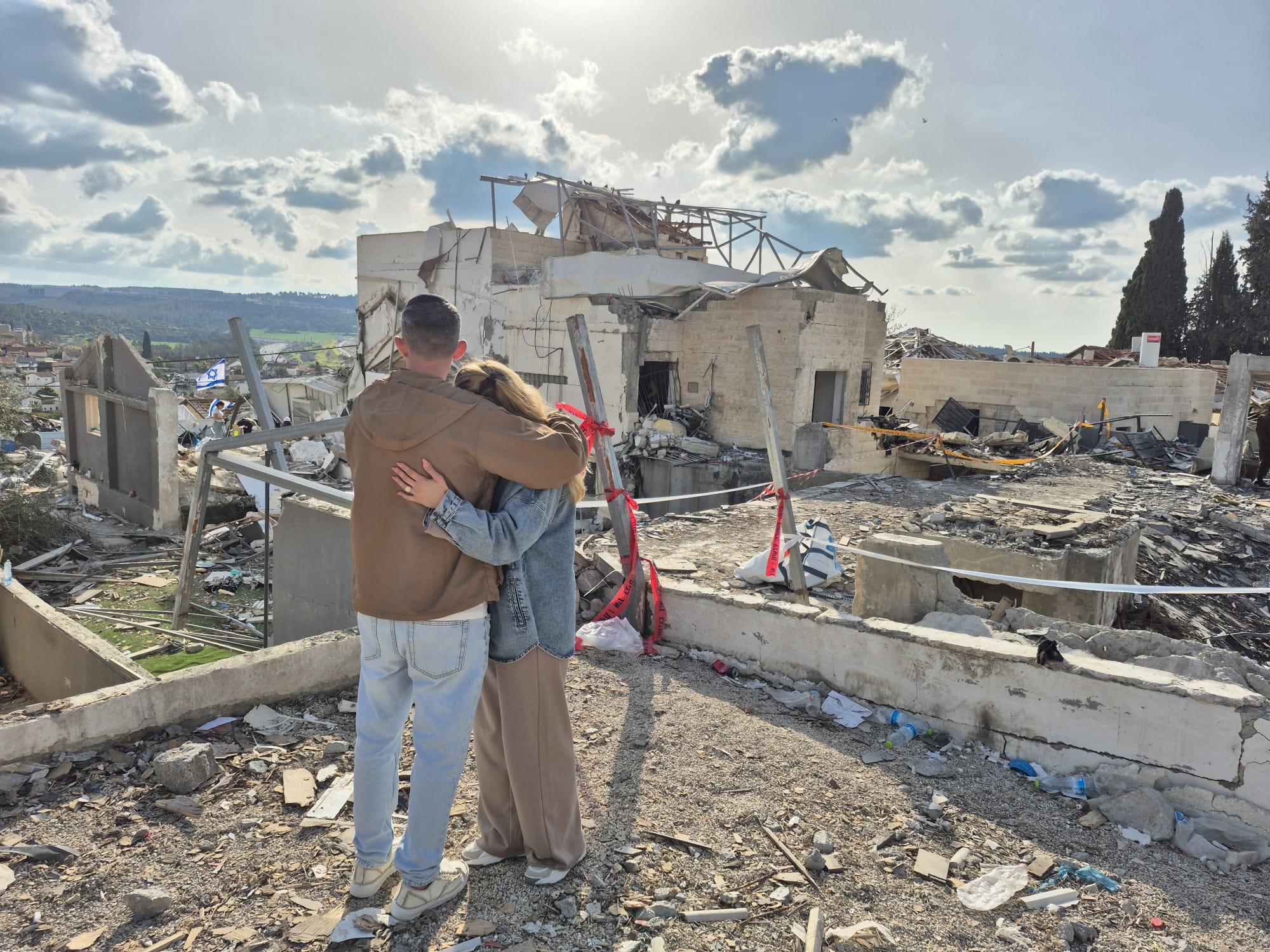
Over the weekend, an act of antisemitic arson devastated Beth Israel Congregation in Jackson, Mississippi—an attack not only on a building, but on the heart of Jewish life in a small and geographically isolated community. In a region with few nearby Jewish institutions, the loss of a synagogue carries particular weight. It was an attack on Jewish life in a place where sustaining it is neither easy nor assumed.

Several Torah scrolls were destroyed or damaged in the fire, a profound spiritual and communal loss for the congregation. One Torah that survived the Holocaust was protected and not damaged. Its survival does not lessen what was lost, but it stands as a reminder of the endurance of Jewish life in the face of hatred.

This was not vandalism. It was a deliberate act of antisemitic violence, echoing a painful history for this congregation, which was bombed by the Ku Klux Klan in 1967 for its civil rights leadership.
For Jews in small Southern communities, maintaining Jewish life often already requires resilience, vigilance, and deep commitment. When a synagogue is targeted, the loss extends far beyond physical walls. It disrupts the ability to gather, to worship, and to remain visible as a Jewish community. Our hearts are with the Jackson Jewish community as they begin the long and painful work of rebuilding.

We are working in close coordination with national and regional partners, including Jewish Federations of North America, as well as Federation partners in the region, including the Memphis Jewish Federation, the nearest Federation community. In response, The Jewish Federation of Greater Washington has opened a dedicated fund to support recovery and rebuilding efforts. This approach helps ensure support is coordinated, responsible, and responsive to real needs on the ground, while allowing the affected community to focus on care, recovery, and rebuilding.

How You Can Help

Support recovery and rebuilding efforts through a dedicated fund coordinated by The Jewish Federation of Greater Washington. Funds raised will be directed to trusted, vetted partners working directly with the congregation and community.

At the same time, this attack reinforces why shared investment in community security remains essential. Synagogues and Jewish institutions should never have to stand alone in protecting themselves. Here in Greater Washington, we continue to strengthen preparedness, infrastructure, and coordination through our community security efforts, reflecting our commitment to protecting Jewish life today and into the future.

This is the role Federation plays every day: connecting our community and its donors to moments of greatest need, stewarding resources with care, and helping ensure Jewish life can endure wherever it is threatened.

Moments like this test us, and they also remind us why collective action remains one of the most powerful expressions of Jewish responsibility and care.

Donate to Support the Jackson, Mississippi Jewish Community

Related posts

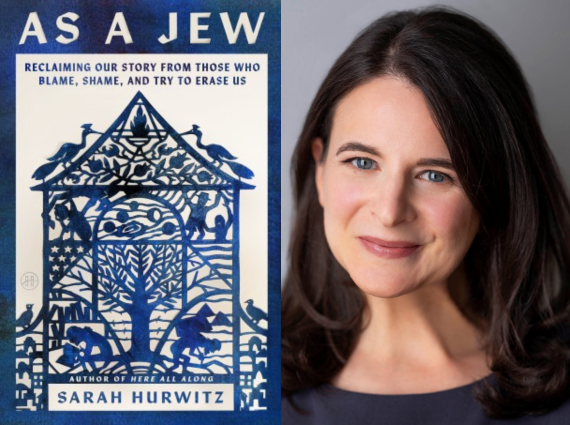
Author Sarah Hurwitz, “As a Jew” at Washington Hebrew Congregation

Author Sarah Hurwitz, “As a Jew” at Washington Hebrew Congregation
Bestselling author and former White House speechwriter Sarah Hurwitz joins Washington Hebrew to talk about her second book, "As a Jew" — an urgent and deeply personal exploration of how antisemitism has shaped Jewish identity and her own journey to reclaim her faith. Please join us for a Pre-Amram reception with appetizers at 5:30 pm, followed by the author talk at 6:00 pm.