Reconsidering the “Wicked” Child
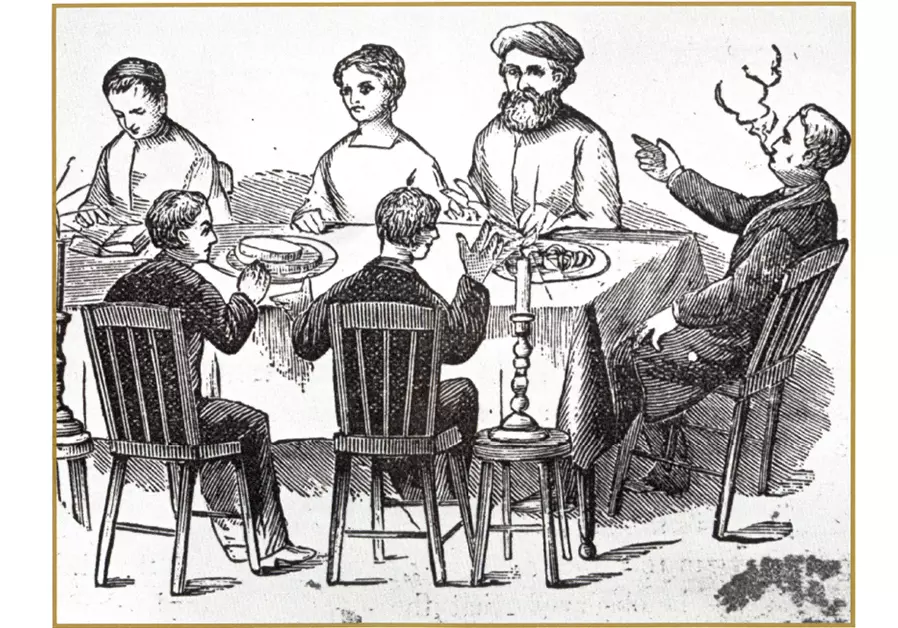
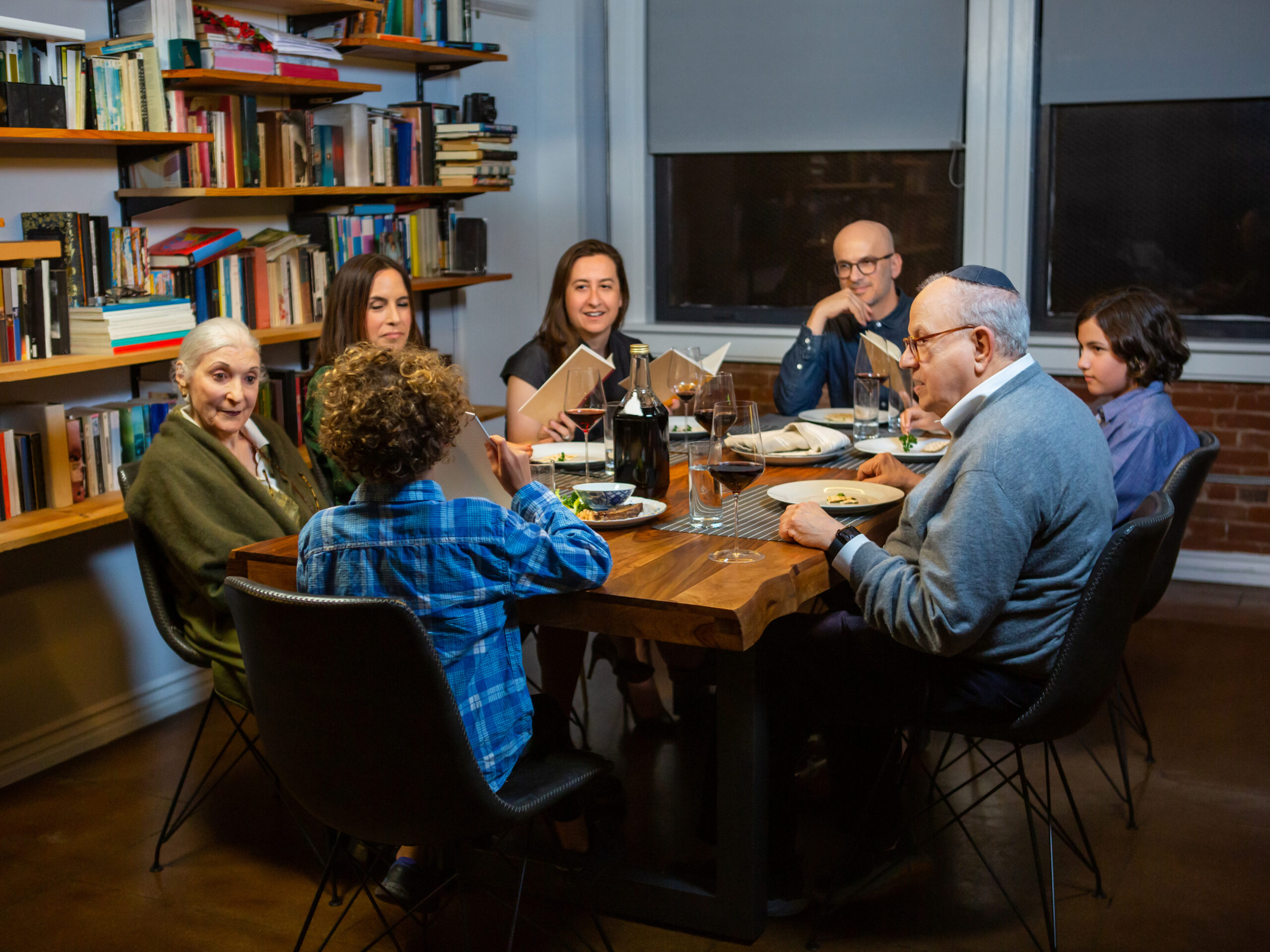
As we prepare for our family’s upcoming seder, I am thinking about not only the relatives and friends who will grace our table, but also those four allegorical children who are perennial guests: the chacham (wise) one, the rasha (wicked) one, the tam (simple) one, and the one who does know how to ask. It’s the rasha who I am most intrigued by this year. But I’d recast the moniker “wicked” child as the “skeptic” or “critic” or even “rebel.” As part of the Passover seder, we are instructed to entertain the questions of a child who doesn’t feel they are part of what’s taking place, and who may even choose to stand apart from it. “What does this service mean to you?” the critical child asks, and we answer the best we can. This always seemed like a sour note in the Passover program, but lately I’ve come to see the beauty in the exchange. How striking that one of our most sacred traditions insists we acknowledge skepticism.
Making Space for the Question
What if our role when it comes to the so-called rasha isn’t to scold them but to acknowledge and honor their questions? What if we came to see our cherished rituals—and indeed our people—as incomplete without those who criticize and doubt? We are not whole without those who push boundaries and challenge our assumptions and ingrained ways. How remarkable that our tradition does not cast aside this child, but rather provides them an invitation to our table year after year … and how remarkable that this child accepts the invitation and joins.
Federation’s flagship Jewish Community Leaders Program (JCLP) includes a visit to a megachurch in Maryland to learn about how they build communities of belonging. Our group was inspired to learn they didn’t define themselves by rigid red lines, while still holding a clear sense of their core values. Instead, they defined themselves by an ongoing relationship with a spiritual center. They considered anyone oriented toward a common set of principles as relevant and part of their flock. It’s got me wondering: in this post-October 7 landscape, how do we help shape our future by evolving our community’s relationship with boundaries? These are not easy questions, particularly in a moment when the need for clarity and certainty feels so real.
At Federation, we will continue engaging this question and find new ways to create space for the challenging voice, the uncomfortable question, the perspective that stretches our assumptions. After all, many of the shifts that now feel foundational—expanded roles for women, inclusion of LGBTQ Jews, the recognition of multiracial Jewish identity—were once at the edges of communal acceptance. They moved inward because passionate people pushed to widen the frame.
Our Community Leadership Council (CLC) has been using this year to listen to the broad voices of our community—nearly 200 people from 26 diverse groups—including those engaged in our traditional institutions, as well as people who have not affiliated, who have felt marginalized, or who have created their own communities to meet their unique needs. It’s critical to gather insights from all to help understand and shape our community priorities.
At the Same Table
In describing the four children at the seder, Rabbi Jonathan Sacks noted, “there is a message of hope in this family portrait. Though they disagree, they sit around the same table, telling the same story. Though they differ, they stay together. They are part of a single family… The Jewish people is an extended family. We argue, we differ, there are times when we are deeply divided. Yet we are part of the same story. We share the same memories. At difficult times we can count on one another. We feel one another’s pain. Out of this multiplicity of voices comes something none of us could achieve alone.”
Bringing the entirety of our community together across differences is a bold move. It’s clear that has been our work all along. The goal has never been to embrace uniform views. On the contrary, the thing we’re meant to embrace is each other, in all our messy, diverse, and divine glory.
With wishes for a happy and meaningful Passover,
Elisa
Credit: Chicago Haggadah, 1879, a historic American Jewish Passover Haggadah published in Chicago. It is a notable example of early American Jewish print culture, reflecting the growing Jewish community in Chicago in the post-Civil War era. Who do you see as the rasha?