The Pozez JCC and Edlavitch DCJCC are thrilled to present JxJ Best of Fest: Monthly Film Screenings at Cinema Arts Theatre in Fairfax.
This month's selection is “Real Estate," directed by Anat Malz. In the film, Tamara and Adam, a wild and unstable couple, are about to become parents and their life is a mess. Just before being evacuated from their apartment in Tel Aviv, Tamara decides to search for their new home in Adam’s hometown Haifa. During one unforgettable day of apartment hunting, the journey to find a home turns into a journey to the heart of their passionate yet impossible relationship.
Tickets may be purchased at the Cinema Arts Box Office or online.
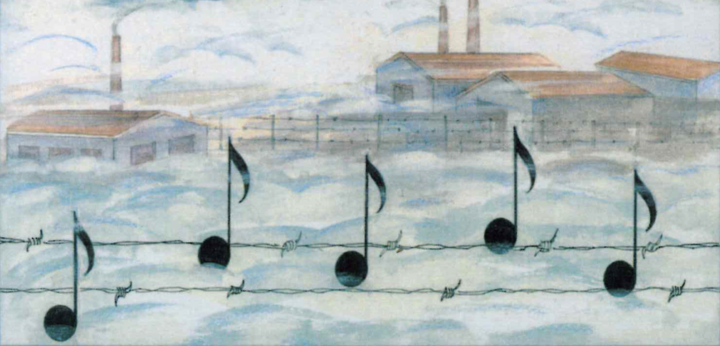
Neshome Lider: Songs of Resilience from the Holocaust
February 23, 2026
Federation Events
A Yom HaShoah & Garden of the Righteous Commemoration Honoring Geertruida “Truus” Wijsmuller
This Yom HaShoah, join Adas Israel Congregation for an evening of music, memory, and moral courage.
Neshome Lider is a moving musical journey of Yiddish songs written during the Holocaust, woven with story and reflection. Featuring Zalmen Mlotek, Rabbi Avram Mlotek, and Cantor Arianne Brown, the program reveals how song became an act of spiritual resistance, remembrance, and hope.
We will also honor Truus Wijsmuller, whose courageous leadership in the Kindertransport helped rescue approximately 10,000 Jewish children from Nazi-occupied Europe. Joining us will be Isabel Bauer-Langsdorf, one of the children she saved, along with her daughter Julie Langsdorf, offering living testimony to the power of moral courage.
An evening where music and memory meet in sacred tribute. Supported by the Jonah and Rita Schiffres Yiddish Fund.
The Passover story begins in Egypt and moves through plagues, courage, and ultimately, the journey to freedom. Jewish tradition has been telling and retelling this story for thousands of years, and each generation adds new layers.
In this learning session, we’ll explore a range of texts - ancient and modern - that grapple with slavery, plagues, and the ongoing fight for liberation. Together we’ll ask: How have Jews across time understood oppression and freedom? What feels resonant or challenging for us today?
No experience necessary. Everyone is welcome. Specific location and additional details will be shared with registrants after the registration deadline.
Hands-on Israel: Reconnecting with Israel Shlichim Panel
February 6, 2026
The Jewish Federation of Greater Washington
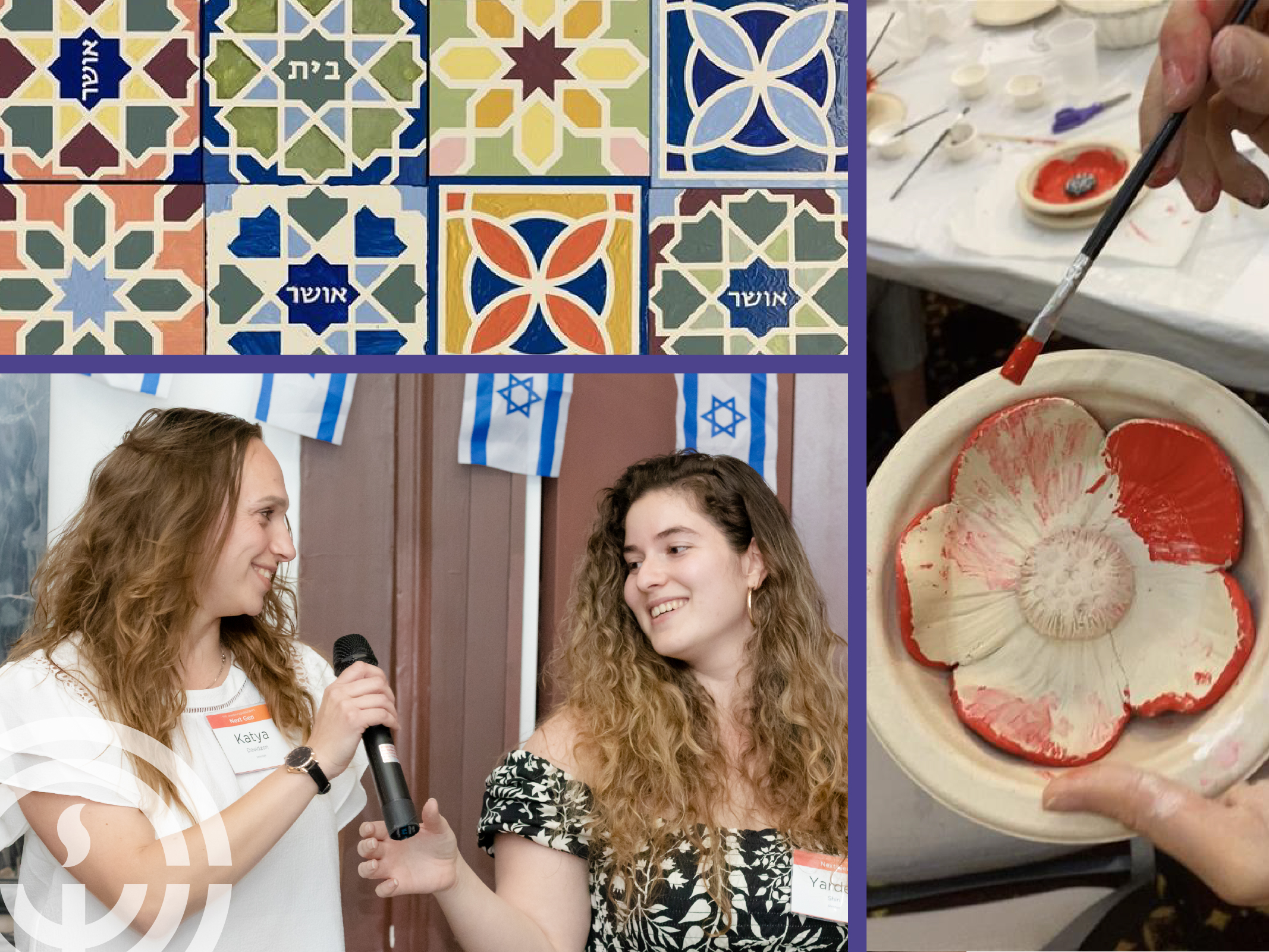
Part of The Jewish Federation of Greater Washington’s Hands-On Israel program, this workshop is led by community shlichim (Israeli emissaries) and hosted at a local Jewish institution.
Learn more.
Part of The Jewish Federation of Greater Washington’s Hands-On Israel program, this workshop is led by community shlichim (Israeli emissaries) and hosted at a local Jewish institution.
Learn more.
Part of The Jewish Federation of Greater Washington’s Hands-On Israel program, this workshop is led by community shlichim (Israeli emissaries) and hosted at a local Jewish institution.
Learn more.
Hands-on Israel Rhythms of Israel: A Drumming Circle Experience
February 6, 2026
The Jewish Federation of Greater Washington
Part of The Jewish Federation of Greater Washington’s Hands-On Israel program, this workshop is led by community shlichim (Israeli emissaries) and hosted at a local Jewish institution.
Learn more.
Hands-on Israel Dream of Zion: The Journey of Ethiopian Jews to Israel
February 6, 2026
The Jewish Federation of Greater Washington
Part of The Jewish Federation of Greater Washington’s Hands-On Israel program, this workshop is led by community shlichim (Israeli emissaries) and hosted at a local Jewish institution.
Learn more.
Hands-on Israel Rhythms of Israel: A Drumming Circle Experience
February 6, 2026
The Jewish Federation of Greater Washington
Part of The Jewish Federation of Greater Washington’s Hands-On Israel program, this workshop is led by community shlichim (Israeli emissaries) and hosted at a local Jewish institution.
Learn more.
Udi Eitan, Associate Director for Israel Engagement
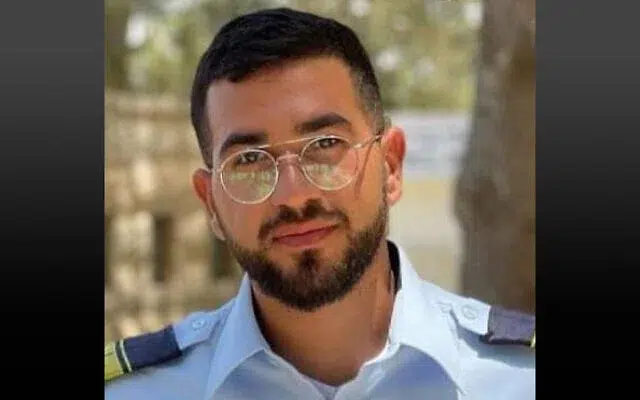
On October 7, 2023, Ran (Rani) Gvili, 24, was at his parents’ home in Meitar, in southern Israel, on medical leave from his service in an elite police unit. About two weeks earlier, he had injured his shoulder in an off-road motorcycle accident and was scheduled to undergo surgery just days later. As his family rushed into the shelter amid relentless sirens, Rani put on his police uniform and prepared to leave. His mother, Talik, asked him where he thought he was going. Rani replied simply: “Do you really think I’d stay home knowing my friends are fighting? No way.” (as reported by The Times of Israel)
Defender of Alumim
As chaos raged all around, without waiting to be called, Rani drove straight into the fighting. He first assisted survivors of the Nova Music Festival and then joined the heroic battle to defend the nearby Kibbutz Alumim. He neutralized dozens of terrorists and saved the lives of many residents, even as he sustained severe injuries to his arm and leg. Over time, he became known as “Rani, Defender of Alumim.” He fought relentlessly until he ran out of ammunition. It was later learned that he fell in battle and that his body was abducted to Gaza.
Bringing Rani Home
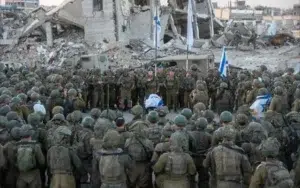
Last week, at long last, the circle was closed. After critical intelligence was received regarding his whereabouts, hundreds of soldiers, accompanied by dozens of forensic dental specialists, set out on a mission almost impossible to imagine: locating Rani’s body in a cemetery in Gaza. After approximately 48 hours of exhausting searches under extremely difficult conditions, the long-awaited answer came—Rani was found.
Dr. Assi Sharon, who took part in the mission alongside the forces in Gaza, described the emotional moment: “There wasn’t a dry eye. People were deeply moved, with a profound sense of reverence. We recited Kaddish, and there was a ceremony with the Chief of Staff—a very special moment. As I stood there, I realized I could finally remove the yellow ribbon, and I did.” (as reported by JFEED)
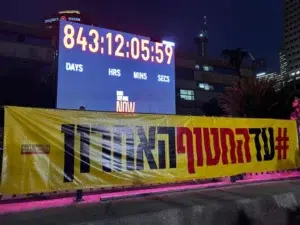
843 Days, 12 Hours, 5 Minutes, and 59 Seconds
With this, one of the most painful, yet also most inspiring, chapters in the history of the State of Israel and the Jewish people came to an end. After 843 days, 12 hours, 5 minutes, and 59 seconds, the clock at Hostages Square in Tel Aviv stopped. A shofar was sounded, and many recited the Shehecheyanu blessing, giving thanks for reaching this moment.
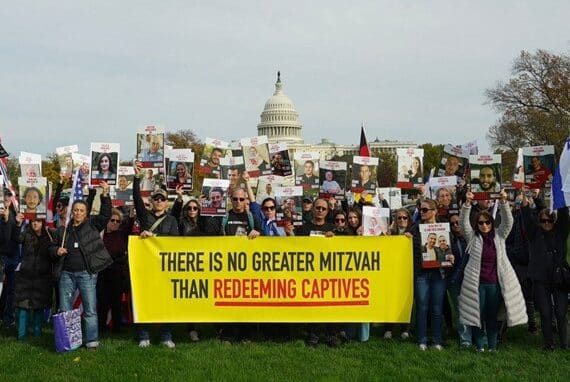
The mitzvah of redeeming captives, which Maimonides called the greatest commandment in Judaism, was fulfilled. The Israeli ethos—viewing the return of every soldier and civilian from enemy hands as a supreme moral obligation—was upheld. All 251 Israelis and foreign nationals abducted to Gaza on October 7, together with two Israeli civilians and two fallen soldiers previously held by Hamas, were returned.
The Power of Public Pressure
The sustained public effort to bring the hostages home was essential. Throughout this long—far too long—period, the Hostage Families Forum worked tirelessly to keep this issue at the forefront of the public agenda, most prominently in Israel and the United States.
One powerful testament to the impact of this cause can be found in the words of Alon Ohel, who returned from captivity after 738 days: “They opened a laptop and showed me a picture of someone holding a drawing of me, with a piano behind her. That’s when I understood that people I didn’t know were fighting for me. It gave me even more strength—if people who don’t know me are fighting for me, who am I to give up?”
A Shared Response, Across Oceans
With great pride and deep appreciation, it can be said that our community also took an active part in the collective endeavor to bring the hostages home, and in Israel’s broader recovery efforts. Shortly after October 7, Federation established the Israel Crisis Relief Fund and raised more than $15 million from the community for emergency assistance to Israel, nearly half a million dollars of which was transferred directed to the Hostage Families Forum. Beyond this, Federation supported the Hostage Families Forum in convening community events that brought people together with hostage family members and former captives, allowing them to share their personal stories and mobilize the broader community around the cause. The Community Shlichim—placed in synagogues and Jewish organizations across the community as part of a joint initiative of Federation and the Jewish Agency for Israel—led a wide range of activities focused on the hostages. These included creating dedicated spaces highlighting the hostages and their stories, and organizing events such as a community solidarity walk, an interactive cartoon exhibition addressing the hostage crisis and current Israeli issues, and many more.
“Thanks to Your Efforts…”
For all of this—and so much more—we extend our heartfelt thanks to everyone across our community who took part in advancing this most important cause.
As Matan Sivek, Founder of the Hostage Families Forum US, put it:
“The Jewish Federation of Greater Washington joined forces with hostage families from day one to ensure they get the financial and communal support they need. The DMV community advocated, marched, embraced, and was on the front line of ensuring the highest echelons don’t forget about the hostages. We are grateful for the leadership and partnership of Federation in this historic moment in Jewish history. Thanks to your efforts, they are back.”
Photo Captions: Ran (Rani) Gvili in uniform; Israel Defense Forces; Photo courtesy of IDF; Hostages Square clock at the moment of release; Photo: Avshalom Sassoni / Maariv; Alon Ohel, former hostage, after return; Photo: Eden Danielle Kleiban Pakter; Pozez JCC community walk for hostage awareness; Photo: Hostage Families Forum US, Leigh Vogel
A joyful birthday celebration became the beginning of a lifelong philanthropic journey. Through Donor Advised Funds, intentional giving, and the Open More Possibilities initiative, one family reflects on building a culture of generosity and passing Jewish values to the next generation.
Rabbi David Stav identifies two core Jewish values: standing against immoral behavior and loyalty to family, community, nation, and people. Adding humility to the framework, this reflection explores how justice, peoplehood, and open conversation can shape a vibrant collective future.
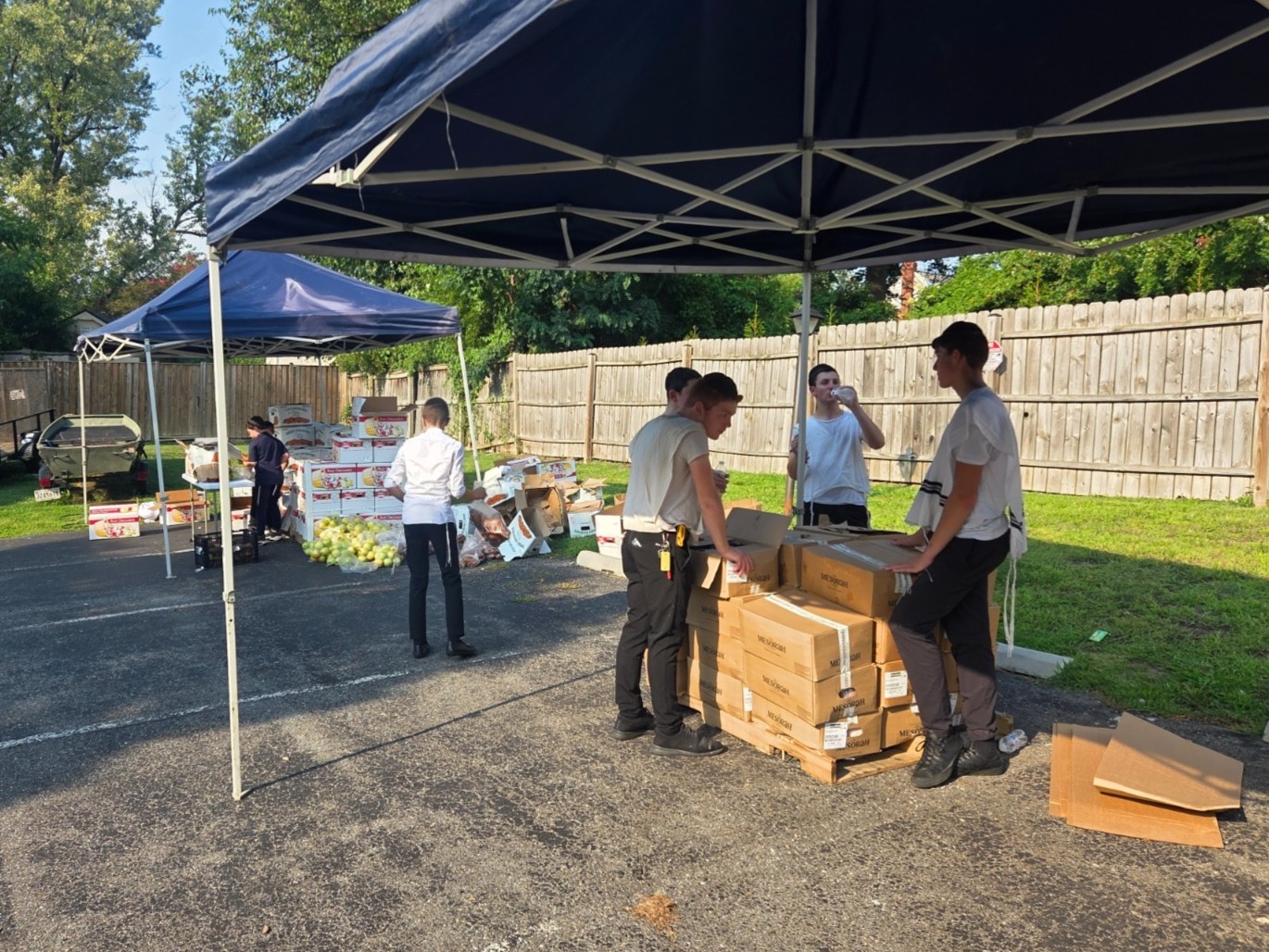
Rosh Hashanah brings familiar tastes, recipes, and traditions to Jewish families. With support from Federation, Yad Yehuda is helping ensure families facing financial pressure can access kosher food and celebrate the Jewish New Year with dignity and joy.