Need support? Call 703-J-CARING (703-522-7464)

NextUp Beth El: Tikkun Olam and a Tidbit of Torah

NextUp Beth El: Tikkun Olam and a Tidbit of Torah
Join us on Sunday afternoon, November 23 from 1:00-3:00 pm to do good, feel good, and schmooze it up. Gather with other Jewish young professionals (20s & 30s) for a tikkun olam (volunteer) event and a tidbit of Torah learning focused on gratitude with Rabbi Deborah Megdal. We will pack snack bags for a local nonprofit food provider, Nourishing Bethesda. Our neighbors in need greatly appreciate these snack bags that are distributed at the same time they receive groceries and produce. The snacks are a welcome supplement that help fill a student’s lunch box, serve as a senior citizen’s breakfast, or help keep their clients fueled for their busy life. Come connect, socialize, and bring a friend! Click here to register.

Couples’ Learning Circle Cohort – Sign Up by Nov 13th

Couples’ Learning Circle Cohort – Sign Up by Nov 13th
Connect in community and learn together with other couples—partnered, engaged, married, Jewish, multifaith, interfaith, and more— from across the Greater Washington area. Our learning will be based on circle members’ questions and interests. Together we will explore relevant Jewish texts, traditions, and ideas to cultivate meaningful ways to infuse Judaism into your lives, relationship, and home. Our learning circle will also be an opportunity to build deeper connections among members, as well as craft meaningful Jewish experiences together. No prior experience necessary. Sample of Class Topics:
  • Meaningful + Inspirational Shabbat/Holiday Practice
  • Infusing Your Home with Jewish Values + Ethics
  • Jewish Wisdom on Cultivating Intimacy in Relationships + “Me Time”
  • Integrating diverse traditions (interfaith/multifaith/Jewish)
  • Navigating Additional Resources + Offerings Throughout the Greater Jewish Community
The Couples' Learning Circle is intended to build meaningful relationships among group members. Space is limited to foster an intimate and connected cohort dynamic. Sign up is on a first come, first served basis. Meetings will be held monthly from November through February, in addition to a cohort Shabbat experience. Please contribute $360/couple in order to help make this cohort experience possible. If this amount is cost prohibitive, please sign up and contribute what you are comfortable with. Cost is not a barrier for entry. Thursdays (7-9pm): Nov. 20, Dec. 18, Jan. 22, Feb. 19, Shabbat Session Date TBD w/ participants

Sara Brenner: Helping Us Rethink Jewish Giving

Sara Brenner: Helping Us Rethink Jewish Giving

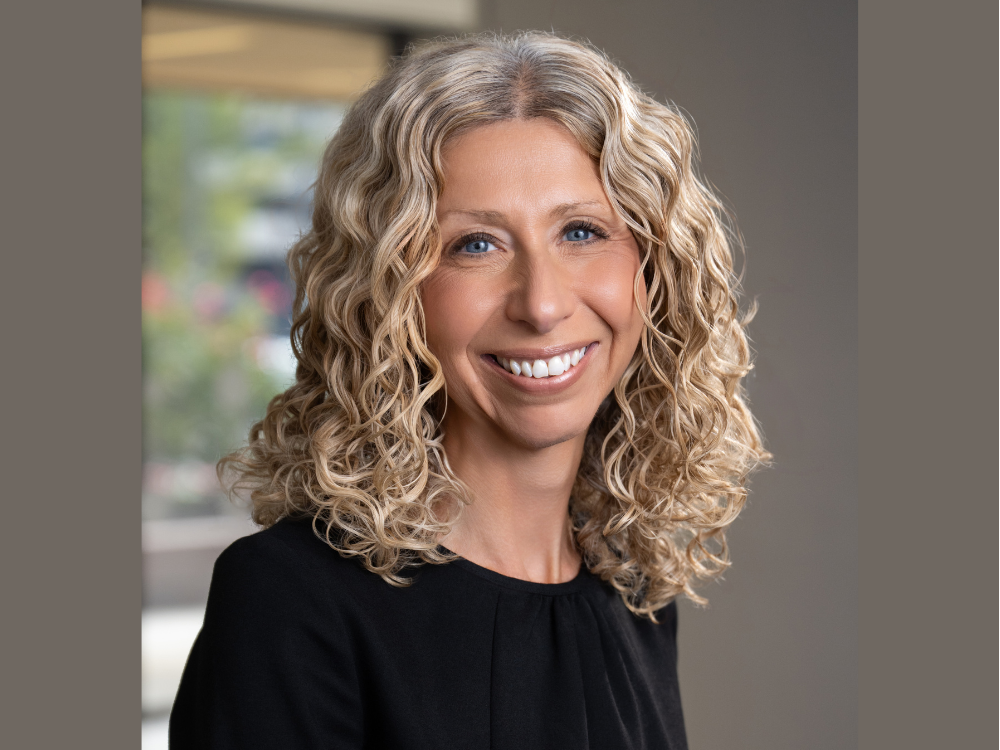
As Executive Director of the Jewish Community Foundation of Greater Washington, Sara Brenner is building a culture of giving that’s collective, values-driven, and deeply personal.

“I want this to be a place where people can realize their dreams and connect to their Judaism more deeply,” Sara says. “Our role is to help donors amplify their impact, deepen the connection between their Jewish values and philanthropy, and advance their goals with deeper purpose, in whatever ways feel most meaningful to them.”

A Jewish Journey of Learning and Connection

Sara grew up in a New Jersey town where Jews were few and far between. Her synagogue became her second home. “I started Hebrew school in kindergarten and went through 12th-grade confirmation. I loved it, it was just in my heart and in my soul.”

She was the friend who encouraged others not to drop out and who rallied them back when they left. Though she didn’t attend day school or Jewish summer camp, that community shaped her Jewish identity. A high school trip on March of the Living, and later a year studying abroad in Israel during the assassination of Prime Minister Yitzhak Rabin, deepened her connection.

“I had such a strong will to stay in Israel, even during that time,” she recalls. “It was a very difficult period, but it only strengthened my connection.”

Her lifelong love of Jewish learning led her to minor in Jewish Studies and, later, to weave her Jewish values into her professional life.

Bringing Her Values to Work

Before joining Federation, Sara spent more than 25 years helping communities across the country thrive—strengthening education, housing, workforce, and health systems, while advising philanthropists and community foundations on how to invest for long-term impact.

“I always felt my Judaism showed up in my work,” she explains. “Repairing the world is part of who I am.”

When the Jewish Federation of Greater Washington launched the Jewish Community Foundation, Sara saw a chance to bring her professional expertise home. “I had been helping community foundations across the country shift toward more impact-focused work. This was an opportunity to do that in a community I lived in and loved for more than 20 years.”

A New Model of Jewish Philanthropy

Under Sara’s leadership, the Foundation is creating more accessible, collaborative, and intergenerational ways to give. She is particularly proud of programs that help families explore their philanthropic goals together. “We’re creating opportunities for younger generations to be part of the conversation,” she explains. “People can give together, learn together, and amplify their impact together.”

Today, the Foundation supports several collaborative giving funds focused on shared priorities like Jewish education, disability and inclusion, women’s empowerment, and Jewish talent and leadership. “When we give collectively, we can do so much more,” Sara explains. “It’s how we move from fragmented giving to systemic change.”

For newer or younger donors, she’s made sure there are inclusive ways to participate. “You don’t need $10,000 to get started,” she says. “Kol Yahad, our Next Gen collaborative fund, let’s people give at lower levels and still be part of something powerful.”

Guiding with Compassion After October 7

The events of October 7 reshaped both Sara’s outlook and the Foundation’s role. “Israel became the focus of so much of our work. In the past two years, more than five million dollars went out through donor-advised funds for rebuilding and relief.”

But this moment isn’t just about emergency response.

“After October 7, many people wanted to re-engage (or engage for the first time) in their Judaism,” she says. “I find myself listening more, helping people reconnect to their Jewish identity, and guiding them to make meaning through their giving.”

Sara has also prioritized deepening relationships with allies outside the Jewish community. “Our integration with the broader world, not isolation, is vital,” she says. “I’ve doubled down on those relationships. It’s hard work, but it matters.”

Looking Ahead, Building Together

Nearly three decades after moving to DC, Sara continues to find inspiration in the diversity and vibrancy of Jewish life here. “This is such an incredible community,” she says. “The culture, the learning, the opportunities to connect, and the chance to be part of something that’s making a difference locally, nationally, and globally.”

Through the Jewish Community Foundation, she and her team are helping donors bring greater intention and clarity to their giving. “It’s not about changing what inspires you. It’s about helping you achieve your goals in the most thoughtful, effective way.”

Whether she’s guiding families through legacy giving, launching new collaborative funds, or welcoming first-time donors, Sara is helping build a Jewish future rooted in connection and purpose. “We’re here to help people bring their values to life. That’s how we strengthen our community. That’s how we build the future together.”

Outside the Office

Sara loves being near water, whether she’s swimming laps or vacationing in a place like St. Lucia, Hawaii, or Fiji. A black Russian bagel with light cream cheese and cucumbers is her go-to Sunday morning. Sushi is her favorite. Her mom’s chicken soup, minus the matzo balls, is magic. When she’s back in DC, you might find her at Planet Word, one of her favorite museums for its celebration of culture and language. And when pressed to pick chocolate or vanilla? “Twist,” she laughs. “Always twist.”

Learn more about the Jewish Community Foundation of Greater Washington and explore how your giving can make a lasting impact at jcfgw.org.
Related posts

The Future of Jewish Leadership Begins Here

The Future of Jewish Leadership Begins Here

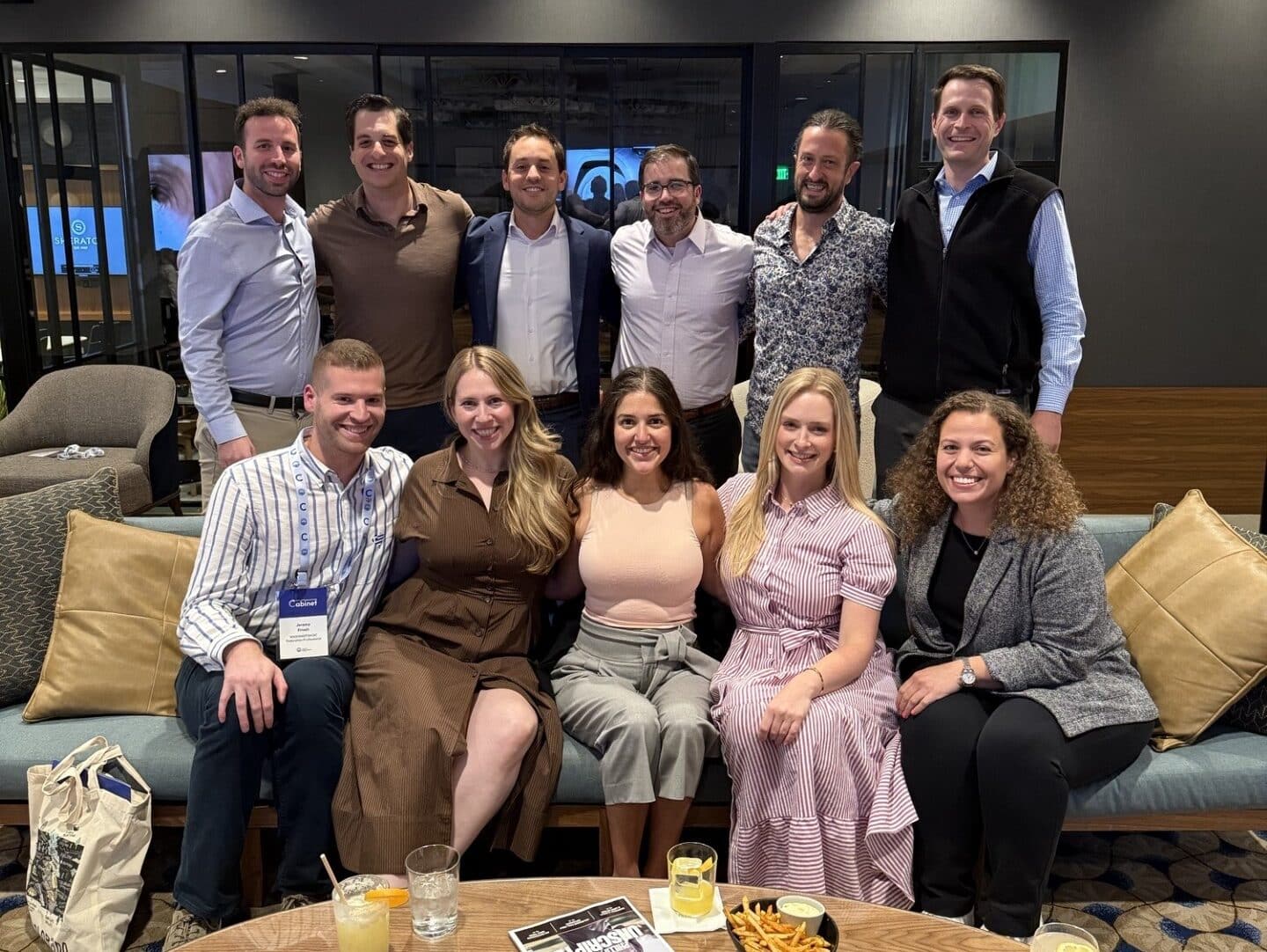
The future of Jewish leadership doesn’t start in boardrooms—it starts in moments of connection, clarity, and conviction. Earlier this month, thirteen young leaders from Greater Washington traveled to Denver to join more than 300 of their peers at the National Young Leadership Cabinet retreat. Over four days of learning and exchange, they discovered not just new ideas, but how deeply their local efforts are woven into a powerful collective shaping Jewish life across North America and beyond.

What Is Cabinet?

Cabinet, an initiative of Jewish Federations of North America (JFNA), identifies, trains, and inspires leaders ages 30–45 to strengthen Jewish life locally and globally. Many participants go on to serve in prominent roles—on Federation’s Board of Directors, including as President, and on the boards of other leading Jewish organizations.

When the Impact Gets Personal

For Alexa Brown, Cabinet co-chair for the Jewish Federation of Greater Washington, the retreat underscored how local work connects to a larger movement. “This experience helped me zoom out and see just how connected our work at home is to the broader Federation network,” she said.

That collective impact became especially personal for Alexa when she learned that Federation dollars are helping to rebuild Soroka Hospital in Be’er Sheva—where her grandmother is a patient. “Knowing that our community is directly supporting the hospital caring for her was incredibly emotional,” she reflected. “Hearing firsthand about the renovations left me overwhelmed with gratitude—not just for hospital staff, but for everyone in our Federation family who gives so generously.”

Finding Strength in Connection

For her co-chair, Britney Wambold, the most meaningful moments came from building deeper relationships. “Meeting in a more intimate setting and sharing our personal ‘why’ for being involved with Federation was incredibly powerful,” she said. “Their stories reminded me of the depth of passion in our community and inspired me to keep pushing forward in my own leadership journey.”

Both Alexa and Britney pointed to the energy that comes from being part of a national network. “There was an unspoken understanding among us—that we’re not just here to lead but to show up for one another,” Alexa shared. “It gave me peace knowing there’s a whole network of leaders who care deeply and have each other’s backs.” Britney agreed: “The retreat reminded me how impressive and diverse this group is, and how much we can learn from one another.”

From Retreat to Reality

For the Greater Washington delegation, Denver wasn’t just four days away—it was a chance to see the bigger picture, to feel the impact of global Jewish philanthropy in deeply personal ways, and bring home renewed energy for strengthening our community. Alexa and Britney returned new tools and ideas, and deeper pride in Federation’s work and in the generation of leaders shaping the Jewish future.

“I’m excited to see what this group of young leaders goes on to do here at home to strengthen our local Jewish community in the years to come,” reflected Jeremy Frisch, Federation’s Assistant Director for Donor Engagement, who also attended. “Watching them learn and grow leaves me feeling very hopeful about what that future looks like.”

And that’s the heart of Cabinet: cultivating leaders who will guide our community through real challenges and seize opportunities to enrich Jewish life across Greater Washington. Today’s investment develops the leaders our community will count on for decades to come.

To learn more about the National Young Leadership Cabinet or to get involved, contact Jeremy Frisch at jeremy.frisch@www.shalomdc.org.

Related posts

Support When it Matters Support When it Matters
Support When it Matters
After a direct Iranian missile strike on Beit Shemesh, Federation mobilized quickly—transforming the Zinman Community Center into a Family Support Hub providing emergency relief, psychological support, and moments of joy for impacted residents.
read more

“We’re Not Changing Minds”: Inside a Raw, Real Conversation on Antisemitism in Greater Washington

“We’re Not Changing Minds”: Inside a Raw, Real Conversation on Antisemitism in Greater Washington

What does it mean to fight antisemitism in 2025?

If you think it’s just about calling out hate, think again.

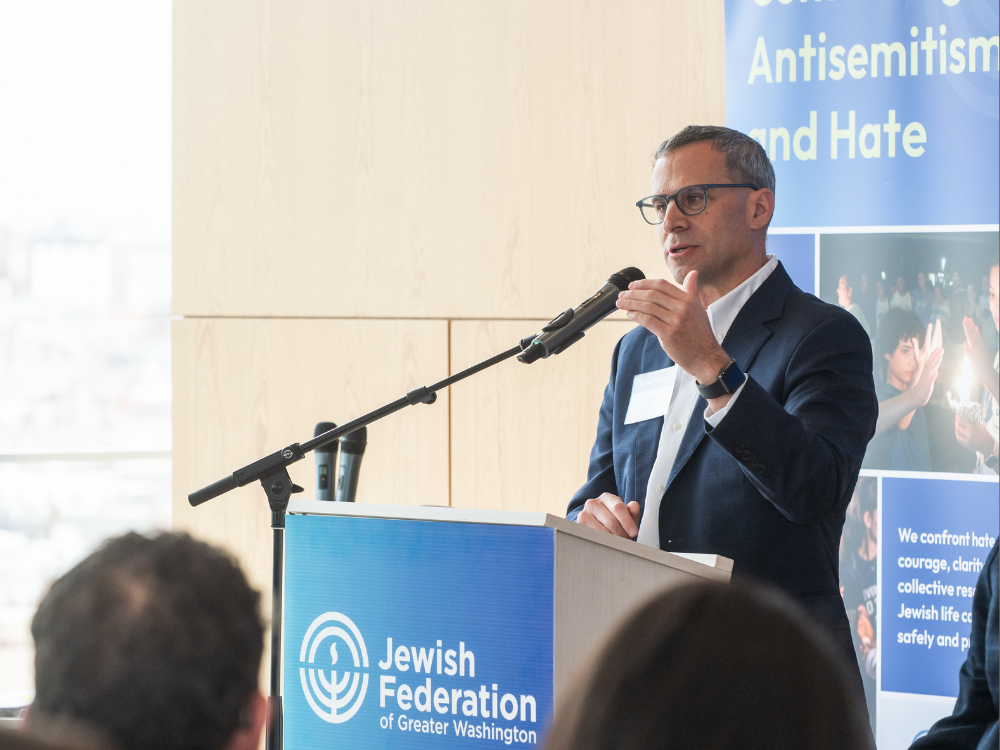
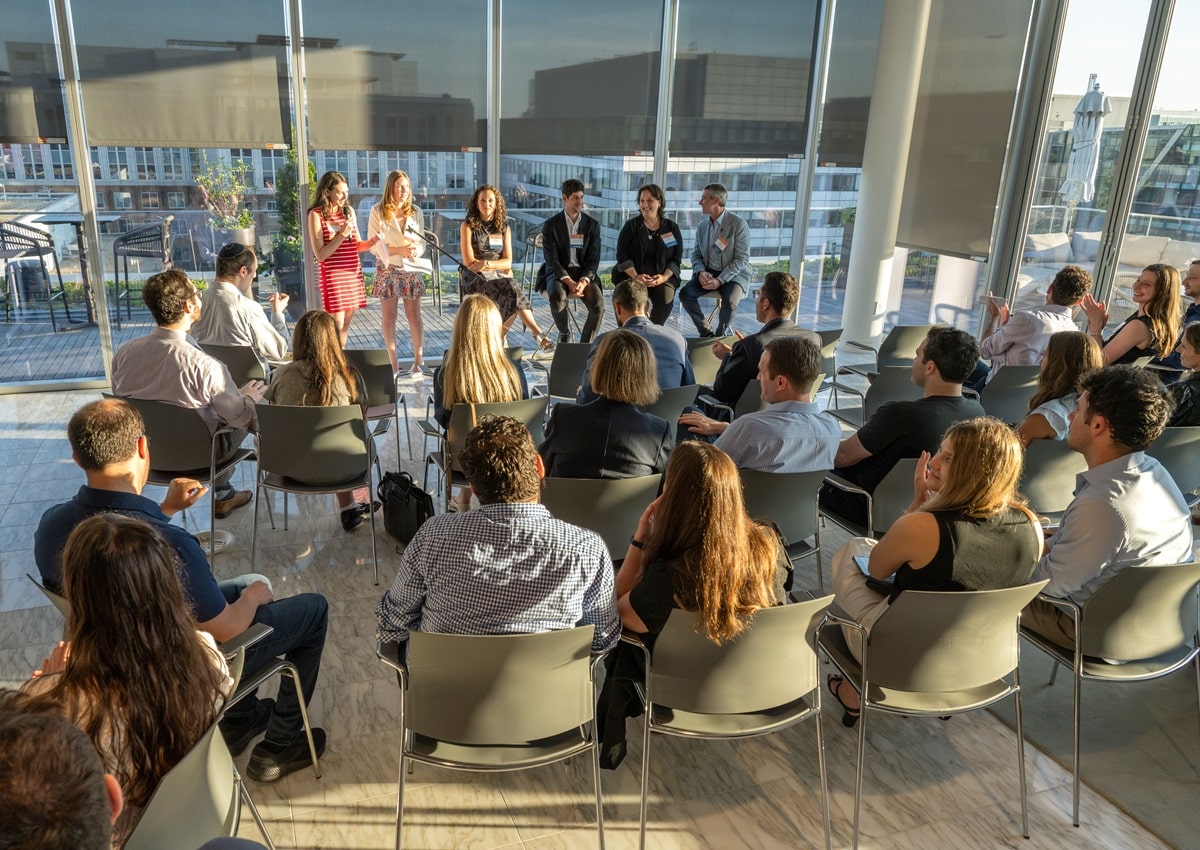
At a recent panel hosted by the Jewish Federation of Greater Washington’s Ben Gurion Society, three frontline leaders—
Rob Granader, Vicki Fishman, and Omer Oppenheim—sat down for a candid, sometimes uncomfortable, and deeply human conversation about what it really takes to protect and uplift Jewish life today.

And they didn’t hold back. The conversation opened with a sobering acknowledgment: antisemitism is not only rising, but it’s also becoming more complex to address.

“We’re losing the battle on social media.”

That’s how Rob Granader put it. A longtime advocate and Federation task force leader, Granader spoke with urgency about the cultural and political headwinds facing the Jewish community. “We’re in a mode in this world where we’re not changing our minds,” he said. “So do you go after your foes—or do you focus on strengthening your friends?”

It’s a question that doesn’t have easy answers. But it’s one that this panel wrestled with head-on.

Omer Oppenheim, Director of Government Relations at Jewish Federations of North America, pointed to broader communal division as a critical barrier: “Half the Jewish community thinks the problem is antisemitism on the right, and the other half thinks it’s on the left. If we can’t agree on what the problem is, how can we expect others to get on the same page?”

The Hidden Frontlines: Schools, City Councils, and Quiet Wins

While many headlines today focus on college campuses, Vicki Fishman, Director of Virginia Government and Community Relations at the Jewish Community Relations Council (JCRC), pointed to a quieter, more insidious battleground: K–12 schools. “The problem may not be antisemitism itself—it might be bad teaching,” she explained. “And when you have a good policy but a bad teacher, you still end up with antisemitic outcomes.”

She also shared a behind-the-scenes win in Alexandria, Virginia, where quiet advocacy helped stop a BDS resolution before it could gain traction. “To hear from someone who’s not a friend of Israel that there’s no appetite for this—it gave me hope.”

The Power of Relationships

A recurring theme throughout the evening was the importance of relationships—especially when navigating difficult conversations. Whether it’s educating a local official about the implications of invoking antisemitic tropes or deciding when to call out versus call in, the panelists emphasized nuance and persistence.

Fishman shared a story about a local politician who used problematic language on national television. “We got him on the phone and talked to him about what the problem was… and he stopped making that reference.” These behind-the-scenes efforts, while not always visible, are essential to long-term change.

Hope in Action

Despite the challenges, the panelists shared what gives them hope. Granader spoke passionately about the younger generation: “Post October 7, there’s been so much energy… People are showing up and being resolute about being Jewish in a way that is just so encouraging.”

Oppenheim, who works on Capitol Hill often, added, “Both parties care about combating antisemitism… Maybe now is not the right time, but in three months, six months—however long it takes—it’ll be the right time to make meaningful change.”

“They’re lions.”

That’s how Granader described the younger generation of Jewish students stepping up in the wake of October 7. “They’re resolute. They’re showing up. And they’re not afraid to be visibly, proudly Jewish.”

It’s a sentiment echoed by Oppenheim: “Both parties care about combating antisemitism,” he said. “Maybe now isn’t the moment for big change—but that moment is coming.”

From Conversation to Action – What YOU Can Do

Our esteemed panel didn’t mince words. “Live Jewishly in whatever way you can, and don’t be shy about it,” Fishman challenged, recounting how wearing a yellow pin or a dog tag necklace can often spark conversation.

Other advice from the panel included:

Responding to action alerts and contacting your members of Congress is one of the most direct ways to make your voice heard and support policies that combat antisemitism.

Stay informed by subscribing to newsletters like those from the Jewish Community Relations Council (JCRC) and Jewish Insider. Awareness is a powerful first step toward action.

Get involved in advocacy days hosted by your local and state legislatures. Showing up in person demonstrates the strength and visibility of our community.

When you’re invited to join a task force or working group, say yes. Your voice and perspective matter, and your involvement can shape meaningful outcomes.

Live Jewishly—and do so openly. Everyday moments, from casual conversations to public expressions of identity, can become powerful opportunities for education and connection.

Consider hosting gatherings like Shabbat dinners. These informal settings allow others to experience Jewish life in an authentic, welcoming, and non-confrontational way.

Keep in mind that what may seem obvious to you might be unfamiliar to others. Be ready to explain Jewish history, culture, and experiences with patience and clarity.

And finally, as Rob Granader said so well: “Say ‘yes’ when Federation calls!”

Related posts

When Antisemitism Takes Hold When Antisemitism Takes Hold
When Antisemitism Takes Hold
Antisemitism often emerges in times of strain, fueled by fear and exploited by bad actors. By confronting hatred directly and strengthening democratic institutions, Federation works to build resilience, foster connection, and ensure a more stable, inclusive community.
read more

Keren M. Waranch Named Chief Development Officer

Keren M. Waranch Named Chief Development Officer

As Chief Development Officer, Keren will build and drive Federation’s financial resource development, and elevate fundraising strategy, systems, and relationships. Keren’s work will focus on advancing and diversifying resource development and fostering a culture of philanthropy across Federation’s professional and lay leadership. This new role marks Keren’s return to Federation, where she first began her career in development, cultivating current and potential donors and partnering with lay leadership to further engage the Greater Washington community

“We are excited to welcome Keren back to the Federation team,” said Gil Preuss, CEO of The Jewish Federation of Greater Washington. “Keren is a dynamic and experienced nonprofit leader, and we look forward to having her expertise as we continue to focus on fundraising and philanthropy in our community through a strategic and engaging approach.”

Keren most recently served as the Chief Development Officer for Americans for Ben-Gurion University (A4BGU), where she spent 17 years of her career. At A4BGU, Keren managed a $45M- $50M+ annual campaign, a national team of up to 24 development professionals, and built and implemented a strategic approach to development across the organization. She received her Bachelor of Arts in Middle Eastern Studies and Religion/Judaic Studies from Emory University and her Master of Arts in International Affairs/U.S. Foreign Policy from George Washington University’s Elliott School.

Keren has worked in diverse areas of the Jewish community, both in the United States and abroad. After completing her university in 1996-7, Keren spent a year in Donetsk, Ukraine as part of AMITIM (“friends” in Hebrew), an international service project initiated by the Jewish Federation of Greater Atlanta that aimed to build bridges between the North American, Israeli and former Soviet Jewish communities.

“With increasing tension within the global Jewish community and alarming antisemitism on the rise in Washington and beyond, the need for Federation has only increased,” said Keren M. Waranch. “Jewish Federations are the ultimate convener every part of the community needs right now. The stronger the Federation, the stronger our community. That is why I am so proud and excited to take on this position.”

“Keren will be a tremendous asset to the Federation team, and we are thrilled to have her insights and leadership,” said Robin Hettleman Weinberg, Federation President. “Keren played a critical role in developing Federation’s Next Gen and Women’s Philanthropy groups, and we know that her experience will allow us to better reach diverse groups across our Greater Washington Jewish community.”

Related posts

When Antisemitism Takes Hold When Antisemitism Takes Hold
When Antisemitism Takes Hold
Antisemitism often emerges in times of strain, fueled by fear and exploited by bad actors. By confronting hatred directly and strengthening democratic institutions, Federation works to build resilience, foster connection, and ensure a more stable, inclusive community.
read more