- This event has passed.
Enduring Music: Compositions from the Holocaust
To mark International Holocaust Remembrance Day, the Counter Extremism Project’s ARCHER at House 88 presents a landmark concert of works composed in the ghettos and death camps. These works were composed with dignity more than eighty years ago. We play them today in defiance of a resurgent global antisemitism.
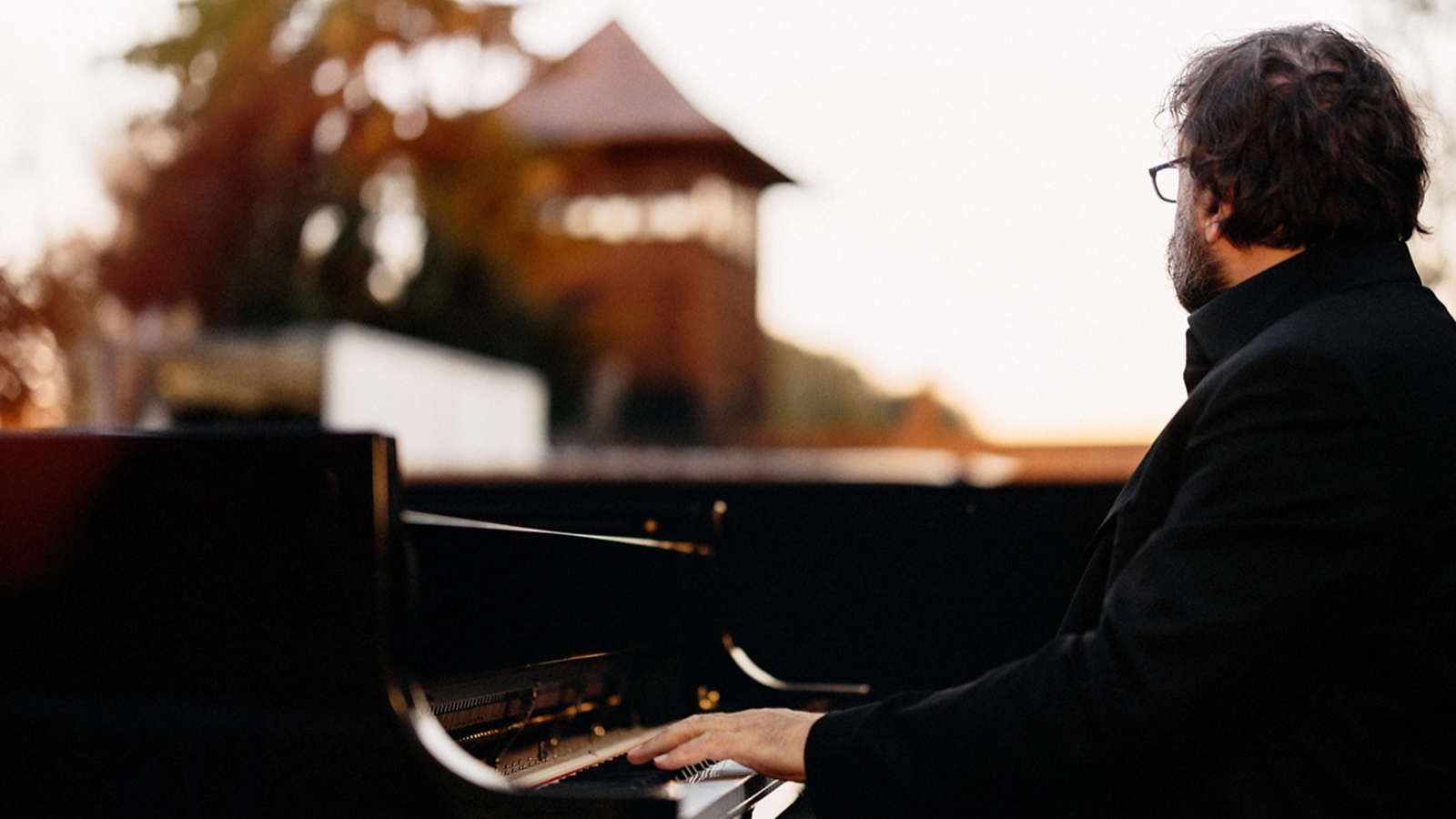
This concert will bring classical, folk, and popular music nearly erased by atrocity back into public consciousness through the work of world-renowned composer, conductor, and musicologist Francesco Lotoro. Written on scraps of paper or transcribed from memory, these works stand as a testament to the cultural brilliance almost extinguished by the Holocaust. The program will include world and U.S. premiere performances from Maestro Lotoro’s archive, honoring and bringing to life a repertoire of music that defied evil and endured.
Maestro Francesco Lotoro is an Italian pianist, composer, and conductor who has dedicated over 30 years to collecting, preserving, and performing music composed in concentration camps. Lotoro has painstakingly excavated and cataloged thousands of musical scores, songs, and instruments created by prisoners during the Holocaust, representing a remarkable legacy of resilience and creativity in the face of unimaginable adversity. In recognition of his cultural and historical contributions, Maestro Lotoro has been awarded the title of Chevalier de l’Ordre des Arts et des Lettres by the French Ministry of Culture and Knight of the Order of Merit of the Italian Republic. His collection includes: Over 10,000 musical scores composed in concentration, extermination, and POW camps between 1933 and 1953; 10,000 documents related to music production in the camps, including microfilms, diaries, musical notebooks, phonographic recordings, and interviews with surviving musicians; 5,000 academic publications, essays on concentrationary music, and musical studies produced in the camps; 400 hours of interviews with survivors and their children. Lotoro’s archive also includes numerous musical instruments that were played and hidden by prisoners in the camps—physical representations of the role music played in sustaining morale and resilience.