Disability Inclusion Is a Journey: Partnering to Expand Access and Belonging at the Capital Jewish Museum
Strengthening Access Across Our Community
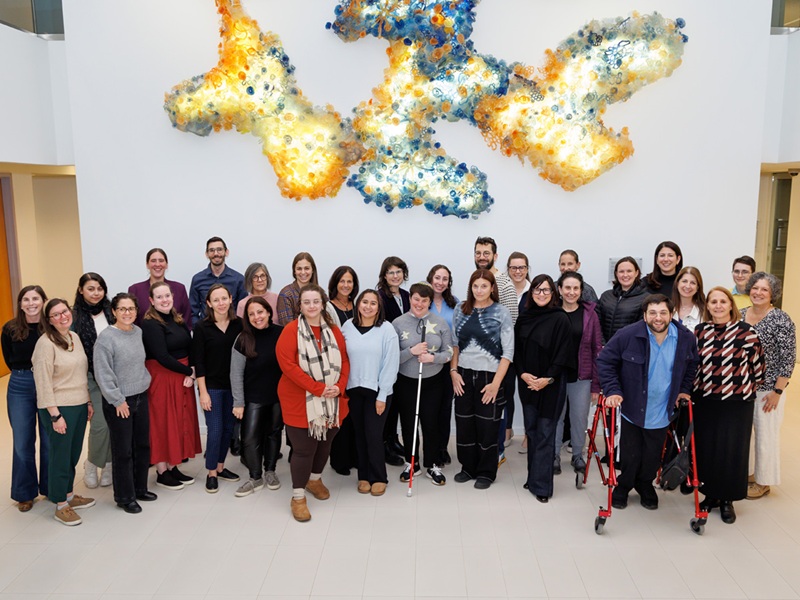
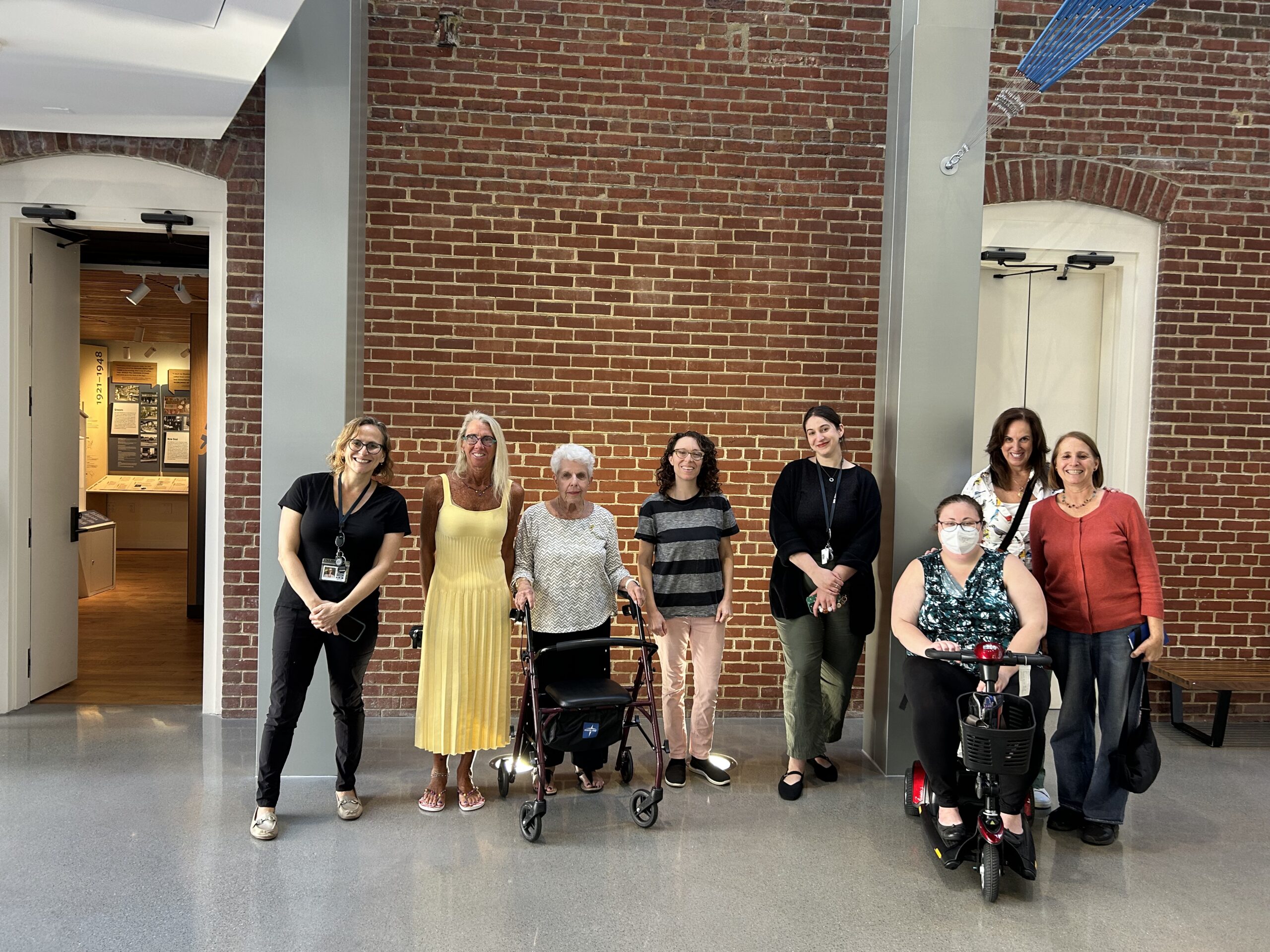
Inclusion is a journey shaped by curiosity, reflection, and a commitment to creating spaces where everyone belongs. On September 12, 2025, the Federation’s Disability Inclusion Advisory Group visited the Capital Jewish Museum as part of our ongoing work to strengthen access and belonging across Jewish institutions in Greater Washington. We left inspired by the museum’s openness, intentionality, and genuine desire to learn and grow.
The Capital Jewish Museum explores the Jewish experience in Washington from 1790 through today, tracing stories of community, civic engagement, and cultural life across generations. As a museum dedicated to preserving and interpreting Jewish history in the nation’s capital, its commitment to accessibility ensures that these stories are available to all who wish to engage with them.
The advisory group includes professional and lay leaders with expertise in disability advocacy, education, and policy, alongside individuals with lived experience as people with disabilities or as family members of individuals with disabilities. This diversity of perspective strengthens our work and informed a meaningful conversation with the museum’s leadership.
A Shared Commitment to Inclusion
From the start, it was clear that inclusion is a priority for the museum. The invitation to engage in a thoughtful, respectful dialogue was a powerful signal. It showed that the museum is not only thinking about accessibility but is also eager to listen, ask questions, and plan for the future in partnership with the community.
We were encouraged by the many ways the museum is already working to make its space more welcoming. From physical access features to warm and responsive staff, the museum has already built a strong foundation for accessibility. What stood out most, though, was the museum’s willingness to explore what more could be done, not out of obligation, but out of a sincere commitment to inclusion as a core value.
Practical Steps Toward Greater Accessibility
Our group shared observations and ideas not as critiques, but as contributions to a shared vision. For example, we discussed how staff training can be a powerful tool in fostering inclusion. When staff are equipped to ask thoughtful questions and offer support—whether helping someone navigate the space, understand an exhibit, or find a place to rest—the visitor experience shifts from good to exceptional.
We also talked about communication and how small adjustments can make a big impact. Adding a clearly labeled accessibility section to the museum’s website, for instance, would make it easier for visitors to plan ahead and request accommodations. We are grateful that the museum has already taken this recommendation to heart by launching an accessibility page and is committed to continuing to build it out over time. Clear, consistent signage throughout the building can also help visitors navigate the space with confidence.
For Deaf and hard of hearing visitors, the museum is already thinking creatively about how to improve access. We explored ideas like increasing caption visibility on videos, offering digital check-in options, and even partnering with services that provide on-demand ASL interpretation. These are exciting possibilities that reflect the museum’s forward-thinking approach.
Mobility access was another area where thoughtful enhancements could build on existing strengths. From seating options to restroom access, the museum is clearly considering the needs of a wide range of visitors. We appreciated the attention to detail and shared ideas for how to continue building on that strong foundation.
For visitors who are blind or have low vision, the museum’s highly visual nature presents both a challenge and an opportunity. We discussed the potential for docent-led tours with verbal descriptions, audio guides, and tactile elements that could expand access and bring exhibits to life in new ways.
Inclusion Is Ongoing Work
Disability inclusion is not something that happens overnight. It’s a process of learning, evolving, and building relationships. The Capital Jewish Museum is walking that path with intention and heart, and Federation is proud to partner in strengthening inclusion across our community.
We look forward to continuing this partnership and supporting the museum as it explores new ways to ensure that every visitor feels seen, heard, and valued. And we invite other organizations who are on their own inclusion journeys to connect with the Federation’s Disability Inclusion Advisory Group. We welcome opportunities to collaborate and strengthen inclusion across our community.
Discover how Federation is strengthening access and belonging across Jewish life in Greater Washington.